
Sourcing explosion proof marine products for a newbuild vessel starts earlier than most procurement schedules recognize. When a project team treats these items as catalogue selections, the result is usually a mismatch among purchased enclosures, cable glands, classification society requirements, and the vessel’s hazardous area plan that surfaces late. We have corrected enough of these cases to know the sequence matters more than the individual data sheets. The process that avoids rework locks the hazardous area schedule, marine environmental conditions, and certification requirements before any RFQ is issued. This article sets out that sequence, with the product level checks that matter during quotation, factory testing, and commissioning.
What Should You Lock Before Sourcing Explosion Proof Marine Products for a Newbuild?
Start with the hazardous area schedule and single line diagram. Without those, no supplier can quote reliably. For a newbuild, the marine package is not a standalone bill of materials. It must be read against the vessel’s zone drawings, gas groups, temperature classes, and emergency escape routes. On deck areas around cargo vents, battery rooms, and pump rooms, the classification can shift between Zone 1 and Zone 2 depending on ventilation and source release. A supplier should ask for those documents before selecting an enclosure because a Zone 2 luminaire installed in a Zone 1 area will fail survey. We start our own quotation reviews by confirming the hazardous area schedule, ambient temperature range, and saltwater corrosion exposure before we release a product list.
| Information to lock | Why it changes product selection |
|---|---|
| Hazardous area schedule and zone drawings | A Zone 1 versus Zone 2 classification changes protection method and certification path |
| Groupe de gaz et classe de température | IIB versus IIC changes flame path design, surface temperature limits, and available equipment |
| Flag state and classification society | CCS, BV, or DNV survey requirements drive markings, certificates, and documentation |
| Ambient range and location | Marine temperatures from -60°C to +60°C and WF2 corrosion exposure affect enclosure material and driver selection |
| Cable schedule with entry details | M25 versus NPT entries and armoured cable dimensions determine gland and thread compatibility |
| Emergency and navigation functions | Standby power, 120-minute emergency operation, and signal interfaces require separate circuits and controls |
Which Certifications and Classification Documents Matter for Marine Hazardous Areas?
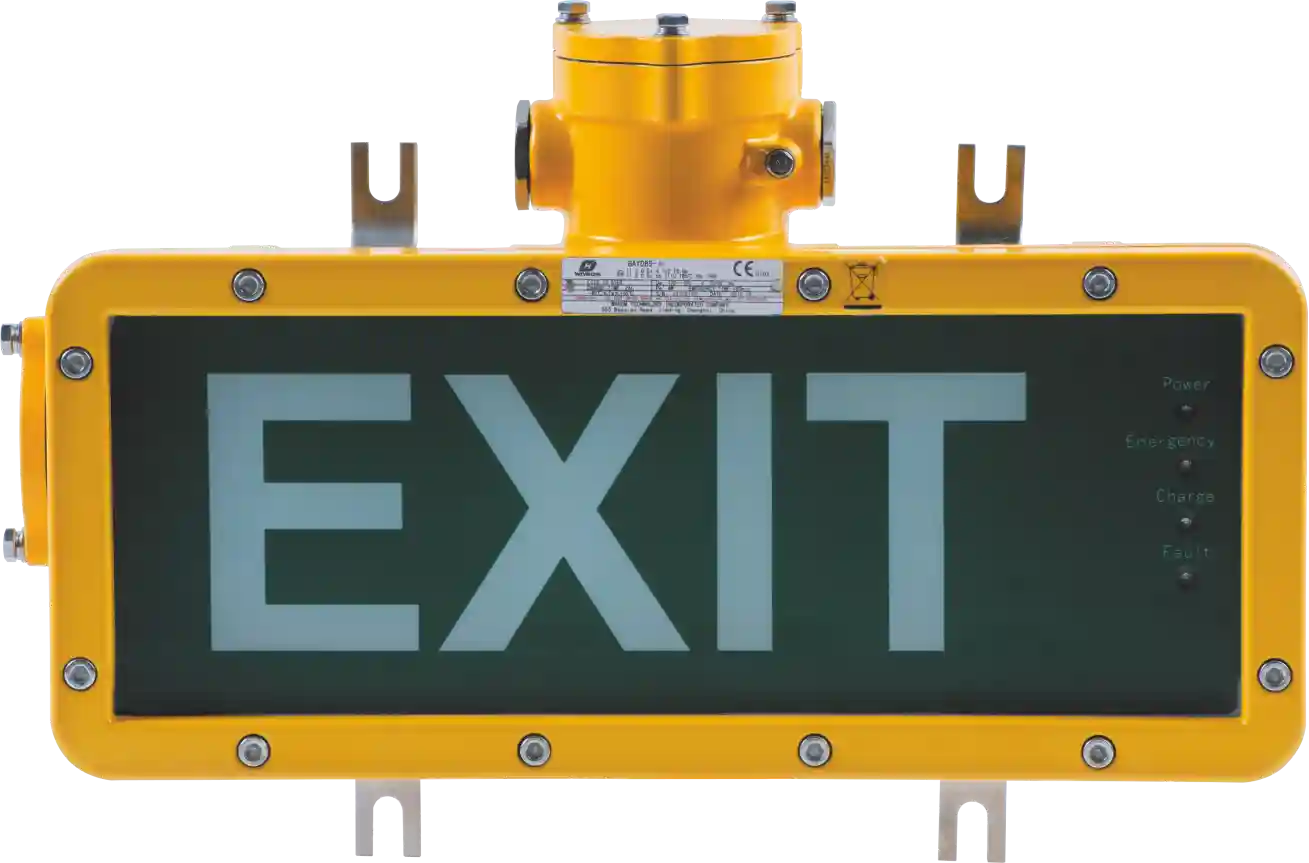
For a newbuild, the certificate is not a formality. It is the surveyor’s first check. We see too many RFQs that ask only for “explosion proof” and leave the protection type open. An Ex d flameproof enclosure and an Ex e increased safety terminal box are not interchangeable, even when both fit the broad label. The certificate must cover the exact protection type, gas group, temperature class, equipment protection level, and cable entry configuration that appears on the vessel’s drawings. We also check whether the certificate is still valid for the manufacturing location and whether the product carries a classification society notation such as CCS (China Classification Society). Without that notation, a surveyor may reject an industrial product that is otherwise perfectly serviceable.
Certification marks alone do not settle a hazardous area lighting decision. <Guide de l’éclairage pour lieux dangereux : normes et choix> covers how area classification, ingress protection, and light distribution interact when a fixture moves from an industrial warehouse to an offshore deck.
How Do You Build a Complete Marine Package Around presse-étoupes and Enclosures?
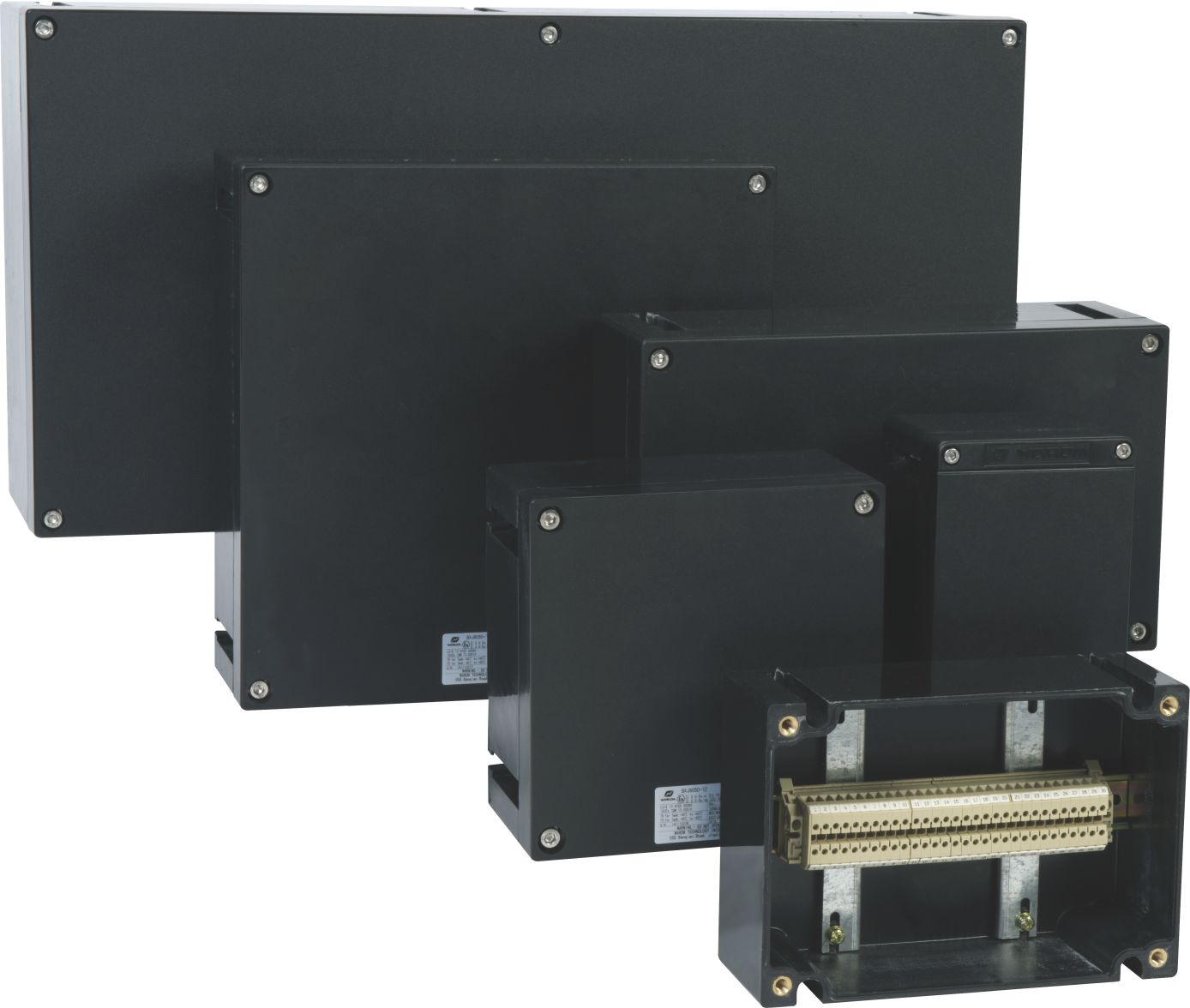
The packages that survive a newbuild schedule are usually designed around the cable entries, not around the lighting count. We learned this on projects where the cable schedule was not fixed. A marine floodlight with 2×M25×1.5 entries works only if the design cable outer diameter falls within the gland sealing range, perhaps Φ12.5 to Φ20.5 mm for a nickel-plated brass DQM-II or DQM-III. If the yard later changes to armoured cable with a different diameter, the entire enclosure entry set may need rework. We recommend locking the cable schedule before ordering because cable glands, junction boxes, terminal boxes, and distribution panels all share the same sealing interface.
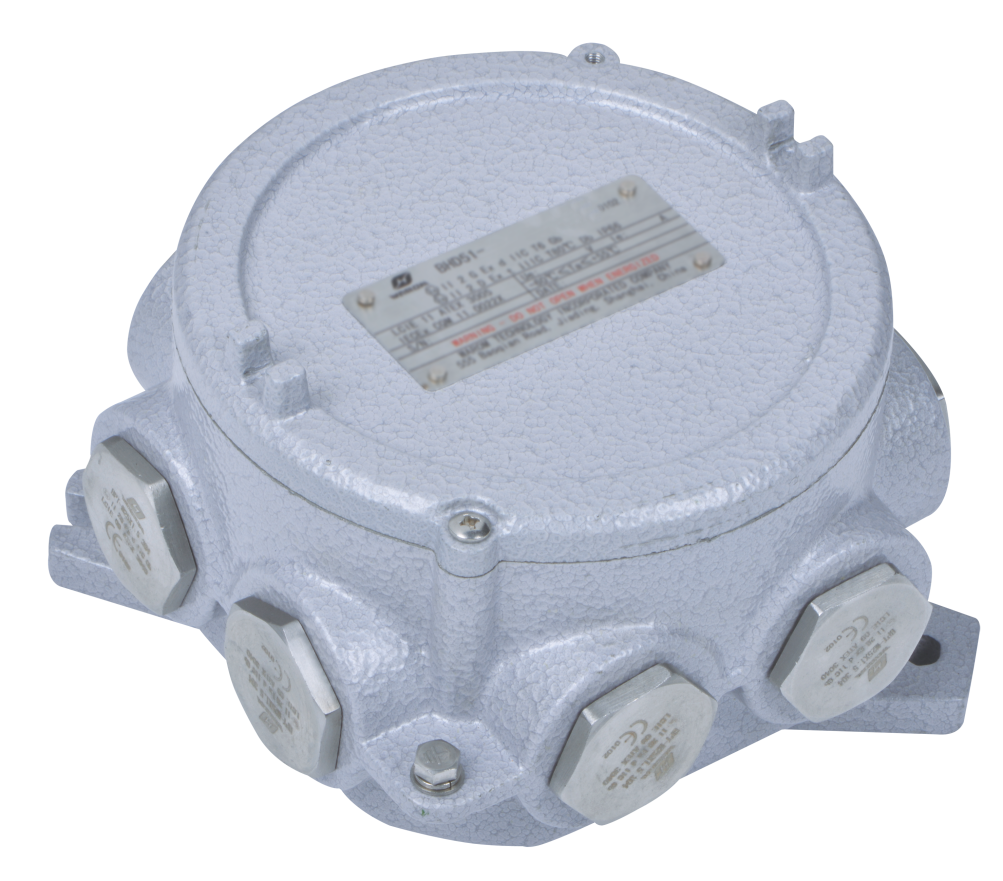
For the equipment package itself, we usually break a newbuild requirement into four blocks: lighting and signaling, distribution and control, connection and termination, and monitoring. Lighting includes floodlights, linear fittings, pendant fittings, lampe de signalisation de navigations, and helideck lighting. Distribution includes illumination boxes and stainless steel or copper-free aluminium panels. Connection covers junction boxes, terminal boxes, plugs, and sockets. Monitoring includes cameras and gas detection interfaces. Splitting the package this way exposes gaps early. A vessel with a full lighting schedule and no compatible distribution enclosure has a real design problem that will not show up on a line item quote.
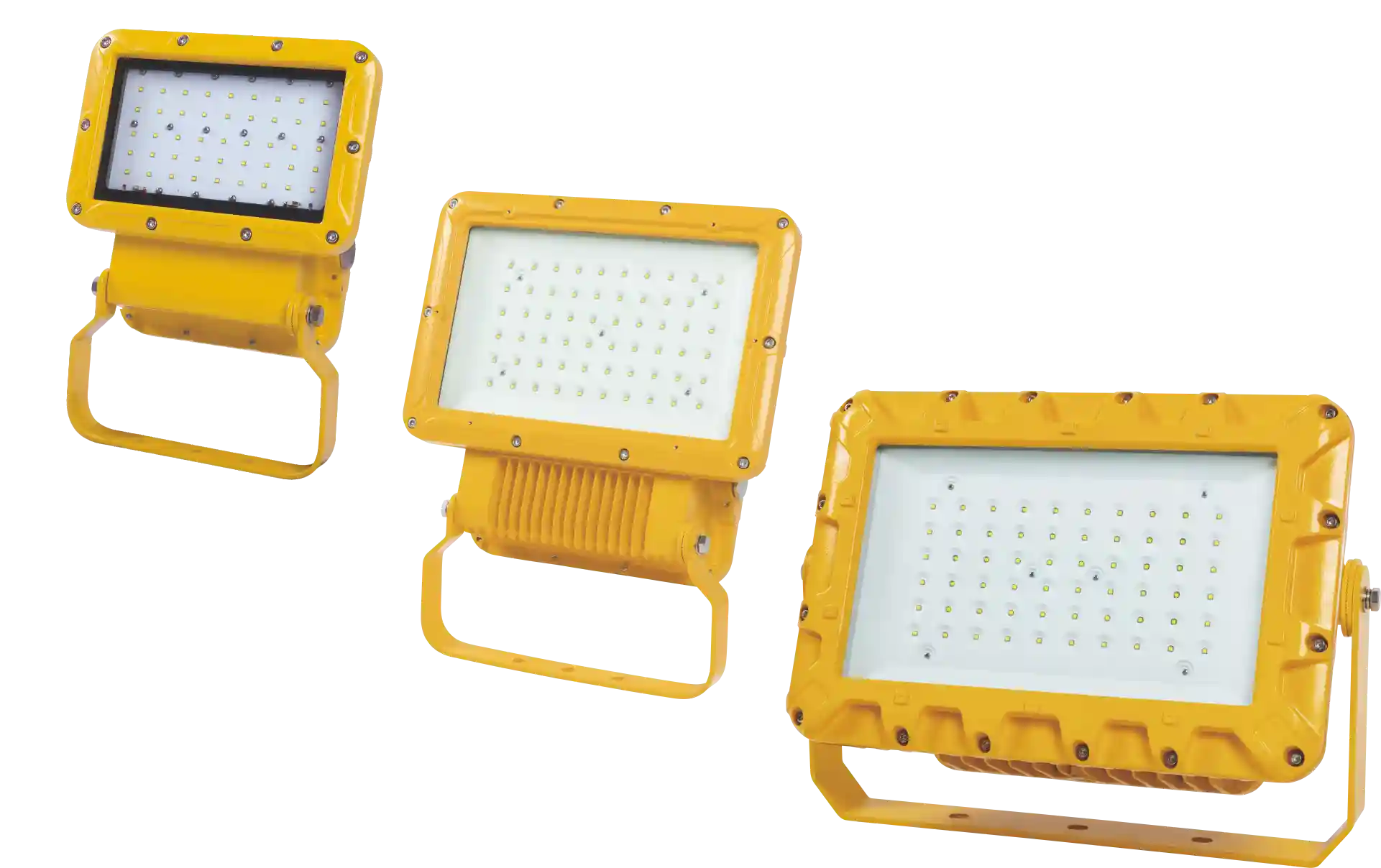
If your newbuild package includes mixed Zone 1 and Zone 2 equipment with classification society notations, confirm the cable entry compatibility before finalizing the bill of materials. Send the cable schedule and hazardous area plan to gm*@***om.com and we will verify the enclosure and gland pairing before you commit the purchase order.
Marine newbuild and offshore wind projects share the same integration risk. <Sous-stations éoliennes en mer : solutions de distribution électrique à l’épreuve des explosions> covers how distribution equipment is matched to platform layouts, cable schedules, and certification requirements before installation crews arrive.
What Should You Check During Supplier Audits and Factory Acceptance Testing?
A supplier audit for marine explosion proof equipment should focus on documentation, material control, and test records, not just the machine list. We look for a controlled flamepath inspection process, torque records on Ex d covers, thread gauges for cable entries, and a certificate package that matches the purchase order line by line. When those records are missing or poorly maintained, the product cannot be considered ready for a newbuild survey.
We use a short factory acceptance checklist on marine packages: certificate review against the purchase order, enclosure material verification, cable entry thread inspection, torque confirmation on flameproof covers, and full function test on emergency and navigation circuits. On the Tilenga project in Uganda, our explosion-proof lighting and electrical systems delivered zero safety incidents across wellpads, a central processing facility, and pipelines. That outcome came from documentation discipline as much as electrical design.
How Do You Get an Accurate Quotation for a Marine Newbuild Package?
The most frustrating newbuild procurement outcome is a delivery that passes every line item but still cannot be signed off by the surveyor. We have seen that happen when certificates, cable entries, and classification society requirements were not reconciled before order placement. If you share the hazardous area schedule, cable schedule, and classification society requirements now, we can turn them into a quotation that answers the surveyor’s questions before commissioning. Send those documents and the vessel’s delivery timeline to gm*@***om.com or call +86 21 39977076 or +86 21 39972657. We will confirm product selection, certification coverage, and lead time before you commit.
What Else Do Procurement Teams Ask About Marine Newbuild Sourcing?
Do marine produits antidéflagrants need CCS approval on every newbuild?
Only if the vessel’s classification society requires it, but in practice most newbuild packages include classification society notation because surveyors ask for type approval evidence. CCS notation matters when the flag state or owner specifies it; BV, DNV, or other rules may apply elsewhere. We ask for the classification society and flag state in the RFQ before quoting. A product with IECEx or ATEX certification but no required marine notation can pass a component inspection and still fail a newbuild survey.
Can I buy standard hazardous area products and add marine treatment later?
cURL Too many subrequests by single Worker invocation. To configure this limit, refer to https://developers.cloudflare.com/workers/wrangler/configuration/#limits
cURL Too many subrequests by single Worker invocation. To configure this limit, refer to https://developers.cloudflare.com/workers/wrangler/configuration/#limits
cURL Too many subrequests by single Worker invocation. To configure this limit, refer to https://developers.cloudflare.com/workers/wrangler/configuration/#limits
cURL Too many subrequests by single Worker invocation. To configure this limit, refer to https://developers.cloudflare.com/workers/wrangler/configuration/#limits
cURL Too many subrequests by single Worker invocation. To configure this limit, refer to https://developers.cloudflare.com/workers/wrangler/configuration/#limits
Si vous êtes intéressé, consultez ces articles connexes :
Température de couleur de l’éclairage industriel : un guide complet
Warom à Vietnam ETE 2024
Warom au 40e ADIPEC 2024
Projecteurs d’observation locaux de prudence : Améliorer la sécurité dans les zones dangereuses
Bonne année
Avec plus d'une décennie d'expérience, il est ingénieur électricien explosion-proof chevronné spécialisé dans la conception et la fabrication de produits de sécurité et anti-explosion. Il possède une expertise approfondie dans des domaines clés tels que les systèmes antiprédétection d'explosion, l'éclairage nucléaire, la sécurité maritime, la protection contre les incendies et les systèmes de contrôle intelligents. Chez Warom Technology Incorporated Company, il occupe des postes de direction doubles en tant que Directeur adjoint de l'ingénierie pour les affaires internationales et Chef du département international R&D, où il supervise les initiatives de R&D et assure la livraison précise des documents de conception pour les projets internationaux. Engagé dans l'amélioration de la sécurité industrielle mondiale, il se concentre sur la traduction de technologies complexes en solutions pratiques, aidant les clients à mettre en œuvre des systèmes de contrôle plus sûrs, plus intelligents et plus fiables dans le monde.
Qi Lingyi