
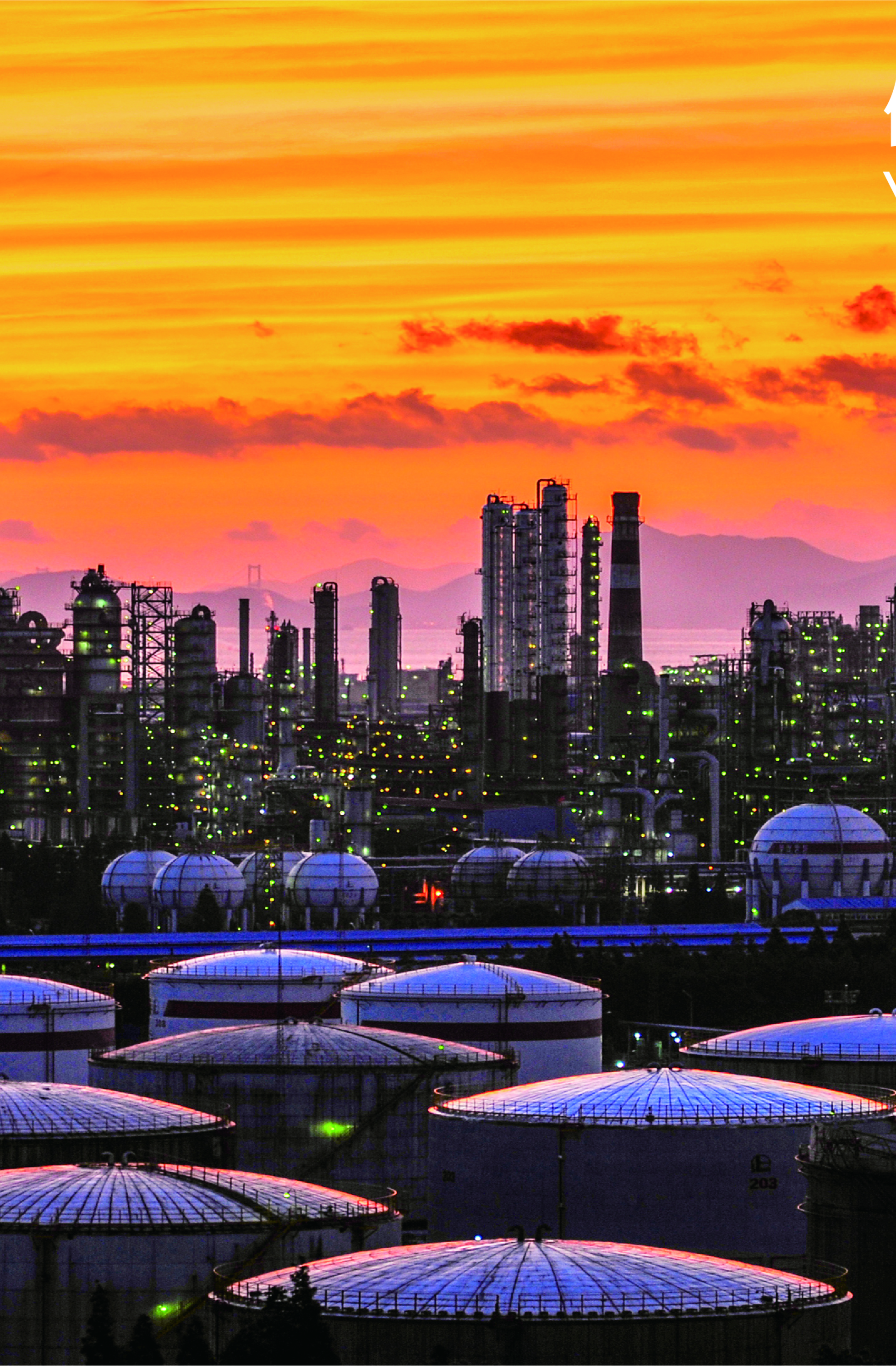
Most explosion proof lighting distribution boxes I review on project schedules are treated as a minor package item. The more useful starting point is the installed lighting circuit inventory: number of outgoing ways, cable diameters, gland type, ambient temperature, and whether the enclosure sits in Zone 1 or Zone 2. When the enclosure is chosen before those details are fixed, the usual result is either a field modification or a certificate condition that no longer matches the installed method. I use that order to keep the distribution box certified and the lighting network easy to maintain without rework.
Hazardous Area Classification Sets the Minimum Explosion Proof Lighting Distribution Box Requirements
Lighting distribution boxes in hazardous areas are not always flameproof enclosures. Many lighting panels are built as increased safety Ex e enclosures with flameproof switching or circuit breaker compartments inside. That compound design keeps the enclosure accessible while containing the arcing components in an Ex d chamber. The BXM(D)8050 is one family we use for this type of panel because it combines an Ex d chamber with an Ex e enclosure and carries an IP66 rating. The classification still has to be checked first.
Zone 1 gas areas with IIC gases demand a stricter protection concept than Zone 2, even when the connected loads are identical. For dust, Zone 21 and Zone 22 add surface temperature and dust group checks that a gas only certificate may not cover. I ask the project team for the area classification drawing and the gas group before any enclosure material or circuit arrangement is discussed.
| Area | Typical protection | What I verify |
|---|---|---|
| Zone 1 gas | Ex d or compound Ex d and Ex e | Gas group IIC, temperature class, certified entries |
| Zone 2 gas | Ex e or Ex nA | Zone 2 certificate, ambient range, gland rating |
| Zone 21 dust | Ex tb IIIC | Dust layer, IP66, surface temperature |
| Zone 22 dust | Ex tc IIIB or IIIC | Fiber accumulation, cleaning access, overtemperature |
Explosion Proof Lighting Distribution Box Enclosure and Cable Entry Design Must Match Each Lighting Circuit
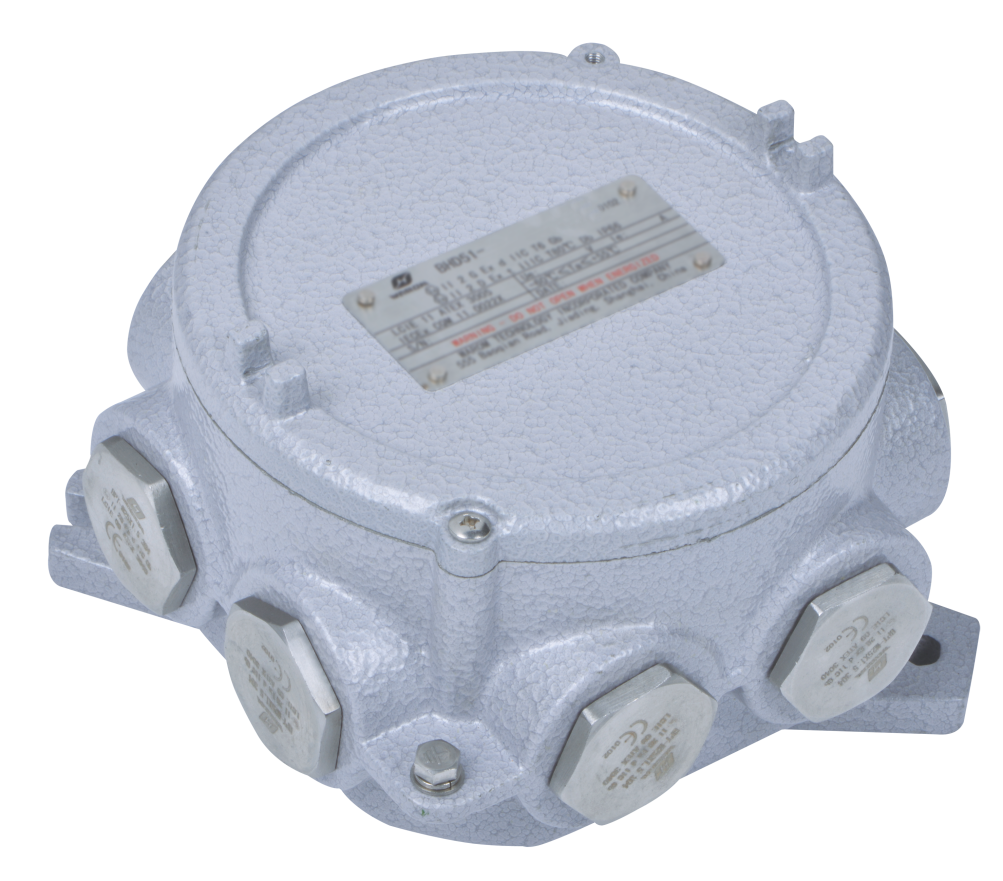
An explosion proof lighting distribution box fails at the interface before it fails at the enclosure. Cable entry holes are machined to suit the glands and cables specified at order time. If the contractor later brings armored cable instead of unarmored cable, or changes from metric to NPT threads, the holes and glands no longer fit without workshop modification. On one overseas химической lighting package, the initial design used gland plates for 12.5 to 20.5 mm cable outer diameters. The final lighting loop schedule moved to 6 mm² armored cores with larger overall diameters, so the entry plate had to be redrawn before fabrication. The change was caught early and avoided non-certified holes in the field.
Cable entry choices affect the enclosure drawing and the installers’ work in the field. <Взрывозащищённый распределительный щит: вводы и кабельные каналы для безопасности> covers the practical trade-offs between direct cable gland entry and conduit systems, including where each method creates cost or inspection problems.
Enclosure material is the other decision that is fixed too early. The options below cover most lighting distribution panels we review.
| Материал | Typical application | What to check |
|---|---|---|
| GRP | Chemical and coastal lighting panels | IP66, corrosion resistance, lower weight |
| Алюминиевый сплав без содержания меди | Oil, gas, and process units | IP66, wide ambient range, mechanical strength |
| Нержавеющая сталь | Marine and saltwater exposure | Corrosion resistance, higher machining cost |
Terminal Ratings and Circuit Configuration Set the Real Explosion Proof Lighting Distribution Box Capacity
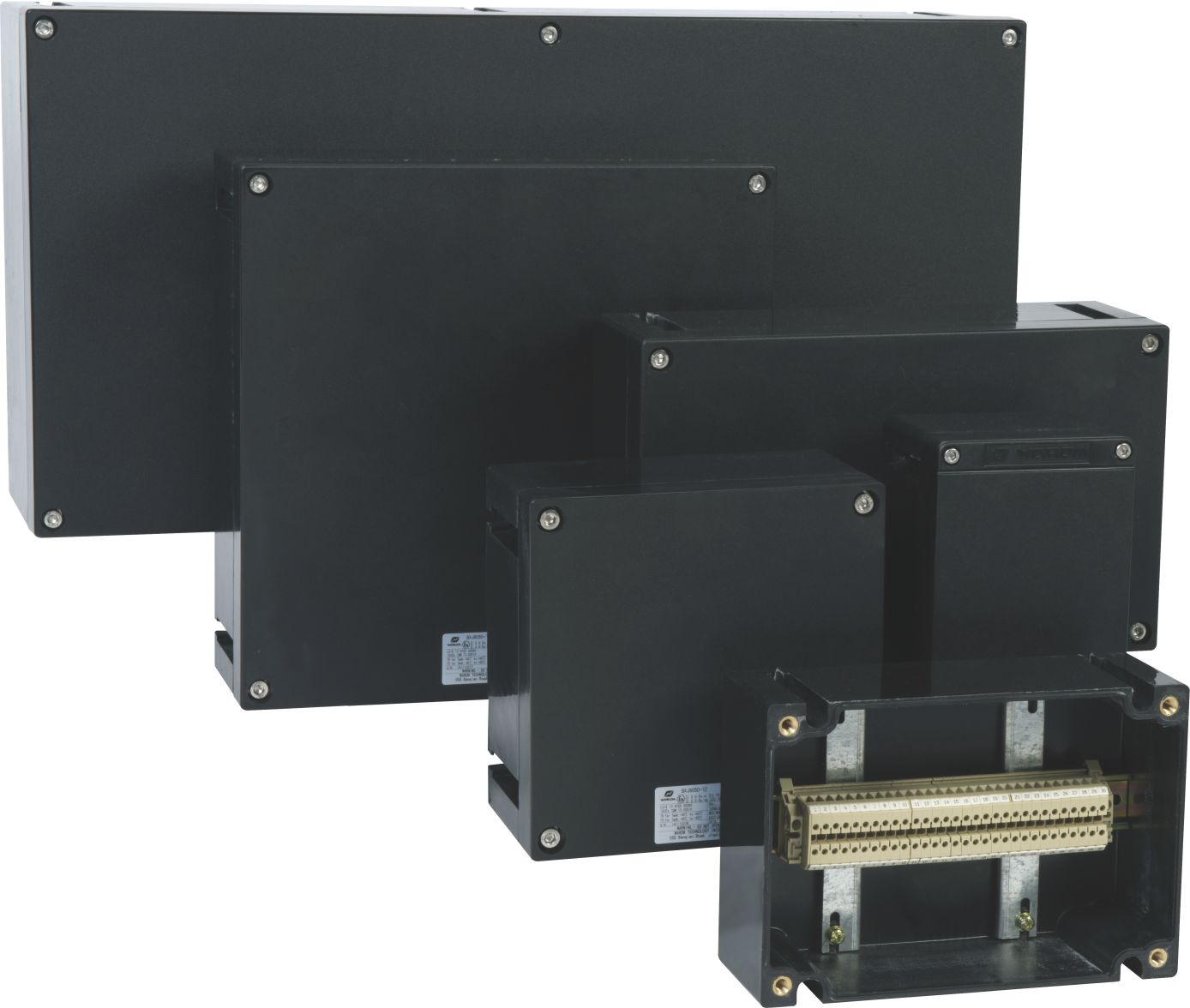
Terminal ratings are the least visible constraint inside a distribution box. A 6 mm² terminal may be marked for 41 A in a BHD91 junction box, but the practical circuit load should be lower when the box sits in an ambient above 40°C or when several outgoing lighting circuits share one enclosure. In an Ex e terminal box such as the BXJ8050, the current ratings move with the conductor cross section: 20 A at 2.5 mm², 28 A at 4 mm², 35 A at 6 mm², 45 A at 10 mm², 60 A at 16 mm², and 100 A at 35 mm². Those figures assume the terminal row is not packed and the certificate conditions are met. That is why I ask for the maximum protective device setting with the circuit schedule, not just the connected wattage.
LED lighting loads can be small enough that the panel is mechanically full long before it is electrically loaded. The difficulty shifts from current density to cable entry space and terminal access. For lighting tower and process area circuits, I prefer to keep the number of outgoing ways below the certified terminal count and to reserve spare ways for commissioning changes. On the General Paint chemical plant in Mexico, the distribution equipment had to handle flammable gas and dust risks, so the outgoing circuit arrangement was designed around the existing cabling conditions and the need to isolate sections quickly during maintenance. A panel with no spare entry capacity leaves a maintenance team with difficult choices.
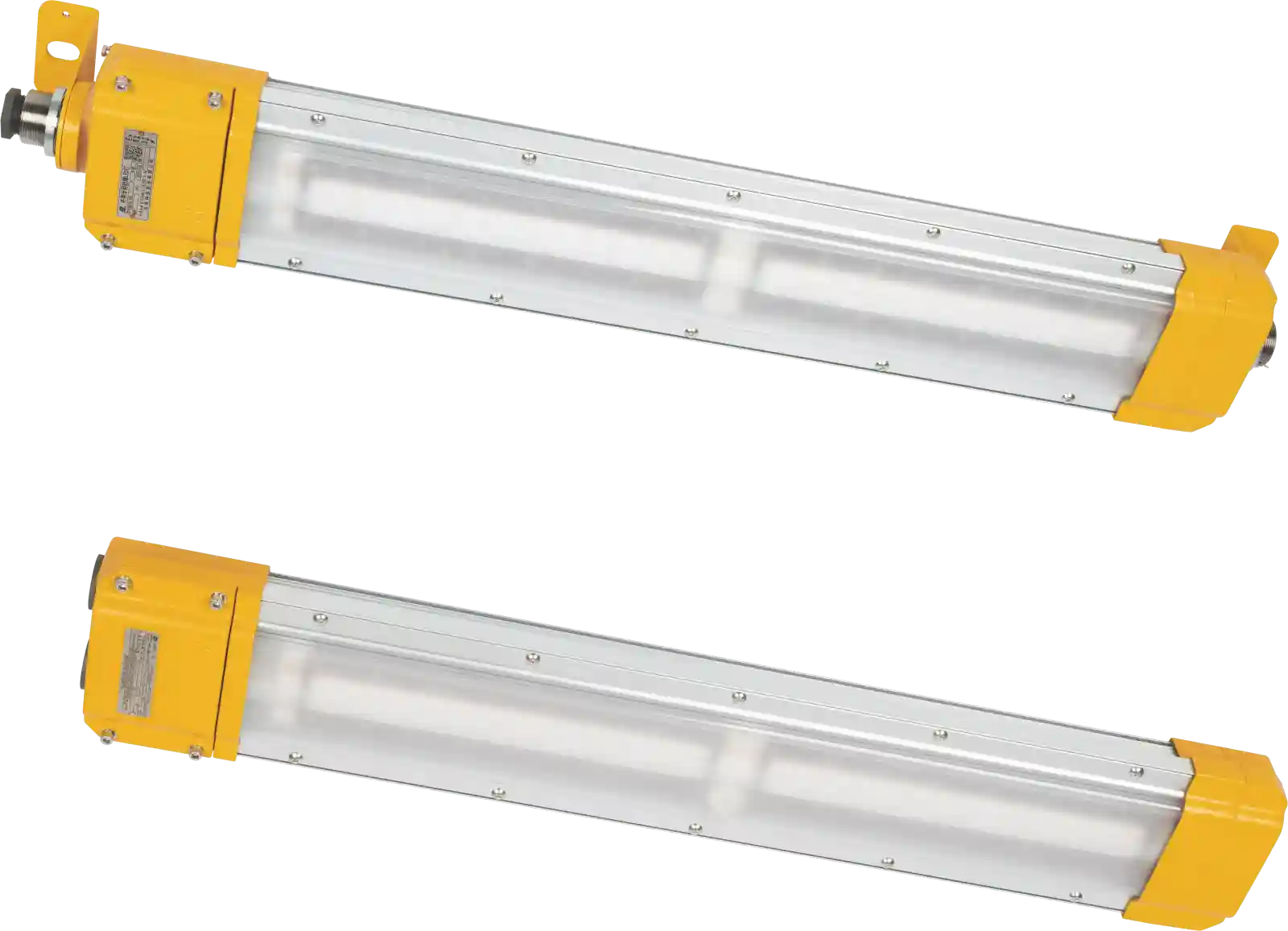
At this point I usually ask the project engineer to confirm the full outgoing circuit list before freezing the bill of materials. If the list includes mixed Ex d breakers and Ex e terminals in one enclosure, the physical arrangement needs a layout check. Send the circuit schedule to gm*@***om.com cURL Too many subrequests by single Worker invocation. To configure this limit, refer to https://developers.cloudflare.com/workers/wrangler/configuration/#limits
cURL Too many subrequests by single Worker invocation. To configure this limit, refer to https://developers.cloudflare.com/workers/wrangler/configuration/#limitsСветодиодные лампы взрывозащищённые: руководство по безопасности в опасных зонахcURL Too many subrequests by single Worker invocation. To configure this limit, refer to https://developers.cloudflare.com/workers/wrangler/configuration/#limits
cURL Too many subrequests by single Worker invocation. To configure this limit, refer to https://developers.cloudflare.com/workers/wrangler/configuration/#limits
cURL Too many subrequests by single Worker invocation. To configure this limit, refer to https://developers.cloudflare.com/workers/wrangler/configuration/#limits
cURL Too many subrequests by single Worker invocation. To configure this limit, refer to https://developers.cloudflare.com/workers/wrangler/configuration/#limits
cURL Too many subrequests by single Worker invocation. To configure this limit, refer to https://developers.cloudflare.com/workers/wrangler/configuration/#limits
cURL Too many subrequests by single Worker invocation. To configure this limit, refer to https://developers.cloudflare.com/workers/wrangler/configuration/#limits gm*@***om.comcURL Too many subrequests by single Worker invocation. To configure this limit, refer to https://developers.cloudflare.com/workers/wrangler/configuration/#limits
cURL Too many subrequests by single Worker invocation. To configure this limit, refer to https://developers.cloudflare.com/workers/wrangler/configuration/#limits
cURL Too many subrequests by single Worker invocation. To configure this limit, refer to https://developers.cloudflare.com/workers/wrangler/configuration/#limits
cURL Too many subrequests by single Worker invocation. To configure this limit, refer to https://developers.cloudflare.com/workers/wrangler/configuration/#limits
cURL Too many subrequests by single Worker invocation. To configure this limit, refer to https://developers.cloudflare.com/workers/wrangler/configuration/#limits
cURL Too many subrequests by single Worker invocation. To configure this limit, refer to https://developers.cloudflare.com/workers/wrangler/configuration/#limits
cURL Too many subrequests by single Worker invocation. To configure this limit, refer to https://developers.cloudflare.com/workers/wrangler/configuration/#limits
cURL Too many subrequests by single Worker invocation. To configure this limit, refer to https://developers.cloudflare.com/workers/wrangler/configuration/#limits
cURL Too many subrequests by single Worker invocation. To configure this limit, refer to https://developers.cloudflare.com/workers/wrangler/configuration/#limits
cURL Too many subrequests by single Worker invocation. To configure this limit, refer to https://developers.cloudflare.com/workers/wrangler/configuration/#limits gm*@***om.com cURL Too many subrequests by single Worker invocation. To configure this limit, refer to https://developers.cloudflare.com/workers/wrangler/configuration/#limits
Если вас интересует, ознакомьтесь с этими связанными статьями:
Warom приглашает вас на 2025 China International Maritime Technology & Academic Conference and Exhibition
Руководство по освещению опасных зон: стандарты и выбор
Warom на Vietnam ETE 2024
WAROM Со своим партнером в OGU
Взрывозащищенные пускатели двигателя DOL: основные характеристики и выбор
С более чем десятилетним опытом он — опытный инженер по взрывобезопасности электротехники, специализирующийся на проектировании и производстве безопасной и взрывобезопасной продукции. Он обладает глубокими знаниями в ключевых сферах, включая системы взрывозащиты, освещение для атомной энергетики, морскую безопасность, пожарную защиту и интеллектуальные системы управления. В Warom Technology Incorporated Company он занимает две руководящие должности: заместитель главного инженера по международному бизнесу и руководитель отдела международных НИОКР, где курирует исследования и разработки и обеспечивает точную передачу проектной документации для международных проектов. Стремясь к продвижению глобальной промышленной безопасности, он сосредоточен на преобразовании сложных технологий в практические решения, помогающие клиентам внедрять более безопасные, умные и надёжные системы управления по всему миру.

Qi Lingyi