
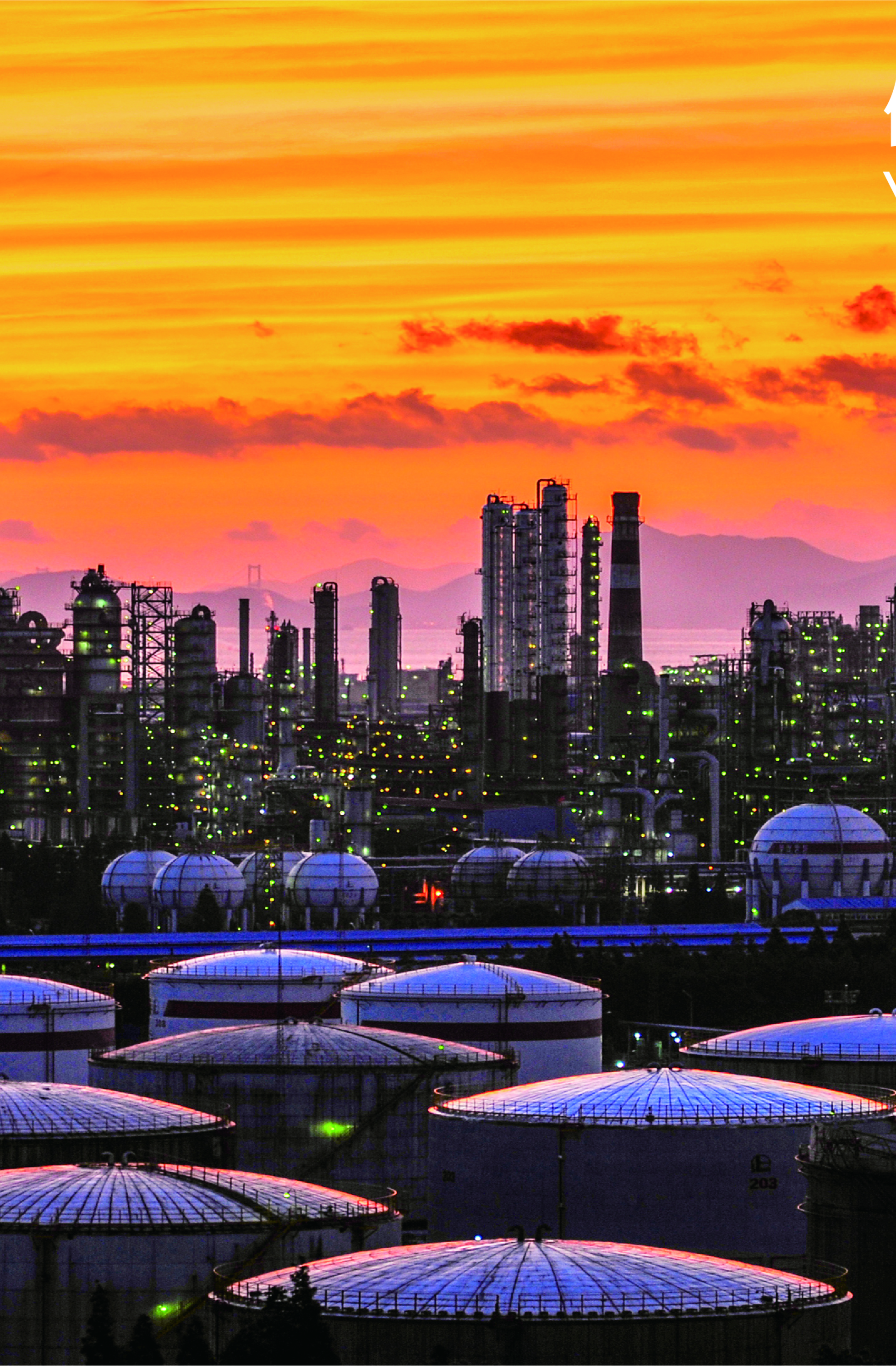
Grain storage explosion proof distribution boxes are not a commodity. Grain dust, flour dust, and chaff fines settle into every cable entry and enclosure joint. A box that meets a general hazardous area rating but leaks dust around one gland can become an ignition source after a single cleaning shift. The specification that matters is not only the explosion protection marking: it is the combined performance of dust-tight construction, surface temperature limits, cable entry sealing, and maintenance access. We review the checks that keep grain storage distribution circuits safe and inspection-ready.
What Makes Grain Storage a Dust Explosion Hazard?
Grain elevators, flour mills, and feed plants generate dust from conveying, grinding, screening, and drying. Dust settles on horizontal surfaces inside and outside equipment. The hazard is not only the suspended cloud; a layer of grain dust can insulate a warm enclosure and raise its outer surface temperature above the ignition threshold. In North America, NFPA 499 treats many grain handling areas as Class II locations with Group G dust. In IEC zones, the same facilities normally fall into Zone 20, Zone 21, or Zone 22 depending on whether dust is present continuously, occasionally, or only under abnormal conditions.
A distribution box carries mains, motor, and lighting circuits. It is not the largest dust source, but it is one of the few places where heat and dust remain close for years. If the enclosure surface reaches a temperature that can ignite a dust layer, no amount of clean wiring inside resolves the problem.
| Dust zone | Dust presence | Typical grain storage location |
|---|---|---|
| Zona 20 | Continuo o frecuente | Inside silos, hoppers, and enclosed conveying ducts |
| Zona 21 | Ocasional durante la operación normal | Bucket elevator boots, mill inlets, and bagging stations |
| Zona 22 | Abnormal or short release only | Clean storage buildings and warehouse areas |
How Do Explosion Proof Distribution Boxes for Grain Storage Stop Ignition?
In grain handling, the distribution box has to do two things at once: keep grain dust out of the energized interior and prevent the enclosure surface from becoming an ignition source. The first requirement points to dust-tight construction. The second points to temperature classification and dust layer management.
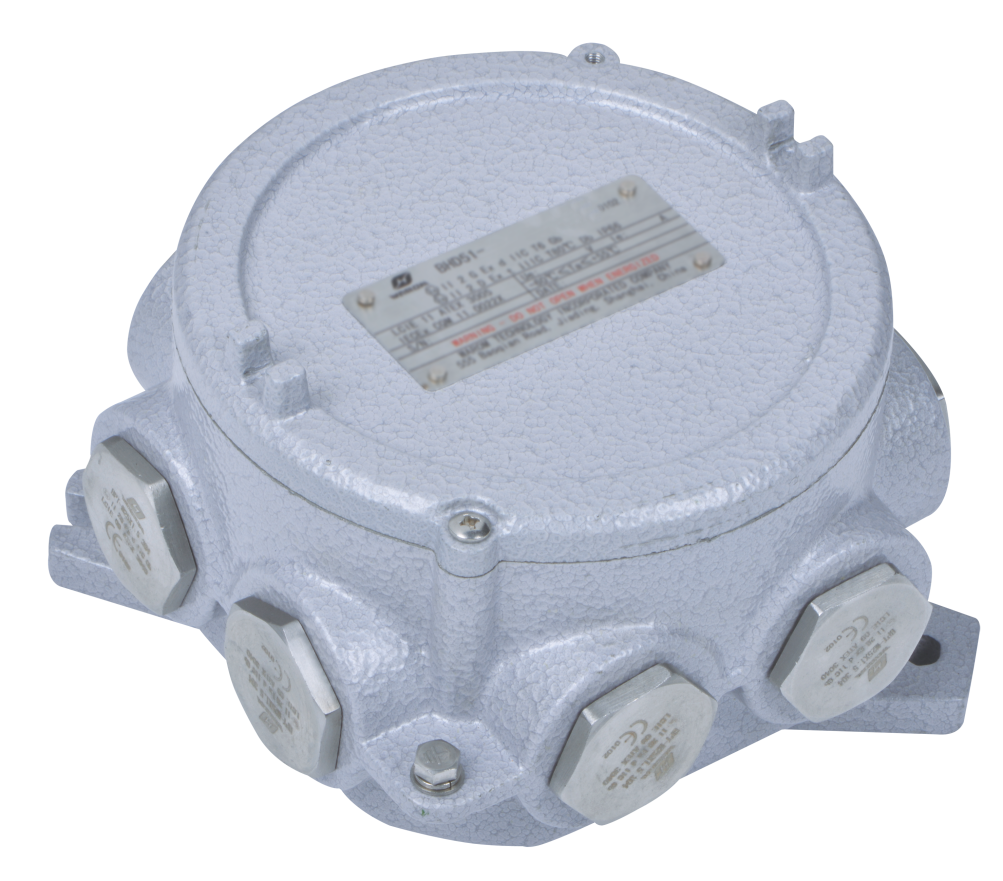
What does Zone 21 mean for a grain storage distribution box?
For Zone 21, an enclosure should be certified for dust. The common IEC marking is Ex tb IIIC T80°C Db. Ex tb means protection by enclosure; IIIC covers conductive and non-conductive dusts; T80°C limits the applicable maximum surface temperature; Db is the equipment protection level for Zone 21. In North American Class II language, the equivalent requirement is dust-ignitionproof construction and a Group G dust rating. The marking must include the dust group and the maximum surface temperature for the actual installation.
Why is surface temperature harder to control with dust layers?
Surface temperature limits assume the enclosure is not buried under dust. In grain installations, dust can accumulate on top of boxes, especially on flat covers and cable tray runs. Our design rule is to treat any surface that can collect dust as a potential hot spot. We prefer enclosures with sloped tops or mounting arrangements that reduce dust accumulation. If a site cannot control dust depth, the temperature class alone may not be enough; the owner must manage housekeeping or request a lower temperature class.
What Should Buyers Check in Cable Entries, Earthing, and Terminal Ratings?
Gland plate or conduit: which one seals better against flour dust?
Grain dust is finer than many industrial dusts and works into threaded joints. A gland plate is only as good as the glands installed in it. We specify certified Ex e or Ex d glands matched to the cable outer diameter. Conduit can be used, but it should not be treated as an automatic dust seal. Every unused entry must be closed with a certified blanking plug. The plug and gland should carry the same dust protection rating as the enclosure.
IP rating alone does not confirm a cable entry will stay dust tight once a cable is installed. <Guía de clasificación IP64: Pruebas prácticas de protección de dispositivos> covers the test method, the difference between device ratings and installed performance, and why the enclosure IP value should be read alongside the gland certificate.
What earthing details do grain storage auditors check?
Grain dust can build static charges. Distribution boxes need internal and external earthing terminals sized for the largest fault current. In our audits, the most common finding is a painted external earthing pad that was never scraped to bare metal, leaving a high resistance path. Use stainless steel fasteners and confirm the earthing conductor matches the fault current rather than the phase conductor size.
Terminals must be rated for the load current and the conductor cross-section. A 6 mm² terminal rated 41 A may be too small for a large motor feeder. If the box feeds dust collectors or bucket elevator drives, ask the supplier for terminal current ratings at the actual conductor size, not a generic panel rating.
| Check | Grain storage concern | What to require |
|---|---|---|
| Material de la carcasa | Flour dust mixes with moisture to form a corrosive paste | GRP or corrosion-resistant aluminum with IP66 |
| Entradas de cable | Fine dust enters through unsealed openings and settles in terminals | Certified Ex e or Ex d glands matched to the cable |
| Earthing terminals | Dust movement builds static and a painted lug path fails under fault | Internal and external terminals with the paint removed under the lug |
| Terminal current rating | Motor and heating loads produce heat at small terminals | cURL Too many subrequests by single Worker invocation. To configure this limit, refer to https://developers.cloudflare.com/workers/wrangler/configuration/#limits |
| cURL Too many subrequests by single Worker invocation. To configure this limit, refer to https://developers.cloudflare.com/workers/wrangler/configuration/#limits | cURL Too many subrequests by single Worker invocation. To configure this limit, refer to https://developers.cloudflare.com/workers/wrangler/configuration/#limits | cURL Too many subrequests by single Worker invocation. To configure this limit, refer to https://developers.cloudflare.com/workers/wrangler/configuration/#limits |
cURL Too many subrequests by single Worker invocation. To configure this limit, refer to https://developers.cloudflare.com/workers/wrangler/configuration/#limits gm*@***om.com.
cURL Too many subrequests by single Worker invocation. To configure this limit, refer to https://developers.cloudflare.com/workers/wrangler/configuration/#limits
cURL Too many subrequests by single Worker invocation. To configure this limit, refer to https://developers.cloudflare.com/workers/wrangler/configuration/#limits glándulas de cable cURL Too many subrequests by single Worker invocation. To configure this limit, refer to https://developers.cloudflare.com/workers/wrangler/configuration/#limits
cURL Too many subrequests by single Worker invocation. To configure this limit, refer to https://developers.cloudflare.com/workers/wrangler/configuration/#limits
cURL Too many subrequests by single Worker invocation. To configure this limit, refer to https://developers.cloudflare.com/workers/wrangler/configuration/#limits
cURL Too many subrequests by single Worker invocation. To configure this limit, refer to https://developers.cloudflare.com/workers/wrangler/configuration/#limits
cURL Too many subrequests by single Worker invocation. To configure this limit, refer to https://developers.cloudflare.com/workers/wrangler/configuration/#limits
cURL Too many subrequests by single Worker invocation. To configure this limit, refer to https://developers.cloudflare.com/workers/wrangler/configuration/#limits gm*@***om.com cURL Too many subrequests by single Worker invocation. To configure this limit, refer to https://developers.cloudflare.com/workers/wrangler/configuration/#limits
cURL Too many subrequests by single Worker invocation. To configure this limit, refer to https://developers.cloudflare.com/workers/wrangler/configuration/#limits
cURL Too many subrequests by single Worker invocation. To configure this limit, refer to https://developers.cloudflare.com/workers/wrangler/configuration/#limits
cURL Too many subrequests by single Worker invocation. To configure this limit, refer to https://developers.cloudflare.com/workers/wrangler/configuration/#limits
cURL Too many subrequests by single Worker invocation. To configure this limit, refer to https://developers.cloudflare.com/workers/wrangler/configuration/#limits
cURL Too many subrequests by single Worker invocation. To configure this limit, refer to https://developers.cloudflare.com/workers/wrangler/configuration/#limits
cURL Too many subrequests by single Worker invocation. To configure this limit, refer to https://developers.cloudflare.com/workers/wrangler/configuration/#limits
cURL Too many subrequests by single Worker invocation. To configure this limit, refer to https://developers.cloudflare.com/workers/wrangler/configuration/#limits
cURL Too many subrequests by single Worker invocation. To configure this limit, refer to https://developers.cloudflare.com/workers/wrangler/configuration/#limits
cURL Too many subrequests by single Worker invocation. To configure this limit, refer to https://developers.cloudflare.com/workers/wrangler/configuration/#limits
Si está interesado, consulte estos artículos relacionados:
Vietnam ETE 2024 está en curso
Interruptores de motor a prueba de explosiones: Protegiendo las operaciones mineras subterráneas
WAROM en la Conferencia y Exposición de Productores de Energía Australianos 2026
Guía de clasificación IP64: Pruebas prácticas de protección de dispositivos
Intrínsecamente seguro vs a prueba de explosiones: Guía de aplicaciones en el mundo real
Con más de una década de experiencia, es un Ingeniero Eléctrico a prueba de explosiones con experiencia en el diseño y fabricación de productos de seguridad y a prueba de explosiones. Posee una experiencia profunda en áreas clave que incluyen sistemas a prueba de explosiones, iluminación nuclear, seguridad marina, protección contra incendios y sistemas de control inteligente. En Warom Technology Incorporated Company, ocupa roles de liderazgo dual como Subgerente de Ingeniería para Negocios Internacionales y Jefe del Departamento Internacional de I+D, donde supervisa iniciativas de I+D y garantiza la entrega precisa de la documentación de diseño para proyectos internacionales. Comprometido con avanzar la seguridad industrial global, se enfoca en traducir tecnologías complejas en soluciones prácticas, ayudando a los clientes a implementar sistemas de control más seguros, más inteligentes y fiables en todo el mundo.

Qi Lingyi