
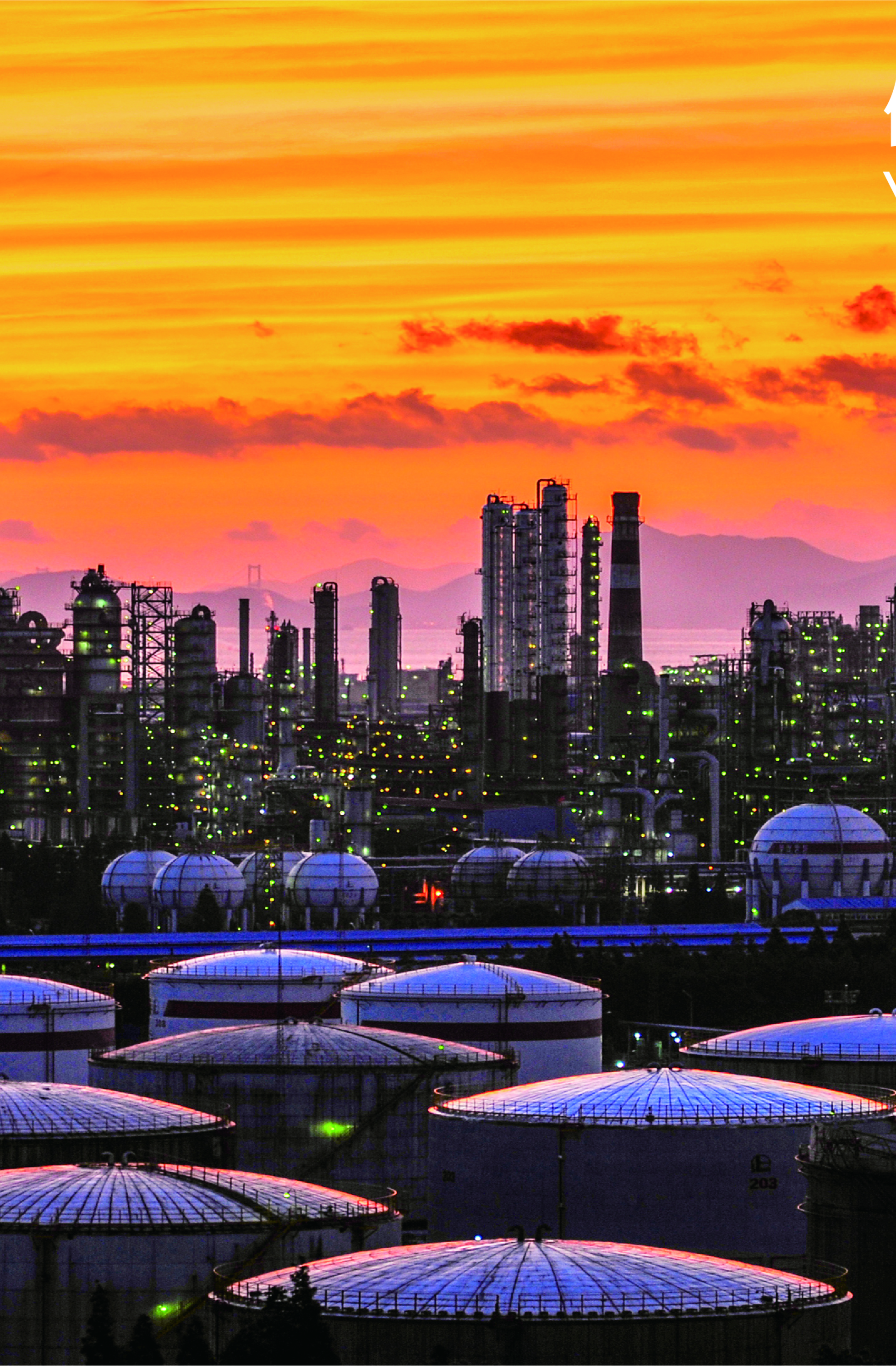
Tire manufacturing depends on flammable solvents, carbon black, and combustible rubber fines in almost every production step. Explosion proof equipment for tire plants is not a single product category but a matched system of lighting, power distribution, control, and monitoring that prevents an internal arc or hot surface from becoming an ignition source. Most specifications fail not because the wrong protection method is chosen, but because the area classification is incomplete or the equipment is treated as interchangeable between dust and gas hazards. This guide sets out how to select, specify, and verify that equipment across mixing, building, curing, and solvent storage areas.
Hazardous Areas in Tire Manufacturing That Dictate Equipment Selection
Tire plants pack different hazards into one connected line. Banbury mixers and roll mills put carbon black fines and fine rubber dust into the air. Tire building machines and cementing stations release solvent vapors from naphtha, toluene, or hexane based cements. Curing presses introduce heat, and solvent storage areas can hold flammable liquids in quantity. A plant-wide electrical classification assigned from a single sample point usually misses the boundary where a gas-rated fitting becomes mandatory or where dust becomes the controlling hazard.
Area classification under IEC 60079-10-1 or NFPA 70 treats each release source according to its process and ventilation, not the size of the room. Gas zones near solvent application often fall in Zone 1 or Zone 2. Carbon black and rubber dust accumulation areas commonly fall in Zone 21 or Zone 22. The equipment nameplate must then state the correct protection type, gas group or dust group, and temperature class for that exact location. In practice, more bid packages fail at this step than at the product price comparison.
Carbon black and rubber fines create the same type of combustible dust hazard found in sugar milling and grain handling, even though the process chemistry is different. <Şeker Distorileri ve Fermantasyon Tesislerini Korumaya Yönelik Patlama Dayanımlı Ekipmanlar> covers how dust-tight enclosures and vapor-rated fittings are matched to specific processing zones in a comparable organic dust environment.
Explosion Proof Equipment That Matches Tire Plant Process Conditions
Explosion proof equipment does not remove fuel from the room. It separates ignition sources from the fuel, or it contains an ignition inside an enclosure so that escaping gases are too cool to ignite the surrounding atmosphere. Flameproof Ex d enclosures contain an internal explosion and cool the flame path. Increased safety Ex e enclosures prevent arcs and hot spots through controlled construction and wiring. Dust-protected enclosures prevent fine carbon black from entering the housing and forming a conductive path.
The equipment family matters because a junction box and a switch have different internal behavior. A terminal box with no switching parts can often use Ex e. A motor switch or contactor assembly with arcs needs Ex d. A luminaire in a solvent-laden tire building area must combine gas-rated construction with a temperature class below the ignition temperature of the cement vapor.
If your project includes solvent-based tire building or a Banbury dust collection room, it is worth confirming the enclosure protection type and temperature class before the bill of materials freezes. Send the process data and zone drawing to gm*@***om.com, and a Warom engineer can check the selection against the actual certificate schedule.
Tire Plant Process Areas and the Equipment They Require
Banbury Mixing and Milling Areas
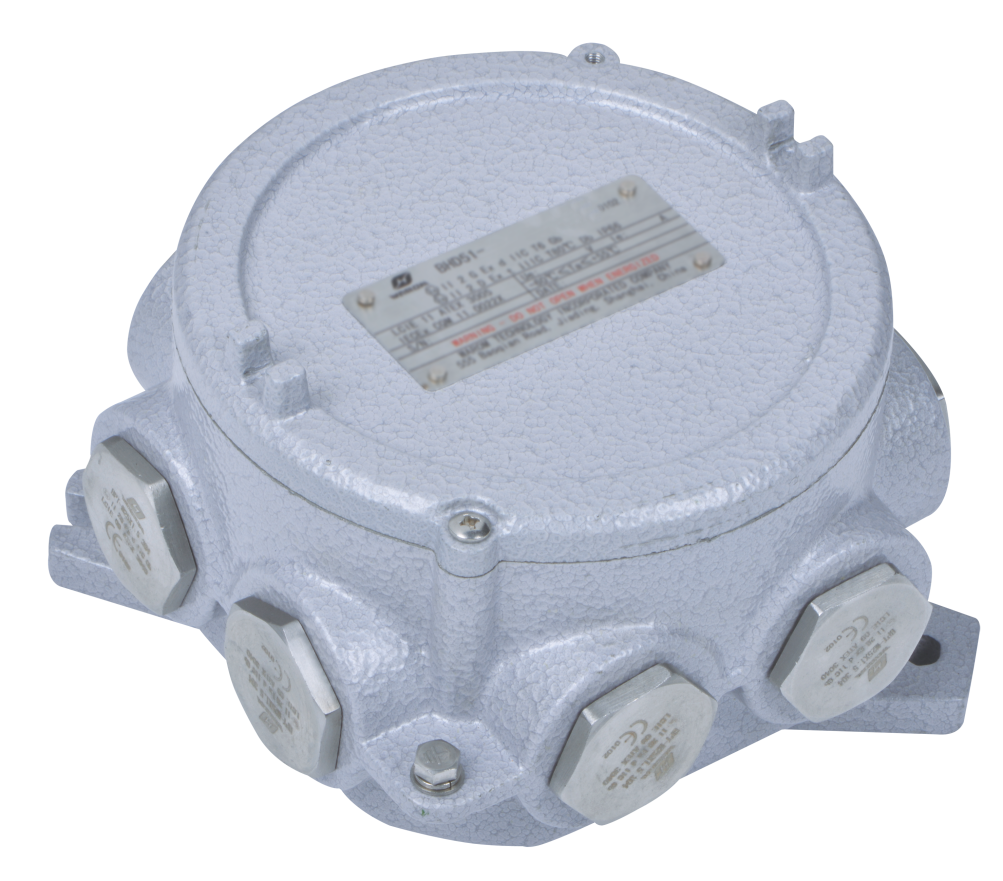
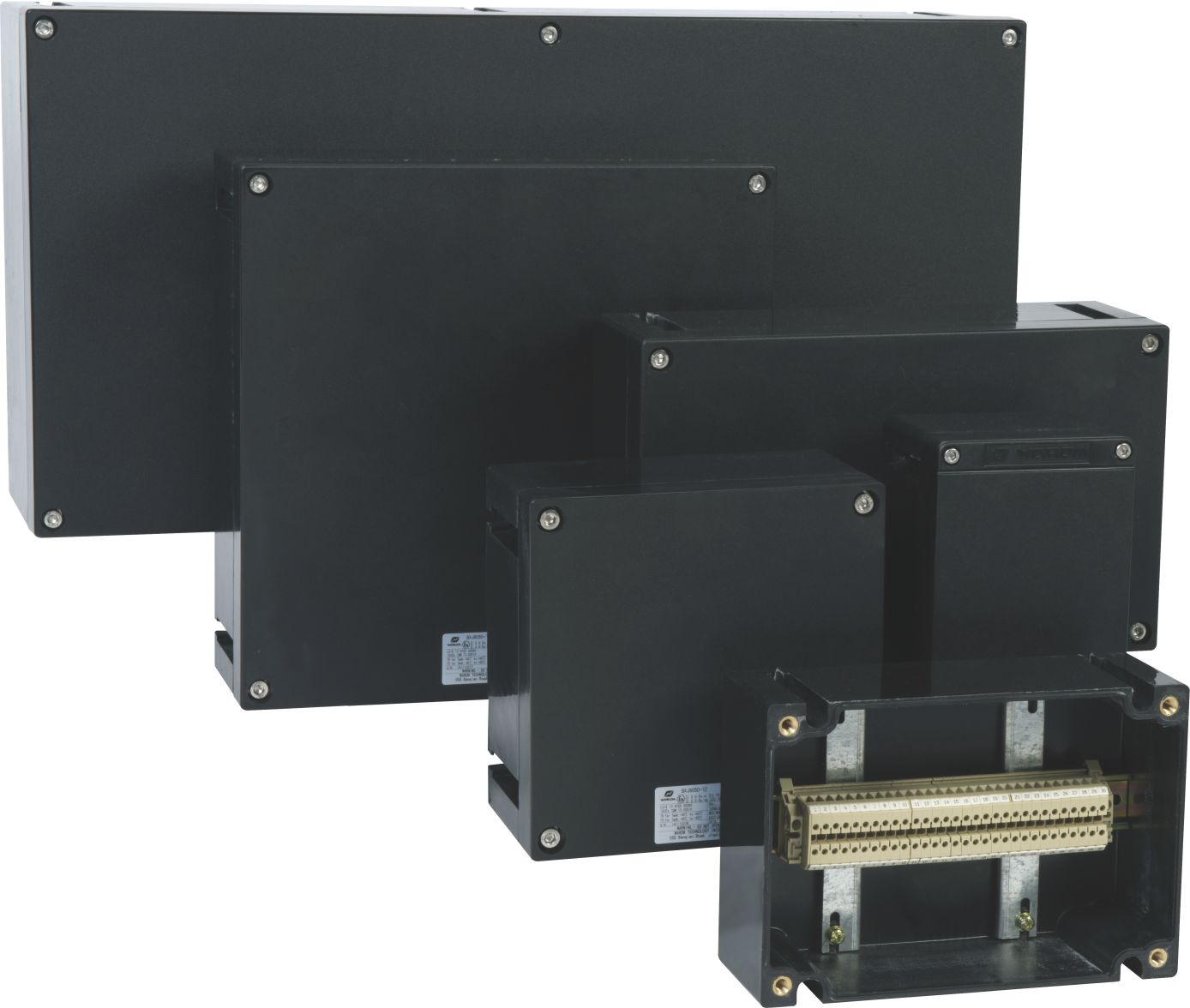
Mixers, mills, and calenders generate carbon black dust and rubber fines that settle inside enclosures and on light fittings. For these locations, IP66 sealing and anti-static finishes matter as much as the gas group. Kutu bağlantıları ve terminal kutuları need to keep dust out during normal operation and survive cleaning routines. The BHD91 junction box uses a copper-free aluminum alloy enclosure and IP66 protection, while the BXJ8050 terminal box offers an Ex e option with terminal sizes from 2.5 mm² to 35 mm² and a maximum voltage of 690 V. Both are built for the field wiring density found in heavy process areas.
Tire Building, Cementing, and Solvent Handling
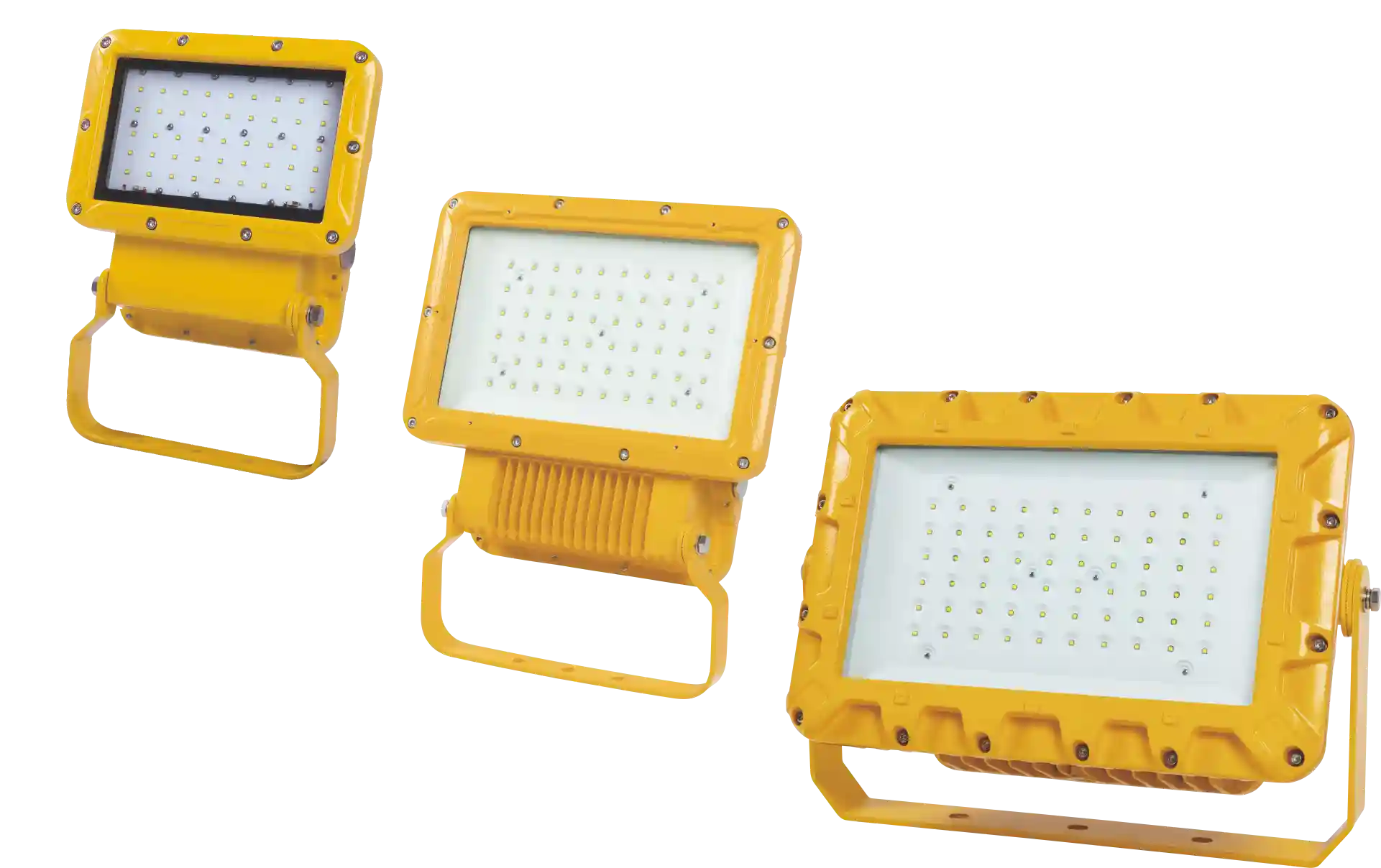
Tire building machines and cementing stations release solvent vapors that are heavier than air and collect near the floor. Equipment in these areas needs gas group and temperature class markings that match the specific solvent. Impact-resistant glass, anti-static coated finishes, and kablo vanaları that maintain the enclosure protection after field wiring all become part of the decision. The BAT86 LED floodlight offers powder-coated steel construction, IP66 protection, WF2 corrosion resistance, and a 5000K LED module suitable for inspection aisles where broad, glare-controlled light is needed.
Projects supplied across both IECEx and NEC markets need markings that line up with the actual installation rules, not just a certificate on the quotation. <ATEX ile UL Sınıflandırması: Patlamaya Dayanıklı Aydınlatmayı Ustalıkla Yönetmek> covers the marking differences that decide whether a fitting can be used in a Class I Division 1 tire cement area without re-engineering.
Curing Presses, Testing, and Finishing
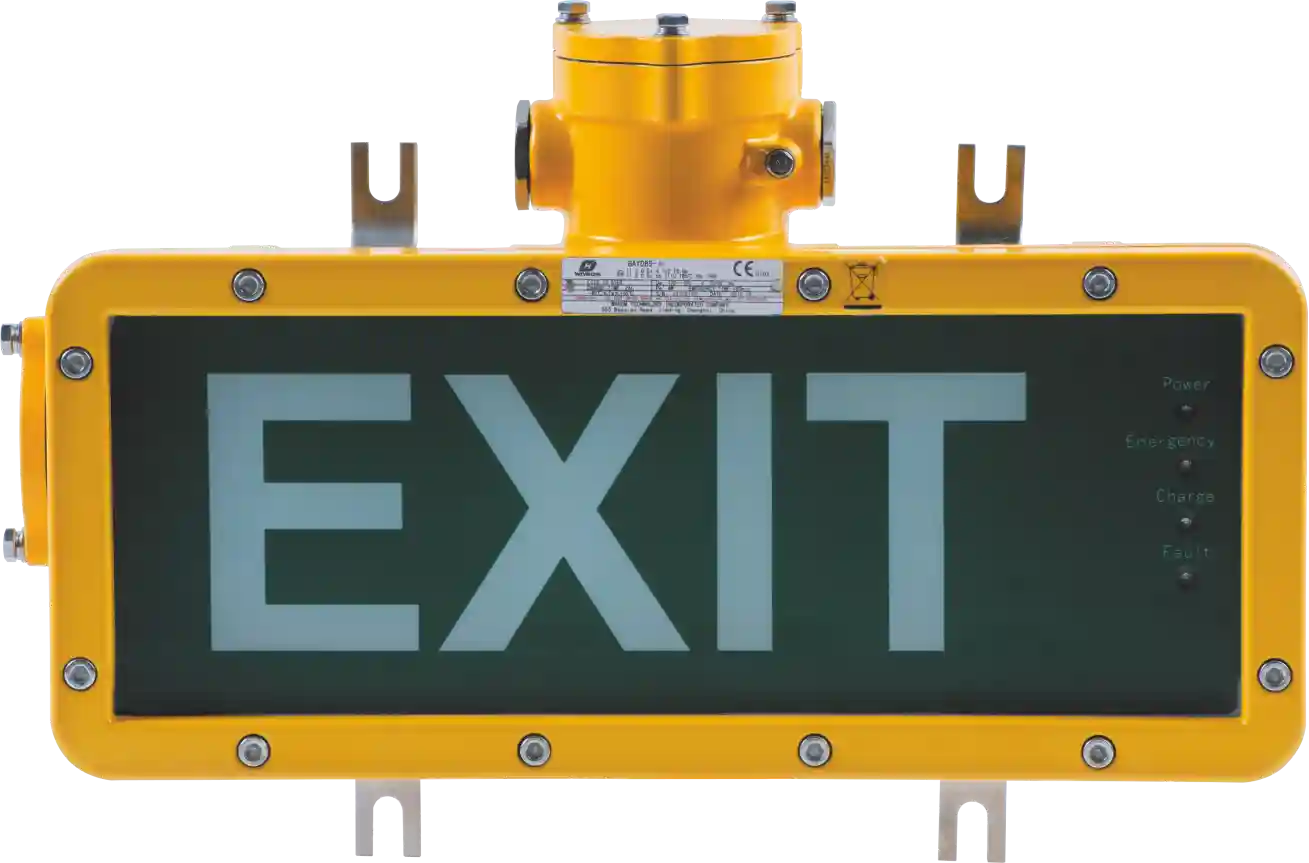
Hot curing presses are usually unclassified unless solvent residue or pyrolysis vapor is present, but the surrounding electrical package still has to handle heat and maintenance traffic. Emergency lighting and exit fittings must remain operable during power loss because evacuation routes can pass alongside solvent storage. The BAYD85 explosion proof emergency exit light provides the required marking and enclosure form for evacuation routes and finishing line exits.
| İşlem alanı | Controlling hazard | Tipik ekipman | Specification focus |
|---|---|---|---|
| Banbury mixer room | Carbon black dust, rubber fines | BHD91 junction boxes, BXJ8050 terminal boxes | IP66, anti-static finish, terminal rating |
| Mill and calender line | Rubber dust, heat | Ex d or Ex e terminal boxes | Ambient rating, temperature class |
| Tire building and cement station | Solvent vapor | BAT86 LED floodlights, plugs and sockets | Gas group, T class, impact resistance |
| Curing and finishing | cURL Too many subrequests by single Worker invocation. To configure this limit, refer to https://developers.cloudflare.com/workers/wrangler/configuration/#limits | cURL Too many subrequests by single Worker invocation. To configure this limit, refer to https://developers.cloudflare.com/workers/wrangler/configuration/#limits | cURL Too many subrequests by single Worker invocation. To configure this limit, refer to https://developers.cloudflare.com/workers/wrangler/configuration/#limits |
| cURL Too many subrequests by single Worker invocation. To configure this limit, refer to https://developers.cloudflare.com/workers/wrangler/configuration/#limits | cURL Too many subrequests by single Worker invocation. To configure this limit, refer to https://developers.cloudflare.com/workers/wrangler/configuration/#limits | cURL Too many subrequests by single Worker invocation. To configure this limit, refer to https://developers.cloudflare.com/workers/wrangler/configuration/#limits | cURL Too many subrequests by single Worker invocation. To configure this limit, refer to https://developers.cloudflare.com/workers/wrangler/configuration/#limits |
cURL Too many subrequests by single Worker invocation. To configure this limit, refer to https://developers.cloudflare.com/workers/wrangler/configuration/#limits
cURL Too many subrequests by single Worker invocation. To configure this limit, refer to https://developers.cloudflare.com/workers/wrangler/configuration/#limits
cURL Too many subrequests by single Worker invocation. To configure this limit, refer to https://developers.cloudflare.com/workers/wrangler/configuration/#limits
- cURL Too many subrequests by single Worker invocation. To configure this limit, refer to https://developers.cloudflare.com/workers/wrangler/configuration/#limits
- cURL Too many subrequests by single Worker invocation. To configure this limit, refer to https://developers.cloudflare.com/workers/wrangler/configuration/#limits
- cURL Too many subrequests by single Worker invocation. To configure this limit, refer to https://developers.cloudflare.com/workers/wrangler/configuration/#limits
- cURL Too many subrequests by single Worker invocation. To configure this limit, refer to https://developers.cloudflare.com/workers/wrangler/configuration/#limits
- cURL Too many subrequests by single Worker invocation. To configure this limit, refer to https://developers.cloudflare.com/workers/wrangler/configuration/#limits
cURL Too many subrequests by single Worker invocation. To configure this limit, refer to https://developers.cloudflare.com/workers/wrangler/configuration/#limits
cURL Too many subrequests by single Worker invocation. To configure this limit, refer to https://developers.cloudflare.com/workers/wrangler/configuration/#limits gm*@***om.com cURL Too many subrequests by single Worker invocation. To configure this limit, refer to https://developers.cloudflare.com/workers/wrangler/configuration/#limits
cURL Too many subrequests by single Worker invocation. To configure this limit, refer to https://developers.cloudflare.com/workers/wrangler/configuration/#limits
cURL Too many subrequests by single Worker invocation. To configure this limit, refer to https://developers.cloudflare.com/workers/wrangler/configuration/#limits
cURL Too many subrequests by single Worker invocation. To configure this limit, refer to https://developers.cloudflare.com/workers/wrangler/configuration/#limits
cURL Too many subrequests by single Worker invocation. To configure this limit, refer to https://developers.cloudflare.com/workers/wrangler/configuration/#limits
cURL Too many subrequests by single Worker invocation. To configure this limit, refer to https://developers.cloudflare.com/workers/wrangler/configuration/#limits
cURL Too many subrequests by single Worker invocation. To configure this limit, refer to https://developers.cloudflare.com/workers/wrangler/configuration/#limits
cURL Too many subrequests by single Worker invocation. To configure this limit, refer to https://developers.cloudflare.com/workers/wrangler/configuration/#limits
cURL Too many subrequests by single Worker invocation. To configure this limit, refer to https://developers.cloudflare.com/workers/wrangler/configuration/#limits
cURL Too many subrequests by single Worker invocation. To configure this limit, refer to https://developers.cloudflare.com/workers/wrangler/configuration/#limits gm*@***om.comcURL Too many subrequests by single Worker invocation. To configure this limit, refer to https://developers.cloudflare.com/workers/wrangler/configuration/#limits
İlginizi çekiyorsa, bu ilgili makalelere göz atın:
ADIPEC
Patlamaya Dayanıklı Acil LED Aydınlatma Armatürleri: Kapsamlı Bir Rehber
On yılı aşkın deneyime sahip olan o, güvenlik ve patlamaya dayanıklı ürünlerin tasarımı ve üretimi konusunda uzmanlaşmış deneyimli bir Patlamaya Dayanıklı Elektrik Mühendisidir. Patlama dayanıklı sistemler, nükleer güç aydınlatması, deniz güvenliği, yangın koruması ve akıllı kontrol sistemleri dahil olmak üzere ana alanlarda derin uzmanlığa sahiptir. Warom Teknoloji Enstitüsü Şirketi’nde Uluslararası İşlerden Sorumlu Baş Mühend, Uluslararası Ar-Ge Departmanı Başkanı olarak çift liderlik rolüne sahiptir; burada Ar-Ge girişimlerini denetler ve uluslararası projeler için tasarım dokümantasyonunun kesin teslimatını sağlar. Küresel endüstriyel güvenliği ilerletmeye kendini adayan, karmaşık teknolojileri pratik çözümlere dönüştürmeye ve müşterilerin dünyanın dört bir yanındaki daha güvenli, akıllı ve daha güvenilir kontrol sistemlerini uygulamasına yardımcı olmaya odaklanır.

Qi Lingyi