
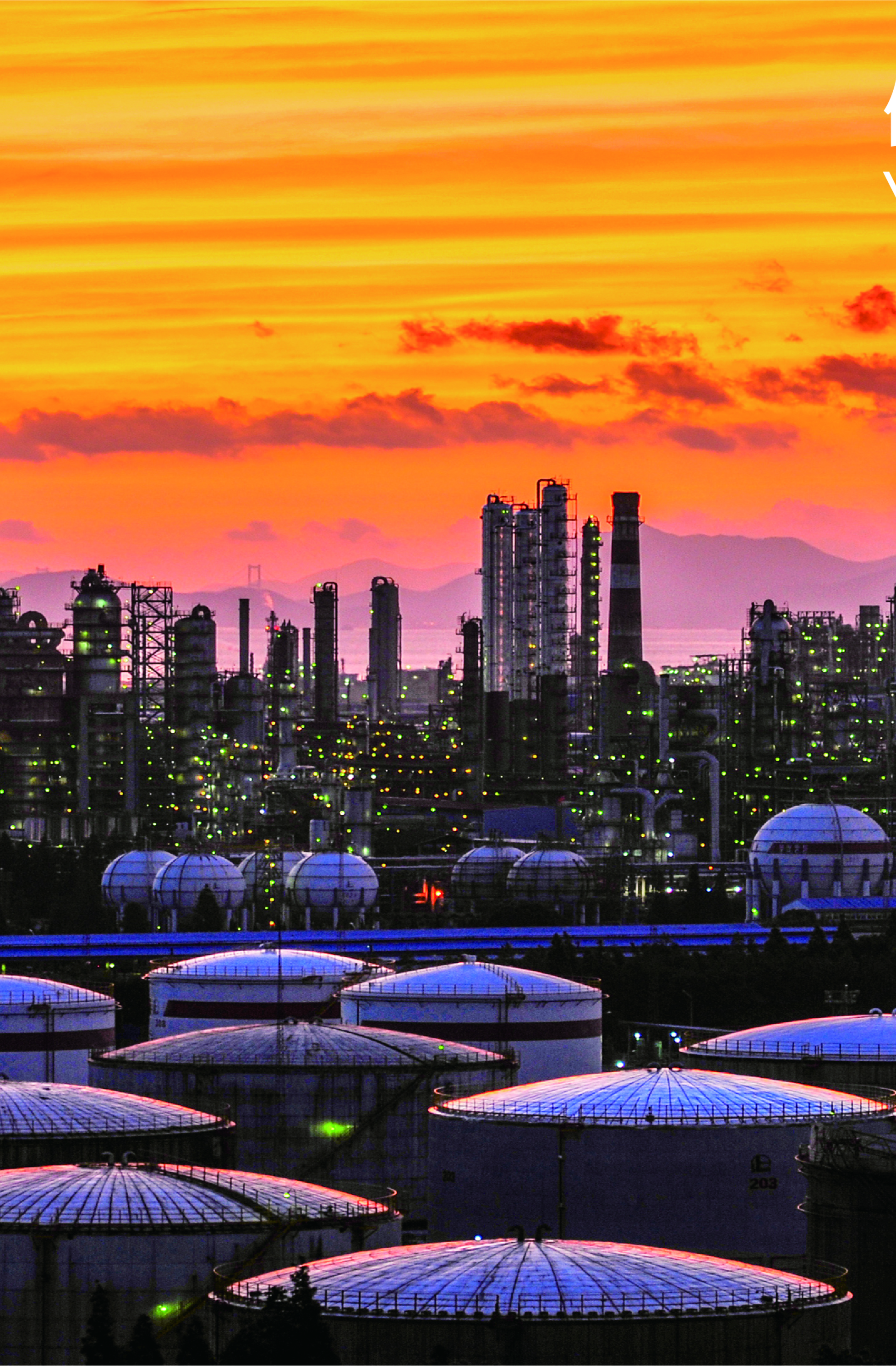
Tire manufacturing depends on flammable solvents, carbon black, and combustible rubber fines in almost every production step. Explosion proof equipment for tire plants is not a single product category but a matched system of lighting, power distribution, control, and monitoring that prevents an internal arc or hot surface from becoming an ignition source. Most specifications fail not because the wrong protection method is chosen, but because the area classification is incomplete or the equipment is treated as interchangeable between dust and gas hazards. This guide sets out how to select, specify, and verify that equipment across mixing, building, curing, and solvent storage areas.
Hazardous Areas in Tire Manufacturing That Dictate Equipment Selection
Tire plants pack different hazards into one connected line. Banbury mixers and roll mills put carbon black fines and fine rubber dust into the air. Tire building machines and cementing stations release solvent vapors from naphtha, toluene, or hexane based cements. Curing presses introduce heat, and solvent storage areas can hold flammable liquids in quantity. A plant-wide electrical classification assigned from a single sample point usually misses the boundary where a gas-rated fitting becomes mandatory or where dust becomes the controlling hazard.
Area classification under IEC 60079-10-1 or NFPA 70 treats each release source according to its process and ventilation, not the size of the room. Gas zones near solvent application often fall in Zone 1 or Zone 2. Carbon black and rubber dust accumulation areas commonly fall in Zone 21 or Zone 22. The equipment nameplate must then state the correct protection type, gas group or dust group, and temperature class for that exact location. In practice, more bid packages fail at this step than at the product price comparison.
Carbon black and rubber fines create the same type of combustible dust hazard found in sugar milling and grain handling, even though the process chemistry is different. <Explosion Proof Equipment: Safeguarding Sugar Distilleries and Fermentation Plants> covers how dust-tight enclosures and vapor-rated fittings are matched to specific processing zones in a comparable organic dust environment.
Explosion Proof Equipment That Matches Tire Plant Process Conditions
Explosion proof equipment does not remove fuel from the room. It separates ignition sources from the fuel, or it contains an ignition inside an enclosure so that escaping gases are too cool to ignite the surrounding atmosphere. Flameproof Ex d enclosures contain an internal explosion and cool the flame path. Increased safety Ex e enclosures prevent arcs and hot spots through controlled construction and wiring. Dust-protected enclosures prevent fine carbon black from entering the housing and forming a conductive path.
The equipment family matters because a junction box and a switch have different internal behavior. A terminal box with no switching parts can often use Ex e. A motor switch or contactor assembly with arcs needs Ex d. A luminaire in a solvent-laden tire building area must combine gas-rated construction with a temperature class below the ignition temperature of the cement vapor.
If your project includes solvent-based tire building or a Banbury dust collection room, it is worth confirming the enclosure protection type and temperature class before the bill of materials freezes. Send the process data and zone drawing to gm*@***om.com, and a Warom engineer can check the selection against the actual certificate schedule.
Tire Plant Process Areas and the Equipment They Require
Banbury Mixing and Milling Areas
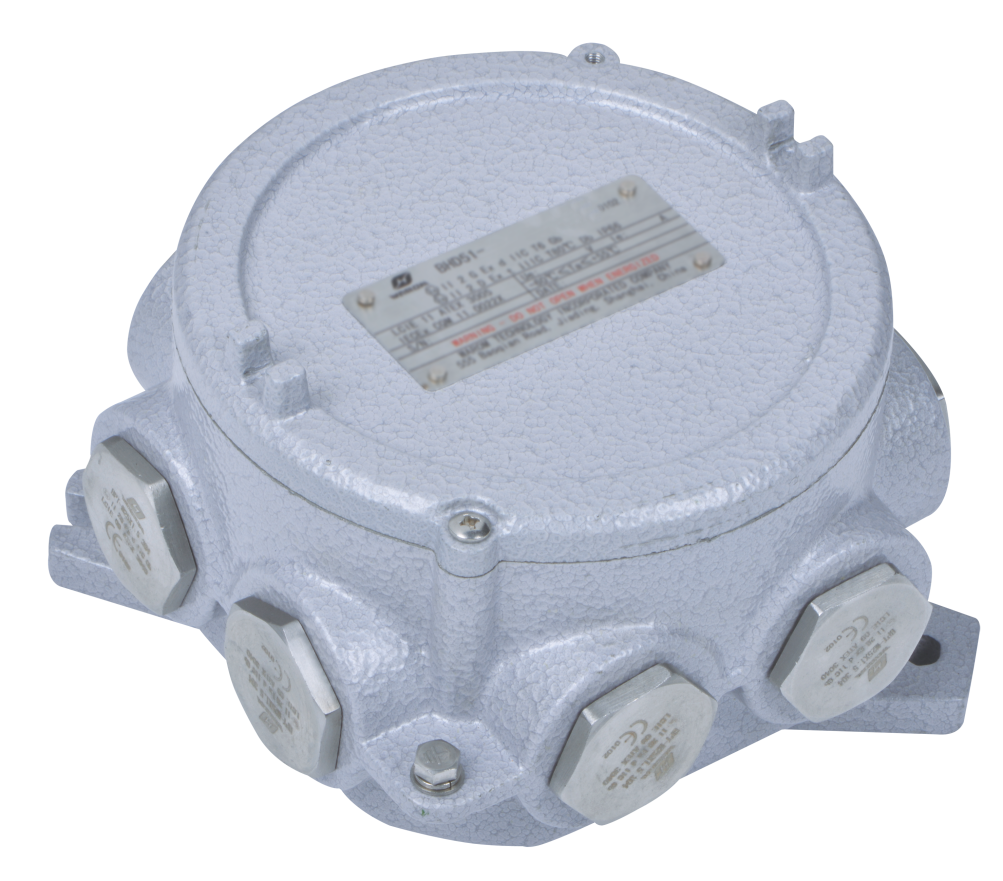
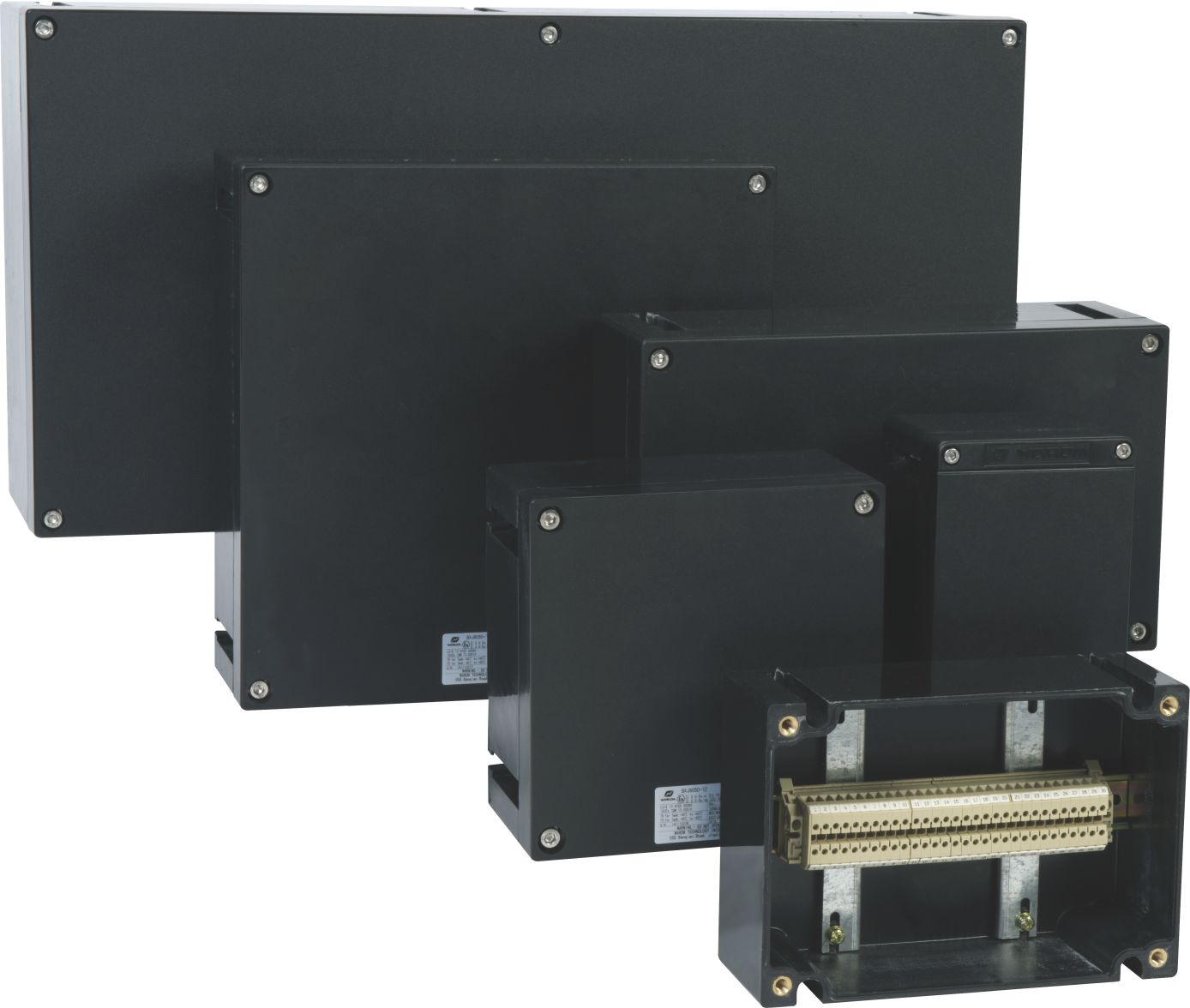
Mixers, mills, and calenders generate carbon black dust and rubber fines that settle inside enclosures and on light fittings. For these locations, IP66 sealing and anti-static finishes matter as much as the gas group. Junction boxes and terminal boxes need to keep dust out during normal operation and survive cleaning routines. The BHD91 junction box uses a copper-free aluminum alloy enclosure and IP66 protection, while the BXJ8050 terminal box offers an Ex e option with terminal sizes from 2.5 mm² to 35 mm² and a maximum voltage of 690 V. Both are built for the field wiring density found in heavy process areas.
Tire Building, Cementing, and Solvent Handling
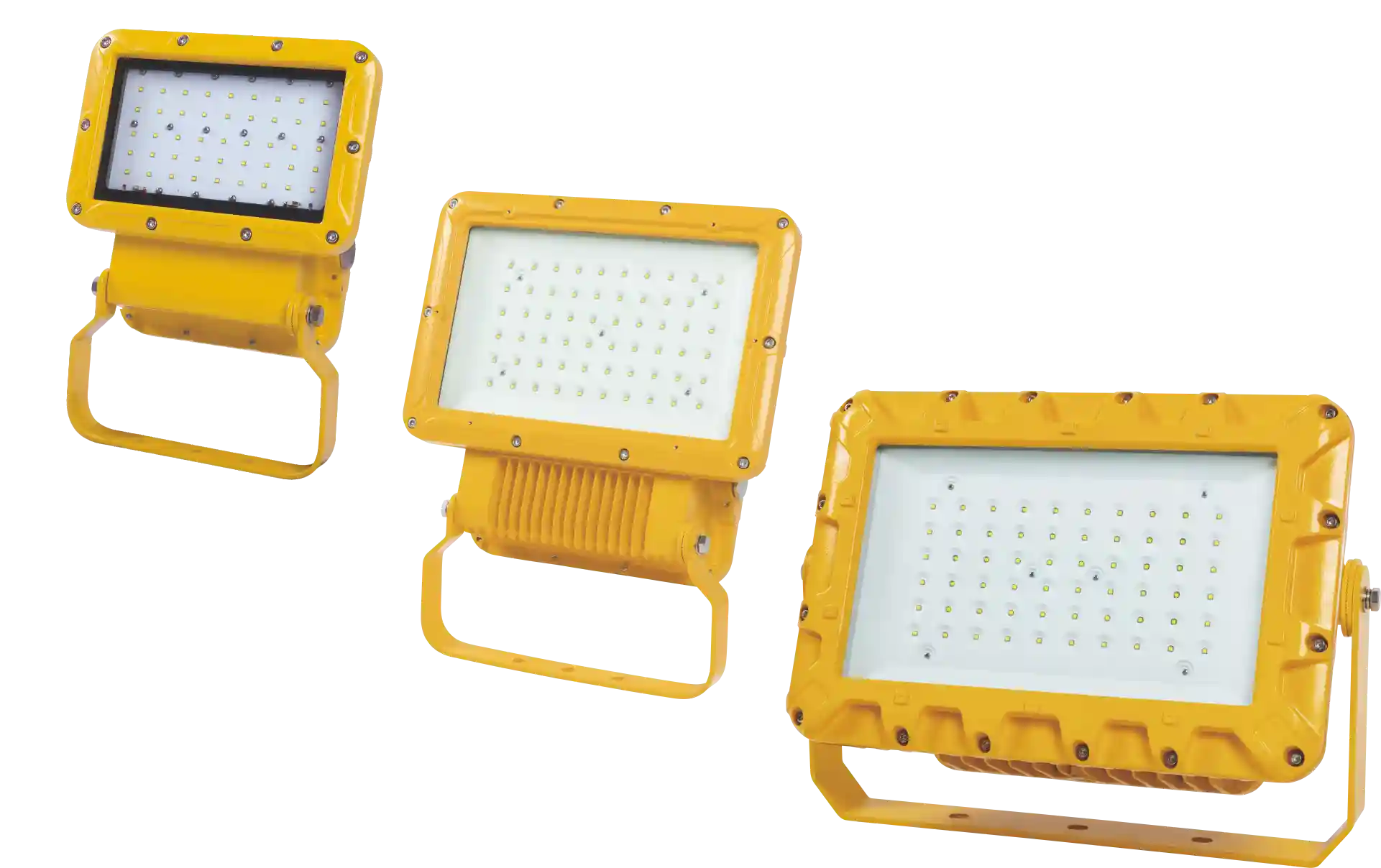
Tire building machines and cementing stations release solvent vapors that are heavier than air and collect near the floor. Equipment in these areas needs gas group and temperature class markings that match the specific solvent. Impact-resistant glass, anti-static coated finishes, and cable glands that maintain the enclosure protection after field wiring all become part of the decision. The BAT86 LED floodlight offers powder-coated steel construction, IP66 protection, WF2 corrosion resistance, and a 5000K LED module suitable for inspection aisles where broad, glare-controlled light is needed.
Projects supplied across both IECEx and NEC markets need markings that line up with the actual installation rules, not just a certificate on the quotation. <ATEX vs UL Classification: Mastering Explosion Proof Lighting> covers the marking differences that decide whether a fitting can be used in a Class I Division 1 tire cement area without re-engineering.
Curing Presses, Testing, and Finishing
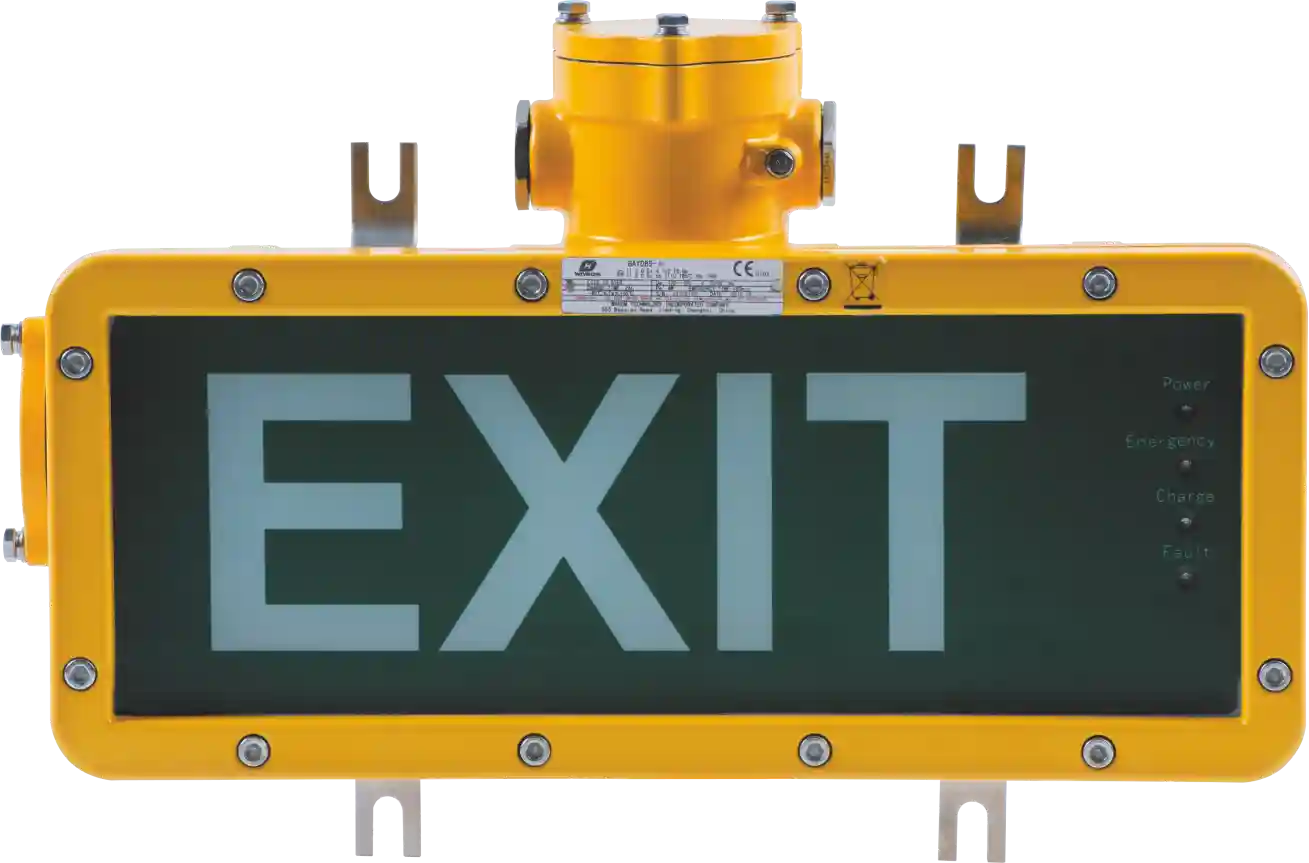
Hot curing presses are usually unclassified unless solvent residue or pyrolysis vapor is present, but the surrounding electrical package still has to handle heat and maintenance traffic. Emergency lighting and exit fittings must remain operable during power loss because evacuation routes can pass alongside solvent storage. The BAYD85 explosion proof emergency exit light provides the required marking and enclosure form for evacuation routes and finishing line exits.
| Process area | Controlling hazard | Typical equipment | Specification focus |
|---|---|---|---|
| Banbury mixer room | Carbon black dust, rubber fines | BHD91 junction boxes, BXJ8050 terminal boxes | IP66, anti-static finish, terminal rating |
| Mill and calender line | Rubber dust, heat | Ex d or Ex e terminal boxes | Ambient rating, temperature class |
| Tire building and cement station | Solvent vapor | BAT86 LED floodlights, plugs and sockets | Gas group, T class, impact resistance |
| Curing and finishing | Heat, residual solvent | BAYD85 emergency exit lights | IP66, WF2, emergency operation |
| Solvent storage and test lab | Flammable vapor | Monitoring cameras, gas detection | Zone 1/2, gas group, certificate schedule |
Specification Checks for Rubber and Tire Facility Explosion Proof Equipment
In our tire and rubber plant audits, the most common finding is not a counterfeit certificate. It is a correct enclosure fitted with a gland that was never part of the certified assembly, or an unused entry plugged with a standard conduit fitting instead of a certified stop. That single change can invalidate the protection concept even when every major component is correct.
Before comparing suppliers, put the electrical package in the same document set as the process hazard analysis. The following checks close the gap between a nameplate and a defensible installation.
- Match each equipment location to the area classification drawing, including zone, gas group or dust group, and temperature class.
- Check the certificate, not the marketing description. The IECEx or ATEX certificate must list the same protection type, gas group, and dust group as the installation condition.
- Confirm the cable entry system. Thread form, gland type, sealing range, and unused entry plugs must all match the specified cable and preserve the enclosure protection after field wiring.
- Check ambient temperature and process heat. Equipment rated to 55°C may need derating near curing presses or steam lines; verify that the certified ambient range covers the actual location.
- Request document traceability. Ask for material certificates, routine test reports, and the certificate number so it can be cross-checked on the certifier’s online database.
Sourcing Explosion Proof Equipment for Tire Manufacturing Projects
Tire projects run into difficulty when the electrical package is treated as a commodity after process design is complete. A mixing building full of carbon black dust and a tire building hall with solvent cement require different protection decisions, and those decisions affect lead time, cable entry details, and the certificate set. Warom Technology reviews these projects from area classification through factory acceptance testing. Send your zone drawings, cable schedule, or bill of materials, and the engineering team will confirm the correct protection method, certificate set, and delivery plan. Contact +86 21 39977076 or +86 21 39972657, or email gm*@***om.com with the project scope.
Common Questions About Explosion Proof Equipment in Tire Plants
Is carbon black dust treated the same as solvent vapor in a tire plant?
No. Carbon black is a conductive dust and falls under dust explosion protection, while tire building cements are flammable vapor hazards. The two require different enclosure protection concepts and markings. A fitting rated for gas Zone 1 is not automatically safe in a carbon black dust zone. The nameplate must show both the correct protection type and the specific gas group or dust group for the area. This is why the same mixing room may need different equipment in the batch mixer bay and the adjacent solvent wash area.
Can standard weatherproof fittings be used in a rubber mixing room?
Only where the area is documented as non-hazardous. A weatherproof enclosure keeps out water, but it does not prevent an internal spark from reaching an explosive dust cloud. Rubber mixing rooms with carbon black or fine rubber dust usually need dust-ignition-protected enclosures and certified cable glands that preserve the protection type after wiring. If the drawing says IP66 only, ask the plant engineer to confirm the zone classification. In a classified location, IP66 by itself is not an explosion protection method.
Should we choose Ex d or Ex e for tire building machine controls?
It depends on where the equipment sits and what is inside the enclosure. Ex d flameproof is normally required for arcing components such as contacts, switches, and relays. Ex e increased safety can be used for non-arcing terminal chambers where wiring is controlled. A tire building control station often combines both methods in one assembly. If the enclosure contains contactors, confirm that the switching chamber is Ex d rather than trying to make Ex e work for arcing parts.
How do we confirm an existing installation still meets current standards?
In tire plants we have audited, the most common issue is not missing certificates. It is a later replacement fitting or gland that does not match the original protection type. Start by comparing each equipment nameplate with the current area classification drawing. Then check that all cable entries are sealed, unused openings are plugged with certified stopping plugs, and the certificate schedule still covers the actual gas or dust group and temperature class. If the plant changed solvents or added carbon black handling, the classification itself may need re-evaluation. Send your equipment list and nameplate photos to gm*@***om.com, and we will confirm which certificates and corrective measures apply.
If you’re interested, check out these related articles:
ADIPEC
Explosion Proof Emergency LED Light Fittings: A Comprehensive Guide
With over a decade of experience, he is a seasoned Explosion-Proof Electrical Engineer specializing in the design and manufacture of safety and explosion-proof products. He possesses in-depth expertise across key areas including explosion-proof systems, nuclear power lighting, marine safety, fire protection, and intelligent control systems. At Warom Technology Incorporated Company, he holds dual leadership roles as Deputy Chief Engineer for International Business and Head of the International R&D Department, where he oversees R&D initiatives and ensures the precise delivery of design documentation for international projects. Committed to advancing global industrial safety, he focuses on translating complex technologies into practical solutions, helping clients implement safer, smarter, and more reliable control systems worldwide.

Qi Lingyi