

Explosion proof motor switch faults are rarely random. When a switch fails to operate, trips unexpectedly, or shows corrosion around the cover joint, the cause usually traces to a small group of mechanical and environmental conditions that repeat across plants. The useful approach is to read the failure sequence as a chain: atmosphere enters the enclosure, the flameproof joint deteriorates, the operating mechanism sticks, or the contact surface overheats. I work as an explosion proof electrical engineer at Warom Technology, and the field failures I see most often start at the cable entry, the cover joint, or the actuator seal. Correcting the first failed link in that chain prevents a repeat failure after a new switch is installed.
What Causes Explosion Proof مفاتيح المحرك to Fail in the Field?
Most failures start at the boundary between the enclosure and the atmosphere. A flameproof motor switch depends on the machined joint surfaces, often called flame paths, to cool hot gas before it can ignite the surrounding atmosphere. When those surfaces corrode, get scratched, or are reassembled with a damaged gasket, the enclosure can no longer perform that function. The electrical contacts may still work, but the safety function has failed. That distinction matters because a continuity check will miss it.
Warom treats a motor switch fault as electrical, mechanical, or ingress related. Electrical faults include burnt contacts, welded contact tips, broken auxiliary contacts, and overload relay drift. Mechanical faults include a stiff rotary handle, broken return springs, and worn shaft seals. Ingress related faults account for a large share of failures in washdown areas and coastal installations, where water enters through موصلات الكابل that were never re-tightened after cable replacement.
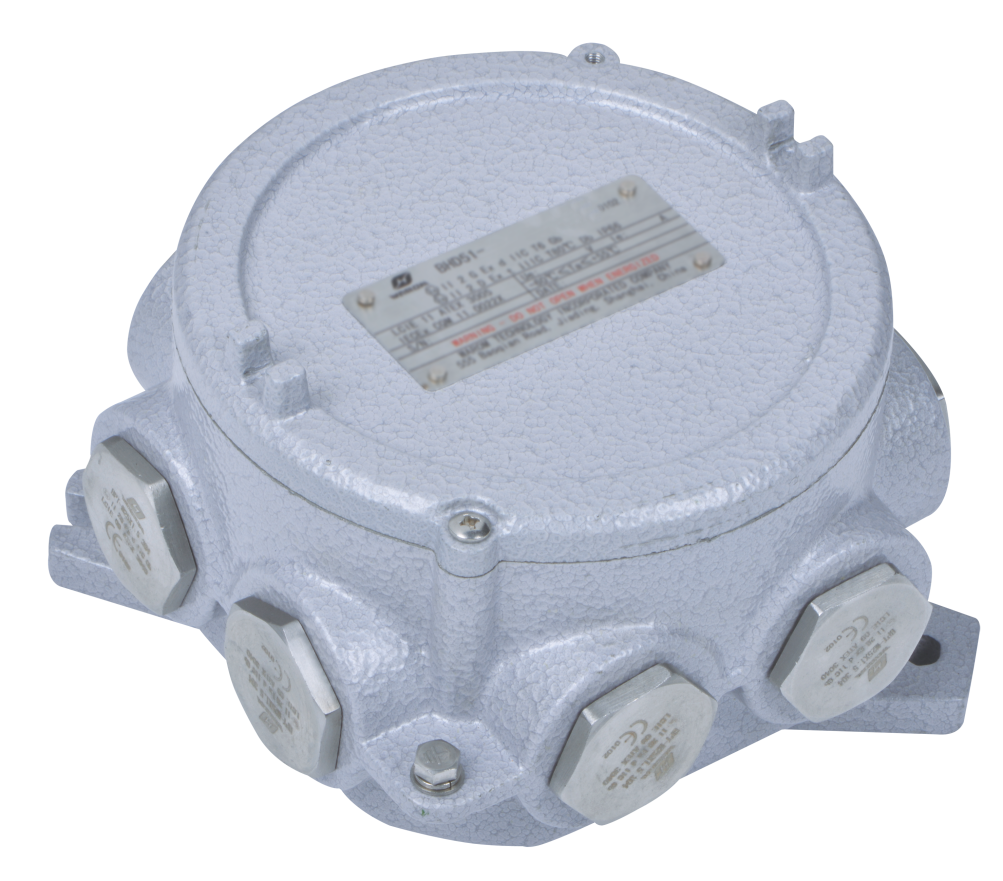
في chemical plant in Mexico, a site diagnosis found serious electrical safety hazards in an operation with both flammable gas and dust risks. A large share of the risk came from altered cable entries and damaged enclosure joints on existing equipment, not from aging contacts inside the switches. That pattern appears often in small and medium plants: the original installation was sound, but years of gland changes and cover openings changed the protection condition.
Why flameproof integrity fails before the electrical contacts do
Flameproof enclosures do not need to leak to be unsafe. A joint that has been cleaned with a steel wire wheel can lose enough metal to widen the flame path beyond the certified gap. The same is true when a cover is dropped and refitted without checking for a raised edge. We see this after a plant shutdown, when maintenance crews are under time pressure. The switch passes a functional test, but the explosion protection rating is no longer valid.
Why motor switch faults follow the installation environment
A switch mounted outdoors on a chemical dock faces a different failure chain than one inside a dry motor control room. Salt, wet hydrogen sulfide, ammonia, and solvent vapor each attack different materials. Aluminum enclosures can corrode around stainless steel bolts in a marine atmosphere. Polyester enclosures resist corrosion but need UV stable seals over long outdoor exposure. Matching the enclosure material to the environment at the start removes a fault source that no amount of troubleshooting will fix.
How Do You Troubleshoot an Explosion Proof Motor Switch Without Creating an Ignition Risk?
The first rule is that an explosion proof enclosure is only explosion proof when it is complete, undamaged, and correctly assembled. If the switch is live, do not open it. If the atmosphere may be present, do not open it even with the circuit de-energized until a gas test has confirmed the area is clear. On a gas processing or solvent handling site, this usually means a hot work permit or an inspection permit controlled by operations. The switch label will state the zone or division, gas group, temperature class, and certificate reference. Work only within those limits.
Before opening, record the visible condition of the cover joint, the cable glands, and the actuator. Look for paint blisters, white corrosion product, cracks, or a cover that moves slightly when pressed. These observations are the best early clues. On field checks after cable replacement, loose glanding is the single most common defect I find. A cable gland that has been hand tightened instead of torqued to the manufacturer’s value lets water run down the cable into the enclosure.
Water ingress remains one of the most common reasons an explosion proof motor switch shows internal rust or nuisance trip faults. <دليل تصنيف IP64: اختبارات حماية الأجهزة العملية> explains how a practical IP64 verification differs from a simple spray test and why the sequence matters for enclosures that are opened repeatedly.
Once the gas test is clear, isolate and lock out the circuit, verify the absence of voltage, and then open the enclosure. Never force a stuck cover. If the cover does not release, stop and inspect whether a bent flange or a swollen gasket is holding it. Forcing the cover can score the flame path, and the resulting repair is often more expensive than a replacement switch.
Inside, photograph the terminal area before disturbing any wiring. Check terminal screws for signs of heat, such as darkening of the wire insulation or discoloration of the metal. Check the internal earth connection and any bonding conductors. On motor switches with a rotary operator, work the handle across its full travel and listen for a clean detent. A soft or gritty feel usually points to a broken spring or worn cam.
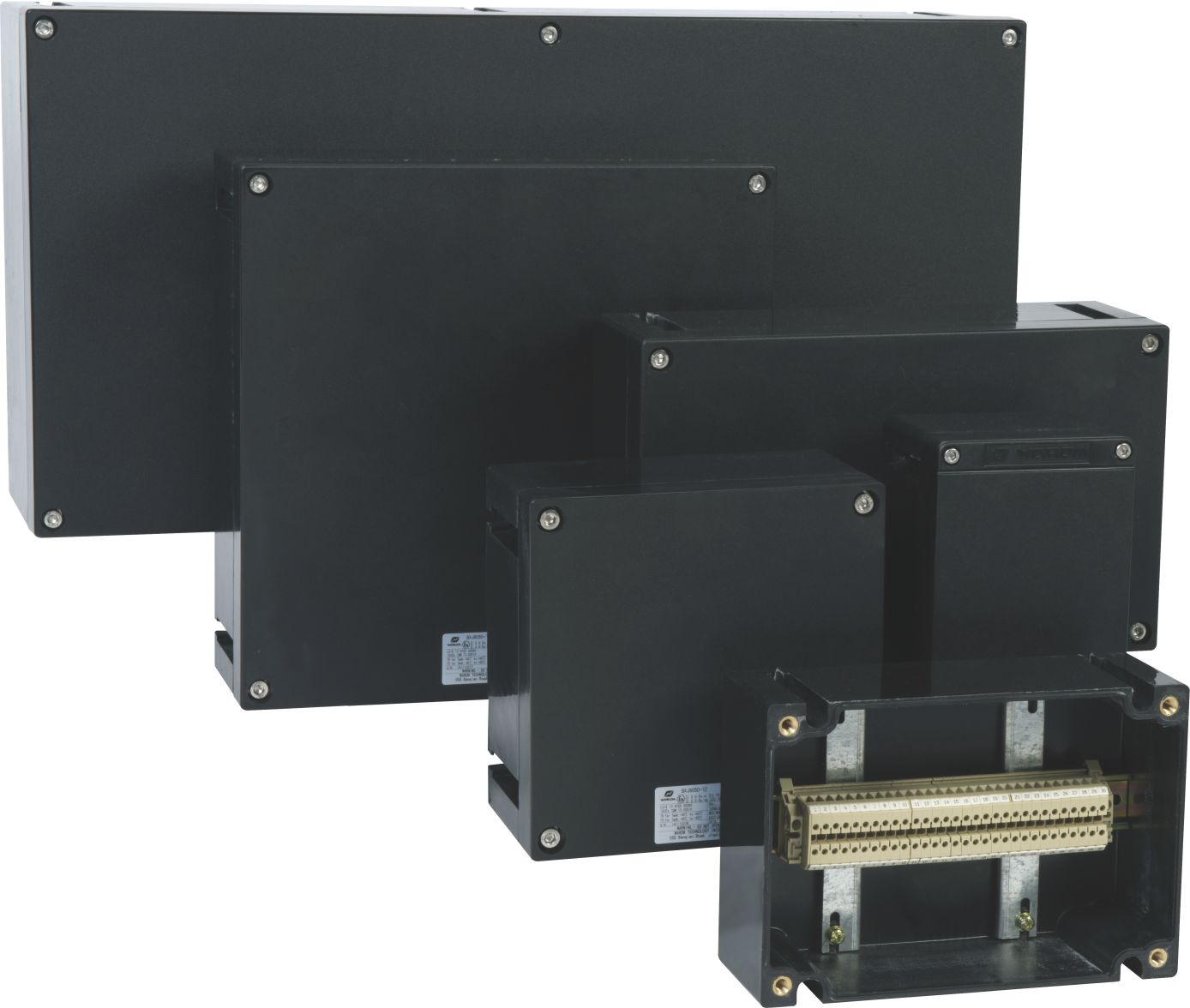
Insulation resistance testing, contact resistance checks, and protective bonding continuity are useful only when the enclosure is open and the area has been confirmed safe. Compare the results with the previous maintenance record. A single low insulation value may be moisture. A steadily falling trend across several tests points to aging insulation or repeated condensation.
Which Fault Patterns Show Up Most Often in Explosion Proof Motor Switches?
Most motor switch failures I see in the field fall into four groups: the switch does not operate, the switch operates but does not latch, the switch trips or drops out under load, and the enclosure shows visible damage or water. The table below separates the symptom from the likely cause and the first check.
| Symptom | Likely cause | First check |
|---|---|---|
| Handle is stiff or locked | Broken return spring, corroded shaft, swollen seal | Operator mechanism and shaft seal |
| Switch does not latch in the ON position | Worn latch or damaged cam | Mechanical latching assembly |
| Terminals show heat discoloration | Loose terminal torque or high resistance joint | Torque setting and contact surface |
| Nuisance trip during motor start | Overload relay mis-set or single-phase condition | Relay setting against motor nameplate |
| Internal rust or water marks | cURL Too many subrequests by single Worker invocation. To configure this limit, refer to https://developers.cloudflare.com/workers/wrangler/configuration/#limits | cURL Too many subrequests by single Worker invocation. To configure this limit, refer to https://developers.cloudflare.com/workers/wrangler/configuration/#limits |
cURL Too many subrequests by single Worker invocation. To configure this limit, refer to https://developers.cloudflare.com/workers/wrangler/configuration/#limits
cURL Too many subrequests by single Worker invocation. To configure this limit, refer to https://developers.cloudflare.com/workers/wrangler/configuration/#limits
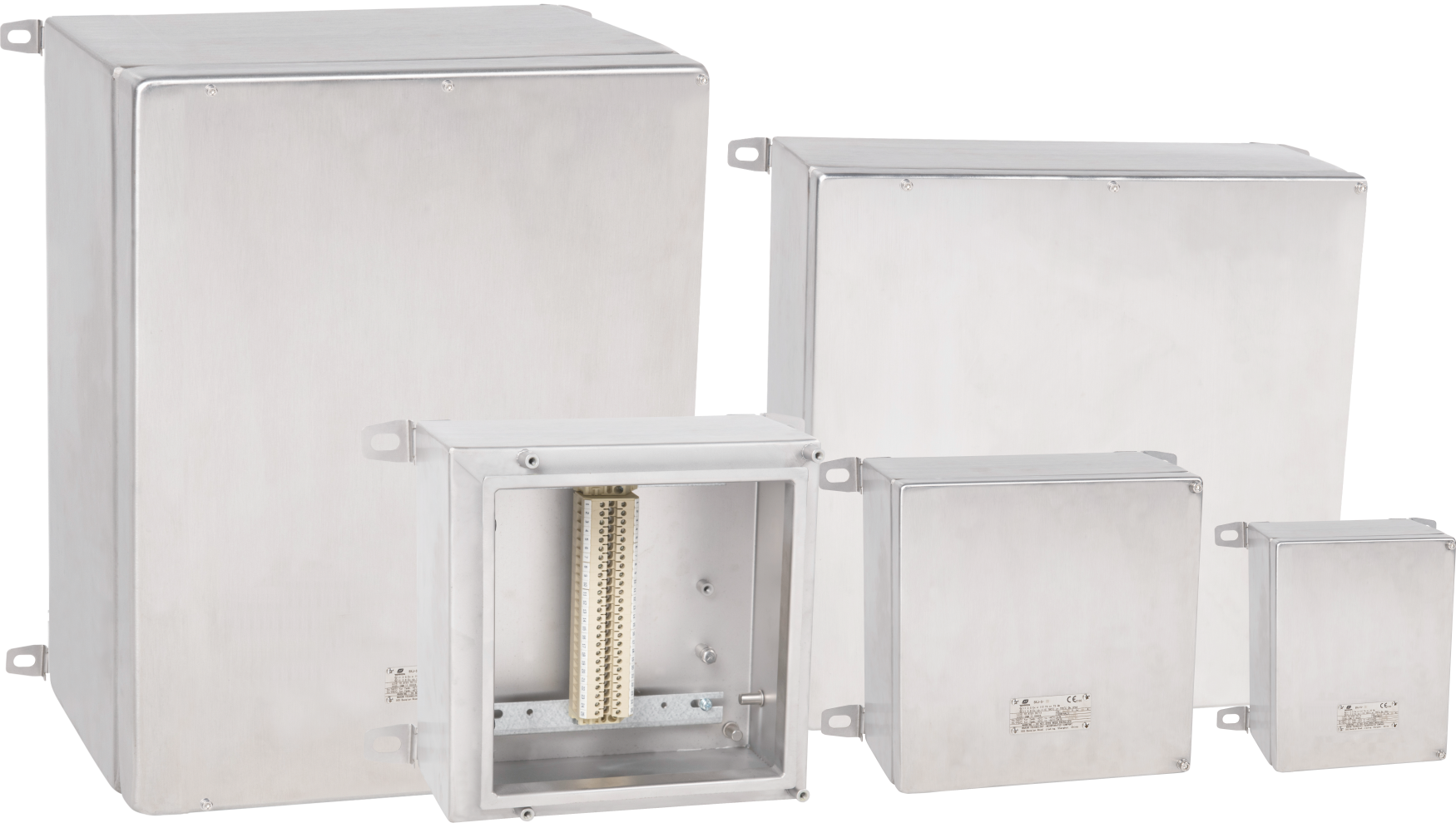
cURL Too many subrequests by single Worker invocation. To configure this limit, refer to https://developers.cloudflare.com/workers/wrangler/configuration/#limitsحماية من الانفجار من الفولاذ المقاوم للصدأ للأنظمة الكهربائية البحريةcURL Too many subrequests by single Worker invocation. To configure this limit, refer to https://developers.cloudflare.com/workers/wrangler/configuration/#limits
cURL Too many subrequests by single Worker invocation. To configure this limit, refer to https://developers.cloudflare.com/workers/wrangler/configuration/#limits gm*@***om.com cURL Too many subrequests by single Worker invocation. To configure this limit, refer to https://developers.cloudflare.com/workers/wrangler/configuration/#limits
cURL Too many subrequests by single Worker invocation. To configure this limit, refer to https://developers.cloudflare.com/workers/wrangler/configuration/#limits
cURL Too many subrequests by single Worker invocation. To configure this limit, refer to https://developers.cloudflare.com/workers/wrangler/configuration/#limits
cURL Too many subrequests by single Worker invocation. To configure this limit, refer to https://developers.cloudflare.com/workers/wrangler/configuration/#limits
cURL Too many subrequests by single Worker invocation. To configure this limit, refer to https://developers.cloudflare.com/workers/wrangler/configuration/#limits
cURL Too many subrequests by single Worker invocation. To configure this limit, refer to https://developers.cloudflare.com/workers/wrangler/configuration/#limits
cURL Too many subrequests by single Worker invocation. To configure this limit, refer to https://developers.cloudflare.com/workers/wrangler/configuration/#limits
cURL Too many subrequests by single Worker invocation. To configure this limit, refer to https://developers.cloudflare.com/workers/wrangler/configuration/#limits
cURL Too many subrequests by single Worker invocation. To configure this limit, refer to https://developers.cloudflare.com/workers/wrangler/configuration/#limits gm*@***om.comcURL Too many subrequests by single Worker invocation. To configure this limit, refer to https://developers.cloudflare.com/workers/wrangler/configuration/#limits
cURL Too many subrequests by single Worker invocation. To configure this limit, refer to https://developers.cloudflare.com/workers/wrangler/configuration/#limits
cURL Too many subrequests by single Worker invocation. To configure this limit, refer to https://developers.cloudflare.com/workers/wrangler/configuration/#limits
cURL Too many subrequests by single Worker invocation. To configure this limit, refer to https://developers.cloudflare.com/workers/wrangler/configuration/#limits
cURL Too many subrequests by single Worker invocation. To configure this limit, refer to https://developers.cloudflare.com/workers/wrangler/configuration/#limits
cURL Too many subrequests by single Worker invocation. To configure this limit, refer to https://developers.cloudflare.com/workers/wrangler/configuration/#limits
cURL Too many subrequests by single Worker invocation. To configure this limit, refer to https://developers.cloudflare.com/workers/wrangler/configuration/#limits
cURL Too many subrequests by single Worker invocation. To configure this limit, refer to https://developers.cloudflare.com/workers/wrangler/configuration/#limits
cURL Too many subrequests by single Worker invocation. To configure this limit, refer to https://developers.cloudflare.com/workers/wrangler/configuration/#limits
cURL Too many subrequests by single Worker invocation. To configure this limit, refer to https://developers.cloudflare.com/workers/wrangler/configuration/#limits
cURL Too many subrequests by single Worker invocation. To configure this limit, refer to https://developers.cloudflare.com/workers/wrangler/configuration/#limits
cURL Too many subrequests by single Worker invocation. To configure this limit, refer to https://developers.cloudflare.com/workers/wrangler/configuration/#limits
إذا كنت مهتمًا، اطلع على هذه المقالات ذات الصلة:
تم بنجاح عقد ندوة Malaysia الدولية IECEx لتقنيات الانفجار في تايلاند لعام 2024
تركيبات أضواء شلالية: السلامة الأساسية للمناطق الخطرة
تكييف مقاوم للانفجار لدرجة حرارة 50°C: حلول للحرارة الشديدة
المصنع الجديد لـ WAROM MENA
حفل افتتاح مهرجان وورم ربيع
مع أكثر من عقد من الخبرة، هو مهندس كهربائي مقاوم للانفجار متمرس متخصص في تصميم وتصنيع منتجات السلامة ومقاومة الانفجار. يمتلك خبرة عميقة في مجالات رئيسية بما في ذلك أنظمة مقاومة الانفجار، إضاءة الطاقة النووية، السلامة البحرية، حماية من الحرائق، وأنظمة التحكم الذكية. في شركة Warom Technology Incorporated، يشغل مناصب قيادية مزدوجة كمهندس نائب رئيس أول internationales للأعمال ورئيس قسم البحث والتطوير الدولي، حيث يشرف على مبادرات البحث والتطوير ويضمن تقديم وثائق التصميم بدقة للمشروعات الدولية. ملتزم بتعزيز السلامة الصناعية العالمية، يركز على ترجمة التقنيات المعقدة إلى حلول عملية، لمساعدة العملاء في تطبيق أنظمة تحكم أكثر أماناً وذكاءً وموثوقية حول العالم.

Qi Lingyi