
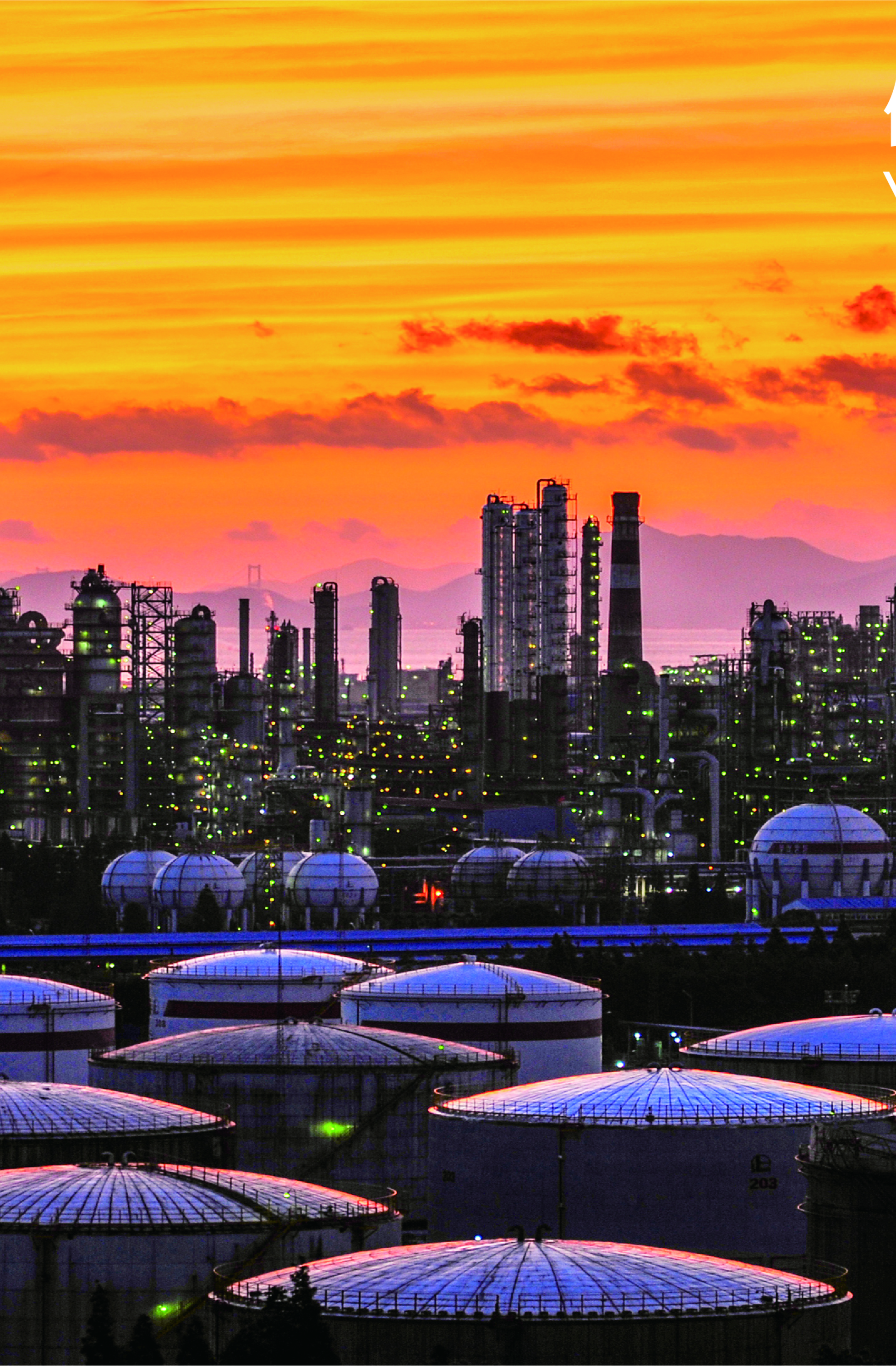
Operating industrial facilities in hazardous locations where ambient temperatures hit 50°C creates problems that standard climate control cannot solve. When flammable gases or combustible dusts share space with electrical equipment, conventional air conditioning becomes a liability. The components that make ordinary units work—electrical contacts, motor brushings, compressor surfaces—are precisely the components that can ignite an explosive atmosphere. Explosion proof AC systems eliminate these ignition pathways while delivering the cooling capacity that keeps processes running and personnel safe in environments where failure is not an option.
Why Standard Air Conditioning Falls Short in Hazardous Locations
Industrial facilities handling flammable materials operate under a basic physical constraint: any electrical arc, hot surface, or static discharge can trigger ignition if the surrounding atmosphere falls within explosive limits. Standard air conditioning units contain dozens of potential ignition sources. Relay contacts spark during normal cycling. Motor commutators generate arcs. Compressor surfaces reach temperatures that exceed the auto-ignition point of many common industrial gases.
The risk is not theoretical. At General Paint’s facility, our assessment identified serious electrical safety hazards stemming from equipment that was never designed for the atmosphere it operated in. The solution required more than swapping out the air conditioning—we installed explosion proof plugs, distribution boxes, and static electricity discharge devices to address the full range of ignition pathways. A single overlooked source can negate every other precaution.
Explosion protection works by containing any internal ignition within the equipment enclosure, preventing flame propagation to the surrounding atmosphere. The enclosure design, material thickness, and flame path geometry all contribute to this containment. For air conditioning equipment, this means every electrical component sits within a housing engineered to withstand internal pressure spikes and cool any escaping gases below ignition temperature before they reach the hazardous atmosphere outside.
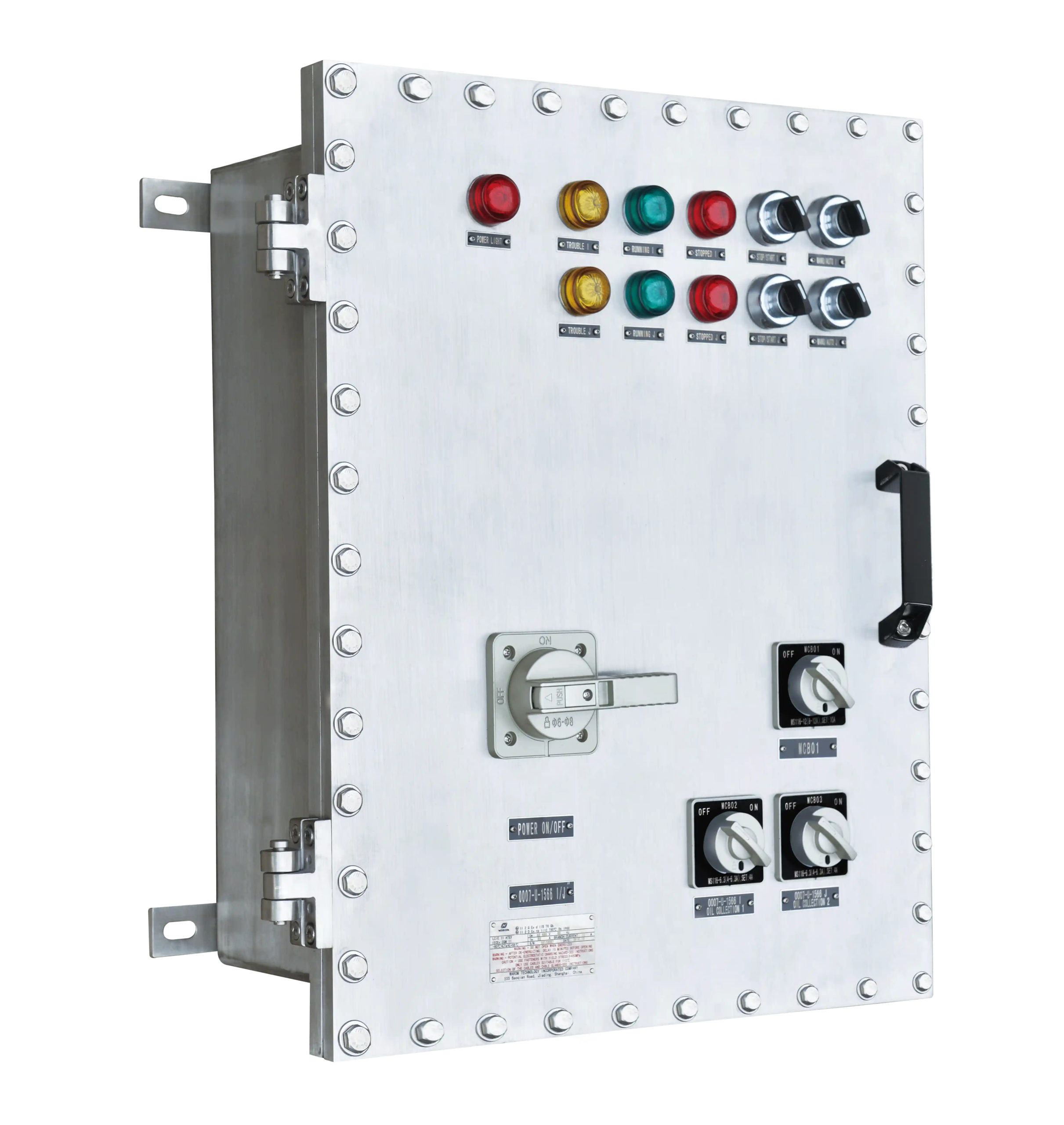
Engineering Explosion Proof AC Systems for 50°C Operation
Designing cooling equipment for 50°C ambient conditions compounds the challenges of explosion protection. Heat rejection becomes progressively more difficult as the temperature differential between the condenser and surrounding air shrinks. A unit rated for 35°C ambient may lose 30% or more of its cooling capacity at 50°C—assuming it continues operating at all.
Material selection determines whether components survive sustained thermal stress. Seals that remain flexible at moderate temperatures can harden and crack at 50°C, compromising both explosion protection and refrigerant containment. Lubricants thin under heat, accelerating bearing wear. Electronic control boards experience accelerated aging when junction temperatures climb.
We address these constraints through several engineering approaches. Heat exchanger surface area increases to compensate for reduced temperature differential. Refrigerant selection shifts toward compounds that maintain favorable thermodynamic properties at elevated condensing temperatures. Component derating ensures that electrical and mechanical parts operate well within their thermal limits even when ambient conditions reach the design maximum.
The Tilenga project in Uganda demonstrated these principles under field conditions. The wellpads and central processing facility required explosion proof electrical systems that would function reliably despite sustained high temperatures and the corrosive compounds present in oil and gas operations. Material specifications emphasized corrosion resistance alongside thermal stability. The systems maintained functionality throughout commissioning and early operation without the safety incidents that can plague installations where equipment selection does not match environmental demands.
How Explosion Proof Air Conditioners Maintain Efficiency in Extreme Heat
Maintaining cooling efficiency at 50°C requires deliberate engineering choices rather than simply oversizing equipment. Enhanced heat exchangers with optimized fin geometry and tube arrangements maximize heat transfer per unit of surface area. High-efficiency compressors designed for elevated condensing pressures reduce the energy penalty associated with high-temperature operation.
Internal thermal management prevents the cascade failure that occurs when control electronics overheat. Sensitive components sit in thermally isolated compartments or receive dedicated cooling airflow. Temperature sensors throughout the unit feed data to control systems that can modulate operation to prevent damage during thermal excursions.
The practical result is equipment that delivers rated capacity consistently rather than degrading as conditions worsen. Energy consumption stays predictable. Maintenance intervals remain stable rather than compressing as components age prematurely. For facilities operating in remote or difficult-to-access locations, this reliability translates directly into reduced operational costs and fewer interventions in hazardous zones where every maintenance activity carries inherent risk.
Meeting ATEX, IECEx, and International Certification Requirements
International certification frameworks establish the baseline for explosion proof equipment. ATEX directives govern equipment sold within the European Union, defining essential health and safety requirements through detailed technical standards. IECEx provides a parallel international certification system that facilitates equipment acceptance across participating countries without redundant testing.
Within these frameworks, several classification parameters determine equipment suitability for specific applications:
| Parameter | Function | Selection Consideration |
|---|---|---|
| Zone Classification | Defines frequency and duration of hazardous atmosphere presence | Zone 0/1/2 for gases; Zone 20/21/22 for dusts |
| T-Rating | Maximum equipment surface temperature | Must remain below auto-ignition temperature of substances present |
| Equipment Protection Level | Ignition risk category | Ga/Gb/Gc for gas; Da/Db/Dc for dust |
| IP Rating | Ingress protection against solids and liquids | Higher ratings for dusty or wet environments |
T-ratings require particular attention in high-temperature applications. A unit operating at 50°C ambient will have higher surface temperatures than the same unit at 25°C. The T-rating must account for this elevation, ensuring surfaces remain below the ignition threshold of any hazardous substance that might contact the equipment.
Our equipment carries certifications including ATEX, IECEx, UL, CCS, BV, LCIE, PTB, Nemko, and DNV. This breadth of certification reflects both the global nature of industrial projects and the varying regulatory requirements across jurisdictions. A single project may require multiple certifications depending on the equipment’s ultimate destination and the standards recognized by local authorities having jurisdiction.
What Standards Apply to Explosion Proof AC in High-Temperature Environments
High-temperature operation introduces specific requirements within the broader ATEX and IECEx frameworks. Material compatibility clauses address the degradation that can occur when polymers, elastomers, and lubricants experience sustained thermal stress. Components that meet explosion protection requirements at moderate temperatures may fail those requirements after thermal aging compromises their mechanical properties.
Ingress protection ratings interact with temperature considerations. Thermal cycling can stress seals and gaskets, potentially opening pathways for dust or moisture entry. IP ratings must be maintained throughout the equipment’s service life, not merely at initial installation.
Temperature class adherence becomes more demanding when ambient conditions consume a larger portion of the available thermal margin. A T4 rating (135°C maximum surface temperature) provides 85°C of headroom above a 50°C ambient—substantially less than the 110°C available at 25°C ambient. Equipment design must account for this reduced margin through enhanced heat dissipation or selection of a more conservative temperature class.
Explosion Proof AC Applications Across High-Risk Industries
The industries requiring explosion proof climate control share a common characteristic: the presence of flammable or explosive atmospheres during normal operations, not merely during upset conditions. Oil and gas facilities handle hydrocarbons throughout extraction, processing, and storage. Chemical plants work with solvents, reactants, and intermediates that fall within explosive limits. Pharmaceutical manufacturing involves flammable solvents in synthesis and coating operations. Mining operations generate combustible dusts. Marine applications combine confined spaces with fuel vapors and cargo atmospheres.
Each application brings specific requirements beyond basic explosion protection. The Tilenga project required corrosion resistance suitable for the sulfur compounds present in crude oil operations, alongside the mechanical robustness to withstand construction-phase handling and long-term vibration. The explosion proof lighting and electrical systems we supplied integrated with the facility’s overall safety architecture, contributing to the zero safety incidents recorded during the project.
Fushilai Pharmaceutical’s new facility presented different challenges. The explosion proof distribution boxes serving workshops, warehouses, and tank farms needed to accommodate the facility’s specific electrical distribution architecture while meeting pharmaceutical industry cleanliness expectations. Technical support during the specification and installation phases ensured the equipment integrated smoothly with the facility’s other systems.
If your facility operates in a classified hazardous area with elevated ambient temperatures, discussing the specific zone classifications and temperature requirements with equipment suppliers before finalizing specifications can prevent costly mismatches between equipment capabilities and site conditions.
Selecting Explosion Proof Air Conditioning for Your Facility
Equipment selection begins with site characterization. The zone classification determines the required equipment protection level. The substances present establish the required T-rating. Ambient conditions set the thermal design parameters. Corrosive atmospheres, whether from process chemicals or marine salt spray, dictate material specifications.
Cooling capacity calculation must account for all heat sources within the conditioned space: process equipment, lighting, personnel, solar gain through walls and roofs, and infiltration of hot outside air. Oversizing provides margin for uncertainty but increases capital cost and may compromise humidity control. Undersizing leads to inadequate cooling during peak conditions, potentially forcing process curtailment or creating unsafe working conditions.
Maintenance access deserves consideration during selection. Equipment installed in hazardous areas may require hot work permits, gas testing, and other precautions for routine service. Units designed for external maintenance access—filters, controls, and refrigerant connections accessible from outside the hazardous zone—reduce the frequency and duration of work within classified areas.
Integration with existing control systems affects both installation complexity and operational effectiveness. Units that communicate with plant-wide monitoring systems enable centralized oversight and early detection of developing problems. Standalone units may be simpler to install but require separate monitoring arrangements.
Lifecycle Value and Long-Term Operational Performance
The purchase price of explosion proof air conditioning represents a fraction of total ownership cost. Energy consumption over a 15-20 year service life typically exceeds initial capital cost by a substantial margin. Maintenance requirements—both routine service and unplanned repairs—add further to lifecycle cost. Downtime during equipment failures can halt production processes, with costs that dwarf the equipment value itself.
Quality equipment designed for the actual operating environment minimizes these lifecycle costs. Components operating within their design limits last longer and fail less frequently. Efficient heat exchangers and compressors reduce energy consumption throughout the equipment’s service life. Robust construction withstands the inevitable handling and environmental stresses that occur in industrial settings.
Our approach to lifecycle management extends beyond equipment supply. Preventative maintenance programs identify developing problems before they cause failures. Technical support helps operators optimize equipment performance for their specific conditions. This ongoing relationship builds the operational knowledge that keeps equipment performing reliably year after year.
Contact WAROM for Explosion Proof AC Solutions
For explosion proof air conditioning engineered for 50°C ambient conditions and certified to international standards, contact WAROM TECHNOLOGY INCORPORATED COMPANY. Our engineering team provides technical consultation, equipment selection support, and customized designs for hazardous location climate control applications.
Tel: +86 21 39977076 / +86 21 39972657
Email: gm*@***om.com
Frequently Asked Questions About Explosion Proof Air Conditioners
What design features make an air conditioner suitable for explosion proof service at 50°C?
Explosion proof air conditioners combine two distinct engineering requirements. The explosion protection comes from enclosure design—flamepaths, material thickness, and construction methods that contain any internal ignition and prevent flame propagation to the surrounding atmosphere. The high-temperature capability comes from thermal engineering—enhanced heat exchangers, appropriate refrigerant selection, and component derating that maintains cooling capacity and equipment longevity when ambient conditions reach 50°C. Both requirements must be met simultaneously; equipment that satisfies one but not the other is unsuitable for the application.
How does 50°C ambient temperature affect explosion proof AC performance over time?
Sustained high-temperature operation accelerates several aging mechanisms. Elastomer seals and gaskets lose flexibility, potentially compromising both refrigerant containment and explosion protection. Lubricants degrade faster, increasing bearing and compressor wear. Electronic components experience accelerated aging as junction temperatures rise. Equipment designed specifically for high-temperature service addresses these mechanisms through material selection and component derating. Units designed for moderate temperatures but operated at 50°C will experience shortened service life and increased failure rates regardless of their explosion protection ratings.
What maintenance practices extend equipment life in hot hazardous environments?
Preventative maintenance in these environments focuses on the components most affected by heat and hazardous atmosphere exposure. Filter inspection and replacement prevents airflow restriction that would elevate operating temperatures. Refrigerant charge verification ensures the system operates at design conditions. Electrical connection inspection identifies corrosion or loosening that could create ignition sources. Seal and gasket inspection catches degradation before it compromises explosion protection or allows refrigerant loss. Scheduling maintenance during cooler periods when possible reduces thermal stress on both equipment and maintenance personnel. To discuss maintenance programs for your specific installation, contact our technical support team at gm*@***om.com.
If you found this useful, you might also want to read the following articles:
Warom Technology “International explosion-proof technology Vietnam special Forum” was successfully held
Explosion Proof Definition: Essential 2025 Safety Facts
Wonderful Appearance in China International Maritime Exhibition
CANTON FAIR 2023
2023 Malaysia Bi-Technical Exchange Concludes Successfully
With over a decade of experience, he is a seasoned Explosion-Proof Electrical Engineer specializing in the design and manufacture of safety and explosion-proof products. He possesses in-depth expertise across key areas including explosion-proof systems, nuclear power lighting, marine safety, fire protection, and intelligent control systems. At Warom Technology Incorporated Company, he holds dual leadership roles as Deputy Chief Engineer for International Business and Head of the International R&D Department, where he oversees R&D initiatives and ensures the precise delivery of design documentation for international projects. Committed to advancing global industrial safety, he focuses on translating complex technologies into practical solutions, helping clients implement safer, smarter, and more reliable control systems worldwide.

Qi Lingyi