
LNG carrier hazardous areas are not a single uniform deck environment, and treating them as one leads to late substitutions during outfitting. ATEX marine products for hazardous areas on LNG carriers have to follow the vessel’s hazardous area plan from cargo tank vent outlets and compressor rooms to bunkering stations and pump rooms. Over thirty years of explosion-proof electrical engineering have shown me that the specification fails when certificates are checked after equipment arrives, not while drawings are still open. This article joins the zone classification to the ATEX category and product level checks that owners, yards, and procurement teams should apply before purchase.
Hazardous Area Zones on LNG Carriers
I start with the zone drawing because every ATEX product decision follows from it. LNG carrier designs normally separate the cargo containment space from the areas that can safely remain unclassified, but the transition zones around cargo handling equipment are the real scope of the electrical specification.
Zone 0, Zone 1, and Zone 2 on an LNG Carrier
Zone 0 covers areas where a flammable atmosphere is present continuously or for long periods during normal operation. On an LNG carrier this is mostly inside cargo tanks, LNG process piping, and sections of the vapor handling system. In practice, shipyards avoid placing electrical equipment in Zone 0 where possible. They route instrumentation through intrinsically safe circuits or locate transmitters outside the tank with impulse lines. Zone 1 includes areas where flammable gas is likely during normal operation, such as pump rooms, compressor rooms, vent mast outlets, and the immediate surroundings of cargo tank dome connections during transfer. Zone 2 covers locations where a flammable atmosphere is unlikely but can occur briefly under abnormal conditions, including open deck areas near bunkering stations and vent outlets.
Marine class rules such as IEC 60092-502 and classification society notations generally produce the zone maps for each hull. The important point for procurement is that Zone 1 does not mean every enclosure has to be Ex d. It means the equipment category and protection method must match the risk in that location.
Natural gas vapor is mostly methane, which is usually gas group IIA and temperature class T1. But there is no room for a blanket assumption. Some LNG carriers carry richer cargo or handle boil-off gas under pressure, and the gas group can shift toward IIB depending on the composition. The same applies to temperature class: liquid methane at cryogenic temperature is not at its auto-ignition condition, but onboard compressors and gas heaters raise surface temperatures locally. The zone drawing and gas grouping are not decorative; they determine whether a light fitting or junction box is acceptable in a given location.
ATEX Certification Requirements for LNG Carrier Electrical Equipment
ATEX certification alone does not make a product suitable for an LNG carrier. It confirms the explosion protection design under the European equipment directive. Marine type approval confirms that the product can withstand the shipboard environment. Both are required when the vessel is classed with a European owner or shipyard.
Reading an ATEX Marking on Marine Equipment
Take the marking II 2 G Ex db eb IIC T6 Gb as an example. The II indicates non-mining equipment. The category 2 aligns with Zone 1 use. The letter G means gas atmosphere protection. Ex db is the flameproof enclosure protection method for the main enclosure, and eb is increased safety used for terminal chambers. IIC is the gas group capability, the most severe group, so equipment rated for IIC is acceptable for LNG IIA or richer gas unless the marking says otherwise. T6 gives the maximum surface temperature class, and Gb is the equipment protection level corresponding to a high level of safety for Zone 1.
| Area classification | Categoría ATEX | Typical protection methods | Common LNG carrier location |
|---|---|---|---|
| Zona 0 | 1G / Ga | Ex ia instrumentation, equipment avoided where possible | Cargo tank interiors, LNG process piping internals |
| Zona 1 | 2G / Gb | Ex d, Ex e, Ex de combinations | Pump rooms, compressor rooms, vent mast outlets, cargo dome connections |
| Zona 2 | 3G / Gc | Ex nA, Ex e, Ex d | Open deck near bunkering stations, flanged connections, adjacent stores |
Some equipment carries both IECEx and ATEX certificates. The IECEx certificate follows IEC 60079 standards, while the ATEX certificate follows the European directive and harmonized EN versions. On a global project, both are useful because classification societies accept IECEx and ATEX for equipment selection, but the marine type approval is still handled separately through the EU Marine Equipment Directive or the class society’s own approval process. DQM-III cable glands, for example, carry IECEx TUR 22.0035X and TÜV 22 ATEX 8855X with Ex db IIC Gb protection, IP66 ingress, and an ambient range from -60°C to +90°C. That certificate data belongs in the technical file before the yard installs the gland, not after.
When the equipment package covers several zones, the lighting rules need to be checked against current editions of the standard before the drawing package is frozen. <Normas de Iluminación a Prueba de Explosiones 2025: Guía de Cumplimiento> covers the latest compliance points for explosion proof lighting, including marking, temperature class, and installation checks that transfer directly to LNG carrier deck and accommodation lighting.
ATEX Marine Products for Cargo, Deck, and Accommodation Zones
Selection gets practical at the point where the zone drawing meets the bill of materials. For a newbuild or retrofit, I prefer to group products by location, because the same product family may need different materials, cable entries, and light distribution.
| Product type | Example model | Marine relevant specification | Typical LNG carrier location |
|---|---|---|---|
| Luminaria de inundación LED | BAT86 | IP66, WF2, 5000K LED, ambient -60°C to +40°C or +60°C by version, 2×M25 entries | Cargo deck, manifold, gas handling zone edges |
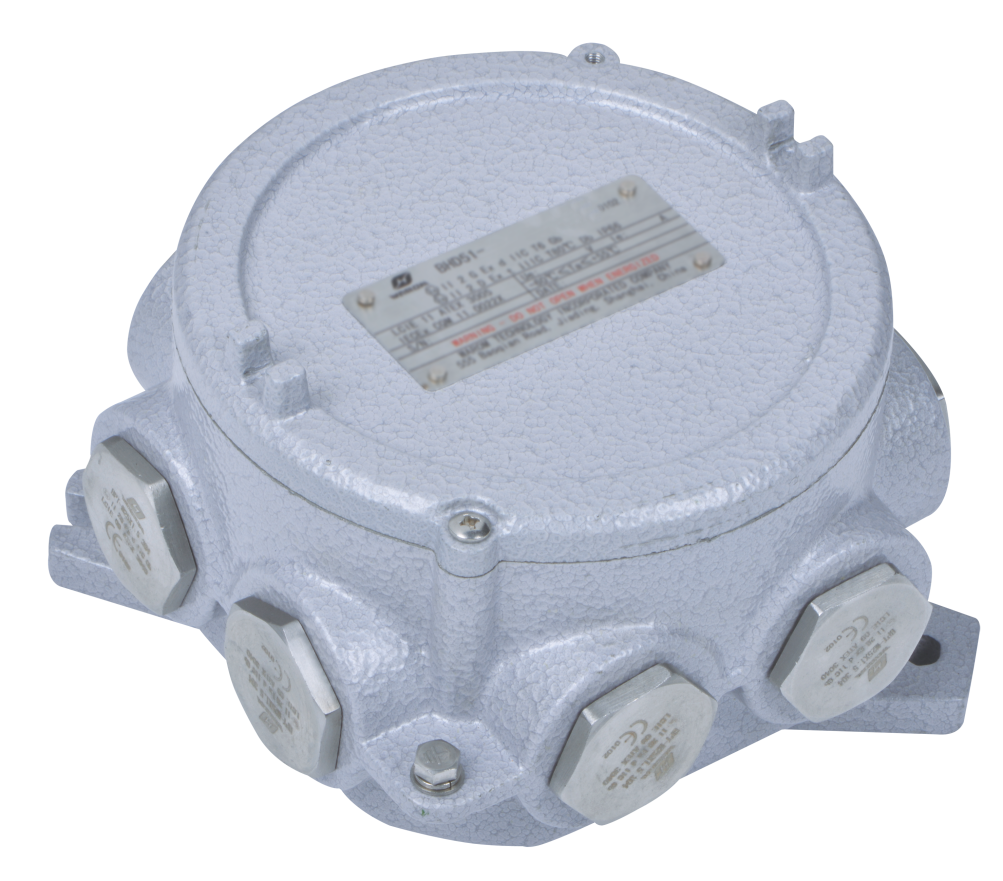
| Caja de conexiones | BHD91 | Copper-free aluminium, stainless fasteners, IP66, ambient -60°C to +60°C, max 500V AC | Deck and pump room cable splicing |
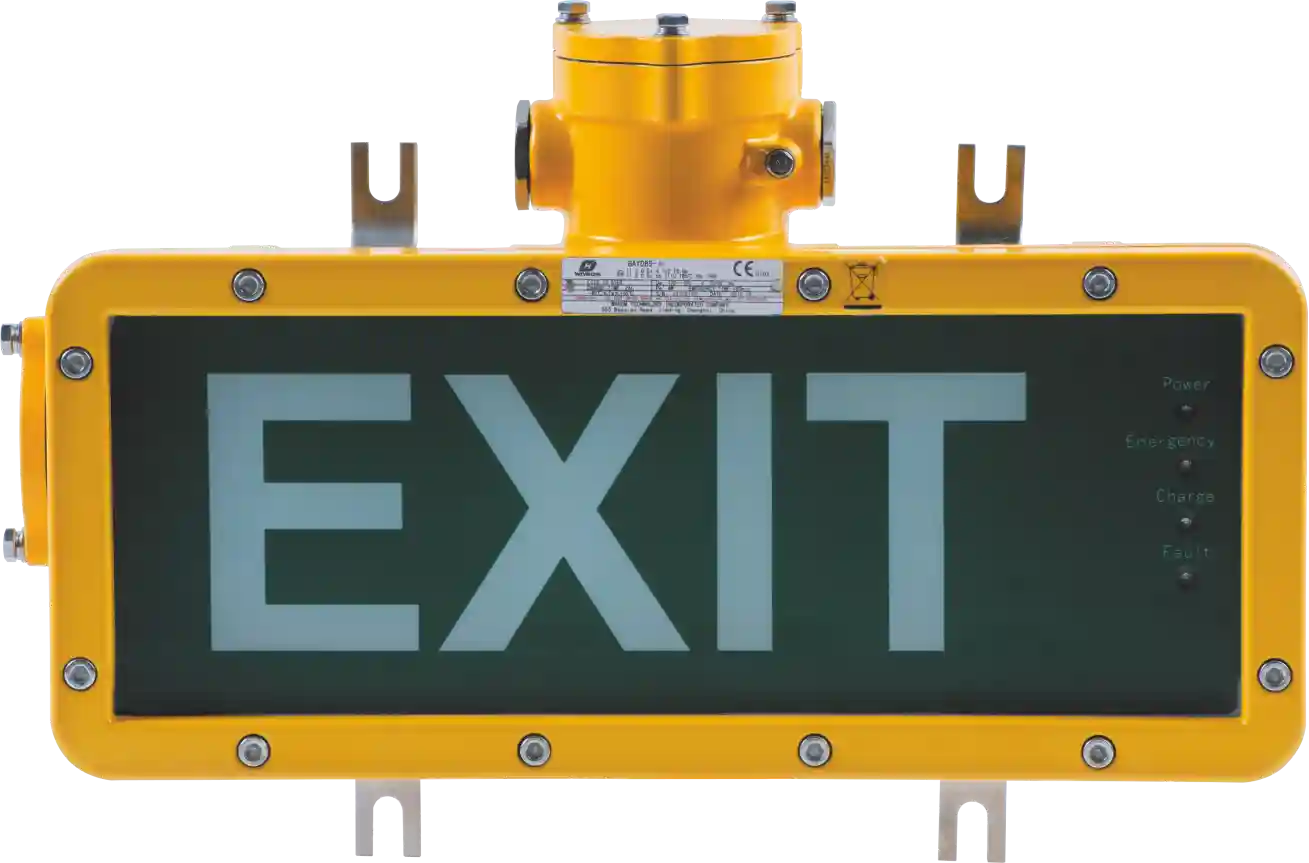
| cURL Too many subrequests by single Worker invocation. To configure this limit, refer to https://developers.cloudflare.com/workers/wrangler/configuration/#limits | BBJ86 | cURL Too many subrequests by single Worker invocation. To configure this limit, refer to https://developers.cloudflare.com/workers/wrangler/configuration/#limits | cURL Too many subrequests by single Worker invocation. To configure this limit, refer to https://developers.cloudflare.com/workers/wrangler/configuration/#limits |
cURL Too many subrequests by single Worker invocation. To configure this limit, refer to https://developers.cloudflare.com/workers/wrangler/configuration/#limits 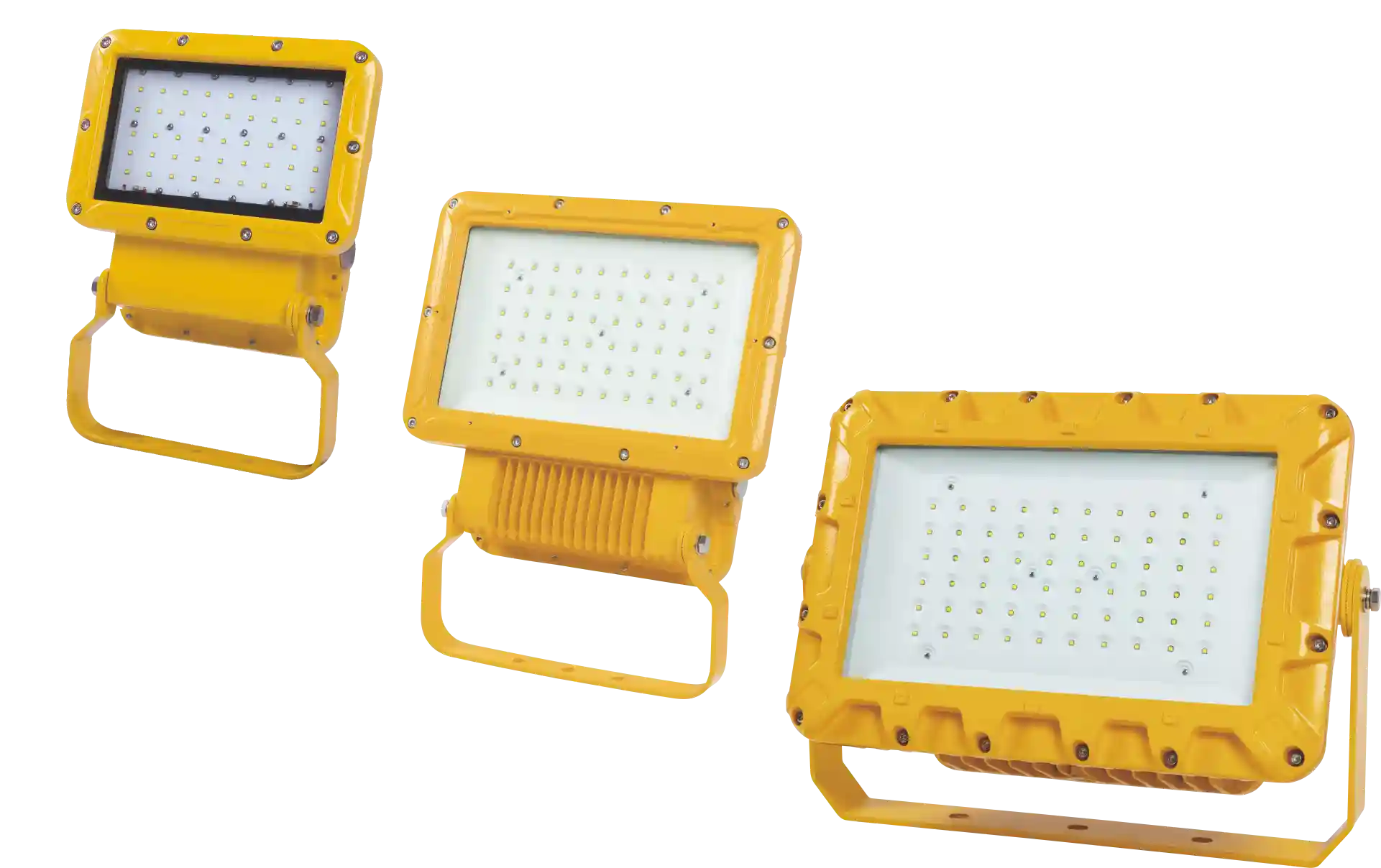 cURL Too many subrequests by single Worker invocation. To configure this limit, refer to https://developers.cloudflare.com/workers/wrangler/configuration/#limits junction boxes cURL Too many subrequests by single Worker invocation. To configure this limit, refer to https://developers.cloudflare.com/workers/wrangler/configuration/#limits
  cURL Too many subrequests by single Worker invocation. To configure this limit, refer to https://developers.cloudflare.com/workers/wrangler/configuration/#limits
  cURL Too many subrequests by single Worker invocation. To configure this limit, refer to https://developers.cloudflare.com/workers/wrangler/configuration/#limits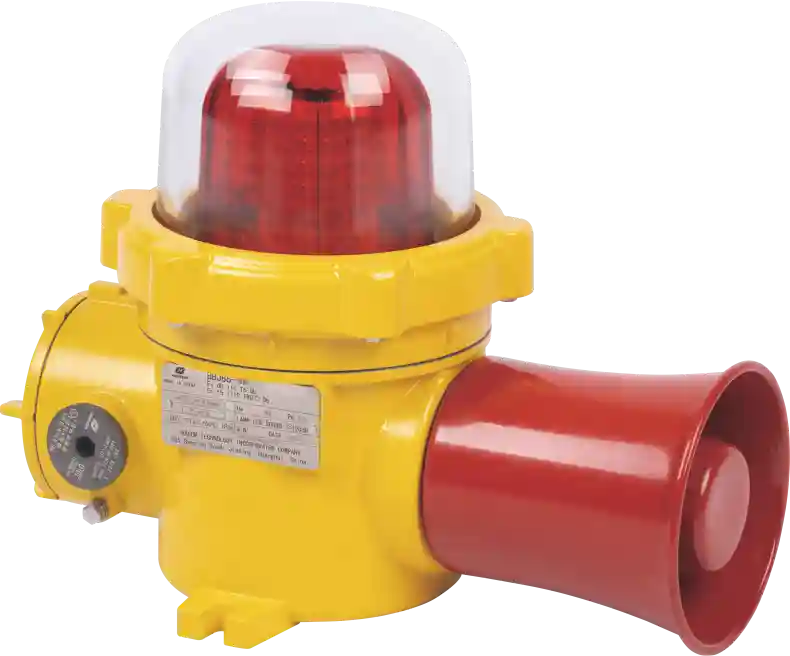
cURL Too many subrequests by single Worker invocation. To configure this limit, refer to https://developers.cloudflare.com/workers/wrangler/configuration/#limits
cURL Too many subrequests by single Worker invocation. To configure this limit, refer to https://developers.cloudflare.com/workers/wrangler/configuration/#limits gm*@***om.com o llámenos al +86 21 39977076.
cURL Too many subrequests by single Worker invocation. To configure this limit, refer to https://developers.cloudflare.com/workers/wrangler/configuration/#limits
cURL Too many subrequests by single Worker invocation. To configure this limit, refer to https://developers.cloudflare.com/workers/wrangler/configuration/#limits
- cURL Too many subrequests by single Worker invocation. To configure this limit, refer to https://developers.cloudflare.com/workers/wrangler/configuration/#limits
- cURL Too many subrequests by single Worker invocation. To configure this limit, refer to https://developers.cloudflare.com/workers/wrangler/configuration/#limits glándulas de cable cURL Too many subrequests by single Worker invocation. To configure this limit, refer to https://developers.cloudflare.com/workers/wrangler/configuration/#limits
- cURL Too many subrequests by single Worker invocation. To configure this limit, refer to https://developers.cloudflare.com/workers/wrangler/configuration/#limits
- cURL Too many subrequests by single Worker invocation. To configure this limit, refer to https://developers.cloudflare.com/workers/wrangler/configuration/#limits
- cURL Too many subrequests by single Worker invocation. To configure this limit, refer to https://developers.cloudflare.com/workers/wrangler/configuration/#limits
cURL Too many subrequests by single Worker invocation. To configure this limit, refer to https://developers.cloudflare.com/workers/wrangler/configuration/#limitsWarom en SMM HamburgocURL Too many subrequests by single Worker invocation. To configure this limit, refer to https://developers.cloudflare.com/workers/wrangler/configuration/#limits
cURL Too many subrequests by single Worker invocation. To configure this limit, refer to https://developers.cloudflare.com/workers/wrangler/configuration/#limits
cURL Too many subrequests by single Worker invocation. To configure this limit, refer to https://developers.cloudflare.com/workers/wrangler/configuration/#limits gm*@***om.com cURL Too many subrequests by single Worker invocation. To configure this limit, refer to https://developers.cloudflare.com/workers/wrangler/configuration/#limits
cURL Too many subrequests by single Worker invocation. To configure this limit, refer to https://developers.cloudflare.com/workers/wrangler/configuration/#limits
cURL Too many subrequests by single Worker invocation. To configure this limit, refer to https://developers.cloudflare.com/workers/wrangler/configuration/#limits
cURL Too many subrequests by single Worker invocation. To configure this limit, refer to https://developers.cloudflare.com/workers/wrangler/configuration/#limits
cURL Too many subrequests by single Worker invocation. To configure this limit, refer to https://developers.cloudflare.com/workers/wrangler/configuration/#limits
cURL Too many subrequests by single Worker invocation. To configure this limit, refer to https://developers.cloudflare.com/workers/wrangler/configuration/#limits
cURL Too many subrequests by single Worker invocation. To configure this limit, refer to https://developers.cloudflare.com/workers/wrangler/configuration/#limits
cURL Too many subrequests by single Worker invocation. To configure this limit, refer to https://developers.cloudflare.com/workers/wrangler/configuration/#limits
cURL Too many subrequests by single Worker invocation. To configure this limit, refer to https://developers.cloudflare.com/workers/wrangler/configuration/#limits
cURL Too many subrequests by single Worker invocation. To configure this limit, refer to https://developers.cloudflare.com/workers/wrangler/configuration/#limits
cURL Too many subrequests by single Worker invocation. To configure this limit, refer to https://developers.cloudflare.com/workers/wrangler/configuration/#limits
cURL Too many subrequests by single Worker invocation. To configure this limit, refer to https://developers.cloudflare.com/workers/wrangler/configuration/#limits gm*@***om.com cURL Too many subrequests by single Worker invocation. To configure this limit, refer to https://developers.cloudflare.com/workers/wrangler/configuration/#limits
Si está interesado, consulte estos artículos relacionados:
Honor al frente: Warom Technology ganó muchos premios
WAROM en ACHEMA 2024
Especificación Técnica para Armarios a Prueba de Explosiones: Una Guía
Equipo a prueba de explosiones: Seguridad en molinos de harina y silos de grano
Con más de una década de experiencia, es un Ingeniero Eléctrico a prueba de explosiones con experiencia en el diseño y fabricación de productos de seguridad y a prueba de explosiones. Posee una experiencia profunda en áreas clave que incluyen sistemas a prueba de explosiones, iluminación nuclear, seguridad marina, protección contra incendios y sistemas de control inteligente. En Warom Technology Incorporated Company, ocupa roles de liderazgo dual como Subgerente de Ingeniería para Negocios Internacionales y Jefe del Departamento Internacional de I+D, donde supervisa iniciativas de I+D y garantiza la entrega precisa de la documentación de diseño para proyectos internacionales. Comprometido con avanzar la seguridad industrial global, se enfoca en traducir tecnologías complejas en soluciones prácticas, ayudando a los clientes a implementar sistemas de control más seguros, más inteligentes y fiables en todo el mundo.

Qi Lingyi