

Developing a precise technical specification for explosion proof cabinets is fundamental for safety and operational integrity in hazardous environments. These specifications dictate the design, manufacturing, and installation of electrical safety systems, directly impacting project outcomes. Complex projects like Tilenga in Uganda, where explosion-proof electrical systems were supplied, underscore the necessity of robust and reliable equipment. Such detailed planning ensures zero safety incidents and long-term reliability.
What Exactly Are Explosion Proof Distribution Cabinets
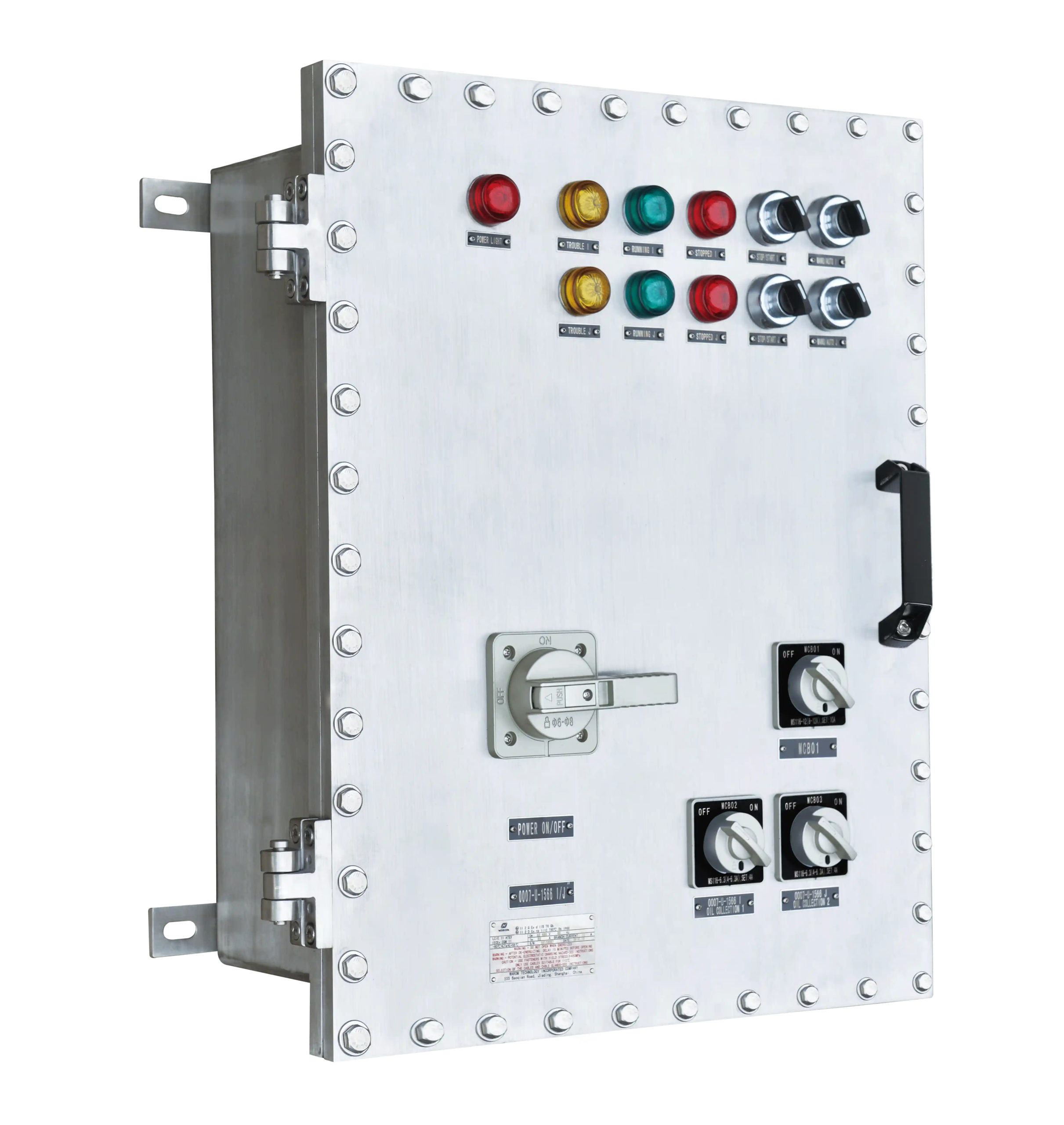
Explosion proof distribution cabinets are specialized enclosures designed to prevent internal explosions from propagating to the external hazardous atmosphere. These industrial electrical systems manage power distribution in areas where flammable gases, vapors, or combustible dusts are present. The design of explosion proof enclosures mitigates risks by containing any potential sparks or high temperatures within the cabinet itself, preventing ignition of surrounding atmospheres.
In the Tilenga project, the stringent environmental conditions, including areas within Murchison Falls National Park, demanded equipment capable of maintaining integrity under extreme operating parameters. The practical benefits of well-specified hazardous location equipment become evident in such settings: energy efficiency reduces operational costs, while low maintenance requirements minimize the frequency of potentially dangerous service interventions in classified zones.
Which Regulatory Standards Apply to Explosion Proof Distribution Cabinets
Compliance with essential regulatory standards and certifications is non-negotiable for explosion proof distribution cabinets. These standards provide a framework for electrical safety in hazardous areas, ensuring equipment meets specific protection requirements. The General Paint Electrical Safety Upgrade project in Mexico demonstrated the critical importance of adhering to these standards. Non-compliance posed significant fire and explosion risks due to flammable gas and dust. A customized explosion-proof solution for General Paint, which included certified plugs, junction boxes, and distribution boxes, prevented potential incidents.
Critical regulatory standards for explosion-proof distribution cabinets include ATEX, IECEx, and NEMA ratings. ATEX certification is mandatory for equipment used in hazardous areas within the European Union, while IECEx provides an internationally recognized standard for equipment intended for use in explosive atmospheres. NEMA ratings specify enclosure protection levels against environmental hazards in North America. These standards ensure hazardous area classification is correctly applied, guiding the selection of appropriate explosion protection documents and maintaining a high safety integrity level (SIL).
| Standard | Region/Scope | Key Focus |
|---|---|---|
| ATEX | European Union | Directives for equipment and protective systems intended for use in potentially explosive atmospheres. |
| IECEx | International | Certification system for equipment for use in explosive atmospheres. |
| NEMA | North America | Enclosure protection ratings against environmental hazards. |
How Hazardous Area Classifications Shape Cabinet Design
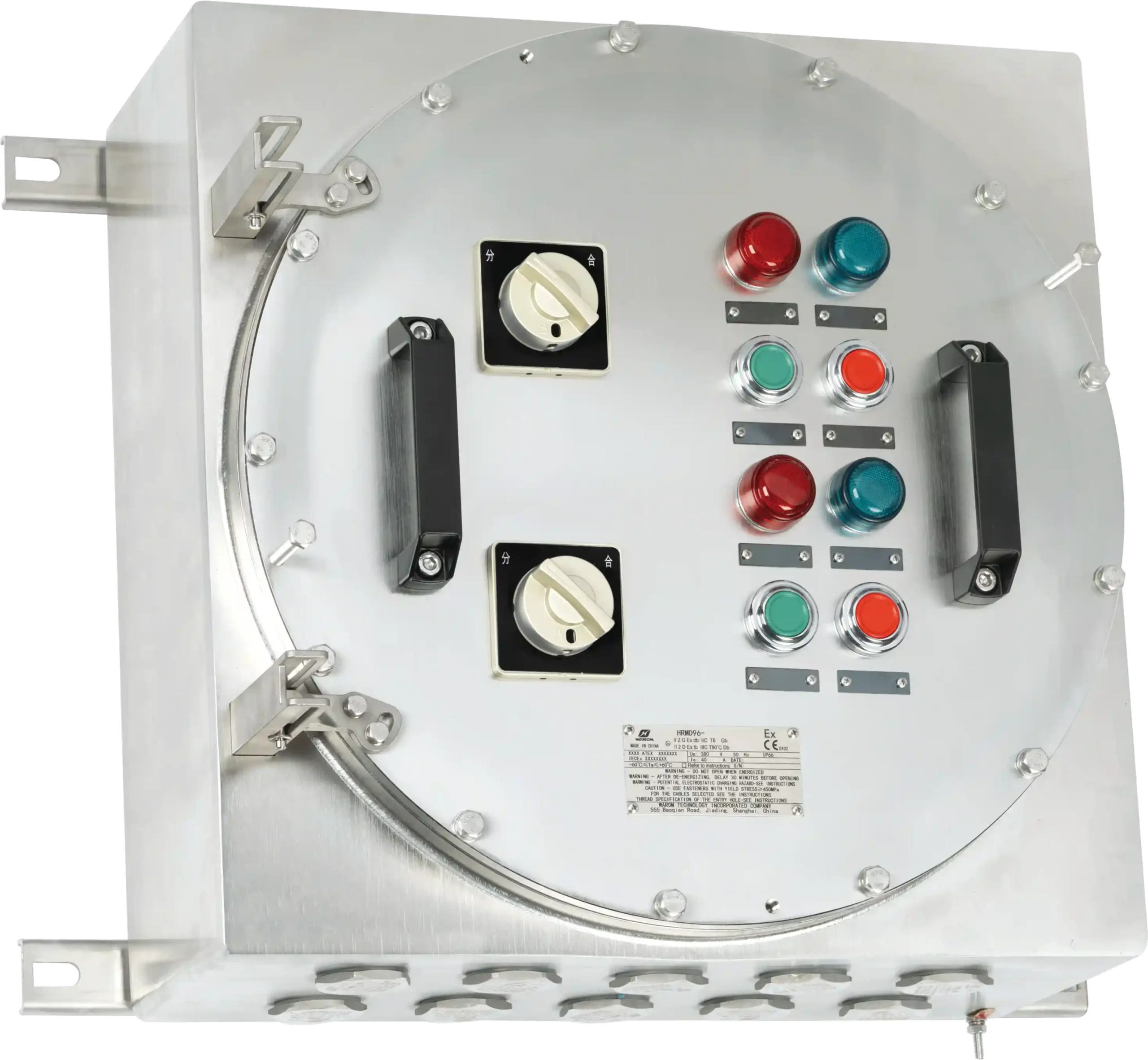
Hazardous area classifications directly influence the design of explosion-proof distribution cabinets by defining the type and probability of explosive atmospheres. Areas with flammable gases require different protection methods than those with combustible dusts. This classification dictates the explosion proof design principles, such as flameproof enclosures (Ex d) or increased safety enclosures (Ex e).
The ability to provide custom explosion proof solutions, as demonstrated at General Paint with its specific flammable gas and dust risks, ensures designs align precisely with site classifications. Zone 1 installations demand more stringent protection than Zone 2, and the technical specification must reflect these distinctions in material selection, enclosure construction, and internal component ratings.
What Technical Details Belong in an Explosion Proof Cabinet Specification
A specification for explosion proof distribution cabinets must include detailed electrical components for hazardous areas, enclosure materials, and cable entry systems. It must also specify earthing requirements, ingress protection (IP) rating, and temperature class. The BXM(D)8050 Explosion-proof Illumination Distribution Boxes, for example, feature a compound design combining flameproof (Ex d) and increased safety (Ex e) chambers, with an IP66 rating. Detailed electrical schematics, installation requirements, and quality assurance protocols are also vital for ensuring compliance and long-term performance.
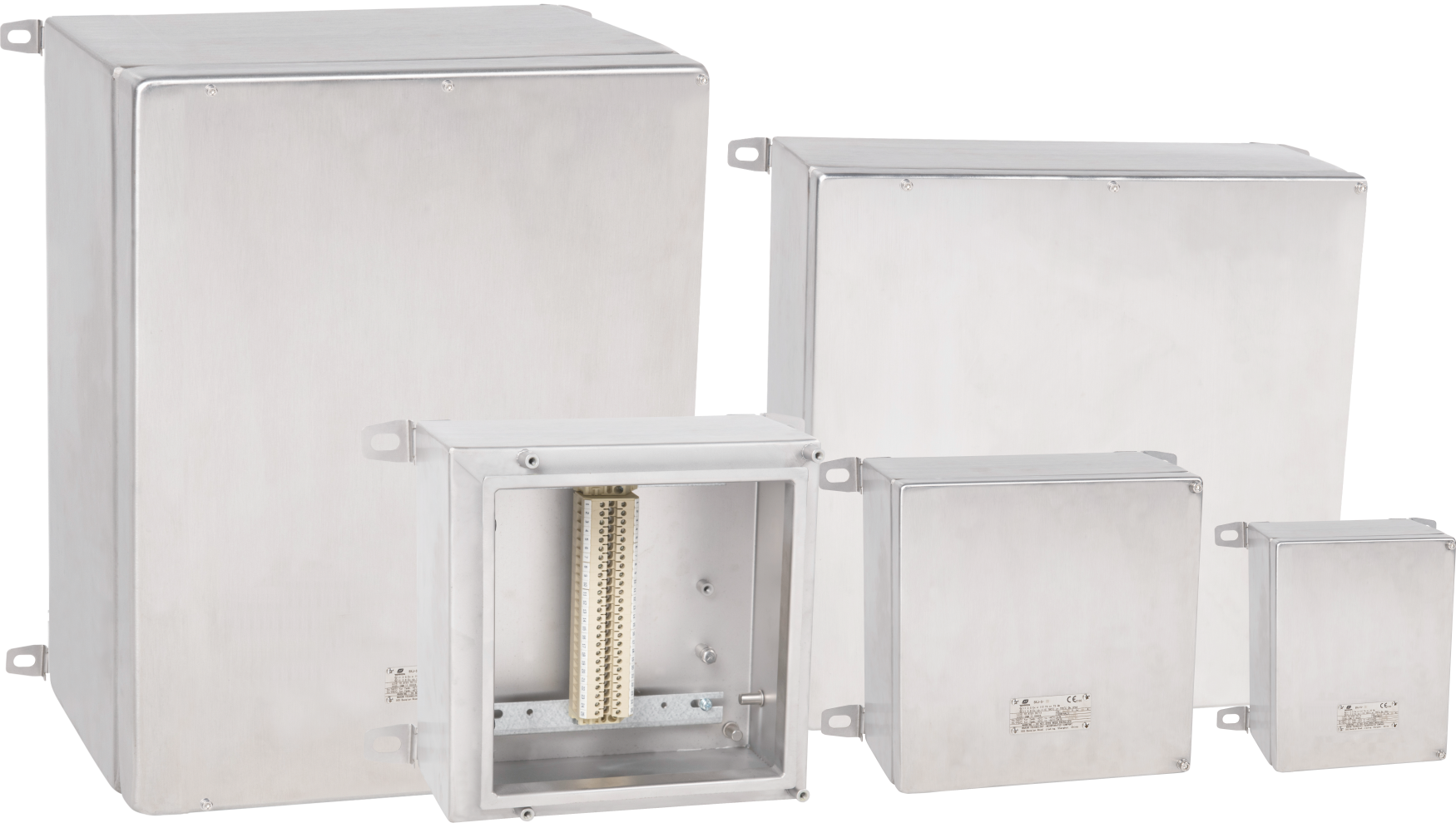
Projects like Fushilai Pharmaceutical, where distribution boxes were supplied for various hazardous areas including workshops, warehouses, and tank farms, demonstrate why precise specifications matter. The detailed specifications ensured successful, phased delivery across multiple production lines. Key elements involve detailed distribution board design, selection of appropriate circuit protection devices, and material specifications for harsh environments.
How to Integrate Specification Development with Project Execution
Effective specification development and project integration are critical for successful hazardous area installations. The approach involves early coordination with the promoter, design institute, and project owner, a practice exemplified in the Fushilai Pharmaceutical project. This collaboration ensures alignment on project management for hazardous installations, long-term reliability, and maintenance procedures.
Technical support for explosion proof equipment throughout the project lifecycle fosters strong vendor collaboration. This integrated strategy minimizes risks and optimizes operational efficiency. If your project involves multiple hazardous area classifications or phased delivery requirements, it is worth discussing coordination protocols before committing to a supplier.
Frequently Asked Questions About Explosion Proof Specifications
Why is a detailed technical specification crucial for explosion-proof distribution cabinets?
A detailed technical specification ensures strict adherence to safety standards, regulatory compliance (ATEX, IECEx), and optimal performance in hazardous locations. It minimizes risks, prevents costly errors, and guarantees the selection of appropriate explosion-proof enclosures and components for the specific zone classification and environmental conditions. Without precise specifications, equipment may fail to contain internal faults or may be over-engineered for the actual hazard level, wasting budget.
How can one verify that explosion-proof equipment meets all specified requirements?
Verifying that explosion-proof equipment meets specifications involves rigorous vendor selection based on certification track record, requesting comprehensive documentation (test reports, certificates), and conducting thorough factory acceptance tests (FAT). Verification must confirm compliance with all hazardous area classifications and electrical safety standards outlined in the technical specification. Third-party inspection during manufacturing adds another layer of assurance.
What mistakes should be avoided when writing specifications for hazardous area electrical equipment?
Common mistakes when writing specifications for hazardous area electrical equipment include ambiguous language, insufficient detail on environmental conditions, neglecting specific hazardous area classification requirements, and overlooking critical safety features or maintenance considerations. Specifications that fail to address cable gland requirements, temperature ratings, or ingress protection for the actual installation environment often result in non-compliant solutions or costly change orders. To discuss your specification requirements and ensure compliance, contact WAROM TECHNOLOGY at +86 21 39977076 or +86 21 39972657, or email gm*@***om.com.
If you’re interested, you may want to read the following articles:
Shanghai Emergency Management Bureau expert bank electrical explosion-proof safety professional group learning seminar was held in Warom.
Day 1 of 2025 Canton Fair
With over a decade of experience, he is a seasoned Explosion-Proof Electrical Engineer specializing in the design and manufacture of safety and explosion-proof products. He possesses in-depth expertise across key areas including explosion-proof systems, nuclear power lighting, marine safety, fire protection, and intelligent control systems. At Warom Technology Incorporated Company, he holds dual leadership roles as Deputy Chief Engineer for International Business and Head of the International R&D Department, where he oversees R&D initiatives and ensures the precise delivery of design documentation for international projects. Committed to advancing global industrial safety, he focuses on translating complex technologies into practical solutions, helping clients implement safer, smarter, and more reliable control systems worldwide.

Qi Lingyi