

Most outdoor construction power failures start before the first breaker trips. Weatherproof distribution boards get selected on enclosure rating alone while cable routing, temporary relocation, and changing site loads decide whether the unit survives a full project cycle. On projects I review, the most useful specification work happens after the IP code is confirmed. The five decisions that matter for construction site power are enclosure material, ingress rating, cable entry, circuit configuration, and mounting for repeated moves and site conditions.
Weatherproof Distribution Board Enclosure Materials
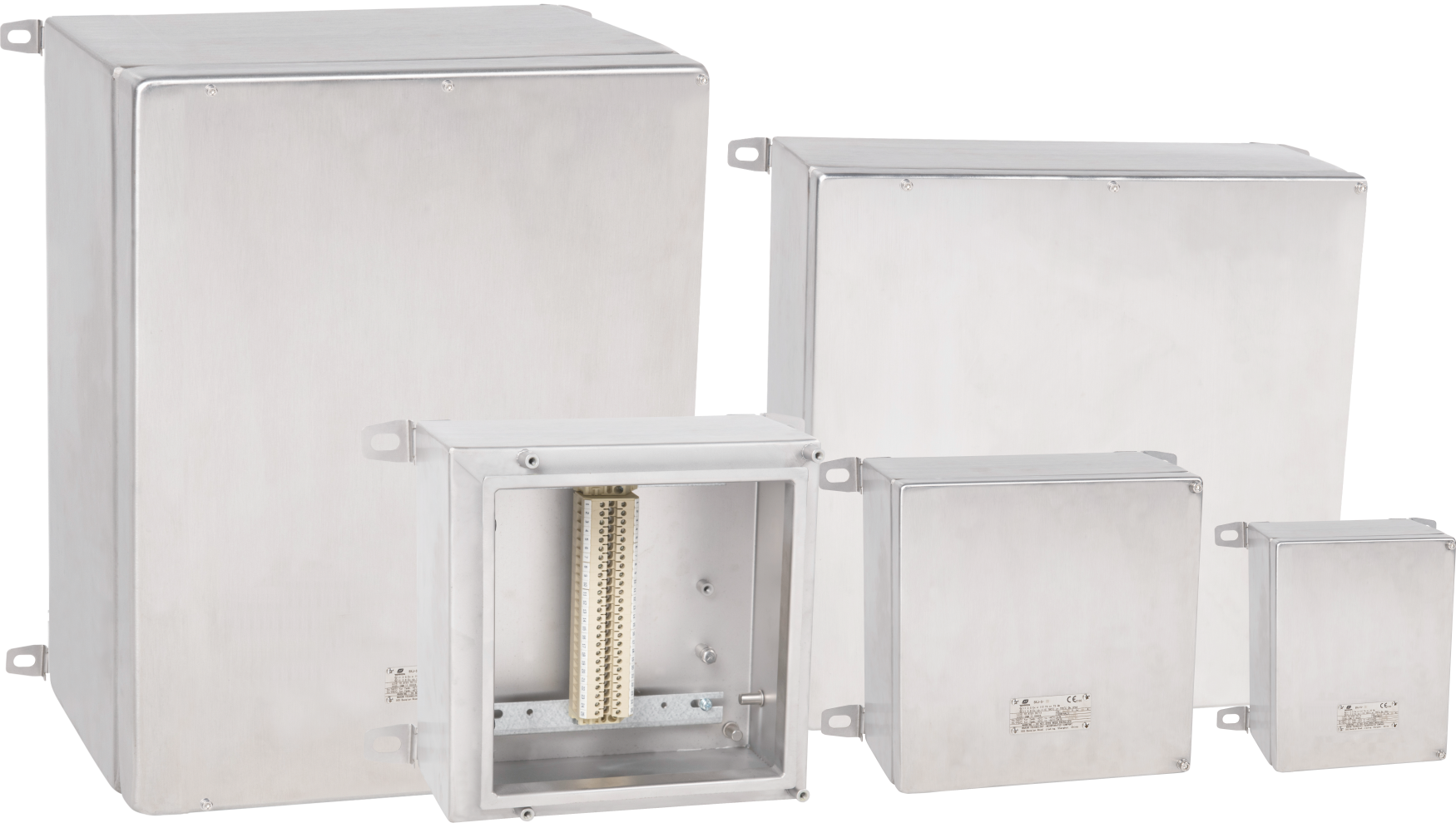
A weatherproof distribution board on a construction site is a piece of site equipment before it is an electrical assembly. Forklifts hit the enclosure, scaffold bars lean against it, and water runs down the external surface during night shifts. The enclosure material therefore has to answer two questions at once: how well it sheds water and how well it survives contact with moving machinery.
| Enclosure material | Penggunaan terbaik | Main watch point |
|---|---|---|
| GRP polyester | Coastal, humid, high handling | Lower impact strength than steel |
| Coated steel | General site duty, plant rooms | Coating damage can start rust |
| Stainless steel 316 | Coastal or kimialy active sites | Higher weight and cost |
| Aluminum alloy | Weight-sensitive or mobile boards | Galvanic reaction with wrong glands |
For most temporary construction boards, coated steel or GRP is the practical choice. I prefer GRP when the board will be moved repeatedly because the material does not corrosively pit when the surface gets scratched. Stainless steel makes sense when the board sits within sight of salt water or in a site compound where chloride dust is constant. Exposed fasteners should be stainless in every option. A zinc plated screw will rust before the first seasonal shutdown and will tell you exactly where the gasket compression was compromised.
Weatherproof Distribution Board IP Ratings and Water Ingress
An IP66 rating is the baseline for outdoor construction power boards. The first digit protects against solids, the second protects against water. IP66 means the enclosure can resist powerful water jets, not just falling rain. IP65 is acceptable only under a covered staging area where hoses are not used nearby. Any board supplied as weatherproof without a two-digit IP rating confirms nothing.
The common failure path is not the enclosure body. It is the gasket face. If a field entry hole is drilled through the top surface, or the gasket is compressed unevenly, the IP rating belongs to the empty enclosure from the factory, not to the assembled board on site. I check gasket compression by looking for even contact on all four edges of the door. A board that passes the rating in a clean workshop can still trap condensation when warm daytime air cools overnight and the cable entries are not sealed. Use an IP66 gland at every entry and blank unused holes with a metal or plastic plug that matches the enclosure rating.
Outdoor Distribution Board Cable Entry Planning
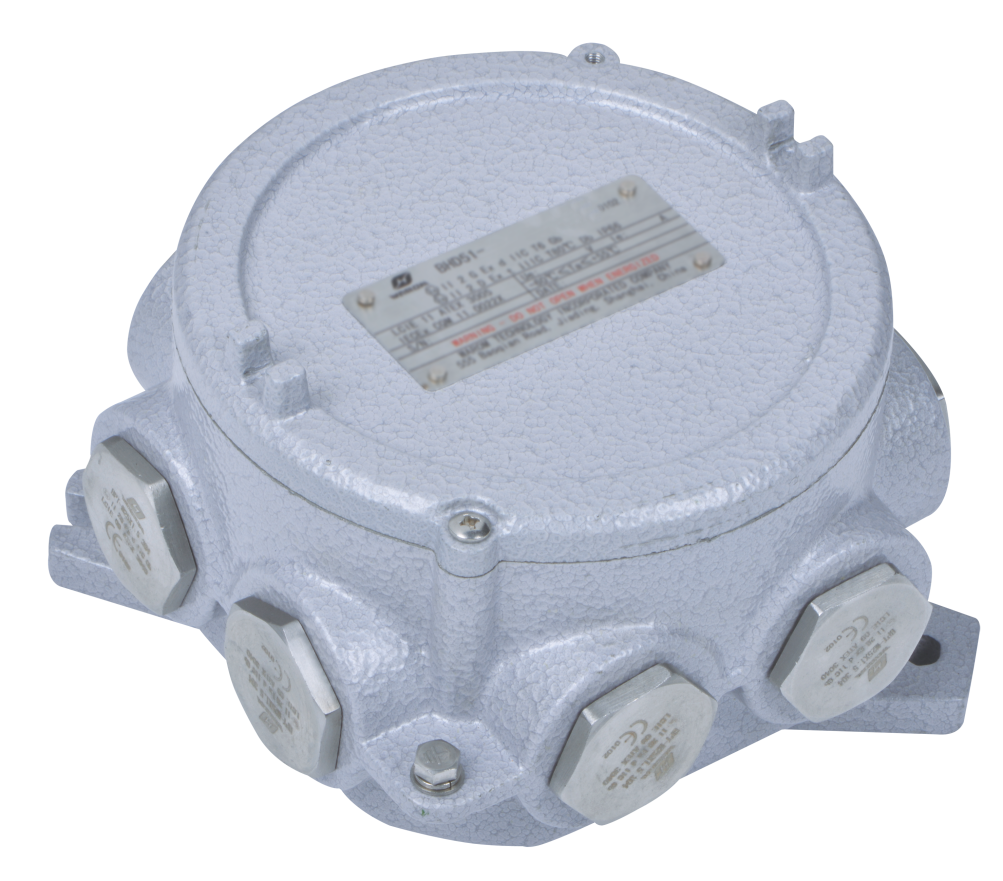
Cable entry planning is where weatherproof boards fail in the field. The rule is bottom entry first. Side entry is acceptable on pedestal boards. Top entry is not for outdoor enclosures unless a fabricated canopy prevents direct water running down. On a construction site, cables approach from cable ramps, temporary trenches, or overhead temporary lines, and the entry plan must match the direction of pull without creating a water path.
We build boards with detachable gland plates so the entry layout can change as the site phase changes. A fixed drilled enclosure locks the contractor into one cable arrangement for the full project. That is the wrong way to buy a temporary power board. Each gland must match the cable outside diameter, with a compression seal that remains watertight when the cable is pulled at an angle. Blanking plugs matter as much as glands. A missing plug is a direct opening for hose water and dust.
If your board will mix armoured and flexible cables, you are already at a decision point that many generic boards handle poorly. Confirm the gland plate layout and spare entry capacity before the order is frozen. Send your cable schedule to gm*@***om.com and we will check the entry arrangement against the IP rating.
Circuit Configuration and Site Load Planning
Construction loads are the least stable load profile in industrial power. A tower crane, a rebar bender, a site office HVAC unit, and temporary lighting can all sit on the same board at different points in the month. The circuit layout needs to separate high inrush equipment from sensitive controls, and it needs spare breaker positions for the next phase without requiring a different board.
For most site boards, I specify a main incoming device, a residual current device for socket circuits, and individual outgoing protection for the largest fixed loads. The earth bar and neutral bar should be sized for the full incoming current, not for the installed breaker total. When the board moves from foundation phase to finish phase, the outgoing assignment changes, but the busbar and gland plate should not need to be redesigned. A board that cannot be reconfigured on site has not been designed for construction duty.
When one of those outgoing circuits supplies temporary lighting in a tank, vault, or manhole, the load side carries a second set of rules. <Pencahayaan Sesuai OSHA: Persyaratan Tegangan untuk Ruang Terbatas> covers the voltage limits and isolation choices inspectors look for before equipment is energized.
Mounting, Relocation, and Final Specification Checks
A construction distribution board is not installed once. It is moved, lifted, reconnected, and sometimes left standing in mud while the civil team pours the next slab. The mounting arrangement should therefore be simple to repeat. A surface board with factory punched mounting feet works for fixed site offices. A pedestal board works better for open ground because it raises the cable entries above standing water and keeps the door out of the direct splash zone.
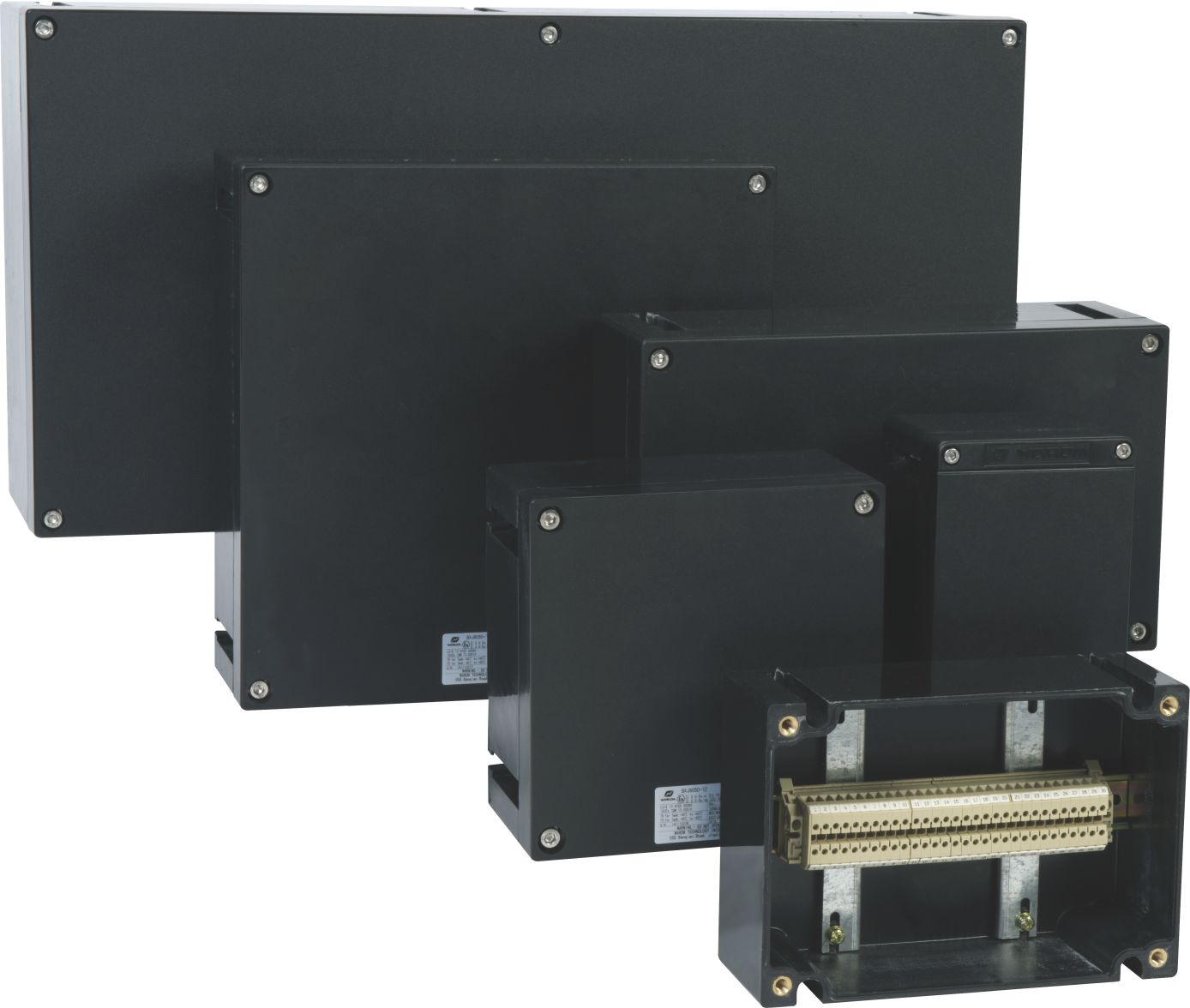
Before a board goes to a construction site, I look for five conditions in the specification: material and IP rating, gland layout and cable range, incoming and outgoing device assignment, earthing and neutral sizing, and mounting plan through each site phase. If any of those five is vague, the quote will not hold.
Warom builds weatherproof distribution boards for these site conditions, and the specification should be settled before the board enters production. Send your load schedule, cable schedule, and mounting plan to gm*@***om.com or call +86 21 39977076 or +86 21 39972657, and we will confirm the circuit arrangement, gland plate layout, and IP protection before fabrication.
Common Questions About Weatherproof Distribution Boards for Construction Sites
What IP rating should an outdoor construction distribution board have?
Use IP66 as the baseline when the board is exposed to rain, site dust, or hose washdown. IP65 can work under a covered staging area but should not be specified for open ground. The larger requirement is that every gland, blanking plug, and gasket matches the same rating. An IP66 enclosure with one open cable entry is not an IP66 board. If the board sits near standing water or in a washdown path, keep the cable entries below the enclosure floor only with a raised pedestal.
Is a weatherproof board enough for a site with flammable vapors?
A common mistake is treating a weatherproof enclosure as a substitute for explosion-proof construction. They solve different problems. Weatherproof keeps water and dust out. Explosion-proof contains an internal ignition and controls surface temperature. If a construction area has solvent vapors, fuel storage, or combustible dust from grinding, the board must also meet the area classification. Confirm the zone or division before ordering.
Can you relocate a weatherproof distribution board between project phases?
cURL Too many subrequests by single Worker invocation. To configure this limit, refer to https://developers.cloudflare.com/workers/wrangler/configuration/#limits
cURL Too many subrequests by single Worker invocation. To configure this limit, refer to https://developers.cloudflare.com/workers/wrangler/configuration/#limits
cURL Too many subrequests by single Worker invocation. To configure this limit, refer to https://developers.cloudflare.com/workers/wrangler/configuration/#limits gm*@***om.com cURL Too many subrequests by single Worker invocation. To configure this limit, refer to https://developers.cloudflare.com/workers/wrangler/configuration/#limits
Jika Anda tertarik, lihat artikel terkait berikut:
Warom di OIL&GAS Kazakhstan
Sorotan Perhatian Lokal: Meningkatkan Keselamatan di Zona Berbahaya
Dengan pengalaman lebih dari satu dekade, dia adalah seorang Insinyur Listrik Tahan Ledak yang berpengalaman khusus dalam perancangan dan pembuatan produk keselamatan dan tahan ledak. Ia memiliki keahlian mendalam di bidang-bidang utama termasuk sistem tahan ledak, pencahayaan tenaga nuklir, keselamatan kelautan, perlindungan kebakaran, dan sistem kendali cerdas. Di Warom Technology Incorporated Company, ia memegang peran ganda sebagai Wakil Kepala Insinyur untuk Bisnis Internasional dan Kepala Departemen R&D Internasional, di mana ia mengawasi inisiatif R&D dan memastikan penyampaian dokumentasi desain yang tepat untuk proyek internasional. Berkomitmen untuk meningkatkan keselamatan industri global, ia berfokus pada penerjemahan teknologi yang kompleks menjadi solusi praktis, membantu klien mengimplementasikan sistem kendali yang lebih aman, lebih pintar, dan lebih andal di seluruh dunia.

Qi Lingyi