

Explosion proof AC for pharma solvent rooms has to be specified backwards from solvent risk, not forwards from cooling load. Ethanol, acetone, isopropanol, and ethyl acetate can reach a flammable concentration before a technician notices the smell. Standard air conditioning puts arc-producing controls, hot compressor surfaces, and unprotected fan motors inside that atmosphere. The correct package starts with the hazardous area classification and ends with a certified unit whose surface temperature stays below the gas group limit. This article is written for process engineers, EPC teams, and plant safety managers who need a specification that passes inspection on the first submission.
The Hazard Basis for Explosion Proof AC in Solvent Rooms
İlaç Sanayi solvent rooms combine two conditions that standard HVAC design does not account for. The first is a flammable vapor source that is present during normal operation, not only during an upset. Open dispensing, drum transfer, reactor charging, and cleaning can release vapor continuously. The second is a room volume small enough for a local spill to reach the lower explosive limit, or LEL, quickly if mechanical ventilation is interrupted.
Ethanol has a flashpoint near 13°C, acetone near minus 20°C, and ethyl acetate near minus 4°C. At normal room temperatures all three are already above their flashpoint. A standard wall split unit contains a contactor, relay, fan motor, and often an electric heater, any of which can become an ignition source. The compressor discharge line and condenser surface can also exceed the temperature limit for T4 equipment under high ambient conditions.
Why Solvent Vapor Collects Even with Standard Ventilation
Most common pharmaceutical solvents produce vapor heavier than air. Ethanol vapor has a relative density near 1.6, acetone near 2.0, and toluene near 3.1. In a room with only ceiling exhaust, low-level pockets can form behind equipment, inside pits, and under cable racks. A standard air conditioner with a high wall return does not clear those pockets. The hazardous area classification must therefore consider ventilation direction, low points, and the failure state when the exhaust fan stops.
What Changes When the Room Is Zone 1 Instead of Zone 2
Zone 1 means a flammable atmosphere is likely during normal operation. Zone 2 means such an atmosphere is not likely in normal operation and, if it occurs, will persist for a short period. A solvent dispensing or drum storage room is often Zone 1, while a continuously ventilated technical corridor may be Zone 2. The AC enclosure, motor, controls, and cable entries must be rated for the actual zone, not for a lower classification that is easier to source.
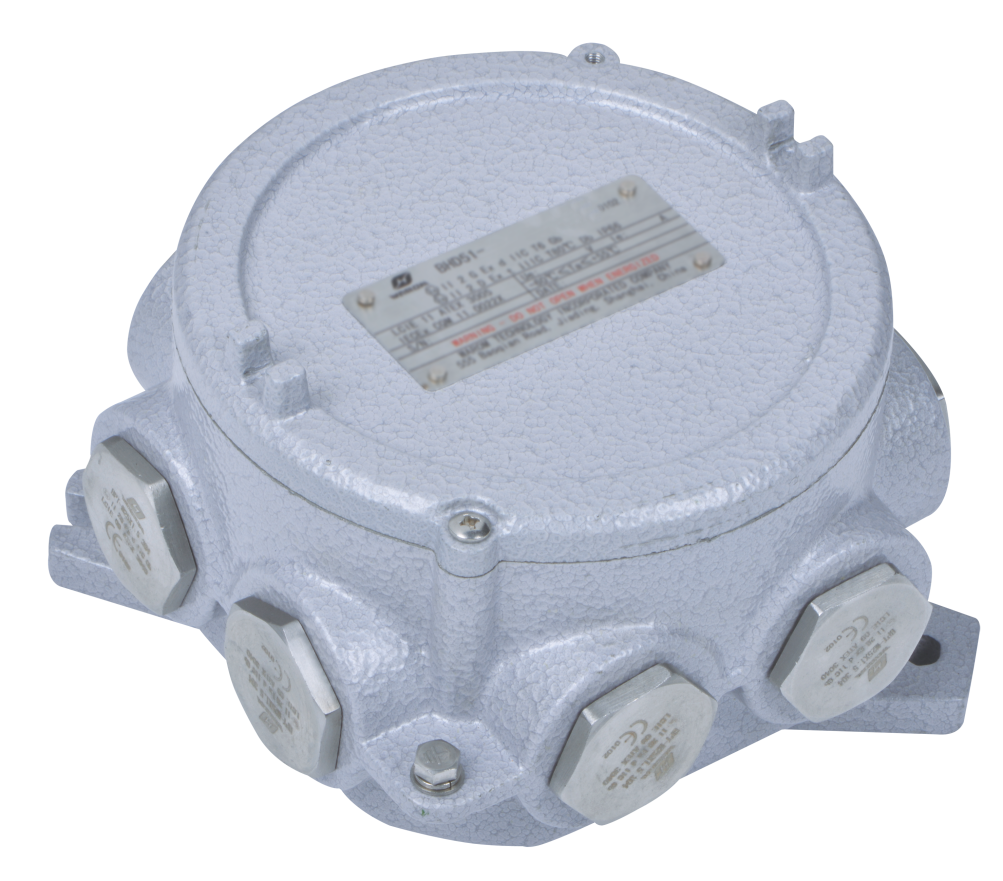
Area Classification for Explosion Proof AC Selection
Starting with the area classification prevents the most expensive specification error: ordering a unit that matches the cooling load but not the ignition hazard. The process safety group should issue the zone drawing, gas group, and temperature class before the HVAC supplier prices the package.
| Selection parameter | Solvent room input | What the AC package must confirm |
| Hazardous zone | Zone 1 for open transfer, Zone 2 for closed clean systems | Equipment protection level and category match the zone |
| Gas group | IIA or IIB for ethanol, acetone, ethyl acetate | Enclosure and flamepath rated for the gas group |
| Temperature class | T4 for most common solvents | T5 or T6 if ignition temperature is below about 200°C |
| Ambient and room condition | Corrosive vapor, washdown, excipient dust | Ingress protection and surface finish resist corrosion |
| Refrigerant and hot parts | Compressor discharge, condenser coil | Confirmed below the marked temperature class |
| Power and control circuit | Isolator, contactor, thermostat, interlock | Factory wired in the certified enclosure, not field modified |
The most common field failure we see is a Zone 2 unit moved into a Zone 1 room because the enclosures look identical. Zone 2 equipment relies on the hazardous atmosphere being absent during normal operation. Zone 1 equipment must contain an internal ignition or prevent it by construction. That difference affects flamepaths, terminal design, cable entry method, and the certification scope of the whole assembly.
Ex d, Ex e, and Purged Type: Which One Fits
An Ex d flameproof enclosure is designed to contain an internal explosion and cool the escaping gases below the solvent ignition temperature. It works for components that arc or produce heat, such as contactors and compressor contactors. An Ex e increased safety enclosure is built to prevent arcs, sparks, and hot surfaces in normal operation and relies on high-integrity terminals and specified creepage and clearance. Purged or pressurized designs use a protective gas supply to keep the hazardous atmosphere away from energized parts and are common for packaged control compartments or large air conditioner cabinets.
Why Certification Scope Must Match the Whole Package
A certified contactor inside an uncertified cabinet does not make the air conditioner safe. The complete assembly, including the refrigerant circuit, fan motors, controls, and terminal box, must be certified as a package or assembled under an approved system. Confirm that the certificate number, product type, gas group, temperature class, and ambient range on the nameplate match the unit being shipped.
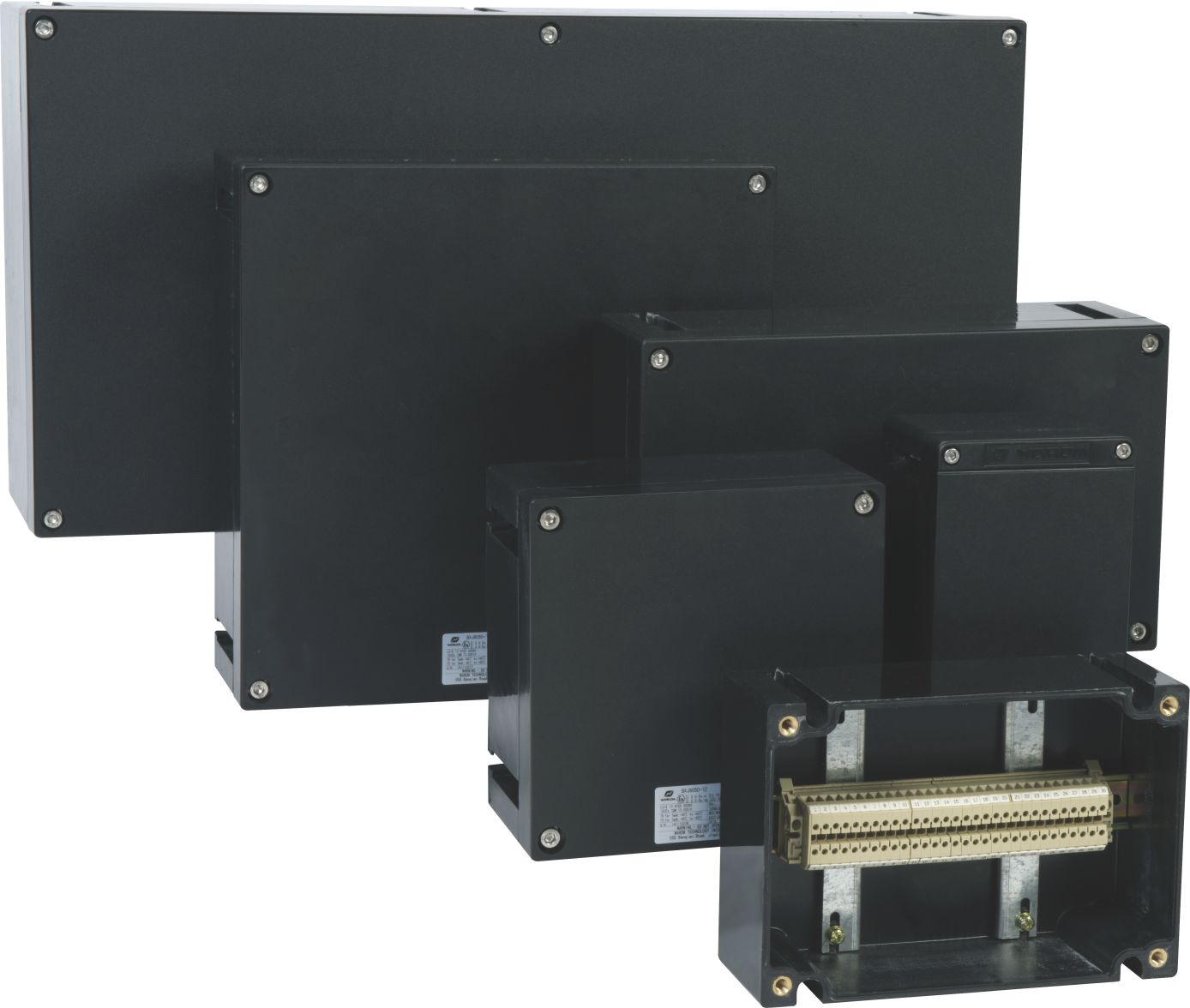
Cooling Capacity and Ventilation for Explosion Proof AC Systems
Cooling load in a solvent room is not a simple floor area calculation. The load includes process equipment, condenser heat, exhaust air replacement, lighting, and the latent load from open cleaning or washdown. An undersized unit runs continuously, raises head pressure, and can push surface temperatures closer to the nameplate limit. An oversized unit short cycles, develops condensation, and can create wet areas where solvent residue collects.
The supply air path must support the room pressure cascade. Clean areas should stay positive relative to solvent areas, and solvent areas should stay negative relative to adjacent occupied spaces. The AC system works with the exhaust system, not against it. Specify the fan performance, pressurization logic, and failure interlock together.
If your solvent inventory includes materials with low ignition temperature, or the room has open transfers and large make-up air volumes, the temperature class and interlock logic deserve a supplier review before capacity is finalized. Send the solvent list, gas group, zone map, and target room conditions to gm*@***om.com and we will confirm the specification against the applicable IEC 60079 requirements.
Refrigerant and Surface Temperature Limits
The compressor discharge line and condenser surface are often the hottest non-electrical parts of an explosion proof AC system. In a high ambient installation, those surfaces can approach the temperature class limit even when the unit is operating normally. For a T4 room the surface temperature must not exceed 135°C. For T5 and T6 rooms the limits are 100°C and 85°C respectively. If the HVAC vendor cannot demonstrate the surface temperature margin, move the condenser outside the classified area or select a higher temperature class.
Material, Certification, and Supplier Verification for Solvent Area AC
Solvent vapor does not only create an ignition risk. It also attacks standard copper tube fins, aluminum housings, gaskets, and painted surfaces. Acetic acid, chlorinated solvents, high humidity, and washdown kimyasals produce a corrosion load that standard HVAC components do not survive. I have seen schedule pressure drive a project toward a standard industrial unit with an Ex component added, only for the enclosure and coil to show corrosion within the first year. For pharmaceutical solvent rooms, specify corrosion-resistant coil coatings or stainless steel, stainless fasteners, and gaskets that are rated for the solvent family.
Warom supplies explosion proof wall air conditioners ve exhaust fans for solvent storage and process rooms, with the enclosure and control circuit selected from the same certified product logic used in pharmaceutical distribution packages. A recent pharmaceutical API facility required distribution and control equipment across workshops, warehouses, tank farms, and pump control areas, and the same zone-driven selection process applied to HVAC and ventilation packages.
For buyers comparing manufacturers, the same discipline applies to air conditioner packages as to distribution equipment. <Çin Patlayıcı Koruma Dağıtım Kutusu Tedarikçilerini Değerlendirme> covers certificate verification, factory inspection points, and how to pressure-test supplier claims before an order.
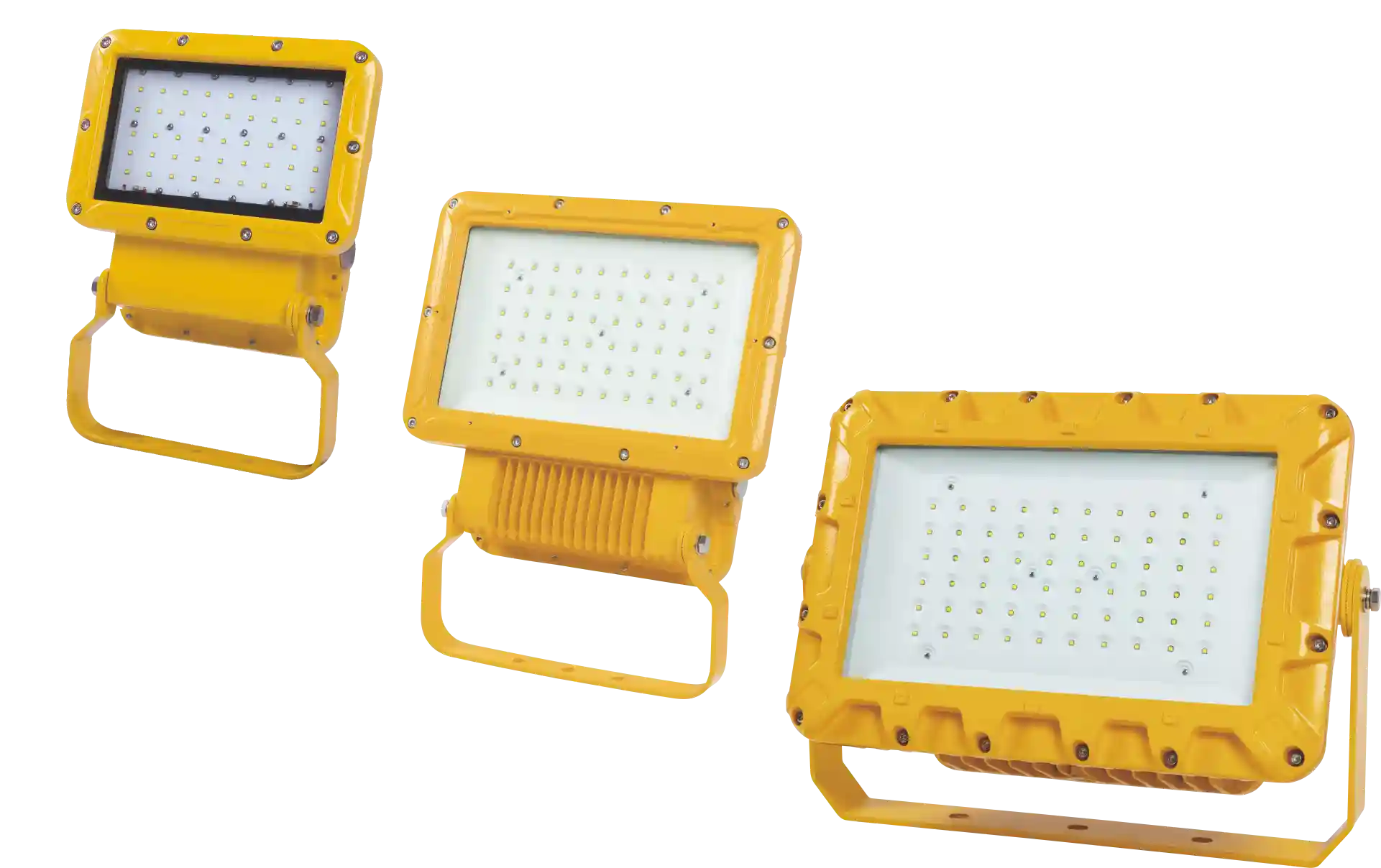
Installation, Acceptance, and Next Steps for Explosion Proof AC
Site installation is where a compliant package can become noncompliant. Cable entries must use certified glands matched to the cable outer diameter. Unused entries must be plugged with certified plugs. The flamepath bolts must be tightened to the manufacturer’s torque and gap specification. Conduit runs where required must be sealed at the enclosure boundary so vapor cannot travel through the raceway into a safe area. Bonding and grounding have to match the site grounding strategy and the hazardous area standards applied to the project.
cURL Too many subrequests by single Worker invocation. To configure this limit, refer to https://developers.cloudflare.com/workers/wrangler/configuration/#limitsPatlamaya Dayanıklı Dağıtım Kutusu: Güvenlik için Somunlar mı Boru mucURL Too many subrequests by single Worker invocation. To configure this limit, refer to https://developers.cloudflare.com/workers/wrangler/configuration/#limits
cURL Too many subrequests by single Worker invocation. To configure this limit, refer to https://developers.cloudflare.com/workers/wrangler/configuration/#limits
cURL Too many subrequests by single Worker invocation. To configure this limit, refer to https://developers.cloudflare.com/workers/wrangler/configuration/#limits gm*@***om.com cURL Too many subrequests by single Worker invocation. To configure this limit, refer to https://developers.cloudflare.com/workers/wrangler/configuration/#limits
cURL Too many subrequests by single Worker invocation. To configure this limit, refer to https://developers.cloudflare.com/workers/wrangler/configuration/#limits
cURL Too many subrequests by single Worker invocation. To configure this limit, refer to https://developers.cloudflare.com/workers/wrangler/configuration/#limits
cURL Too many subrequests by single Worker invocation. To configure this limit, refer to https://developers.cloudflare.com/workers/wrangler/configuration/#limits
cURL Too many subrequests by single Worker invocation. To configure this limit, refer to https://developers.cloudflare.com/workers/wrangler/configuration/#limits
cURL Too many subrequests by single Worker invocation. To configure this limit, refer to https://developers.cloudflare.com/workers/wrangler/configuration/#limits
cURL Too many subrequests by single Worker invocation. To configure this limit, refer to https://developers.cloudflare.com/workers/wrangler/configuration/#limits
cURL Too many subrequests by single Worker invocation. To configure this limit, refer to https://developers.cloudflare.com/workers/wrangler/configuration/#limits
cURL Too many subrequests by single Worker invocation. To configure this limit, refer to https://developers.cloudflare.com/workers/wrangler/configuration/#limits
cURL Too many subrequests by single Worker invocation. To configure this limit, refer to https://developers.cloudflare.com/workers/wrangler/configuration/#limits gm*@***om.com cURL Too many subrequests by single Worker invocation. To configure this limit, refer to https://developers.cloudflare.com/workers/wrangler/configuration/#limits
İlginizi çekiyorsa, bu ilgili makalelere göz atın:
Warom Test Merkezi, CNAS Ulusal Laboratuvar Akreditasyon Yeniden Değerlendirme Denetimini başarıyla geçti
Warom at OMC MED ENERGY 2025
Zone 21 Toz Tehlikeleri: Temel Patlama Tehditli Elektrik Ekipmanı
On yılı aşkın deneyime sahip olan o, güvenlik ve patlamaya dayanıklı ürünlerin tasarımı ve üretimi konusunda uzmanlaşmış deneyimli bir Patlamaya Dayanıklı Elektrik Mühendisidir. Patlama dayanıklı sistemler, nükleer güç aydınlatması, deniz güvenliği, yangın koruması ve akıllı kontrol sistemleri dahil olmak üzere ana alanlarda derin uzmanlığa sahiptir. Warom Teknoloji Enstitüsü Şirketi’nde Uluslararası İşlerden Sorumlu Baş Mühend, Uluslararası Ar-Ge Departmanı Başkanı olarak çift liderlik rolüne sahiptir; burada Ar-Ge girişimlerini denetler ve uluslararası projeler için tasarım dokümantasyonunun kesin teslimatını sağlar. Küresel endüstriyel güvenliği ilerletmeye kendini adayan, karmaşık teknolojileri pratik çözümlere dönüştürmeye ve müşterilerin dünyanın dört bir yanındaki daha güvenli, akıllı ve daha güvenilir kontrol sistemlerini uygulamasına yardımcı olmaya odaklanır.

Qi Lingyi