
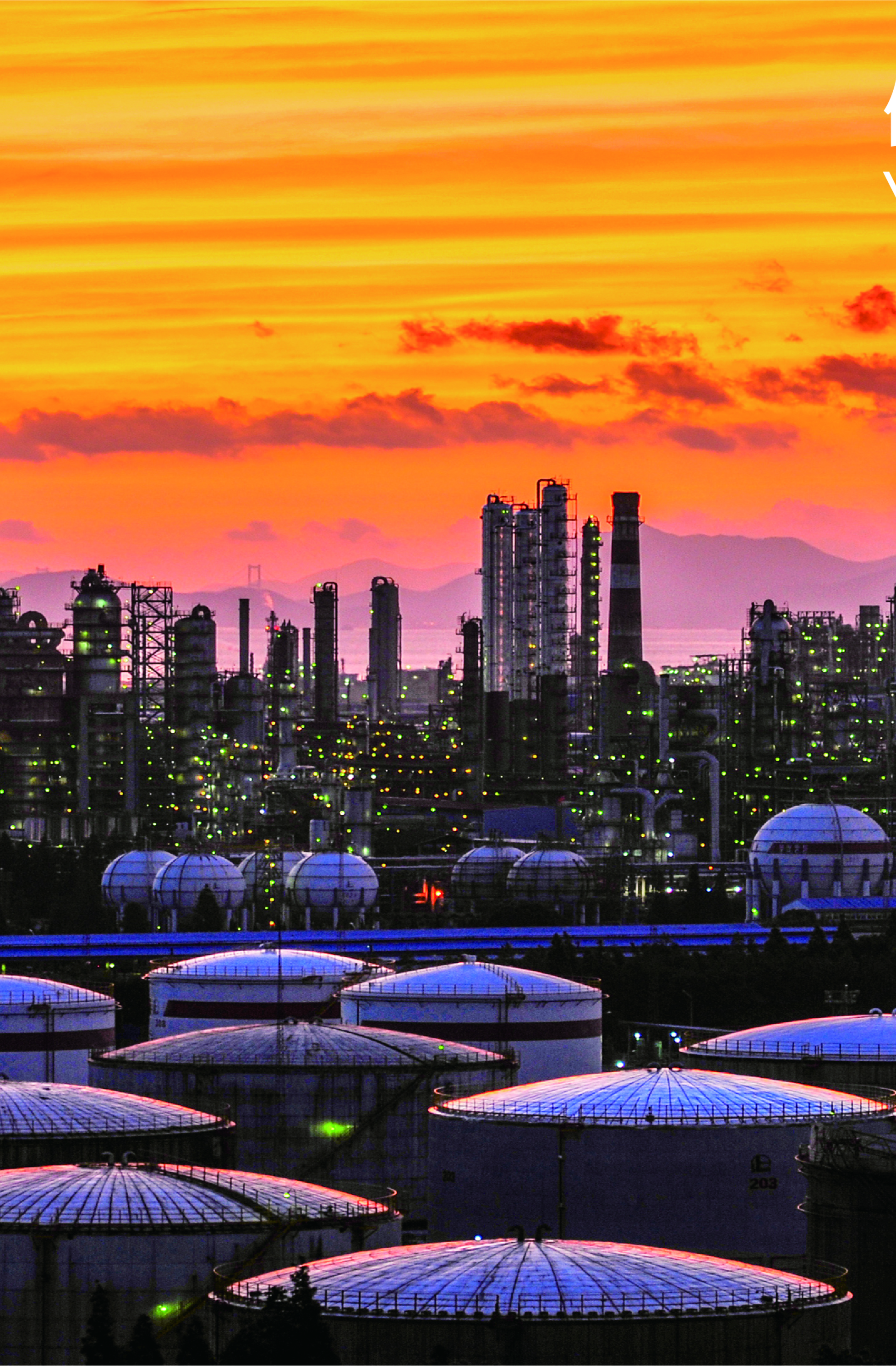
Navigating the complexities of European industrial environments requires a precise understanding of safety standards, especially when dealing with hazardous areas. Metric explosion proof glands are crucial components in these settings, ensuring the integrity of electrical installations and preventing catastrophic events. Proper selection and implementation of these glands are not merely technical choices; they represent a fundamental commitment to safety and regulatory compliance across the continent. My thirty years of experience in explosion-proof electrical engineering have shown me that a proactive approach to these details is paramount for project success.
Understanding ATEX & IECEx for European Hazardous Areas
Operating within European hazardous areas demands strict adherence to the ATEX directive, a mandatory certification for equipment intended for use in potentially explosive atmospheres. This directive, derived from the French “Atmosphères Explosibles,” outlines the essential health and safety requirements and conformity assessment procedures. Complementing ATEX, the IECEx scheme provides an internationally recognized standard for explosion-proof equipment, facilitating global trade and ensuring a consistent level of safety. These certifications are not interchangeable; ATEX is a legal requirement within the European Union, while IECEx offers a broader, globally accepted framework.
In one significant project, the Tilenga development in Uganda, we supplied explosion-proof lighting and electrical systems for wellpads, a central processing facility, and pipelines, some located within Murchison Falls National Park. Our team ensured that all equipment, including critical metric explosion proof glands, met stringent ATEX and IECEx requirements. This meticulous approach resulted in zero safety incidents throughout the project, proving the reliability of our solutions even under extreme operational conditions. The project not only met all safety and environmental requirements but also achieved its performance objectives on schedule.
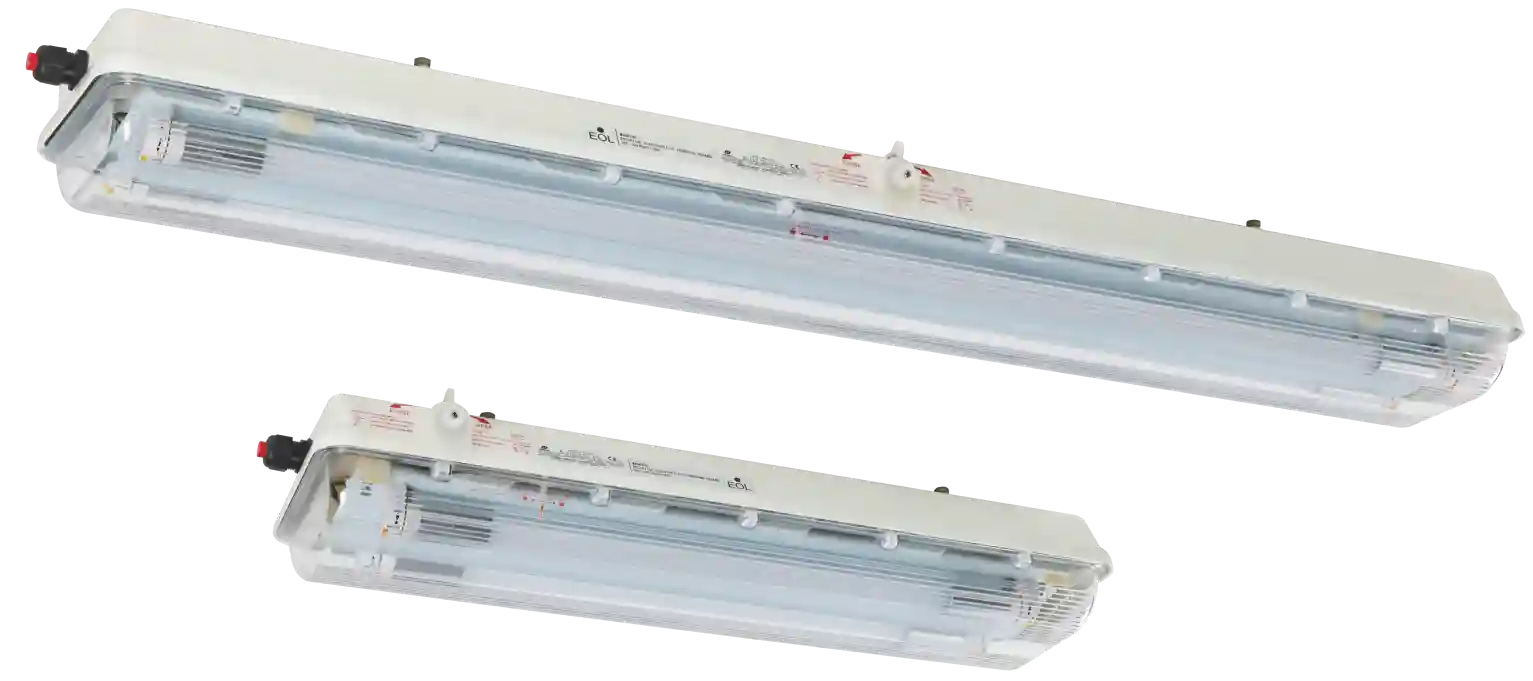
Understanding zone classification is fundamental for selecting appropriate equipment. Hazardous areas are categorized based on the likelihood and duration of an explosive atmosphere’s presence. For gases and vapors, Zone 0 denotes continuous presence, Zone 1 is for likely presence during normal operation, and Zone 2 is for infrequent or short-duration presence. For dusts, Zone 20, 21, and 22 correspond to these conditions. Each zone dictates specific equipment protection levels (EPLs) and protection types, ensuring that any electrical apparatus, including cable glands, is designed to prevent ignition.
What are the key ATEX requirements for kaitan kabel in Europe?
ATEX requirements for cable glands in Europe mandate that they must be certified for the specific hazardous zone and equipment protection level (EPL) of their application. This includes ensuring the gland maintains the integrity of the enclosure’s explosion protection type, whether flameproof (Ex d), increased safety (Ex e), or intrinsic safety (Ex i). Glands must also have appropriate ingress protection (IP) ratings to prevent dust and moisture entry, and they must be installed according to manufacturer instructions.
Selecting the Right Metric Gland for Industrial Safety
The selection of metric explosion proof glands is a critical step in industrial cable management, directly impacting the safety and operational longevity of electrical systems in hazardous locations. These glands serve multiple functions: securing cables, providing strain relief, and maintaining the explosion protection integrity of the enclosure. The choice depends on several factors, including the type of protection required, the cable construction, and the environmental conditions.
Barrier glands are essential for flameproof (Ex d) enclosures, providing a compound seal around individual cable cores to prevent the passage of flames or hot gases. Unarmored glands are suitable for cables without metallic armor, while armored glands are designed to terminate and earth the armor of armored cables, ensuring electrical continuity and mechanical retention. Material selection is also paramount; brass offers good conductivity and corrosion resistance in many environments, while stainless steel provides superior resistance in highly corrosive or marine settings.
I recall a business trip to Mexico where I identified serious electrical safety hazards at General Paint, a kimia plant with significant flammable gas and dust risks. Our team conducted an on-site diagnosis and developed a customized explosion-proof solution. This included specifying the correct metric cable glands for various enclosures, alongside gas detectors, explosion-proof plugs, and distribution boxes. Over three months, this tailored approach significantly improved safety by preventing potential fires or explosions. This experience reinforced my belief that a thorough understanding of gland types and their application is vital for effective risk mitigation.
The DQM-III/II Series Explosion Proof Cable Glands are a prime example of certified solutions for hazardous areas. These glands, available in M20 to M115 sizes, carry both IECEx and ATEX certifications, conforming to standards like EN 60079-0, EN 60079-1, EN 60079-7, and EN 60079-31. They offer Ex db IIC Gb for gas and Ex tb IIIC Db for dust, with an IP66 degree of protection and an ambient temperature range of -60℃ to +90℃, making them suitable for a wide array of demanding European applications.
| Jenis Gland | Jenis Perlindungan | Cable Type | Key Feature |
|---|---|---|---|
| Barrier | Ex d, Ex e | Armored/Unarmored | Individual core sealing |
| Armored | Ex e, Ex d | Armored | Armor clamping/earthing |
| Unarmored | Ex e, Ex d | Unarmored | Cable sealing/retention |
| Reduced Nipple | Ex e, Ex d | Conduit | Connects conduit to enclosure |
What is the difference between various types of explosion-proof cable glands?
Explosion-proof cable glands differ primarily in their construction and the type of cable they terminate, impacting their explosion protection method. Barrier glands use a setting compound to seal around individual cable cores, preventing flame propagation in flameproof (Ex d) enclosures. Armored glands secure and electrically bond the metallic armor of armored cables, while unarmored glands are designed for non-armored cables, focusing on sealing and strain relief. Each type is certified for specific hazardous area protection concepts.
Ensuring Project Compliance and Performance in Europe
Achieving project compliance and optimal performance in European industrial settings, particularly for installations involving metric explosion proof glands, requires meticulous planning and execution. Beyond selecting certified components, the entire installation process must adhere to local regulations, national electrical codes, and manufacturer guidelines. This integrated approach ensures both immediate safety and long-term operational reliability.
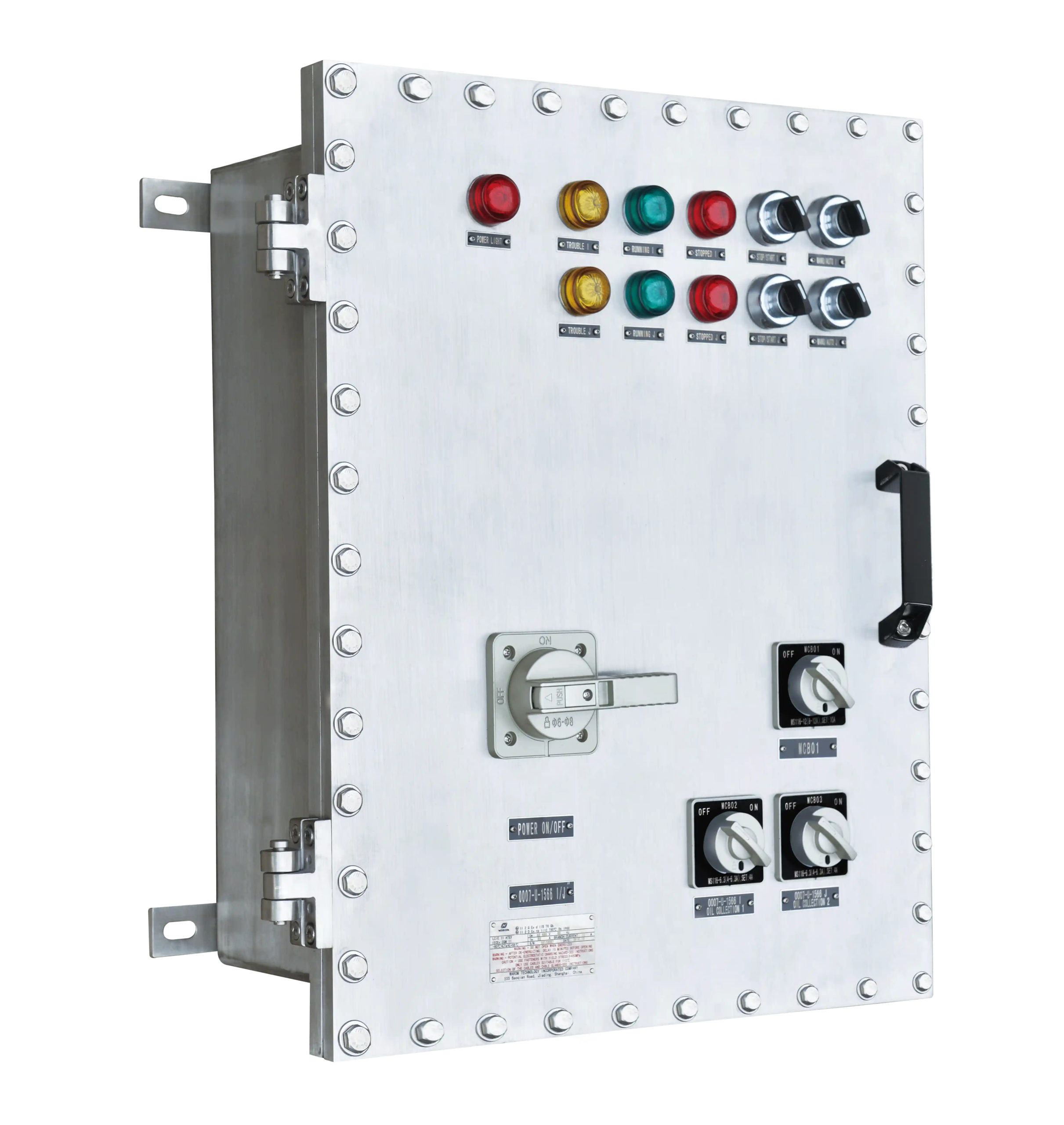
My team was deeply involved in the Fushilai Farmasi CM/CDMO Construction Project, a 500 million yuan investment for a 48,000 m² facility in China. We secured the bid for explosion-proof equipment, including distribution boxes for workshops, warehouses, and tank farms. Our early coordination with the promoter, design institute, and project owner was crucial. This proactive engagement allowed us to integrate our solutions seamlessly into the overall design, ensuring that all specified explosion proof components, including the cable glands on our distribution boxes, met the stringent requirements for pharmaceutical production environments. The project launched in December 2023, with phased delivery perfectly aligned with construction progress, validating the importance of early technical collaboration for timely and high-quality execution.
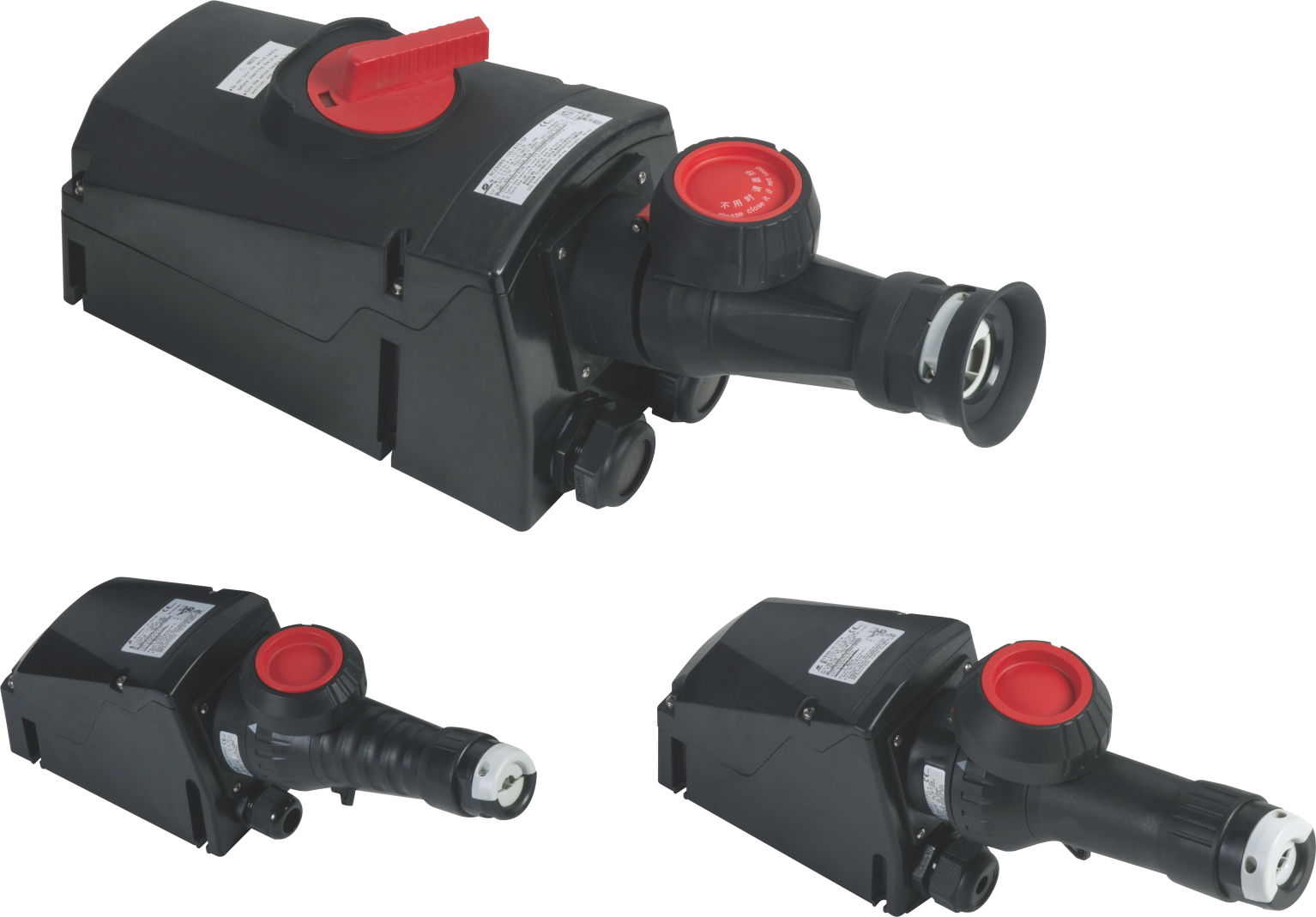
If your project involves complex hazardous area classifications or multi-zone installations, it is worth discussing gland specifications and protection type compatibility before finalizing your equipment list.
To ensure comprehensive compliance and performance, consider the following steps:
- Lakukan klasifikasi area berbahaya secara rinci: Accurately define the zones, gas groups, and temperature classes.
- Specify certified equipment: Select metric explosion proof glands and other components with valid ATEX and IECEx certifications for the identified zones.
- Review installation standardscURL Too many subrequests by single Worker invocation. To configure this limit, refer to https://developers.cloudflare.com/workers/wrangler/configuration/#limits
- cURL Too many subrequests by single Worker invocation. To configure this limit, refer to https://developers.cloudflare.com/workers/wrangler/configuration/#limitscURL Too many subrequests by single Worker invocation. To configure this limit, refer to https://developers.cloudflare.com/workers/wrangler/configuration/#limits
- cURL Too many subrequests by single Worker invocation. To configure this limit, refer to https://developers.cloudflare.com/workers/wrangler/configuration/#limitscURL Too many subrequests by single Worker invocation. To configure this limit, refer to https://developers.cloudflare.com/workers/wrangler/configuration/#limits
- cURL Too many subrequests by single Worker invocation. To configure this limit, refer to https://developers.cloudflare.com/workers/wrangler/configuration/#limitscURL Too many subrequests by single Worker invocation. To configure this limit, refer to https://developers.cloudflare.com/workers/wrangler/configuration/#limits
- cURL Too many subrequests by single Worker invocation. To configure this limit, refer to https://developers.cloudflare.com/workers/wrangler/configuration/#limitscURL Too many subrequests by single Worker invocation. To configure this limit, refer to https://developers.cloudflare.com/workers/wrangler/configuration/#limits
cURL Too many subrequests by single Worker invocation. To configure this limit, refer to https://developers.cloudflare.com/workers/wrangler/configuration/#limits
cURL Too many subrequests by single Worker invocation. To configure this limit, refer to https://developers.cloudflare.com/workers/wrangler/configuration/#limits
cURL Too many subrequests by single Worker invocation. To configure this limit, refer to https://developers.cloudflare.com/workers/wrangler/configuration/#limits
cURL Too many subrequests by single Worker invocation. To configure this limit, refer to https://developers.cloudflare.com/workers/wrangler/configuration/#limits
cURL Too many subrequests by single Worker invocation. To configure this limit, refer to https://developers.cloudflare.com/workers/wrangler/configuration/#limits
cURL Too many subrequests by single Worker invocation. To configure this limit, refer to https://developers.cloudflare.com/workers/wrangler/configuration/#limits
cURL Too many subrequests by single Worker invocation. To configure this limit, refer to https://developers.cloudflare.com/workers/wrangler/configuration/#limits
cURL Too many subrequests by single Worker invocation. To configure this limit, refer to https://developers.cloudflare.com/workers/wrangler/configuration/#limits
cURL Too many subrequests by single Worker invocation. To configure this limit, refer to https://developers.cloudflare.com/workers/wrangler/configuration/#limits
cURL Too many subrequests by single Worker invocation. To configure this limit, refer to https://developers.cloudflare.com/workers/wrangler/configuration/#limits
cURL Too many subrequests by single Worker invocation. To configure this limit, refer to https://developers.cloudflare.com/workers/wrangler/configuration/#limits
cURL Too many subrequests by single Worker invocation. To configure this limit, refer to https://developers.cloudflare.com/workers/wrangler/configuration/#limits
Pertanyaan yang Sering Diajukan
cURL Too many subrequests by single Worker invocation. To configure this limit, refer to https://developers.cloudflare.com/workers/wrangler/configuration/#limits
cURL Too many subrequests by single Worker invocation. To configure this limit, refer to https://developers.cloudflare.com/workers/wrangler/configuration/#limits
cURL Too many subrequests by single Worker invocation. To configure this limit, refer to https://developers.cloudflare.com/workers/wrangler/configuration/#limits
cURL Too many subrequests by single Worker invocation. To configure this limit, refer to https://developers.cloudflare.com/workers/wrangler/configuration/#limits
cURL Too many subrequests by single Worker invocation. To configure this limit, refer to https://developers.cloudflare.com/workers/wrangler/configuration/#limits
cURL Too many subrequests by single Worker invocation. To configure this limit, refer to https://developers.cloudflare.com/workers/wrangler/configuration/#limits
Jika Anda tertarik, lihat artikel terkait berikut:
ACHEMA 2024 Sedang Berlangsung
Nanon Cunhui, Ketua Grup Chint, dan rombongannya mengunjungi Warom untuk penyelidikan dan pertukaran pendapat
Pertukaran Dua Teknologi Bi-Technical Malaysia 2023 Berhasil Ditutup
Panduan Pencahayaan Lokasi Berbahaya: Standar dan Pemilihan
Standar Penerangan Tahan Ledakan 2025: Panduan Kepatuhan
cURL Too many subrequests by single Worker invocation. To configure this limit, refer to https://developers.cloudflare.com/workers/wrangler/configuration/#limits
cURL Too many subrequests by single Worker invocation. To configure this limit, refer to https://developers.cloudflare.com/workers/wrangler/configuration/#limits
cURL Too many subrequests by single Worker invocation. To configure this limit, refer to https://developers.cloudflare.com/workers/wrangler/configuration/#limits gm*@***om.com atau +86 21 39977076.
Dengan pengalaman lebih dari satu dekade, dia adalah seorang Insinyur Listrik Tahan Ledak yang berpengalaman khusus dalam perancangan dan pembuatan produk keselamatan dan tahan ledak. Ia memiliki keahlian mendalam di bidang-bidang utama termasuk sistem tahan ledak, pencahayaan tenaga nuklir, keselamatan kelautan, perlindungan kebakaran, dan sistem kendali cerdas. Di Warom Technology Incorporated Company, ia memegang peran ganda sebagai Wakil Kepala Insinyur untuk Bisnis Internasional dan Kepala Departemen R&D Internasional, di mana ia mengawasi inisiatif R&D dan memastikan penyampaian dokumentasi desain yang tepat untuk proyek internasional. Berkomitmen untuk meningkatkan keselamatan industri global, ia berfokus pada penerjemahan teknologi yang kompleks menjadi solusi praktis, membantu klien mengimplementasikan sistem kendali yang lebih aman, lebih pintar, dan lebih andal di seluruh dunia.

Qi Lingyi