

Navigating the complexities of European industrial environments requires a precise understanding of safety standards, especially when dealing with hazardous areas. Metric explosion proof glands are crucial components in these settings, ensuring the integrity of electrical installations and preventing catastrophic events. Proper selection and implementation of these glands are not merely technical choices; they represent a fundamental commitment to safety and regulatory compliance across the continent. My thirty years of experience in explosion-proof electrical engineering have shown me that a proactive approach to these details is paramount for project success.
Understanding ATEX & IECEx for European Hazardous Areas
Operating within European hazardous areas demands strict adherence to the ATEX directive, a mandatory certification for equipment intended for use in potentially explosive atmospheres. This directive, derived from the French “Atmosphères Explosibles,” outlines the essential health and safety requirements and conformity assessment procedures. Complementing ATEX, the IECEx scheme provides an internationally recognized standard for explosion-proof equipment, facilitating global trade and ensuring a consistent level of safety. These certifications are not interchangeable; ATEX is a legal requirement within the European Union, while IECEx offers a broader, globally accepted framework.
In one significant project, the Tilenga development in Uganda, we supplied explosion-proof lighting and electrical systems for wellpads, a central processing facility, and pipelines, some located within Murchison Falls National Park. Our team ensured that all equipment, including critical metric explosion proof glands, met stringent ATEX and IECEx requirements. This meticulous approach resulted in zero safety incidents throughout the project, proving the reliability of our solutions even under extreme operational conditions. The project not only met all safety and environmental requirements but also achieved its performance objectives on schedule.
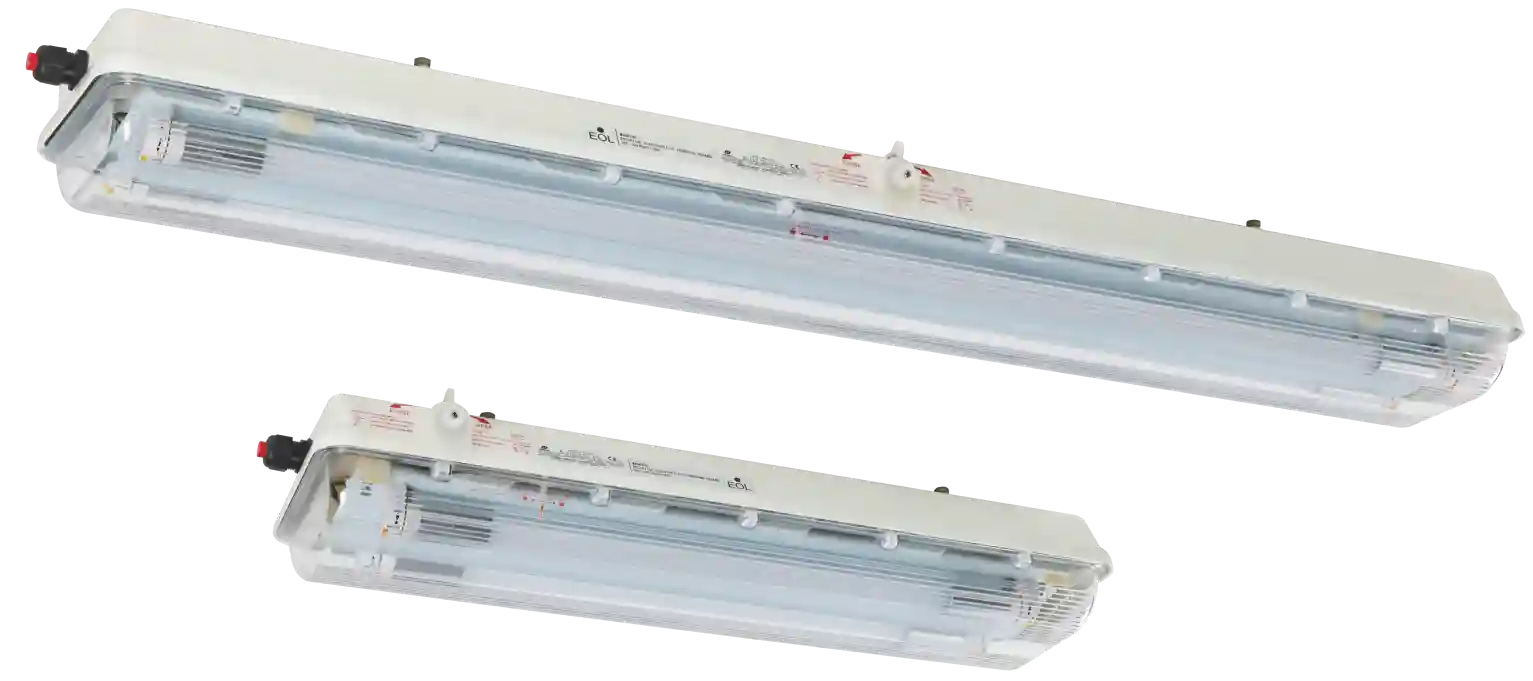
Understanding zone classification is fundamental for selecting appropriate equipment. Hazardous areas are categorized based on the likelihood and duration of an explosive atmosphere’s presence. For gases and vapors, Zone 0 denotes continuous presence, Zone 1 is for likely presence during normal operation, and Zone 2 is for infrequent or short-duration presence. For dusts, Zone 20, 21, and 22 correspond to these conditions. Each zone dictates specific equipment protection levels (EPLs) and protection types, ensuring that any electrical apparatus, including cable glands, is designed to prevent ignition.
What are the key ATEX requirements for cable glands in Europe?
ATEX requirements for cable glands in Europe mandate that they must be certified for the specific hazardous zone and equipment protection level (EPL) of their application. This includes ensuring the gland maintains the integrity of the enclosure’s explosion protection type, whether flameproof (Ex d), increased safety (Ex e), or intrinsic safety (Ex i). Glands must also have appropriate ingress protection (IP) ratings to prevent dust and moisture entry, and they must be installed according to manufacturer instructions.
Selecting the Right Metric Gland for Industrial Safety
The selection of metric explosion proof glands is a critical step in industrial cable management, directly impacting the safety and operational longevity of electrical systems in hazardous locations. These glands serve multiple functions: securing cables, providing strain relief, and maintaining the explosion protection integrity of the enclosure. The choice depends on several factors, including the type of protection required, the cable construction, and the environmental conditions.
Barrier glands are essential for flameproof (Ex d) enclosures, providing a compound seal around individual cable cores to prevent the passage of flames or hot gases. Unarmored glands are suitable for cables without metallic armor, while armored glands are designed to terminate and earth the armor of armored cables, ensuring electrical continuity and mechanical retention. Material selection is also paramount; brass offers good conductivity and corrosion resistance in many environments, while stainless steel provides superior resistance in highly corrosive or marine settings.
I recall a business trip to Mexico where I identified serious electrical safety hazards at General Paint, a chemical plant with significant flammable gas and dust risks. Our team conducted an on-site diagnosis and developed a customized explosion-proof solution. This included specifying the correct metric cable glands for various enclosures, alongside gas detectors, explosion-proof plugs, and distribution boxes. Over three months, this tailored approach significantly improved safety by preventing potential fires or explosions. This experience reinforced my belief that a thorough understanding of gland types and their application is vital for effective risk mitigation.
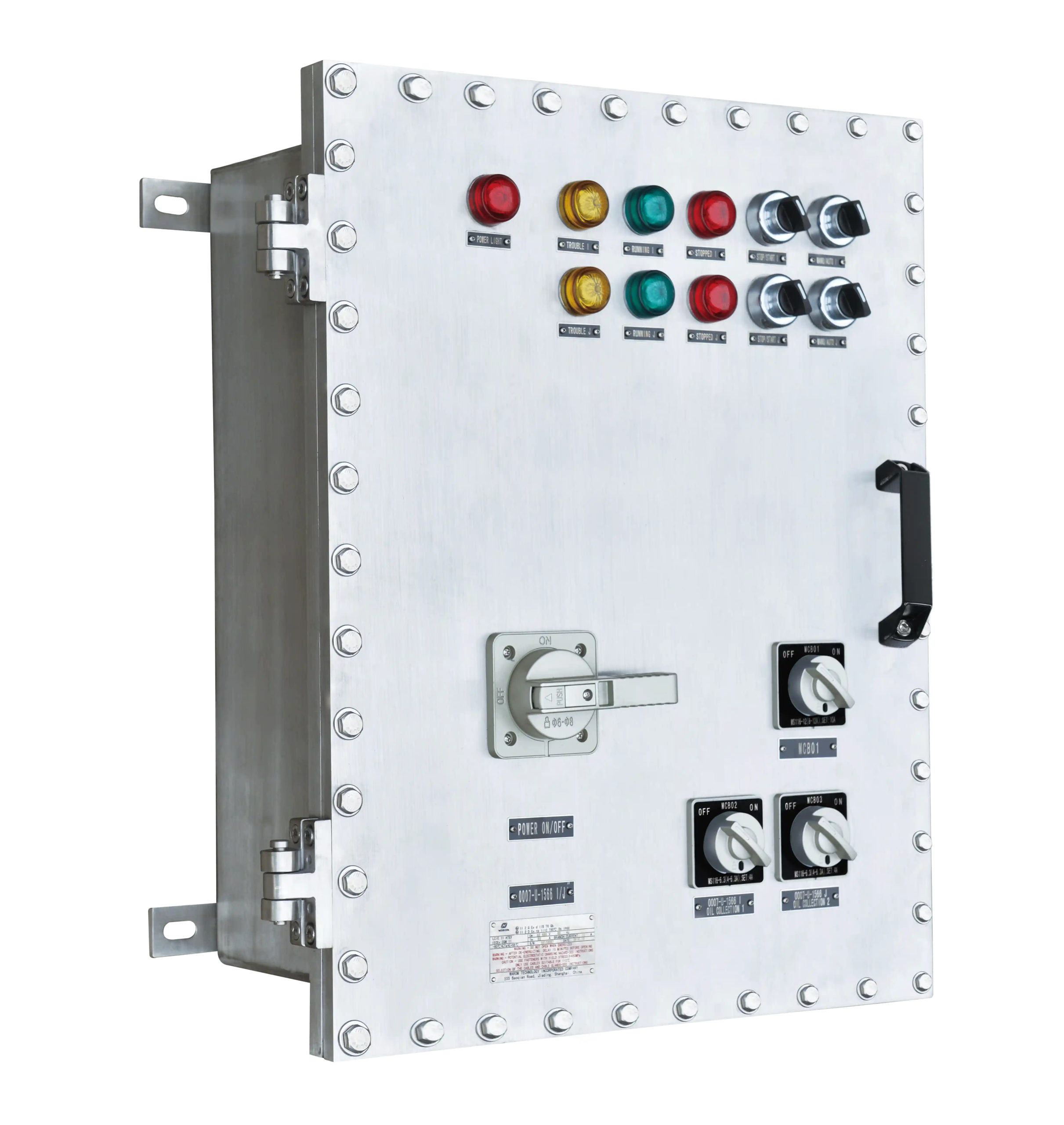
The DQM-III/II Series Explosion Proof Cable Glands are a prime example of certified solutions for hazardous areas. These glands, available in M20 to M115 sizes, carry both IECEx and ATEX certifications, conforming to standards like EN 60079-0, EN 60079-1, EN 60079-7, and EN 60079-31. They offer Ex db IIC Gb for gas and Ex tb IIIC Db for dust, with an IP66 degree of protection and an ambient temperature range of -60℃ to +90℃, making them suitable for a wide array of demanding European applications.
| Gland Type | Protection Type | Cable Type | Key Feature |
|---|---|---|---|
| Barrier | Ex d, Ex e | Armored/Unarmored | Individual core sealing |
| Armored | Ex e, Ex d | Armored | Armor clamping/earthing |
| Unarmored | Ex e, Ex d | Unarmored | Cable sealing/retention |
| Reduced Nipple | Ex e, Ex d | Conduit | Connects conduit to enclosure |
What is the difference between various types of explosion-proof cable glands?
Explosion-proof cable glands differ primarily in their construction and the type of cable they terminate, impacting their explosion protection method. Barrier glands use a setting compound to seal around individual cable cores, preventing flame propagation in flameproof (Ex d) enclosures. Armored glands secure and electrically bond the metallic armor of armored cables, while unarmored glands are designed for non-armored cables, focusing on sealing and strain relief. Each type is certified for specific hazardous area protection concepts.
Ensuring Project Compliance and Performance in Europe
Achieving project compliance and optimal performance in European industrial settings, particularly for installations involving metric explosion proof glands, requires meticulous planning and execution. Beyond selecting certified components, the entire installation process must adhere to local regulations, national electrical codes, and manufacturer guidelines. This integrated approach ensures both immediate safety and long-term operational reliability.
My team was deeply involved in the Fushilai Pharmaceutical CM/CDMO Construction Project, a 500 million yuan investment for a 48,000 m² facility in China. We secured the bid for explosion-proof equipment, including distribution boxes for workshops, warehouses, and tank farms. Our early coordination with the promoter, design institute, and project owner was crucial. This proactive engagement allowed us to integrate our solutions seamlessly into the overall design, ensuring that all specified explosion proof components, including the cable glands on our distribution boxes, met the stringent requirements for pharmaceutical production environments. The project launched in December 2023, with phased delivery perfectly aligned with construction progress, validating the importance of early technical collaboration for timely and high-quality execution.
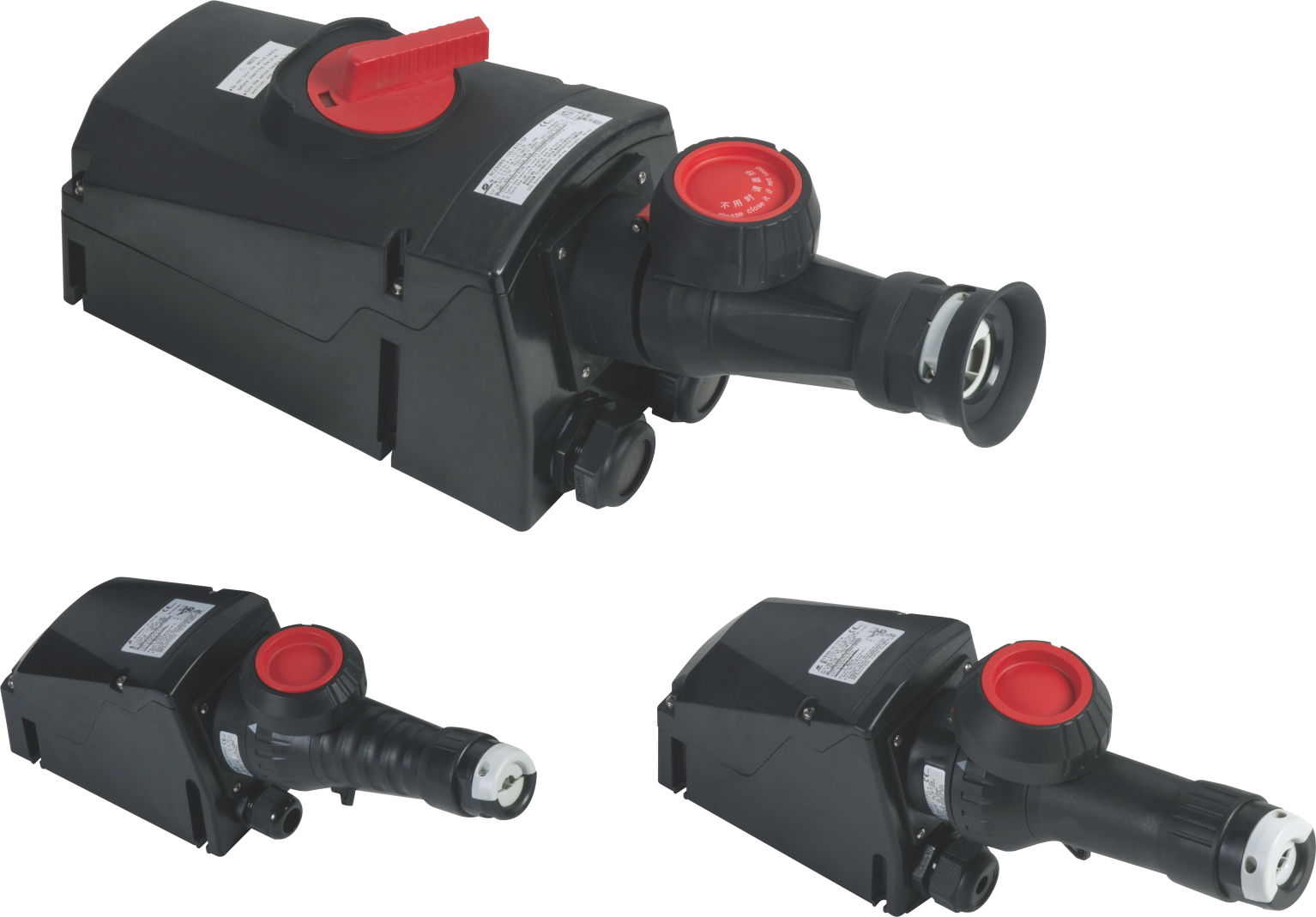
If your project involves complex hazardous area classifications or multi-zone installations, it is worth discussing gland specifications and protection type compatibility before finalizing your equipment list.
To ensure comprehensive compliance and performance, consider the following steps:
- Conduct a detailed hazardous area classification: Accurately define the zones, gas groups, and temperature classes.
- Specify certified equipment: Select metric explosion proof glands and other components with valid ATEX and IECEx certifications for the identified zones.
- Review installation standards: Ensure all installation procedures comply with EN/IEC 60079-14 for electrical installations in hazardous areas.
- Implement quality control: Verify that all equipment received matches specifications and certifications.
- Provide installer training: Ensure personnel are competent in installing explosion-proof equipment, especially glands.
- Maintain documentation: Keep records of all certifications, installation manuals, and inspection reports.
- Plan for routine inspections: Establish a schedule for regular checks to confirm ongoing integrity and compliance.
How do I ensure compliance when selecting explosion-proof glands for a project?
To ensure compliance, first, accurately classify the hazardous area according to ATEX directives and IECEx standards, identifying the zone, gas group, and temperature class. Second, select metric explosion-proof glands that are specifically certified for these conditions. Third, verify that the glands are compatible with the cable type and the equipment enclosure’s protection method. Finally, ensure installation will follow relevant EN/IEC standards and manufacturer instructions.
Key Considerations for European Industrial Applications
European industrial applications present unique challenges and requirements for explosion-proof equipment, including metric explosion proof glands. Diverse sectors such as oil and gas, chemical processing, pharmaceutical manufacturing, mining, and marine environments each have specific operational demands and regulatory nuances. These factors influence material selection, ingress protection levels, and overall system design.
In the oil and gas sector, equipment must withstand extreme temperatures, corrosive atmospheres, and mechanical stress. Metric glands used in these applications often require robust materials like nickel-plated brass or stainless steel and high IP ratings (e.g., IP66 or IP67) to protect against dust and water ingress. Chemical plants demand resistance to specific chemical agents, necessitating specialized materials and coatings. Pharmaceutical facilities, while also requiring explosion protection, often have additional hygienic design considerations.
Our involvement in projects like Tilenga showcases our capability to provide reliable, energy-efficient, and low-maintenance explosion-proof solutions for diverse and demanding industrial environments. The extreme conditions encountered in such projects, from high temperatures to corrosive elements, necessitate equipment that not only meets safety standards but also delivers consistent performance over its lifecycle. This includes ensuring that every metric explosion proof gland contributes to the overall system’s resilience and operational efficiency.
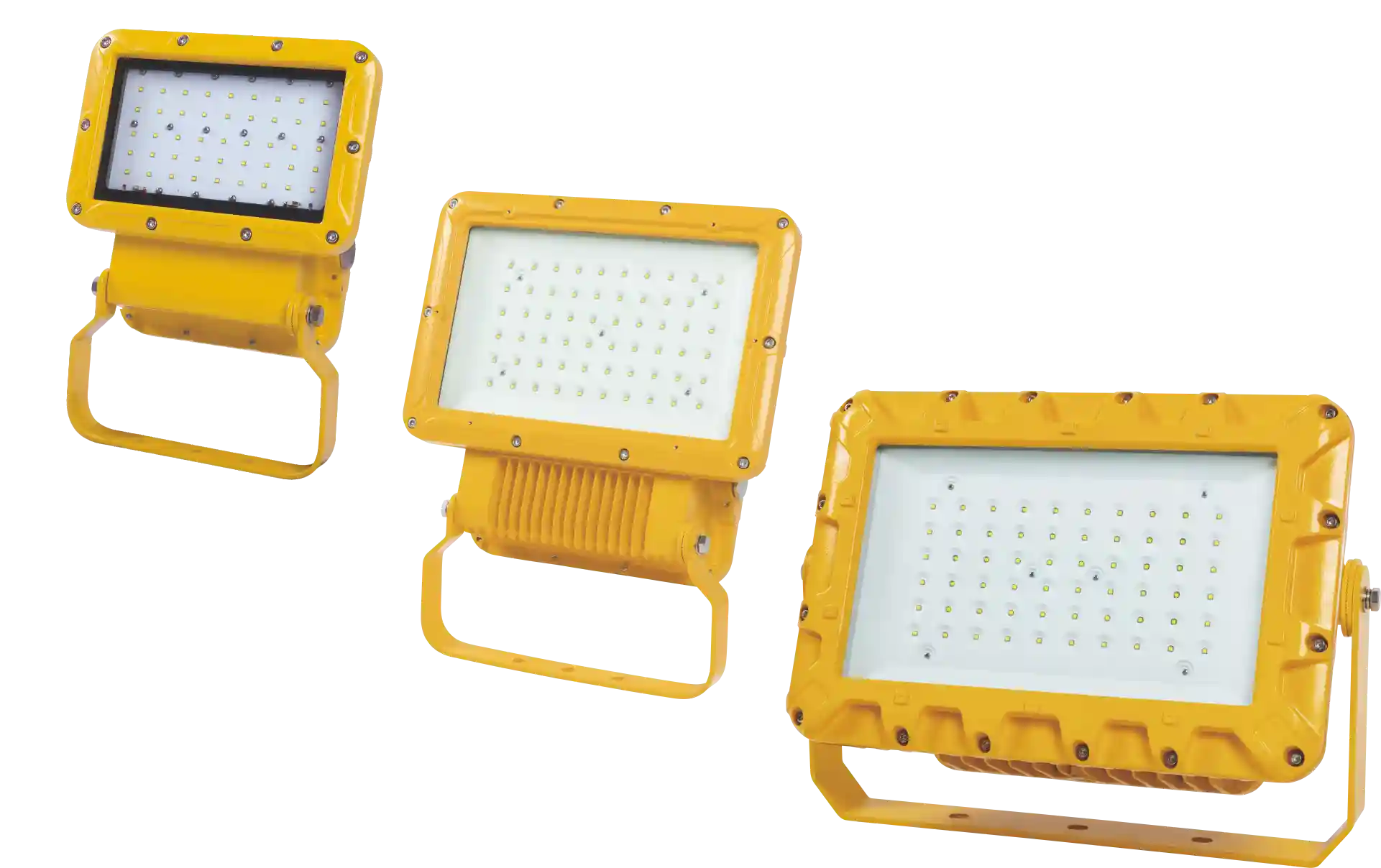
For marine environments, equipment must endure saltwater corrosion, vibrations, and high humidity. Mining applications require robust designs to resist impact and abrasion, often with specific certifications for underground use. Understanding these varied demands is crucial for specifying the correct metric explosion proof glands. A gland that performs well in a pharmaceutical cleanroom might fail rapidly in an offshore platform environment. A detailed assessment of the application’s specific environmental and operational parameters is always necessary.
Installation Best Practices and Lifecycle Management
Proper installation and ongoing lifecycle management are as critical as the initial selection of metric explosion proof glands. Even the most highly certified gland will fail if incorrectly installed or poorly maintained. Adherence to best practices ensures the integrity of the explosion protection and maximizes the equipment’s lifespan.
Installation procedures must strictly follow the manufacturer’s instructions and relevant international standards, such as EN/IEC 60079-14 for electrical installations in hazardous areas. Key steps include proper cable preparation, ensuring the correct size and type of gland for the cable, achieving the specified torque for tightening, and verifying the integrity of the seal. Any deviation can compromise the explosion protection, leading to potential hazards. For barrier glands, the mixing and pouring of the sealing compound must be precise to create an effective barrier.
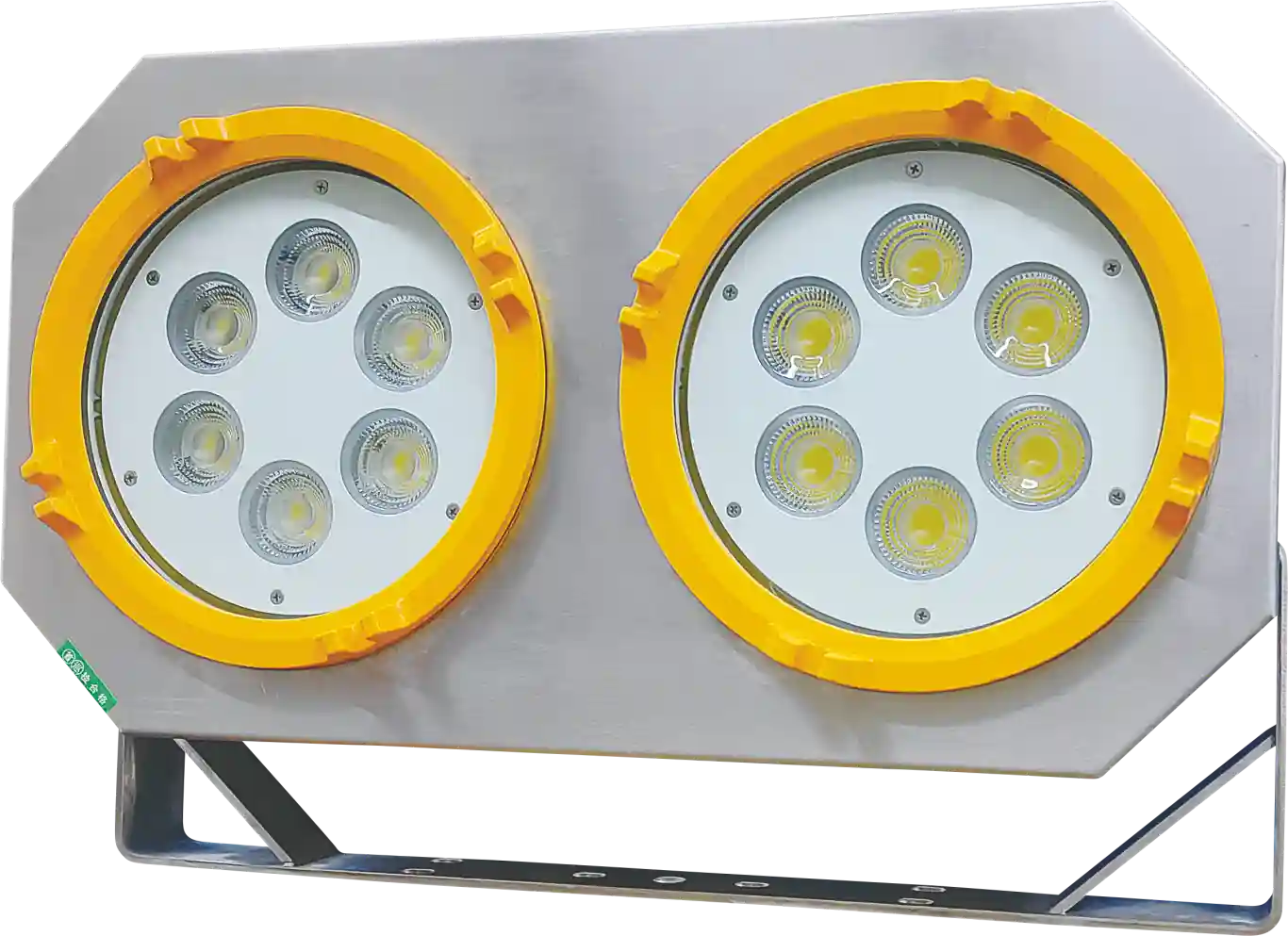
As observed in the Fushilai Pharmaceutical project, our professional services and technical support were instrumental in ensuring proper installation and sustained performance. We provided on-site guidance and technical expertise to the installation teams, addressing any questions and verifying compliance throughout the setup phase. This hands-on approach minimized errors and ensured that the explosion-proof distribution boxes, and by extension their metric cable glands, were installed to the highest standards.
Lifecycle management extends beyond installation to include regular inspections, maintenance, and eventual replacement. Routine inspections, as part of a broader hazardous area equipment maintenance schedule, are essential to identify any signs of wear, corrosion, or damage that could compromise safety. This proactive maintenance helps prevent costly downtime and ensures continuous compliance with safety protocols. Proper documentation of all maintenance activities is also vital for demonstrating ongoing compliance and for future auditing purposes.
Frequently Asked Questions
What is the typical lifespan of an explosion-proof cable gland?
The lifespan of an explosion-proof cable gland depends on material, environmental conditions, and maintenance. High-quality glands, especially those with good corrosion resistance, can last for decades with proper installation and regular inspection, ensuring long-term reliability. Factors like UV exposure, chemical attack, and mechanical stress can influence durability, making material choice and periodic checks important.
Are there specific installation requirements for metric explosion-proof glands?
Yes, metric explosion-proof glands require precise installation according to manufacturer instructions and relevant EN standards. This includes proper torquing, correct cable preparation, and ensuring the integrity of the ingress protection (IP ratings) for hazardous locations. Specialized training for installers is often recommended to ensure compliance and safety.
How often should explosion-proof cable glands be inspected?
Explosion-proof cable glands should be inspected regularly as part of a broader hazardous area equipment maintenance schedule, typically annually or bi-annually. This ensures their continued integrity, verifies compliance, and prevents potential safety incidents in industrial cable management. More frequent inspections may be necessary in harsh environments or for critical applications. To discuss inspection schedules or maintenance protocols for your specific installation, reach out to our technical team.
If you’re interested, check out these related articles:
ACHEMA 2024 is Underway
Chint Group Chairman Nan Cunhui and His Party Visited Warom for Investigation and Exchange
2023 Malaysia Bi-Technical Exchange Concludes Successfully
Guide to Hazardous Location Lighting: Standards and Selection
2025 Explosion Proof Lighting Standards: Compliance Guide
Connect with Us for European Project Solutions
For detailed consultation on metric explosion proof glands or to discuss specific requirements for your European industrial projects, contact us. Our team provides expert guidance and certified solutions tailored to your operational needs.
To discuss requirements, contact us at gm*@***om.com or +86 21 39977076.
With over a decade of experience, he is a seasoned Explosion-Proof Electrical Engineer specializing in the design and manufacture of safety and explosion-proof products. He possesses in-depth expertise across key areas including explosion-proof systems, nuclear power lighting, marine safety, fire protection, and intelligent control systems. At Warom Technology Incorporated Company, he holds dual leadership roles as Deputy Chief Engineer for International Business and Head of the International R&D Department, where he oversees R&D initiatives and ensures the precise delivery of design documentation for international projects. Committed to advancing global industrial safety, he focuses on translating complex technologies into practical solutions, helping clients implement safer, smarter, and more reliable control systems worldwide.

Qi Lingyi