

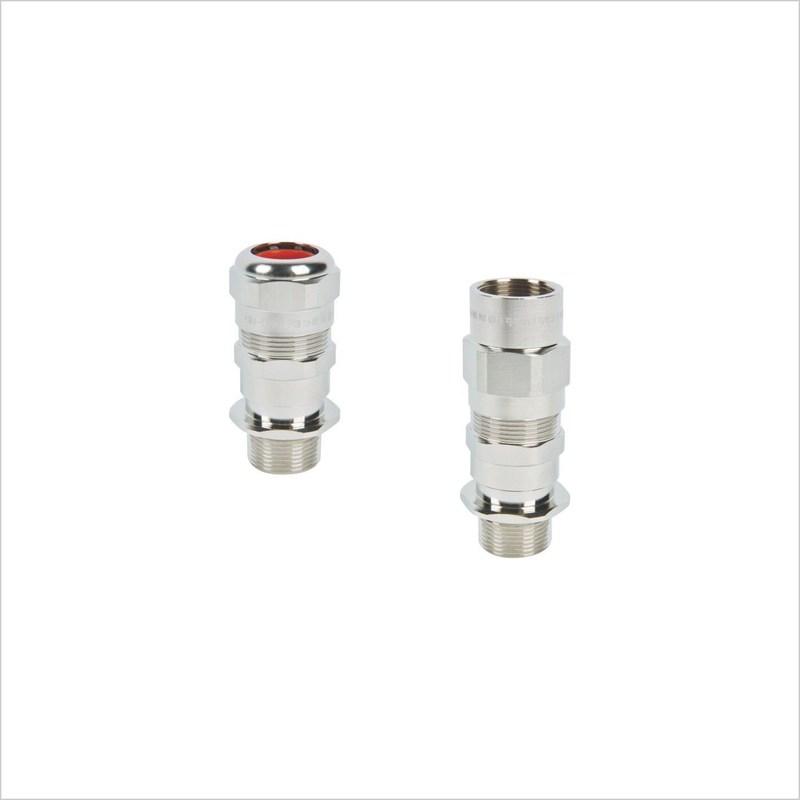
DQM-II Series Explosion Proof...
- ◆ Explosion-proof Cable Glands feature an Ex e structure and are available in stainless steel or nickel plated brass.
- ◆These explosion-proof cable glands adopt a single seal and are suitable for unarmored cable.
- ◆The explosion-proof cable gland Complies with international explosion-proof standards, ensuring safe operation in hazardous areas.
- ◆Easy to install and maintain, requiring no complex tools for assembly and disassembly.
TECHNICAL DATA
Explosion Protection Type
- Standards: CENELEC, IEC, NEC
- Zones:
- Zone 1 and Zone 2
- Zone 21 and Zone 22
- Class I, Zone 1 and Zone 2
- Class I, Division 1, Groups A, B, C, D
Product Parameters
- Explosion Protection:
- IECEx (Gas and dust): Ex d IIC Gb, Ex e IIC Gb, Ex tb IIIC Db IP66
- ATEX (Gas and dust): II 2 G Ex d IIC Gb, II 2 G Ex e IIC Gb, II 2 D Ex tb IIIC Db IP66
- Product Type: DQM-II
- Material: Stainless steel or nickel-plated brass
- Degree of Protection: IP66
- Ambient Temperature: -60°C to +100°C
- Connection Thread: Metric thread is standard; G thread or NPT thread is optional
Product Classification & Origin
- HS Code: 401693, 391740, 730799, 790700, 760900
- Country of Origin: China
Professional Overview
- Applicable Industries: The explosion-proof cable gland is a critical sealing device for equipment enclosures used in industries like petroleum, natural gas, mining, metallurgy, military, and nuclear power.
- Credibility: Our glands hold certificates from ATEX, IECEx, and EAC, ensuring compatibility with hazardous application environments.
- CTA: Contact us for customized solutions or quotes regarding professional lighting and technical service support.
FAQ
- Q1: What is a “Dual-Certified” cable gland?
- A1: It holds two different explosion-protection certifications (e.g., ATEX & IECEx) to meet high regulatory and reliability standards.
- Q2: How to verify compliance of an installed gland?
- A2: Check for cracks or corrosion, ensure specifications match the equipment, and confirm all locking nuts are tightened.
- Q3: When to use an explosion-proof plug?
- A3: For sealing unused ports or when cables are temporarily removed for maintenance to maintain enclosure integrity.
- Q4: Why is a matching gland critical?
- A4: A substandard gland can create a leak path that nullifies the protection of expensive equipment, posing a catastrophic risk.
RESOURCE DOWNLOAD
RELATED PRODUCTS
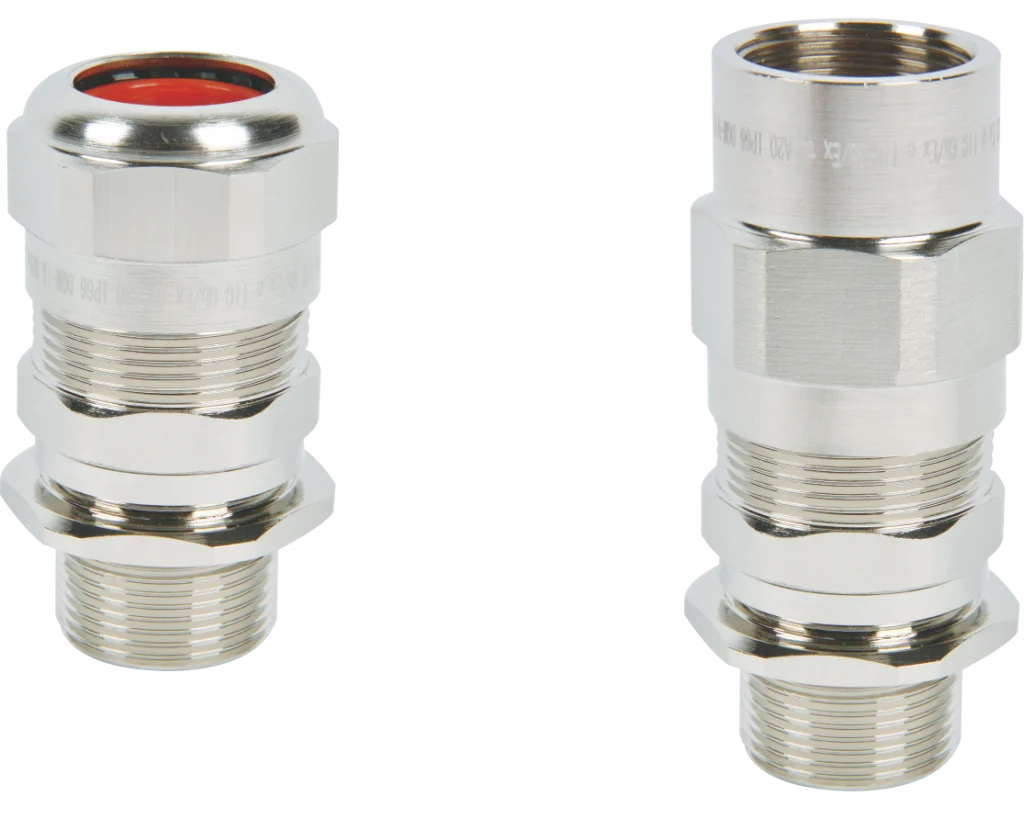
DQM-III&II Explosion-proof Cable Glamds (Armored compound Barrier)
Explosion Protection Type Stan...
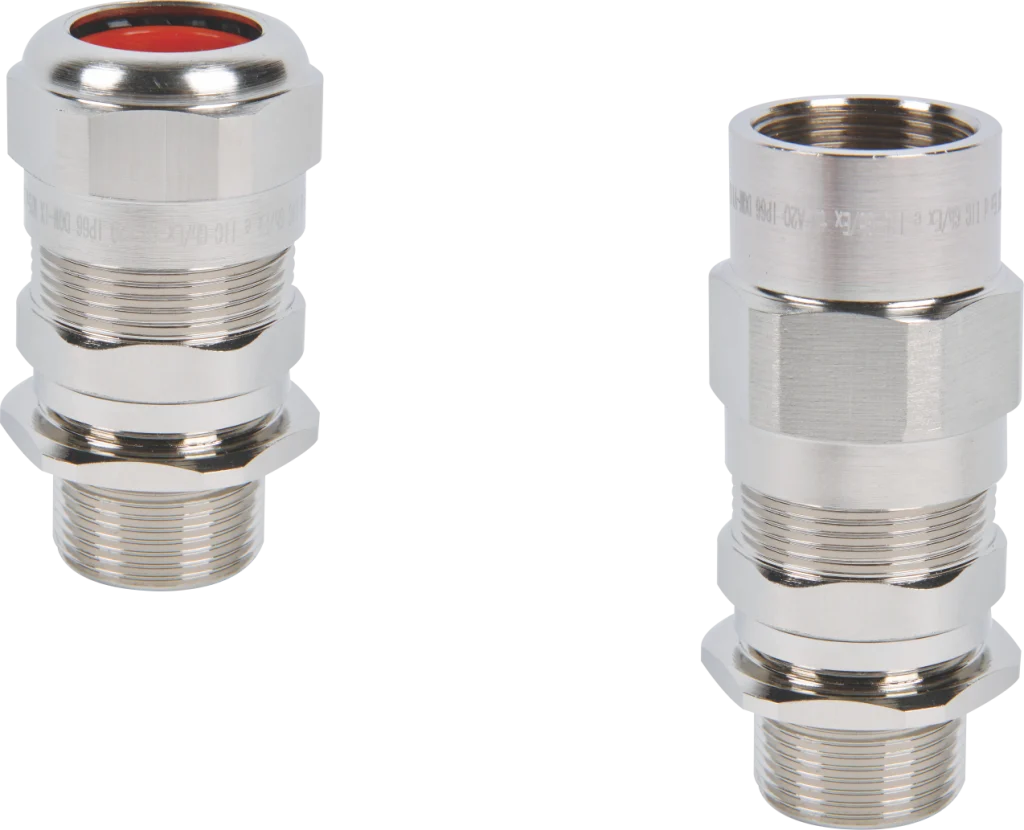
DQM-III&I Explosion-proof Cable Glamds (Unarmird compound Barrier)
Explosion Protection Type Stan...
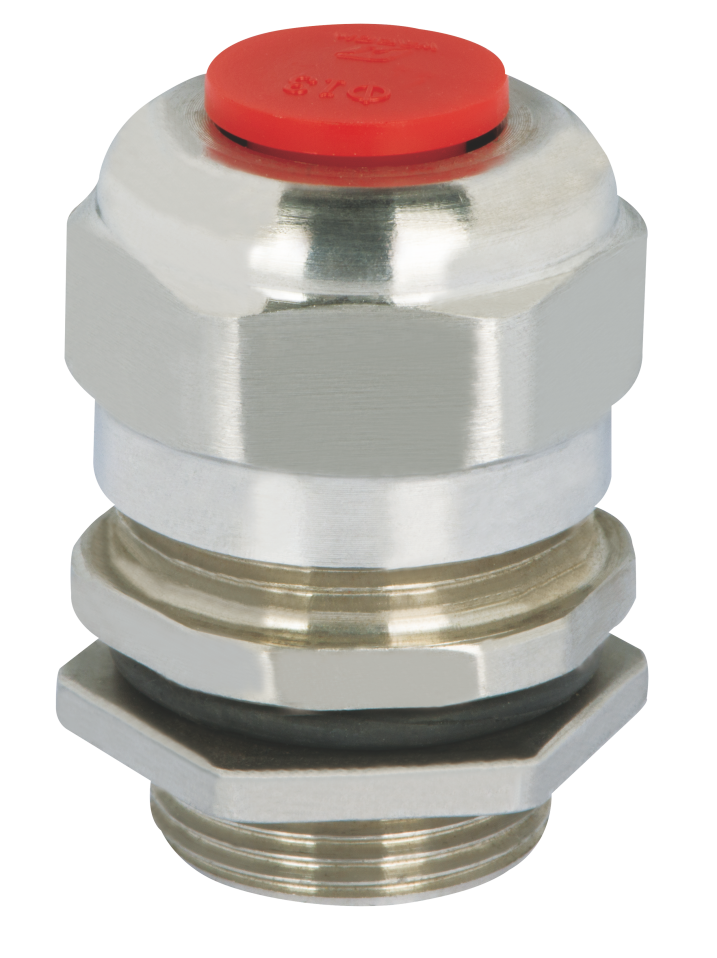
DQM-I Series Explosion-proof Cable Glands (Metal unarmored)
Explosion Protection Type Stan...
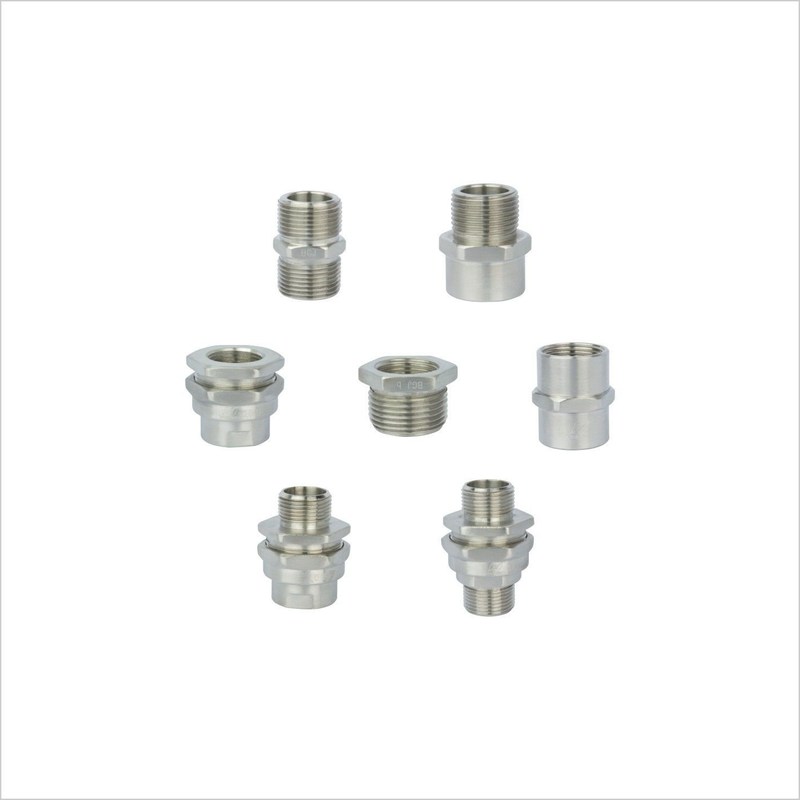
BGJ Series Metal Explosion Proof Cable Connectors CENELEC IEC Standards
Explosion Protection Type Stan...