
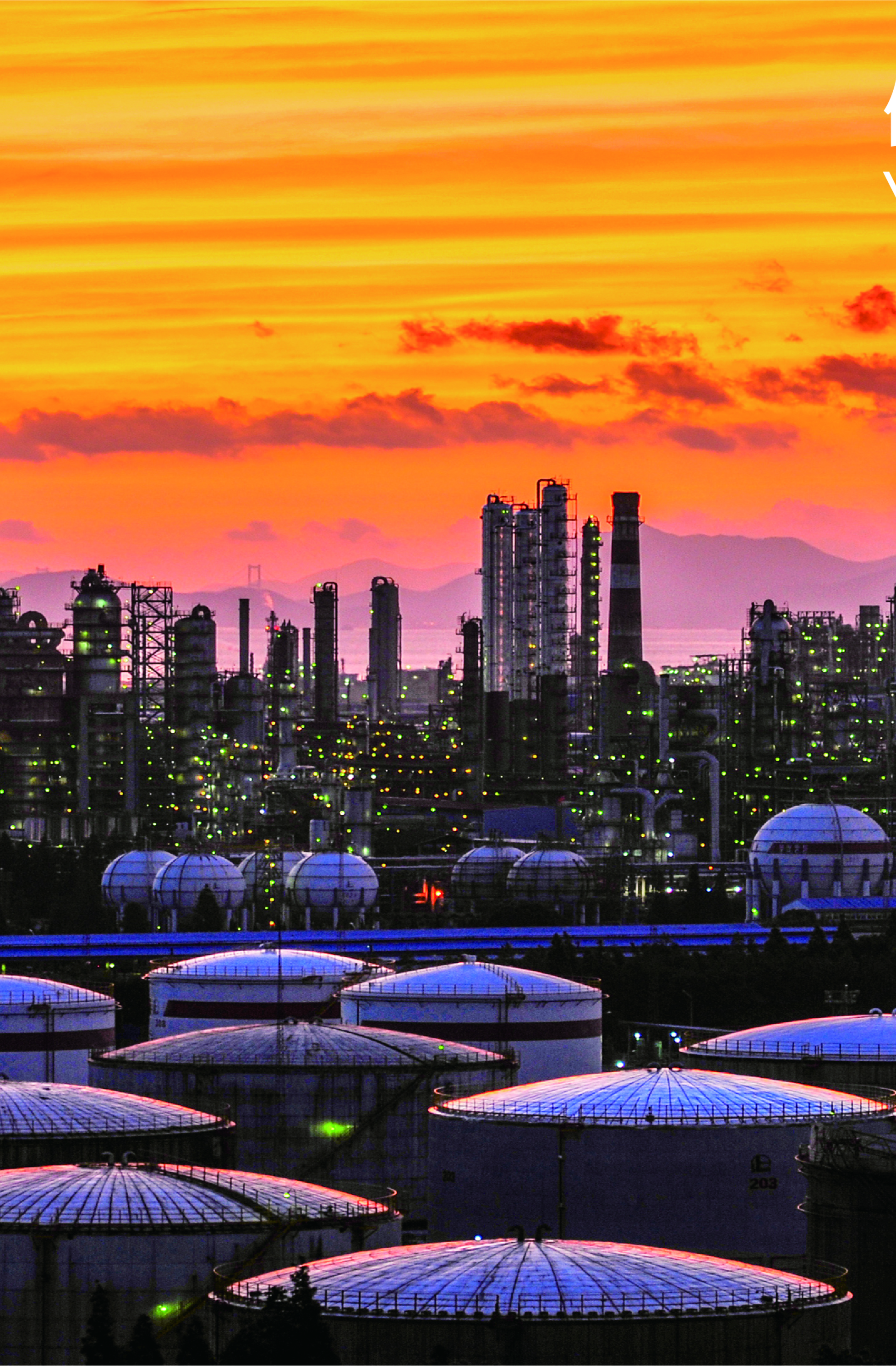
Hazardous area zone classification is not an abstract label; it decides which enclosure, sealing method, gas group, and temperature class the equipment must carry on the nameplate. Buyers who treat Zone 0, Zone 1, and Zone 2 as a rough safety ranking tend to order hardware that cannot be installed where the drawing says it will go. In my experience, the priced quote is less important than the certificate data that sits behind it. This article moves from zone definitions to the verification steps that should be completed before a purchase order is released.
Zone 0, Zone 1, and Zone 2 Definitions Buyers Should Use
IEC 60079-10-1 defines gas zones by how often an explosive gas atmosphere is expected, not by how dangerous the specific gas is. Zone 0 is a place where the explosive atmosphere is present continuously or for long periods. Zone 1 is a place where it is likely to appear during normal operation. Zone 2 is a place where it is not likely to appear during normal operation, and if it does appear, it lasts only for a short period.
| Zone | Explosive gas atmosphere | ATEX equipment category | Alıcı kontrolü |
|---|---|---|---|
| Zon 0 | Present continuously or for long periods | Kategori 1G | Confirm whether any fixed power or lighting device can carry Zone 0 certification; most standard devices cannot. |
| Zona 1 | Normal işletim sırasında Muhtemel | Kategori 2G | Cross-check the protection concept against the gas group, temperature class, and ambient range. |
| Bölge 2 | Unlikely during normal operation, short duration if present | Kategori 3G | Verify that the same certificate also covers the actual ambient temperature and cable entry configuration. |
Buyers should not read Zone 2 as a normal industrial environment. It is still an explosion-protected installation with certification, inspection, and boundary rules that have to be followed after handover.
Equipment Protection Requirements That Follow the Zone Rating
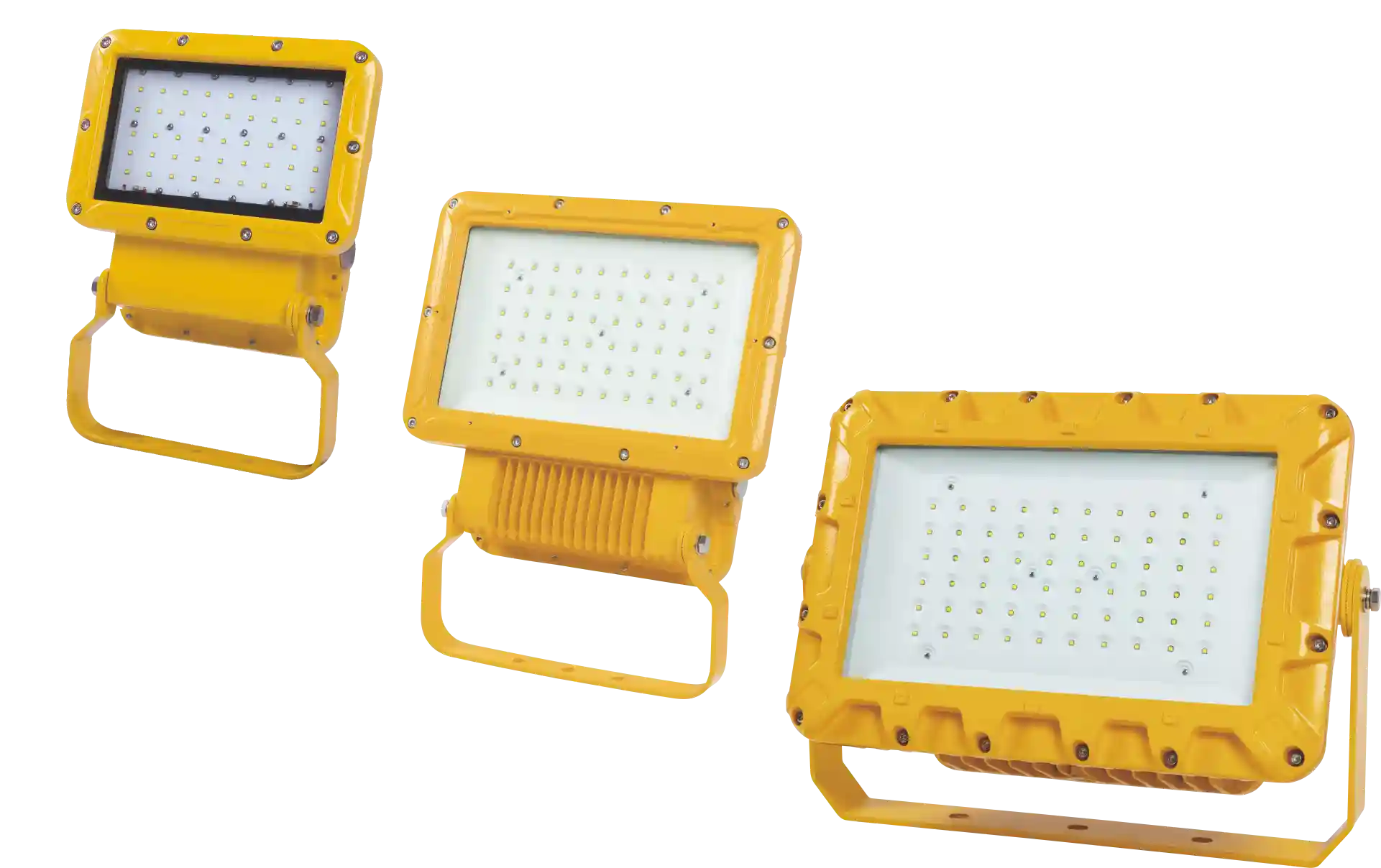
Zone classification narrows the protection concept. Zone 0 is generally limited to Category 1G devices such as intrinsically safe Ex ia instrumentation. Zone 1 permits flameproof Ex d, increased safety Ex e, and pressurization Ex p. Zone 2 permits non-sparking Ex n and increased safety Ex ec designs, but many operators standardize on Ex d enclosures so that the same spares can serve Zone 1 and Zone 2 locations.
The zone alone does not select the product. The gas group and temperature class complete the selection. A Zone 1 area containing hydrogen, group IIC, is a different purchase from a Zone 1 area containing propane, group IIA, even when both call for an Ex d lighting fitting. Temperature class is where quotations drift. T6 limits surface temperature to 85 °C and is common for lower-energy LED fittings. T4 allows 135 °C, which many motor and floodlight fixtures rely on. If the specification says T6 and the supplier quotes T4, the buyer has to verify whether the installation’s gas ignition temperature actually accepts T4.
Classification Details Buyers Usually Overlook
Area classification drawings carry more than a zone label. They carry a gas group, a temperature class, an ambient range, a cable entry orientation, and sometimes a dust zone in the same plant. I have seen quotes approved because the equipment said Zone 1 when the drawing also required gas group IIC and T6. The wrong flamepath or surface temperature is not a paperwork mismatch; it changes whether the enclosure can contain an ignition.
Cable entry is another underchecked point. A flameproof enclosure must be fitted with a gland that maintains the enclosure’s protection method. The zone classification sits on the enclosure, but the assembly safety lives in the gland and the seal. For projects that mix North American and Middle East requirements, NPT and metric threads create exactly this split.
A Zone 1 flameproof enclosure is only as sound as the cable entry that seals it. <NPT Explosion Proof Kablo Girişleri for US & Middle East Projects> covers thread differences and installation requirements that surface when a single project specification is applied across North American and Gulf region installations.
Ambient temperature is the third common failure. A product certificate may be valid for -20 °C to +40 °C while the drawing shows a 55 °C site. The same product then needs a certificate extension or a different rating. This is not a minor correction after delivery; it changes the certificate the buyer is actually purchasing.
If your drawing lists gas group IIC and T6, but the quote only says Zone 1, the supplier has not confirmed the certificate against the drawing. Send the area classification drawing to gm*@***om.com and we will check that gap before the bill of materials is frozen.
Matching Zone Certification to the Nameplate Before Ordering
Ask for the certificate and read the marking, not just the order confirmation. A complete ATEX marking may read II 2 G Ex db IIC T6 Gb. The pieces carry specific meaning. II 2 G identifies non-mining equipment category 2 for gas. Ex db identifies flameproof. IIC gives the gas group. T6 gives the temperature class. Gb gives the equipment protection level. When a quote says only “explosion proof, Zone 1,” it has not yet shown which gas group or temperature class is covered.
For IECEx, the certificate number is the fastest cross-check. If the project accepts ATEX in one jurisdiction and IECEx in another, confirm that the product has both certificates. The owner should request the certificate PDF, not a summary page, and compare the marking with the line items on the quotation.
If the zone classification has been pushed down to the enclosure supplier without the full installation conditions, the distribution box becomes the point where the certificate claim collapses. <Çin Patlayıcı Koruma Dağıtım Kutusu Tedarikçilerini Değerlendirme> covers the supplier checks that matter when a buyer tries to match a China-based supplier to the same certificate and material claims shown on the quotation.
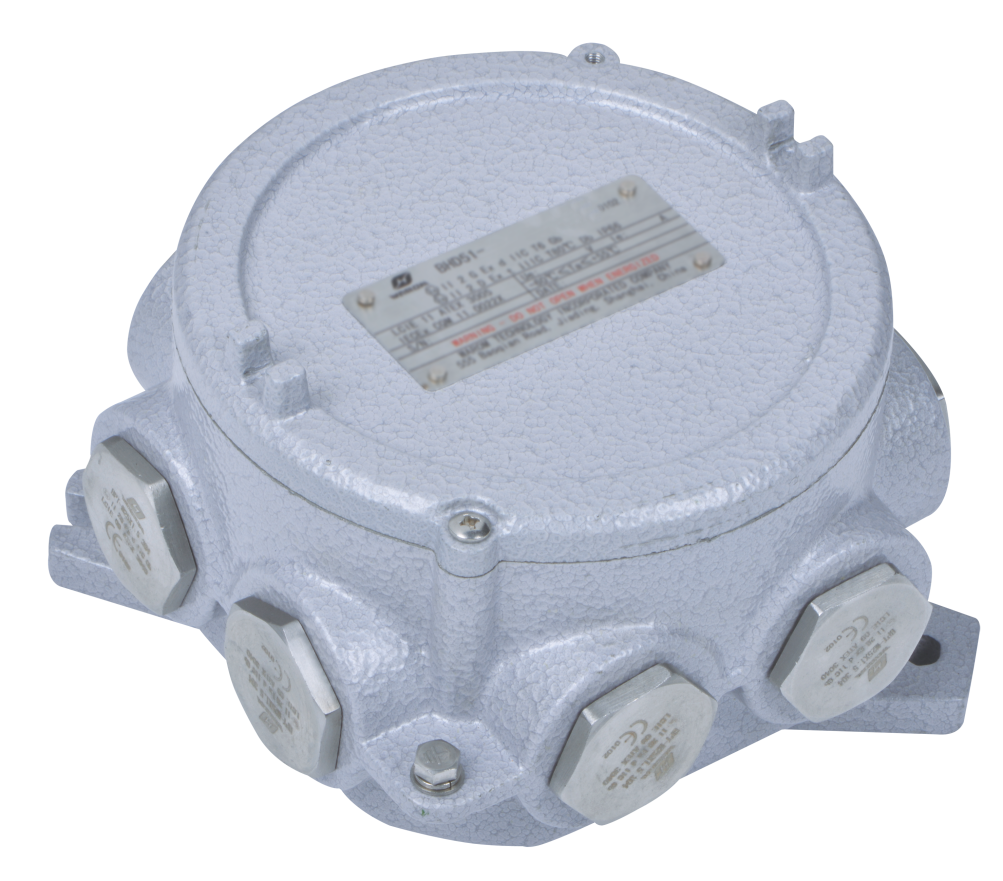
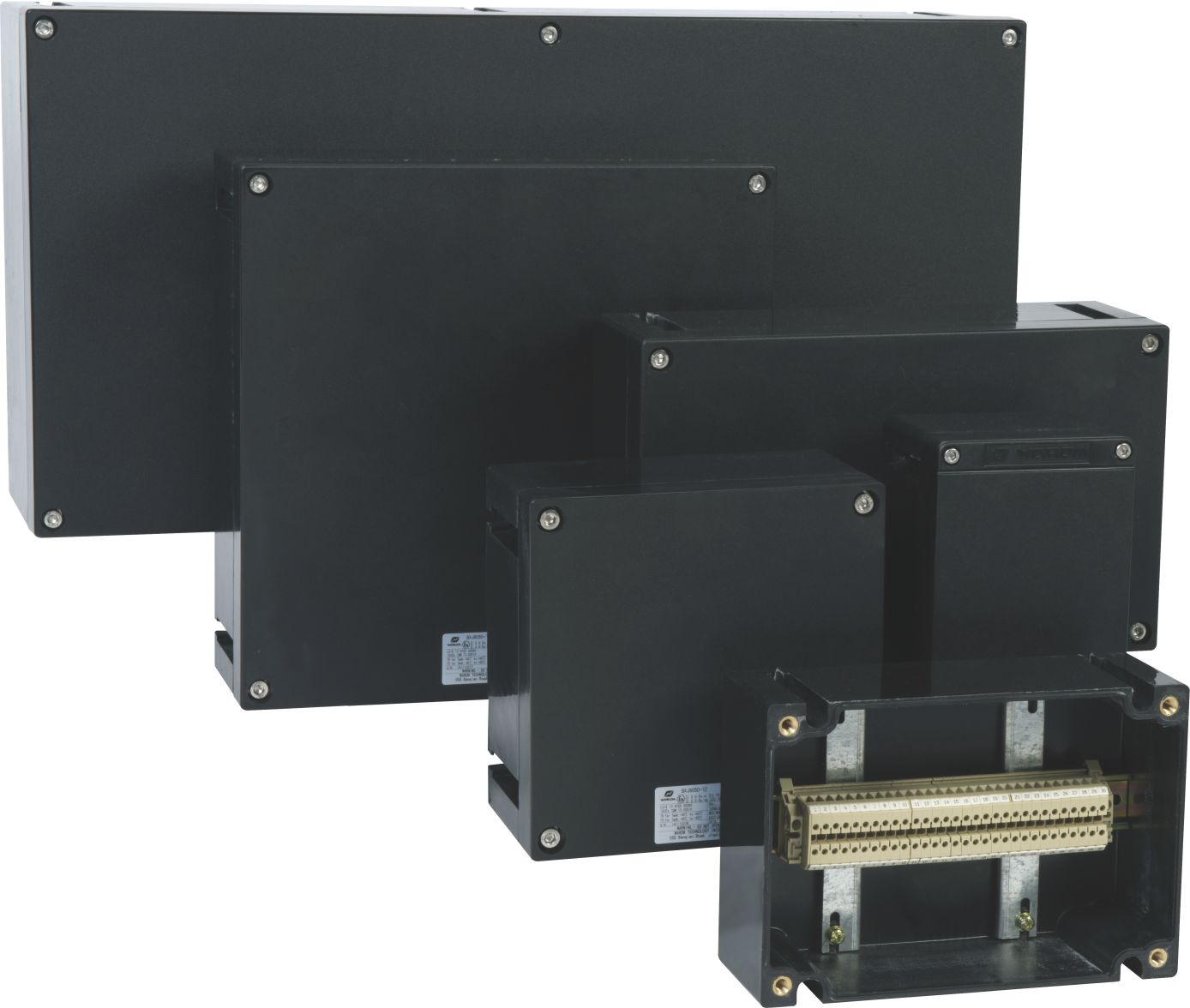
A junction box, terminal box, or distribution panel is rarely one part number. It is an enclosure, a set of glands, blanking elements, and internal terminals. If any part is substituted without a certificate, the assembly may no longer meet the zone marking on the main enclosure.
Confirming the Zone Before the Order Is the Lowest Cost Check
Replacing the wrong zone or gas group after delivery is far more expensive than rejecting an incomplete quote. The most useful action a buyer can take is to send the area classification drawing with the planned quotation. Our team compares the zone, gas group, temperature class, ambient range, and cable entry configuration against the equipment certificate before you commit. Send the drawing and part numbers to gm*@***om.com or call +86 21 39977076 or +86 21 39972657, and we will confirm whether the quoted hardware matches the installation conditions.
Common Questions About Hazardous Area Zone Classification
Can I put Zone 1 equipment in a Zone 2 area?
Yes, in most cases, because Zone 1 equipment meets a higher equipment category than Zone 2 requires. The practical limit is price and size, not safety. If the gas group, temperature class, and ambient range still match the area drawing, a Category 2G or EPL Gb device may be used in Zone 2. The purchaser should still confirm that the certificate covers the exact gas group and ambient temperature at the Zone 2 location.
What is the difference between a gas zone and a dust zone?
A common mistake is to treat dust Zone 21 as a lighter version of gas Zone 1. These are separate classification systems. Gas zones use Zone 0, Zone 1, and Zone 2. Dust zones use Zone 20, Zone 21, and Zone 22. Ignition behavior and protection methods differ, so equipment marked only for gas should not be assumed acceptable in a dust zone unless the certificate also shows a dust marking.
Why does a supplier quote say Zone 1 without listing the gas group?
If the quote says only Zone 1, the sales office usually has not yet compared the certificate with the area drawing. Zone 1 is the starting point, not the complete classification. The buyer should request the full marking or certificate number next. Without gas group and temperature class, there is no way to confirm that the equipment matches the gas present at the site.
Should a buyer accept a quote that lists only the zone category?
No, because zone category alone does not prove that the equipment can handle the gas group, temperature class, or ambient range. A complete quotation should reference the certificate number and the full marking. Share your zone drawing, gas group, temperature class, and certificate package to gm*@***om.com cURL Too many subrequests by single Worker invocation. To configure this limit, refer to https://developers.cloudflare.com/workers/wrangler/configuration/#limits
İlginizi çekiyorsa, bu ilgili makalelere göz atın:
Offshore Wind Substations: Explosion Proof Electrical Distribution Solutions
NPT Explosion Proof Cable Glands for US & Middle East Projects
Patlamaya Dayanıklı Kontrol Ekipmanları: Gıda İşleme Toz Bölgesi Güvenliği
NEMA 7 ile ATEX Onaylı Patlamaya Dayanıklı Kontrol İstasyonları
SOGCE 2025’de WAROM
On yılı aşkın deneyime sahip olan o, güvenlik ve patlamaya dayanıklı ürünlerin tasarımı ve üretimi konusunda uzmanlaşmış deneyimli bir Patlamaya Dayanıklı Elektrik Mühendisidir. Patlama dayanıklı sistemler, nükleer güç aydınlatması, deniz güvenliği, yangın koruması ve akıllı kontrol sistemleri dahil olmak üzere ana alanlarda derin uzmanlığa sahiptir. Warom Teknoloji Enstitüsü Şirketi’nde Uluslararası İşlerden Sorumlu Baş Mühend, Uluslararası Ar-Ge Departmanı Başkanı olarak çift liderlik rolüne sahiptir; burada Ar-Ge girişimlerini denetler ve uluslararası projeler için tasarım dokümantasyonunun kesin teslimatını sağlar. Küresel endüstriyel güvenliği ilerletmeye kendini adayan, karmaşık teknolojileri pratik çözümlere dönüştürmeye ve müşterilerin dünyanın dört bir yanındaki daha güvenli, akıllı ve daha güvenilir kontrol sistemlerini uygulamasına yardımcı olmaya odaklanır.

Qi Lingyi