
Food processing facilities generate combustible dust as a byproduct of normal operations. Flour, sugar, starch, cocoa, spices, and grain dust all share a common property: when suspended in air at the right concentration and exposed to an ignition source, they can explode. The consequences range from equipment damage to fatalities. Explosion proof control equipment exists specifically to eliminate electrical ignition sources in these environments, and regulatory frameworks like ATEX, IECEx, and NFPA 652 make compliance non-negotiable. This article covers the technical basis for dust explosion hazards, the regulatory landscape, equipment selection criteria, and practical implementation considerations for food processing facilities.
Why Food Processing Dust Behaves Differently Than Other Industrial Dusts
Organic food dusts present a distinct hazard profile compared to metal or chemical dusts. Their particle size distributions, moisture content, and ignition energies vary widely depending on the source material and processing method. Flour milled to fine particle sizes ignites at lower energy thresholds than coarser granules. Sugar dust, particularly powdered sugar, has a minimum ignition energy as low as 10 millijoules, meaning static discharge from a worker’s clothing can theoretically initiate combustion under the right conditions.
The “Dust Explosion Pentagon” describes the five simultaneous conditions required for an explosion: fuel (the dust itself), oxygen (ambient air), dispersion (a suspended dust cloud), confinement (an enclosed space), and an ignition source. Remove any one element and the explosion cannot occur. Explosion proof control equipment targets the ignition source element, ensuring that electrical systems cannot provide the spark or heat necessary to complete the pentagon.
A Dust Hazard Analysis (DHA) quantifies these risks for a specific facility. The analysis identifies where dust accumulates, what concentrations are possible during normal and abnormal operations, and which equipment operates in those zones. NFPA 652 mandates DHA completion for facilities handling combustible dusts, and the results directly inform equipment selection.
| Dust Type | Kst Value (bar.m/s) | Pmax (bar) | Minimum Ignition Energy (mJ) |
|---|---|---|---|
| Flour | 100-200 | 7-9 | 30-100 |
| Sugar | 120-180 | 8-10 | 10-30 |
| Cornstarch | 150-250 | 9-11 | 20-50 |
| Cocoa | 80-150 | 6-8 | 50-150 |
The Kst value indicates explosion severity, with higher numbers representing more violent explosions. Pmax represents maximum explosion pressure. These parameters determine the structural requirements for any equipment installed in dust-prone areas.
What Regulatory Frameworks Actually Require for Dust Zone Equipment
ATEX directives govern equipment sold within the European Union for use in potentially explosive atmospheres. The system classifies hazardous areas into zones based on how often explosive dust concentrations occur. Zone 20 designates locations where combustible dust clouds exist continuously or for long periods, such as the interior of dust collectors or silos. Zone 21 covers areas where dust clouds form frequently during normal operations, including spaces around mixers, grinders, and filling equipment. Zone 22 applies where dust clouds occur only infrequently and for short durations, typically in packaging areas or warehouses with less frequent cleaning schedules.
IECEx certification provides an international framework that facilitates equipment acceptance across multiple jurisdictions. Equipment certified under IECEx meets harmonized standards recognized in over 30 countries, simplifying procurement for multinational operations.
| ATEX/IECEx Dust Zone | Description | Typical Food Processing Areas |
|---|---|---|
| Zone 20 | Continuous presence of combustible dust | Inside dust collectors, cyclones, silos |
| Zone 21 | Frequent presence of combustible dust | Areas around filling machines, mixers, grinders |
| Zone 22 | Infrequent presence of combustible dust | Packaging areas, warehouses, less frequently cleaned spaces |
North American facilities operate under NFPA standards. NFPA 652 establishes fundamentals for combustible dust management, while NFPA 654 addresses specific requirements for manufacturing, processing, and handling combustible particulate solids. These standards cover facility design, equipment selection, installation practices, and ongoing maintenance requirements. The penalties for non-compliance extend beyond regulatory fines to include insurance implications and potential criminal liability following incidents.
Equipment selection must match the zone classification. A control panel rated for Zone 22 cannot be installed in a Zone 21 area without violating certification requirements and creating an unacceptable ignition risk.
How Protection Methods Differ and When Each Applies
Explosion proof control equipment employs several distinct protection methods, each suited to different applications and hazard levels.
Flameproof enclosures, designated Ex d, contain any internal explosion within the enclosure walls and cool escaping gases to temperatures below the dust ignition point. The enclosure does not prevent ignition internally but ensures that any explosion cannot propagate to the surrounding atmosphere. This method suits applications where internal arcing or sparking is unavoidable, such as motor starters or contactors.
Intrinsic safety, designated Ex i, takes a different approach by limiting electrical energy to levels too low to ignite the hazardous atmosphere. Intrinsically safe circuits cannot generate sufficient spark energy or surface temperature to cause ignition even under fault conditions. This method works well for instrumentation and control signals but cannot handle the power levels required for motors or heating elements.
Purging and pressurization, designated Ex p, maintains positive pressure within an enclosure using a protective gas, typically clean air or nitrogen. The pressure differential prevents dust ingress, allowing standard electrical components to operate safely within the enclosure. This method suits control rooms or large enclosures where flameproof construction would be impractical.
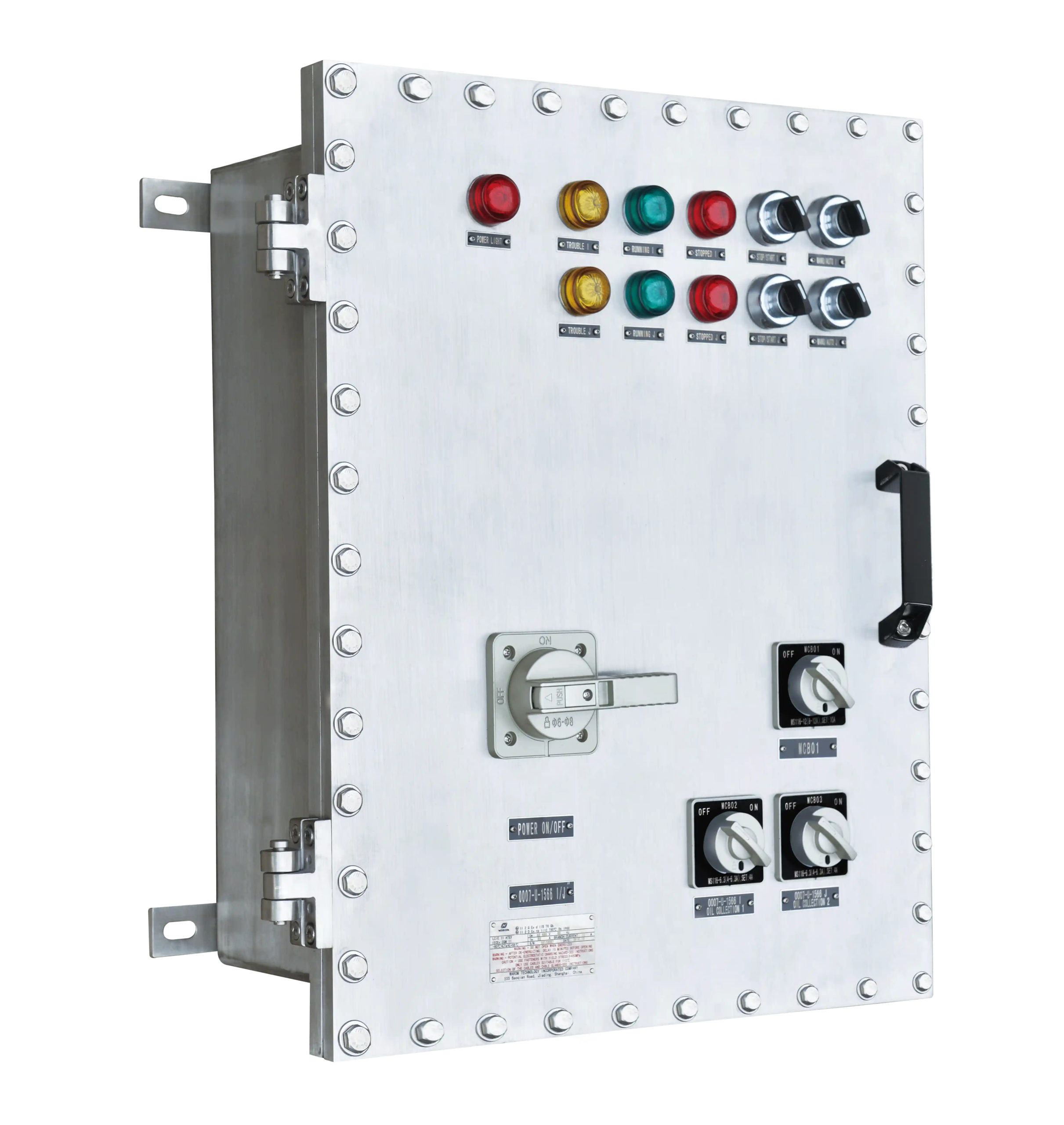
The EN 60079 series provides European standards for these protection methods, while UL standards govern North American markets. Both frameworks specify enclosure materials, ingress protection ratings, temperature classifications, and certification testing requirements. An IP66 rating, for example, indicates complete protection against dust ingress and powerful water jets, making it appropriate for washdown environments common in food processing.
If your facility operates across multiple regulatory jurisdictions, equipment with dual ATEX and IECEx certification simplifies compliance documentation and spare parts management.
What Installation and Maintenance Practices Preserve Protection Integrity
Explosion proof equipment only provides protection when installed and maintained correctly. A flameproof enclosure with a damaged gasket or improperly torqued cover bolts loses its certification status and becomes a potential ignition source.
Installation requires personnel trained in hazardous area work practices. Cable glands must match the enclosure certification and maintain the required ingress protection rating. Conduit seals prevent flame propagation through wiring pathways. Grounding and bonding requirements in dust environments exceed those for general industrial applications because static discharge presents a credible ignition source.
Inspection frequencies depend on zone classification and operational conditions. IEC 60079-17 provides detailed guidance, but general practice calls for visual inspections quarterly, close inspections annually, and detailed inspections every three years. Zone 20 installations and critical safety equipment typically require more frequent attention. Visual inspections check for obvious damage, loose connections, and dust accumulation on enclosures. Close inspections verify fastener torque, gasket condition, and cable gland integrity. Detailed inspections may require opening enclosures and testing internal components.
Preventative maintenance extends beyond inspection to include scheduled cleaning, lubrication of moving parts, and replacement of wear items before failure. Dust accumulation on enclosure surfaces can insulate heat-generating components, raising surface temperatures above safe limits. Regular cleaning prevents this thermal buildup.
Personnel training covers both the technical aspects of equipment operation and the broader context of combustible dust hazards. Workers who understand why procedures exist follow them more consistently than those who view them as arbitrary rules.
Where Detection and Automation Improve Response Times
Gas and dust detection systems provide real-time monitoring of atmospheric conditions in hazardous areas. Optical sensors measure dust concentrations, triggering alarms when levels approach dangerous thresholds. These systems enable proactive responses before conditions reach explosive concentrations.
Automated control systems can initiate protective actions faster than human operators. Upon detecting elevated dust levels, a properly configured system can shut down ignition sources, activate suppression systems, or initiate ventilation changes within milliseconds. This response speed matters because dust explosions propagate rapidly once initiated.
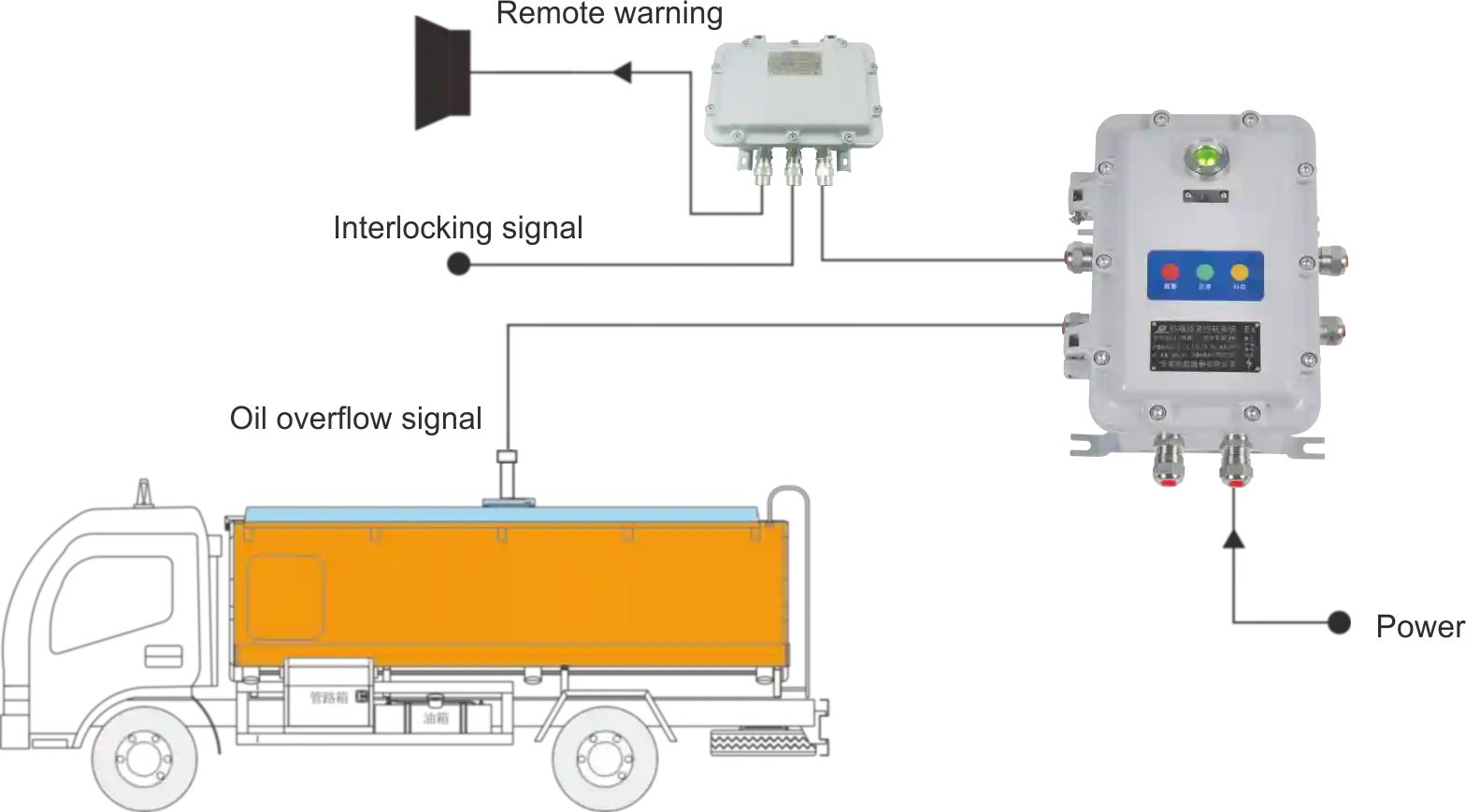
Remote monitoring capabilities allow safety personnel to observe conditions in hazardous areas without physical presence. Data logging supports trend analysis, identifying gradual changes that might indicate developing problems before they become acute hazards. These systems also document compliance with inspection and maintenance requirements, simplifying regulatory audits.
The integration of detection, automation, and remote monitoring creates a layered safety approach where equipment protection, atmospheric monitoring, and rapid response work together to minimize explosion risk.
What Questions Buyers Should Ask Before Selecting Equipment
Selecting explosion proof control equipment for food processing applications involves matching equipment capabilities to specific hazard conditions. The following questions address common concerns.
What are the specific explosion proof requirements for food processing dust zones?
Equipment must carry certification appropriate to the zone classification where it will be installed. Zone 20 requires the highest protection levels, typically Ex ta (dust protection by enclosure) or Ex ia (intrinsic safety). Zone 21 permits Ex tb or Ex ib equipment. Zone 22 allows Ex tc or Ex ic ratings. The equipment temperature class must remain below the dust layer ignition temperature and dust cloud ignition temperature for the specific materials present. Compliance also requires adherence to installation and maintenance standards including NFPA 652 and 654 requirements for dust hazard analysis, housekeeping, and equipment inspection.
How can food manufacturers achieve ATEX and IECEx compliance for their control systems?
Compliance begins with a Dust Hazard Analysis that identifies hazardous locations and their zone classifications. Equipment selection follows, matching certified products to each zone’s requirements. Installation must follow manufacturer instructions and applicable codes, performed by qualified personnel. Documentation requirements include equipment certificates, installation records, and maintenance logs. Ongoing compliance requires a structured inspection and maintenance program with defined frequencies and procedures. Working with suppliers experienced in hazardous area applications reduces the risk of specification errors and installation problems.
Why is specialized control equipment critical in combustible dust environments?
Standard electrical equipment generates sparks during normal operation, whether from relay contacts, motor brushes, or switch mechanisms. These sparks can ignite suspended dust clouds. Standard equipment also generates heat that can exceed dust ignition temperatures. Explosion proof control equipment eliminates these ignition sources through containment, energy limitation, or atmosphere exclusion. The cost of specialized equipment is substantial, but it remains far less than the cost of a dust explosion in terms of injuries, fatalities, equipment damage, business interruption, and regulatory consequences.
To discuss specific requirements for your facility’s hazardous areas, contact WAROM at +86 21 39977076, +86 21 39972657, or gm*@***om.com.
If you’re interested, you may want to read the following articles:
WAROM “INNOVATION” Unveils a New Era of Precision Medicine
The foreign trade center mission building activities are colorful
Explosion Proof Floodlights for Hazardous Industrial Areas
Warom 2024 International IECEx Explosion-Proof Technology Malaysia Seminar was successfully held
WAROM at ACHEMA 2024
With over a decade of experience, he is a seasoned Explosion-Proof Electrical Engineer specializing in the design and manufacture of safety and explosion-proof products. He possesses in-depth expertise across key areas including explosion-proof systems, nuclear power lighting, marine safety, fire protection, and intelligent control systems. At Warom Technology Incorporated Company, he holds dual leadership roles as Deputy Chief Engineer for International Business and Head of the International R&D Department, where he oversees R&D initiatives and ensures the precise delivery of design documentation for international projects. Committed to advancing global industrial safety, he focuses on translating complex technologies into practical solutions, helping clients implement safer, smarter, and more reliable control systems worldwide.

Qi Lingyi