
Industrial safety regulations never stay still. Every few years, the rules shift, and facilities scramble to figure out what changed and what it means for their operations. The 2025 updates to explosion proof lighting standards are no exception. These aren’t minor tweaks. They represent a meaningful tightening of requirements across multiple certification frameworks, and facilities operating in hazardous environments need to understand what’s coming. Having worked through projects like Tilenga in Uganda, where compliance complexity was a daily reality, the practical weight of these changes becomes clear quickly.
How Global Explosion Proof Lighting Standards Are Shifting
The regulatory landscape for explosion protection has been moving toward greater harmonization for years. Different regions historically maintained their own approaches, which created headaches for multinational operations and equipment manufacturers alike. That fragmentation is slowly giving way to more unified frameworks, though regional differences persist.
Warom Technology Incorporated Company has navigated these varied regulatory environments through projects spanning multiple continents. The Tilenga project in Uganda and the Fushilai Pharmaceutical CM/CDMO construction exposed our teams to the practical realities of meeting diverse explosion proof lighting standards simultaneously. These experiences revealed how interconnected global markets have become and why harmonized standards matter more now than they did a decade ago.
The core challenge remains consistent across regions. Facilities handling flammable gases, vapors, mists, or combustible dusts must ensure their lighting equipment won’t become an ignition source. The mechanisms for proving that safety vary by framework, but the underlying physics doesn’t change.
| Standard | Region/Scope | Focus | Key Characteristics |
|---|---|---|---|
| ATEX | European Union | Equipment & Protective Systems | Directives 2014/34/EU & 1999/92/EC |
| IECEx | International | Certification Scheme | Global harmonization, mutual acceptance of test reports |
| NEC | North America | Electrical Installations | Divisions (Class/Group) |
What the 2025 Regulatory Updates Actually Change
The 2025 updates touch several areas simultaneously. Certifications under IECEx, ATEX, and UL are all seeing revisions. Hazardous area classification systems are being refined. Product requirements around temperature classes and ingress protection ratings are tightening. None of these changes exist in isolation.
ATEX directive updates will influence how products are designed and tested for European markets. IECEx certification changes affect equipment destined for international projects. The National Electrical Code introduces new considerations for North American hazardous locations. Each framework is responding to accumulated field experience and incident data.
Warom’s work on General Paint’s electrical safety upgrade in Mexico demonstrated how these evolving explosion proof lighting standards play out in practice. The site required customized solutions, including explosion-proof plugs and distribution boxes, to address specific hazard profiles. Standard off-the-shelf equipment wouldn’t have met the site’s particular needs. Our BCZ8060 Series Explosion-proof Plugs and Sockets were designed with exactly these scenarios in mind, featuring interlocking switches that prevent unsafe disconnection under load. 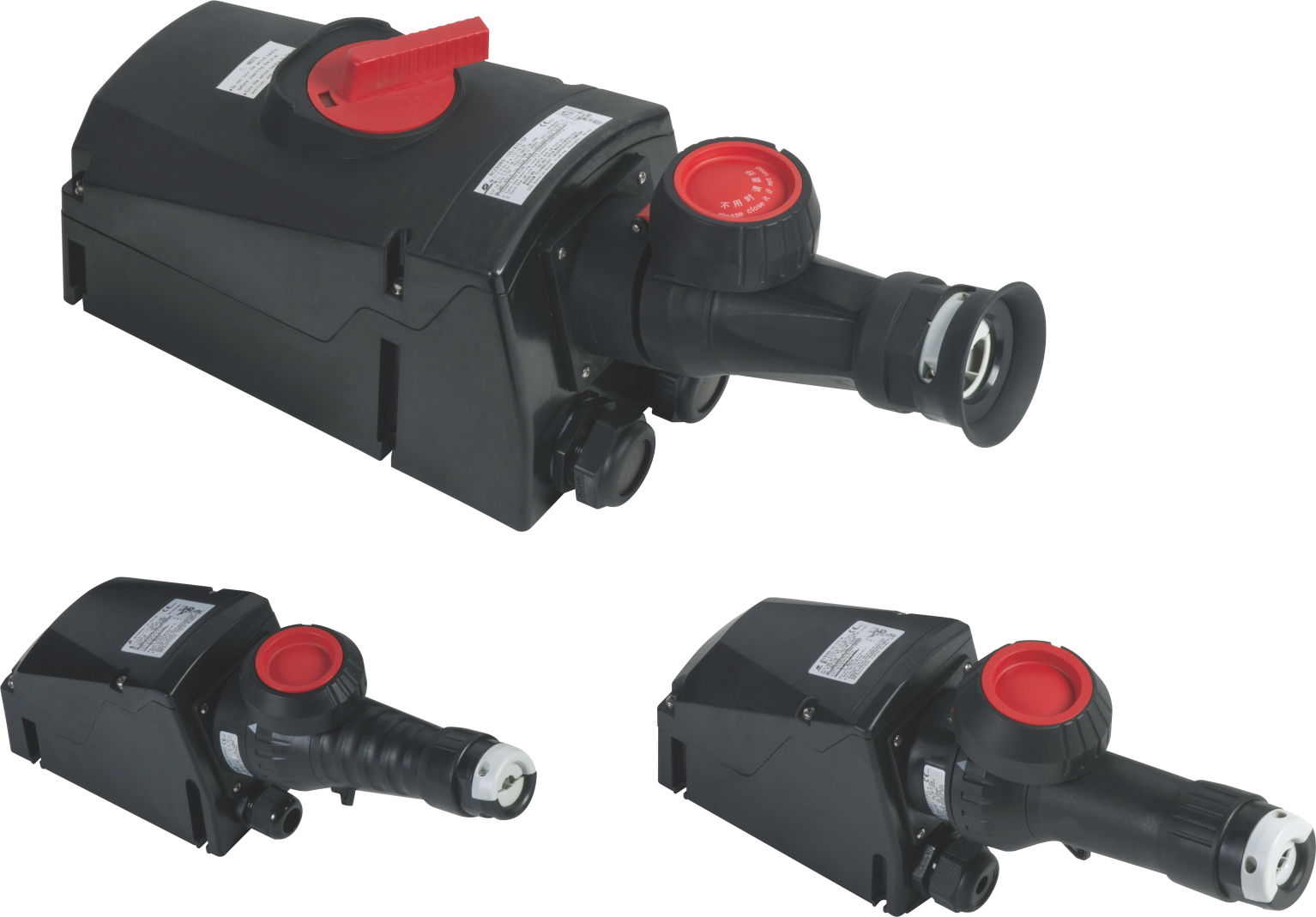
ATEX, IECEx, and NEC Certification Differences That Matter
Choosing the right certification pathway depends heavily on where equipment will be installed and what regulatory frameworks apply. Getting this wrong creates expensive problems.
ATEX certification is mandatory within the European Union. Equipment sold or installed in EU member states must carry appropriate ATEX markings. The directive uses a Zone classification system, categorizing areas by the likelihood and duration of explosive atmosphere presence. Zone 0 represents continuous presence of explosive gas, Zone 1 indicates likely presence during normal operations, and Zone 2 covers situations where explosive atmospheres occur only abnormally.
IECEx operates differently. It’s a voluntary international certification scheme rather than a regulatory mandate. However, its widespread acceptance means IECEx certification often serves as a foundation for national certifications in countries outside Europe and North America. The scheme promotes mutual acceptance of test reports, reducing duplicative testing costs for manufacturers serving global markets.
NEC compliance governs North American installations. The classification approach differs fundamentally from the Zone system. NEC uses Divisions within Classes and Groups. Class I covers flammable gases and vapors, Class II addresses combustible dusts, and Class III deals with ignitable fibers. Division 1 indicates hazardous conditions exist under normal operations, while Division 2 applies when hazardous conditions occur only abnormally.
Warom ensures products like the BAT86 Explosion-proof LED Floodlights carry certifications to relevant international standards, including IEC 60079 and EN 60079. Our HRNT95 Series Explosion Proof LED Light Fittings feature Ex e enclosures with explosion-proof components, providing compliance flexibility across multiple regulatory environments.
| Feature | ATEX | IECEx | NEC |
|---|---|---|---|
| Scope | EU Directive | International Certification Scheme | North American Standard |
| Classification | Zones (0, 1, 2 for gas; 20, 21, 22 for dust) | Zones (0, 1, 2 for gas; 20, 21, 22 for dust) | Divisions (Class I, II, III; Divisions 1, 2) |
| Legal Status | Mandatory in EU | Voluntary, but widely accepted | Mandatory in US |
| Product Marking | Ex mark, Group, Category, T-Class | Ex mark, Group, EPL, T-Class | Class, Group, Division, T-Code |
| Goal | Free movement of goods in EU | Global trade facilitation | Electrical safety in US |
Existing Installations Face Real Upgrade Decisions
The 2025 explosion proof lighting standards create practical problems for facilities with established lighting infrastructure. Equipment that met previous requirements may not satisfy updated specifications. This isn’t theoretical. Facility managers will need to assess their current installations against new classification requirements, temperature class specifications, and IP ratings.
The decision matrix gets complicated quickly. Some equipment may require only minor modifications or recertification. Other installations may need complete replacement. The age of existing equipment matters because older fixtures often lack the design margins to accommodate tightened requirements through simple retrofits.
Lifecycle management becomes more important under these circumstances. Planning for equipment replacement on a predictable schedule reduces the risk of being caught with non-compliant systems when enforcement begins. Reactive replacement after a compliance failure costs more and creates operational disruptions.
Warom’s experience with General Paint’s upgrade project informed our approach to these situations. We offer compliance audits that identify gaps between current installations and upcoming requirements. Our BHD91 Series Explosion-proof Junction Boxes and BXJ8050 Series Terminal Boxes support infrastructure upgrades in hazardous areas, designed for high protection levels and straightforward maintenance. 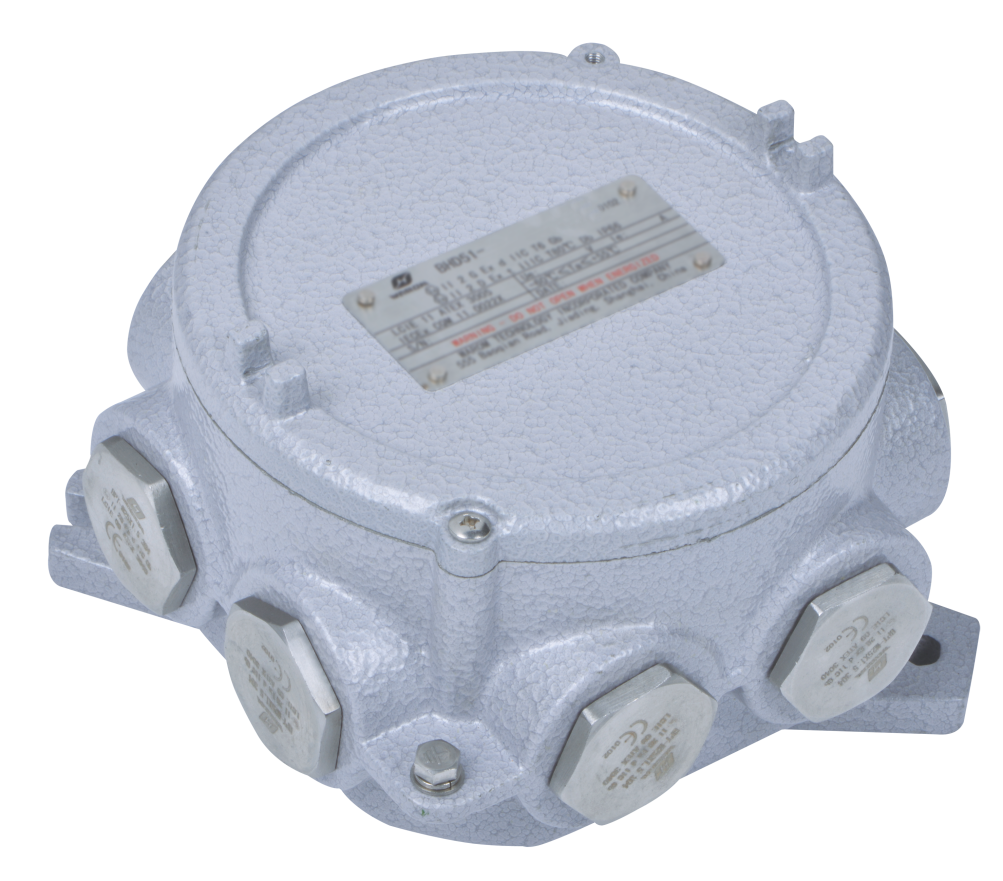
For additional perspective on hazardous area lighting approaches, consider reading 《Explosion Proof LED Lighting Solutions for Hazardous Areas》.
Why Compliance Failures Carry Serious Consequences
The stakes for non-compliance with explosion proof lighting standards extend beyond regulatory fines. Safety hazards represent the primary concern. Equipment that fails to contain ignition sources in explosive atmospheres can trigger catastrophic incidents. Worker injuries, fatalities, and facility destruction remain real possibilities when explosion protection fails.
Legal liability follows safety failures. Regulatory penalties can be substantial, but civil liability from incidents often exceeds regulatory fines by orders of magnitude. Insurance coverage may be voided if non-compliant equipment contributed to an incident. Operational shutdowns during investigations create additional financial pressure.
Warom’s commitment to safety, demonstrated through the “zero safety incidents” record on the Tilenga project, reflects our understanding of these stakes. Products like the BAY51-Q Explosion-proof Corrosion-proof Plastic Light Fitting are designed for durability and reliability in harsh conditions where failure isn’t acceptable. 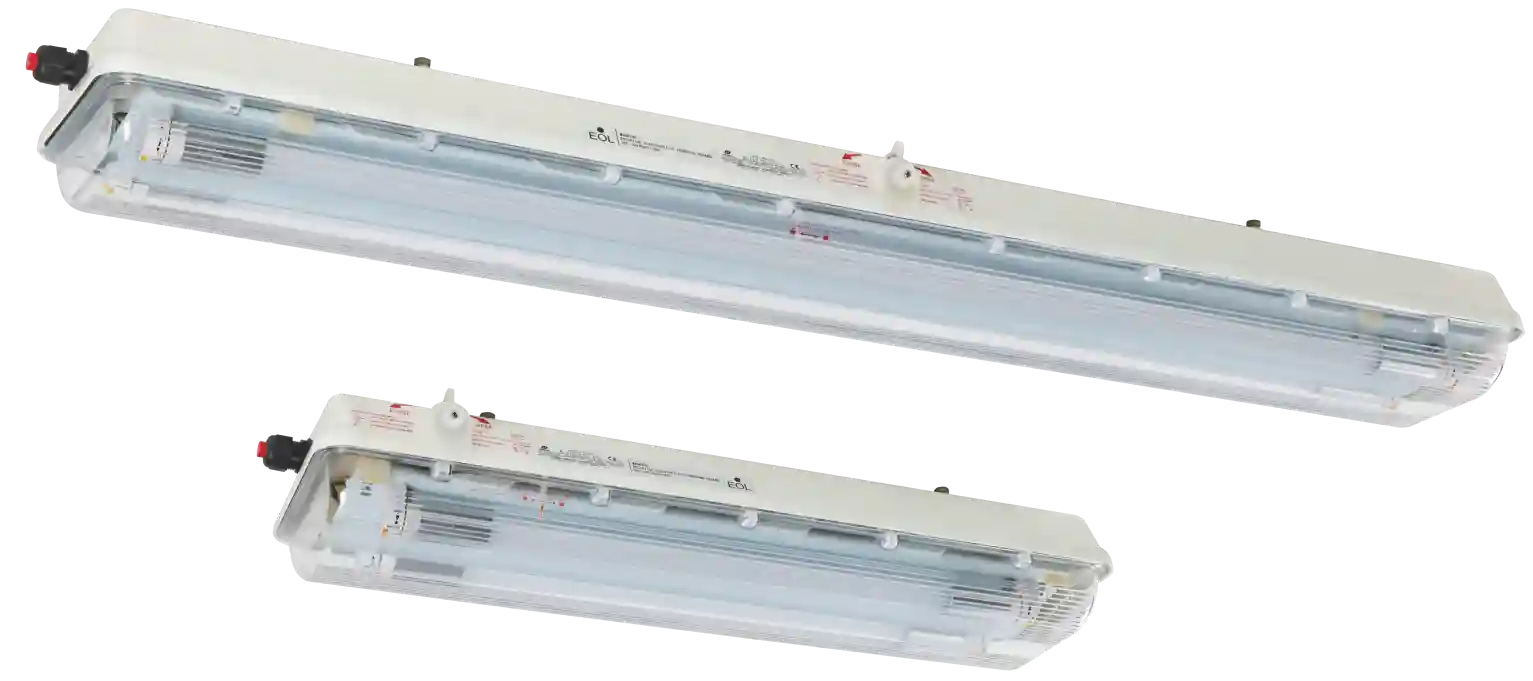
For critical applications requiring active warning capabilities, our BBJ86 Explosion-proof Audio and Visual Caution Spotlight Fitting provides robust alert functions. Supporting components matter too. Our DQM-III/II Series Explosion Proof Cable Glands maintain wiring system integrity, which is essential for overall explosion protection effectiveness.
Understanding how specific lighting solutions contribute to facility safety is worth exploring further in 《Ensuring Safety: The Indispensable Role of Explosion Proof Fluorescent Lamps》.
Partner with WAROM for 2025 Compliance
Ensure your operations meet the stringent 2025 explosion proof lighting standards. Partner with WAROM TECHNOLOGY INCORPORATED COMPANY, a leader in explosion-proof solutions since 1987. Our expertise in product R&D, manufacturing, and sales, backed by successful global projects like Tilenga and Fushilai Pharmaceutical, guarantees compliance, safety, and efficiency. Contact us today at +86 21 39977076 or gm*@***om.com for a comprehensive consultation and tailored explosion-proof lighting solutions.
Frequently Asked Questions
What separates ATEX certification from IECEx for explosion proof lighting?
ATEX is a European directive with legal force within EU member states. Equipment must carry ATEX certification to be sold or installed in Europe. IECEx operates as a voluntary international scheme without direct legal mandate, but its global acceptance makes it valuable for equipment destined for multiple markets. Many countries outside Europe and North America accept IECEx certification as the basis for national approvals, which reduces testing redundancy. For projects spanning multiple regions, understanding both frameworks is necessary because they use similar Zone classification systems but differ in legal status and geographic applicability.
Will the 2025 changes force upgrades to existing explosion proof lighting systems?
Possibly. The 2025 updates to explosion proof lighting standards may render some existing equipment non-compliant. Facilities should conduct compliance audits comparing current installations against updated classification requirements, temperature class specifications, and ingress protection ratings. Equipment installed under previous standards may lack the design margins to meet tightened requirements. Some installations may need only recertification or minor modifications, while others may require complete replacement. Planning for these possibilities before enforcement deadlines reduces operational disruption and emergency procurement costs.
What happens if a facility fails to comply with new explosion proof lighting standards?
Non-compliance creates multiple risk categories. Safety hazards increase because non-compliant equipment may fail to contain ignition sources in explosive atmospheres. Legal liability follows any incident involving non-compliant equipment, potentially exceeding regulatory fines significantly. Insurance coverage may be voided. Regulatory penalties can include substantial fines and operational shutdowns during investigations. Beyond immediate consequences, reputation damage affects customer relationships and employee recruitment. Compliance represents both a regulatory obligation and a practical necessity for maintaining safe, reliable operations in hazardous locations.
With over a decade of experience, he is a seasoned Explosion-Proof Electrical Engineer specializing in the design and manufacture of safety and explosion-proof products. He possesses in-depth expertise across key areas including explosion-proof systems, nuclear power lighting, marine safety, fire protection, and intelligent control systems. At Warom Technology Incorporated Company, he holds dual leadership roles as Deputy Chief Engineer for International Business and Head of the International R&D Department, where he oversees R&D initiatives and ensures the precise delivery of design documentation for international projects. Committed to advancing global industrial safety, he focuses on translating complex technologies into practical solutions, helping clients implement safer, smarter, and more reliable control systems worldwide.
Qi Lingyi