Working in environments where a single spark can trigger catastrophe changes how you think about equipment selection. I’ve seen projects stall for months because someone specified the wrong certification standard, and I’ve watched facilities operate flawlessly for decades because the initial equipment choices were right. The gap between ATEX and UL classifications isn’t just regulatory paperwork. It determines whether your explosion-proof lighting actually prevents ignition in the specific conditions your facility faces. Getting this wrong costs money. Getting it very wrong costs lives.
How Global Standards Define Hazardous Areas
Hazardous area classifications establish where explosive atmospheres might form, which then dictates what explosion-proof lighting you can legally and safely install. These aren’t arbitrary bureaucratic categories. They reflect decades of incident analysis and engineering research into how gases, vapors, and dusts behave under various conditions.
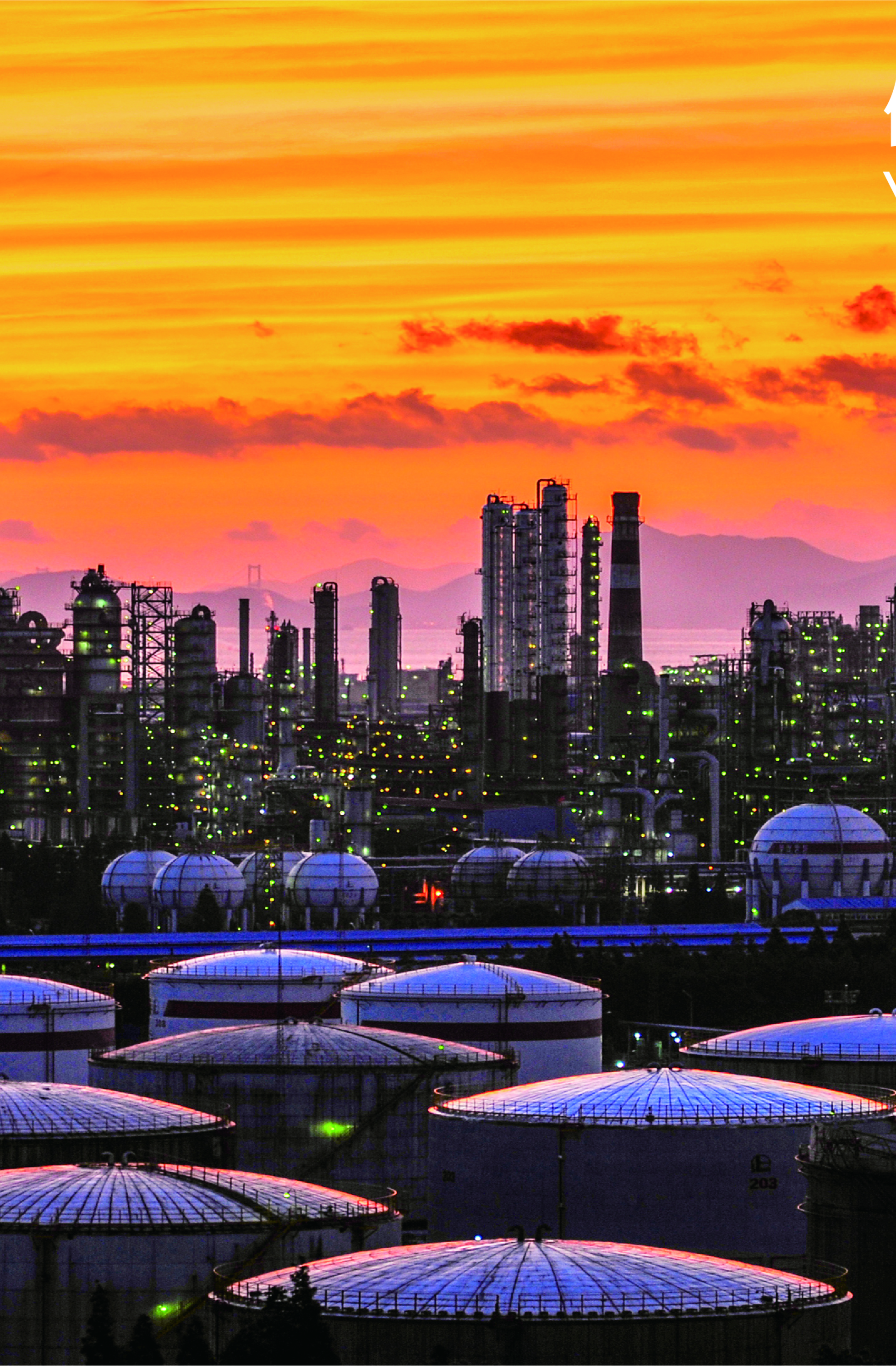
The classifications matter because they determine protection methods. A facility handling acetylene faces different ignition risks than one processing grain dust, and the explosion-proof lighting specifications reflect those differences. WAROM’s involvement in the Tilenga project in Uganda illustrates what proper certification achieves in practice: zero safety incidents across wellpads, a central processing facility, and pipelines, all operating within Murchison Falls National Park under extreme environmental conditions.
ATEX Directive Requirements in Europe
The ATEX Directive provides the legal framework controlling explosive atmospheres throughout the European Union. Directive 2014/34/EU specifically covers equipment and protective systems designed for potentially explosive atmospheres. This isn’t optional guidance. It’s binding law.
Notified bodies assess whether equipment meets ATEX certification requirements. Equipment categories range from Category 1, offering very high protection suitable for Zone 0 or Zone 20 environments, down to Category 3 for normal protection in Zone 2 or Zone 22 areas. Zone 0 indicates continuous presence of explosive gas atmospheres. Zone 1 means occasional presence. Zone 2 covers infrequent occurrence. The dust equivalents follow the same logic: Zone 20, 21, and 22.
Protection methods under ATEX include intrinsic safety, which limits electrical energy below ignition thresholds, and flameproof enclosures, which contain any internal explosion and prevent it from reaching the surrounding atmosphere.
UL Standards for North American Facilities
UL serves as the primary testing and certification organization for hazardous location equipment in the United States and Canada. UL classification differences follow National Electrical Code standards rather than the European directive approach.
The North American system classifies hazardous locations into Classes, Divisions, and Groups. Class I covers flammable gases and vapors. Class II addresses combustible dusts. Class III handles ignitable fibers and flyings. Divisions indicate probability: Division 1 means hazardous substances exist under normal operating conditions, while Division 2 indicates presence only under abnormal conditions.
Groups further subdivide materials by their ignition characteristics. Gas Groups A through D categorize substances from acetylene (most dangerous) through propane and similar materials. Dust Groups E through F cover metal dusts, carbonaceous dusts, and grain dusts respectively. Rigorous testing validates that hazardous location lighting meets these NEC requirements before certification.
Technical Differences That Affect Equipment Selection
The technical distinctions between ATEX and UL directly impact which explosion-proof lighting products work for your application. These aren’t interchangeable standards with different paperwork. They represent fundamentally different approaches to classifying hazards and defining protection.
| Feature | ATEX (European) | UL (North American) |
|---|---|---|
| Classification System | Zones (0, 1, 2 for gas; 20, 21, 22 for dust) | Classes (I, II, III), Divisions (1, 2), Groups (A-G) |
| Legal Basis | Directive (2014/34/EU) | Standards (e.g., NEC) |
| Protection Concepts | Ex d (flameproof), Ex e (increased safety), Ex i (intrinsic safety), Ex m (encapsulation) | Explosion-proof, Dust Ignition-proof, Intrinsic Safety |
| Equipment Grouping | Group I (mining), Group II (surface industries) | Gas Groups (A, B, C, D), Dust Groups (E, F, G) |
| Temperature Classes | T1-T6 | T1-T6 |
Zone Systems Versus Division Systems
ATEX zones define hazardous areas by how often explosive atmospheres occur and how long they persist. Zone 0 and Zone 20 indicate continuous or long-period presence. Zone 1 and Zone 21 cover likely occurrence during normal operations. Zone 2 and Zone 22 address situations where explosive atmospheres appear only briefly or under abnormal conditions.
UL’s Division system takes a different angle. Division 1 locations contain hazardous concentrations under normal operating conditions. Division 2 locations only reach hazardous concentrations during abnormal situations like equipment failure or accidental release.
Both systems recognize multiple explosion protection types. Flameproof enclosures, designated Ex d under ATEX, contain any internal explosion within the enclosure. The enclosure’s joints and surfaces cool escaping gases below ignition temperature before they reach the surrounding atmosphere. Intrinsic safety, Ex i, takes the opposite approach by limiting circuit energy so it cannot produce sparks or heat capable of ignition. Increased safety, Ex e, eliminates potential ignition sources through enhanced construction that prevents sparks and excessive surface temperatures.
Material Groups and Surface Temperature Limits
ATEX equipment groups separate mining applications (Group I) from surface industries (Group II). Within Group II, categories 1, 2, and 3 indicate protection levels corresponding to zone requirements. Category 1 equipment can operate in Zone 0 or Zone 20. Category 2 suits Zone 1 or Zone 21. Category 3 works for Zone 2 or Zone 22.
UL groups hazardous materials by ignition properties. Gas Groups A through D rank from most easily ignited (acetylene in Group A) to less sensitive materials (propane, methane in Group D). Dust Groups E, F, and G cover metal dusts, coal and carbon dusts, and grain dusts respectively.
Temperature classes T1 through T6 appear in both standards and indicate maximum equipment surface temperature. A T6 rating means the equipment surface stays below 85°C. A T1 rating allows surfaces up to 450°C. The rating must stay below the auto-ignition temperature of any hazardous substance present. Hydrogen sulfide ignites at 260°C, so equipment in areas with H2S exposure needs at least a T3 rating (200°C maximum surface temperature).
Practical Certification Selection for Projects
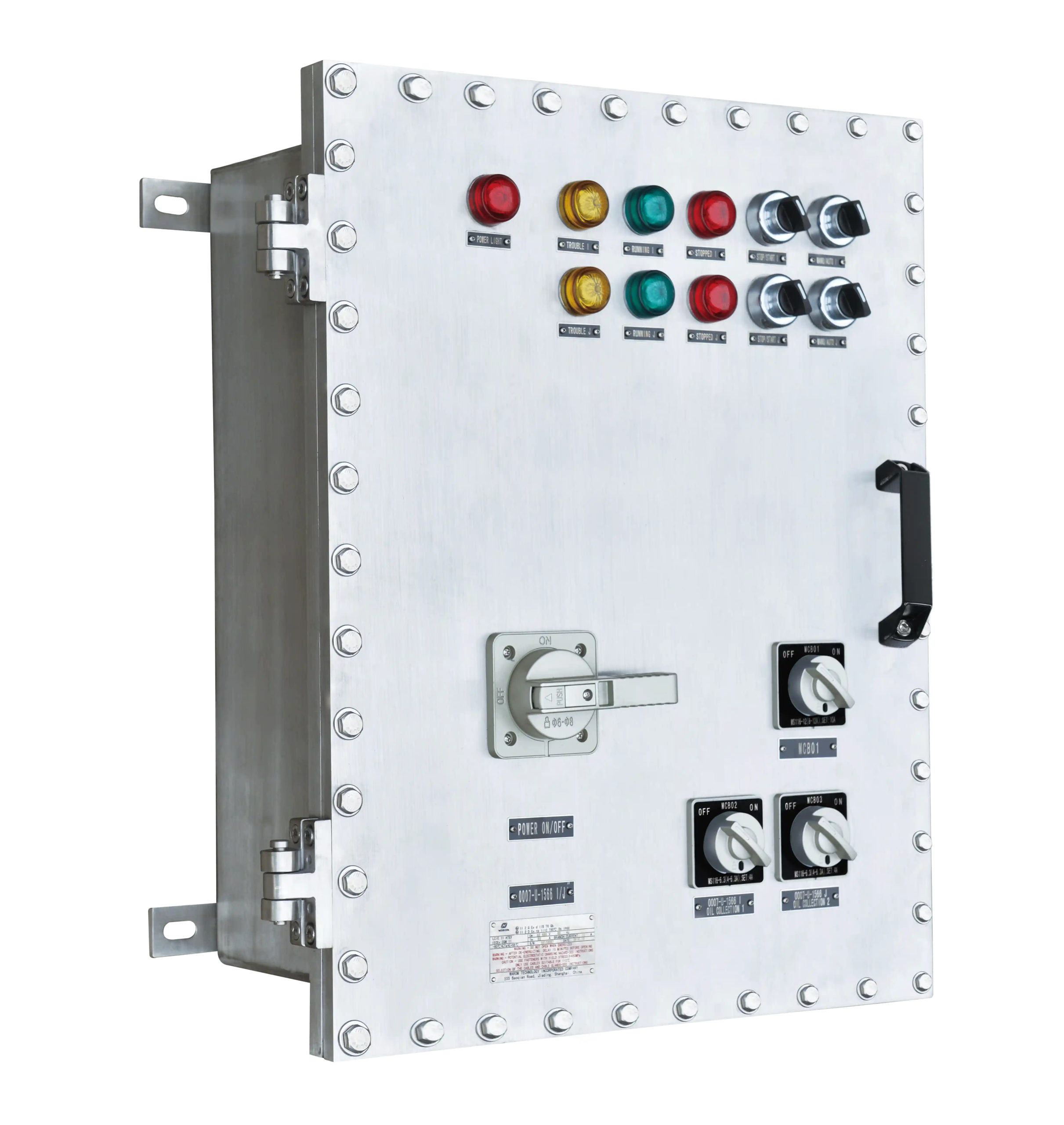
Navigating ATEX and UL certifications requires matching regulatory requirements to your specific location and application. WAROM’s work with General Paint in Mexico demonstrates this process. The chemical plant faced flammable gas and dust risks, and an on-site diagnosis revealed serious electrical safety hazards. The solution included gas detectors, plug and sockets, terminal boxes, and static electricity discharge devices, all selected to meet local certification requirements while addressing the facility’s specific hazard profile.
Matching Certification to Geographic and Regulatory Requirements
Geographic location largely determines which certification you need. ATEX certification is mandatory throughout the European Union. UL certification is standard for the United States and Canada. Projects outside these regions often accept either standard, though local regulations may specify preferences.
Global operations benefit from dual-certified products or IECEx certification. IECEx provides international recognition that often aligns with ATEX principles while facilitating acceptance across multiple jurisdictions. A refinery operating facilities in Europe, North America, and Southeast Asia might standardize on IECEx-certified explosion-proof lighting to simplify procurement and spare parts inventory.
Industry-specific regulations sometimes add requirements beyond geographic standards. Pharmaceutical manufacturing, offshore oil and gas, and mining operations may impose additional certification or testing requirements. The Fushilai Pharmaceutical CM/CDMO Construction Project required explosion-proof equipment including distribution boxes for workshops, warehouses, and tank farms, with specifications driven by both regional standards and pharmaceutical industry requirements.
Installation Quality Determines Real-World Safety
Certification establishes that equipment can provide protection under specified conditions. Installation determines whether that protection actually exists in your facility. Improper installation of correctly certified explosion-proof lighting creates the same hazards as installing uncertified equipment.
WAROM’s BAT86 Explosion-proof LED Floodlights and BAY51-Q Explosion-proof Corrosion-proof Plastic Light Fitting are designed for low maintenance and reliability, but even robust equipment requires proper installation. Cable entries must maintain the enclosure’s integrity. Mounting must prevent vibration damage. Electrical connections must meet the protection concept’s requirements.
Routine inspections verify that installation quality persists over time. Gaskets degrade. Fasteners loosen. Corrosion attacks enclosures. The Tilenga project maintained zero safety incidents partly because inspection and maintenance protocols matched the equipment’s certification requirements. Regular electrical safety audits catch degradation before it creates hazards.
For more insights into maintaining safety with specialized lighting, consider reading 《Explosion Proof LED Lighting Solutions for Hazardous Areas》.
WAROM’s Track Record in Hazardous Environments
WAROM TECHNOLOGY INCORPORATED COMPANY has manufactured certified explosion-proof lighting and electrical systems since 1987. That experience spans multiple industries, certification standards, and operating conditions.
The Tilenga project in Uganda required explosion-proof lighting and electrical systems for wellpads, a central processing facility, and pipelines within a national park. Environmental sensitivity added constraints beyond standard industrial requirements. The installation achieved zero safety incidents while meeting energy efficiency, low maintenance, and reliability targets under extreme conditions.
General Paint’s Mexican chemical plant presented different challenges. Flammable gas and dust risks existed throughout the facility, and initial assessment revealed serious electrical safety hazards. The customized solution integrated gas detectors with explosion-proof electrical equipment including plugs, sockets, terminal boxes, and static discharge devices. The project prevented potential fires and established WAROM products within General Paint’s ongoing procurement system.
Pharmaceutical manufacturing at Fushilai required explosion-proof distribution boxes across multiple facility areas. Early coordination and professional support ensured the project met quality and schedule requirements while expanding WAROM’s presence in the pharmaceutical sector.
Frequently Asked Questions About Explosion Proof Lighting Standards
What makes ATEX and UL certifications fundamentally different?
ATEX operates as European Union law under Directive 2014/34/EU, using Zones and Equipment Categories to classify hazards and protection levels. UL functions as a standards-based system following the National Electrical Code, using Classes, Divisions, and Groups. The classification methodologies differ substantially. ATEX zones focus on how often explosive atmospheres occur. UL divisions distinguish between normal and abnormal operating conditions. Both achieve the same goal of preventing ignition, but through different analytical frameworks and testing protocols.
How do zone and division ratings translate when selecting explosion-proof lighting?
Zone and division ratings determine minimum protection requirements for explosion-proof lighting. ATEX Zone 0 and Zone 1 roughly correspond to UL Division 1, while ATEX Zone 2 aligns more closely with UL Division 2. However, direct equivalence doesn’t exist because the classification criteria differ. A floodlights certified for Zone 1 installation meets different test criteria than one certified for Division 1. Facilities operating under both standards typically need dual-certified equipment or separate product lines for different regions.
Which certification applies to facilities outside Europe and North America?
Facilities outside the EU and North America often have flexibility in certification acceptance. IECEx certification provides international recognition and frequently aligns with ATEX principles, making it useful for global operations. Some countries adopt ATEX standards directly. Others accept UL certification. Local regulations and project specifications ultimately determine requirements. Middle Eastern oil and gas projects often accept IECEx or ATEX. Asian manufacturing facilities may accept any major certification. Always verify local requirements before specifying electrical equipment for international projects.
Partner with WAROM for Hazardous Area Safety
Ensure the highest safety and compliance for your hazardous environments. Partner with WAROM TECHNOLOGY INCORPORATED COMPANY, a leader in explosion-proof solutions since 1987. Contact us today for expert consultation on ATEX and UL certified lighting and electrical systems tailored to your specific project needs. Email: gm*@***om.com | Tel: +86 21 39977076
With over a decade of experience, he is a seasoned Explosion-Proof Electrical Engineer specializing in the design and manufacture of safety and explosion-proof products. He possesses in-depth expertise across key areas including explosion-proof systems, nuclear power lighting, marine safety, fire protection, and intelligent control systems. At Warom Technology Incorporated Company, he holds dual leadership roles as Deputy Chief Engineer for International Business and Head of the International R&D Department, where he oversees R&D initiatives and ensures the precise delivery of design documentation for international projects. Committed to advancing global industrial safety, he focuses on translating complex technologies into practical solutions, helping clients implement safer, smarter, and more reliable control systems worldwide.
Qi Lingyi