Picking the right explosion proof lighting matters more than most people realize until something goes wrong. The hazards identified at General Paint showed just how quickly improper electrical safety can turn dangerous. WAROM TECHNOLOGY INCORPORATED COMPANY brings decades of experience in hazardous environment solutions, offering diagnostic capabilities and customized systems that actually address these risks.
Understanding Hazardous Area Classifications for Paint Booths
Getting the hazardous area classification right is where everything starts. These classifications tell you how likely flammable vapors or dust are to show up in a given space, which then determines what level of protection your electrical equipment needs. Paint booths usually fall under Class I for flammable gases and vapors or Class II for combustible dusts. From there, you break things down further into Divisions based on how likely hazardous conditions are to occur, or Zones based on how often and how long they persist.
Our work on the Tilenga project in Uganda drove this point home. Precise classification wasn’t just paperwork. It was the foundation for achieving zero safety incidents across a complex operation. When you get the classification wrong, you end up with equipment that either can’t handle the environment or costs far more than necessary. When you get it right, you install only what’s actually needed and nothing becomes an ignition source.
What are the specific safety standards for lighting in paint booths?
Several safety standards govern what you can put in a paint booth. ATEX covers Europe, UL handles North America, and IECEx provides international certification frameworks. Each defines construction requirements, testing protocols, and certification criteria for explosion-proof equipment. NFPA 33 gets more specific about ventilation and electrical safety for spray applications involving flammable or combustible materials.
WAROM’s work with Fushilai Pharmaceutical demonstrated what rigorous adherence to these standards looks like in practice. Meeting global compliance mandates isn’t optional when personnel and assets are on the line.
Key Technical Specifications for Explosion Proof Light Fixtures
Choosing the right explosion proof light fixtures means understanding several technical specifications that determine whether a fixture will actually work in your environment. Temperature ratings, expressed as T-codes, tell you the maximum surface temperature a fixture can reach. That number has to stay below the auto-ignition temperature of whatever hazardous substance you’re dealing with. Get this wrong and you’ve created exactly the ignition source you were trying to avoid.
IP ratings indicate how well a fixture resists dust and water ingress. Paint booth environments demand high ratings because maintaining fixture integrity over time depends on keeping contaminants out. Material compatibility matters too. Paint solvents and other chemicals can corrode fixtures that aren’t designed to resist them.
WAROM’s product development addresses all of these concerns. The BAT86 Explosion-proof LED Floodlights and BAY51-Q Explosion-proof Corrosion-proof Plastic Light Fitting were built for severe environments where moisture, vibration, and corrosion are constant challenges.
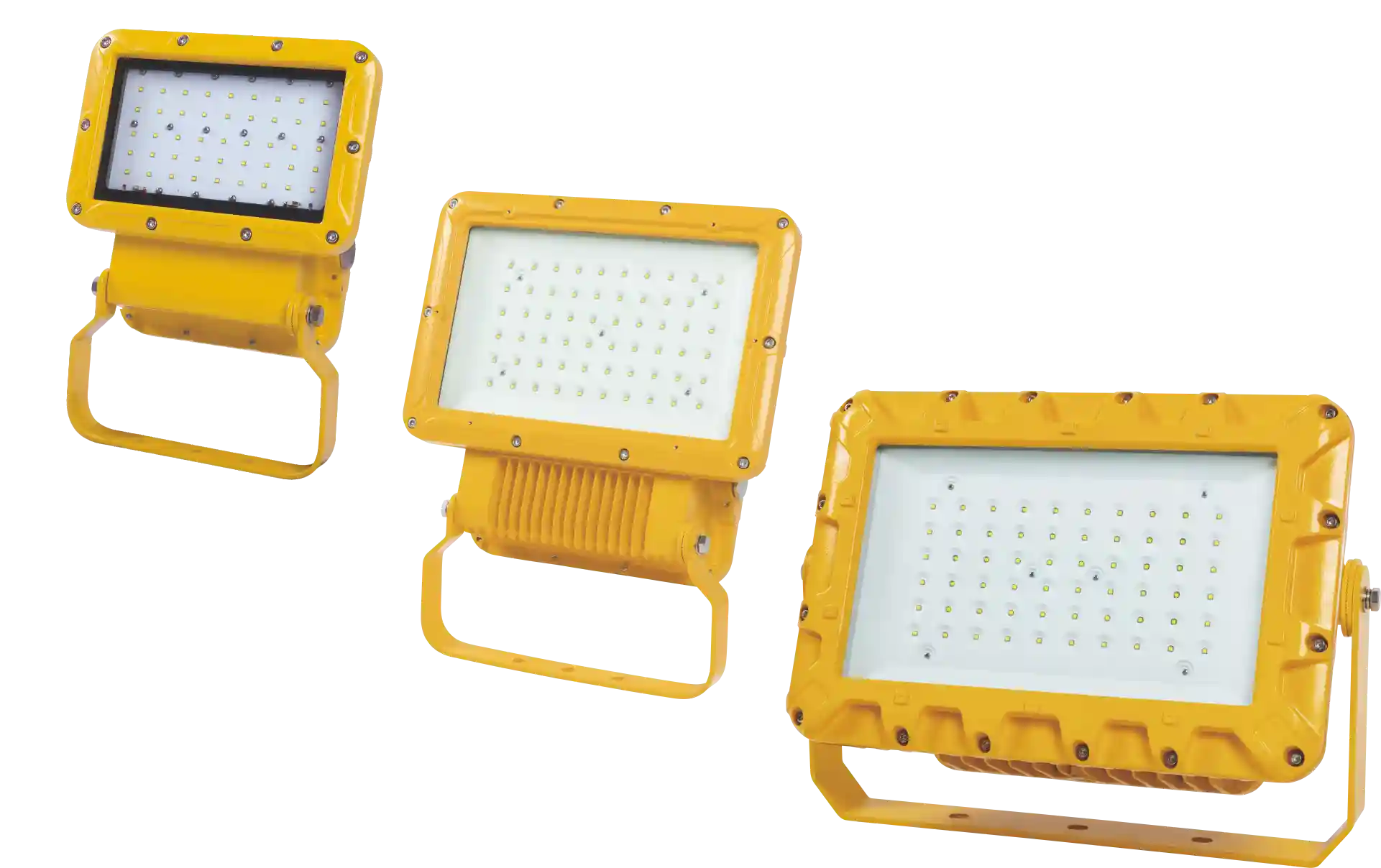
| Feature | Explosion Proof LED Lighting (e.g., HRNT95) | Traditional Explosion Proof Lighting (e.g., Fluorescent) |
|---|---|---|
| Energy Efficiency | High | Moderate |
| Lifespan | Long (e.g., 50,000+ hours) | Shorter (e.g., 10,000-20,000 hours) |
| Maintenance | Low | Higher (bulb replacement) |
| Durability | High (solid-state) | Moderate (fragile tubes) |
| Heat Output | Low | Higher |
| Instant On/Off | Yes | No (warm-up time) |
Optimizing Performance and Longevity in Hazardous Environments
Getting good performance and long life out of explosion-proof lighting in paint booths comes down to selecting solutions that balance durability with efficiency. Energy-efficient fixtures with low maintenance requirements reduce operational costs while improving safety. LED technology offers clear advantages here. Longer lifespan and lower power consumption compared to traditional options make a real difference over time.
The Tilenga project showed what’s possible even under extreme environmental conditions. Energy efficiency and low maintenance weren’t just nice features. They were operational necessities. Robust construction and advanced thermal management kept fixtures performing reliably throughout the project.
What is the lifespan and maintenance of explosion-proof LED fixtures?
Explosion-proof LED fixtures typically last between 50,000 and 100,000 hours. That’s a significant jump over traditional lighting and translates directly to fewer maintenance interventions. Every time someone enters a hazardous area to replace a fixture, there’s risk involved. Reducing those entries matters.
WAROM’s led light fittings are engineered with this in mind. Long-term performance reduces downtime and operational expenses. That said, regular inspections following manufacturer guidelines remain necessary. Ongoing integrity and compliance require verification even with the most reliable equipment.
Installation and Integration Best Practices for Paint Booth Lighting
How you install and integrate explosion-proof lighting determines whether it actually delivers the safety it promises. Specific wiring practices, correct grounding procedures, and proper integration with existing electrical systems all matter. Every component needs certification for the hazardous area classification. That includes the light fittings themselves along with cable glands and terminal boxes.
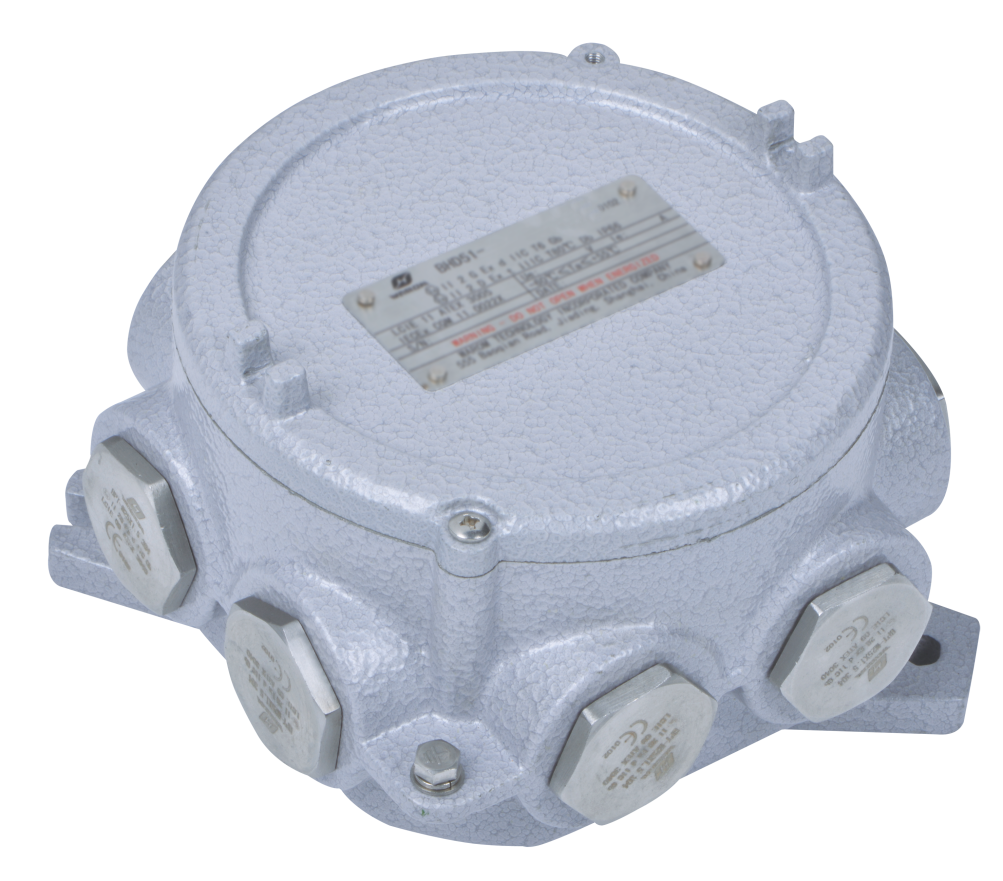
WAROM provides comprehensive solutions covering every connection point. Explosion-proof plugs and junction boxes like the BHD91 Series maintain safety integrity throughout the system. Our experience at General Paint reinforced why professional installation matters. The customized explosion-proof solutions we provided there prevented electrical hazards and ensured system reliability because every detail received proper attention.
Partnering with Experts for Compliant and Safe Lighting Solutions
Hazardous area lighting involves enough complexity that working with experienced professionals makes a real difference. Expert consultation ensures your paint booth lighting solutions meet compliance requirements while being optimally designed for your specific operations. WAROM provides full-service capabilities covering everything from initial site diagnosis through implementation of customized solutions.
The General Paint project illustrated this approach well. Our on-site diagnosis identified critical electrical safety hazards that needed addressing. The tailored explosion-proof solution that followed improved safety significantly and integrated our products into their procurement system. Beyond preventing potential incidents, this kind of engagement builds trust and creates replicable models for industrial safety going forward.
How do I determine the appropriate hazardous area classification for my paint booth?
Proper classification requires a thorough site assessment conducted by certified experts. The assessment evaluates what flammable materials you use, how much of them, your ventilation systems, and where potential release points exist. Consulting with specialists provides guidance that’s hard to replicate through general research alone.
WAROM’s diagnostic services help classify environments accurately. This ensures all installed equipment, including illumination distribution boxes, meets the safety standards and regulations that apply to your specific situation.
Frequently Asked Questions About Explosion Proof Paint Booth Lighting
What is the difference between explosion-proof and intrinsically safe lighting for paint booths?
Explosion-proof lighting contains any internal explosion so it can’t ignite the external hazardous atmosphere. Intrinsically safe lighting takes a different approach. It limits electrical and thermal energy to levels that simply can’t cause ignition in the first place. Both offer protection but serve different purposes. Explosion-proof fixtures handle higher power applications with their robust construction. Intrinsically safe systems work better for low-power instrumentation in hazardous zones.
Can standard LED lights be used in a paint booth if they are enclosed?
No. Standard LED lights don’t belong in paint booths even with enclosures unless they carry specific explosion-proof or hazardous location certification. Standard enclosures won’t prevent internal sparks or heat from igniting flammable vapors. Only certified fixtures that have been designed and tested to rigorous safety standards provide the protection these environments require.
How often should explosion-proof paint booth lights be inspected or replaced?
Regular inspections should happen annually or semi-annually following manufacturer guidelines and regulatory requirements. Replacement timing depends on the fixture’s rated lifespan. LEDs typically run 50,000 to 100,000 hours before replacement becomes necessary. If inspections reveal damage, corrosion, or any compliance issues, prompt replacement maintains safety integrity regardless of how many hours remain on the fixture.
Partner with WAROM for Uncompromising Safety
WAROM TECHNOLOGY INCORPORATED COMPANY has been leading explosion-proof solutions since 1987. We offer expertise, innovative products, and comprehensive support to ensure your hazardous environments meet the highest safety and performance standards. Contact our specialists for a professional consultation. Our tailored explosion-proof lighting and electrical systems can secure your operations and give you confidence that safety isn’t being left to chance.
Tel: +86 21 39977076 | Email: gm*@***om.com
With over a decade of experience, he is a seasoned Explosion-Proof Electrical Engineer specializing in the design and manufacture of safety and explosion-proof products. He possesses in-depth expertise across key areas including explosion-proof systems, nuclear power lighting, marine safety, fire protection, and intelligent control systems. At Warom Technology Incorporated Company, he holds dual leadership roles as Deputy Chief Engineer for International Business and Head of the International R&D Department, where he oversees R&D initiatives and ensures the precise delivery of design documentation for international projects. Committed to advancing global industrial safety, he focuses on translating complex technologies into practical solutions, helping clients implement safer, smarter, and more reliable control systems worldwide.
Qi Lingyi