
Selecting the right IP68 outdoor junction box determines whether your electrical system survives harsh conditions or fails when you need it most. These enclosures do more than keep water out—they maintain circuit integrity under continuous submersion and block even the finest dust particles from reaching sensitive components. Getting this decision wrong means premature equipment failure, safety hazards, and costly replacements. Getting it right means years of reliable operation with minimal intervention.
What IP68 Actually Means for Industrial Electrical Protection
The IP rating system assigns two numbers to enclosures based on their resistance to solid particles and liquids. With an IP68 outdoor junction box, both numbers represent the highest protection levels available for industrial use.
That first “6” means complete dust protection. No particles enter the enclosure regardless of external conditions or exposure duration. The second “8” indicates protection against continuous water submersion beyond one meter depth for extended periods. This distinction matters because IP67—the next rating down—only guarantees protection during temporary immersion, typically one meter for thirty minutes.
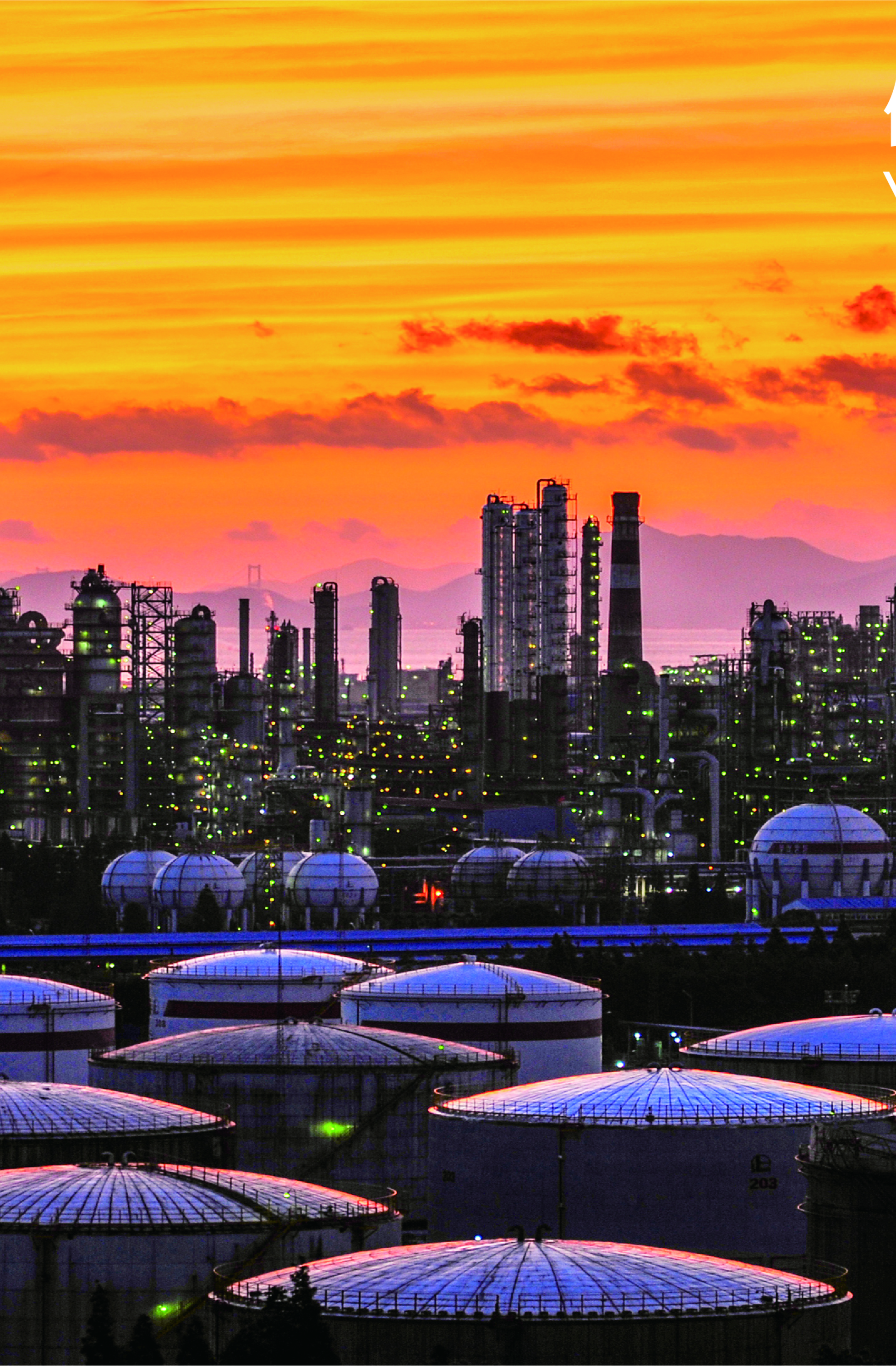
Manufacturers earning IP68 certification subject their enclosures to rigorous testing protocols. Test units spend extended periods underwater, often at depths exceeding one meter, while engineers verify seal integrity under sustained hydrostatic pressure. The Tilenga oil and gas development in Uganda demonstrates why this matters in practice. WAROM supplied explosion-proof lighting and electrical systems for that project, where equipment faces heavy rainfall and potential flooding conditions. Those systems have maintained zero safety incidents because the IP68 sealing performs exactly as tested.
The specific depth and duration for IP68 testing varies by manufacturer, but the requirements always exceed IP67 standards. For submersible junction box applications in critical infrastructure, this continuous immersion protection is non-negotiable.
What Separates IP67 from IP68 in Outdoor Applications
IP67 handles temporary water exposure well—rain, splashes, brief flooding. IP68 handles permanent or recurring submersion. If your equipment might sit underwater indefinitely or face high-pressure washdowns regularly, IP67 falls short.
| Feature | IP67 | IP68 |
|---|---|---|
| Dust Protection | Complete (No ingress) | Complete (No ingress) |
| Water Protection | Temporary immersion (1m, 30 min) | Continuous submersion (depth/time specified) |
| Application | Rain, splashes, temporary wet conditions | Submersible, high-pressure washdowns, continuous wet environments |
Choosing Materials That Survive Real-World Conditions
Material selection shapes how long your IP68 outdoor junction box lasts and how well it performs. Different industrial environments attack enclosures in different ways—corrosion, UV degradation, mechanical impact—and each material responds differently.
Stainless steel, particularly 316L grade, excels in marine and chemical environments where corrosion resistance matters most. The material also absorbs mechanical impacts that would crack lesser enclosures. The tradeoffs are weight and cost, both higher than alternatives.
Reinforced polycarbonate handles UV exposure well and resists impact forces at a lower weight and price point than stainless steel. For many outdoor installations, it strikes the right balance between protection and practicality.
Aluminum with anodized or powder-coated finishes offers another middle ground. The material dissipates heat effectively—useful when internal components generate warmth—while providing reasonable corrosion resistance at moderate cost.
Real applications illustrate these choices. At General Paint facilities, where flammable gases and corrosive chemicals are present, junction boxes must withstand aggressive chemical exposure without degrading. Material selection there prioritizes chemical resistance above other factors. Pharmaceutical facilities like Fushilai present different demands—cleanliness and material stability matter more than chemical resistance. The BHD91 Series Explosion-proof Junction Boxes use high-strength copper-free aluminum alloy, delivering both robustness and corrosion resistance with IP66 protection.
| Material Type | Corrosion Resistance | UV Stability | Impact Strength | Cost |
|---|---|---|---|---|
| Stainless Steel (316L) | Excellent | Excellent | High | High |
| Reinforced Polycarbonate | Good | Excellent | Medium-High | Medium |
| Aluminum (Coated) | Good | Good | Medium | Medium-Low |
Design Features That Prevent Field Failures
The IP68 rating and material choice establish baseline protection. Specific design features determine whether the enclosure performs reliably over years of service or develops problems that compromise safety.
Cable entry glands represent the most vulnerable points on any enclosure. For an IP68 outdoor junction box, these glands must carry their own IP68 rating. They create watertight and dust-tight seals around incoming cables, and any weakness here defeats the entire enclosure’s protection. WAROM’s DQM-III/II Series Explosion Proof Cable Glands maintain IP66 protection, providing robust electrical conduit sealing when installed correctly.
Internal mounting options—plates, DIN rails, structured cable management—simplify installation while reducing the risk of accidental damage or disconnections. Organized internal layouts make maintenance faster and reduce the chance of errors during service work.
Ventilation seems counterintuitive for a submersible enclosure, but temperature fluctuations cause condensation inside sealed boxes. Anti-condensation features like breathers or specialized coatings prevent moisture buildup that leads to electrical failures over time.
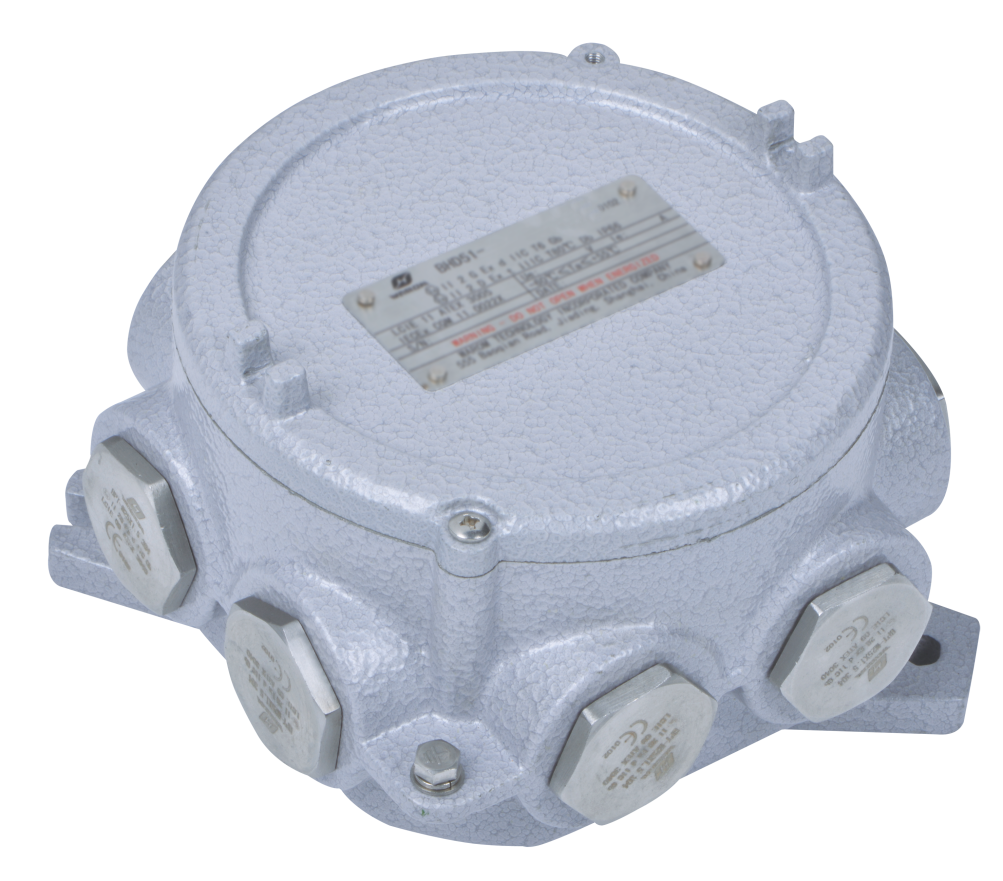
Security mechanisms protect against unauthorized access. Tamper-proof fasteners and locking systems matter particularly in hazardous area electrical systems where improper access creates explosion risks. The BXJ8050 Series Terminal Boxes incorporate anti-static coating and anti-loosening fasteners, preventing internal ignition sources while maintaining secure closure.
For additional insights into ensuring safety in demanding environments, consider exploring our article on 《Explosion Proof LED Lighting Solutions for Hazardous Areas》.
Meeting Certification Requirements for Hazardous Locations
Certifications verify that an IP68 outdoor junction box meets safety and performance standards established by regulatory bodies. In hazardous industrial settings, these certifications are mandatory rather than optional.
ATEX certification applies throughout the European Union for equipment used in potentially explosive atmospheres. IECEx provides globally recognized standards for the same applications. UL certification covers North American requirements. Each certification specifies design, testing, and manufacturing requirements that manufacturers must satisfy.
ATEX certified junction boxes are required wherever flammable gases, vapors, mists, or combustible dusts might be present. IECEx electrical enclosures provide acceptance across international boundaries, simplifying procurement for multinational operations.
WAROM’s project history demonstrates compliance in practice. The Tilenga project required explosion-proof lighting and electrical systems meeting global safety standards. Fushilai Pharmaceutical needed certified distribution boxes for workshops and tank farms in a heavily regulated industry. Products like the BCZ8060 Series Explosion-proof Plugs and Sockets carry IECEx, ATEX, and CU-TR certifications, reflecting the industrial electrical safety compliance that these applications demand.
| Certification | Scope | Key Focus | Example WAROM Product |
|---|---|---|---|
| ATEX | European Union | Equipment for potentially explosive atmospheres | BCZ8060 Plugs & Sockets |
| IECEx | International | Global standard for explosive atmospheres | BCZ8060 Plugs & Sockets |
| UL | North America | Safety science, product certification | (Not specified here) |
Installation Practices That Preserve IP68 Protection
An IP68 outdoor junction box only maintains its rating when installed correctly. Improper installation compromises sealing, leading to premature failure and safety hazards that the enclosure was designed to prevent.
Focus on cable glands during installation. These components must be tightened to manufacturer specifications—not tighter, not looser. Over-tightening damages seals. Under-tightening allows water and dust ingress. Use the correct gland size for each cable diameter.
Cable management inside and around the enclosure prevents strain on connections. Organized routing reduces the risk of accidental disconnections and makes future maintenance easier. Secure mounting minimizes vibration and external stresses that degrade enclosure integrity over time.
Routine inspection catches problems before they cause failures. Check gaskets for wear, compression set, or cracking. Verify that fasteners remain secure and cable glands stay tight. Look for corrosion, physical damage, or UV degradation. Regular cleaning prevents dust and debris accumulation that could compromise seals or cause overheating.
The General Paint project illustrated these principles clearly. Addressing existing electrical safety hazards through customized solutions—including properly installed explosion-proof junction boxes—prevented potential fires and explosions. That proactive approach has maintained zero safety incidents while extending equipment operational life.
Achieving Reliable Seals Against Water and Dust
Inspect gaskets for cracks or compression set before installation and during routine maintenance. Match cable glands to cable diameters precisely, tightening to manufacturer-specified torque values. Seal all unused entries with IP68-rated plugs. These steps preserve the protection that the IP68 rating promises.
Partner with WAROM TECHNOLOGY for Unwavering Safety
Ensure the unwavering safety and operational integrity of your critical infrastructure. For expert guidance on selecting and implementing IP68 outdoor junction boxes and comprehensive explosion-proof electrical solutions tailored to your unique industrial demands, contact WAROM TECHNOLOGY. Leverage our decades of experience and proven track record in the most challenging environments, from oil & gas to pharmaceuticals. Partner with us for reliable, compliant, and high-performance electrical systems. Reach out to our technical specialists today for a consultation or to explore our certified product range.
Email: gm*@***om.com
Tel: +86 21 39977076 +86 21 39972657
Frequently Asked Questions About IP68 Outdoor Junction Boxes
What materials are best for outdoor junction boxes in extreme environments?
Marine-grade stainless steel (316L) handles corrosive environments best, particularly coastal or chemical processing locations. Reinforced fiberglass and high-grade polycarbonate resist UV degradation and mechanical impact while costing less than stainless steel. The right choice depends on what your environment throws at the enclosure—chemical exposure, temperature swings, physical abuse, or some combination. Match the material to the specific threats your installation faces.
How often should IP68 outdoor junction boxes be inspected for integrity?
Harsh environments—high corrosion, significant vibration, extreme temperature fluctuations—warrant quarterly or semi-annual inspections. Milder conditions may only require annual checks. Focus inspection efforts on gasket condition, cable gland tightness, enclosure integrity, and any signs of corrosion or UV damage. These are the failure points that compromise IP68 protection over time.
Can standard electrical components be used inside an IP68 outdoor junction box?
The IP68 rating protects enclosure contents from water and dust, not from temperature extremes, humidity, or hazardous atmospheres inside the box. Internal components must be rated for the actual operating conditions—temperature range, humidity levels, and any explosion-proof requirements if the location is classified as hazardous. The enclosure provides environmental isolation, but component selection must address what happens inside that protected space.
With over a decade of experience, he is a seasoned Explosion-Proof Electrical Engineer specializing in the design and manufacture of safety and explosion-proof products. He possesses in-depth expertise across key areas including explosion-proof systems, nuclear power lighting, marine safety, fire protection, and intelligent control systems. At Warom Technology Incorporated Company, he holds dual leadership roles as Deputy Chief Engineer for International Business and Head of the International R&D Department, where he oversees R&D initiatives and ensures the precise delivery of design documentation for international projects. Committed to advancing global industrial safety, he focuses on translating complex technologies into practical solutions, helping clients implement safer, smarter, and more reliable control systems worldwide.

Qi Lingyi