
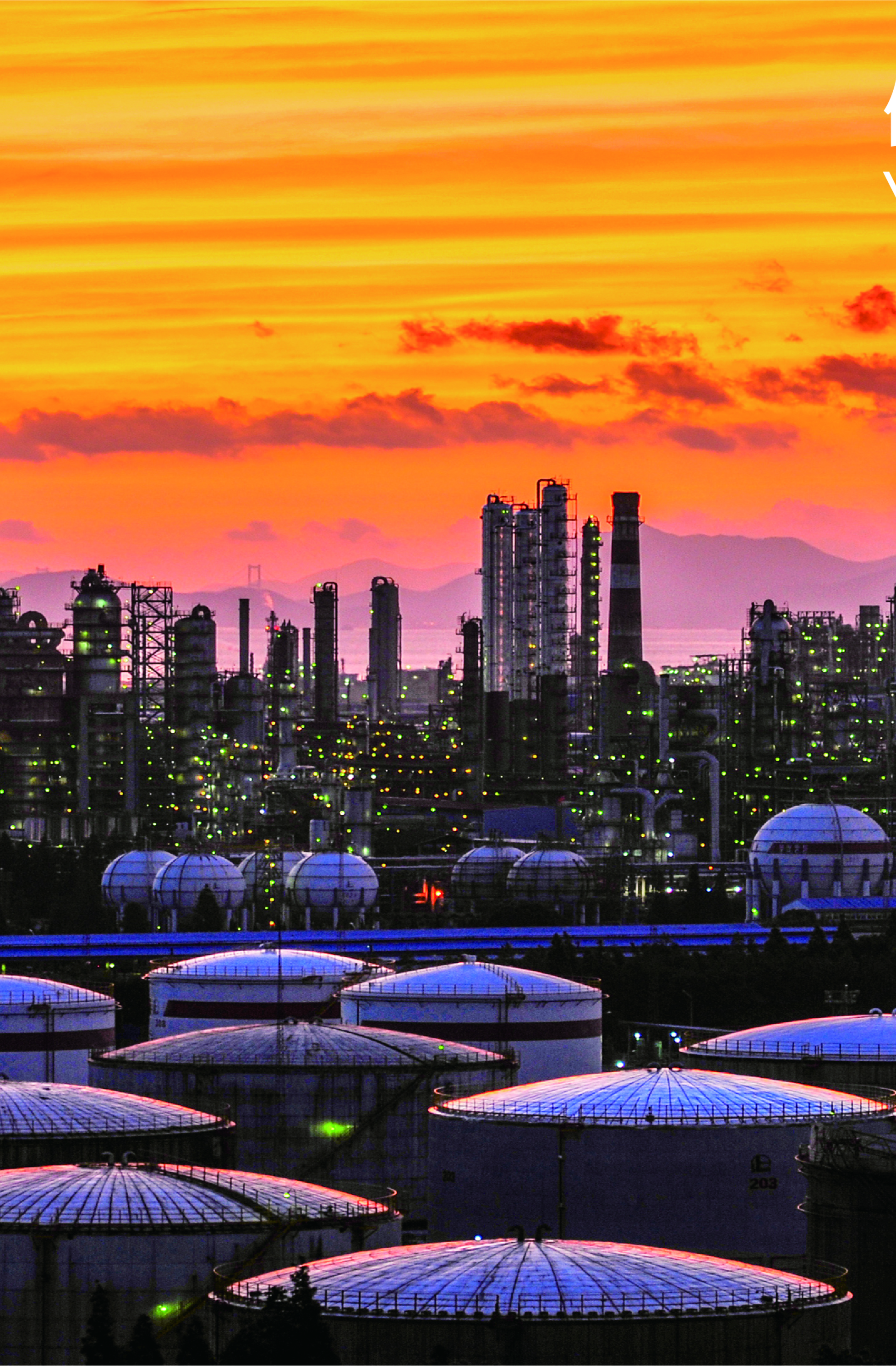
Temporary construction lighting shapes how safely and efficiently a job site runs. When illumination falls short, workers face higher accident risks, tasks take longer, and mistakes multiply. This piece covers what matters most when choosing, installing, and maintaining temporary lighting, especially where hazardous conditions demand extra care.
Why Temporary Construction Site Lighting Matters More Than You Think
Good temporary construction lighting does more than help people see what they’re doing. Poor lighting leads directly to trips, falls, and equipment collisions. It also makes precision work nearly impossible, which means rework and schedule slippage. During the Tilenga project in Uganda, strategic placement of explosion-proof lighting and electrical systems helped achieve zero safety incidents, even within the ecologically sensitive Murchison Falls National Park. That outcome wasn’t luck. It came from treating temporary construction lighting as a core safety system rather than an afterthought.
Safety Standards and Certifications That Actually Matter
Hazardous environments demand temporary construction lighting that won’t ignite flammable gases, vapors, dusts, or fibers. Three certification frameworks dominate: ATEX covers European compliance, IECEx provides international recognition, and NEC addresses North American requirements. Each framework specifies what fixtures can operate in different hazardous zone classifications. The General Paint project illustrated what happens when these standards get ignored. Electrical safety hazards there required a customized explosion-proof solution, including specialized temporary construction lighting, to eliminate fire and explosion risks.
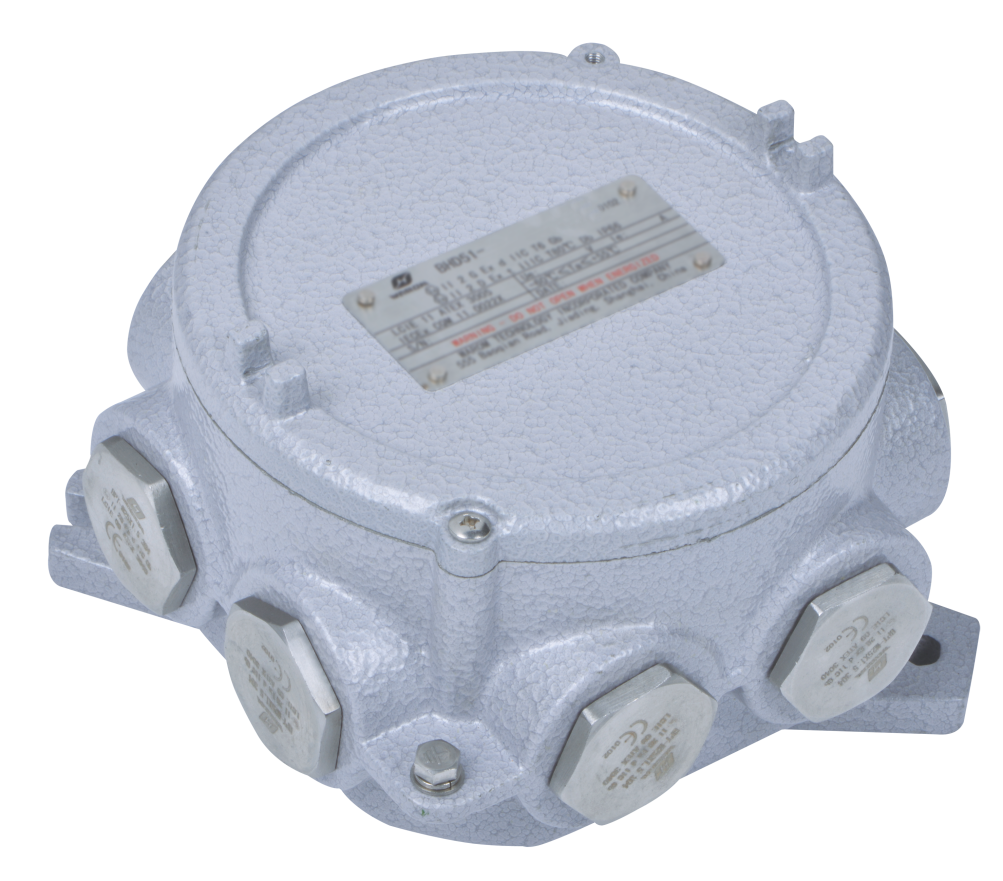
Matching Explosion-Proof Temporary Lighting to Your Conditions
Selecting the right explosion-proof temporary luminaires means understanding what your site actually throws at equipment. Dust, gas, moisture, temperature extremes, and physical impacts all factor in. LED temporary construction lighting tends to win on durability and energy consumption. Fluorescent options like the BAY51-Q Explosion-proof Corrosion-proof Plastic Light Fitting still make sense for certain applications. For sites with severe conditions, fixtures like the BAT86 Explosion-proof LED Floodlights deliver corrosion resistance, vibration tolerance, and moisture protection that keeps them running when lesser equipment fails.
| Feature | LED Temporary Lighting | Fluorescent Temporary Lighting |
|---|---|---|
| Energy Efficiency | High | Medium |
| Lifespan | Very Long | Long |
| Durability | High (Resistant to shock, vibration) | Medium (Glass tubes are fragile) |
| Hazardous Areas | Excellent (Available in explosion-proof variants) | Good (Available in explosion-proof variants) |
| Instant On | Yes | No (May flicker or warm up) |
| Maintenance | Low | Moderate (Frequent bulb replacement) |
Getting More From Your Temporary Construction Lighting Investment
Safety compliance is the baseline, not the finish line. LED temporary construction lighting delivers measurable financial benefits through lower power consumption and fewer replacements. The Tilenga project showed what this looks like in practice: energy costs stayed manageable despite extensive lighting requirements, and maintenance crews spent their time on higher-value work. Products like the HRNT95 Series Explosion Proof LED Light Fittings reflect this philosophy, combining robust construction with advanced LED drivers that maintain consistent output over extended service life.
Installation Decisions That Make or Break Performance
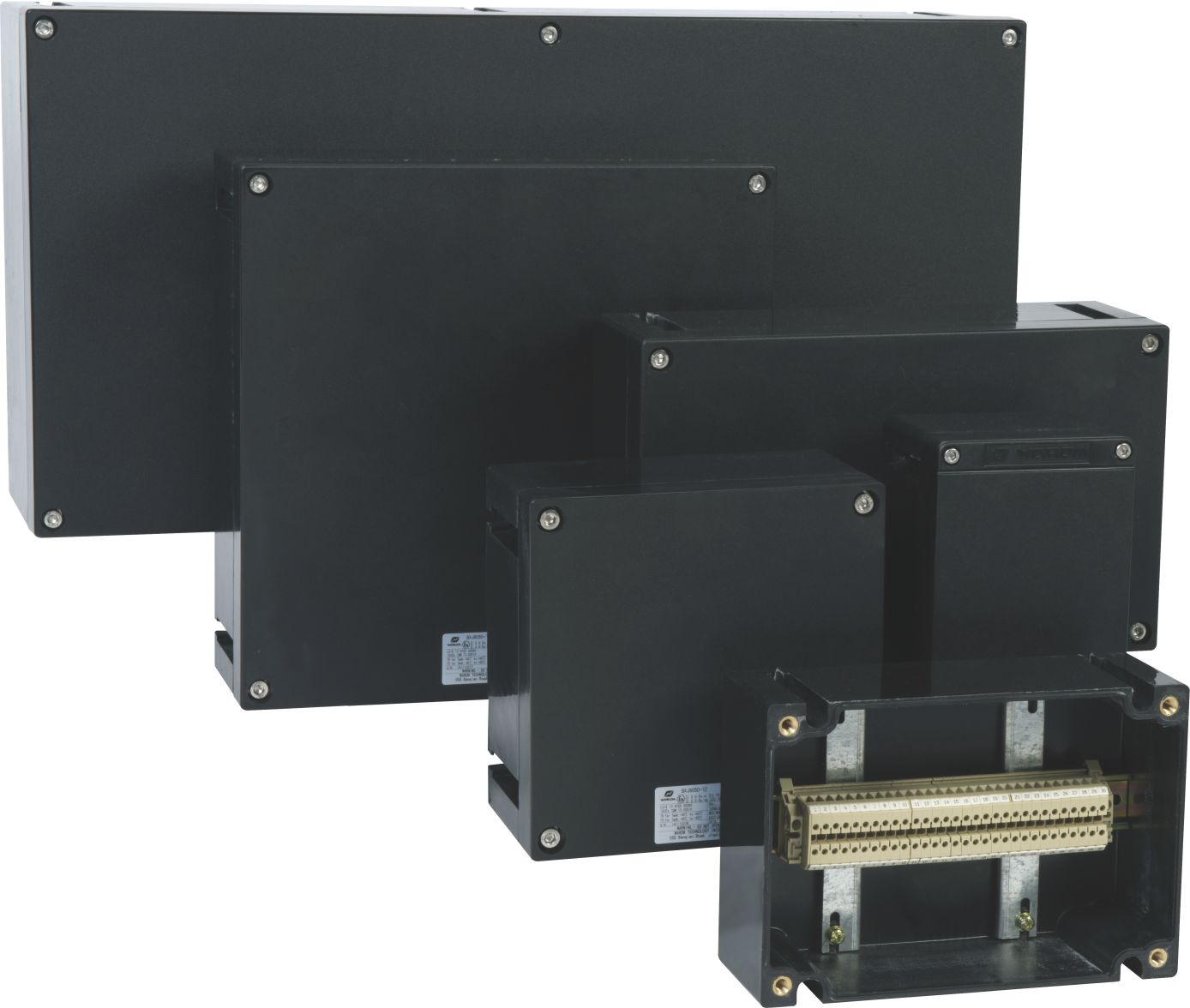
Strategic deployment covers three interconnected concerns: physical installation, power distribution, and emergency backup. Lighting design should eliminate dark spots and provide uniform illumination across work areas. Power systems need appropriate explosion-proof components like the BCZ8060 Series Explosion-proof Plugs and Sockets to maintain safety integrity. The Fushilai Pharmaceutical project demonstrated how phased delivery and professional technical support keep complex temporary construction lighting installations on schedule. Confined space requirements, rental versus purchase economics, and emergency lighting provisions all deserve careful analysis before equipment arrives on site.
Finding the Right Partner for Industrial Temporary Lighting
The equipment matters, but so does the expertise behind it. WAROM TECHNOLOGY INCORPORATED COMPANY brings decades of experience in explosion-proof and industrial temporary construction lighting to every project. The Tilenga, General Paint, and Fushilai Pharmaceutical projects each presented distinct challenges. Each required solutions tailored to specific hazardous conditions, regulatory frameworks, and operational constraints. Technical support and project coordination capabilities often determine whether a lighting installation succeeds or creates ongoing headaches.
Take the Next Step Toward Safer Construction Sites
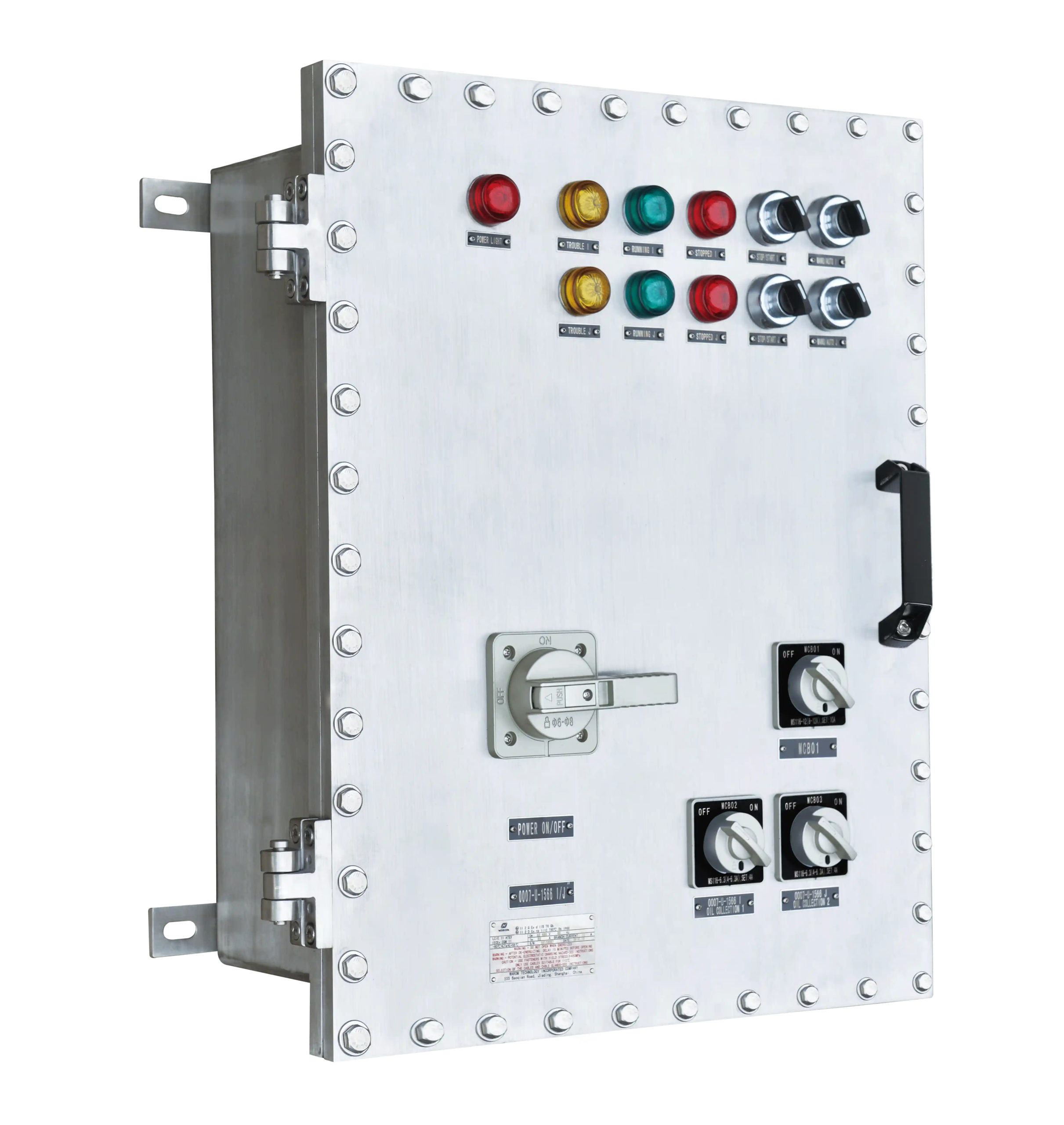
Your next project deserves temporary construction lighting that performs under pressure. WAROM TECHNOLOGY INCORPORATED COMPANY delivers robust, compliant, and energy-efficient solutions for hazardous environments and extreme conditions. Our work on projects like Tilenga and Fushilai Pharmaceutical demonstrates what thoughtful engineering and reliable execution look like in practice. Contact us at +86 21 39977076 or gm*@***om.com to discuss your requirements and explore options that fit your site conditions.
Frequently Asked Questions About Temporary Construction Lighting
Which safety certifications should temporary lighting carry for hazardous construction zones?
Hazardous construction environments require ATEX certification for European sites, IECEx for international projects, and NEC compliance for North American work. These certifications verify that temporary construction lighting fixtures won’t create ignition sources around flammable gases, vapors, dusts, or fibers. The specific certification needed depends on where your project operates and what hazardous materials are present.
What makes LED temporary lighting worth the higher upfront cost?
LED temporary construction lighting consumes significantly less power than traditional alternatives, which shows up directly in electricity bills. The longer service life means fewer replacements and less maintenance labor. Better illumination quality also improves visibility and reduces accident risk. The Tilenga project demonstrated these benefits at scale, with energy-efficient temporary construction lighting contributing to both cost control and safety performance.
How do you choose temporary lighting for harsh weather and tough site conditions?
Start with the IP rating, which indicates dust and water resistance. Check material specifications for impact and corrosion tolerance. Verify the operational temperature range matches your site conditions. Temporary construction lighting for challenging environments needs robust housing, shock resistance, and proven durability. Sites ranging from Murchison Falls National Park to chemical processing facilities have different demands, but all require equipment that won’t fail when conditions get difficult.
With over a decade of experience, he is a seasoned Explosion-Proof Electrical Engineer specializing in the design and manufacture of safety and explosion-proof products. He possesses in-depth expertise across key areas including explosion-proof systems, nuclear power lighting, marine safety, fire protection, and intelligent control systems. At Warom Technology Incorporated Company, he holds dual leadership roles as Deputy Chief Engineer for International Business and Head of the International R&D Department, where he oversees R&D initiatives and ensures the precise delivery of design documentation for international projects. Committed to advancing global industrial safety, he focuses on translating complex technologies into practical solutions, helping clients implement safer, smarter, and more reliable control systems worldwide.

Qi Lingyi