
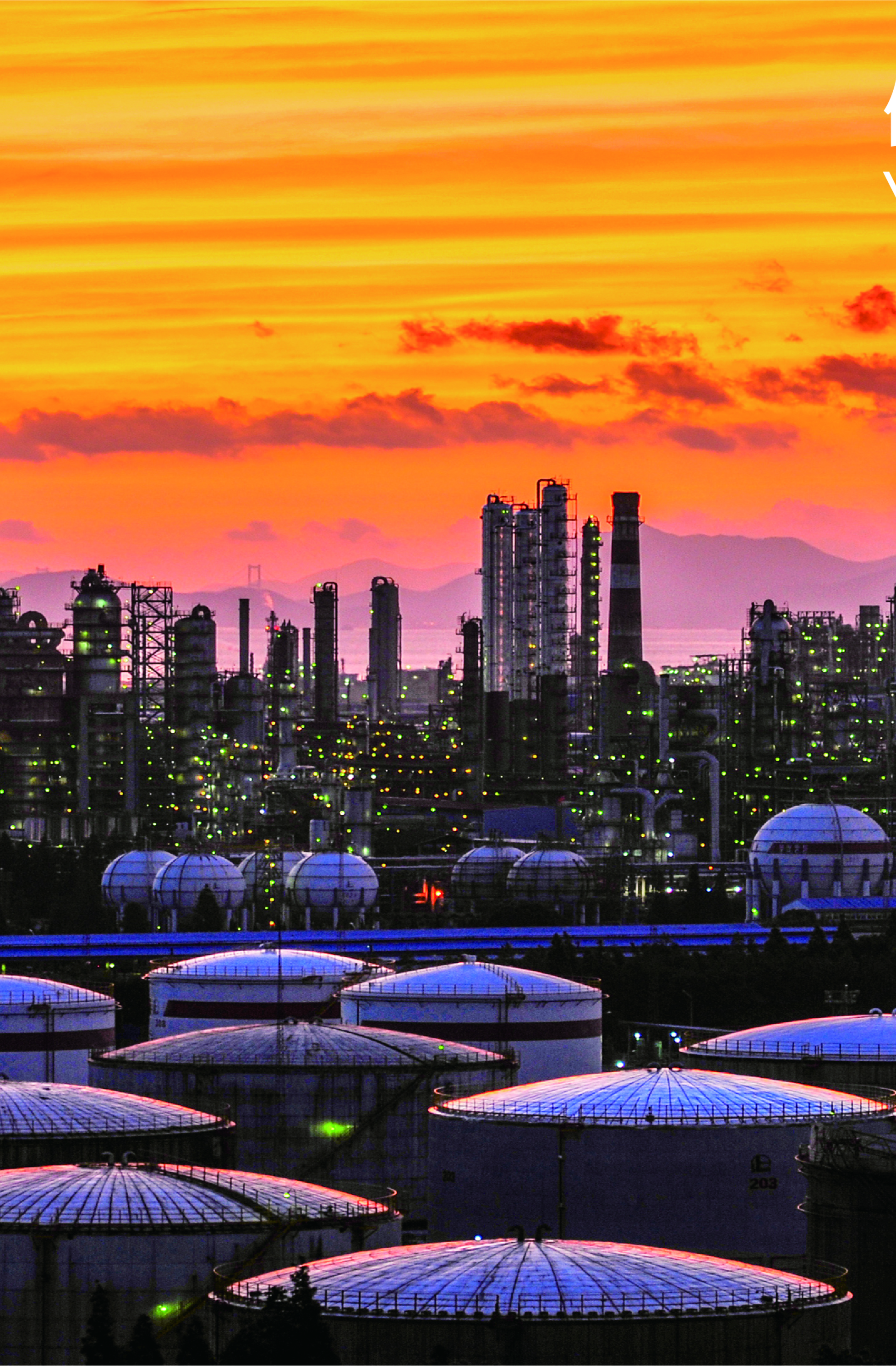
Industrial facilities handling flammable gases or combustible dusts operate under constant tension between productivity and catastrophic risk. The difference between Class 1 Division 1 and Class 1 Division 2 classifications isn’t academic—it determines whether your lighting can safely contain an internal explosion or merely needs to avoid becoming an ignition source during equipment failures. Getting this wrong invites regulatory penalties at best, facility-wide disasters at worst. What follows breaks down the 2025 standards, practical selection criteria, and the engineering considerations that separate compliant installations from genuinely safe ones.
How Hazardous Location Classifications Actually Work
Hazardous locations exist wherever flammable gases, vapors, liquids, combustible dusts, or ignitable fibers accumulate in concentrations capable of producing explosive mixtures. Classification comes first. Everything else—equipment selection, installation methods, maintenance protocols—flows from that initial determination. Two systems dominate global practice: the National Electrical Code in North America and the IECEx/ATEX directives everywhere else.
The NEC organizes hazardous locations through Classes, Divisions, and Groups. Class 1 covers areas with flammable gases or vapors. Divisions address probability. Division 1 means hazardous concentrations exist continuously, frequently, or during normal operations. Division 2 means they appear only under abnormal conditions—equipment malfunctions, accidental releases, upset situations. Groups identify specific substances. Acetylene falls under Group A. Propane belongs to Group D.
International standards take a different approach through Zones. Zone 0 indicates continuous explosive gas presence. Zone 1 covers intermittent presence. Zone 2 applies to rare or short-duration occurrences. Dust environments use Zones 20, 21, and 22 along similar lines. WAROM’s work on the Tilenga project in Uganda required navigating both systems simultaneously across wellpads, a central processing facility, and pipeline infrastructure. The project demanded explosion-proof lighting and electrical systems meeting stringent international safety requirements while operating under challenging environmental conditions.
| NEC Classification | IECEx/ATEX Zone (Gases/Vapors) | Likelihood of Hazard Presence |
|---|---|---|
| Class 1, Division 1 | Zone 0 or Zone 1 | Continuous, frequent, or during normal operation |
| Class 1, Division 2 | Zone 2 | Intermittent, abnormal conditions, or accidental |
Understanding these frameworks isn’t optional. It’s the foundation for every equipment decision that follows.
Class 1 Division 1 Lighting Requirements and Engineering Considerations
Class 1 Division 1 represents the most demanding hazardous environment classification. Ignitable concentrations of flammable gases or vapors exist continuously, frequently, or periodically during normal operations. The lighting must do more than resist ignition. It must contain any internal explosion completely and prevent that explosion from igniting the surrounding atmosphere.
Explosion-proof luminaires for these applications share common engineering characteristics. Thick-walled enclosures withstand internal explosion pressures. Precision-machined flame paths cool escaping gases below ignition temperature before they reach the external environment. Material selection accounts for corrosion resistance in chemical environments. The specific gas or vapor present determines the required temperature code, which limits maximum surface temperature to stay below autoignition thresholds. Gas group classification further constrains equipment selection.
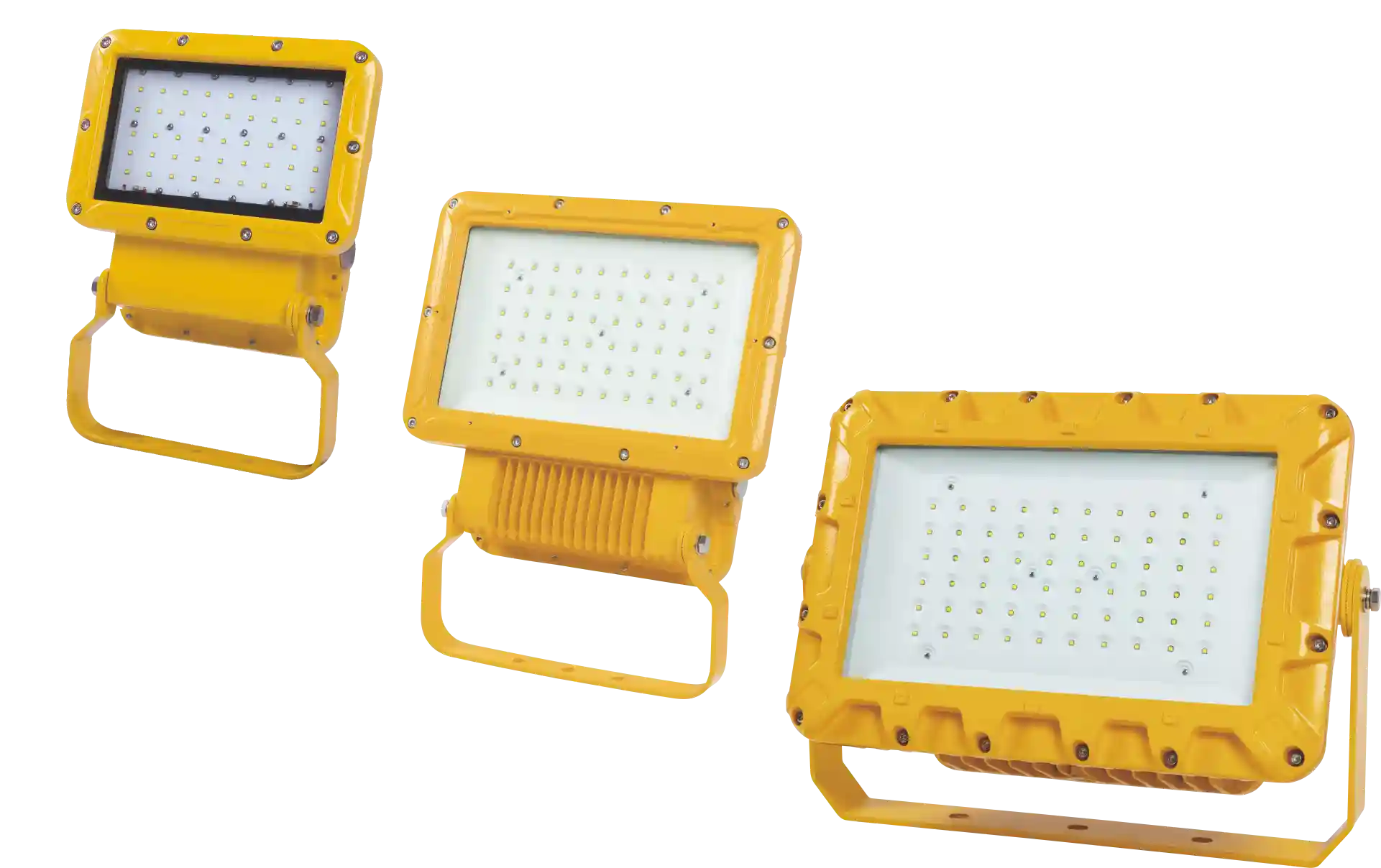
WAROM’s BAT86 Explosion-proof LED Floodlights address these requirements through high-quality steel construction with powder-coated surfaces, built-in constant current drivers, and overload protection systems. The Tilenga project demonstrated these capabilities under severe operating conditions including moisture exposure, mechanical vibration, and corrosive atmospheres—achieving zero safety incidents throughout the installation.
| Application Type | Examples |
|---|---|
| Chemical Processing | Reactor areas, solvent storage, distillation units |
| Oil & Gas | Drilling rigs, wellheads, pump stations, refineries |
| Pharmaceutical | Solvent mixing rooms, active ingredient production |
| Paint Manufacturing | Mixing tanks, spray booths (where solvents are present) |
What Separates Class 1 Division 1 from Division 2 Hazardous Locations
The distinction comes down to probability and frequency. Division 1 areas experience hazardous concentrations as a normal part of operations—during routine processing, regular maintenance, or standard equipment function. Division 2 areas only see those concentrations when something goes wrong. A pump seal fails. A container ruptures. A ventilation system malfunctions. This probability difference drives fundamentally different protection requirements. Division 1 equipment must contain explosions. Division 2 equipment must avoid causing them.
For additional technical details on floodlight applications, see our coverage on 《Explosion Proof LED Floodlights: Enhancing Safety and Efficiency》.
Class 1 Division 2 Lighting Solutions for Abnormal Condition Protection
Class 1 Division 2 locations present ignitable concentrations only under abnormal operating conditions. Equipment failures, container ruptures, process upsets—these infrequent events create temporary hazardous atmospheres. The engineering philosophy shifts accordingly. Rather than containing explosions, Division 2 lighting prevents becoming an ignition source during these transient hazardous periods.
Several protection methods apply. Non-incendive equipment produces insufficient electrical or thermal energy to ignite the atmosphere. Sealed fixtures exclude hazardous gases from internal components. Purged and pressurized enclosures maintain positive internal pressure with clean air or inert gas, preventing hazardous substance entry. Each approach addresses the intermittent nature of the hazard differently.
WAROM’s HRNT95 Series Explosion Proof LED Light Fittings exemplify this targeted approach. Copper-free aluminum alloy enclosures resist corrosion. Toughened glass covers withstand impact. Wide voltage input LED drivers deliver high efficiency across varying power conditions. The General Paint project in Mexico applied this philosophy—implementing customized explosion-proof solutions including lighting, gas detectors, and distribution equipment to address specific risks from flammable gases and dusts without over-engineering the installation.
| Application Type | Examples |
|---|---|
| Storage Areas | Drums of flammable liquids in closed containers |
| Processing Areas | Areas adjacent to Division 1, where leaks are unlikely |
| Utility Rooms | Compressor rooms, ventilation equipment areas |
| Warehouses | Storage of packaged flammable chemicals |
Practical Classification Methodology for Facility Managers
Determining correct hazardous area classification requires systematic analysis rather than assumptions. The process demands understanding of materials, processes, and failure modes. Shortcuts here create compliance gaps and genuine safety risks.
Start with material identification. Collect Material Safety Data Sheets for every chemical used or stored. Document flash points, autoignition temperatures, and explosive limits. These properties drive classification decisions.
Analyze process conditions next. How are materials handled during normal operations? What happens during maintenance? What upset conditions could occur? Each scenario affects classification boundaries.
Identify release sources. Pump seals leak. Valve glands fail. Vents discharge. Transfer points create exposure opportunities. Map these potential release locations throughout the facility.
Evaluate presence likelihood based on release source analysis. How often do releases occur? How long do hazardous concentrations persist? This determines Division assignment.
Factor in ventilation effectiveness. Reliable, monitored ventilation can reduce area classifications. But the ventilation must actually work consistently, not just exist on paper.
Engage specialists for verification. WAROM’s approach on the Fushilai Pharmaceutical project involved coordination with design institutes and project owners to ensure classification accuracy before equipment specification began.
Document everything. Classification drawings, material data, analytical justifications—maintain records that support your decisions and demonstrate due diligence.
Determining Correct Classification for Your Specific Facility
Proper classification requires site-specific investigation. Conduct detailed surveys of actual conditions. Perform process hazard analysis covering normal operations and credible failure scenarios. Review Material Safety Data Sheets to understand ignition properties of materials present. Assess release points and the realistic probability of ignitable concentrations forming. This analysis—not generic assumptions—guides accurate Class 1 Division 1 or Division 2 assignments.
Installation and Maintenance Practices That Preserve Safety Integrity
Equipment selection matters less than execution. Improper installation compromises even the most robust explosion-proof fixtures. The enclosure that passed certification testing provides no protection if field wiring creates ignition paths or seals fail to exclude hazardous atmospheres.
Installation must follow national and local electrical codes precisely. Hazardous location requirements specify wiring methods, conduit sealing locations, grounding practices, and cable entry techniques. These aren’t suggestions. They’re the engineering controls that make the equipment function as designed.
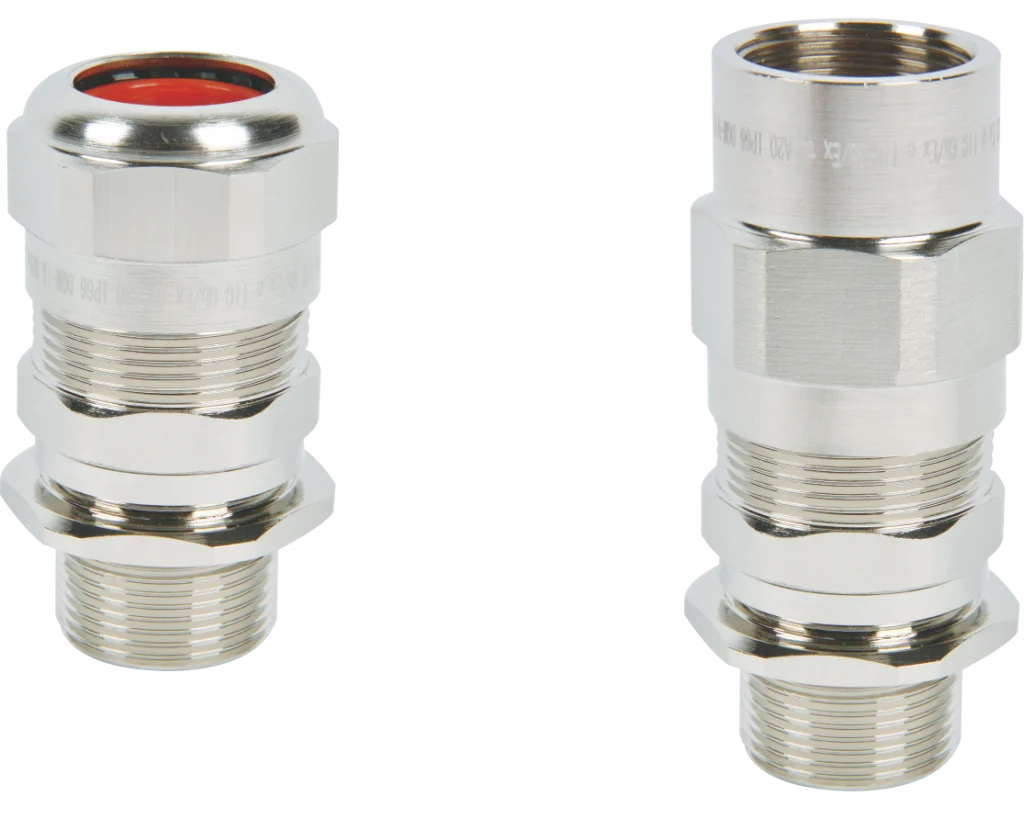
Maintenance programs must address the specific failure modes that degrade explosion protection. Inspect for corrosion that weakens enclosures. Check lens integrity. Verify seal condition. Examine cable entries—components like the DQM-III/II Series cable glands require periodic inspection to confirm continued protection. Dust accumulation impairs heat dissipation, potentially pushing surface temperatures above T-Code limits. Cleaning schedules should reflect actual operating conditions.
WAROM’s emphasis on low maintenance and reliability in projects like Tilenga reflects practical experience with total cost of ownership. Durable construction reduces replacement frequency. Energy-efficient LED technology decreases heat generation and extends component life. Both factors contribute to sustained safety performance over equipment service life.
WAROM’s Approach to Hazardous Area Lighting Projects
WAROM TECHNOLOGY INCORPORATED COMPANY approaches hazardous area lighting as an engineering problem requiring site-specific solutions rather than catalog selection. Decades of project experience across diverse industries and regulatory environments inform equipment design and application engineering.
The Tilenga project in Uganda demonstrated this capability at scale. Explosion-proof lighting and electrical systems for wellpads, central processing facilities, and pipelines operated under extreme conditions while achieving zero safety incidents. Energy efficiency and low maintenance requirements addressed operational cost concerns alongside safety objectives.
The General Paint project in Mexico required different capabilities. On-site diagnosis identified specific risks from flammable gases and dusts. The resulting solution combined gas detectors, plug and sockets, distribution boxes, and lighting into an integrated protection system addressing actual facility hazards.
Fushilai Pharmaceutical’s CM/CDMO construction project presented coordination challenges alongside technical requirements. Explosion-proof distribution boxes for workshops, warehouses, and pump controls required multi-party coordination with design institutes and project owners to ensure timely, compliant execution.
WAROM’s product range includes led light fittings and floodlights certified to both NEC and IECEx/ATEX standards. The approach emphasizes understanding client-specific requirements before recommending equipment—matching protection levels to actual hazards rather than defaulting to maximum specifications.
Fixture Selection for Division 1 and Division 2 Environments
Class 1 Division 1 environments require explosion-proof luminaires capable of containing internal explosions. Heavy-duty explosion-proof floodlights and industrial luminaires with robust enclosures meet these requirements. Class 1 Division 2 environments accept non-incendive equipment, sealed non-sparking fixtures, and purged or pressurized enclosures. High-efficiency LED hazardous area lighting solutions with corrosion-resistant construction address intermittent hazard conditions without the weight and cost penalties of full explosion-proof construction.
Common Questions About Class 1 Division 1 and Division 2 Lighting
How Does Construction Differ Between Division 1 and Division 2 Fixtures
Division 1 fixtures must contain internal explosions through heavy-duty, flame-proof enclosures with precision-machined flame paths. Division 2 fixtures prevent ignition through different mechanisms—non-sparking construction, sealed enclosures, or purged/pressurized designs. The construction philosophy reflects the fundamental difference between containing explosions and preventing them.
Can Division 2 Equipment Operate in Division 1 Areas
No. Division 1 environments require equipment certified to withstand and contain internal explosions because hazardous concentrations exist continuously or frequently. Division 2 equipment lacks this capability. Using it in Division 1 areas violates safety codes and creates genuine explosion risk.
Why Temperature Codes Matter for Both Classifications
Temperature codes establish maximum surface temperatures for equipment operating in hazardous atmospheres. The surface temperature must remain below the autoignition temperature of gases or vapors present. This requirement applies regardless of Division classification. Selecting fixtures with appropriate T-Codes prevents surface ignition—a failure mode that bypasses all other protection features.
What Third-Party Certification Accomplishes
Certification from recognized bodies like UL, CSA, ATEX, or IECEx verifies that equipment meets established safety standards for explosion protection, material integrity, and performance under hazardous conditions. Certification provides documented evidence of compliance and shifts liability for design adequacy to the certifying organization. WAROM products carry appropriate certifications for their intended applications.
Working with WAROM on Hazardous Area Lighting Projects
Hazardous area lighting decisions affect facility safety, regulatory compliance, and operational costs for years after installation. WAROM TECHNOLOGY INCORPORATED COMPANY provides consultation and equipment solutions for Class 1 Division 1 and Division 2 applications across diverse industries and regulatory environments. Contact our team at gm*@***om.com or +86 21 39977076 to discuss your specific requirements and develop appropriate solutions for your facility’s hazardous area lighting needs.
With over a decade of experience, he is a seasoned Explosion-Proof Electrical Engineer specializing in the design and manufacture of safety and explosion-proof products. He possesses in-depth expertise across key areas including explosion-proof systems, nuclear power lighting, marine safety, fire protection, and intelligent control systems. At Warom Technology Incorporated Company, he holds dual leadership roles as Deputy Chief Engineer for International Business and Head of the International R&D Department, where he oversees R&D initiatives and ensures the precise delivery of design documentation for international projects. Committed to advancing global industrial safety, he focuses on translating complex technologies into practical solutions, helping clients implement safer, smarter, and more reliable control systems worldwide.

Qi Lingyi