Choosing lighting for hazardous areas takes more than a spec sheet. In explosive atmospheres, conventional fixtures can become ignition sources, so we rely on explosion-proof emergency LED light fittings that both contain internal faults and keep light on during outages. We focus on how these fittings are built, which standards validate them, the features that matter in tough conditions, where they’re used, and what to consider when selecting the right unit. The goal is simple: robust, compliant solutions that help protect people and assets in demanding industrial settings.
Understanding Explosion Proof Emergency LED Light Fittings
Explosion-proof emergency LED light fittings are designed to operate safely where flammable gases, vapors, dusts, or fibers may be present. Their core job is to keep any internal ignition from reaching the surrounding hazardous atmosphere while providing dependable light during emergencies. Across industries, they help maintain safety and visibility when primary power is lost.
What Makes a Light Fitting ‘Explosion Proof’?
A light fitting earns the “explosion-proof” designation through specific design and construction choices. The enclosure is built to contain an internal explosion so flames or hot gases cannot escape and ignite the surrounding hazardous atmosphere. Key design principles include flameproof enclosures capable of withstanding an internal explosion. Additionally, intrinsic safety limits electrical energy to avoid sparks or excessive heat, while restricted breathing enclosures minimize the entry of flammable substances. These measures work together to maximize safety.
The Critical Role of Emergency Lighting in Hazardous Environments
Emergency lighting in hazardous environments is more than a regulatory checkbox. During power failures, fires, or other emergencies, continuous illumination supports safe evacuation, controlled shutdown procedures, and rescue operations. Without reliable emergency lighting, disorientation and accidents can escalate in areas prone to explosions. Our systems are built to deliver dependable light when it is most needed.
Key Standards and Certifications (ATEX, IECEx, UL)
Compliance with regional and international standards defines suitability for explosion-proof equipment. ATEX (Atmosphères Explosibles) directives govern equipment used in potentially explosive atmospheres within the European Union. IECEx provides an international certification scheme that facilitates global trade. UL (Underwriters Laboratories) standards are widely recognized in North America. These certifications confirm that equipment meets rigorous safety requirements for hazardous locations.
Core Technologies and Features
Modern explosion-proof emergency LED light fittings bring together technologies that improve performance, durability, and reliability in tough industrial settings. The result is safety paired with efficiency.
Advantages of LED Technology in Hazardous Areas
LED technology offers clear advantages over traditional lighting in hazardous areas. LEDs reduce energy use, cutting operational costs and environmental impact. Their extended lifespan lowers maintenance needs and exposure in dangerous zones. LEDs run cooler, reducing ignition risk. They also switch on instantly and resist vibration, suiting demanding industrial applications.
Emergency Functionality: Battery Backup and Duration
Emergency operation relies on integrated battery systems and advanced charging circuits that keep fixtures running during power outages. Common emergency durations include 1 or 3 hours to support safe evacuation and critical operations. Designs prioritize immediate and sustained illumination to maintain safety protocols.
Material Science and Enclosure Design
Materials and enclosure design determine how equipment holds up in harsh industrial conditions. We utilize copper-free aluminum alloy, stainless steel, and toughened glass for corrosion resistance, impact protection such as 4J impact resistance, and high ingress protection ratings like IP66/IP67. Robust enclosures block dust and water, safeguard internal components, and extend product lifespan.
Applications and Industry Use Cases
Explosion-proof emergency LED light fittings support a wide array of industries where hazardous atmospheres are present. These environments demand robust, reliable lighting to uphold safety and operational continuity.
Oil and Gas, Chemical, and Pharmaceutical Industries
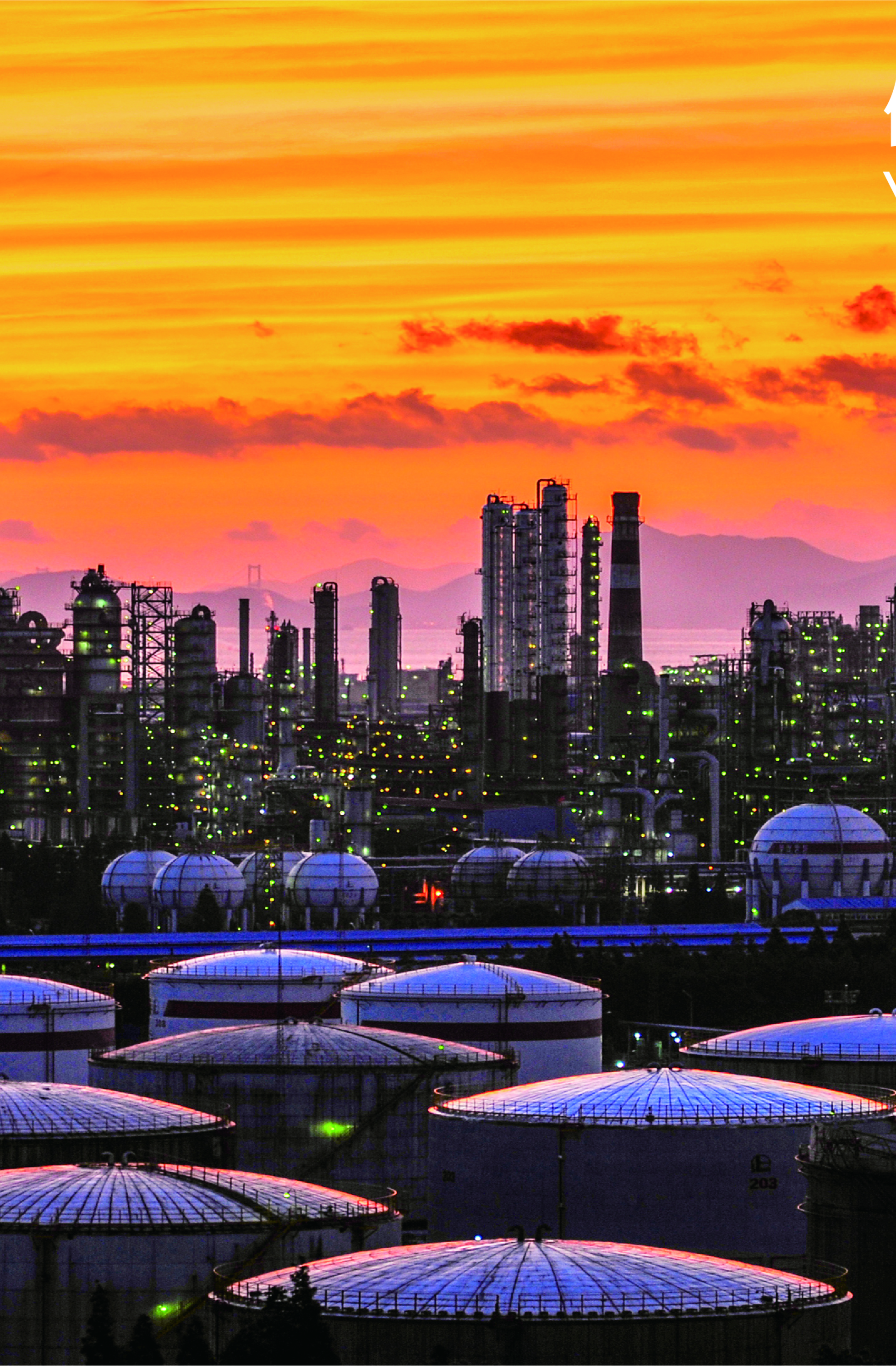
In the oil and gas sector, our explosion-proof lighting and electrical systems are deployed in refineries, offshore platforms, and drilling sites. For example, in the Tilenga project in Uganda, WAROM supplied explosion-proof lighting and electrical systems to wellpads, a CPF, and pipelines, ensuring zero safety incidents and energy efficiency. Chemical processing plants and pharmaceutical manufacturing facilities also rely on these fittings to prevent ignition from flammable gases and dusts. The Fushilai Pharmaceutical CM/CDMO Construction Project utilized our distribution boxes for workshops, warehouses, and tank farms, demonstrating our capability in complex industrial environments.
Mining, Marine, and Other Hazardous Sectors
Mining operations, particularly underground, require lighting that can withstand explosive dust and harsh conditions. On marine vessels and port facilities, equipment must endure corrosive saltwater environments and vibrations. Our products, such as the HDL-C Helideck Explosion-proof Light, are designed to perform reliably in severe marine conditions, offering IP66/IP67/IP69 protection and WF2 corrosion resistance. The BBJ86 Explosion-proof Audio and Visual Caution Spotlight Fitting is suitable for ship navigation signals, featuring a high-quality steel lamp body resistant to moisture, vibration, and corrosion.
Selecting the Right Explosion Proof Emergency LED Light Fitting
Choosing the correct explosion-proof emergency LED light fitting involves weighing several factors to ensure compliance and strong performance in hazardous environments.
Assessing Hazardous Area Classifications (Zones, Divisions, Groups)
Properly assessing hazardous area classifications is fundamental. This involves identifying the presence and concentration of flammable substances. The Zone system (Zone 0, 1, 2 for gases; Zone 20, 21, 22 for dusts) is widely used internationally, while the Division system (Division 1, 2) is common in North America. Equipment must be certified for the specific gas or dust group present. This assessment dictates the required protection level for the lighting fixture.
Performance Criteria: Lumen Output, Beam Angle, Operating Temperature
Beyond explosion protection, performance criteria still matter. Lumen output determines the brightness and visibility provided, tailored to specific application needs. Beam angle influences light distribution, ensuring adequate coverage across the required area. The operating temperature range is vital; our products, like the BAT86 Explosion-proof LED Floodlights, are designed for ambient temperatures from -60℃ to +60℃, ensuring reliable operation in extreme climates.
WAROM’s Expertise in Explosion Proof Emergency LED Lighting
WAROM TECHNOLOGY INCORPORATED COMPANY, founded in 1987, is a leader in explosion-proof solutions, integrating product research and development, manufacturing, and sales. We are committed to providing high-quality, reliable explosion-proof emergency LED light fittings that meet the most stringent safety standards. Our extensive experience and proven track record underscore our expertise in this critical field.
Case Studies: Real-World Applications and Success Stories
Our commitment to safety and quality is demonstrated through successful project implementations. For instance, the Tilenga project in Uganda involved supplying explosion-proof lighting and electrical systems for wellpads, a CPF, and pipelines, ensuring zero safety incidents, energy efficiency, and reliability under extreme conditions. The General Paint Electrical Safety Upgrade in Mexico addressed serious electrical safety hazards in a chemical plant, providing a customized solution including gas detectors, explosion-proof plugs, junction and distribution boxes, and static electricity discharge devices. This project significantly improved safety and built lasting customer trust. In the Fushilai Pharmaceutical CM/CDMO Construction Project, we provided explosion-proof distribution boxes for critical areas, ensuring timely and high-quality execution through multi-party coordination. These cases highlight our capability to deliver effective solutions globally.
Enhance Your Safety with WAROM
Ready to enhance safety and efficiency in your hazardous environment? Contact WAROM TECHNOLOGY INCORPORATED COMPANY today for expert consultation and customized explosion-proof emergency LED lighting solutions. Our team is available at +86 21 39977076, +86 21 39972657, or via email at gm*@***om.com. Let us help you illuminate your path to safety and compliance.
FAQs
What is the difference between explosion-proof and intrinsically safe?
Explosion-proof equipment is designed to contain an internal explosion, preventing it from igniting the external hazardous atmosphere. Intrinsically safe equipment is designed to operate with such low energy that it cannot produce a spark or heat sufficient to ignite a hazardous atmosphere. Both approaches support safety in different applications.
How often should explosion proof emergency LED lights be tested?
Emergency lighting requires routine testing. While regulations vary by region, common practice includes monthly functional tests and annual full-duration tests as per EN 50172 for ATEX regions. Follow manufacturers’ guidelines and local safety standards to ensure operational readiness.
Can existing hazardous area lighting be upgraded to LED emergency fittings?
Yes, in many cases, existing hazardous area lighting can be upgraded to LED emergency fittings. This often involves replacing old fixtures with new, compliant LED units. It’s essential to perform a thorough site assessment and ensure the new fittings meet all hazardous area classifications and performance requirements for the specific location.
What does an IP rating mean for explosion proof lighting?
An IP (Ingress Protection) rating indicates the degree of protection an electrical enclosure provides against solids (like dust) and liquids (like water). For explosion-proof lighting, a high IP rating (e.g., IP66 or IP67) is important to prevent the ingress of dust or moisture, which could compromise the fixture’s integrity and safety in hazardous environments.
What are the main benefits of choosing WAROM for explosion proof emergency LED light fittings?
WAROM offers over 35 years of expertise in explosion-proof technology, integrating product R&D, manufacturing, and sales. Our solutions are proven in complex projects like Tilenga and Fushilai Pharmaceutical, ensuring zero safety incidents, energy efficiency, low maintenance, and reliability under extreme conditions. We provide customized solutions, adhere to global standards (ATEX, IECEx), and offer dedicated technical support.
With over a decade of experience, he is a seasoned Explosion-Proof Electrical Engineer specializing in the design and manufacture of safety and explosion-proof products. He possesses in-depth expertise across key areas including explosion-proof systems, nuclear power lighting, marine safety, fire protection, and intelligent control systems. At Warom Technology Incorporated Company, he holds dual leadership roles as Deputy Chief Engineer for International Business and Head of the International R&D Department, where he oversees R&D initiatives and ensures the precise delivery of design documentation for international projects. Committed to advancing global industrial safety, he focuses on translating complex technologies into practical solutions, helping clients implement safer, smarter, and more reliable control systems worldwide.
Qi Lingyi