
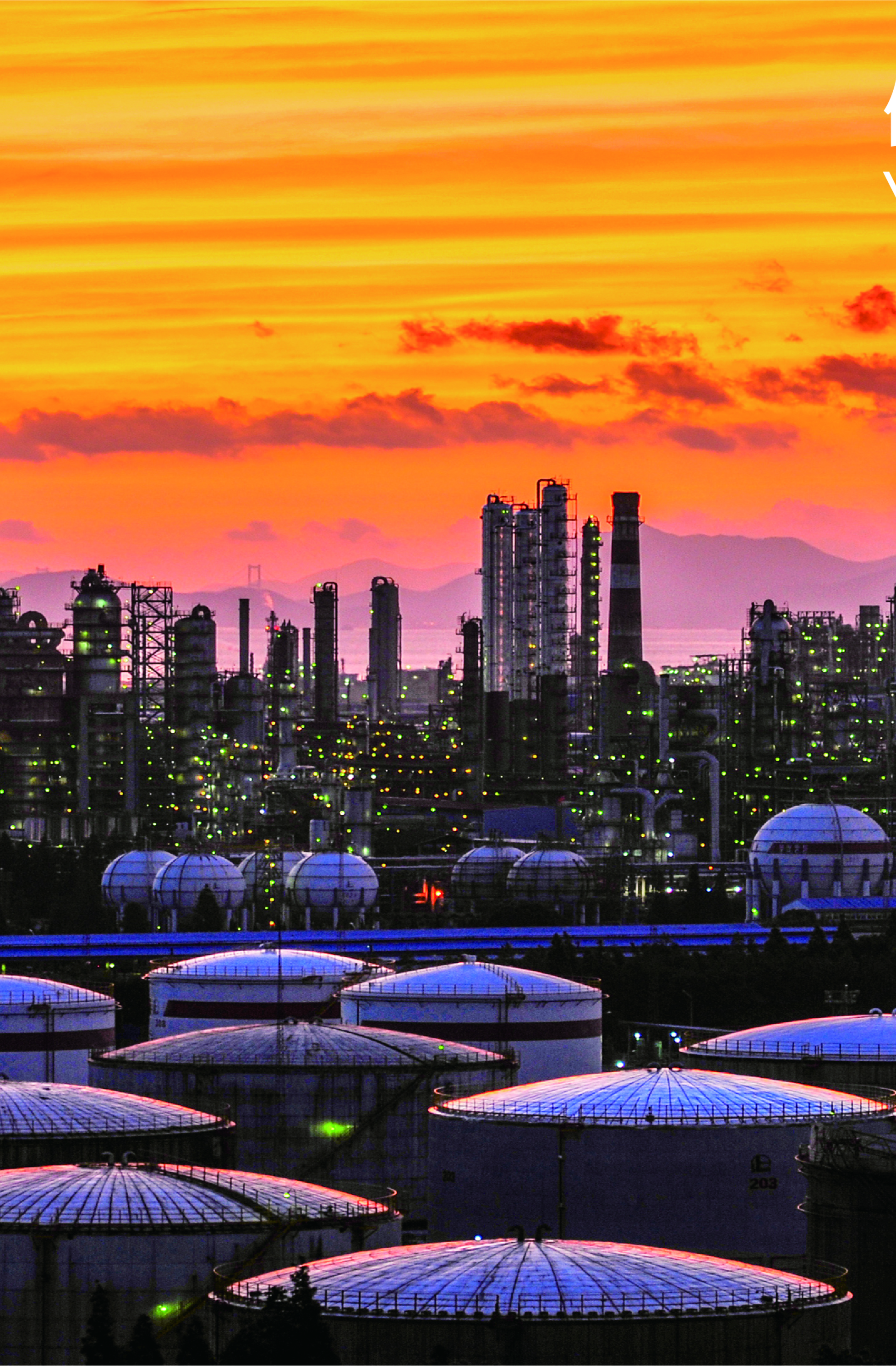
Coal mines operate under conditions where methane seepage and airborne coal dust create persistent explosion hazards. Ventilation systems control these risks by diluting gas concentrations and clearing particulates, but the electrical drives powering those fans can themselves become ignition sources. Explosion proof equipment for mine ventilation fan drives eliminates that contradiction—keeping air moving without introducing the sparks, arcs, or surface temperatures that could trigger a blast. The equipment is not optional; it is the mechanism that allows continuous operation in an atmosphere where a single electrical fault could propagate through kilometers of underground workings.
Why Explosion Proof Equipment Matters for Mine Ventilation Fan Drives
Methane releases naturally from coal seams during extraction. The gas becomes explosive when concentrations reach 5% to 15% in air, a range that underground workings can enter within hours if ventilation falters. Coal dust compounds the problem. Fine particles suspended in the airstream can ignite at methane concentrations well below the lower explosive limit, and once ignited, dust explosions propagate faster and travel farther than gas explosions alone.
Ventilation fan drives sit at the intersection of these hazards. Motors generate heat; contactors produce arcs during switching; damaged cables spark. Any of these events occurring in an explosive atmosphere completes the ignition triangle. Explosion proof equipment for mine ventilation fan drives addresses each pathway: flameproof enclosures contain internal faults, intrinsically safe circuits limit energy below ignition thresholds, and pressurized housings exclude hazardous gases entirely.
Hazardous area classification determines which protection method applies where. Zone 0 locations, where explosive atmospheres exist continuously, demand intrinsic safety or special protection. Zone 1 areas, where hazardous conditions occur during normal operation, typically use flameproof or pressurized enclosures. Zone 2 locations, where explosive atmospheres are unlikely except during abnormal conditions, permit increased safety designs. Selecting the wrong protection level for a given zone does not merely violate regulations; it leaves an ignition source operating in an atmosphere capable of supporting combustion.
Certification Standards Governing Explosion Proof Equipment for Mine Ventilation Fan Drives
International certification frameworks establish the technical requirements that explosion proof equipment must satisfy. ATEX directives, mandatory within the European Union, cover both equipment design (Directive 2014/34/EU) and workplace safety obligations (Directive 1999/92/EC). IECEx provides a harmonized certification system recognized across participating countries, reducing duplicate testing for manufacturers serving global markets. In the United States, MSHA regulations govern mine safety, including approval requirements for electrical equipment used underground.
| Standard | Geographic Scope | Primary Requirements |
|---|---|---|
| ATEX | European Union | Equipment categories, marking, conformity assessment |
| IECEx | International (50+ countries) | Scheme rules, certified equipment scheme, service facilities |
| MSHA | United States | 30 CFR Part 7 approval, permissibility testing |
| CCS | China | Marine and explosion proof equipment certification |
Certification is not a formality. Testing laboratories subject equipment to fault conditions, measure surface temperatures under overload, and verify that enclosures withstand internal explosions without flame propagation. Products that pass carry markings indicating their protection method, equipment group, and temperature class. A motor rated Ex d IIB T4, for example, uses a flameproof enclosure (Ex d), is suitable for Group IIB gases (which includes methane), and limits surface temperatures to 135°C (T4 class). Specifying equipment without understanding these markings risks installing protection inadequate for the actual hazard.
WAROM TECHNOLOGY INCORPORATED COMPANY maintains certifications across ATEX, IECEx, and CCS frameworks, allowing its explosion proof equipment to serve mining operations under multiple regulatory regimes.
How Explosion Proof Equipment for Fan Drives Achieves Regulatory Compliance
Protection methods translate certification requirements into physical hardware. Flameproof enclosures (Ex d) represent the most common approach for motor housings and switchgear. The enclosure walls and flame paths are dimensioned so that any internal explosion cools below ignition temperature before gases escape to the surrounding atmosphere. Gap widths, path lengths, and material strengths follow precise specifications verified during certification testing.
Intrinsic safety (Ex i) takes a different approach, limiting circuit energy so that even a fault cannot release enough heat or spark energy to ignite the surrounding atmosphere. This method suits instrumentation, sensors, and control circuits rather than power equipment, but it integrates with fan drive systems through barriers that isolate intrinsically safe field devices from higher-energy control cabinets.
Pressurized enclosures (Ex p) maintain positive pressure using clean air or inert gas, preventing hazardous atmospheres from entering the enclosure during operation. Interlocks prevent energization until adequate pressure is established and trip the equipment if pressure falls below safe levels. This method accommodates larger drives and variable frequency controllers that would be impractical to house in flameproof enclosures.
Increased safety (Ex e) eliminates ignition sources through enhanced construction rather than containment. Wider creepage distances, higher-grade insulation, and temperature monitoring prevent the arcs and hot surfaces that could otherwise occur during normal operation. The method applies to terminal boxes, junction enclosures, and non-sparking motors.
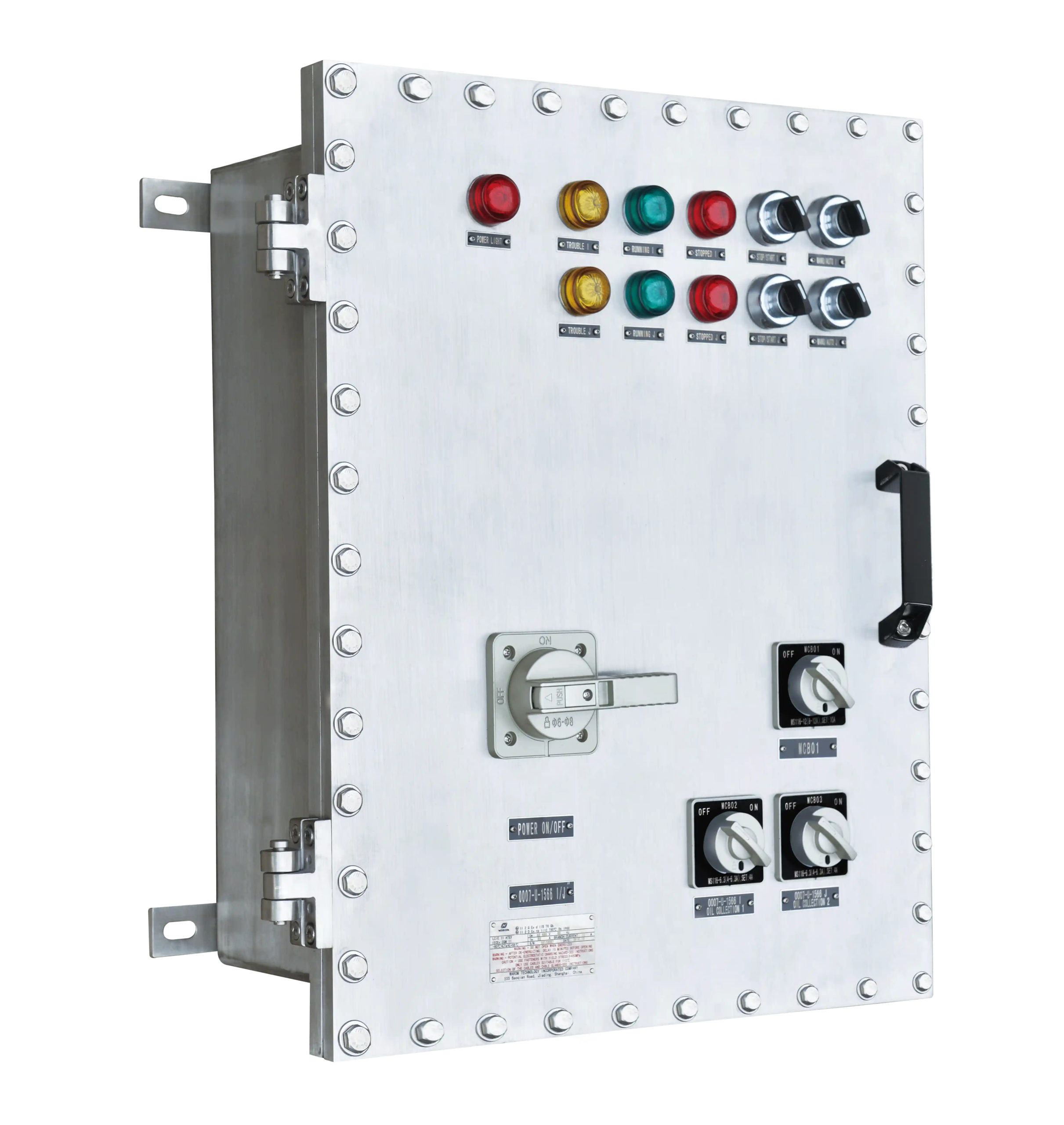
WAROM integrates these protection methods into distribution panels, motor starters, and control systems designed for mine ventilation applications. The HRMD92 series explosion proof distribution panels, for instance, combine flameproof compartments with increased safety terminal areas, providing both power distribution and circuit protection within a single certified assembly.
Electrical Hazards Specific to Coal Mine Ventilation Systems
Ventilation fan motors in underground mines face operating conditions that accelerate equipment degradation. Humidity levels often exceed 90%, promoting corrosion of electrical contacts and insulation breakdown. Coal dust infiltrates enclosures through any gap, coating windings and reducing heat dissipation. Mechanical vibration from the fan itself and from nearby blasting operations stresses cable terminations and loosens connections.
These conditions create multiple ignition pathways. Corroded contacts develop higher resistance, generating localized heating during current flow. Dust accumulation on motor windings acts as thermal insulation, raising operating temperatures toward ignition thresholds. Vibration-loosened terminals arc during load changes. Cable damage from roof falls or equipment contact exposes conductors that can spark against grounded structures.
Standard industrial equipment cannot withstand these conditions while maintaining explosion protection. Seals degrade, allowing dust ingress. Enclosure coatings fail, permitting corrosion. Certification assumes equipment remains in its as-manufactured condition; environmental degradation invalidates that assumption.
Explosion proof equipment for mine ventilation fan drives addresses these realities through material selection and construction details. Copper-free aluminum alloys resist the corrosive compounds present in mine atmospheres. Stainless steel hardware maintains fastener integrity despite humidity. Silicone gaskets rated for continuous compression maintain sealing over years of thermal cycling. Ingress protection ratings of IP66 or higher exclude both dust and water jets, preserving internal cleanliness.
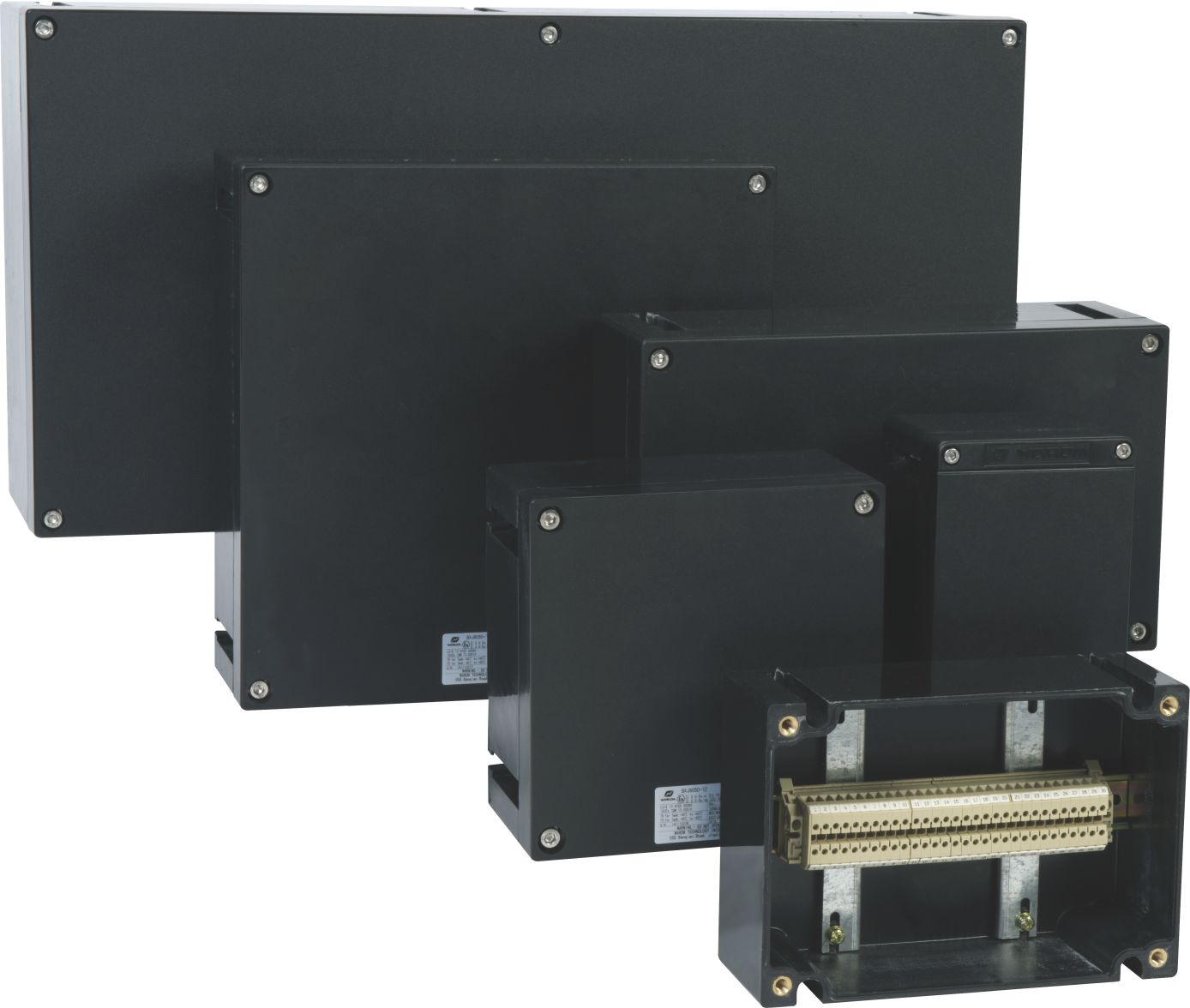
WAROM’s BXJ8050 terminal boxes demonstrate this approach, combining flameproof construction with corrosion-resistant materials and high ingress protection ratings suitable for the most demanding underground environments.
Reliability Factors for Explosion Proof Equipment in Mining Applications
Equipment reliability in mining contexts depends on design margins, material quality, and maintenance accessibility. Explosion proof fan drives operating continuously in harsh conditions cannot tolerate marginal components or inaccessible service points.
Thermal management determines motor life. Oversized frames, enhanced cooling fins, and temperature monitoring prevent the insulation degradation that leads to winding failures. Variable frequency drives introduce additional heat sources through switching losses; their enclosures require adequate ventilation or cooling systems to maintain internal temperatures within rated limits.
Bearing selection affects both reliability and maintenance intervals. Sealed bearings with extended lubrication life reduce service frequency in locations where access is difficult. Bearing temperature monitoring provides early warning of developing failures, allowing planned replacement rather than emergency intervention.
Enclosure integrity requires periodic verification. Gaskets compress over time, reducing sealing effectiveness. Flameproof joints accumulate corrosion products that can compromise flame path dimensions. Fasteners loosen under vibration. Inspection schedules must address these degradation mechanisms before they compromise protection.
Remote monitoring systems extend maintenance intervals by tracking parameters that indicate developing problems. Motor current signatures reveal bearing wear, winding degradation, and load changes. Vibration sensors detect imbalance and misalignment. Temperature trends identify cooling system degradation. Integrating these monitoring capabilities into explosion proof fan drives allows condition-based maintenance that maximizes equipment availability while maintaining safety.
If your ventilation system operates in conditions where access for routine inspection is limited, discussing remote monitoring options with equipment suppliers before procurement can significantly reduce long-term maintenance costs.
Expected Service Life and Maintenance Requirements for Explosion Proof Fan Drives
Explosion proof ventilation fan drives typically achieve service lives of 10 to 15 years when properly maintained. This lifespan assumes operation within rated parameters, appropriate environmental protection, and adherence to manufacturer maintenance schedules.
Daily visual inspections verify that enclosures remain intact, ventilation openings are unobstructed, and no obvious damage has occurred. Weekly checks confirm that temperature indicators remain within normal ranges and that vibration levels have not increased. Monthly inspections examine cable entries, verify fastener torque, and clean external surfaces.
Annual detailed inspections require more extensive evaluation. Certified personnel open enclosures to examine internal components, verify flame path dimensions, and test insulation resistance. Gaskets showing compression set require replacement. Contacts showing pitting or discoloration indicate overheating that demands investigation. Bearings approaching their rated service life undergo replacement regardless of apparent condition.
Maintaining documentation of all inspections and repairs supports both regulatory compliance and equipment management. Records reveal patterns, such as recurring failures in specific components, that indicate design limitations or installation problems requiring correction.
WAROM provides technical documentation, spare parts support, and service guidance to assist operators in maintaining explosion proof equipment throughout its service life. The company’s experience across multiple industries, including the pharmaceutical and petrochemical sectors, informs maintenance recommendations that reflect real-world operating conditions.
Integrated Safety Systems for Comprehensive Mine Protection
Explosion proof fan drives operate within broader safety systems that multiply their protective value. Gas detection networks continuously sample mine atmospheres, triggering alarms when methane concentrations approach hazardous levels. Integration between detection systems and fan drives enables automatic response: increasing ventilation rates when gas levels rise or shutting down equipment when concentrations exceed safe operating limits.
Emergency shutdown systems provide rapid de-energization when conditions demand immediate response. These systems must themselves be explosion proof, maintaining protection even during the fault conditions that trigger their activation. Coordination between shutdown systems and fan drives ensures that ventilation continues as long as safely possible, recognizing that stopping airflow can itself create hazardous conditions by allowing gas accumulation.
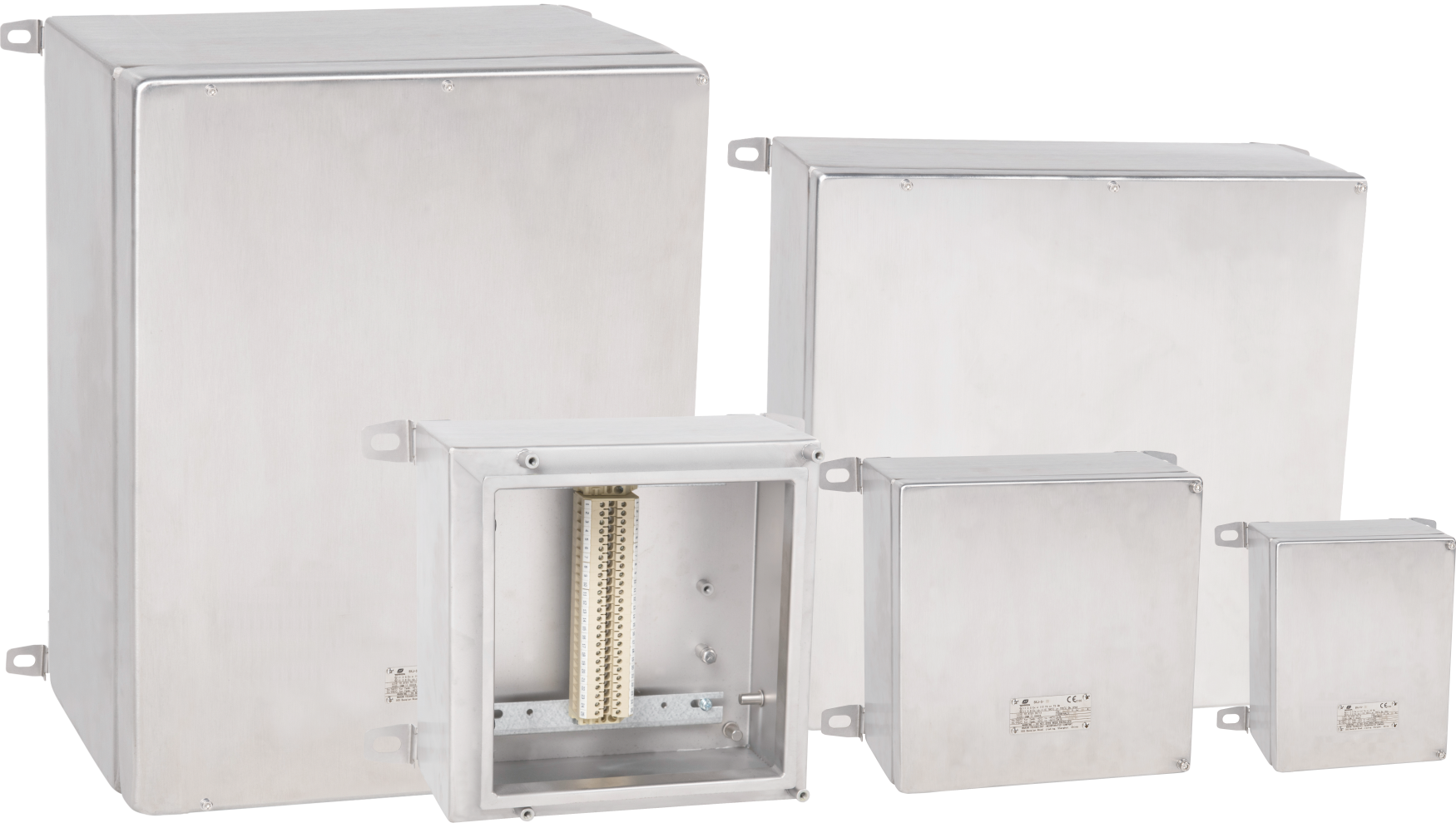
Power distribution systems connect these elements. Explosion proof distribution panels route power to multiple loads while providing circuit protection and isolation capability. The BXM(D)8050 series panels, for example, combine main breakers, branch circuits, and control interfaces within certified enclosures suitable for Zone 1 and Zone 2 locations.
Single-source procurement of integrated systems offers advantages beyond convenience. Equipment from a single manufacturer shares design philosophy, documentation format, and spare parts commonality. Interfaces between components are verified during design rather than improvised during installation. Responsibility for system performance rests with one organization rather than being diffused across multiple suppliers.
WAROM’s project experience demonstrates integrated solution delivery. The Tilenga oil project in Uganda required explosion proof lighting and electrical systems across extensive facilities; WAROM supplied coordinated equipment that achieved zero safety incidents during operation. The General Paint electrical safety upgrade addressed combined flammable gas and combustible dust hazards through a customized suite of explosion proof plugs, junction boxes, and distribution equipment designed to work together.
Frequently Asked Questions About Explosion Proof Mine Ventilation
What design features make electrical equipment explosion proof for coal mine applications?
Explosion proof equipment prevents internal electrical faults from igniting external hazardous atmospheres. Flameproof enclosures achieve this through robust housings and precisely dimensioned flame paths that cool escaping gases below ignition temperature. Intrinsically safe circuits limit energy to levels incapable of producing ignition-capable sparks or temperatures. Pressurized enclosures exclude hazardous gases entirely through maintained positive pressure. Equipment must carry certification markings from recognized bodies such as ATEX or IECEx, indicating the protection method, gas group, and temperature class for which it is approved.
What inspection frequency applies to explosion proof ventilation equipment in mining?
Inspection requirements vary by equipment type, operating conditions, and applicable regulations. Daily visual checks verify enclosure integrity and absence of obvious damage. Weekly monitoring confirms normal temperature and vibration levels. Monthly inspections examine cable entries and fastener condition. Annual detailed inspections by certified personnel include internal examination, flame path measurement, and electrical testing. MSHA regulations, ATEX workplace directives, and manufacturer recommendations all influence specific schedules. Maintaining inspection records supports both regulatory compliance and predictive maintenance planning.
Is retrofitting standard fan drives for explosion proof service a viable option?
Retrofitting standard industrial fan drives for explosion proof applications is neither practical nor permissible under certification frameworks. Explosion proof equipment achieves its protection through integrated design: enclosure dimensions, material properties, internal clearances, and component ratings all contribute to certified performance. Modifying standard equipment cannot replicate these characteristics reliably, and the resulting assembly would lack certification for hazardous area use. Procurement of purpose-designed explosion proof fan drives, while requiring higher initial investment, provides verified protection and regulatory compliance that retrofits cannot achieve. To discuss specific requirements for your ventilation system, contact WAROM at gm*@***om.com or +86 21 39977076.
If you’re interested, you may want to read the following articles:
Warom has become the first in the explosion-proof industry!
Vietnam ETE 2024 is underway
Warom at 2025 Canton Fair
Explosion Proof Emergency Exit Light Fittings for Industrial Safety
The “Canton Fair” blooming “WAROM” style
With over a decade of experience, he is a seasoned Explosion-Proof Electrical Engineer specializing in the design and manufacture of safety and explosion-proof products. He possesses in-depth expertise across key areas including explosion-proof systems, nuclear power lighting, marine safety, fire protection, and intelligent control systems. At Warom Technology Incorporated Company, he holds dual leadership roles as Deputy Chief Engineer for International Business and Head of the International R&D Department, where he oversees R&D initiatives and ensures the precise delivery of design documentation for international projects. Committed to advancing global industrial safety, he focuses on translating complex technologies into practical solutions, helping clients implement safer, smarter, and more reliable control systems worldwide.

Qi Lingyi