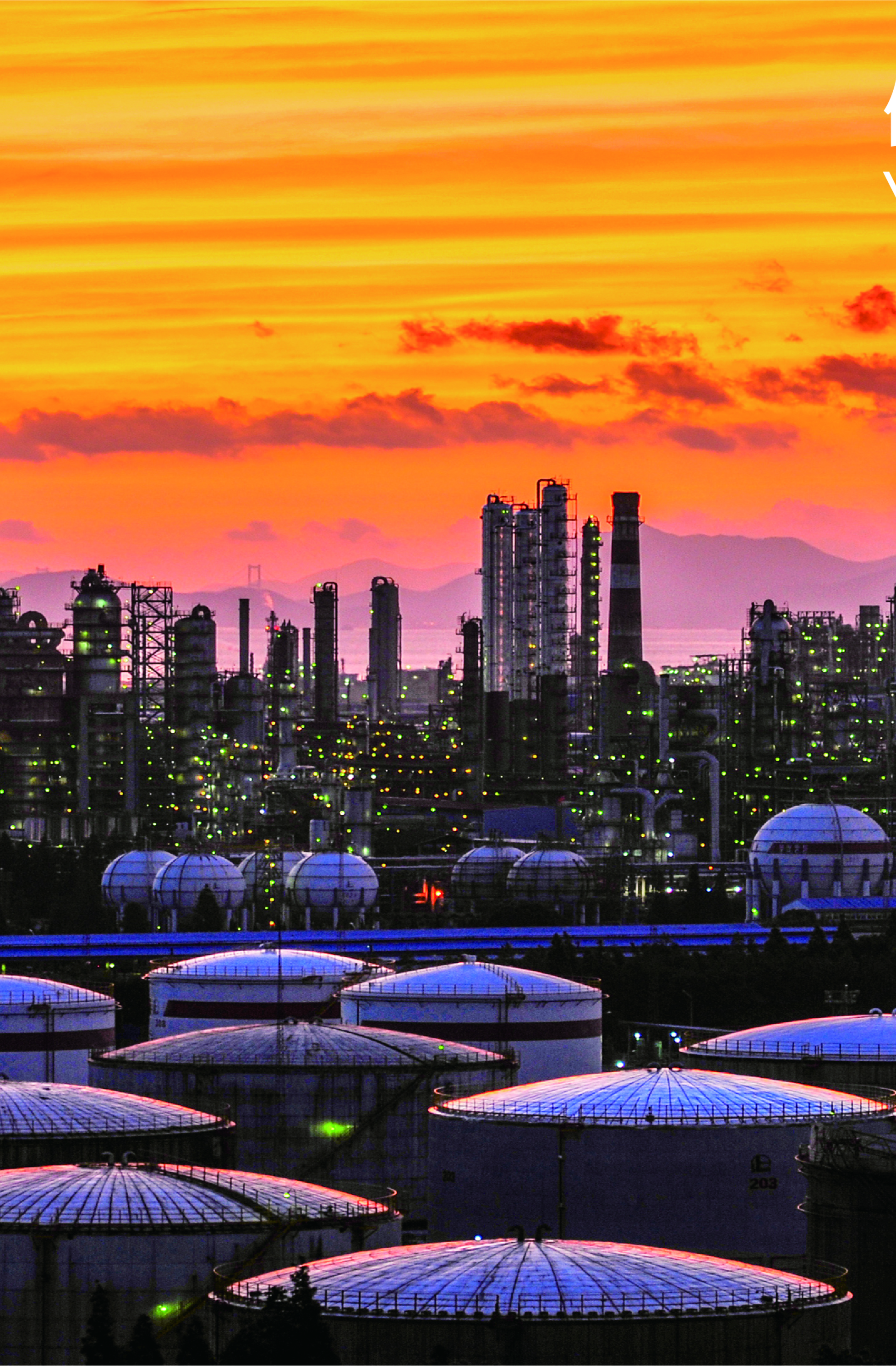
The smell of molasses and the hum of fermentation tanks define these facilities, but so does an invisible threat. Sugar distilleries and fermentation plants work with materials that can turn deadly in an instant. Fine sugar particles suspended in air become explosive clouds. Ethanol vapors need almost nothing to ignite. I’ve walked through enough of these operations to know that the line between routine production and catastrophic incident often comes down to equipment choices made years earlier.
Why Sugar and Fermentation Facilities Rank Among the Most Hazardous Industrial Environments
Sugar processing and fermentation operations create conditions that demand constant vigilance. The risks split into two main categories: combustible dust and flammable gases. Neither forgives complacency.
Sugar dust behaves differently than most people expect. When particles reach a certain fineness and concentration in air, they form explosive mixtures that can level buildings. The ignition energy required is remarkably low. A static spark, an overheated bearing, or a malfunctioning electrical connection can trigger a chain reaction.
Fermentation adds another layer of complexity. Ethanol vapor accumulates in enclosed spaces, and some processes also generate methane. Both gases create explosion risks that require specialized containment and monitoring strategies. The challenge intensifies because these hazards often coexist in the same facility, sometimes in the same room.
Proper hazardous area classification becomes the foundation for everything else. Identifying where explosive atmospheres are likely to form, and how often, determines what equipment can safely operate in each zone. This isn’t theoretical. Our work on projects similar to the General Paint Electrical Safety Upgrade Summary, where flammable gas and dust risks required systematic identification and mitigation, reinforced how much site-specific assessment matters.
Explosion Proof Equipment That Addresses Real Distillery and Fermentation Challenges
WAROM builds explosion proof equipment specifically for environments where standard industrial gear fails. The product range covers the full spectrum of electrical needs while meeting the corrosion resistance requirements these facilities demand.
Lighting presents particular challenges in distilleries and fermentation plants. Fixtures must contain any potential ignition source while surviving exposure to cleaning chemicals, humidity, and temperature swings. The BAT86 Explosion-proof LED Floodlights deliver high output without generating the heat that makes conventional lighting dangerous in these settings. For areas with severe corrosive exposure, the BAY51-Q Explosion-proof Corrosion-proof Plastic Light Fitting provides durability that metal housings cannot match.
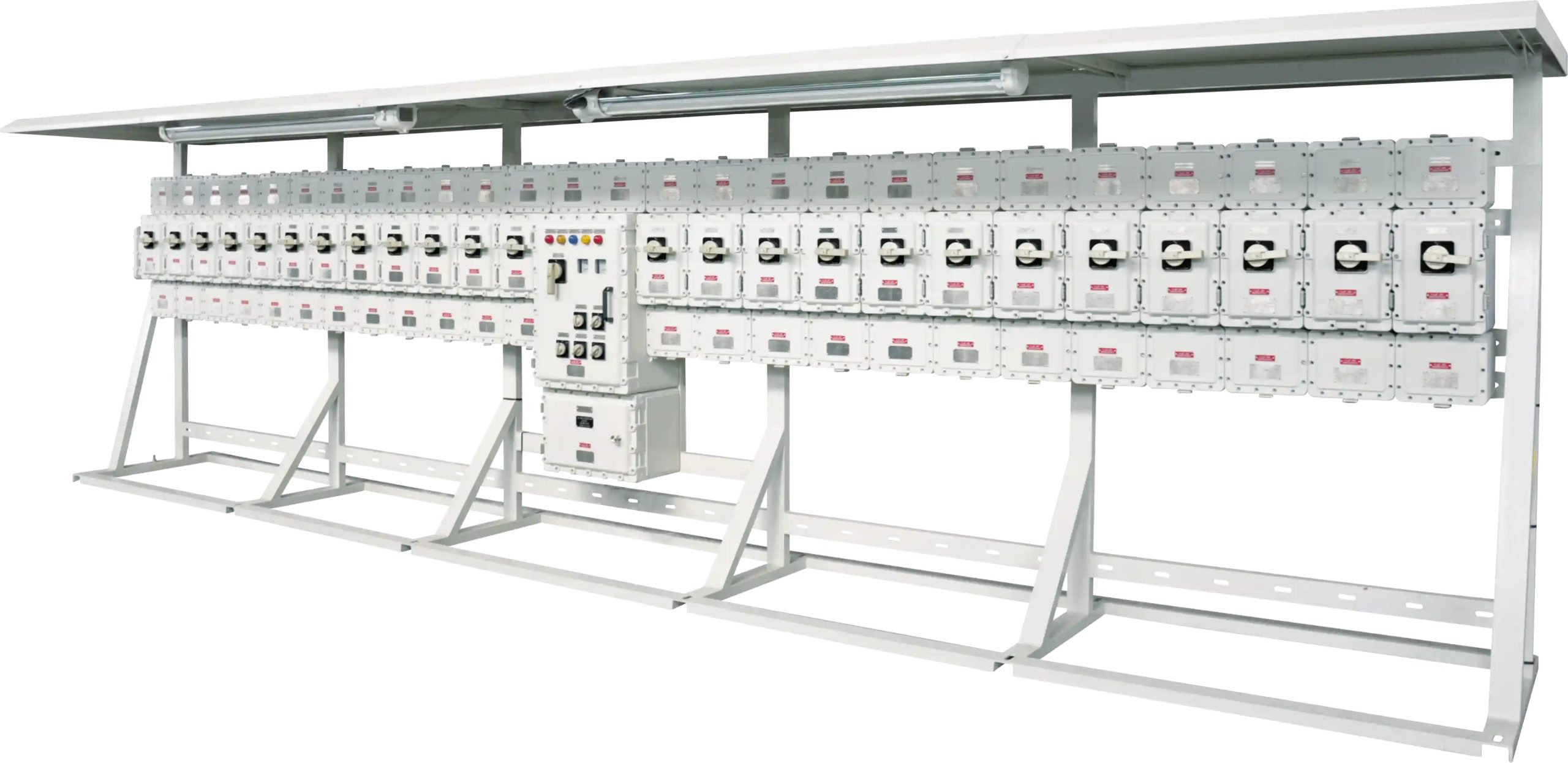
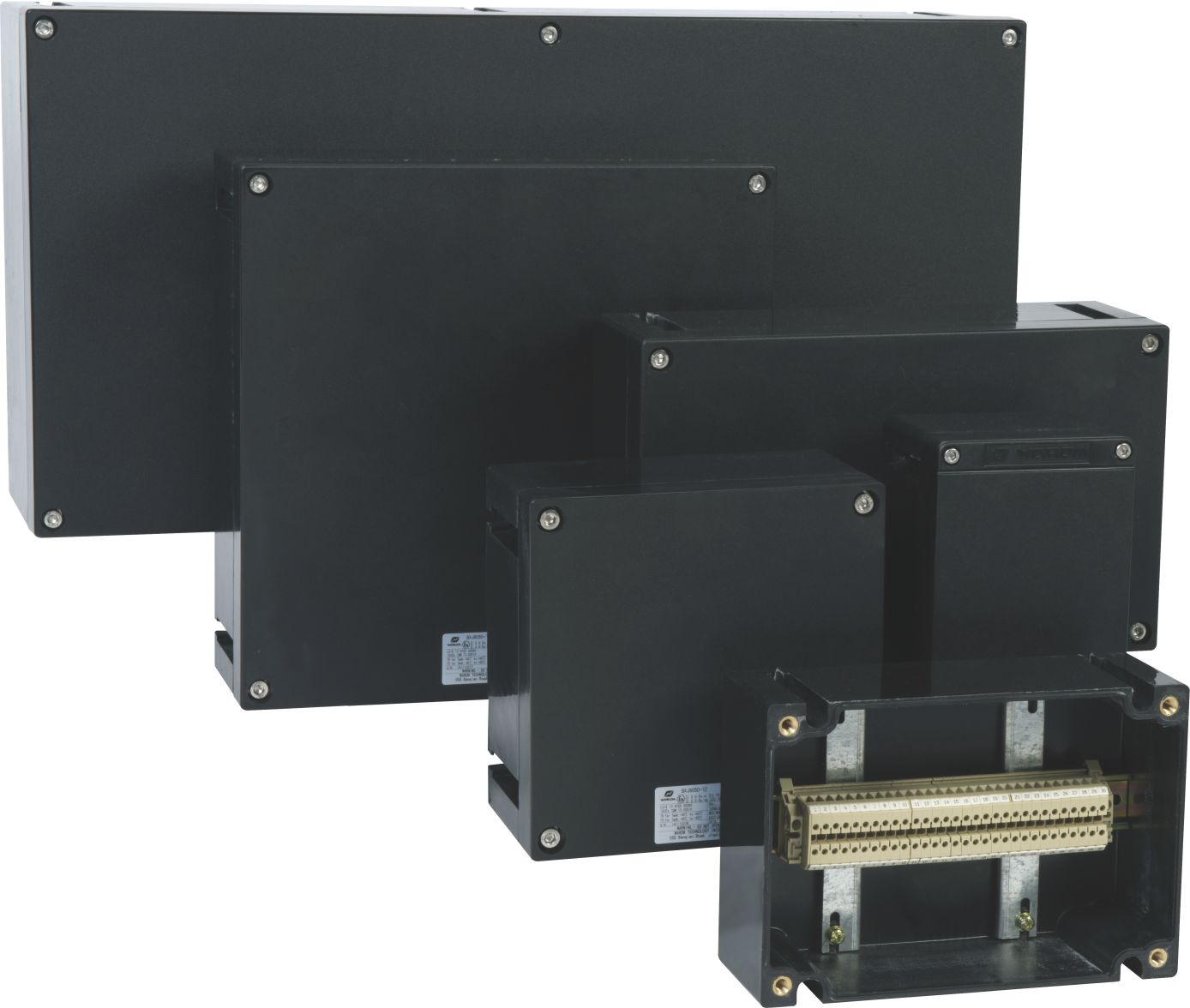
Power distribution requires equal attention. The BXM(D)8050 Explosion-proof Illumination Distribution Boxes and HRMD92 Series Explosion Proof Distribution Panels handle electrical loads while preventing any arc or spark from reaching the surrounding atmosphere. Supporting components matter just as much. terminal boxes like the BXJ8050 Series and plug and sockets from the BCZ8060 Series maintain the integrity of the entire electrical system.
Gas detection integration ties everything together. Monitoring systems that communicate with process controls can shut down operations before vapor concentrations reach dangerous levels. The Tilenga project demonstrated what this comprehensive approach achieves in practice. Supplying explosion-proof lighting and electrical systems for wellpads, a central processing facility, and pipelines within Murchison Falls National Park, the installation achieved zero safety incidents while meeting extreme environmental demands.
What Specific Explosion Risks Exist in Sugar Distilleries and Fermentation Plants?
Sugar distilleries face combustible dust hazards that many facilities underestimate. Sugar particles suspended in air at the right concentration create explosive atmospheres that ignite with minimal energy input. The mechanism involves rapid combustion propagating through the dust cloud, generating pressure waves that cause structural damage.
Fermentation plants deal primarily with flammable gas risks. Ethanol vapor is highly flammable and heavier than air, meaning it accumulates in low points and enclosed spaces. Some fermentation processes also produce methane as a byproduct. Both gases can form vapor clouds that explode when they encounter ignition sources. The combination of these hazards in facilities that often share spaces makes specialized explosion proof equipment essential rather than optional.
Meeting ATEX, IECEx, and International Safety Standards
Global operations require equipment that satisfies multiple regulatory frameworks simultaneously. ATEX certification covers European requirements, while IECEx standards provide international recognition that simplifies deployment across different jurisdictions.
These certifications represent more than paperwork. The testing protocols verify that equipment actually prevents explosions under the conditions it will face. Products undergo evaluation for specific hazardous zone classifications, ensuring they match the environments where they will operate.
WAROM maintains certifications that meet or exceed these requirements. This matters particularly for facilities with international connections. Our work with Fushilai Pharmaceutical, which exports products worldwide, required equipment that would satisfy regulatory scrutiny in multiple countries. Having certifications already in place eliminated delays and compliance complications.
The practical benefit extends to equipment selection and risk assessment. Certified products come with clear documentation of their zone compatibility and the types of explosive atmospheres they can safely operate within. This simplifies the engineering process and reduces the likelihood of specification errors.
How Do ATEX and IECEx Certifications Apply to Hazardous Environment Equipment?
ATEX and IECEx certifications confirm that equipment has been designed and tested to prevent becoming an ignition source in explosive atmospheres. The certification process evaluates construction methods, materials, and protective features against specific criteria.
Equipment receives markings that indicate exactly which hazardous zones it can operate in and what types of explosive atmospheres it can handle. This zone compatibility information guides installation decisions. A product certified for Zone 1 gas environments, for example, can operate where explosive gas atmospheres are likely to occur during normal operations.
The conformity assessment process involves independent testing laboratories that verify manufacturer claims. This third-party verification provides assurance that goes beyond self-certification. For facilities operating in multiple countries, having internationally recognized certifications eliminates the need for separate approvals in each jurisdiction.
Designing, Installing, and Maintaining Systems for Harsh Conditions
Getting explosion proof equipment right involves more than selecting certified products. The entire lifecycle, from initial design through ongoing maintenance, determines whether systems actually deliver the protection they promise.
Design starts with understanding the specific environment. Distilleries and fermentation plants vary significantly in their layouts, processes, and hazard profiles. A system designed for one facility may miss critical requirements at another. WAROM provides customized solutions that account for these differences, an approach we refined through projects like the General Paint installation where standard configurations would have left gaps in protection.
Material selection drives long-term performance. Corrosive conditions in distilleries attack equipment continuously. Anti-corrosion materials and coatings extend service life and maintain protective integrity. Stainless steel and marine-grade aluminum resist chemical exposure better than standard materials. Specialized coatings add another layer of defense.
Ventilation integration prevents hazardous gas accumulation. Even the best explosion proof equipment works better when explosive atmospheres never form in the first place. System designs that incorporate proper airflow reduce the frequency and duration of hazardous conditions.
Installation quality determines whether design intentions translate to actual protection. Professional installation ensures that cable entries are properly sealed, enclosures are correctly oriented, and all connections maintain their explosion-proof ratings. The Fushilai Pharmaceutical project demonstrated the value of coordinating with design institutes and project owners from the earliest stages. Phased delivery aligned with construction progress ensured that equipment arrived when needed and was installed correctly.
What Should Guide Explosion Proof Electrical System Selection for Corrosive Distillery Conditions?
Material selection ranks first among considerations. Equipment housings must resist the specific chemicals present in the facility. Stainless steel handles most corrosive exposures well, while marine-grade aluminum offers a lighter alternative with good chemical resistance. The wrong material choice leads to premature failure and potential loss of explosion protection.
Ingress protection ratings indicate how well enclosures keep out dust and liquids. Ratings like IP66 and IP67 provide the sealing necessary for environments where washdowns occur regularly and dust accumulates constantly. Lower ratings may allow moisture or particles to compromise internal components.
Specialized coatings enhance base material performance. Even corrosion-resistant metals benefit from additional protection in severe environments. These coatings extend service intervals and reduce maintenance requirements over the equipment’s operational life.
Documented Results from Industrial Safety Projects
Project outcomes demonstrate what comprehensive explosion proof solutions achieve in practice.
The Tilenga project in Uganda presented extreme challenges. Supplying explosion-proof lighting and electrical systems for wellpads, a central processing facility, and pipelines within Murchison Falls National Park required equipment that could handle both operational demands and environmental conditions. The installation achieved zero safety incidents while meeting all safety, environmental, and performance requirements on schedule. Energy efficiency and low maintenance requirements proved out under actual operating conditions.
General Paint in Mexico faced serious electrical safety hazards from flammable gas and dust risks. The customized solution included gas detectors, plug and sockets, terminal boxes, distribution boxes, static electricity discharge devices, and anti-corrosion equipment. Over three months, the installation significantly improved safety and prevented potential fire incidents. The success led to integration of WAROM products into their procurement system and established a technical-marketing model applicable to similar customers in emerging markets.
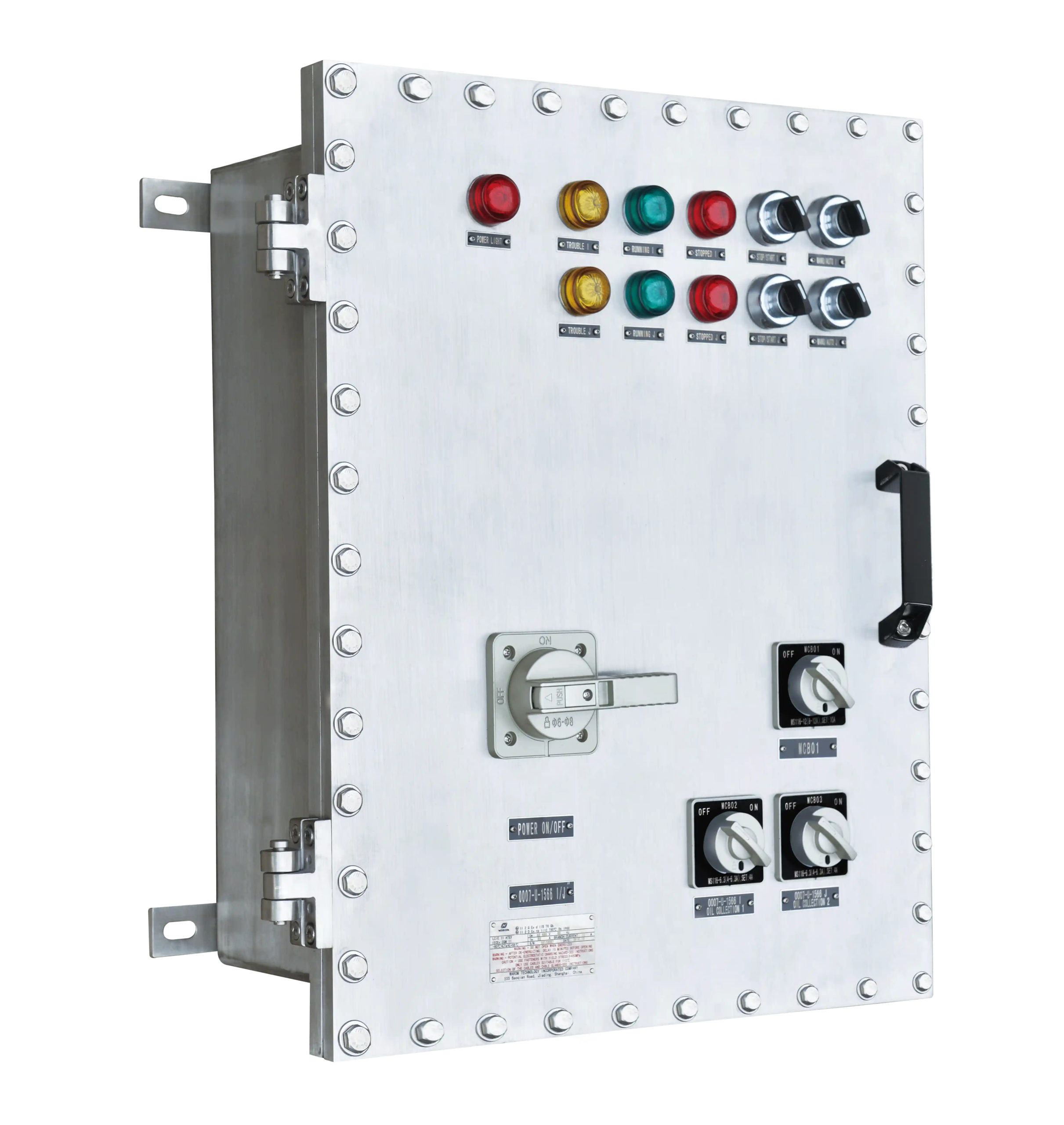
The Fushilai Pharmaceutical CM/CDMO Construction Project in Suzhou involved a 48,000 square meter facility with 15 production lines serving global markets. WAROM secured the bid for explosion proof equipment including distribution boxes for workshops, warehouses, tank farms, and pump controls. Early coordination with the promoter, design institute, and project owner enabled phased delivery aligned with construction progress. Professional services and technical support ensured timely, high-quality execution.
Working with WAROM on Your Facility’s Safety Requirements
Sugar distilleries and fermentation plants operate with risks that demand specialized expertise. WAROM TECHNOLOGY INCORPORATED COMPANY provides consultation and customized explosion proof solutions designed for specific hazardous area requirements. Contact us at +86 21 39977076 or gm*@***om.com to discuss your facility’s needs.
Frequently Asked Questions About Explosion Proof Equipment
How Long Does WAROM Explosion Proof Equipment Typically Last in Sugar Distillery Environments?
Service life depends on specific operating conditions and maintenance practices, but WAROM equipment consistently exceeds industry standards for reliability. The combination of robust construction and high-quality materials enables extended operation even in corrosive, dust-laden environments. Facilities that follow recommended maintenance schedules see significantly longer service intervals and lower total cost of ownership compared to equipment built to minimum specifications.
How Does WAROM Address Local Safety Regulations Across Different Countries?
International projects require navigating multiple regulatory frameworks simultaneously. WAROM maintains certifications that satisfy major international standards while also working with local requirements in specific jurisdictions. Technical teams assess applicable regulations for each project and coordinate with clients, design institutes, and project owners to ensure delivered equipment meets exact requirements. This approach has proven effective across diverse international installations.
Can WAROM Develop Customized Solutions for Unique Fermentation Plant Configurations?
Every fermentation plant presents distinct challenges based on layout, processes, and hazard classifications. WAROM engineers conduct site assessments and work directly with clients to design systems that address specific requirements. This includes specialized distribution boxes, light fittings, and control solutions configured for particular applications. The General Paint project exemplified this approach, where standard configurations would have left protection gaps that customized solutions eliminated.
With over a decade of experience, he is a seasoned Explosion-Proof Electrical Engineer specializing in the design and manufacture of safety and explosion-proof products. He possesses in-depth expertise across key areas including explosion-proof systems, nuclear power lighting, marine safety, fire protection, and intelligent control systems. At Warom Technology Incorporated Company, he holds dual leadership roles as Deputy Chief Engineer for International Business and Head of the International R&D Department, where he oversees R&D initiatives and ensures the precise delivery of design documentation for international projects. Committed to advancing global industrial safety, he focuses on translating complex technologies into practical solutions, helping clients implement safer, smarter, and more reliable control systems worldwide.
Qi Lingyi