
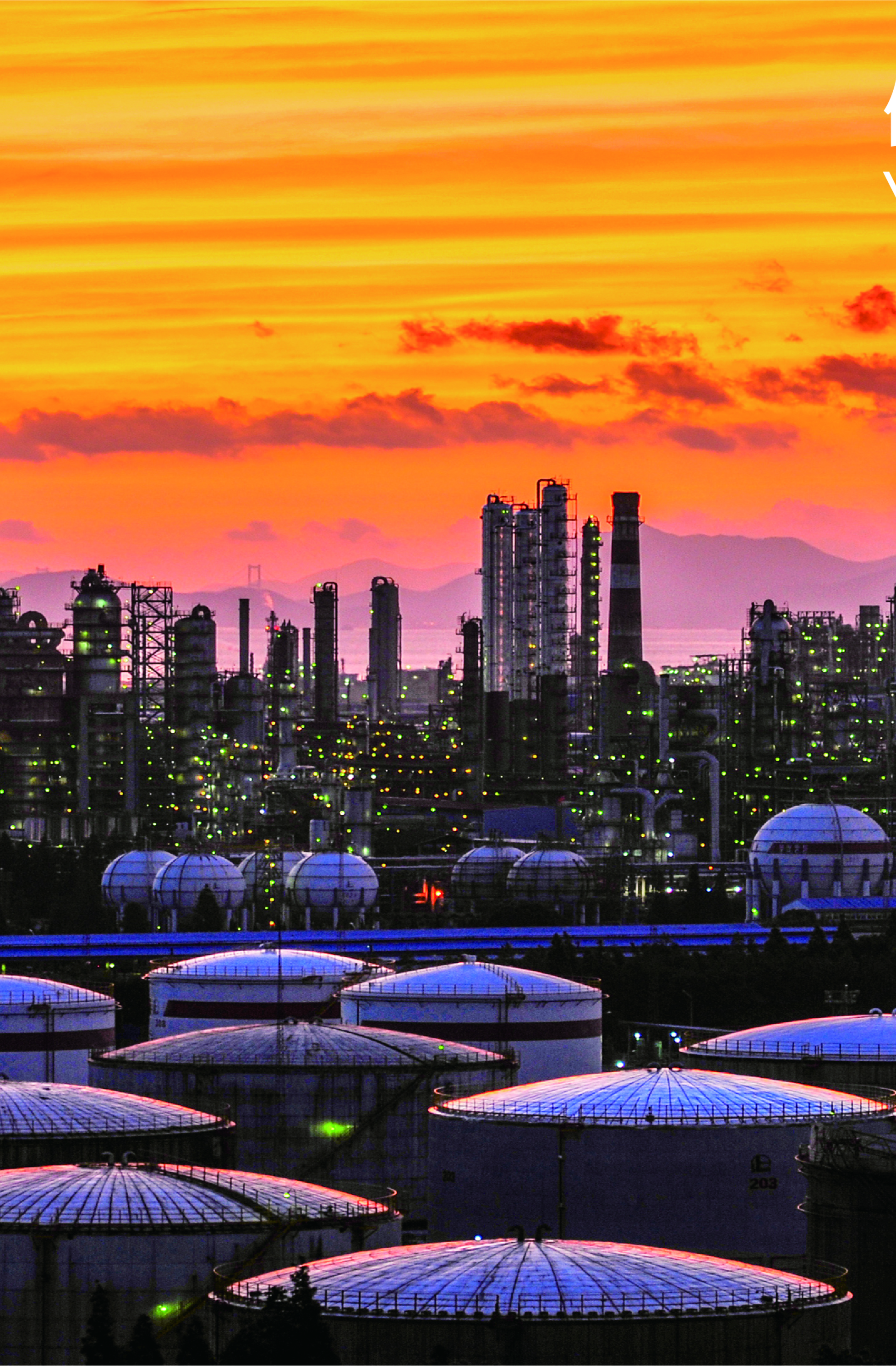
Working in spaces where a single spark can trigger disaster changes how you think about every piece of equipment. Explosion-proof LED lights exist precisely for these environments—places where flammable gases hang in the air or combustible dust settles on surfaces. Standard fixtures become liabilities here. The engineering behind proper hazardous-area lighting involves containment strategies, thermal limits, and certification pathways that most people never encounter until a project demands it. WAROM TECHNOLOGY INCORPORATED COMPANY has spent decades building lighting systems that function reliably in these conditions, balancing the physics of explosion protection with practical installation and maintenance realities.
How Hazardous Area Classifications Shape Equipment Requirements
Regulatory frameworks for hazardous atmospheres exist because the consequences of ignoring them are severe. ATEX certification in Europe, IECEx standards internationally, and regional requirements elsewhere all share a common goal: preventing electrical equipment from becoming ignition sources. These systems categorize environments by how often flammable substances appear. Zone 0 or Zone 20 means the hazard is essentially constant—gas or dust present continuously. Zone 2 or Zone 22 indicates the substance appears only under abnormal conditions, perhaps during equipment failure or maintenance activities.
| Zone Classification | Type of Hazard | Frequency of Hazard |
|---|---|---|
| Zone 0 | Flammable Gas | Continuous |
| Zone 1 | Flammable Gas | Intermittent |
| Zone 2 | Flammable Gas | Infrequent |
| Zone 20 | Combustible Dust | Continuous |
| Zone 21 | Combustible Dust | Intermittent |
| Zone 22 | Combustible Dust | Infrequent |
The Tilenga project in Uganda illustrates what compliance looks like in practice. Wellpads and central processing facilities in oil extraction present multiple zone types simultaneously, requiring equipment selection that accounts for varying hazard levels across different areas of the same site.
Certification Requirements Across Industrial Sectors
Certification requirements for explosion-proof LED lights depend heavily on geography and industry. ATEX directives govern European Union markets. The IECEx scheme provides international recognition that simplifies multi-country projects. North American installations typically require UL certification. Each system verifies that equipment can operate safely where flammable atmospheres exist, but the testing protocols and documentation requirements differ.
WAROM’s project history spans these regulatory environments. The Tilenga installation required compliance with international standards for oil and gas operations. The Fushilai Pharmaceutical project demanded certifications appropriate for chemical processing environments. Navigating these different frameworks requires understanding not just what the standards say, but how local authorities interpret and enforce them.
Engineering Principles Behind Explosion-Proof LED Lighting
Several protection philosophies exist for hazardous-area equipment. Intrinsic safety works by limiting electrical and thermal energy below ignition thresholds—the circuit simply cannot produce enough energy to start a fire. Flameproof enclosure designs take a different approach, containing any internal explosion within the housing so flames cannot escape to ignite the surrounding atmosphere. The enclosure gaps are engineered to cool escaping gases below ignition temperature.
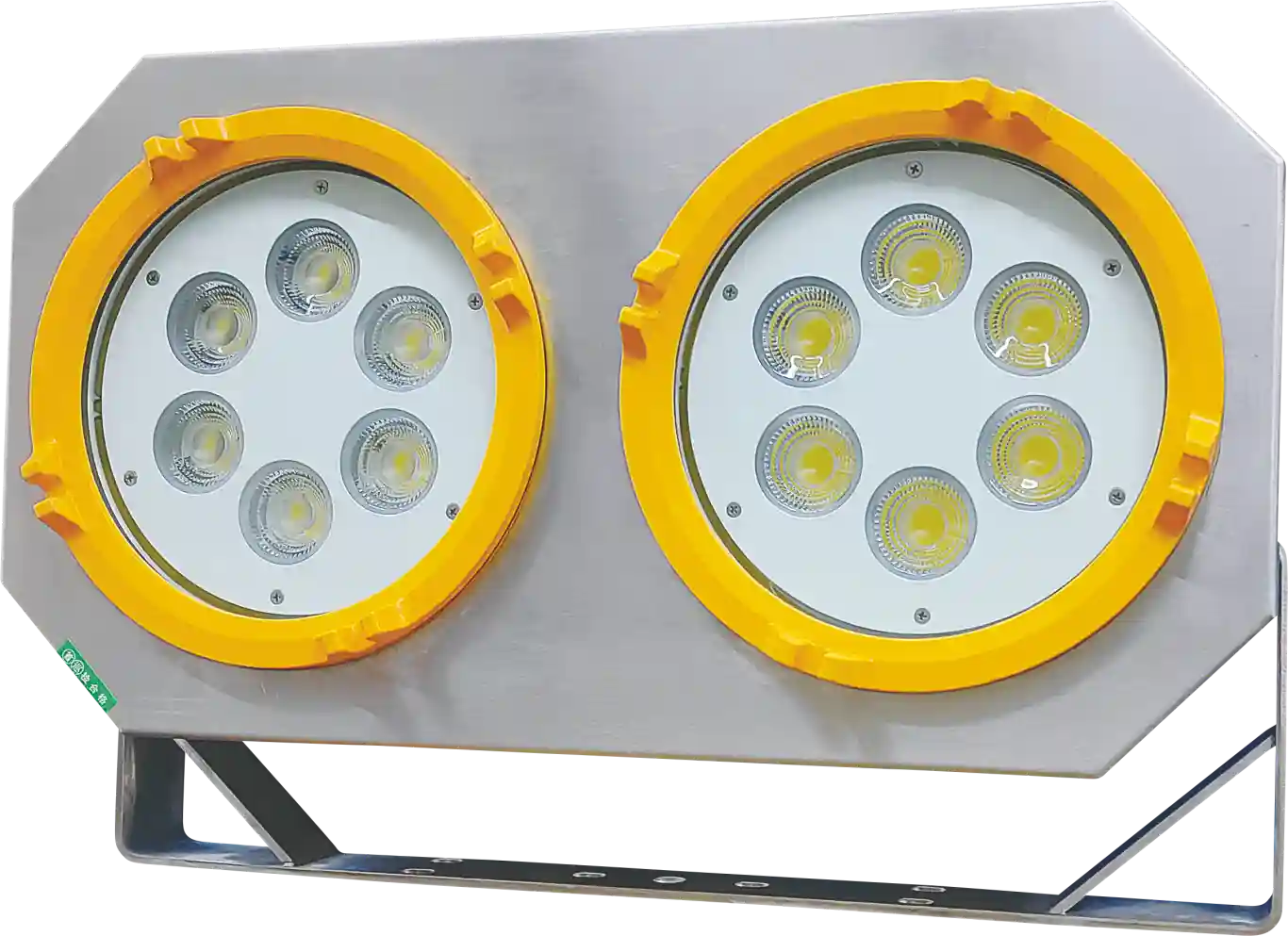
Material selection matters enormously. Corrosion resistance determines whether a fixture survives chemical exposure or marine salt spray. Ingress protection ratings like IP66 indicate resistance to dust and water penetration. The BAT86 Explosion-proof LED Floodlights and BAY51-Q Explosion-proof Corrosion-proof Plastic Light Fitting both carry these ratings because the environments they serve demand it.
Thermal management becomes critical with LED technology. While LEDs generate less heat than traditional sources, they still produce thermal energy that must dissipate safely. Surface temperatures cannot exceed the ignition point of surrounding gases or dusts. The HRNT95 Series Explosion Proof LED Light Fittings incorporate heat dissipation designs that maintain safe operating temperatures while delivering high lighting efficiency across extended service life.
Economic Advantages of LED Technology in Hazardous Environments
The cost argument for explosion-proof LED lighting extends beyond energy bills, though those savings are substantial. LED modules typically last 50,000 hours or more, compared to roughly 10,000 hours for traditional alternatives. In hazardous areas, this difference matters more than usual because replacement procedures require safety protocols, permits, and sometimes production shutdowns.
| Feature | LED Lighting | Traditional Lighting |
|---|---|---|
| Energy Consumption | Low | High |
| Lifespan | Long (50,000+ hours) | Short (10,000 hours) |
| Maintenance | Low | High |
| Durability | High | Moderate |
| Environmental Impact | Lower | Higher |
The Tilenga project demonstrated these advantages under real operating conditions. Reduced maintenance frequency meant fewer work permits, fewer personnel entries into hazardous zones, and fewer opportunities for something to go wrong during service activities. Energy efficiency contributed to lower operating costs, but the maintenance reduction often delivers larger savings in hazardous-area applications where access is restricted and procedures are complex.
How LED Lights Reduce Operating Costs in Hazardous Areas
The mechanisms are straightforward. Lower energy consumption reduces utility expenses directly. Extended lifespan means purchasing fewer replacement units over time. But the hidden savings come from maintenance logistics. Accessing fixtures in Zone 1 areas requires gas testing, hot work permits, and sometimes production holds. Each maintenance event carries direct costs and indirect costs from production disruption.
LED light fittings that operate reliably for years between service intervals eliminate most of these events. The durability of properly engineered explosion-proof housings further reduces failure rates. Combined, these factors shift the total cost of ownership calculation significantly in favor of LED technology, even when initial purchase prices exceed traditional alternatives.
For more insights into optimizing your lighting infrastructure, consider reading our article: Explosion Proof LED Lighting Solutions for Hazardous Areas.
Matching Lighting Solutions to Specific Industrial Applications
Different industries present different challenges. Oil and gas facilities often combine outdoor exposure with corrosive atmospheres and multiple zone classifications across a single site. Chemical plants may involve aggressive solvents that attack standard materials. Pharmaceutical manufacturing requires cleanroom compatibility alongside explosion protection. Marine environments add salt spray corrosion to the equation.
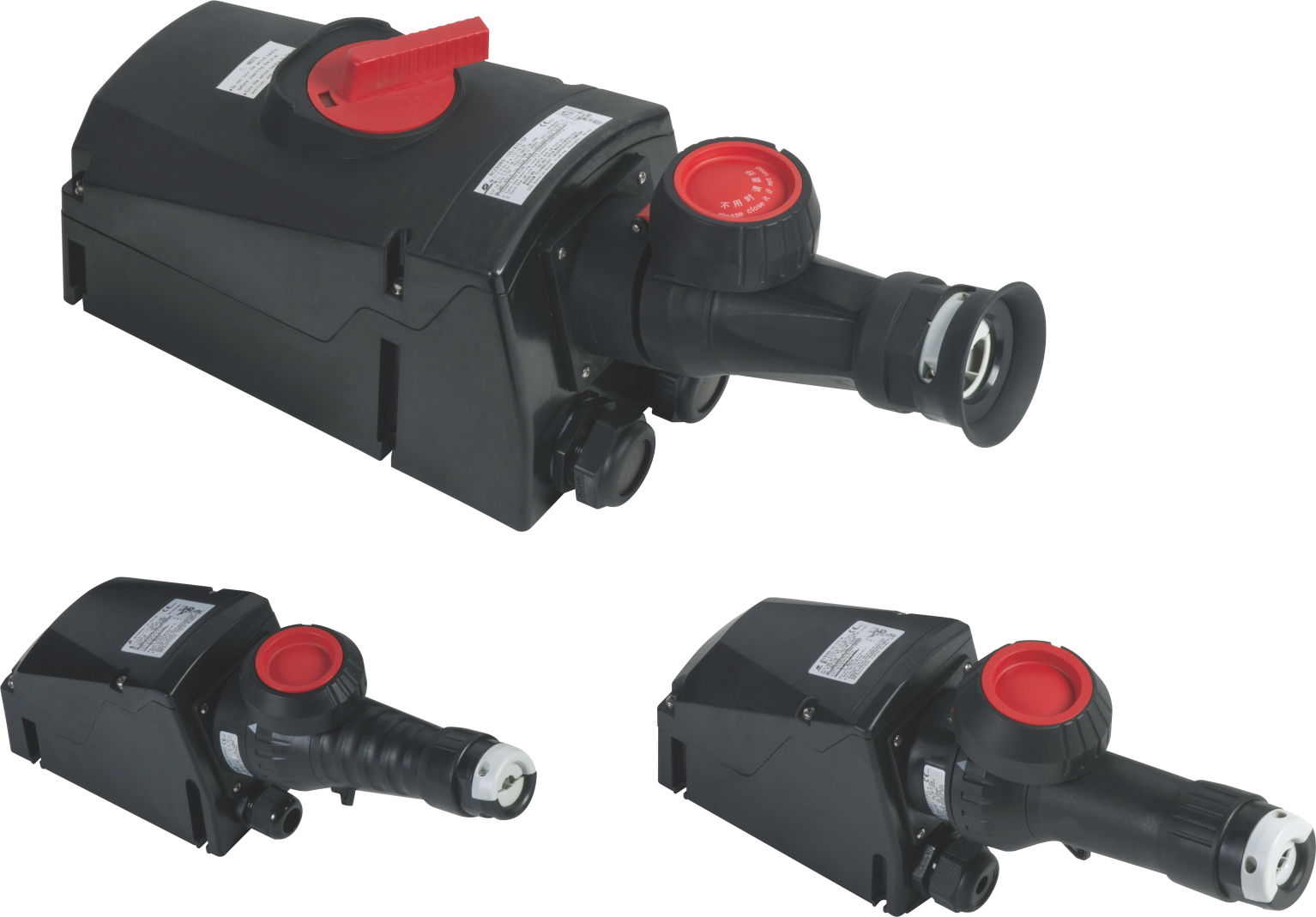
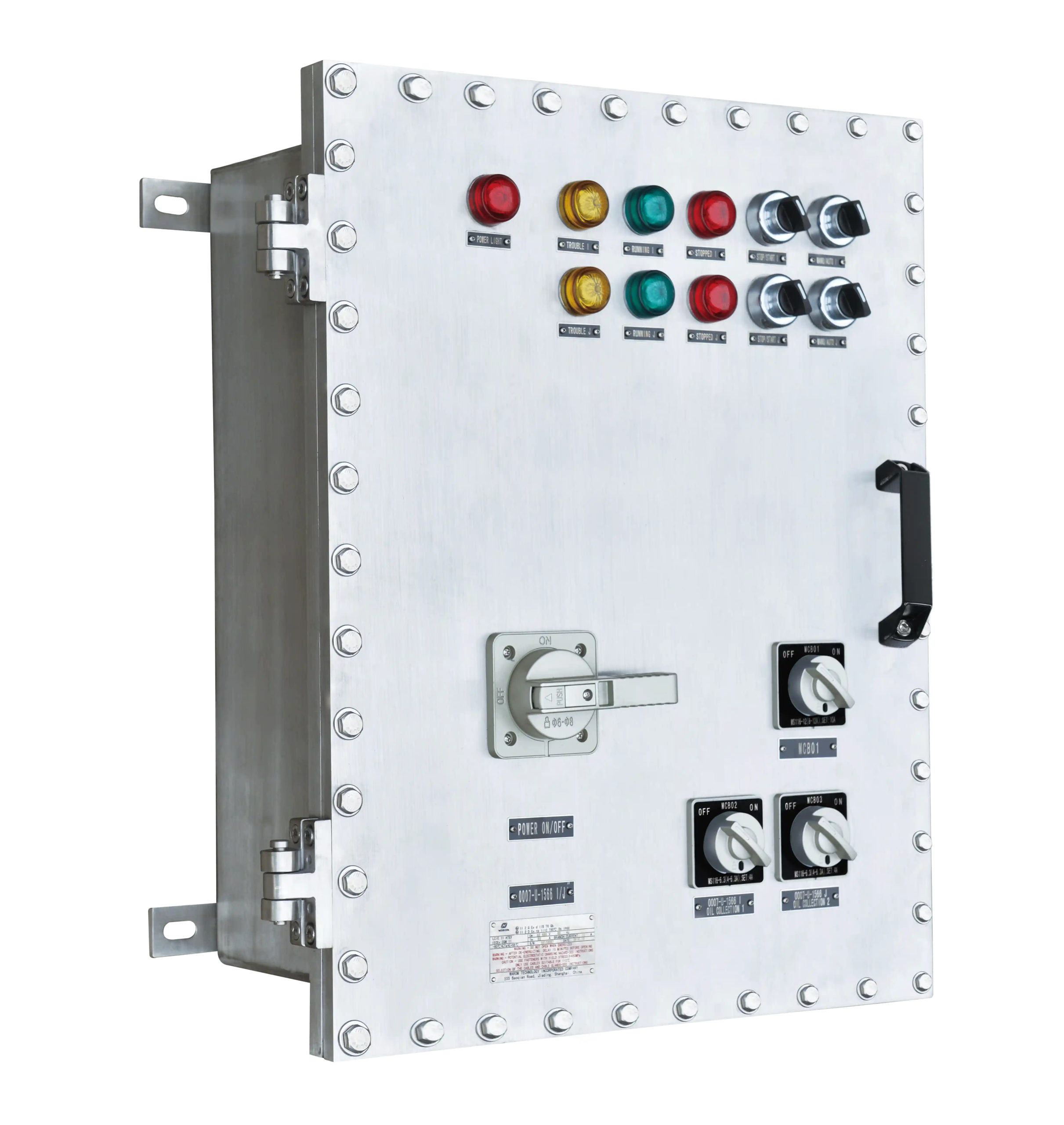
The Tilenga project required comprehensive explosion-proof electrical systems across wellpads and processing facilities. The General Paint electrical safety upgrade involved tailored solutions including explosion-proof plugs and distribution boxes for a coating manufacturing environment. Fushilai Pharmaceutical’s CM/CDMO Construction Project demanded equipment suitable for workshops, warehouses, and tank farms, each with different hazard profiles and operational requirements.
Selection Criteria for Specific Hazardous Zones
Several factors determine appropriate equipment selection. Zone classification establishes the baseline protection level required. Gas or dust group classification identifies the specific substances present and their ignition characteristics. Temperature class ensures surface temperatures remain below ignition thresholds for the identified substances.
Ingress protection ratings must match environmental exposure—outdoor installations and washdown areas need higher ratings than protected indoor spaces. Corrosion resistance requirements depend on atmospheric chemistry. Some environments involve temperature extremes, vibration, or mechanical impact that standard designs cannot withstand. WAROM’s project experience across these varied conditions informs equipment recommendations for challenging applications.
Project Execution and Long-Term Partnership
Delivering explosion-proof lighting systems involves more than shipping products. Complex installations require coordination between equipment suppliers, electrical contractors, safety personnel, and operations teams. The Tilenga project achieved zero safety incidents through careful planning and execution across multiple site areas and installation phases.
The Fushilai Pharmaceutical project demonstrated how professional services and technical support contribute to successful outcomes. Multi-party coordination ensured equipment arrived when needed, installation proceeded according to schedule, and commissioning verified proper operation before production began. These project management capabilities complement product quality in determining overall results.
Partner with WAROM for Your Hazardous Area Lighting Needs
WAROM TECHNOLOGY INCORPORATED COMPANY brings over 35 years of explosion-proof industry experience to every project. Our certified products meet international standards, and our project support capabilities ensure successful implementation from initial consultation through commissioning. Contact us at +86 21 39977076 or gm*@***om.com to discuss your specific requirements and learn how our lighting systems can serve your operations.
Frequently Asked Questions About Explosion Proof LED Lighting
What distinguishes explosion-proof from intrinsically safe LED lighting?
These represent different protection philosophies. Explosion-proof designs use robust enclosures that contain any internal explosion, preventing ignition of external atmospheres through carefully engineered flame paths. Intrinsically safe designs limit electrical and thermal energy to levels too low to cause ignition in the first place. Selection depends on zone classification, installation requirements, and specific application characteristics. WAROM offers light fittings utilizing both approaches to address diverse hazardous environment needs.
How does WAROM ensure reliability in extreme industrial conditions?
Reliability comes from design decisions, material selection, and testing protocols. High ingress protection ratings prevent dust and moisture penetration. Corrosion-resistant materials withstand chemical exposure and marine atmospheres. Thermal management systems maintain safe operating temperatures under continuous use. Compliance with ATEX, IECEx, and other standards provides third-party verification of these characteristics. The Tilenga project in Uganda validated these design approaches under demanding field conditions. Our floodlights and other products reflect this engineering emphasis on durability.
Can explosion-proof LED lighting integrate with industrial control systems?
Modern explosion-proof LED lighting systems support integration with plant control and monitoring infrastructure. Centralized control enables coordinated operation across facility areas. Automated dimming reduces energy consumption during low-activity periods. Real-time status monitoring identifies failures before they affect operations. WAROM designs equipment for compatibility with industrial control architectures, as demonstrated in the General Paint project where integrated explosion-proof components including illumination distribution boxes provided comprehensive electrical safety improvements.
With over a decade of experience, he is a seasoned Explosion-Proof Electrical Engineer specializing in the design and manufacture of safety and explosion-proof products. He possesses in-depth expertise across key areas including explosion-proof systems, nuclear power lighting, marine safety, fire protection, and intelligent control systems. At Warom Technology Incorporated Company, he holds dual leadership roles as Deputy Chief Engineer for International Business and Head of the International R&D Department, where he oversees R&D initiatives and ensures the precise delivery of design documentation for international projects. Committed to advancing global industrial safety, he focuses on translating complex technologies into practical solutions, helping clients implement safer, smarter, and more reliable control systems worldwide.

Qi Lingyi