
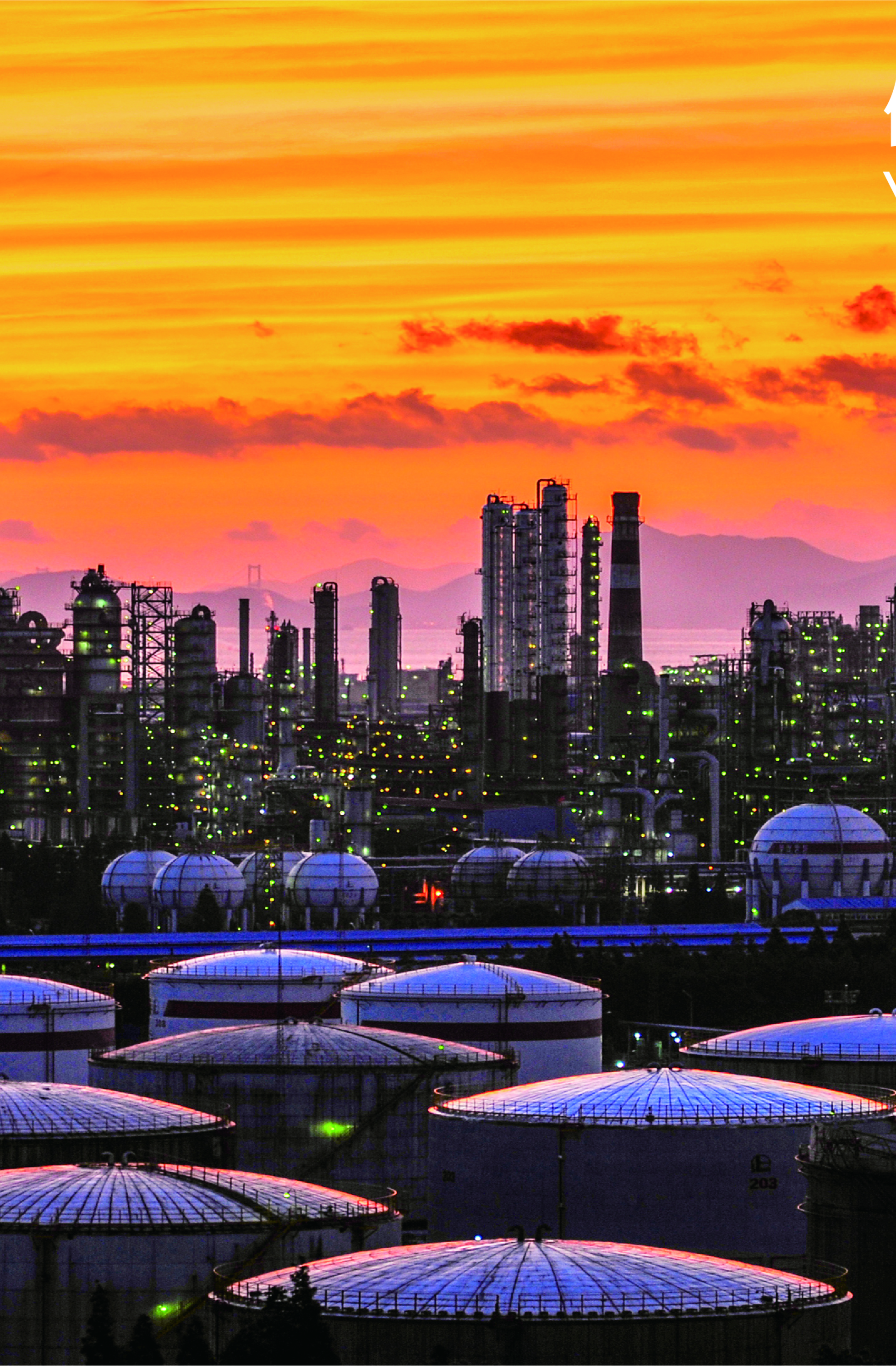
Working around flammable gases or combustible dusts changes how you think about every piece of equipment in a facility. Lighting becomes more than illumination—it becomes a potential ignition source that needs careful management. Explosion proof LED lights exist precisely for these environments, engineered to operate without triggering the catastrophic chain reactions that standard fixtures could cause. Getting the selection right matters because the consequences of getting it wrong extend far beyond equipment damage.
How Hazardous Areas Get Classified and Why It Shapes Your Lighting Choices
The presence of explosive atmospheres defines what makes an area hazardous. Classification systems exist because different environments carry different risk levels, and those differences determine what protection your electrical equipment needs.
Gas and vapor environments break down into three zones based on how often explosive conditions exist:
- Zone 0: Explosive atmosphere present continuously or for extended periods
- Zone 1: Explosive atmosphere likely during normal operations
- Zone 2: Explosive atmosphere unlikely during normal operations, or present only briefly if it occurs
Combustible dust environments follow a parallel structure:
- Zone 20: Combustible dust present continuously or for extended periods
- Zone 21: Combustible dust likely during normal operations
- Zone 22: Combustible dust unlikely during normal operations, or present only briefly if it occurs
These classifications directly dictate what explosion protection your lighting must carry. The Tilenga project in Uganda demonstrated this principle in practice—oil and gas operations there required WAROM to supply explosion proof LED lights and electrical systems matched to specific zone requirements. The result was zero safety incidents and reliable performance under extreme conditions. At General Paint, a chemical plant dealing with both flammable gas and dust hazards, customized explosion proof solutions addressed the particular risks present in their environment.
Hazardous Area Zone Classification Overview
| Zone (Gas/Vapor) | Zone (Dust) | Likelihood of Hazardous Atmosphere |
|---|---|---|
| Zone 0 | Zone 20 | Continuous or long periods |
| Zone 1 | Zone 21 | Likely during normal operation |
| Zone 2 | Zone 22 | Unlikely or for short periods |
ATEX, IECEx, and UL Certifications That Validate Explosion Proof Performance
Certifications function as proof that explosion proof LED lights have survived rigorous testing designed to verify they cannot become ignition sources. Without these validations, you are essentially trusting manufacturer claims without independent verification.
ATEX certification is mandatory for equipment operating in potentially explosive atmospheres within the European Union. The testing examines everything from enclosure integrity to thermal management under fault conditions. IECEx serves as an international certification scheme that facilitates equipment trade across borders while maintaining consistent safety standards. UL certification addresses North American requirements, ensuring compliance with both US and Canadian safety standards.
Each certification involves detailed examination of product design, material selection, and manufacturing processes. The goal is confirming that no realistic failure mode could produce sufficient energy to ignite the surrounding atmosphere.
WAROM maintains compliance with these global standards across product lines. Projects like Tilenga and Fushilai Pharmaceutical relied on this certification foundation to ensure maximum safety and regulatory compliance.
What are the key certifications for explosion proof LED lights?
ATEX, IECEx, and UL represent the primary certifications for explosion proof LED lights. ATEX covers European Union requirements for potentially explosive atmospheres. IECEx provides international recognition that simplifies deployment across multiple regions. UL certification satisfies North American safety requirements. All three involve extensive testing of how equipment behaves under normal operation and various fault conditions, verifying that ignition cannot occur.
For additional perspective on specialized hazardous area lighting, consider reading 《Ensuring Safety: The Indispensable Role of Explosion Proof Fluorescent Lamps》.
Why LED Technology Performs Better in Demanding Industrial Conditions
LED technology brings inherent advantages to hazardous area lighting that older technologies cannot match. The physics of how LEDs generate light produces less waste heat, which matters significantly when surface temperature limits are part of your safety requirements.
Energy efficiency runs substantially higher than traditional lighting sources because LEDs convert more electrical energy directly into visible light rather than heat. Operational lifespans extend well beyond conventional alternatives, reducing how often maintenance personnel need to access potentially hazardous areas for replacements. The instant-on capability eliminates warm-up periods that older technologies required.
Mechanical durability also improves with LED construction. The solid-state nature of LED light sources makes them inherently more resistant to vibration and shock than filament or gas-discharge alternatives. This matters in industrial settings where equipment vibration is constant and occasional impacts are unavoidable.
WAROM’s explosion proof LED lights demonstrated these advantages during the Tilenga project, where the combination of zero safety incidents, energy efficiency, and minimal maintenance requirements validated the technology choice under actual operating conditions.
Key Features of WAROM Explosion Proof LED Lights
| Feature | Benefit | Applicable Products (Examples) |
|---|---|---|
| High Energy Efficiency | Reduced operational costs, lower carbon footprint | BAT86, HRNT95 |
| Extended Lifespan | Minimized maintenance and replacement | BAT86, HRNT95 |
| Instant-On | Immediate illumination, enhanced safety | BAT86, HRNT95 |
| Vibration/Shock Resistance | Increased durability in harsh environments | BAT86, HRNT95 |
| Corrosion-Proof (WF2) | Longevity in corrosive atmospheres | BAT86, BAY51-Q |
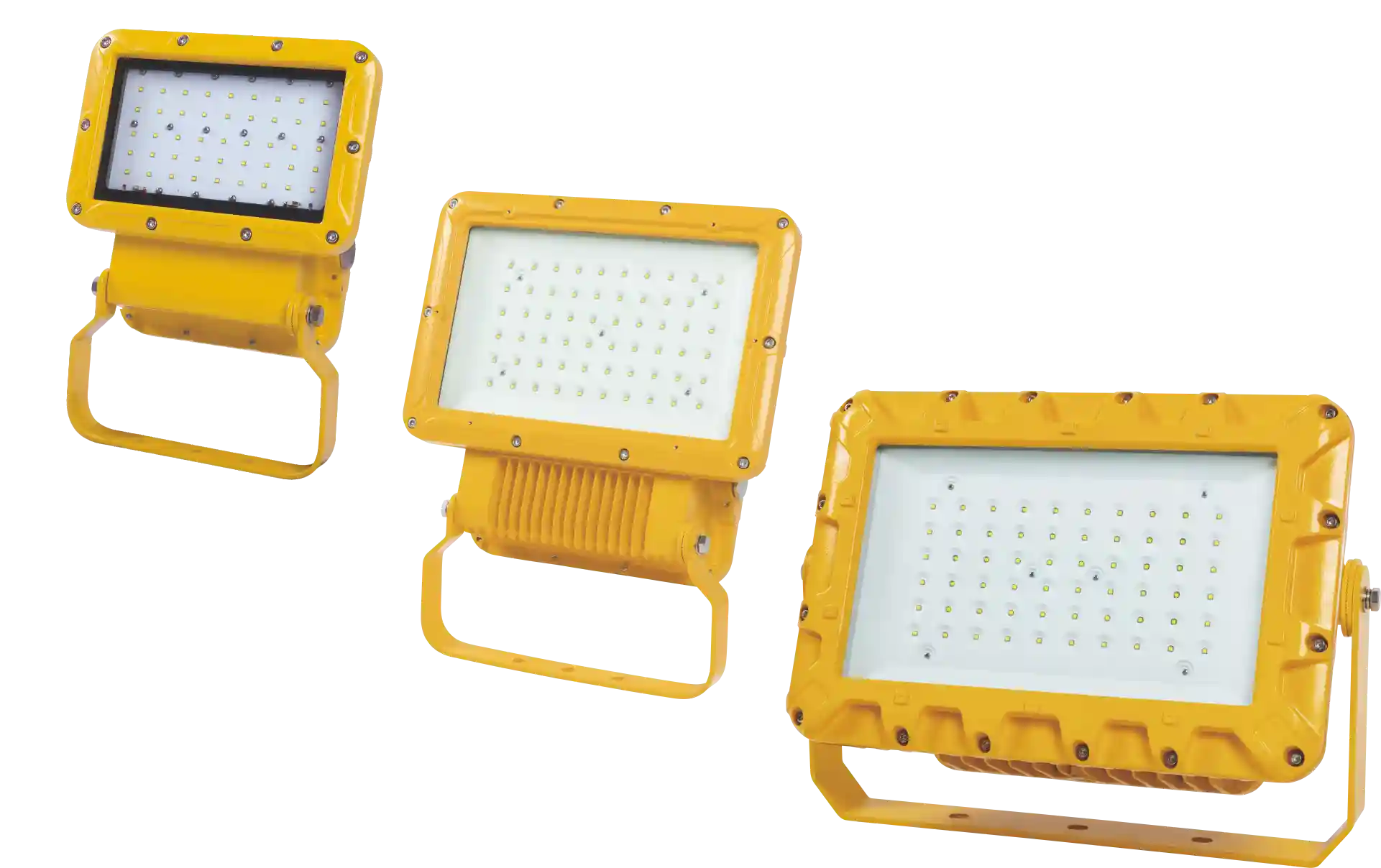
Matching Explosion Proof LED Lights to Your Specific Facility Requirements
Selecting appropriate explosion proof LED lighting requires systematic evaluation rather than defaulting to whatever seems adequate. Several factors interact to determine what actually fits your situation.
Zone classification comes first. Determine whether your areas fall into Zone 0, 1, or 2 for gases, or Zone 20, 21, or 22 for dusts. This establishes the baseline protection level your lighting must provide.
Temperature class matching follows. Every explosion proof light carries a temperature class rating indicating its maximum surface temperature under operation. This rating must remain below the ignition temperature of whatever hazardous substances exist in your environment.
Ingress protection ratings matter for longevity. An IP66 rating, for example, indicates complete dust protection and resistance to powerful water jets. Your operating environment determines what level of protection prevents premature failure.
Material selection affects durability. Corrosive atmospheres, mechanical impact risks, and temperature extremes all influence which enclosure materials will survive long-term.
Application-specific factors round out the evaluation. Mounting requirements, whether you need spotlight or floodlight distribution patterns, and emergency lighting features all shape the final selection.
The General Paint project required customized solutions including explosion proof plugs and distribution boxes tailored to their chemical plant environment. Fushilai Pharmaceutical needed distribution boxes for various hazardous areas within their new facility. Both projects demonstrated how specific requirements drive solution design.
How do explosion proof lights work?
Explosion proof LED lights prevent ignition through several distinct mechanisms depending on their protection type. Flameproof enclosures, designated Ex d, contain any internal explosion within the housing and prevent flame propagation to the surrounding atmosphere through precisely engineered gaps that cool escaping gases below ignition temperature. Increased safety designs, designated Ex e, eliminate potential spark sources and limit surface temperatures through enhanced construction standards. Intrinsic safety approaches, designated Ex ia, restrict electrical energy to levels physically incapable of causing ignition even under fault conditions.
For facilities requiring comprehensive electrical infrastructure in hazardous settings, exploring illumination distribution boxes and related explosion proof electrical systems provides essential context.
Calculating the Long-Term Financial Return on Quality Explosion Proof Lighting
Premium explosion proof LED lights deliver measurable financial returns beyond their safety function. The calculation involves several contributing factors that compound over the equipment’s operational life.
Maintenance costs drop significantly with LED technology. Extended lifespans mean fewer replacement cycles, and each avoided replacement eliminates both material costs and the labor expense of accessing hazardous areas safely. Energy consumption runs substantially lower than traditional alternatives, producing ongoing savings that accumulate throughout the installation’s service life.
Safety performance translates directly into financial outcomes. The Tilenga project’s zero safety incidents meant no investigation costs, no production interruptions, no equipment damage, and no personnel injuries. At General Paint, the customized explosion proof solutions prevented potential fires or explosions that would have carried enormous costs.
Operational continuity matters in facilities where downtime carries significant financial penalties. Reliable performance under extreme conditions keeps production running and prevents the cascade of costs that follow unexpected shutdowns.
ROI Benefits of WAROM Explosion Proof LED Lights
| Benefit | Description | Impact on Operations |
|---|---|---|
| Reduced Maintenance | Extended lifespan, durable construction | Lower labor costs, less downtime |
| Energy Efficiency | Lower power consumption compared to traditional lights | Significant savings on electricity bills |
| Enhanced Safety | Certified protection against explosions | Prevention of costly incidents, protection of personnel |
| Operational Continuity | Reliable performance in extreme conditions | Uninterrupted production, minimized losses |
Partner with WAROM TECHNOLOGY for Uncompromised Safety
Ensure uncompromised safety and operational excellence in your hazardous environments. Partner with WAROM TECHNOLOGY, a leader in explosion proof solutions since 1987. Contact us today at +86 21 39977076 or gm*@***om.com for expert consultation and customized lighting solutions tailored to your specific industrial needs.
Frequently Asked Questions About Explosion Proof LED Lights
What is the typical lifespan of an explosion proof LED light in a harsh industrial setting?
Quality explosion proof LED lights typically deliver 50,000 to 100,000 operating hours in harsh industrial environments. This extended lifespan stems from the solid-state construction of LED light sources combined with robust enclosure designs that protect against environmental stresses. The practical result is substantially fewer replacement cycles compared to traditional hazardous area lighting, which reduces both material costs and the frequency of maintenance access to potentially dangerous areas.
Are explosion proof LED lights more energy-efficient than traditional hazardous area lighting?
Explosion proof LED lights consume up to 80% less power than conventional hazardous area lighting technologies. This efficiency gain occurs because LEDs convert a higher percentage of electrical energy directly into visible light rather than waste heat. For facilities operating lighting continuously in hazardous areas, the cumulative energy savings become substantial over time, reducing both operating costs and environmental impact.
How do I ensure my explosion proof lighting system complies with local safety regulations?
Compliance requires understanding both the zone classification of your specific facility and the applicable certification requirements for your region. ATEX certification applies within the European Union, IECEx provides international recognition, and UL certification covers North American requirements. Working with providers experienced in certified explosion proof electrical systems ensures your installation meets all necessary safety regulations. WAROM TECHNOLOGY specializes in navigating these requirements across diverse hazardous area applications.
With over a decade of experience, he is a seasoned Explosion-Proof Electrical Engineer specializing in the design and manufacture of safety and explosion-proof products. He possesses in-depth expertise across key areas including explosion-proof systems, nuclear power lighting, marine safety, fire protection, and intelligent control systems. At Warom Technology Incorporated Company, he holds dual leadership roles as Deputy Chief Engineer for International Business and Head of the International R&D Department, where he oversees R&D initiatives and ensures the precise delivery of design documentation for international projects. Committed to advancing global industrial safety, he focuses on translating complex technologies into practical solutions, helping clients implement safer, smarter, and more reliable control systems worldwide.

Qi Lingyi