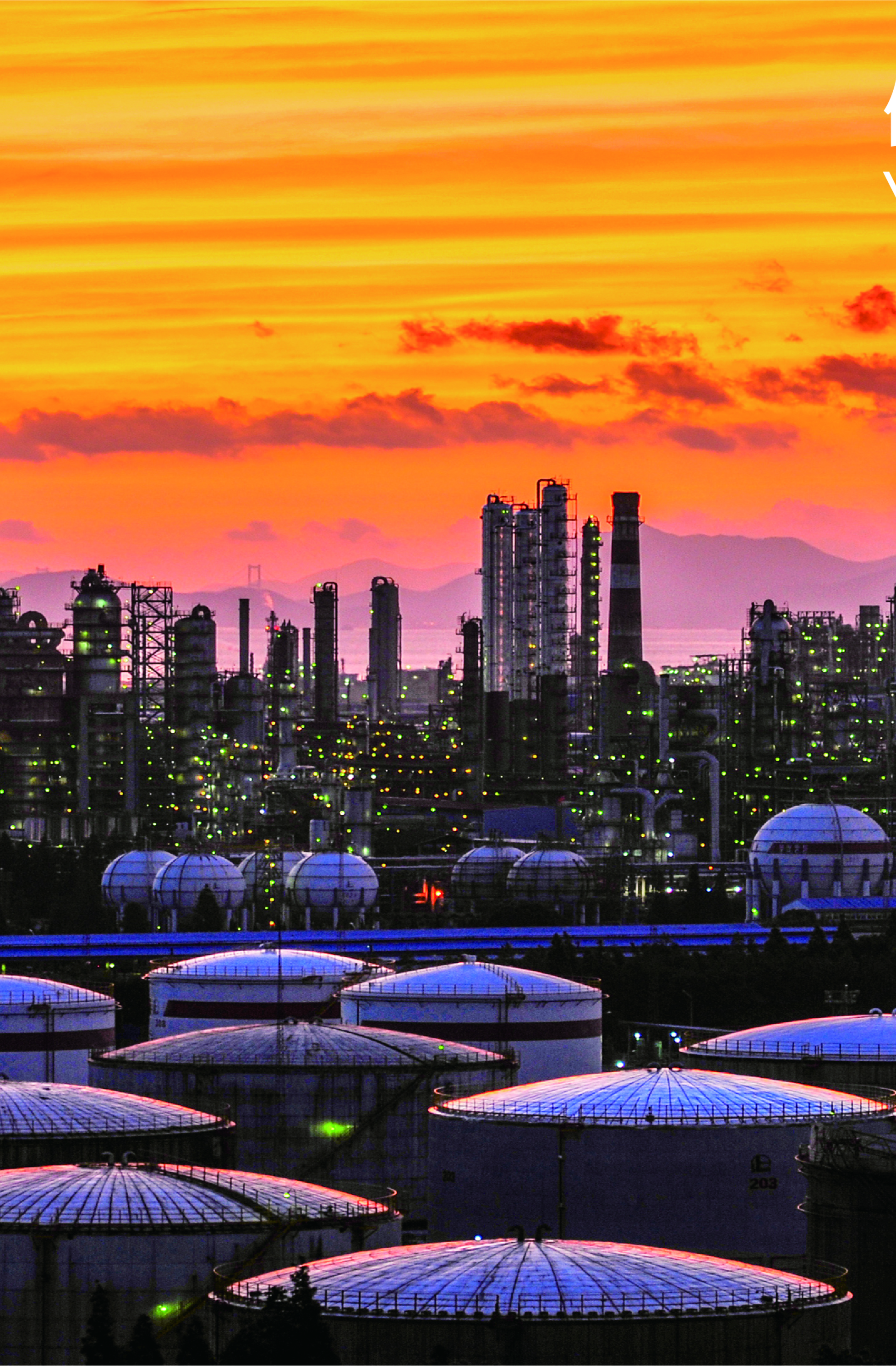
Industrial facilities handling flammable materials face a particular kind of lighting challenge that goes beyond simple illumination. The wrong fixture in the wrong location can become an ignition source, and that reality shapes every decision about hazardous location lighting from specification through installation.
How Hazardous Areas Get Classified and Why It Matters
Getting the classification right determines everything that follows. The process identifies where flammable gases, vapors, combustible dusts, or ignitable fibers might accumulate in concentrations capable of supporting combustion. Different regulatory frameworks govern these classifications depending on geography. ATEX and IECEx standards apply internationally, while NEC requirements dominate North American installations.
Each framework breaks hazardous areas into zones or divisions based on how frequently dangerous concentrations occur. Zone 0 or Division 1 areas see continuous or frequent hazardous conditions. Zone 2 or Division 2 locations only encounter such conditions abnormally. The classification directly dictates which explosion protection techniques a fixture must employ.
WAROM has worked across this full spectrum of classifications. Projects like Tilenga and Fushilai Pharmaceutical required navigating multiple regulatory frameworks simultaneously, matching protection levels to specific site conditions.
ATEX Versus IECEx Certifications
Both certification systems address explosion protection but serve different purposes. ATEX derives from European Union Directive 2014/34/EU and carries legal force throughout EU member states. Equipment sold into EU markets must carry ATEX certification for hazardous location use.
IECEx operates as an international voluntary scheme. It provides certificates of conformity that many national authorities accept as a foundation for their own approval processes. This makes IECEx particularly valuable for manufacturers serving global markets.
| Standard | Geographic Scope | Legal Status | Practical Application |
|---|---|---|---|
| ATEX | European Union | Mandatory under Directive 2014/34/EU | Required for EU market access |
| IECEx | International | Voluntary certification scheme | Facilitates global trade, accepted by many national authorities |
| NEC | North America | Mandatory under NFPA 70 | Required for US and Canadian installations |
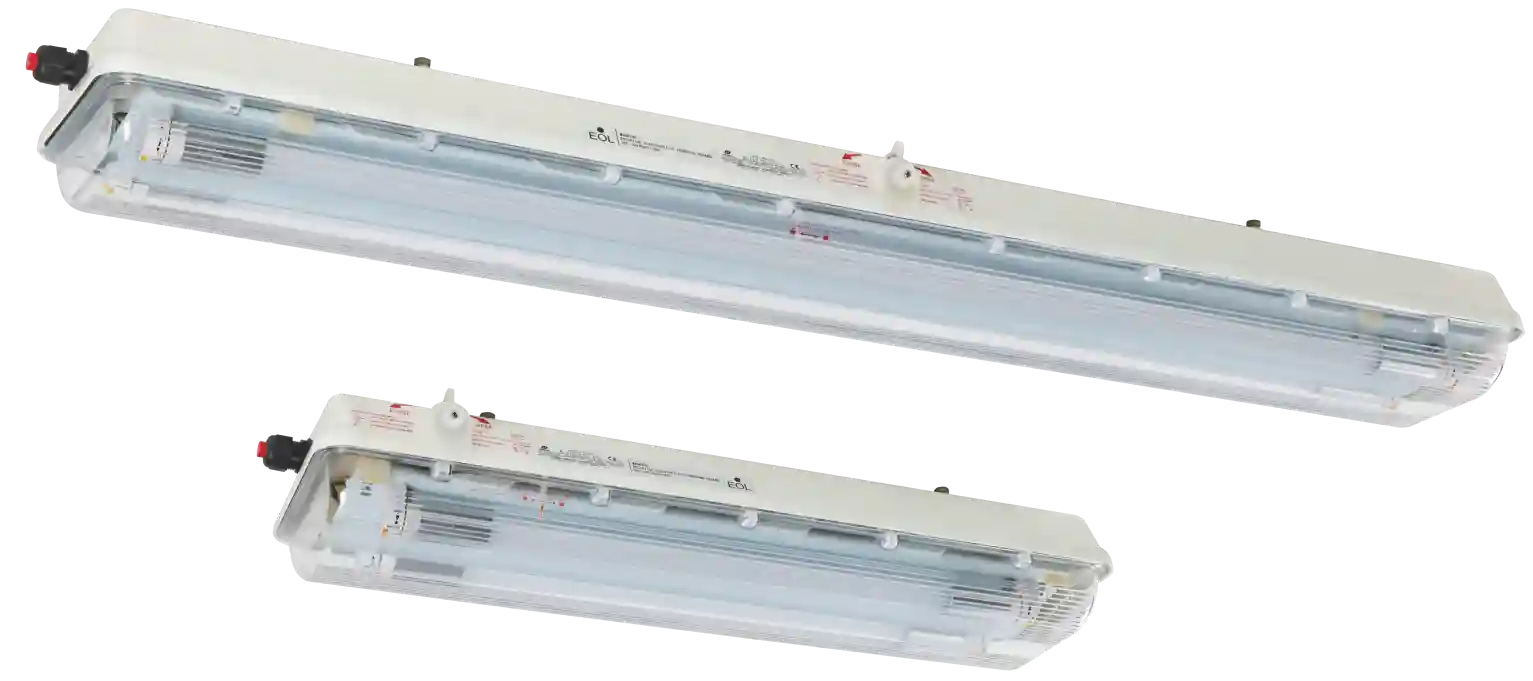
Choosing Explosion-Proof Lighting That Actually Lasts
Hazardous area classification tells you the minimum protection level required. Environmental conditions determine whether a fixture will survive long enough to justify the investment. Corrosive atmospheres, temperature swings, and mechanical vibration all degrade equipment over time, sometimes faster than the hazardous conditions themselves.
Ingress protection ratings indicate how well a fixture resists dust and water penetration. An IP66 rating means complete dust exclusion and protection against powerful water jets. Temperature class ratings specify the maximum surface temperature the fixture can reach during operation, which matters because hot surfaces can ignite certain gas-air mixtures.
The General Paint project illustrated how these factors combine. The facility presented both flammable gas and combustible dust hazards in a corrosive chemical environment. Standard explosion-proof fixtures would have met the classification requirements but degraded quickly. The solution required corrosion-resistant materials and elevated IP ratings beyond minimum code requirements.
Determining the Right Classification for Your Facility
Classification starts with inventory. What flammable or combustible materials exist on site? Where are they stored, processed, or transferred? How often might they escape containment?
The frequency and duration of potential releases drive the zone or division assignment. A valve that occasionally leaks during maintenance creates different conditions than a process that continuously vents small quantities of vapor. Both might require explosion-proof hazardous location lighting, but the protection level differs.
NEC Article 500 and the IEC 60079 series provide the technical frameworks, but applying them correctly requires site-specific analysis. Many facilities benefit from third-party assessment to ensure classifications reflect actual conditions rather than conservative assumptions that drive up equipment costs unnecessarily.
For related safety considerations, see 《Ensuring Safety: The Indispensable Role of Explosion Proof Fluorescent Lamps》.
LED Technology Changes the Economics of Hazardous Area Lighting
The shift to LED sources in hazardous location lighting has been dramatic, and the reasons extend beyond energy savings. Traditional HID fixtures in explosion-proof enclosures required frequent lamp replacement, and every maintenance intervention in a hazardous area carries procedural overhead. Hot work permits, gas testing, and lockout-tagout procedures turn a simple lamp change into a multi-hour operation.
LED fixtures routinely exceed 50,000 hours of operation before output degrades significantly. In practical terms, this means years between maintenance interventions rather than months. The Tilenga project specified LED hazardous location lighting specifically because the remote location made maintenance visits expensive and logistically complex.
Smart lighting features add another layer of efficiency. Dimming capabilities and occupancy sensors reduce energy consumption during low-activity periods without compromising safety. The BAT86 series explosion-proof LED floodlights demonstrate how these technologies integrate into hazardous area fixtures while maintaining full certification compliance.
Why LEDs Dominate New Hazardous Area Installations
The case for LED technology in explosion-proof applications rests on multiple factors working together. Extended lifespan reduces maintenance frequency in locations where maintenance is inherently difficult and expensive. Lower power consumption cuts operating costs directly while also reducing heat generation inside the enclosure.
Instant-on capability matters in emergency situations where immediate full illumination is necessary. Traditional HID sources require warm-up time that LEDs eliminate entirely. Cold temperature performance also favors LEDs, which maintain output in conditions that would cause fluorescent sources to struggle or fail.
These combined advantages explain why LED technology has become the default choice for new hazardous area installations and increasingly for retrofit projects as well.
Building Reliability Into Critical Lighting Systems
Explosion-proof fixtures face demands that standard industrial lighting never encounters. The enclosure must contain any internal ignition event. Seals must prevent hazardous atmosphere ingress over years of thermal cycling. Materials must resist whatever corrosive agents the environment presents.
Material selection drives long-term performance. Copper-free aluminum alloys resist the specific corrosion patterns that affect standard aluminum in chemical environments. Stainless steel hardware eliminates galvanic corrosion at fastener locations. These details matter because a fixture that loses seal integrity becomes a liability rather than a safety measure.
Testing validates design assumptions. WAROM subjects products to explosion-proof product testing that goes beyond certification minimums, simulating the thermal cycling, vibration, and environmental exposure that real installations experience. The Tilenga project maintained zero safety incidents through its operational period, and the General Paint upgrade documented improved safety metrics after implementation.
How Different Industries Approach Hazardous Lighting
Oil and gas facilities, chemical plants, and pharmaceutical manufacturing all require hazardous location lighting, but the specific challenges vary considerably.
The Tilenga project in Uganda presented extreme conditions within Murchison Falls National Park. Beyond the technical requirements for explosion protection, the installation had to minimize environmental impact and operate reliably with limited maintenance access. The solution combined high-efficiency LED fixtures with robust enclosure designs rated for the temperature extremes and humidity levels present.
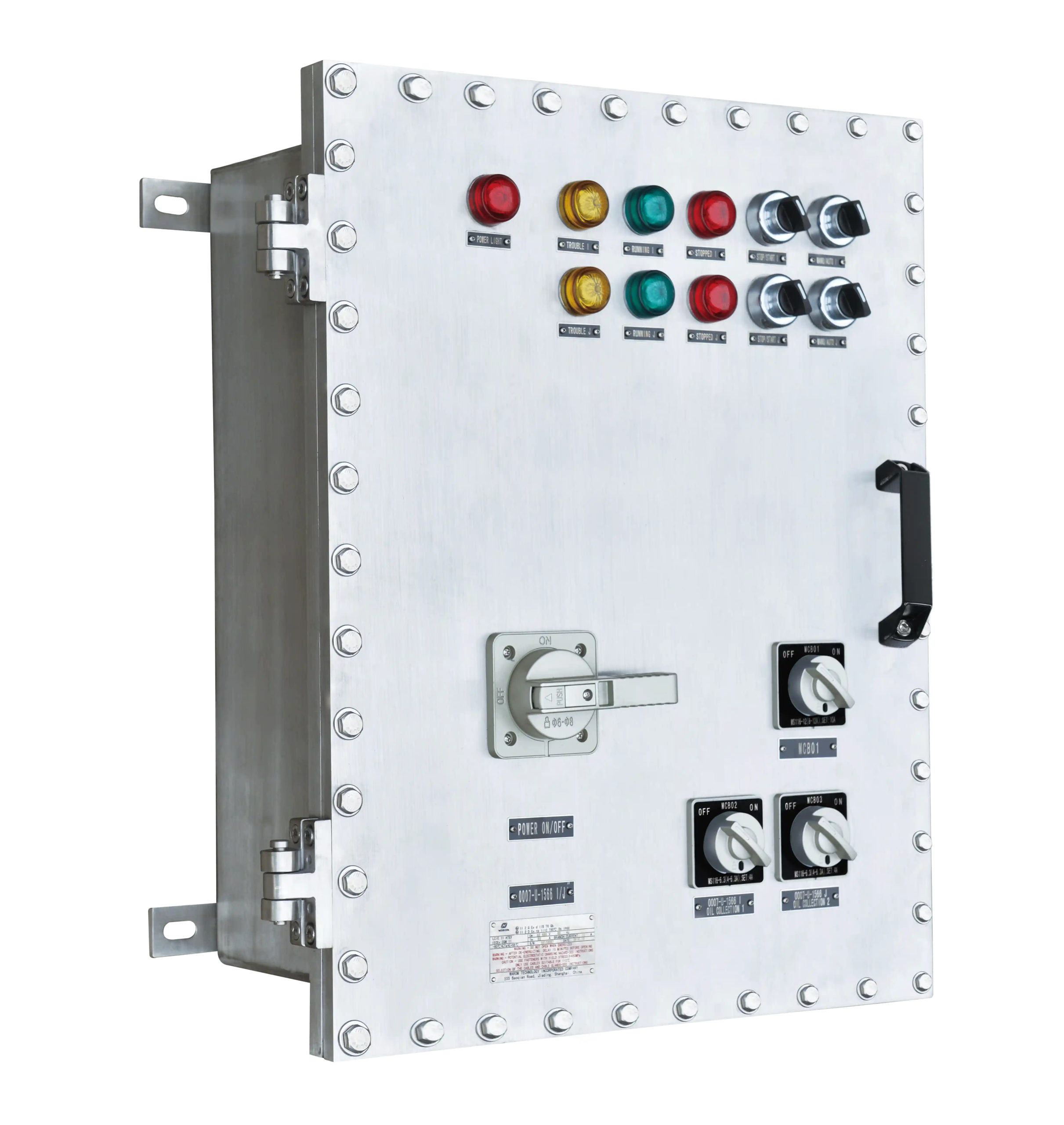
General Paint’s chemical facility needed an electrical safety upgrade addressing both flammable gas and combustible dust hazards. The existing installation had aged beyond reliable service. The replacement included explosion-proof plugs, junction boxes, and distribution equipment alongside the lighting fixtures, creating a comprehensive safety improvement.
Fushilai Pharmaceutical’s new facility required explosion-proof electrical equipment from initial construction. This allowed integration of distribution boxes and lighting systems designed to work together rather than assembled from disparate components after the fact.
Keeping Hazardous Lighting Systems Compliant Over Time
Installation quality determines initial safety. Ongoing maintenance determines whether that safety persists. Both require attention to detail that goes beyond standard industrial electrical work.
Installation must follow manufacturer specifications exactly. Explosion-proof enclosures depend on precise machining tolerances and proper gasket compression. Overtightening can deform sealing surfaces. Undertightening allows atmosphere ingress. Either failure mode compromises the protection the fixture is supposed to provide.
Regular inspection catches degradation before it creates hazards. Corrosion, seal wear, and mechanical damage all develop gradually. Inspection protocols should check these conditions systematically rather than waiting for obvious failure. Documentation supports both safety audits and regulatory compliance demonstrations.
WAROM provides technical support covering the full lifecycle from initial site assessment through ongoing maintenance guidance. This includes helping clients establish inspection protocols appropriate to their specific installations and environmental conditions.
For additional information on specialized hazardous area lighting, see 《Explosion Proof LED Lighting Solutions for Hazardous Areas》.
Frequently Asked Questions About Hazardous Location Lighting
What hazardous location types exist and what lighting do they require?
Hazardous locations fall into classes based on the type of hazardous material present. Class I covers flammable gases and vapors. Class II addresses combustible dusts. Class III applies to ignitable fibers. Each class subdivides into divisions or zones reflecting how often hazardous concentrations occur.
Lighting requirements escalate with hazard severity. Zone 0 and Division 1 areas require the most robust explosion protection. Zone 2 and Division 2 locations permit somewhat less stringent protection because hazardous conditions occur only abnormally. Temperature ratings must ensure fixture surfaces stay below the ignition temperature of materials present. IP ratings must prevent atmosphere ingress appropriate to the dust or gas conditions.
How does WAROM achieve reliability and efficiency in explosion-proof lighting?
Reliability comes from material selection, design rigor, and testing beyond certification minimums. Corrosion-resistant alloys, properly specified seals, and robust enclosure construction all contribute. Products undergo testing that simulates real-world environmental stresses rather than just certification requirements.
Energy efficiency centers on LED technology integration. LED sources consume less power than traditional alternatives while generating less heat inside the enclosure. Extended lifespan reduces maintenance frequency, which matters particularly in hazardous areas where every maintenance intervention requires safety procedures. The Tilenga project demonstrated these principles in practice under demanding field conditions.
What lifespan and maintenance schedule should I expect?
Quality hazardous area LED fixtures typically operate 50,000 to 100,000 hours before significant output degradation. This translates to years of continuous operation in most industrial schedules. The extended lifespan dramatically reduces maintenance compared to traditional HID sources that required lamp replacement every few thousand hours.
The fixtures themselves need minimal maintenance, but supporting components require periodic attention. Wiring connections, gasket seals, and mounting hardware should be inspected on a schedule appropriate to environmental severity. Corrosive atmospheres or high vibration conditions warrant more frequent inspection than benign environments. Manufacturer guidelines provide baseline recommendations that site experience may adjust.
Can hazardous location lighting be customized for specific applications?
Customization is often necessary rather than optional. Standard catalog products may not address specific classification requirements, environmental conditions, or integration needs. WAROM engineers solutions considering the full range of site-specific factors.
The General Paint project exemplified this approach. The facility’s combination of gas and dust hazards in a corrosive chemical environment required fixtures and electrical equipment tailored to those specific conditions. Standard explosion-proof products would have met classification requirements but degraded prematurely in the actual operating environment.
Work With WAROM on Your Hazardous Lighting Requirements
WAROM TECHNOLOGY INCORPORATED COMPANY has spent over 35 years developing explosion-proof solutions for demanding industrial environments. That experience spans oil and gas installations like Tilenga, chemical facilities like General Paint, and pharmaceutical manufacturing like Fushilai Pharmaceutical.
Each project reinforced lessons about what makes hazardous location lighting succeed over the long term. Classification compliance is the starting point, not the finish line. Environmental durability, maintenance accessibility, and energy efficiency all affect whether an installation delivers value or becomes a recurring problem.
Contact WAROM at +86 21 39977076 or gm*@***om.com to discuss your specific hazardous lighting requirements.
With over a decade of experience, he is a seasoned Explosion-Proof Electrical Engineer specializing in the design and manufacture of safety and explosion-proof products. He possesses in-depth expertise across key areas including explosion-proof systems, nuclear power lighting, marine safety, fire protection, and intelligent control systems. At Warom Technology Incorporated Company, he holds dual leadership roles as Deputy Chief Engineer for International Business and Head of the International R&D Department, where he oversees R&D initiatives and ensures the precise delivery of design documentation for international projects. Committed to advancing global industrial safety, he focuses on translating complex technologies into practical solutions, helping clients implement safer, smarter, and more reliable control systems worldwide.
Qi Lingyi