
Zone 2 explosion proof VFD enclosures for motor speed control are not simply a certified steel box around a drive. In projects I have reviewed, too many specifications lock the Ex rating first and leave the thermal, cable, and maintenance details to be sorted out later. That sequence produces enclosures that pass certification review but overheat in service or require field modifications that invalidate the original protection concept. The selection should begin with the drive’s heat loss, the actual cable construction, and the site ambient conditions. This article sets out the checks I use before approving a Zone 2 VFD enclosure, and the order in which they should be done.
Zone 2 VFD Enclosure Classification and Material
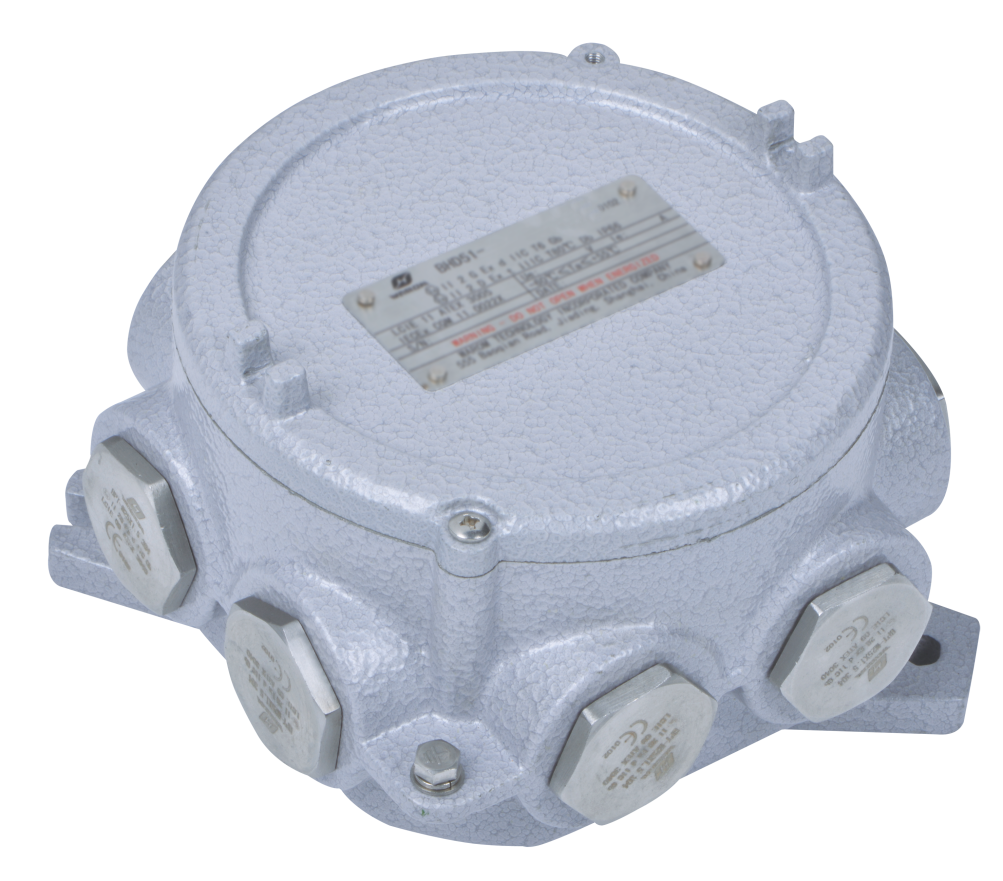
Zone 2 permits non-sparking or increased safety techniques because a flammable gas atmosphere is present only under abnormal conditions. A VFD inside an enclosure is still a source of heat and may produce arcing or sparking in its power components, so the enclosure type must be selected from the drive internals, not from the area classification alone. The common choices are Ex ec increased safety for terminal and non-sparking components, Ex nA non-sparking construction, Ex p pressurized protection, or Ex d flameproof containment when the drive or braking components generate arcs under normal operation. For most VFD packages in Zone 2, the practical path is an Ex ec or Ex nA enclosure with type certification for the installed drive, or an Ex p system where cooling air is supplied through a purge and pressurization controller.
| Metode perlindungan | Internal condition it accepts | Typical Zone 2 VFD use |
|---|---|---|
| Ex ec | Non-sparking or protected components, limited heat | VFD with certified terminal and control arrangement |
| Ex nA | No arcs or hot surfaces under normal operation | Drive design confirmed by certification |
| Ex p | General industrial components, pressurized enclosure | Standard VFD in dust or corrosive exposure |
| Ex d | Contains internal explosion and flame path | Drive or braking unit with arcing contacts not otherwise certified |
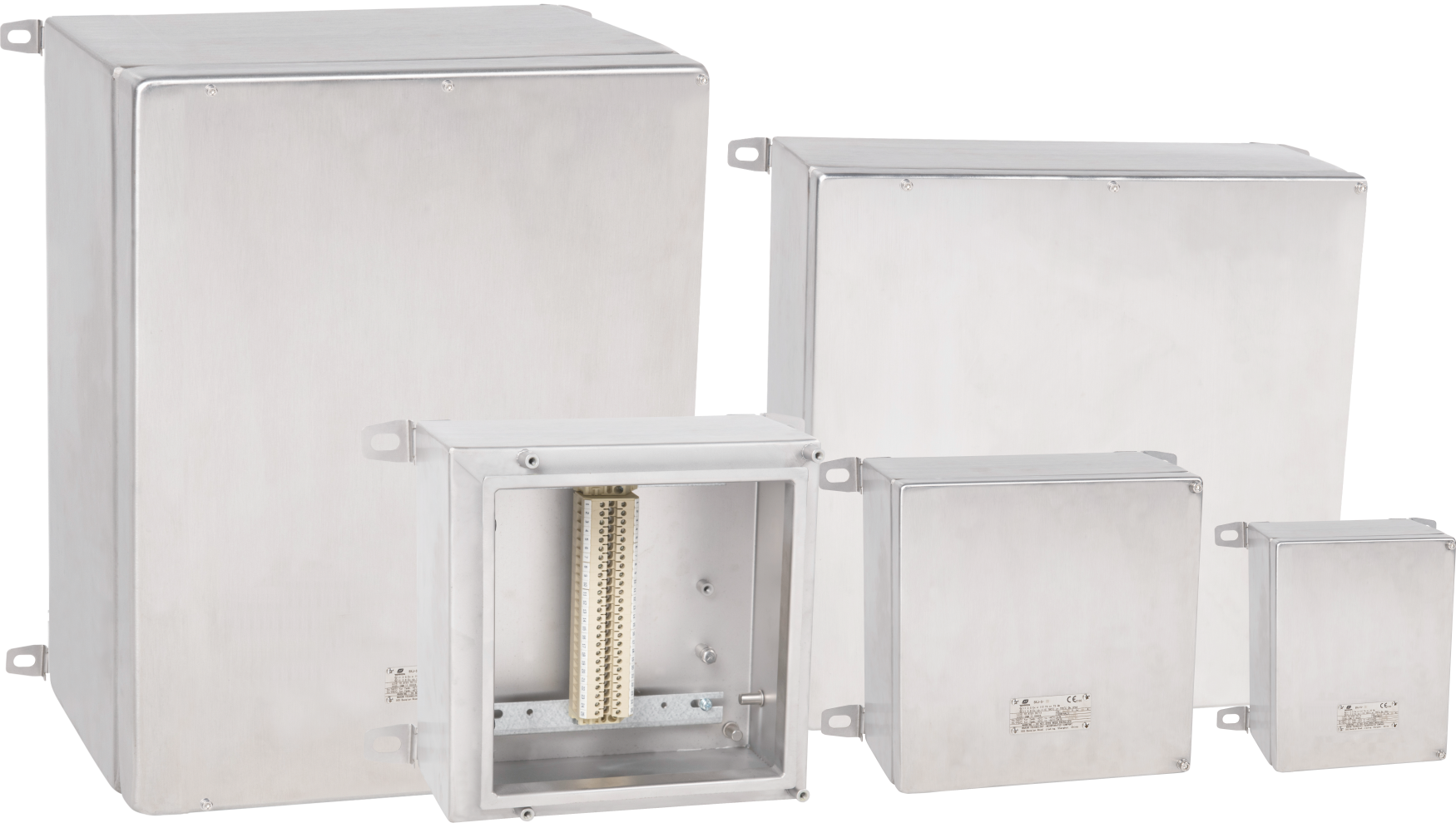
Enclosure material follows the same logic. Aluminum alloy with a powder-coated surface works for many land-based installations, but marine and coastal sites with continuous salt exposure need stainless steel or GRP if weight and kimia resistance matter. The material choice also affects the temperature class, because the enclosure surface must stay below the gas ignition temperature of the process atmosphere. I have seen a painted aluminum enclosure specified for a coastal Zone 2 compressor station. Within two years the gland plate and hinge fasteners showed pitting, and the certification label became difficult to read.
Zone 2 enclosure selection also gets caught up in North American versus IECEx habits. <NEMA 7 vs Stasiun Kendali Tahan Ledakan Bersertifikat ATEX> covers why the certificate scope and protection concept matter more than the enclosure label when a mixed package has to pass project review.
Heat Load and Thermal Sizing for VFD Enclosures
Why the Drive Heat Loss Figure Comes First
Heat rejection is the most common reason a Zone 2 VFD enclosure never reaches the performance expected from the drive. A variable frequency drive does not convert every input kilowatt to motor output. The losses appear as heat at the rectifier, DC bus, and inverter stage, and they vary with switching frequency, motor load, cable length, and the drive’s own cooling design. The enclosure supplier can only size correctly if the project shares the full-load loss figure, not just the motor nameplate power. A 75 kW drive with a 3 percent heat loss produces roughly 2.25 kW of continuous heat, which is more than enough to overheat a small sealed cabinet on a summer day.
When Forced Ventilation or Pressurization Becomes the Better Choice
The thermal calculation must then account for ambient temperature, solar gain from adjacent equipment or direct sun, and the enclosure’s cooling method. The common Zone 2 approaches are natural convection through certified Ex ec or Ex nA enclosures, forced ventilation with an Ex e or Ex p fan, or an air-to-air heat exchanger. Air conditioning is usually unnecessary for a VFD in Zone 2 unless the ambient temperature exceeds the drive’s derating limit or the dust load makes open ventilation impractical.
If the drive’s heat loss curve has not been requested from the VFD vendor, that is the point to stop and fix the specification. Send the motor power, required carrier frequency, loading profile, cable length, and the maximum site ambient to gm*@***om.com, and we can check whether an Ex ec enclosure or an Ex p alternative fits the installation.
Cable Entry, Gland Interface, and EMC
Terminal temperature and flame path are only part of the cable interface. A Zone 2 VFD enclosure is connected to a high speed switching drive, so the cable screen must be terminated in a way that controls common mode noise and prevents circulating currents from heating nearby metal. I have corrected projects where the enclosure was certified, but the gland plate was packed with unarmored kaitan kabel and the shield braid was left floating inside the terminal box. The drive ran, but it produced intermittent trips and accelerated bearing current at the motor.
The specification should call out the exact cable construction: armored or unarmored, screen type, conductor size, and gland material. If the cable carries a braided shield, use a gland that can terminate the screen without cutting away the protection. If the installation is in a coastal or marine environment, nickel-plated brass or stainless steel glands should be specified, not raw aluminum. This matches the same corrosion logic used for weatherproof equipment on port cranes.
Cable and gland selection for VFD enclosures in marine terminals has to account for salt spray and mechanical movement at the same time. <Produk Tahan Cuaca untuk Crane Pelabuhan: Menjamin Keandalan Marine> covers the corrosion and vibration stresses that change enclosure and gland choices on quayside installations.
Access, Interlocks, and the Specification Checklist
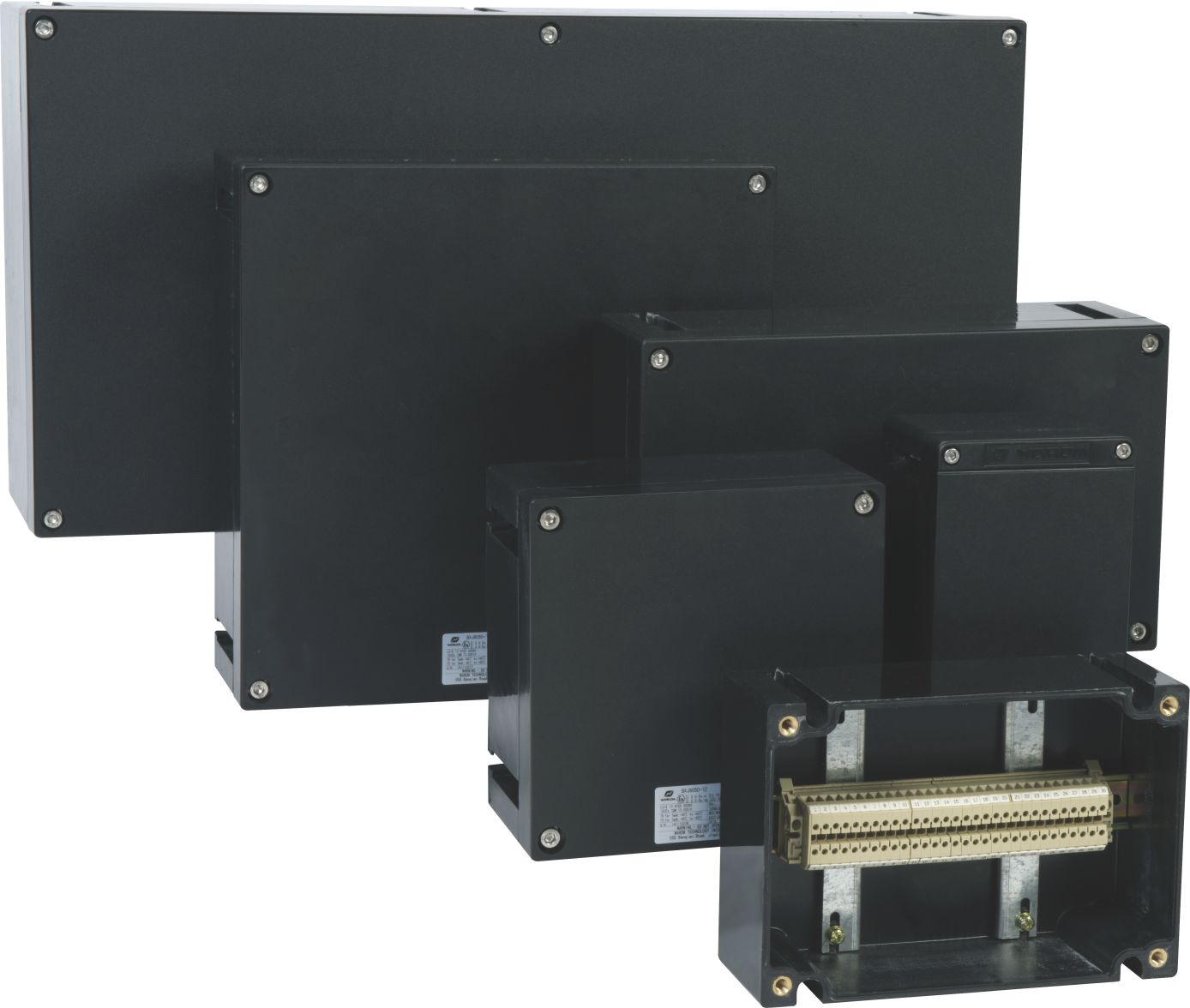
Maintenance access is where many Zone 2 VFD enclosures stop being safe. If the drive must be reconfigured, inspected, or replaced, the certification must remain valid when the door is closed again. Flameproof enclosures require careful attention to flange gaps and bolt torque. Increased safety and non-sparking enclosures rely on the internal component certification and the absence of unauthorized modifications. A local isolator or door interlock can make maintenance safer, but it must be part of the certified assembly rather than added later.
Plan for the actual work sequence: who opens the door, what tools they need, and how the drive’s HMI or local controls are reached. I have approved enclosures with a hinged door and an internal viewing window because the commissioning team needed to change drive parameters without removing the front cover each time. The extra cost was small compared with the lost production from repeated access.
Before sending an RFQ to an enclosure manufacturer, I work through this list:
- Drive input and output ratings, full-load heat loss, and overload duty.
- cURL Too many subrequests by single Worker invocation. To configure this limit, refer to https://developers.cloudflare.com/workers/wrangler/configuration/#limits
- cURL Too many subrequests by single Worker invocation. To configure this limit, refer to https://developers.cloudflare.com/workers/wrangler/configuration/#limits
- cURL Too many subrequests by single Worker invocation. To configure this limit, refer to https://developers.cloudflare.com/workers/wrangler/configuration/#limits
- cURL Too many subrequests by single Worker invocation. To configure this limit, refer to https://developers.cloudflare.com/workers/wrangler/configuration/#limits
- cURL Too many subrequests by single Worker invocation. To configure this limit, refer to https://developers.cloudflare.com/workers/wrangler/configuration/#limits
cURL Too many subrequests by single Worker invocation. To configure this limit, refer to https://developers.cloudflare.com/workers/wrangler/configuration/#limits kotak terminal cURL Too many subrequests by single Worker invocation. To configure this limit, refer to https://developers.cloudflare.com/workers/wrangler/configuration/#limits
cURL Too many subrequests by single Worker invocation. To configure this limit, refer to https://developers.cloudflare.com/workers/wrangler/configuration/#limits
cURL Too many subrequests by single Worker invocation. To configure this limit, refer to https://developers.cloudflare.com/workers/wrangler/configuration/#limits gm*@***om.com cURL Too many subrequests by single Worker invocation. To configure this limit, refer to https://developers.cloudflare.com/workers/wrangler/configuration/#limits
cURL Too many subrequests by single Worker invocation. To configure this limit, refer to https://developers.cloudflare.com/workers/wrangler/configuration/#limits
cURL Too many subrequests by single Worker invocation. To configure this limit, refer to https://developers.cloudflare.com/workers/wrangler/configuration/#limits
cURL Too many subrequests by single Worker invocation. To configure this limit, refer to https://developers.cloudflare.com/workers/wrangler/configuration/#limits
cURL Too many subrequests by single Worker invocation. To configure this limit, refer to https://developers.cloudflare.com/workers/wrangler/configuration/#limits
cURL Too many subrequests by single Worker invocation. To configure this limit, refer to https://developers.cloudflare.com/workers/wrangler/configuration/#limits
cURL Too many subrequests by single Worker invocation. To configure this limit, refer to https://developers.cloudflare.com/workers/wrangler/configuration/#limits
cURL Too many subrequests by single Worker invocation. To configure this limit, refer to https://developers.cloudflare.com/workers/wrangler/configuration/#limits
cURL Too many subrequests by single Worker invocation. To configure this limit, refer to https://developers.cloudflare.com/workers/wrangler/configuration/#limits
cURL Too many subrequests by single Worker invocation. To configure this limit, refer to https://developers.cloudflare.com/workers/wrangler/configuration/#limits gm*@***om.comcURL Too many subrequests by single Worker invocation. To configure this limit, refer to https://developers.cloudflare.com/workers/wrangler/configuration/#limits
Jika Anda tertarik, lihat artikel terkait berikut:
Lampu LED Tahan Ledakan: Menjamin Keselamatan Industri
Panduan Pencahayaan Lokasi Berbahaya: Standar dan Pemilihan
Maju dengan Semangat Gagah • Warom Memulai Tahun Baru dengan Kemakmuran Besar
Dengan pengalaman lebih dari satu dekade, dia adalah seorang Insinyur Listrik Tahan Ledak yang berpengalaman khusus dalam perancangan dan pembuatan produk keselamatan dan tahan ledak. Ia memiliki keahlian mendalam di bidang-bidang utama termasuk sistem tahan ledak, pencahayaan tenaga nuklir, keselamatan kelautan, perlindungan kebakaran, dan sistem kendali cerdas. Di Warom Technology Incorporated Company, ia memegang peran ganda sebagai Wakil Kepala Insinyur untuk Bisnis Internasional dan Kepala Departemen R&D Internasional, di mana ia mengawasi inisiatif R&D dan memastikan penyampaian dokumentasi desain yang tepat untuk proyek internasional. Berkomitmen untuk meningkatkan keselamatan industri global, ia berfokus pada penerjemahan teknologi yang kompleks menjadi solusi praktis, membantu klien mengimplementasikan sistem kendali yang lebih aman, lebih pintar, dan lebih andal di seluruh dunia.

Qi Lingyi