

Marine electrical systems face relentless punishment. Salt spray eats through standard enclosures within months. UV radiation cracks cable jackets. Dust clogs ventilation paths. Vibration loosens terminal connections that were torqued to specification during installation. Temperature swings from freezing nights to midday heat stress every seal and gasket in the system. Port crane electrical systems operate in all of these conditions simultaneously, and failures translate directly into crane downtime, cargo delays, and safety incidents that regulatory authorities investigate thoroughly. The demand for weatherproof electrical solutions that actually survive these environments—not just carry the right IP rating on paper—has pushed procurement teams to scrutinize supplier claims more carefully than ever.
What Makes Marine Grade Electrical Design Different from Standard Industrial Applications
Standard industrial electrical equipment assumes a controlled environment. Marine grade electrical design assumes the opposite: everything that can go wrong environmentally will go wrong, often at the same time. Salt spray accelerates galvanic corrosion between dissimilar metals. UV radiation degrades polymer housings and cable insulation over years of exposure. Dust ingress compromises relay contacts and contactor surfaces. Continuous vibration from crane operations, wind loading, and vessel movements works fasteners loose and fatigues solder joints.
Material selection drives durability more than any other factor. Stainless steel grades 316 and 316L resist chloride-induced pitting far better than 304 grades. Aluminum alloys require anodizing or powder coating to survive salt exposure. Gasket materials must maintain compression set resistance across the full temperature range—silicone performs well in heat but hardens in cold, while EPDM handles temperature extremes but degrades faster under UV. Component mounting must account for thermal expansion differentials between housings and internal assemblies.
The Tilenga project in Uganda demonstrated how these principles translate to field performance. The installation included wellpads, a Central Processing Facility, and pipeline infrastructure within Murchison Falls National Park. Equipment operated through extreme temperature cycles, dust storms during dry season, and high humidity during wet season. Systems maintained zero safety incidents across the deployment period, with maintenance intervals matching or exceeding design specifications.
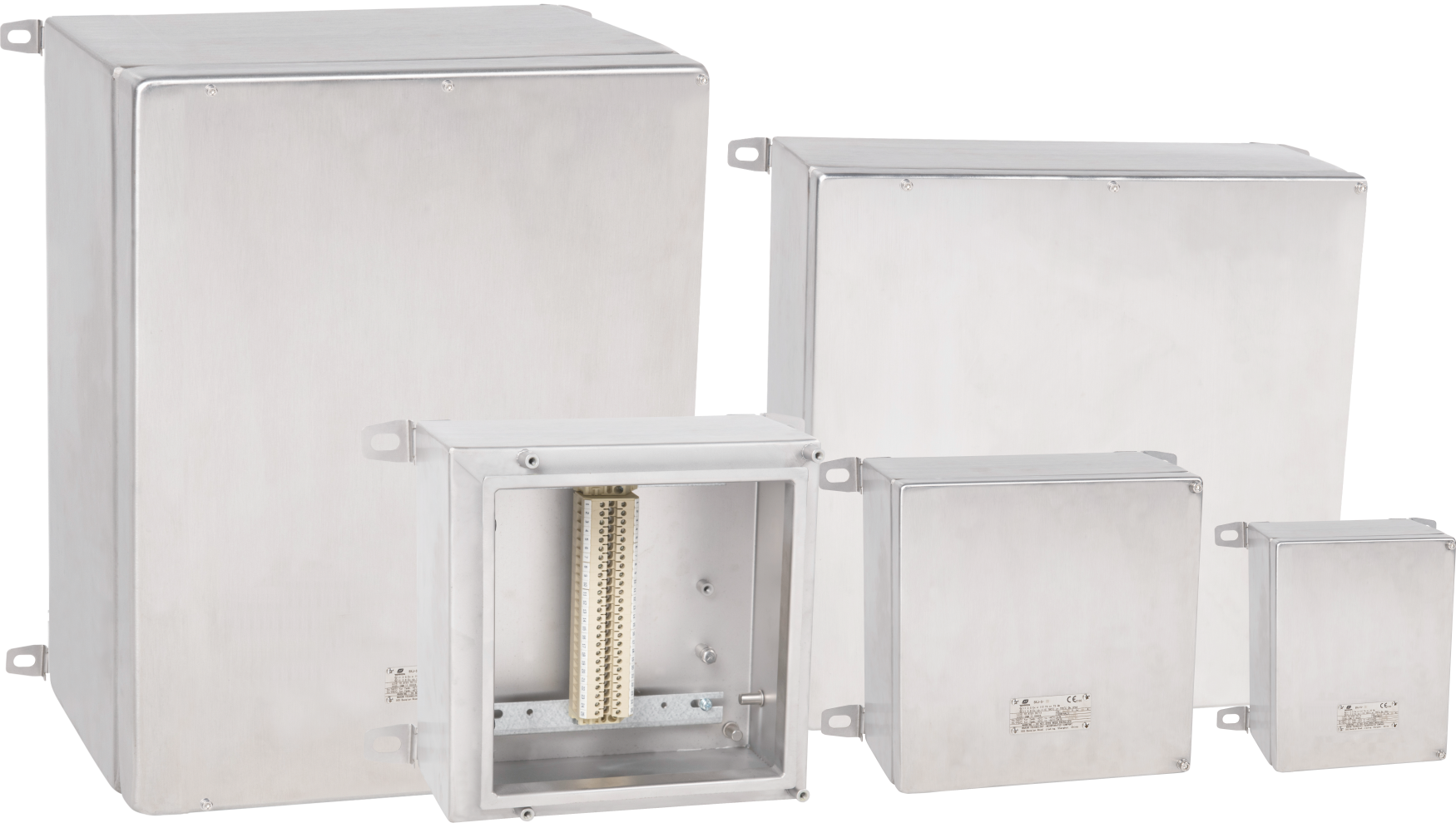
Table: Common IP Ratings for Marine Environments
| IP Rating | Protection Against Solids | Protection Against Liquids | Typical Application |
|---|---|---|---|
| IP65 | Dust tight | Water jets | General outdoor use |
| IP66 | Dust tight | Powerful water jets | Deck equipment |
| IP67 | Dust tight | Immersion up to 1m | Submersible sensors |
| IP68 | Dust tight | Continuous immersion | Underwater lighting |
Which IP Ratings Actually Matter for Port Crane Electrical Equipment
IP ratings classify protection against solid objects and liquids using a two-digit code. The first digit covers solids from large objects down to dust particles. The second digit covers liquids from dripping water up to continuous submersion under pressure. For port crane electrical systems, the practical minimum starts at IP65 for protected locations and IP66 for exposed positions.
IP66 provides complete dust protection and resistance to powerful water jets from any direction. This rating suits most crane-mounted junction boxes, control stations, and lighting fixtures that face direct weather exposure. The “powerful water jets” test uses a 12.5mm nozzle at 100 liters per minute from 3 meters distance—roughly equivalent to pressure washing or heavy storm-driven spray.
IP67 adds protection against temporary immersion to 1 meter depth for 30 minutes. This matters for equipment that might sit in pooled water during heavy rain or flooding events, or for sensors mounted at deck level where wave action or cargo handling operations create temporary submersion conditions.
IP68 covers continuous submersion beyond 1 meter, with specific depth and duration defined by the manufacturer. Underwater lighting, submerged pump controls, and quay wall sensors typically require IP68 ratings. The testing conditions vary by application—some IP68 equipment is rated for 3 meters continuous, others for 10 meters or more.
How Corrosion Prevention Works in Port Crane Electrical Systems
Corrosion prevention requires multiple defense layers because no single approach handles all failure modes. Marine-grade materials form the foundation. Stainless steel hardware resists chloride attack. Specialized aluminum alloys with appropriate surface treatments survive salt exposure without the white oxide buildup that eventually compromises seals. Copper conductors require tinning or silver plating to prevent verdigris formation at terminal connections.
Protective coatings add a second layer. Powder coating provides thicker, more durable coverage than wet paint on housings and enclosures. Conformal coatings protect circuit boards from humidity and salt contamination. Cable glands with multiple sealing elements prevent moisture wicking along conductor strands.
Sacrificial anodes protect steel structures in direct seawater contact by corroding preferentially. Zinc anodes work well in seawater, while magnesium anodes suit brackish or freshwater applications. Anode sizing and placement require calculation based on exposed steel surface area and expected service interval.
Sealing techniques prevent the moisture ingress that enables corrosion inside enclosures. Gasket compression must be verified during installation—undertorqued fasteners leave gaps, overtorqued fasteners crush gaskets and reduce their recovery ability. Breather drains with desiccant cartridges handle the pressure equalization that temperature cycling demands while keeping moisture out.
Why Explosion-Proof Electrical Equipment Matters in Port Hazardous Areas
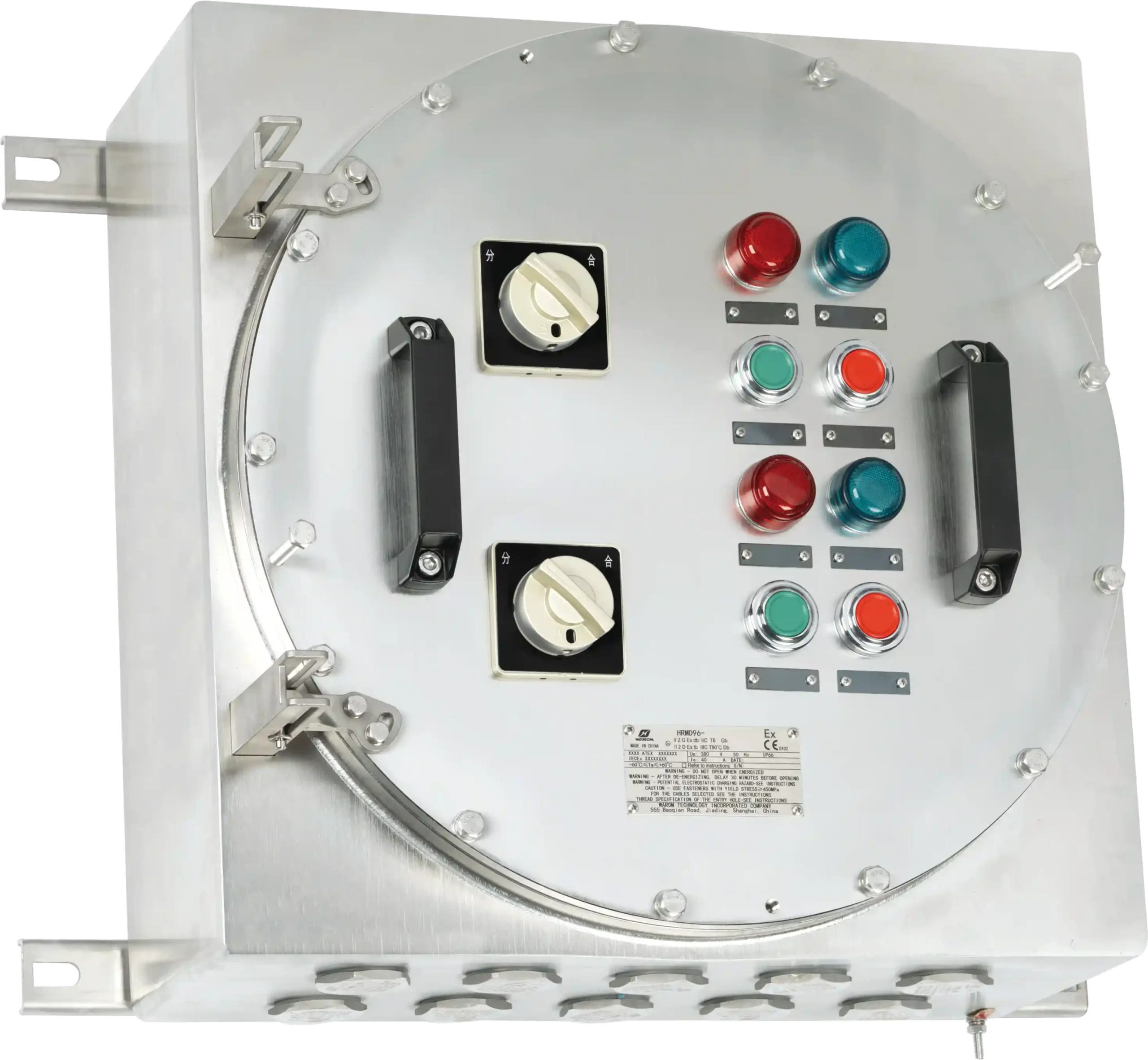
Port operations frequently involve flammable materials. Fuel bunkering areas, chemical terminals, grain handling facilities, and container yards storing hazardous goods all create zones where electrical equipment must prevent ignition of explosive atmospheres. Two design philosophies address this requirement: explosion-proof (flameproof) construction and intrinsic safety.
Explosion-proof enclosures contain any internal explosion and prevent flame propagation to the surrounding atmosphere. The enclosure gaps are machined to precise tolerances—flames cool below ignition temperature as they pass through the narrow flamepath. This approach works for equipment that might generate sparks or hot surfaces during normal operation, including motors, switches, and lighting fixtures.
Intrinsically safe circuits limit electrical and thermal energy below ignition thresholds. The circuit design prevents sparks or hot surfaces from reaching energy levels that could ignite the specified gas groups. This approach suits instrumentation, sensors, and control signals where energy levels can be constrained without compromising function.
ATEX certification covers equipment for European markets, while IECEx provides international recognition. Both systems classify equipment by gas groups (IIA, IIB, IIC) and temperature classes (T1 through T6), with IIC and T6 representing the most stringent requirements. Zone classifications (0, 1, 2 for gases; 20, 21, 22 for dusts) define where different equipment categories may be installed.
The General Paint project illustrated these requirements in practice. A chemical plant faced serious electrical safety hazards in coating production areas where solvent vapors created Zone 1 conditions. Explosion-proof distribution equipment and lighting replaced standard industrial components, eliminating ignition sources while maintaining production capability.
What Explosion-Proof Lighting Delivers in Hazardous Port Areas
Explosion-proof lighting prevents ignition of flammable atmospheres while providing the illumination that safe operations require. In fuel terminals, lighting must function continuously in Zone 1 or Zone 2 gas atmospheres. At grain terminals, dust explosion risks demand Zone 21 or Zone 22 rated fixtures. Chemical storage areas may require equipment certified for multiple gas groups depending on the materials handled.
LED technology has transformed explosion-proof lighting performance. LED fixtures consume 50-70% less power than equivalent high-intensity discharge lamps. Operating life extends to 50,000-100,000 hours compared to 10,000-20,000 hours for metal halide or high-pressure sodium. The reduced heat generation simplifies thermal management within explosion-proof enclosures and allows higher temperature class ratings.
Maintenance reduction compounds the energy savings. LED fixtures eliminate lamp replacement cycles that require hot work permits, confined space entry procedures, and production shutdowns in hazardous areas. The total cost of ownership calculation typically favors LED despite higher initial purchase prices.
ATEX and IECEx certification ensures that fixtures meet the specific requirements for their intended zone and gas/dust classification. Certificate numbers reference the testing laboratory and specific test reports, allowing verification of compliance claims. Reputable suppliers provide certificates on request and can explain which zones and classifications their products address.
How Energy Efficiency and Maintenance Reduction Work Together in Crane Electrical Systems
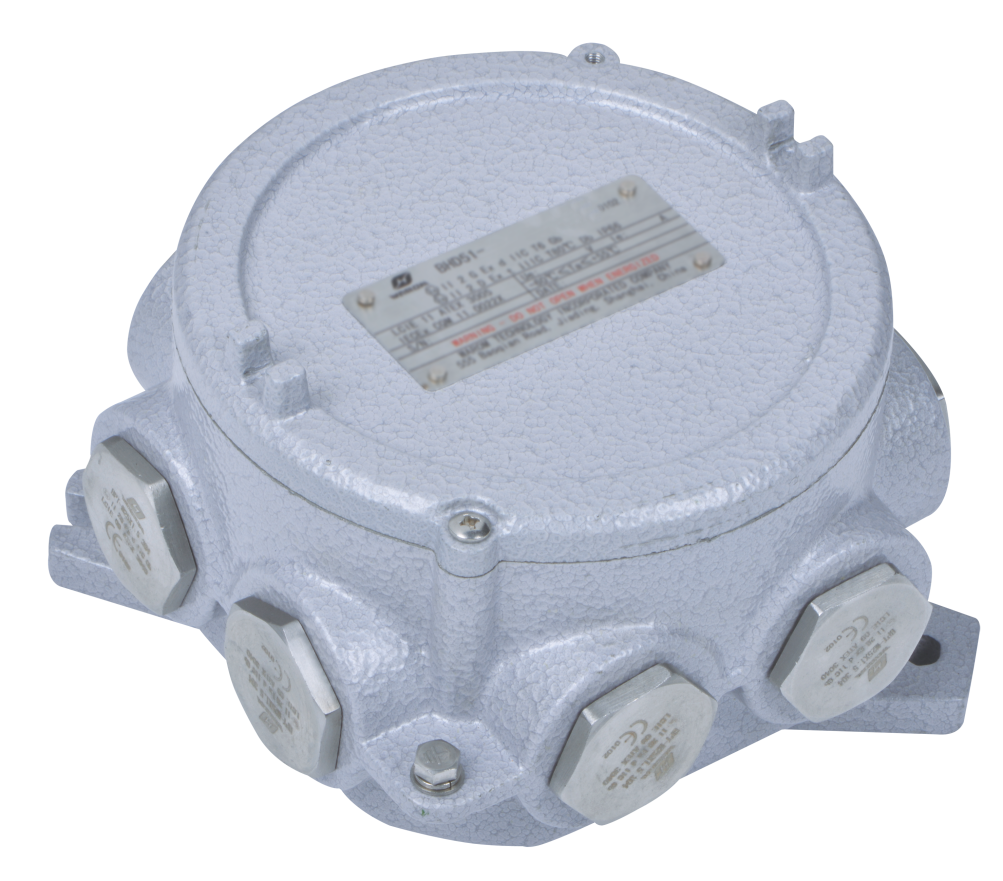
Modern weatherproof electrical products reduce both energy consumption and maintenance burden through integrated design approaches. LED lighting delivers the most visible savings—a typical port crane might replace 400W metal halide fixtures with 150W LED equivalents while improving light output and uniformity. Across a fleet of cranes operating multiple shifts, the energy reduction accumulates substantially.
Smart control systems optimize energy usage beyond simple on/off switching. Occupancy sensors dim or extinguish lighting in unoccupied crane cabs. Daylight harvesting adjusts artificial lighting based on ambient conditions. Motor drives with regenerative braking recover energy during hoist lowering and trolley deceleration, feeding it back to the supply or to other loads on the same bus.
Durable components extend replacement intervals. Marine-grade terminal blocks with corrosion-resistant plating maintain contact resistance over years of service. Sealed contactors prevent the dust accumulation that causes contact welding and coil overheating. Properly rated cable glands maintain seal integrity through thermal cycling and vibration.
The Tilenga project demonstrated these benefits across explosion-proof lighting and electrical distribution systems. Energy consumption tracked below initial projections, while maintenance interventions remained within planned intervals despite environmental conditions that exceeded design assumptions during certain periods.
What Power Distribution and Control Systems Need for Port Crane Operations
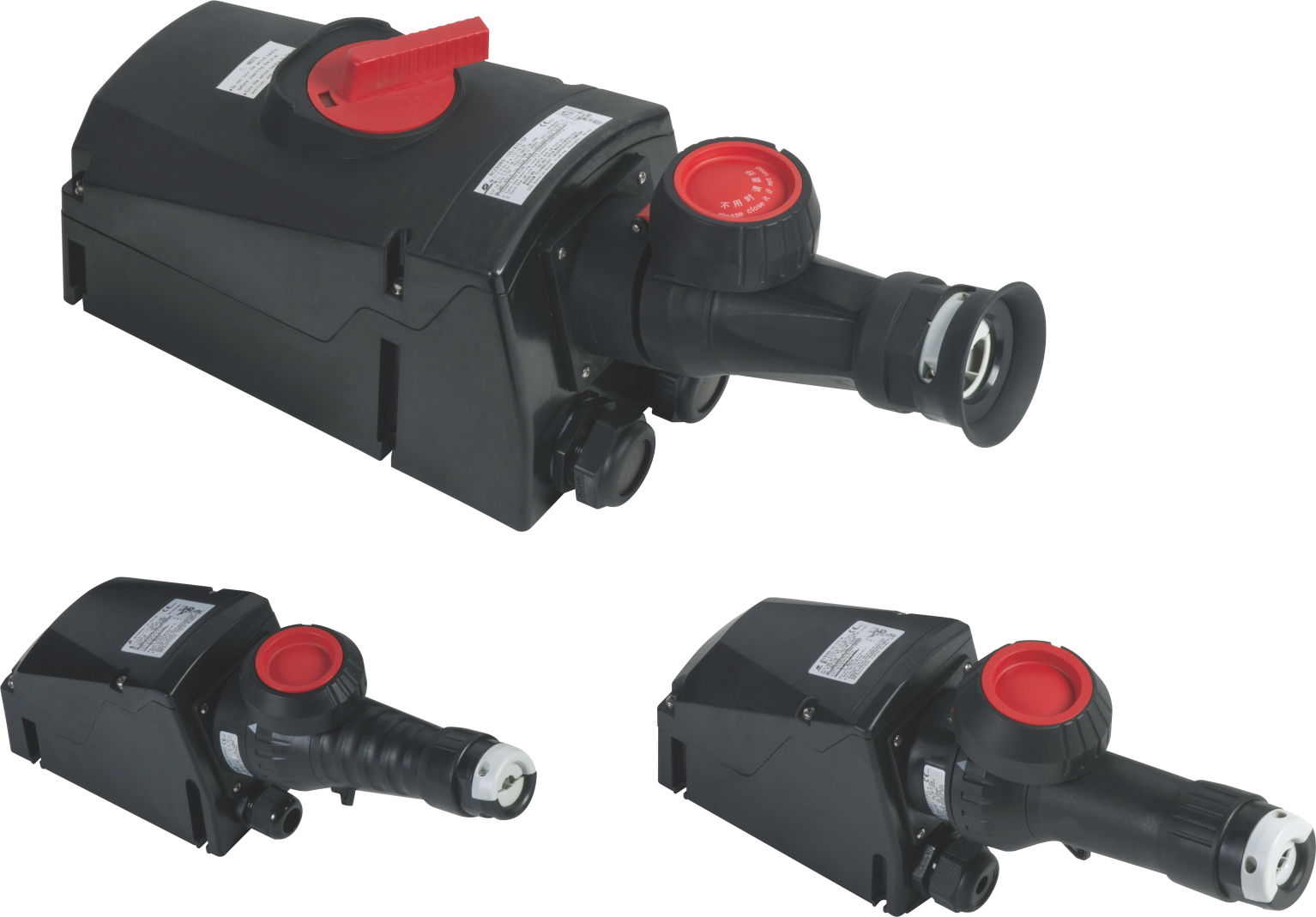
Robust power distribution units, control panels, and cable management systems form the backbone of port crane electrical infrastructure. These components must survive the same environmental stresses as lighting and junction boxes while handling the additional challenges of power switching, fault protection, and control signal integrity.
Power distribution units for marine applications require IP66 or higher enclosure ratings, marine-grade bus bar materials, and cable entry systems that maintain ingress protection while accommodating the conductor sizes that crane loads demand. Internal component spacing must account for derating in high ambient temperatures. Ventilation, where required, must use filtered breathers that prevent salt and dust ingress.
Control panels integrate motor starters, variable frequency drives, programmable controllers, and safety systems into coordinated assemblies. Panel layout affects maintenance access, cable routing, and thermal management. Modular construction simplifies future upgrades and allows standardization across crane fleets.
Cable management systems protect conductors from mechanical damage, UV exposure, and chemical attack. Cable trays with marine-grade finishes, conduit systems with proper drainage, and festoon systems for moving applications each address specific installation requirements. Cable selection itself matters—tinned copper conductors, appropriate insulation materials, and proper shielding for signal cables all contribute to system reliability.
The Fushilai Pharmaceutical project demonstrated comprehensive power distribution across multiple production lines and hazardous area classifications. Distribution boxes served Zone 1 and Zone 2 gas areas as well as Zone 21 dust areas within the same facility, requiring careful equipment selection and installation practices to maintain safety across all zones.
How to Evaluate Suppliers for Port Crane Weatherproof Electrical Solutions
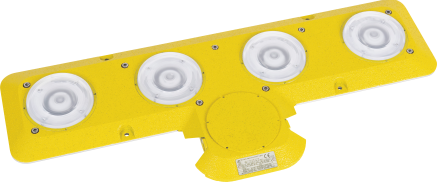
Supplier evaluation for port crane electrical solutions requires verification across several dimensions. Claimed expertise must be backed by reference projects in comparable applications. A supplier with extensive experience in general industrial applications may lack the specific knowledge that marine environments demand.
Certification coverage determines where products can legally be installed. ATEX certification covers European Union markets. IECEx provides mutual recognition across participating countries. UL listing matters for North American installations. Marine classification society approvals—CCS, BV, DNV, Lloyd’s—may be required for equipment installed on vessels or floating structures. Each certification involves independent testing and ongoing production surveillance; suppliers should provide certificate copies and explain which specific products and ratings are covered.
Customization capabilities matter when standard products do not fit specific requirements. Crane electrical systems often require non-standard enclosure sizes, specific terminal arrangements, or integration of multiple functions into single assemblies. Suppliers with in-house engineering and manufacturing can address these requirements; those who simply distribute standard products cannot.
Technical support availability affects long-term performance. Installation guidance prevents the workmanship errors that compromise weatherproofing. Troubleshooting assistance reduces downtime when problems occur. Spare parts availability determines how quickly repairs can be completed.
If your port crane electrical requirements involve hazardous area classifications, unusual environmental conditions, or integration challenges that standard products do not address, discussing specifications with engineering staff before committing to a supplier helps avoid costly mismatches between equipment capabilities and application demands.
Frequently Asked Questions About Weatherproof Electrical Solutions
Where do port crane electrical systems typically fail first?
Corrosion from salt spray attacks terminal connections and fasteners before it penetrates enclosure walls. Moisture ingress through degraded gaskets or improperly torqued cable glands causes insulation breakdown and short circuits. Dust accumulation on relay contacts and contactor surfaces leads to overheating and contact welding. Vibration loosens terminal screws and fatigues solder joints on circuit boards. Temperature cycling stresses gasket materials and causes condensation inside enclosures when warm humid air meets cold surfaces. Inadequate IP ratings and non-marine-grade materials accelerate all of these failure modes.
What do ATEX and IECEx certifications actually require for port crane equipment?
ATEX and IECEx certifications require that equipment be designed, tested, and manufactured to prevent ignition of explosive atmospheres. Testing verifies that enclosures contain internal explosions without flame propagation, that surface temperatures remain below ignition thresholds for specified gas groups, and that construction tolerances are maintained in production. Ongoing surveillance audits verify that manufacturing quality systems maintain compliance. For port crane equipment in fuel terminals, chemical handling areas, or grain facilities, these certifications are regulatory requirements rather than optional quality indicators.
Can existing port crane electrical systems be retrofitted with weatherproof components?
Most existing systems can be upgraded significantly. Standard enclosures can be replaced with IP66 or higher rated versions using the same mounting footprints. Corrosion-resistant lighting fixtures typically fit existing mounting arrangements. Junction boxes and terminal enclosures can be upgraded individually as maintenance opportunities arise. Explosion-proof components can be added to areas reclassified as hazardous due to operational changes. The practical constraints are usually cable routing and available space rather than technical compatibility. A site survey identifies which upgrades deliver the most benefit for specific installations.
To discuss your port crane electrical requirements or request specifications for weatherproof and explosion-proof solutions, contact WAROM at gm*@***om.com or +86 21 39977076.
If you’re interested, you may want to read the following articles:
IPTC 2024
Hannover Messe 2024
OGA 2024 is Underway
Honor forward – Warom Technology won many awards
With over a decade of experience, he is a seasoned Explosion-Proof Electrical Engineer specializing in the design and manufacture of safety and explosion-proof products. He possesses in-depth expertise across key areas including explosion-proof systems, nuclear power lighting, marine safety, fire protection, and intelligent control systems. At Warom Technology Incorporated Company, he holds dual leadership roles as Deputy Chief Engineer for International Business and Head of the International R&D Department, where he oversees R&D initiatives and ensures the precise delivery of design documentation for international projects. Committed to advancing global industrial safety, he focuses on translating complex technologies into practical solutions, helping clients implement safer, smarter, and more reliable control systems worldwide.

Qi Lingyi