
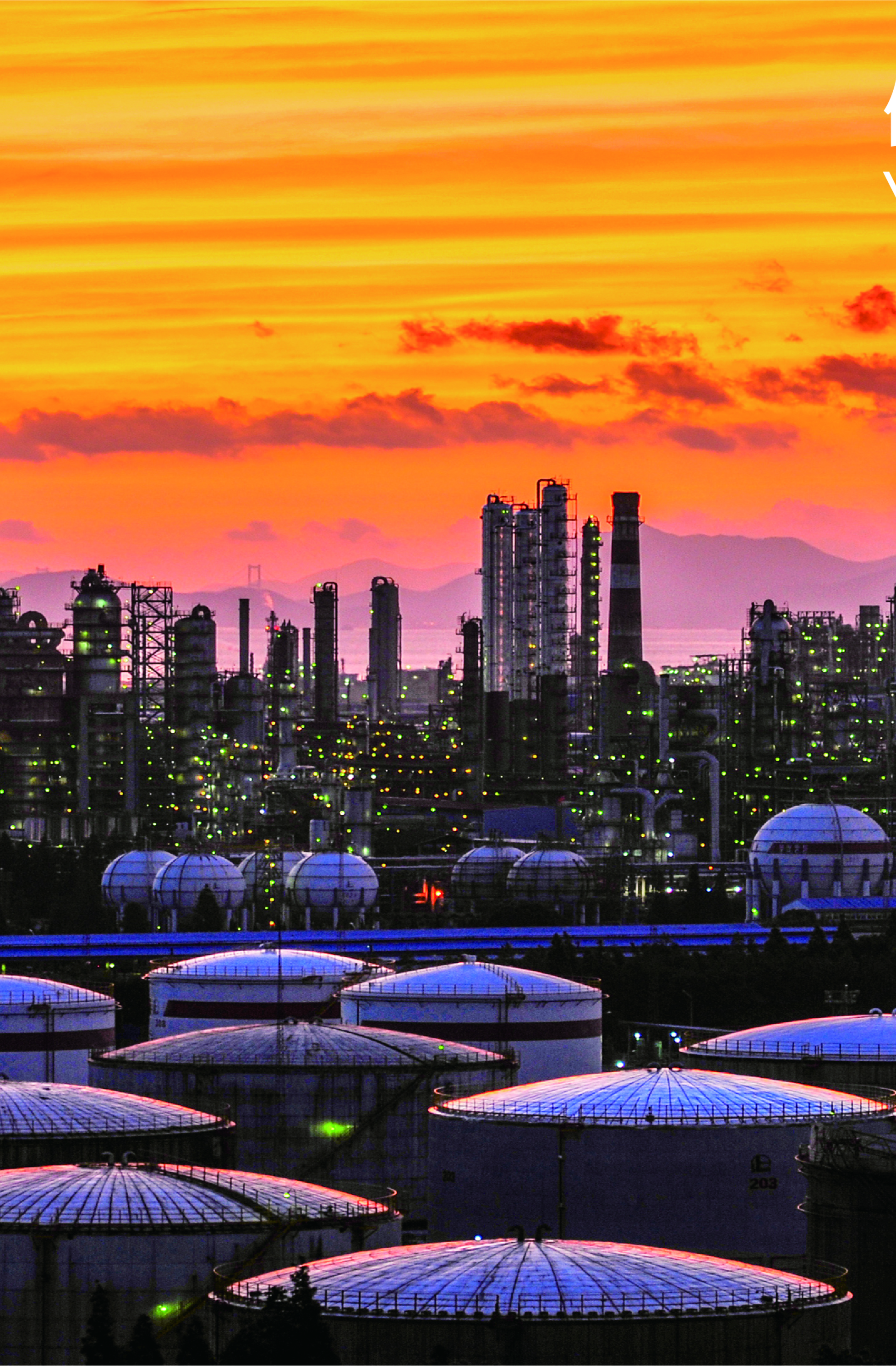
Getting color temperature right in industrial spaces isn’t just about picking a number off a spec sheet. It’s one of those decisions that quietly shapes everything from how accurately workers spot defects to whether they’re dragging by mid-shift. After years of working through lighting challenges in refineries, pharmaceutical plants, and offshore platforms, the pattern becomes clear: facilities that treat color temperature as an afterthought end up retrofitting later, usually at significant cost.
What Color Temperature Actually Measures
Color temperature, technically called Correlated Color Temperature or CCT, describes the color appearance of light using a Kelvin scale. The measurement references how an ideal black-body radiator would glow at different temperatures. Lower Kelvin values like 2700K produce warmer, yellowish light. Higher values around 6500K shift toward cooler, bluer tones.
The spectral power distribution of a light source determines its CCT and directly affects color perception. This distribution shows the intensity of each wavelength the source emits. In industrial settings where workers need to distinguish color-coded wiring or identify safety labels, this matters enormously. The Color Rendering Index measures how accurately a light source reveals true colors compared to natural light. Most industrial applications need a CRI of 80 or higher for reliable color discrimination. Human visual perception responds to both CCT and CRI together, affecting comfort and task performance in ways that aren’t always obvious until something goes wrong.
| CCT Range (Kelvin) | Perceived Effect | Common Applications |
|---|---|---|
| 2700K – 3000K | Warm White (Yellowish) | Rest areas, cafeterias, low-activity zones |
| 3500K – 4000K | Neutral White | Offices, general assembly, common areas |
| 4000K – 5000K | Cool White | Manufacturing floors, warehouses, task lighting |
| 5000K – 6500K | Daylight White | Inspection areas, precision work, outdoor lighting |
Worker Alertness and Safety Outcomes
Color temperature choices ripple through human factors and operational efficiency in ways that show up in incident reports and productivity metrics. Cooler white light in the 4000K to 5000K range tends to keep workers more alert. This happens because cooler light suppresses melatonin production, mimicking the biological signals of natural daylight. Warmer light does the opposite, which is fine for break rooms but problematic on production floors during long shifts.
Visual acuity improves under cooler light, making fine details easier to catch and reducing errors in precision work. The psychological dimension matters too. Cool, bright environments feel more energetic, while warm light creates comfort that can slide into drowsiness during repetitive tasks. Appropriate CCT directly improves hazard visibility, making emergency exits and control panels easier to spot quickly.
The Tilenga project in Uganda demonstrated this clearly. WAROM supplied explosion-proof lighting and electrical systems engineered for extreme conditions there. The optimized lighting contributed to zero safety incidents across the project, which reinforces something that field experience keeps confirming: color temperature selection isn’t a minor detail. It’s a safety decision.
Matching CCT to Specific Industrial Tasks
Different work environments demand different color temperature approaches based on what people actually do in those spaces.
Manufacturing floors, particularly assembly and inspection areas, generally perform best under cool white CCT between 4000K and 5000K. This range sharpens visual clarity and helps workers distinguish between similar colors during quality checks. Warehouses benefit from daylight-range industrial LEDs at 5000K to 6500K because the cooler light improves depth perception and reduces the shadows that hide trip hazards in storage aisles.
Control rooms present a different challenge. Operators watch screens for extended periods, so neutral white around 3500K to 4000K strikes a balance between maintaining alertness and avoiding the eye strain that comes from overly harsh light bouncing off monitors.
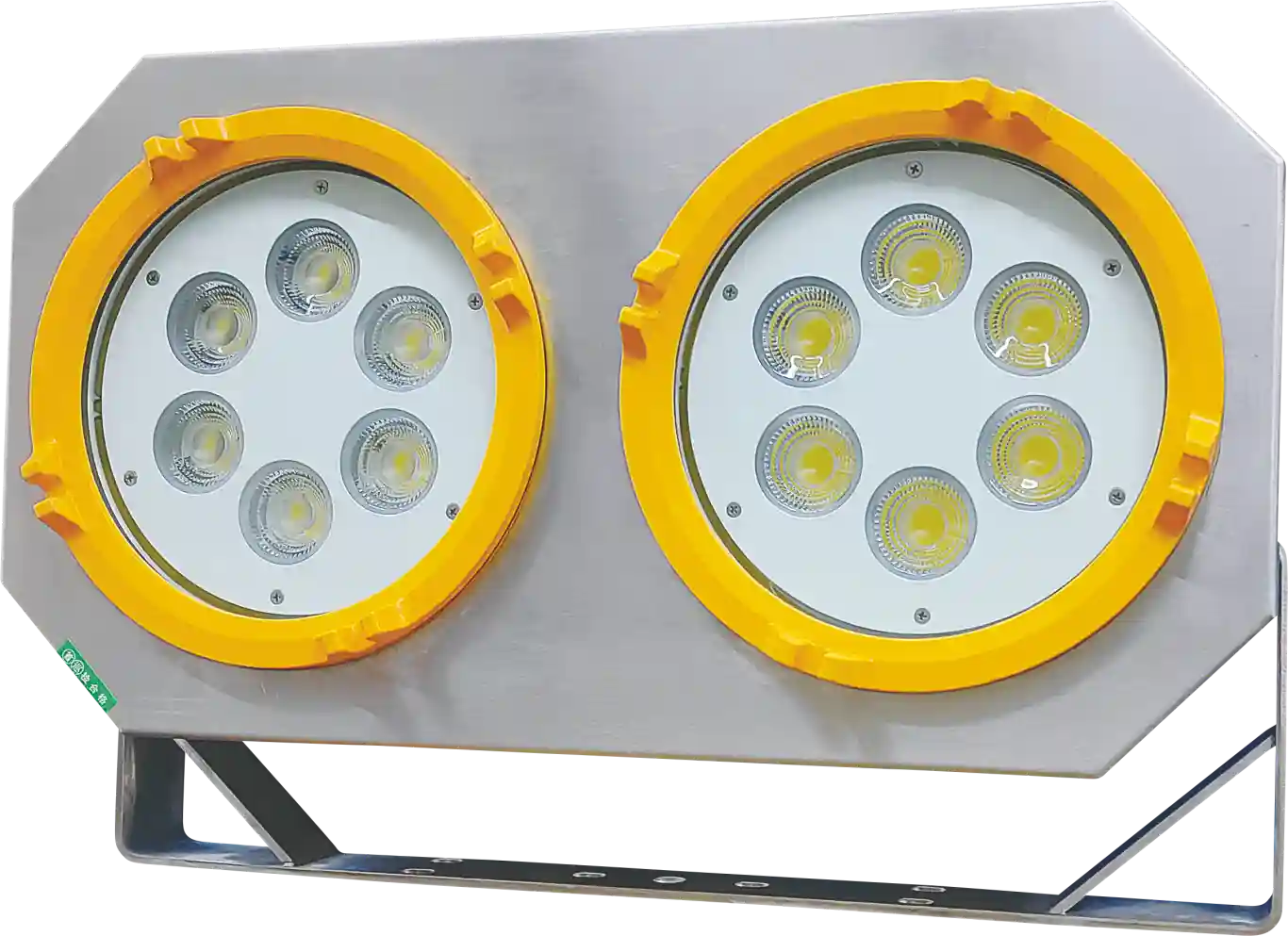
Hazardous areas requiring explosion proof lighting prioritize safety and reliability above all else. While no universal CCT mandate exists for these zones, cool white in the 4000K to 5000K range remains the common choice because it maximizes visibility of equipment and potential hazards. WAROM’s work on projects like General Paint and Fushilai Pharmaceutical involved customized explosion-proof solutions that maintained consistent light quality under extreme conditions. Outdoor industrial facilities typically need higher CCTs at 5000K to 6500K to replicate natural daylight across broad areas.
| Application Area | Recommended CCT Range | Rationale |
|---|---|---|
| Manufacturing (Assembly) | 4000K – 5000K | Enhances visual clarity, promotes alertness, aids detail recognition. |
| Inspection Areas | 5000K – 6500K | Maximizes color accuracy and detail discernment for quality control. |
| Warehouses (Storage/Picking) | 4000K – 5000K | Improves visibility, reduces shadows, supports safe movement. |
| Control Rooms | 3500K – 4000K | Balances alertness with visual comfort for prolonged screen work. |
| Hazardous Areas | 4000K – 5000K | Ensures clear visibility of equipment and hazards for safety. |
| Outdoor Facilities | 5000K – 6500K | Mimics natural daylight, provides broad, effective illumination. |
For hazardous environments, our explosion proof light fittings explosion proof marine products:explosion proof light fittings explosion proof marine products are engineered to provide reliable illumination.
Getting the Selection Process Right
Implementing the correct industrial lighting CCT requires working through several steps that facilities sometimes skip in the rush to install fixtures.
Start by assessing the specific tasks performed in each area. Precision requirements, color recognition needs, and potential hazards all influence the optimal CCT. Then evaluate existing environmental conditions including ambient light levels and how surfaces reflect light. A highly reflective floor changes how any CCT will actually appear to workers. Energy efficiency goals factor in as well, since different CCTs can affect perceived brightness and influence how many fixtures a space actually needs.
Consulting with lighting specialists helps navigate complex industrial luminaire specifications:industrial luminaire specifications and ensures compliance with relevant lighting standards industrial:lighting standards industrial. CCT shouldn’t be considered in isolation. Integrating it with Color Rendering Index and lumen output creates a complete lighting solution. A high CRI remains essential for tasks requiring accurate color identification regardless of which CCT you select.
Proper selection pays off over time through reduced maintenance cycles and lower energy costs. This strategic approach ensures optimal performance and a reasonable return on investment rather than the frustration of discovering problems after installation.
Where Industrial Lighting Technology Is Heading
Several emerging technologies are changing what’s possible with industrial color temperature management.
Tunable white lighting systems allow dynamic CCT adjustment throughout the day. This capability supports human-centric lighting designs that synchronize artificial light with natural circadian rhythms. The practical effect is better worker well-being and sustained productivity across shifts. These systems can shift from cooler, energizing light during morning hours to warmer tones as evening approaches.
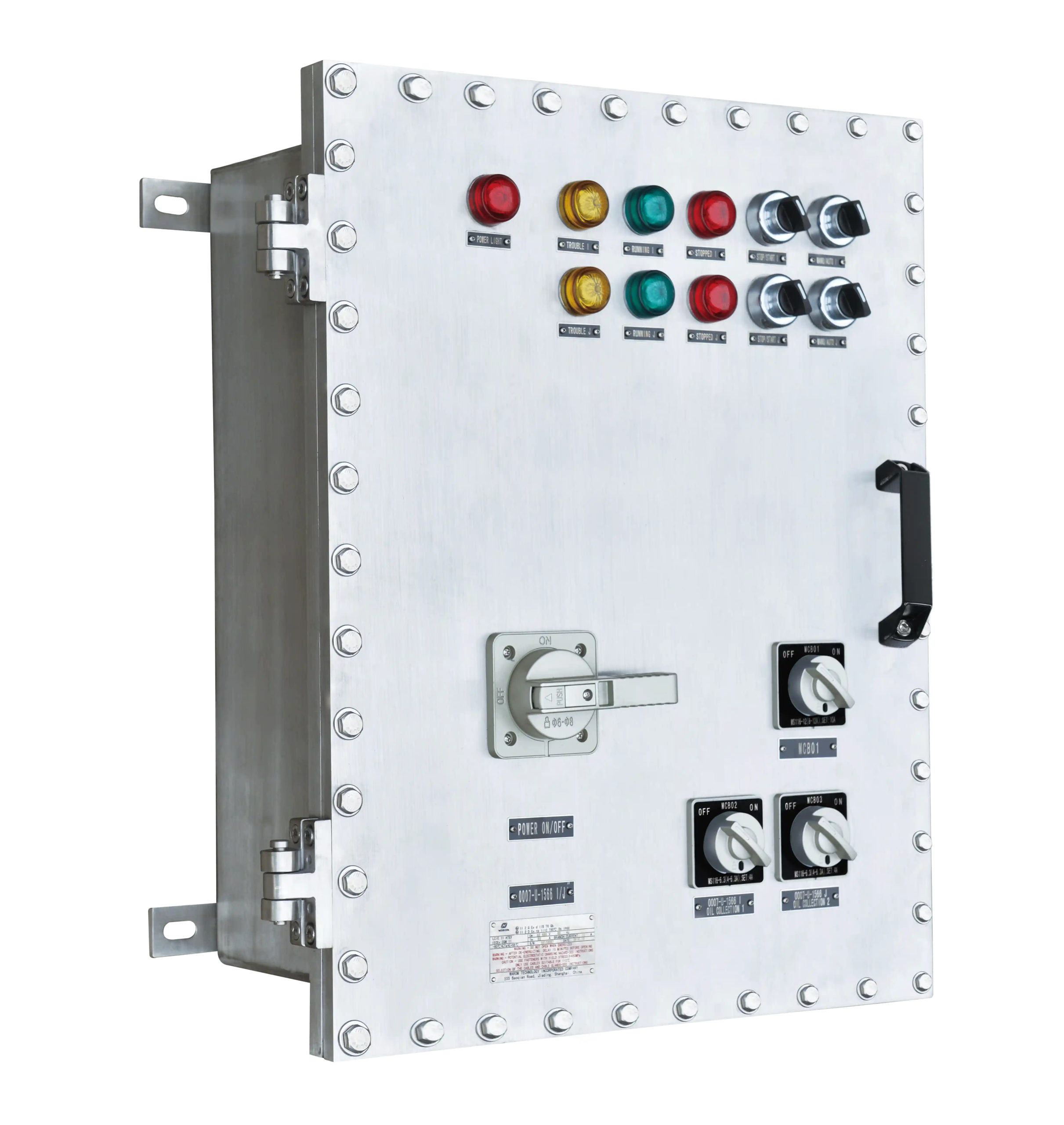
Smart lighting systems integrated with IoT platforms take optimization further. IoT industrial lighting:IoT industrial lighting enables real-time monitoring, control, and automation of lighting parameters including CCT. Sensors detect occupancy and ambient light levels, adjusting color temperature and intensity automatically. The energy savings are substantial, and the operational efficiencies compound over time.
WAROM continues developing solutions that combine reliability with adaptability to evolving industrial needs. The goal remains consistent: lighting that enhances safety and performance while accommodating the technological shifts that are reshaping industrial operations.
Working With WAROM on Industrial Lighting
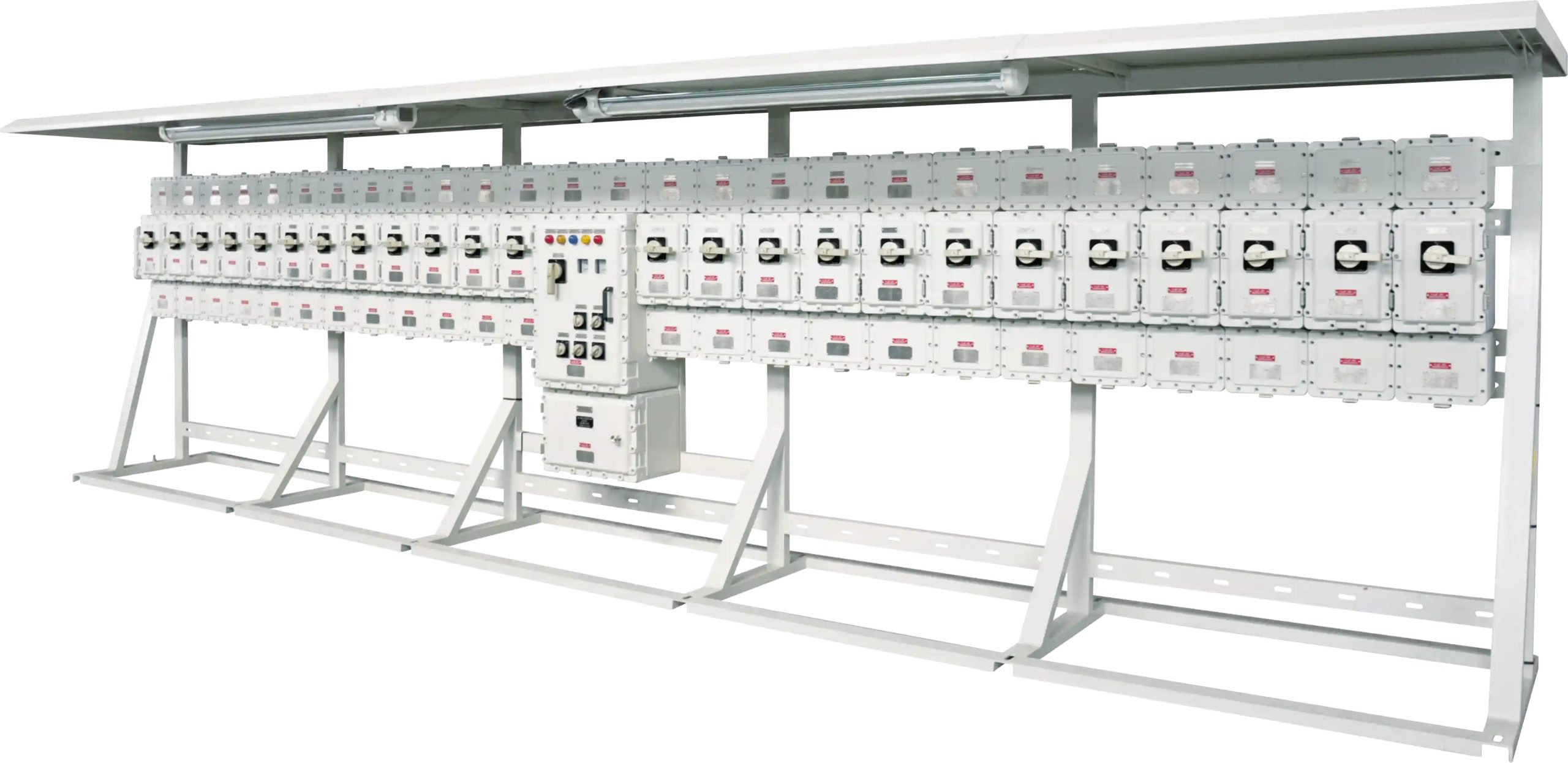
Since 1987, WAROM TECHNOLOGY INCORPORATED COMPANY has engineered lighting systems that prioritize safety, efficiency, and performance in demanding environments. Our experience across complex projects like Tilenga and Fushilai Pharmaceutical means we understand how to tailor solutions that meet stringent industry standards while addressing the specific challenges each facility presents.
Contact us to discuss your industrial lighting needs and explore how our products can optimize your operations while protecting your workforce. Reach us at +86 21 39977076 or via email at gm*@***om.com.
Frequently Asked Questions About Industrial Lighting Color Temperature
What color temperature works best for factory lighting when productivity matters?
Cool white color temperature between 4000K and 5000K generally delivers the best results for factory environments. This range promotes alertness and visual clarity, which reduces errors in task-oriented work. Inspection stations often benefit from higher CCTs at 5000K to 6500K for enhanced detail recognition. Rest areas can use warmer tones since relaxation is actually the goal there.
Does CCT contribute to worker fatigue during long shifts?
Color temperature significantly affects fatigue levels. Cooler white light above 4000K suppresses melatonin production, helping workers maintain alertness during shifts. However, overly harsh or poorly matched CCT can cause visual discomfort and eye strain, which creates its own fatigue problems. Human-centric lighting systems that adjust CCT throughout the day are emerging as an effective approach for aligning artificial light with natural circadian rhythms and reducing cumulative fatigue.
Do hazardous locations have specific color temperature requirements for explosion-proof lighting?
No universal CCT requirement exists specifically for hazardous locations. The primary concerns for explosion-proof lighting are safety, reliability, and clear visibility. Cool white CCTs between 4000K and 5000K are commonly preferred in these environments because they maximize visibility of equipment, processes, and potential hazards. WAROM TECHNOLOGY INCORPORATED COMPANY designs explosion-proof luminaires that maintain consistent light quality including appropriate color temperature under extreme conditions, ensuring compliance with safety standards such as ATEX and IECEx.
With over a decade of experience, he is a seasoned Explosion-Proof Electrical Engineer specializing in the design and manufacture of safety and explosion-proof products. He possesses in-depth expertise across key areas including explosion-proof systems, nuclear power lighting, marine safety, fire protection, and intelligent control systems. At Warom Technology Incorporated Company, he holds dual leadership roles as Deputy Chief Engineer for International Business and Head of the International R&D Department, where he oversees R&D initiatives and ensures the precise delivery of design documentation for international projects. Committed to advancing global industrial safety, he focuses on translating complex technologies into practical solutions, helping clients implement safer, smarter, and more reliable control systems worldwide.

Qi Lingyi