

Choosing between intrinsically safe and explosion-proof protection methods comes down to understanding what each approach actually does and where it fits best. Having worked through countless hazardous area projects, I’ve seen both methods succeed brilliantly and fail spectacularly when misapplied. The difference usually isn’t the technology itself but whether someone took the time to match the protection method to the actual operating conditions. This piece walks through the practical distinctions, real project examples, and the decision-making process that separates a compliant installation from a genuinely safe one.
Hazardous Area Classifications Shape Every Equipment Decision
Hazardous locations exist wherever flammable gases, vapors, liquids, or combustible dusts might accumulate. Before selecting any explosion protection equipment, you need to know exactly what classification system applies and what it demands from your installation.
IECEx and ATEX frameworks divide hazardous areas into Zones based on how often and how long hazardous substances appear. Zone 0 means the atmosphere is explosive continuously or for long periods. Zone 1 covers situations where explosive atmospheres occur intermittently during normal operations. Zone 2 applies when explosive conditions are unlikely or brief. Combustible dusts follow the same logic with Zone 20, Zone 21, and Zone 22 designations. Each zone level dictates how much protection your equipment must provide.
North American facilities typically work under the National Electrical Code Division system instead. Division 1 covers locations where hazardous concentrations exist during normal operations. Division 2 applies when hazardous conditions only arise during equipment failures or abnormal situations. Both classification systems also specify gas groups and dust groups, plus temperature codes that cap how hot equipment surfaces can get before they risk igniting the surrounding atmosphere. Getting these classifications wrong means your protection method might be technically certified but practically inadequate for your actual conditions.
| Classification System | Gas/Vapor Presence | Dust Presence |
|---|---|---|
| IECEx/ATEX Zones | ||
| Zone 0 | Continuous | Zone 20 |
| Zone 1 | Intermittent | Zone 21 |
| Zone 2 | Unlikely/Short | Zone 22 |
| NEC Divisions | ||
| Division 1 | Normal Operation | Division 1 |
| Division 2 | Abnormal Conditions | Division 2 |
How Intrinsically Safe and Explosion Proof Methods Actually Work
Intrinsically safe equipment and explosion-proof enclosures solve the same problem through completely opposite strategies. Understanding this distinction prevents costly misapplication.
Intrinsically safe systems keep electrical and thermal energy below the threshold needed to ignite a hazardous atmosphere. The circuit design itself prevents ignition by ensuring that sparks, arcs, or hot surfaces never reach dangerous levels, even when faults occur. This energy limitation approach works particularly well for instrumentation, sensors, and control circuits where power requirements stay low. The protection happens at the circuit level, not through physical containment.
Explosion-proof enclosures take the opposite approach. They assume an internal explosion might occur and focus on preventing that explosion from reaching the external atmosphere. The enclosure walls withstand internal explosion pressures while flame paths cool escaping gases below the ignition temperature of whatever hazardous atmosphere surrounds the equipment. This containment strategy suits higher-power equipment like motors, transformers, and lighting fixtures where limiting energy isn’t practical. WAROM manufactures both intrinsically safe components and explosion proof enclosure products because different applications genuinely require different protection philosophies.
How Ex d and Ex i Protection Methods Differ in Practice
Ex d protection relies on flameproof enclosure construction. The enclosure contains any internal explosion and cools escaping gases through precisely engineered flame paths. Equipment continues operating normally inside the enclosure, but if ignition occurs internally, the explosion stays contained. Ex i protection works through energy limitation at the circuit design level. Even during fault conditions, the available electrical energy stays below what’s needed to create an ignition-capable spark or hot surface. This fundamental difference means Ex i equipment can operate in Zone 0 environments where Ex d typically cannot. Ex d finds its place in Zone 1 and Zone 2 applications where power requirements exceed what intrinsically safe circuits can deliver.
Project Examples Show Protection Methods in Action
Real installations reveal how explosion protection decisions play out under actual operating conditions. These projects demonstrate the range of considerations that affect equipment selection and system design.
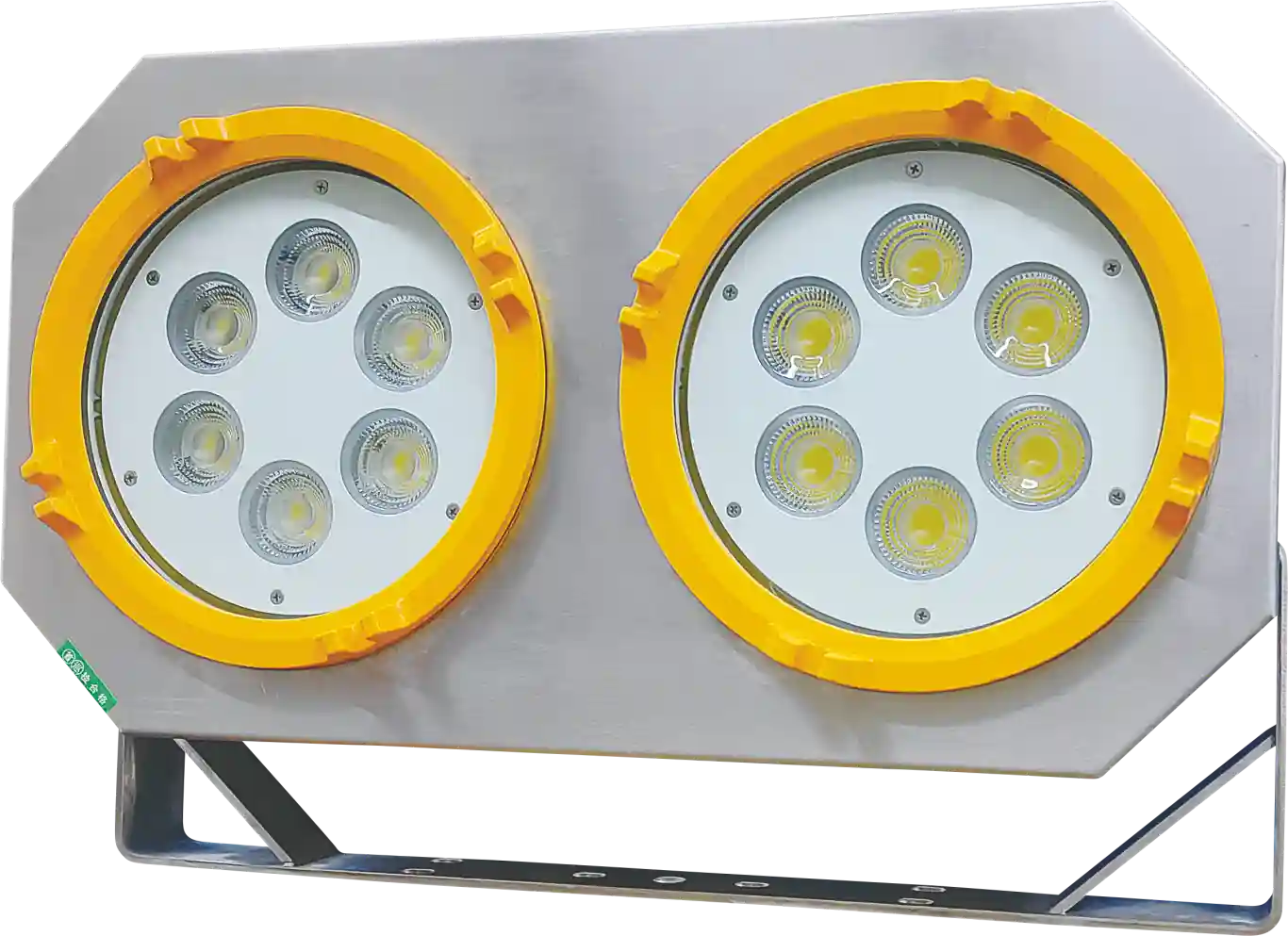
The Tilenga oil and gas development in Uganda required explosion proof lighting and electrical distribution across wellpads, a Central Processing Facility, and pipeline infrastructure. Operating conditions included temperature extremes, remote locations with limited maintenance access, and continuous hazardous atmosphere exposure. BAT86 Explosion-proof LED Floodlights and HRNT95 Series Explosion Proof LED Light Fittings provided the illumination while maintaining the energy efficiency needed for sustainable operations. The installation achieved zero safety incidents through equipment selection matched to actual field conditions rather than minimum compliance requirements.
A chemical facility upgrade at General Paint in Mexico presented different challenges. The existing electrical infrastructure created serious hazards from combined flammable gas and combustible dust exposure. The solution required gas detection systems, explosion-proof plugs and sockets, BHD91 Series Explosion-proof Junction Boxes, illumination distribution boxes, static discharge devices, and corrosion-resistant equipment. This wasn’t a simple product substitution but a complete rethinking of how electrical systems could operate safely in that specific environment.
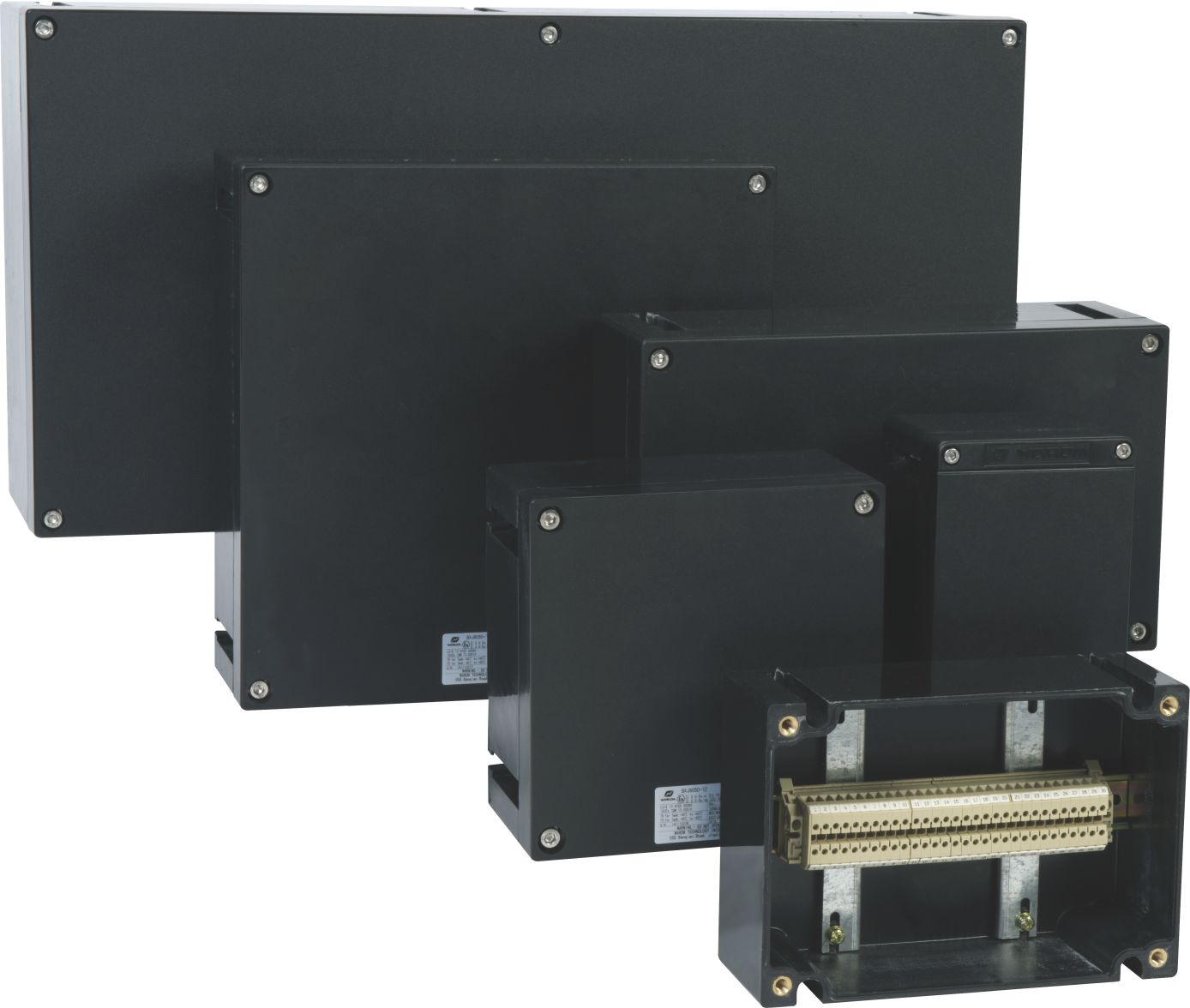
Pharmaceutical manufacturing at the Fushilai CM/CDMO project demanded explosion-proof distribution boxes across workshops, warehouses, tank farms, and pump control systems. The BXM(D)8050 Explosion-proof Illumination Distribution Boxes handled power distribution while maintaining the cleanliness and reliability standards pharmaceutical operations require. Early coordination between the design institute, project owner, and equipment supplier prevented the specification conflicts that often delay pharmaceutical construction projects.
For additional perspective on lighting selection, 《Explosion Proof LED Floodlights: Enhancing Safety and Efficiency》 covers the efficiency and safety considerations specific to floodlight applications.
Matching Protection Methods to Your Actual Operating Conditions
Selecting explosion protection equipment involves more than checking certification marks against zone classifications. The decision affects safety, maintenance burden, and long-term operating costs.
Start with accurate hazard classification. Determine the Zone or Division, identify the gas or dust group, and establish the temperature code. These parameters define which equipment certifications you need, but they don’t tell you which protection method works best for your specific application.
Power requirements often drive the intrinsically safe versus explosion-proof decision. Instrumentation circuits, sensors, and control signals typically operate within intrinsically safe power limits. Motors, lighting fixtures, and heating elements usually exceed those limits and require explosion-proof containment instead.
Maintenance access matters more than many initial specifications acknowledge. Intrinsically safe circuits often permit live maintenance because the energy levels can’t create ignition hazards. Explosion-proof enclosures typically require de-energizing before opening, which means production interruptions for routine maintenance. In facilities where downtime costs are significant, this distinction affects total cost of ownership substantially.
Environmental factors beyond the hazardous classification also influence equipment selection. Corrosive atmospheres, extreme temperatures, vibration, and moisture exposure all affect equipment longevity. The BAY51-Q Explosion-proof Corrosion-proof Plastic Light Fitting exists specifically because some environments attack standard enclosure materials faster than the hazardous atmosphere classification alone would suggest.
Regulatory compliance provides the minimum acceptable standard, not the optimal solution. Equipment meeting ATEX and IECEx requirements satisfies certification requirements, but the best protection method for your application depends on how that equipment will actually be used, maintained, and operated over its service life.
Explosion Proof Lighting Selection for Chemical Plant Environments
Chemical plants present particular challenges for explosion proof lighting selection. Corrosive atmospheres attack enclosure materials, so material compatibility becomes critical. Copper-free aluminum alloy with powder-coated surfaces, like the construction used in BAT86 Explosion-proof LED Floodlights, resists chemical attack better than standard materials. Temperature ratings must account for both ambient conditions and the ignition temperatures of gases present in the facility. Light output and distribution patterns affect both safety and productivity since inadequate illumination creates its own hazards. LED technology delivers the energy efficiency that reduces operating costs while providing the light levels chemical operations require. The HRNT95 Series Explosion Proof LED Light Fittings combine high lighting efficiency with the service life that minimizes maintenance interventions in difficult-to-access locations.
Installation Quality and Maintenance Practices Determine Long-Term Safety
Equipment selection sets the foundation, but installation and maintenance practices determine whether that foundation actually provides protection over the equipment’s service life.
Installation of both intrinsically safe and explosion-proof systems requires certified personnel following manufacturer specifications and applicable codes. Cable routing, grounding connections, and cable entry sealing using appropriate cable glands like the DQM-III/II Series Explosion Proof Cable Glands must meet specific requirements. A properly certified enclosure installed incorrectly provides no better protection than uncertified equipment. The certification applies to the complete installation, not just the components.
Preventative maintenance schedules differ between protection methods. Intrinsically safe systems require regular inspection of safety barriers, wiring integrity, and earthing connections to confirm that energy limitation remains effective. Explosion-proof enclosures need inspection of enclosure integrity, seal condition, and fastener torque to verify containment capability. Both approaches fail when maintenance lapses allow degradation below certification standards.
All equipment must carry valid safety certifications matching the installation location requirements. ATEX and IECEx certifications indicate that equipment has been tested and verified to meet specific protection standards. Expired or inappropriate certifications create compliance violations and genuine safety risks regardless of how well the equipment was originally designed.
Technology Advances Are Changing Hazardous Area Protection
Hazardous area protection technology continues advancing beyond traditional intrinsically safe and explosion-proof approaches. These developments affect both new installations and upgrade decisions for existing facilities.
Smart hazardous area devices now incorporate sensors that monitor environmental conditions and equipment performance in real time. This monitoring capability enables predictive maintenance by identifying degradation before it creates safety issues or causes unplanned shutdowns. The data these devices generate supports maintenance planning and provides documentation for regulatory compliance.
Industrial Internet of Things integration allows remote diagnostics and centralized monitoring of distributed hazardous area equipment. Facilities with equipment spread across large areas benefit from reduced inspection travel and faster response to developing problems. Wireless hazardous area solutions reduce cabling complexity in new installations and simplify retrofits where running new cables would be impractical.
International safety standards evolve to address new technologies and incorporate lessons from field experience. ATEX, IECEx, and NEC requirements update periodically, and equipment certified under older standard versions may not meet current requirements. Staying current with these standards affects both new equipment purchases and ongoing compliance for existing installations.
Work with WAROM on Your Hazardous Area Protection Requirements
WAROM TECHNOLOGY has manufactured explosion-proof and intrinsically safe equipment since 1987. Our engineering team provides consultation on equipment selection, system design, and compliance requirements for hazardous area projects worldwide. Contact us for customized solutions matched to your specific operating conditions and regulatory requirements.
Email: gm*@***om.com | Tel: +86 21 39977076
Common Questions About Hazardous Area Protection
Does intrinsically safe equipment work in Zone 0 applications?
Intrinsically safe equipment certified as Ex ia provides Zone 0 protection. The ia designation indicates that the equipment maintains safe energy levels under normal operation, single fault conditions, and double fault conditions. This fault tolerance is what makes Zone 0 use acceptable. Equipment with Ex ib certification only covers single fault conditions and is limited to Zone 1 and Zone 2 applications. The certification level must match the zone classification, not just the protection type.
What do people misunderstand about explosion-proof enclosures?
The most common misconception is that explosion proof enclosure designs prevent internal explosions. They don’t. The enclosure allows internal explosions to occur but contains them and cools the escaping gases below the ignition temperature of the external atmosphere. Another misunderstanding involves sealing. Explosion-proof enclosures aren’t hermetically sealed. They include flame paths that allow pressure equalization while cooling any gases that escape during an internal explosion. Understanding this containment function rather than prevention function helps explain why enclosure integrity and flame path maintenance matter so much.
How does WAROM verify compliance with international explosion protection standards?
WAROM designs and manufactures products to ATEX and IECEx standards with third-party certification testing. Internal quality control includes testing procedures that verify products meet specification before shipment. Regulatory specialists track standard revisions and certification requirements across different national markets. Products carry certification marks indicating which standards they meet and which hazardous area classifications they’re approved for. This certification documentation supports customer compliance requirements and inspection processes.
What maintenance keeps intrinsically safe systems within their safety ratings?
Intrinsically safe system maintenance focuses on preserving the energy limitation that provides protection. Safety barriers require inspection to verify correct installation and continued function. Cable routing needs checking to confirm that damage or modifications haven’t compromised circuit integrity. Earthing connections must maintain proper resistance values. All maintenance work should be performed by personnel who understand intrinsic safety principles and can verify that their work doesn’t compromise the protection method. Documentation of maintenance activities supports compliance verification during facility inspections.
With over a decade of experience, he is a seasoned Explosion-Proof Electrical Engineer specializing in the design and manufacture of safety and explosion-proof products. He possesses in-depth expertise across key areas including explosion-proof systems, nuclear power lighting, marine safety, fire protection, and intelligent control systems. At Warom Technology Incorporated Company, he holds dual leadership roles as Deputy Chief Engineer for International Business and Head of the International R&D Department, where he oversees R&D initiatives and ensures the precise delivery of design documentation for international projects. Committed to advancing global industrial safety, he focuses on translating complex technologies into practical solutions, helping clients implement safer, smarter, and more reliable control systems worldwide.

Qi Lingyi