

Offshore wind farms operate in one of the most electrically hostile environments in the energy sector. Salt spray, hydrogen off-gassing from battery systems, fuel vapors from service vessels, and the constant vibration of multi-megawatt turbines create conditions where a single ignition source can cascade into catastrophic failure. Explosion proof electrical safety in these installations is not an added precaution but a baseline requirement for operational continuity and crew protection.
Why Hazardous Area Classification Determines Every Equipment Decision
The foundation of any offshore wind electrical system lies in hazardous area classification, the process of mapping where explosive atmospheres may form and for how long. Gases from maintenance solvents, diesel storage for backup generators, and hydrogen venting from lithium-ion or flow battery systems all contribute to potential ignition risks. Classification follows the ATEX directive in European waters and the IECEx certification system internationally, both of which divide environments into zones based on probability of explosive atmosphere presence.
Zone 0 designates areas where an explosive gas atmosphere is present continuously or for long periods. Zone 1 covers locations where such atmospheres are likely during normal operation. Zone 2 applies where explosive atmospheres are unlikely but possible during abnormal conditions. Parallel classifications, Zones 20, 21, and 22, address combustible dust hazards. Each zone dictates the protection level required for any electrical equipment installed within it. A junction box rated for Zone 2 cannot legally or safely operate in a Zone 1 space. Misclassification at the design stage propagates through every subsequent equipment selection, installation decision, and maintenance protocol.
What Equipment Categories Address Marine Electrical System Risks
Explosion proof equipment for offshore wind must satisfy two simultaneous demands: preventing ignition of hazardous atmospheres and surviving decades of marine exposure. Equipment that meets only one criterion fails in service.
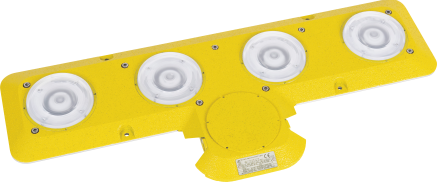
Lighting systems illustrate this dual requirement. LED floodlights such as the BAT86 series and corrosion-proof fittings like the BAY51-Q use steel lamp bodies with powder-coated surfaces to resist salt corrosion while housing constant-current, constant-voltage drivers with overload protection. These drivers prevent thermal runaway that could otherwise create ignition-capable surface temperatures.
| Equipment Type | Key Features | Protection Level |
|---|---|---|
| Explosion Proof Lighting | Corrosion-proof, high IP rating, LED | IP66 |
| Junction Boxes | Copper-free aluminum alloy, anti-static coating | IP66 |
| Plugs and Sockets | GRP composite, interlocking switch | IP66 |
| Distribution Panels | Compound design (Ex d, Ex e), modular | IP66 |
| Cable Glands | Armoured, gas and dust protection | IP66 |
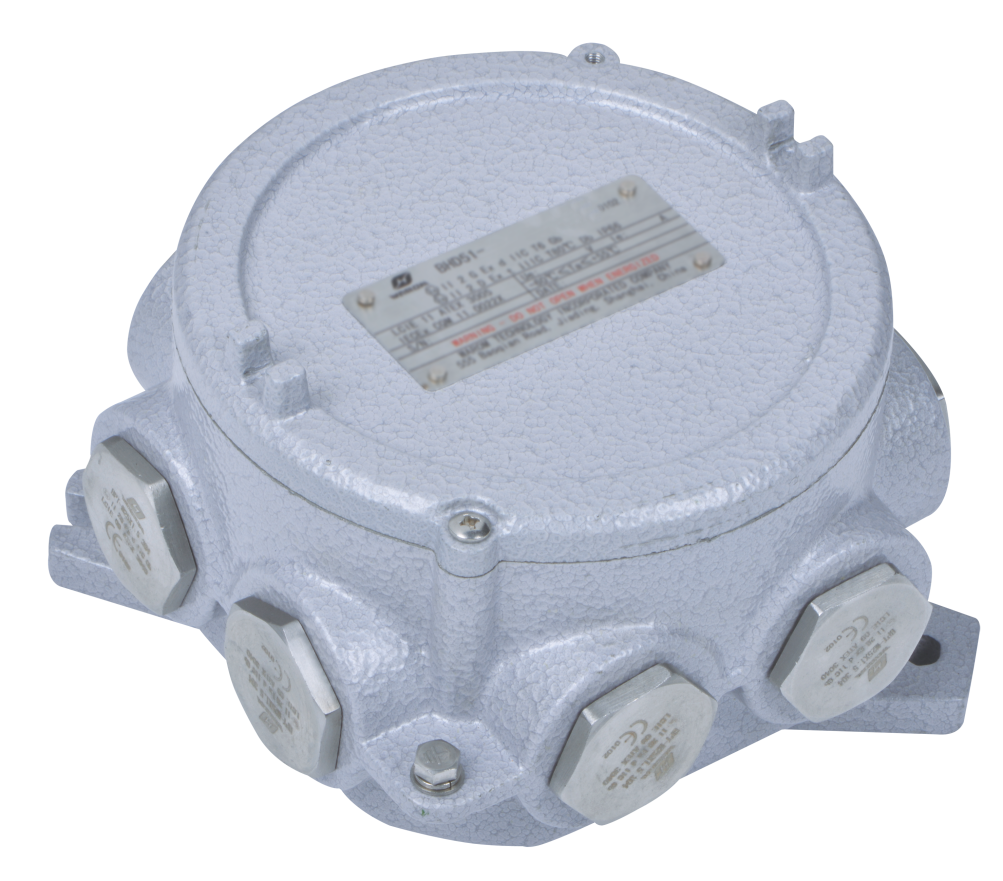
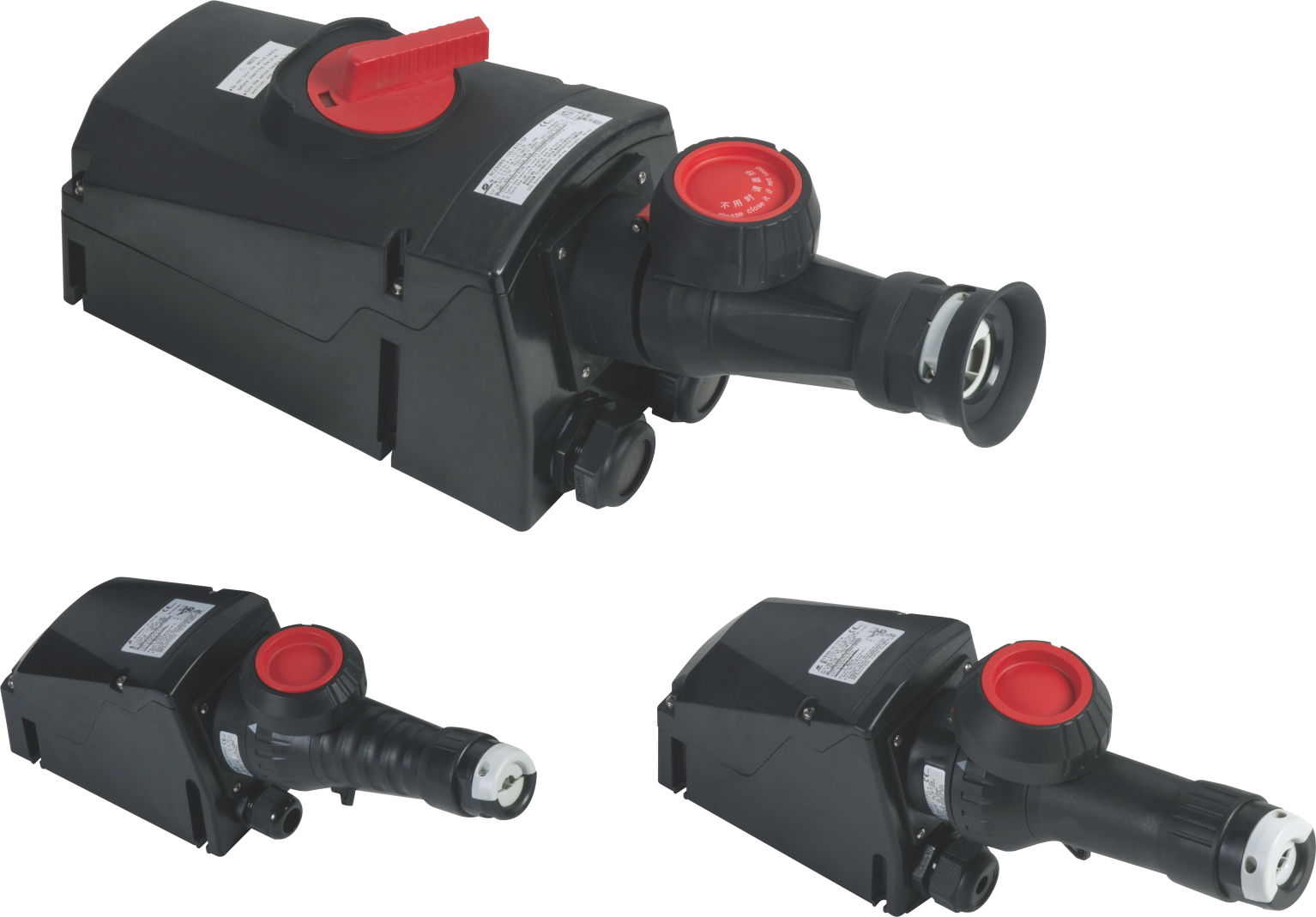
Junction boxes fabricated from copper-free aluminum alloy eliminate a common corrosion accelerant in marine environments. Anti-static coatings prevent charge accumulation that could otherwise discharge as a spark. Plugs and sockets with interlocking switches, such as the BCZ8060 series, physically prevent connection or disconnection while circuits remain energized, removing a frequent ignition source during maintenance operations.
Which Certifications Validate Equipment for Offshore Wind Deployment
Certification requirements for explosion proof electrical safety in offshore wind combine industrial hazardous-area standards with marine classification society approvals. ATEX certification confirms compliance with European explosive atmosphere directives. IECEx certification provides international recognition under the same technical standards. Neither certification alone addresses the structural and environmental demands of offshore installation.
Marine classification societies, including DNV GL and the American Bureau of Shipping, evaluate equipment for shipboard and offshore platform use. Their certifications verify that enclosures, seals, and mounting systems withstand the vibration profiles, temperature cycling, and salt exposure characteristic of marine service. Equipment carrying both IECEx and DNV GL approvals has passed testing regimes that address both ignition prevention and environmental durability.
How Environmental Stressors Shape Equipment Selection and Lifespan
Saltwater corrosion operates continuously on offshore structures. Chloride ions penetrate protective coatings, initiate pitting on aluminum and steel surfaces, and degrade elastomeric seals. Equipment designed for onshore hazardous areas frequently fails within two to five years offshore because material specifications assumed lower chloride exposure.
Temperature extremes compound corrosion effects. Thermal cycling causes differential expansion between dissimilar materials, breaking seals and creating ingress paths for moisture. Turbine nacelles can reach internal temperatures exceeding 50°C during peak generation while external surfaces drop below freezing in winter North Sea conditions. Enclosures must accommodate this range without compromising their flameproof or increased-safety ratings.
Vibration from turbine operation accelerates fastener loosening and fatigue cracking. Cable glands such as the DQM-III/II series incorporate armored cable retention and multiple sealing elements to maintain gas-tight integrity despite continuous mechanical stress. Material selection, including stainless steel fasteners and WF2-rated corrosion-proof finishes, extends service intervals and reduces the frequency of manned maintenance visits to remote platforms.
If your offshore wind project involves battery energy storage systems or hybrid generation configurations, discussing hydrogen detection and ventilation requirements early in the design phase prevents costly retrofits after commissioning.
What Maintenance Strategies Extend Equipment Service Life in Marine Conditions
The marine environment compresses equipment lifespans through mechanisms that operate simultaneously rather than sequentially. Corrosion weakens enclosure walls while vibration loosens gland compression fittings while thermal cycling degrades seal elasticity. Maintenance strategies must address all three degradation modes.
Predictive maintenance programs use inspection data to anticipate seal replacement before ingress protection degrades. Visual inspection for corrosion bloom, torque verification on critical fasteners, and insulation resistance testing on circuits provide early warning of developing failures. Equipment designed with field-replaceable seals and modular internal components reduces maintenance duration, a significant consideration when weather windows limit platform access.
The Tilenga project in Uganda, while not offshore, demonstrated how equipment selection for extreme conditions translates to extended service intervals. Explosion proof lighting and electrical systems specified for that installation achieved zero safety incidents through the construction phase, validating the material and design choices against demanding environmental exposure.
How Integrated Safety Systems Protect Complex Offshore Infrastructure
Offshore wind electrical infrastructure extends from subsea export cables through offshore substations to individual turbine generators, each segment presenting distinct hazardous area profiles. Integrated safety systems coordinate protection across these segments rather than treating each as an isolated installation.
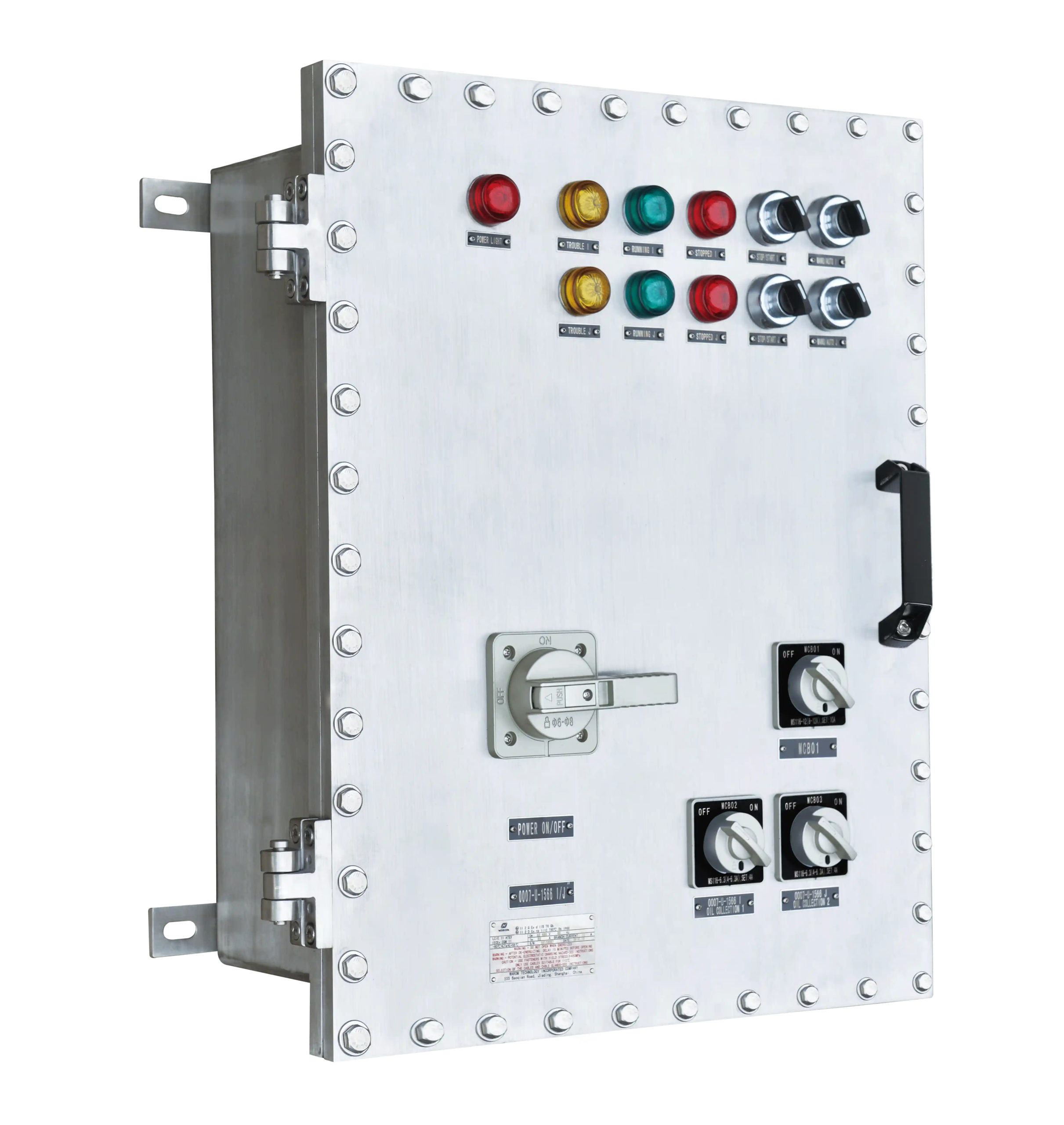
Distribution panels such as the BXM(D)8050 series combine flameproof (Ex d) and increased safety (Ex e) chambers within single enclosures. This compound design allows power distribution and control wiring to coexist while maintaining appropriate protection levels for each circuit type. Modular architecture permits configuration changes as turbine arrays expand or battery storage systems are added to existing platforms.
Integration extends beyond hardware to encompass monitoring and control systems. Gas detection networks, emergency lighting circuits, and power distribution switchgear must communicate status information to central control rooms and respond to trip commands within milliseconds. The customized solution developed for General Paint, incorporating gas detectors, plugs, junction boxes, and distribution boxes as a coordinated system, illustrates how component-level specifications must align with system-level safety functions.
What Compliance Processes Ensure Project Success in Offshore Renewable Energy
Regulatory compliance for explosion proof electrical safety in offshore wind involves multiple overlapping frameworks. ATEX and IECEx govern equipment certification. Marine classification societies verify installation suitability. National electrical codes and offshore safety regulations impose additional requirements that vary by jurisdiction. Flag state requirements for vessels servicing installations add another compliance layer.
Project success depends on early coordination between equipment suppliers, design consultants, installation contractors, and regulatory authorities. The Fushilai Pharmaceutical project demonstrated how pre-construction engagement with all stakeholders prevented specification conflicts and schedule delays. Similar coordination in offshore wind projects identifies certification gaps before equipment arrives at the quayside.
Documentation requirements for offshore installations exceed those for onshore facilities. Equipment certificates, installation records, test reports, and maintenance logs must demonstrate continuous compliance throughout the installation’s operational life. Digital documentation systems that link equipment serial numbers to certification records and maintenance histories simplify regulatory audits and ownership transfers.
Partner with WAROM for Offshore Wind Electrical Safety
To discuss explosion proof electrical safety requirements for your offshore wind project, contact WAROM TECHNOLOGY at gm*@***om.com or call +86 21 39977076 or +86 21 39972657.
Frequently Asked Questions on Offshore Wind Electrical Safety
What economic returns justify premium explosion proof equipment investment in offshore wind farms?
Premium explosion proof equipment reduces three cost categories that dominate offshore wind operational budgets: unplanned downtime, catastrophic failure remediation, and regulatory penalty exposure. A single turbine offline during peak wind conditions can forfeit tens of thousands of dollars in generation revenue daily. Equipment failure requiring emergency vessel mobilization multiplies direct repair costs by factors of five to ten compared to scheduled maintenance. Regulatory fines for non-compliant installations in European waters can reach millions of euros. Equipment specified to exceed minimum certification requirements typically delivers payback within the first avoided incident.
How does WAROM engineering address the specific durability demands of marine explosion proof installations?
WAROM equipment incorporates corrosion-resistant materials including copper-free aluminum alloys, stainless steel fasteners, and WF2-rated surface treatments validated through accelerated salt spray testing. Enclosure designs achieve IP66 or IP67 ingress protection ratings, preventing moisture and particulate intrusion under direct water spray and temporary immersion conditions. Vibration resistance testing simulates turbine operational profiles to verify fastener retention and seal integrity over extended service periods. ATEX and IECEx certifications confirm ignition prevention performance while marine classification society approvals validate environmental durability.
Can WAROM develop customized explosion proof systems for non-standard offshore wind configurations?
WAROM engineering teams collaborate with project owners, design institutes, and installation contractors to develop explosion proof electrical systems matching specific hazardous area classifications, power distribution architectures, and environmental exposure profiles. Customization encompasses enclosure dimensions, circuit configurations, cable entry positions, and mounting arrangements. Previous projects have delivered integrated solutions combining gas detection, power distribution, lighting, and control systems as coordinated packages with unified certification documentation. Contact our technical team to discuss your project’s specific requirements.
If you’re interested, you may want to read the following articles:
Warom Spring Festival Groundbreaking Ceremony
Expert Guide: Selecting Temporary Power Distribution Boxes
Explosion-Proof Solenoid Valves: Gas Pipeline Control Safety
Explosion Proof Emergency Exit Light Fittings for Industrial Safety
With over a decade of experience, he is a seasoned Explosion-Proof Electrical Engineer specializing in the design and manufacture of safety and explosion-proof products. He possesses in-depth expertise across key areas including explosion-proof systems, nuclear power lighting, marine safety, fire protection, and intelligent control systems. At Warom Technology Incorporated Company, he holds dual leadership roles as Deputy Chief Engineer for International Business and Head of the International R&D Department, where he oversees R&D initiatives and ensures the precise delivery of design documentation for international projects. Committed to advancing global industrial safety, he focuses on translating complex technologies into practical solutions, helping clients implement safer, smarter, and more reliable control systems worldwide.

Qi Lingyi