
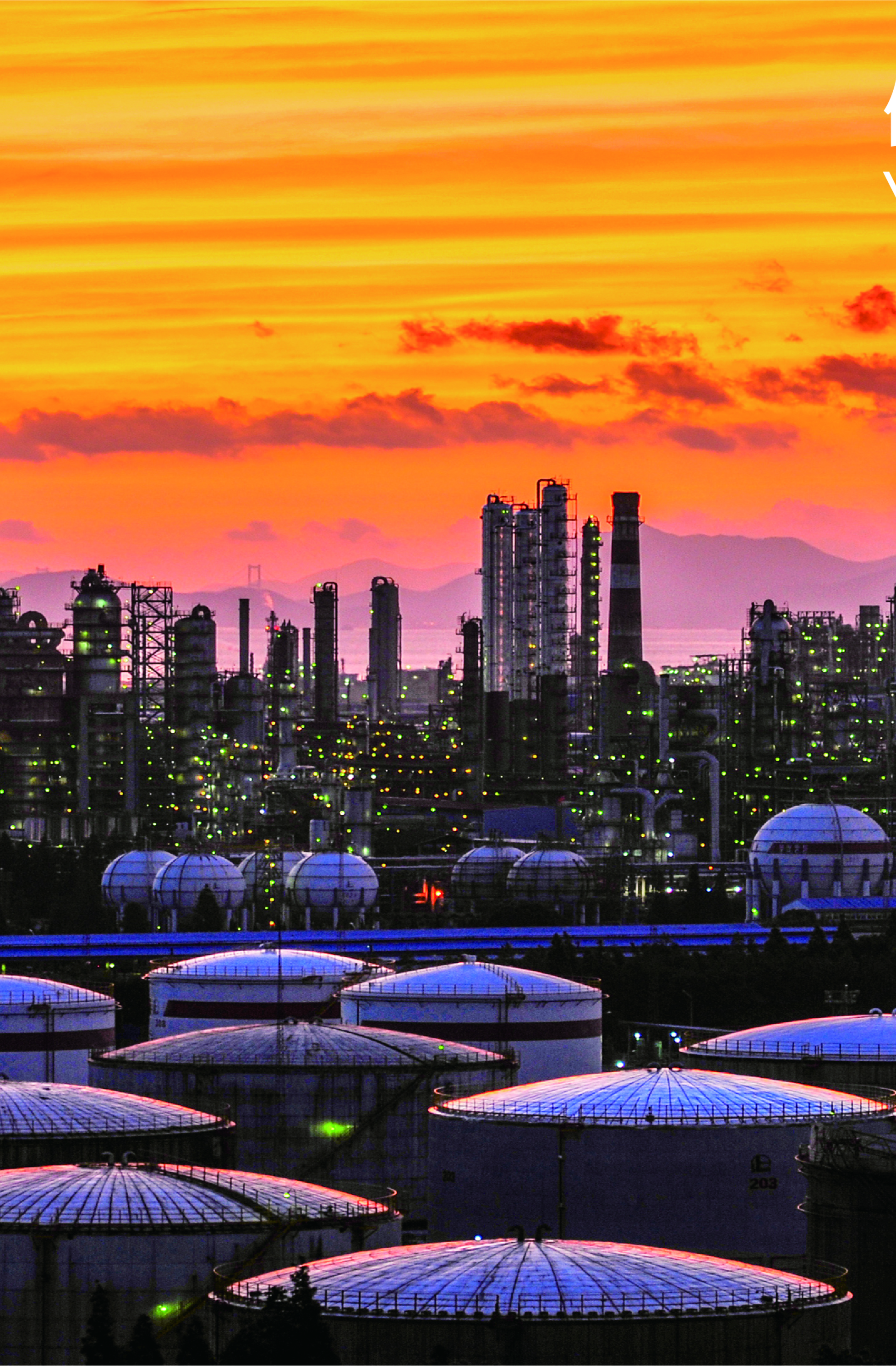
Oil rigs demand lighting that can survive conditions most industrial fixtures would never encounter. Between the constant presence of flammable gases, relentless saltwater exposure, and the mechanical stress from drilling operations, standard lighting simply cannot function safely in these environments. The consequences of failure extend far beyond a dark work area—a single spark from inadequate equipment can trigger catastrophic events that endanger lives and halt operations entirely.
Why Standard Lighting Creates Unacceptable Risk in Hazardous Zones
The fundamental problem with conventional lighting on oil rigs comes down to construction. Standard fixtures lack the engineering required to contain electrical arcs, sparks, or excessive heat buildup. In an atmosphere where flammable gases and vapors are constantly present, these design gaps become potential ignition sources.
Regulatory frameworks exist precisely because this risk is well understood. International standards classify hazardous locations into zones based on how frequently explosive atmospheres occur. Zone 1 zone 2 lighting requirements under IECEx and ATEX systems address areas where explosive atmospheres are likely or occasionally present. North American Class I Division 1/2 lighting classifications follow similar logic with different terminology. Using non-compliant fixtures in these classified areas violates safety protocols and creates liability that no operator should accept.
Real-world performance validates these concerns. The Tilenga project in Uganda required explosion proof electrical systems across wellpads, a Central Processing Facility, and pipelines—all within a national park where environmental and safety standards were particularly stringent. Zero safety incidents occurred throughout the project, demonstrating that properly engineered hazardous area lighting performs reliably even under demanding conditions.
Performance Metrics That Separate Adequate From Exceptional
Evaluating explosion-proof lighting for oil rigs requires looking beyond basic compliance checkboxes. ATEX certified lighting and IECEx explosion proof certifications establish the baseline, but several additional factors determine whether a fixture will actually perform well over time.
Ingress protection ratings matter significantly in offshore environments. An IP66 or IP67 rating indicates the fixture can withstand dust infiltration and powerful water jets—conditions that occur regularly on marine platforms. Without adequate sealing, internal components degrade rapidly.
Corrosion resistance becomes critical for marine grade lighting applications. Saltwater, humidity, and chemical exposure attack metal components continuously. Materials like copper-free aluminum alloy provide superior WF2 corrosion resistance, extending fixture life substantially compared to standard materials. The BAT86 Explosion-proof LED Floodlights use this alloy specifically because offshore conditions demand it.
Mechanical durability receives less attention than it deserves. Drilling operations generate constant vibration, and equipment movement creates shock loads. Fixtures that cannot absorb this stress develop internal failures that may not be immediately visible but compromise safety over time.
Thermal management affects both lifespan and safety. Heat buildup reduces LED efficiency and accelerates component degradation. In extreme cases, inadequate heat dissipation can itself become an ignition risk. The HRNT95 Series Explosion Proof LED Light Fittings address this through engineered heat sinks that maintain safe operating temperatures.
| Feature | ATEX Certified Lighting | IECEx Explosion Proof Lighting |
|---|---|---|
| Certification Body | European Union | International Electrotechnical Commission |
| Primary Regions | Europe | Global |
| Hazardous Area Class | Zones (0, 1, 2, 20, 21, 22) | Zones (0, 1, 2, 20, 21, 22) |
| Focus | Equipment & Protective Systems | Equipment for Explosive Atmospheres |
| Ingress Protection | IP66/IP67 common | IP66/IP67 common |
LED Technology Has Changed the Economics of Hazardous Area Lighting
The shift from traditional lighting sources to LED explosion proof lights represents more than an incremental improvement. The performance gap is substantial enough to affect operational economics meaningfully.
Energy consumption drops considerably with LED fixtures. On oil rigs where generator capacity is finite and fuel costs are high, reduced power draw translates directly into operational savings. This lighting cost reduction compounds over the fixture’s lifespan.
That lifespan itself represents a major advantage. Quality LED fixtures routinely exceed 50,000 hours of operation, far outlasting fluorescent or incandescent alternatives. In remote offshore platform illumination applications, every lamp change requires personnel time, safety procedures, and potential production interruption. Maintenance free lighting solutions that minimize these interventions deliver value beyond simple component costs.
LEDs also handle the physical environment better than traditional alternatives. They reach full brightness instantly, tolerate shock and vibration well, and contain no mercury or other hazardous materials. These characteristics make them genuinely suited to oil rig conditions rather than merely adapted from general-purpose designs.
The BAT86 Explosion-proof LED Floodlights and HRNT95 Series demonstrate these advantages in practice. Both product lines deliver the lighting technology advancements that reduce operational expenses while maintaining the safety performance that hazardous environments demand.
For additional perspective on specific applications, consider exploring 《Explosion Proof LED Floodlights: Enhancing Safety and Efficiency》.
Complete Electrical Safety Requires More Than Individual Fixtures
Focusing exclusively on lighting fixtures misses the broader picture. Effective explosion proof electrical systems integrate multiple components that work together to prevent ignition across an entire facility.
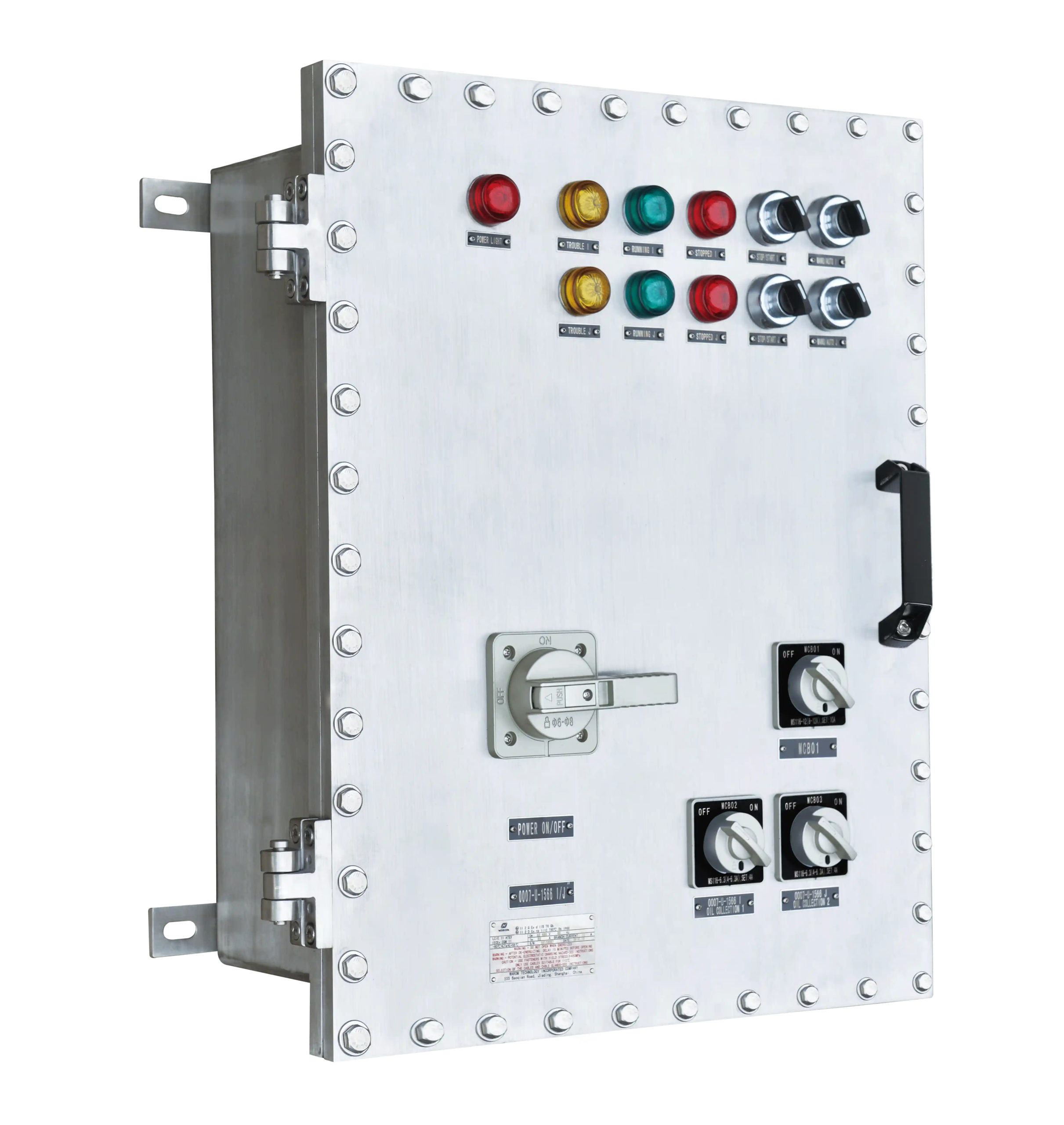
Junction and distribution boxes like the BHD91 Series Explosion-proof Junction Boxes and BXM(D)8050 Explosion-proof Illumination Distribution Boxes manage electrical connections safely. Explosion proof plugs such as the BCZ8060 Series handle equipment connections where standard plugs would create spark hazards. Gas detectors provide early warning when atmospheric conditions change. Static electricity discharge devices address ignition risks that lighting alone cannot prevent.
The General Paint project in Mexico illustrated why this integrated approach matters. The chemical plant had developed serious electrical safety hazards over time, with flammable risks present throughout the facility. Addressing only the lighting would have left multiple ignition pathways unaddressed. The solution required gas detectors, explosion-proof plugs, junction and distribution boxes, static electricity discharge devices, and anti-corrosion equipment working as a coordinated system.
Similarly, the Fushilai Pharmaceutical project required explosion proof distribution boxes across workshops, warehouses, and tank farms. Each area presented different hazard classifications and operational requirements. Meticulous planning ensured compliance throughout the facility rather than in isolated sections.
These industrial safety solutions demonstrate that comprehensive protection requires thinking beyond individual components to consider how the entire electrical infrastructure functions in hazardous conditions.
8050 Explosion-proof Illumination Distribution Boxes)
Total Cost Calculations Reveal the True Value of Quality Equipment
Initial purchase price tells only part of the story when evaluating explosion-proof lighting for oil rigs. The total cost of ownership calculation reveals why seemingly expensive equipment often proves more economical over time.
Installation costs matter significantly in offshore environments where labor rates are high and logistics are complex. Equipment designed for straightforward installation reduces both time and expense. The modular architecture of products like the BXM(D)8050 Explosion-proof Illumination Distribution Boxes simplifies setup compared to systems requiring extensive field assembly.
Maintenance frequency affects ongoing operational costs substantially. Every service intervention on an oil rig involves safety procedures, personnel time, and potential production impact. High-quality fixtures with extended maintenance cycles reduce these recurring expenses. The Tilenga project benefited from low-maintenance solutions that contributed to sustained operational efficiency throughout the project duration.
Lighting lifespan in hazardous environments depends heavily on material quality and engineering robustness. Fixtures that degrade quickly under corrosive conditions or fail from vibration stress require replacement sooner, adding both direct costs and operational disruption. The BAT86 Explosion-proof LED Floodlights use materials and construction methods specifically chosen for longevity in harsh conditions.
For operators focused on long-term economics, the lighting cost reduction from quality equipment typically outweighs higher initial investment within a few years of operation.
For more information on maximizing equipment lifespan, consider reading 《Explosion Proof LED Lighting Solutions for Hazardous Areas》.
Field Performance Under Extreme Conditions Validates Design Choices
Laboratory testing and certifications establish baseline capability, but real-world performance under extreme conditions reveals whether equipment truly meets operational demands.
The Tilenga project in Uganda presented multiple challenges simultaneously. The installation spanned wellpads, a Central Processing Facility, and pipelines within Murchison Falls National Park. Environmental sensitivity added constraints beyond standard safety requirements. The explosion proof lighting solutions deployed throughout the project achieved zero safety incidents while meeting energy efficiency and maintenance targets. Completing on schedule while satisfying all safety, environmental, and performance criteria demonstrated that the equipment performed as designed under actual operating conditions.
At General Paint in Mexico, the challenge involved diagnosing and correcting existing hazards rather than installing new systems. The chemical plant had accumulated electrical safety problems that created genuine fire and explosion risks. The customized solution addressed these specific vulnerabilities while establishing a replicable approach for similar facilities.
The Suzhou Fushilai Pharmaceutical project expanded application experience into pharmaceutical manufacturing, where hazardous area classifications and cleanliness requirements create their own constraints. Distribution boxes for workshops, warehouses, and tank farms required careful coordination to ensure timely delivery and proper installation sequencing.
These hazardous environment case studies demonstrate consistent performance across different industries, geographic locations, and operational challenges. The common thread is equipment engineered for actual field conditions rather than idealized laboratory environments.
Working With Experienced Partners Reduces Implementation Risk
Selecting explosion-proof lighting and electrical equipment involves technical decisions that affect safety and operational performance for years. Working with manufacturers who understand both the equipment and the application environments reduces the risk of specification errors or installation problems.
WAROM TECHNOLOGY INCORPORATED COMPANY brings decades of experience in hazardous environment applications across oil and gas, chemical processing, and pharmaceutical manufacturing. This background informs product design and enables practical guidance during project planning.
For consultation on specific project requirements or to discuss how explosion-proof lighting solutions can address your operational challenges, contact our technical team at +86 21 39977076 / +86 21 39972657 or email gm*@***om.com.
Frequently Asked Questions About Oil Rig Explosion Proof Lighting
What safety certifications should oil rig lighting carry?
Oil rig lighting requires certifications that match the regulatory framework governing the installation location. ATEX certified lighting addresses European market requirements, while IECEx explosion proof certifications provide global acceptance. North American installations typically require Class I Division 1 or Division 2 ratings depending on the specific hazard classification of each area. These certifications verify that fixtures have been designed and tested to prevent ignition in atmospheres containing flammable gases, vapors, or combustible dust. Certification alone does not guarantee performance, but it establishes that the equipment meets recognized safety standards for hazardous area use.
What makes LED technology better suited for offshore explosion-proof applications?
LED explosion proof lights offer practical advantages that address specific offshore challenges. Energy efficiency reduces generator load and fuel consumption, which matters on platforms where power generation capacity is limited. The solid-state construction handles shock and vibration better than filament-based or gas-discharge alternatives. Extended lifespan—often exceeding 50,000 hours—reduces the frequency of maintenance interventions, which is particularly valuable when every service activity requires safety procedures and personnel coordination. Instant-on capability eliminates warm-up delays that can affect operations. The absence of mercury simplifies disposal and reduces environmental concerns. These characteristics combine to make LEDs genuinely suited for offshore platform illumination rather than merely acceptable.
How should operators evaluate total cost of ownership for explosion-proof lighting?
Total cost of ownership extends well beyond purchase price to include energy consumption over the fixture’s lifespan, maintenance frequency and associated labor costs, replacement part expenses, and potential downtime from lighting failures. Durability factors like corrosion resistance and vibration tolerance affect how long fixtures remain functional in harsh conditions. Installation complexity influences initial deployment costs. Quality LED explosion proof lights with extended lifespans and robust construction typically deliver lower total cost despite higher initial investment because they reduce ongoing operational expenses substantially. Operators should request lifespan data, maintenance interval recommendations, and energy consumption figures when comparing options.
With over a decade of experience, he is a seasoned Explosion-Proof Electrical Engineer specializing in the design and manufacture of safety and explosion-proof products. He possesses in-depth expertise across key areas including explosion-proof systems, nuclear power lighting, marine safety, fire protection, and intelligent control systems. At Warom Technology Incorporated Company, he holds dual leadership roles as Deputy Chief Engineer for International Business and Head of the International R&D Department, where he oversees R&D initiatives and ensures the precise delivery of design documentation for international projects. Committed to advancing global industrial safety, he focuses on translating complex technologies into practical solutions, helping clients implement safer, smarter, and more reliable control systems worldwide.

Qi Lingyi