

Portable Explosion Proof Lighting for Hazardous Industrial Environments
Working around flammable gases or combustible dusts changes how you think about something as basic as a flashlight. Standard portable lights become potential ignition sources, and that reality shapes every design decision in explosion proof portable lighting. These luminaires contain sparks, manage heat, and seal out hazardous atmospheres through engineering that goes far beyond a rugged housing. The technology exists because industrial operations need mobile illumination in places where a single arc could trigger catastrophic consequences.
How Portable Explosion Proof Lighting Technology Actually Works
Portable explosion proof lighting technology relies on multiple protective barriers working together. The fundamental principle involves preventing any internal electrical event from reaching the surrounding atmosphere. Flameproof enclosures contain explosions within the housing itself, while sealed battery compartments eliminate pathways for gas or dust ingress. LED light sources contribute significantly because they generate far less heat than traditional bulbs, keeping surface temperatures below ignition thresholds for most flammable substances.
The circuitry inside these portable units operates under intrinsic safety principles. Even during component failures, the energy released stays below levels capable of igniting explosive mixtures. This fault-tolerant approach means the light remains safe not just during normal operation but also when something goes wrong internally.
Real-world performance validates these design choices. Complex industrial deployments like the Tilenga project in Uganda demonstrated that properly engineered portable explosion proof lighting maintains zero safety incidents across extended operational periods. The combination of energy efficiency and minimal maintenance requirements proves particularly valuable when equipment operates in remote or extreme conditions where service access is limited.
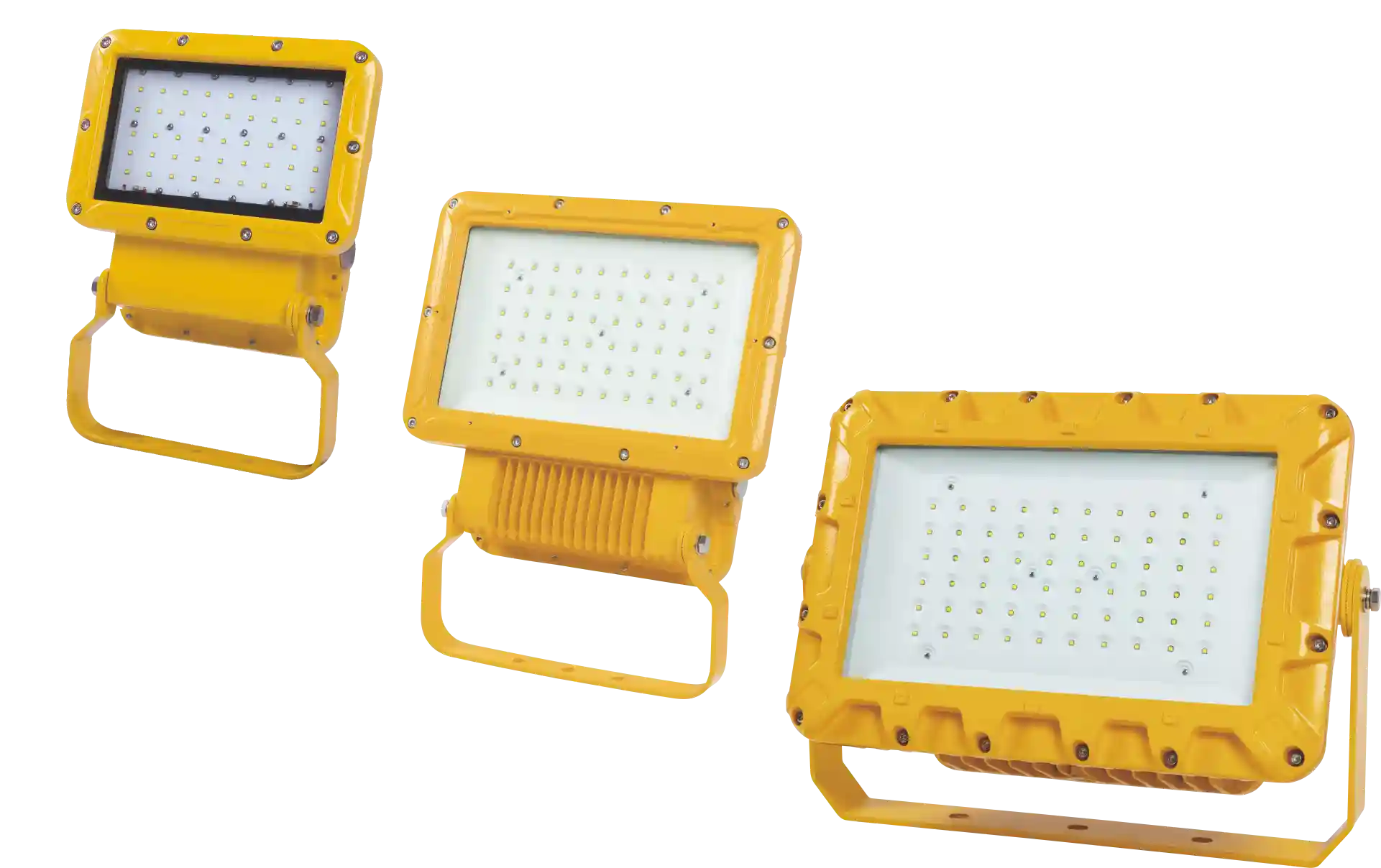
Hazardous Area Classifications That Determine Equipment Selection
Hazardous area classifications create the framework for matching portable explosion proof lighting to specific environments. ATEX certification covers European markets, IECEx provides global recognition, and UL standards govern North American installations. Each certification scheme verifies that equipment meets defined safety criteria through independent testing and ongoing manufacturing audits.
Zone classifications indicate how frequently explosive atmospheres occur. Zone 0 environments contain hazardous concentrations continuously, while Zone 2 locations only experience them under abnormal conditions. Portable explosion proof lighting certified for Zone 1 use handles environments where explosive atmospheres appear during normal operations, covering the majority of industrial applications.
Gas groups add another layer of specificity. Group IIC equipment handles hydrogen and acetylene, the most easily ignited gases, while Group IIA covers less volatile substances like propane. Temperature classes from T1 through T6 specify maximum surface temperatures, with T6 equipment limited to 85°C for use around materials with low ignition points.
Design Features That Make Portable Lights Explosion Proof
Portable explosion proof lighting achieves its safety ratings through specific material and construction choices. Copper-free aluminum alloy housings resist both corrosion and impact while eliminating spark risks from metal-to-metal contact. Sealed joints use machined flame paths that cool any escaping gases below ignition temperatures before they reach the external atmosphere.
Rechargeable explosion proof work light designs incorporate battery packs isolated from the main enclosure. The charging circuits include current limiting and thermal cutoffs that prevent runaway conditions. Impact-resistant covers protect both the LED array and the optical components, maintaining light output even after rough handling.
Thermal management systems distribute heat across the housing surface rather than allowing hot spots to develop. This approach keeps all external surfaces below the temperature class rating even during continuous high-output operation. The engineering reflects practical experience with how portable lights actually get used in field conditions.
For comprehensive hazardous area illumination options, explore our range of portable explosion proof lighting solutions alongside fixed installations. Focus on explosion proof LED lighting:Explosion Proof LED Lighting Solutions for Hazardous Areas to improve efficiency.
Where Portable Explosion Proof Lighting Delivers Critical Value
Portable explosion proof lighting serves essential functions across oil and gas facilities, chemical processing plants, pharmaceutical manufacturing, and mining operations. Inspection tasks require mobile illumination that workers can position precisely without creating ignition hazards. Maintenance activities often occur in confined spaces where permanent lighting cannot reach, making portable units indispensable.
Emergency response scenarios depend heavily on reliable portable explosion proof lighting. When fixed systems fail or areas require evacuation, handheld and area lights guide personnel safely while maintaining explosion protection. The operational continuity these lights provide translates directly into reduced downtime and protected assets.
Project experience illustrates the practical impact. The Tilenga deployment required explosion-proof lighting and electrical systems that performed reliably under extreme conditions while achieving zero safety incidents. At General Paint facilities, customized portable explosion proof lighting solutions addressed electrical safety hazards that had created genuine fire and explosion risks. These implementations demonstrate how properly specified equipment prevents incidents rather than just responding to them.
Protection Methods That Prevent Ignition
Portable explosion proof lighting employs several distinct protection methods depending on the application requirements. Flameproof enclosures, designated Ex d, allow internal explosions to occur but contain them completely. The enclosure walls and flame paths prevent any flame front from propagating to the external atmosphere.
Increased safety designs, marked Ex e, take a different approach by eliminating ignition sources entirely under normal and expected fault conditions. These portable lights use enhanced insulation, wider clearances, and restricted operating temperatures to prevent sparks or hot surfaces from developing.
Encapsulation protection, labeled Ex m, embeds electrical components entirely within compound materials. This method physically prevents contact between circuits and explosive atmospheres, making it particularly suitable for portable explosion proof lighting electronics where component density is high.
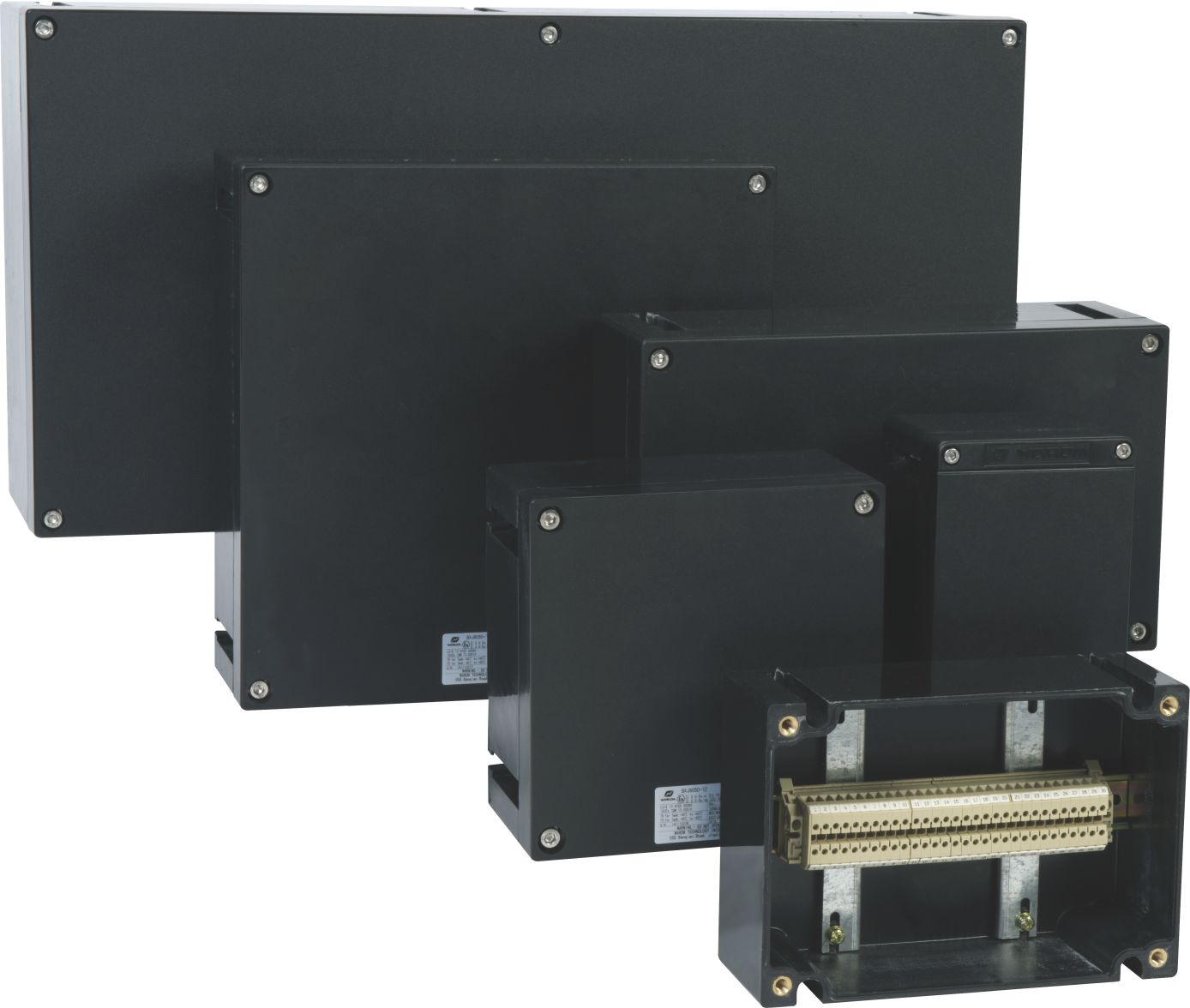
Matching Portable Explosion Proof Lighting to Operational Requirements
Selecting appropriate portable explosion proof lighting starts with understanding the specific hazardous area classification where the equipment will operate. Zone ratings must match or exceed the location requirements, and gas groups must cover all substances potentially present. Temperature class selection requires knowledge of the lowest ignition temperature among all flammable materials in the environment.
Practical operational factors shape the final selection. Required light output determines whether a handheld unit suffices or an area light becomes necessary. Battery capacity must support expected usage patterns with appropriate safety margins. Weight and ergonomics matter for equipment that workers carry throughout shifts.
Environmental resistance requirements vary significantly across applications. Offshore platforms demand corrosion resistance that inland facilities may not require. Arctic operations need battery chemistry that performs at extreme low temperatures. Desert installations face dust ingress challenges that differ from humid tropical environments.
Technical support during selection prevents costly mismatches. The Fushilai Pharmaceutical project demonstrated how detailed consultation ensures portable explosion proof lighting precisely fits operational requirements. This tailored approach avoids both under-specification that creates safety gaps and over-specification that wastes budget.
Classification Systems and Their Safety Implications
Explosion proof lighting classifications directly determine where equipment can operate safely. The Zone system used in ATEX and IECEx standards categorizes locations by the probability of explosive atmosphere presence. Zone 0 indicates continuous presence, Zone 1 covers likely occurrence during normal operations, and Zone 2 addresses abnormal or infrequent conditions.
North American Class and Division systems organize hazards differently. Class I covers flammable gases and vapors, Class II addresses combustible dusts, and Class III handles ignitable fibers. Division 1 indicates hazardous concentrations exist under normal conditions, while Division 2 covers abnormal situations only.
Gas groups reflect the specific ignition characteristics of different substances. Group IIC equipment handles the most easily ignited gases including hydrogen and acetylene. Group IIB covers ethylene and similar moderately hazardous gases. Group IIA addresses propane, methane, and other less volatile substances.
Temperature classes establish maximum surface temperature limits that portable explosion proof lighting must maintain. T6 equipment stays below 85°C, suitable for use around carbon disulfide and other low-ignition-point materials. T1 equipment can reach 450°C, appropriate only for environments with high-ignition-temperature substances.
| Classification Type | Description | Example Application |
|---|---|---|
| Zones (IECEx/ATEX) | Probability of hazardous substance presence | Zone 0 (continuous gas presence) |
| Class I / Division | Type of flammable material and likelihood | Class I, Div 1 (normal gas hazard) |
| Gas Group | Specific chemical properties of the flammable gas | Group IIC (Hydrogen environments) |
| Temperature Class | Maximum surface temperature of the equipment | T4 (135°C maximum) |
For additional perspectives on hazardous area illumination, consider reading about fixed installation options. If you’re interested, check 《Pendant Light Fittings: Essential Safety for Hazardous Areas》.
Frequently Asked Questions
What is the typical lifespan of a portable explosion-proof LED light?
Quality portable explosion proof lighting using LED technology typically delivers over 50,000 hours of operational life. This longevity stems from effective thermal management that prevents LED degradation, combined with robust housing construction that protects internal components. The extended lifespan proves particularly valuable in hazardous areas where equipment replacement requires careful safety procedures and operational shutdowns.
Are there specific maintenance requirements for portable hazardous area lighting?
Portable explosion proof lighting requires periodic inspection even though the equipment is designed for minimal maintenance. Seal integrity checks verify that ingress protection remains effective. Battery health assessments ensure adequate capacity for operational demands. Functional testing confirms proper light output and switching operation. Following manufacturer maintenance protocols preserves safety certifications and ensures continued protection in hazardous environments.
Can portable explosion-proof lights be used in all hazardous zones?
Portable explosion proof lighting carries specific zone ratings that limit where each unit can operate safely. Equipment certified for Zone 1 gas environments cannot substitute for Zone 0 rated units in continuously hazardous locations. Dust zone ratings follow similar principles, with Zone 20, 21, and 22 designations indicating different exposure probabilities. Matching equipment certification to actual site conditions remains essential for both safety and regulatory compliance.
Partner with WAROM for Unrivaled Safety
Ensure unparalleled safety and operational efficiency in your hazardous environments. WAROM TECHNOLOGY INCORPORATED COMPANY offers industry-leading portable explosion proof lighting solutions, engineered for reliability and compliance. Contact our experts at +86 21 39977076 or gm*@***om.com for a tailored consultation and discover how our advanced technology can protect your assets and personnel.
With over a decade of experience, he is a seasoned Explosion-Proof Electrical Engineer specializing in the design and manufacture of safety and explosion-proof products. He possesses in-depth expertise across key areas including explosion-proof systems, nuclear power lighting, marine safety, fire protection, and intelligent control systems. At Warom Technology Incorporated Company, he holds dual leadership roles as Deputy Chief Engineer for International Business and Head of the International R&D Department, where he oversees R&D initiatives and ensures the precise delivery of design documentation for international projects. Committed to advancing global industrial safety, he focuses on translating complex technologies into practical solutions, helping clients implement safer, smarter, and more reliable control systems worldwide.

Qi Lingyi