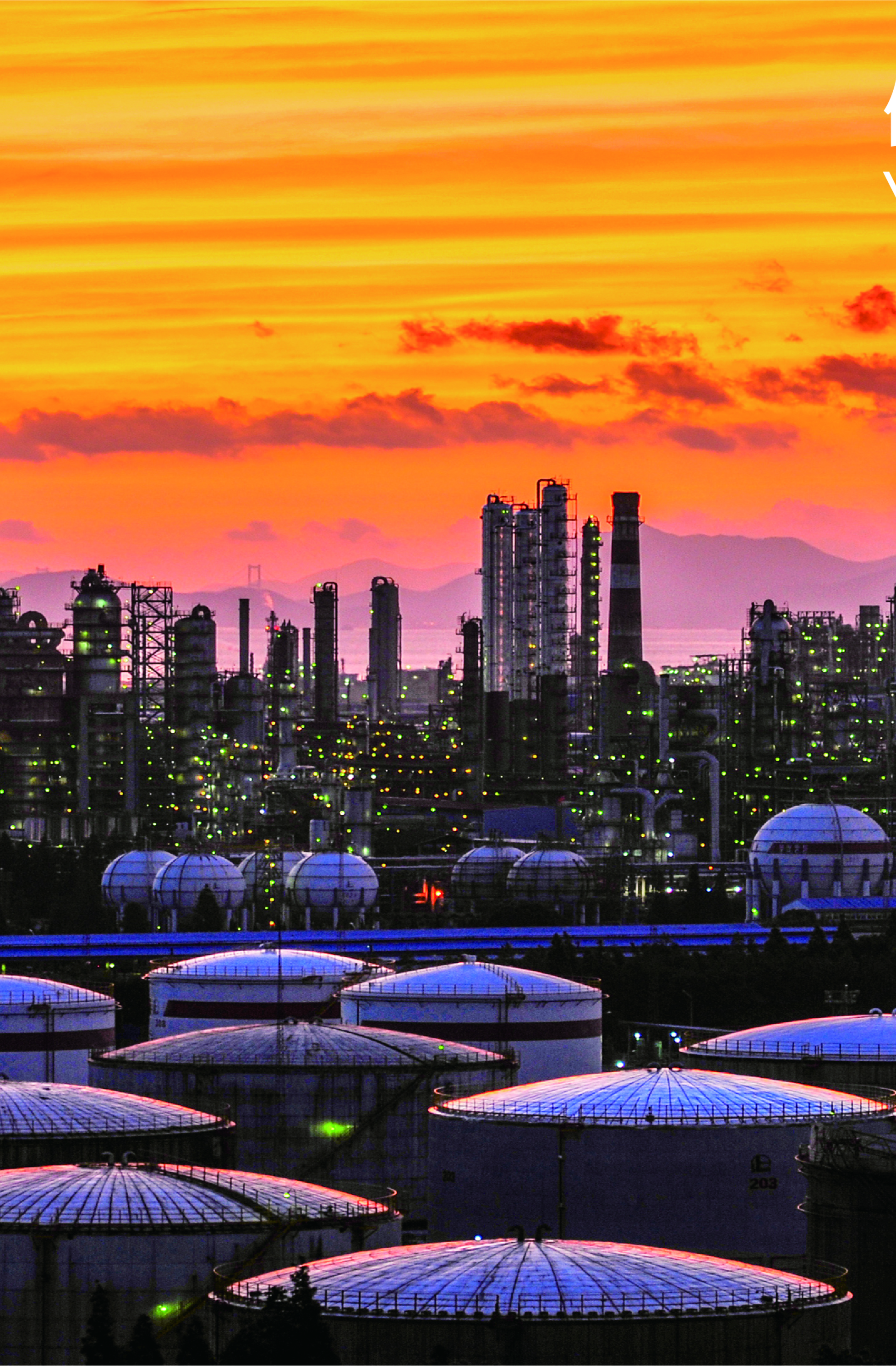
Working in environments where flammable gases or combustible dusts hang in the air changes how you think about something as basic as a light fixture. A spark that would go unnoticed in an office can trigger an explosion in a refinery. That reality shapes everything about explosion-proof lighting—from the thickness of the enclosure walls to the certification stamps that prove the equipment has been tested against worst-case scenarios. Getting this right protects people, prevents facility-wide shutdowns, and keeps operations running in places where the margin for error is essentially zero.
How Hazardous Locations Get Classified and Why It Matters
Hazardous locations are areas where ignitable concentrations of flammable gases, vapors, liquids, or combustible dusts may exist. Precise classification of these areas forms the foundation for implementing appropriate safety measures, including explosion-proof lighting. Without accurate classification, facilities either overspend on unnecessary protection or—far worse—leave personnel exposed to genuine ignition risks.
International and regional standards define hazardous areas based on how frequently and for how long hazardous substances are present. The two primary classification systems are the Zone system (IECEx and ATEX) and the Division system (NEC).
Zone Classification Under IECEx and ATEX
The Zone system breaks hazardous areas into three categories for gases and vapors, plus three for dusts:
- Zone 0 (Gases/Vapors) / Zone 20 (Dusts): Hazardous substances are present continuously or for long periods.
- Zone 1 (Gases/Vapors) / Zone 21 (Dusts): Hazardous substances are likely to occur during normal operation.
- Zone 2 (Gases/Vapors) / Zone 22 (Dusts): Hazardous substances are unlikely during normal operation, or if they do appear, they persist only briefly.
Division Classification Under NEC Standards
The Division system classifies hazardous locations into two divisions within specific classes:
- Class I: Flammable gases or vapors are present.
- Division 1: Ignitable concentrations exist under normal operating conditions.
- Division 2: Ignitable concentrations are not likely under normal operating conditions.
- Class II: Combustible dusts are present.
- Division 1: Ignitable concentrations exist under normal operating conditions.
- Division 2: Ignitable concentrations are not likely under normal operating conditions.
- Class III: Ignitable fibers or flyings are present (textile mills, woodworking facilities).
- Division 1: Ignitable fibers or flyings are present during normal operating conditions.
- Division 2: Ignitable fibers or flyings are stored or handled.
Understanding these classifications is critical for selecting the correct explosion-proof equipment. An electrical spark from a non-certified fixture in a Zone 1 area could trigger an explosion. Misclassification can also lead to unnecessary expenditure when areas are over-protected.
| Feature | Zone Classification (IECEx/ATEX) | Division Classification (NEC) |
|---|---|---|
| Primary Use | International, Europe | North America |
| Gas/Vapor | Zone 0, 1, 2 | Class I, Division 1, 2 |
| Dust | Zone 20, 21, 22 | Class II, Division 1, 2 |
| Fibers | Integrated into dust zones or specific equipment requirements | Class III, Division 1, 2 |
| Complexity | More granular, based on probability and duration | Simpler, based on normal vs. abnormal operating conditions |
This detailed understanding of hazardous locations and their classification ensures that appropriate safety measures are implemented, preventing potential ignition sources from causing disastrous events.
What ATEX, IECEx, and NEC Certifications Actually Guarantee
Adherence to global standards and certifications is paramount for equipment operating in hazardous locations. These regulatory frameworks ensure that explosion-proof equipment, including lighting, meets rigorous safety requirements. WAROM TECHNOLOGY INCORPORATED COMPANY adheres strictly to these international benchmarks.
ATEX Directives in Europe
The ATEX directives (2014/34/EU) apply to equipment and protective systems intended for use in potentially explosive atmospheres within the European Union. Manufacturers must ensure their products comply with essential health and safety requirements. This involves a conformity assessment procedure, often requiring certification by a Notified Body. ATEX certification classifies equipment into groups and categories based on the intended hazardous environment.
IECEx Certification for International Trade
The IECEx System facilitates international trade in equipment and services for use in explosive atmospheres. It provides a globally recognized certification that verifies compliance with IEC (International Electrotechnical Commission) standards. IECEx certification allows for mutual acceptance of test reports and certificates among participating countries. This streamlines the certification process for manufacturers and users operating globally.
NEC Standards in North America
The National Electrical Code (NEC), specifically Article 500, governs electrical installations in hazardous locations in the United States. The NEC employs the Class/Division system for classification. Equipment must be listed and labeled by a Nationally Recognized Testing Laboratory (NRTL) to demonstrate compliance with NEC requirements. This ensures that electrical equipment is suitable for the specific hazardous environment.
Why Certified Equipment Prevents Ignition
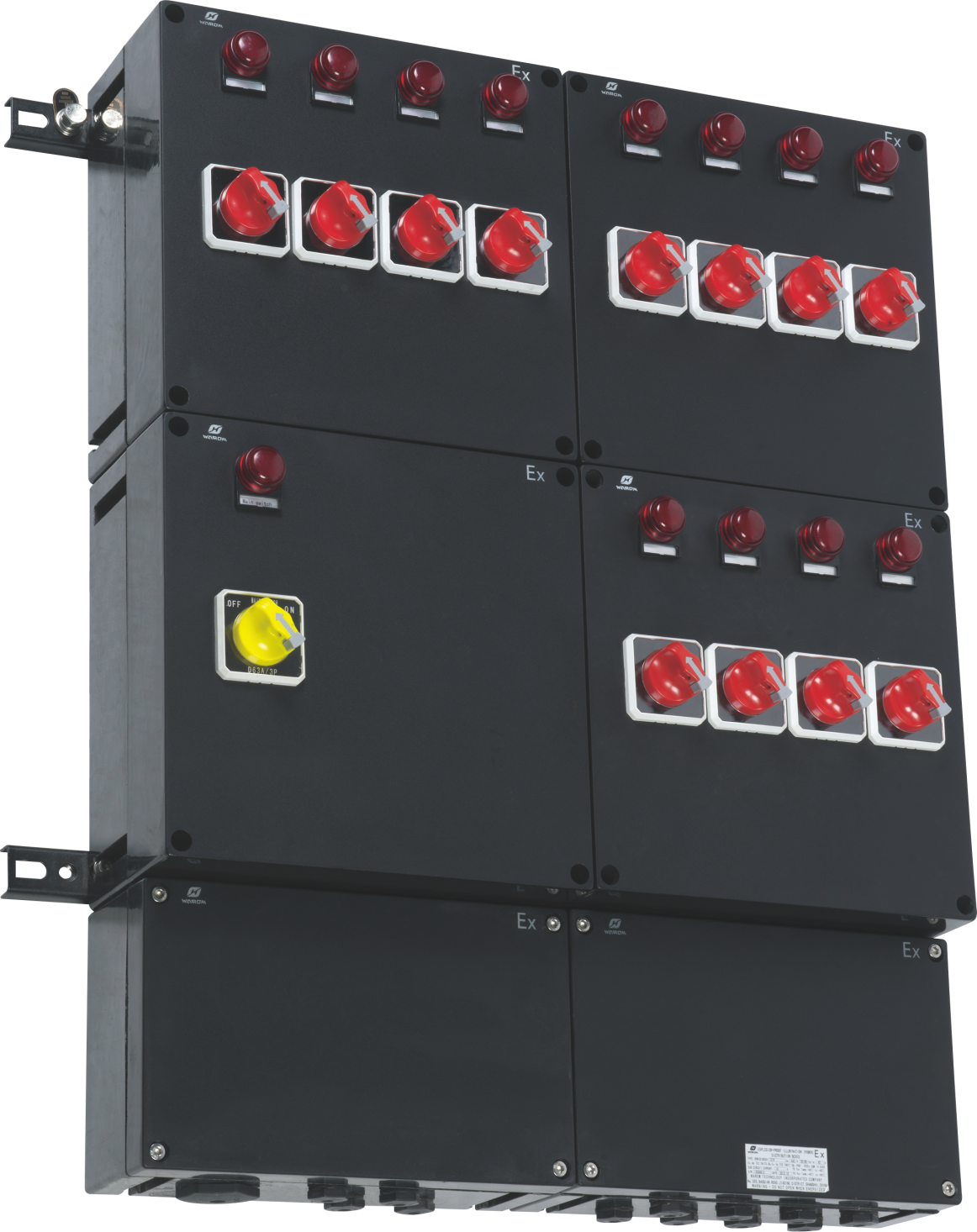
Certified equipment is designed and tested to prevent ignition in hazardous atmospheres. This involves various protection methods, such as flameproof enclosures (Ex d), increased safety (Ex e), or intrinsic safety (Ex i). WAROM’s explosion-proof products, like the DQM-III/II Series Explosion Proof Cable Glands, carry IECEx and ATEX certifications, ensuring their suitability for global hazardous applications. These certifications guarantee product integrity and operational safety.
Choosing certified explosion-proof equipment is not merely a regulatory obligation; it is a critical safety imperative. These standards provide a framework for designing, manufacturing, and testing equipment to prevent explosions. WAROM’s commitment to these standards underscores our dedication to providing reliable and safe solutions for hazardous environments.
For more information on ensuring safety through specialized lighting, explore our article on 《Explosion Proof LED Lighting Solutions for Hazardous Areas》.
Industries Where Explosion-Proof Lighting Is Non-Negotiable
Several critical industries inherently involve hazardous materials, making explosion-proof lighting a baseline requirement rather than an optional upgrade. These sectors face constant risks from flammable substances, requiring robust safety measures to protect personnel and assets.
Oil and Gas Operations
The oil and gas sector, from upstream exploration to downstream refining, handles highly flammable hydrocarbons. Drilling rigs, offshore platforms, refineries, and storage facilities are classified as hazardous locations. Explosion-proof lighting prevents ignition of gas or vapor clouds. In the Tilenga project in Uganda, WAROM supplied explosion-proof lighting and electrical systems for wellpads, a Central Processing Facility (CPF), and pipelines. The project achieved zero safety incidents and reliable operation under extreme conditions.
Chemical Processing Facilities
Chemical plants frequently process volatile chemicals, solvents, and reactive substances. These operations create environments where flammable gases or vapors are regularly present. The General Paint project in Mexico, a medium-sized chemical plant, highlighted the need for customized explosion-proof solutions. WAROM provided specialized equipment, including explosion-proof plugs and distribution boxes, to mitigate flammable gas and dust risks, significantly enhancing plant safety.
Pharmaceutical Manufacturing
Pharmaceutical facilities often use flammable solvents in manufacturing processes, particularly in the production of Active Pharmaceutical Ingredients (APIs). Laboratories, mixing areas, and storage zones require stringent explosion protection. The Fushilai Pharmaceutical project, a 48,000 m² facility with 15 production lines, utilized WAROM’s explosion-proof distribution boxes for workshops, warehouses, tank farms, and pump controls. This ensured compliance and safety during the construction and operational phases.
Mining Operations
Mining environments, especially underground coal mines, are prone to methane gas accumulation and combustible dust. Electrical equipment, including lighting, must be designed to prevent ignition. Explosion-proof lighting is crucial for visibility and safety in these confined and potentially explosive spaces.
Other Hazardous Area Applications
Other industries requiring explosion-proof lighting include:
- Aerospace: Fueling areas, hangars, and maintenance facilities.
- Food & Beverage: Grain processing, distilleries, and sugar refineries where combustible dusts accumulate.
- Wastewater Treatment: Areas with methane gas production.
These industries rely on specialized lighting to maintain operational safety and regulatory compliance.
What Standards Apply to Chemical Plant Lighting
Chemical plants require explosion-proof lighting that adheres to specific standards beyond general hazardous area classifications. Material compatibility and corrosion resistance matter significantly given the presence of corrosive chemicals. Equipment must meet ATEX or NEC standards for gas and vapor groups relevant to the chemicals handled. The General Paint case study involved customized explosion-proof solutions, including anti-corrosion equipment, to address the plant’s unique chemical environment. This ensured long-term reliability and safety.
Choosing Explosion-Proof Lighting That Fits Your Application
Choosing appropriate explosion-proof lighting involves evaluating various types and critical factors to ensure optimal safety and efficiency. The decision impacts operational costs, maintenance requirements, and overall safety performance.
Types of Explosion-Proof Lighting
LED Explosion-Proof Lights have become increasingly popular due to their high energy efficiency, long lifespan, and durability. LED technology offers superior illumination with minimal heat generation, reducing ignition risks. WAROM’s BAT86 Explosion-proof LED Floodlights feature a steel lamp body, powder-coated surface, and IP66 protection, making them ideal for severe environments.
Fluorescent Explosion-Proof Lights offer good light distribution but are less energy-efficient and have shorter lifespans than LEDs. WAROM’s BAY51-Q Explosion-proof Corrosion-proof Plastic Light Fitting for Fluorescent Lamp provides robust performance with an IP66 rating and WF2 corrosion resistance.
High-Intensity Discharge (HID) Lights include metal halide and high-pressure sodium lamps. While offering powerful illumination, they have slower start-up times and higher energy consumption compared to LEDs.
Critical Factors for Selection
Hazardous Area Classification is the most crucial step. Match the lighting fixture’s certification (Zone 1, Division 2, etc.) to the specific area classification.
Temperature Class (T-Class) ensures the fixture’s surface temperature remains below the auto-ignition temperature of the hazardous substance present. A T4 rating means the maximum surface temperature will not exceed 135°C.
Ingress Protection (IP) Rating indicates protection against dust and water. An IP66 rating, common in WAROM products, signifies complete protection against dust and strong water jets.
Corrosion Resistance matters in chemical plants or marine environments. Materials like copper-free aluminum alloy or GRP (glass fiber-reinforced polyester resin) with WF2 corrosion protection are essential.
Energy Efficiency affects long-term savings. LED options offer significant cost reductions over time. The Tilenga project highlighted the importance of energy efficiency and low maintenance for operational savings.
Maintenance Requirements affect downtime and operational costs. Fixtures designed for low maintenance reduce both.
Light Distribution determines whether floodlight or spotlight distribution is needed for the application. WAROM’s HRNT95 Series Explosion Proof LED Light Fittings offer both spotlight and floodlight options.
| Feature | LED Explosion-Proof Lights | Fluorescent Explosion-Proof Lights |
|---|---|---|
| Energy Efficiency | High | Moderate |
| Lifespan | Long (50,000+ hours) | Shorter (10,000-20,000 hours) |
| Durability | High, resistant to shock and vibration | Moderate, glass tubes are fragile |
| Heat Generation | Low | Moderate |
| Maintenance | Low | Moderate to High (bulb replacement) |
| Cost | Higher initial, lower long-term | Lower initial, higher long-term |
| Example Product | BAT86 Explosion-proof LED Floodlights | BAY51-Q Explosion-proof Corrosion-proof Plastic Light Fitting |
How to Determine If Your Facility Needs Explosion-Proof Lighting
To determine if your facility requires explosion-proof lighting, conduct a thorough hazardous area classification. This involves identifying the presence of flammable gases, vapors, liquids, or combustible dusts. First, identify all potentially flammable or explosive materials. Second, assess the likelihood and duration of these substances being present in ignitable concentrations. Third, consult relevant national and international standards (NEC, ATEX, IECEx) to classify each area into Zones or Divisions. Professional consultation with safety experts is highly recommended for accurate assessment and compliance.
Explosion-Proof Versus Intrinsically Safe Lighting
Explosion-proof and intrinsically safe lighting employ distinct protection concepts. Explosion-proof lighting, like our floodlights, is designed to contain any internal explosion, preventing it from propagating to the external hazardous atmosphere. The robust enclosure withstands the force of an internal explosion. Intrinsically safe lighting prevents ignition by ensuring that the electrical energy and thermal energy within the circuit are always too low to ignite the hazardous atmosphere. This prevention method is typically used in Zone 0 or Class I, Division 1 areas where ignition risk is highest.
Installation and Maintenance Practices That Sustain Compliance
Achieving long-term reliability and compliance for explosion-proof lighting extends beyond initial selection. Proper installation and diligent maintenance practices are critical to sustained safety and optimal performance. These measures prevent equipment degradation and ensure continued adherence to critical safety standards.
Installation Best Practices
Certified Personnel are essential. Only qualified and certified electricians should install explosion-proof lighting. Incorrect wiring or sealing can compromise the explosion protection.
Adherence to Standards means installations must strictly follow manufacturer guidelines and relevant codes (NEC, ATEX, IECEx). This includes proper conduit sealing, cable gland installation, and grounding. WAROM’s DQM-III/II Series Explosion Proof Cable Glands are designed for secure cable entries, crucial for maintaining integrity.
Environmental Considerations require accounting for ambient temperature, corrosive atmospheres, and potential mechanical damage during installation. Products with WF2 corrosion resistance are essential in harsh environments.
Documentation should include detailed records of all installations, including equipment specifications, certifications, and installation dates.
Routine Inspection and Maintenance
Regular inspection and maintenance identify potential issues before they compromise safety.
Visual Inspections should be conducted frequently to check for signs of damage, corrosion, loose fasteners, or compromised seals. Look for cracks in enclosures or discolored wiring.
Functional Checks verify that lighting fixtures operate correctly. For emergency lighting, test battery backup systems regularly.
Cleaning keeps fixtures free of dust accumulation, which can affect heat dissipation and light output. Use appropriate, non-abrasive cleaning agents.
Component Replacement requires replacing any damaged or worn components with certified parts from the original manufacturer. Unauthorized modifications can void certifications and create hazards.
Re-certification and Audits should periodically review and audit the entire system for compliance with updated standards and regulations. This ensures ongoing operational safety.
The Tilenga project exemplifies the benefits of meticulous planning and execution, achieving zero safety incidents and low maintenance through robust installation and maintenance protocols. This approach minimizes risks and extends the lifespan of critical safety equipment.
WAROM’s Track Record in Critical Safety Lighting
WAROM TECHNOLOGY INCORPORATED COMPANY stands as a global leader in providing comprehensive explosion-proof solutions. Our decades of innovation and unwavering commitment to safety ensure that operations meet the most stringent international standards. We deliver reliable and efficient lighting and electrical systems even in the harshest industrial environments.
Our expertise is demonstrated through successful project implementations worldwide. In the Tilenga project in Uganda, we supplied advanced explosion-proof lighting and electrical systems for wellpads, a CPF, and pipelines. This project, situated within Murchison Falls National Park, demanded solutions capable of ensuring zero safety incidents, exceptional energy efficiency, and low maintenance under extreme conditions. WAROM successfully met all safety, environmental, and performance requirements on schedule.
For General Paint, a chemical plant in Mexico, we addressed serious electrical safety hazards. Our on-site diagnosis led to a customized explosion-proof solution. This included gas detectors, explosion-proof plugs, junction and distribution boxes, static electricity discharge devices, and anti-corrosion equipment. This intervention significantly improved plant safety, preventing potential fires or explosions and integrating our products into their procurement system.
In the Fushilai Pharmaceutical CM/CDMO Construction Project, a 500 million yuan investment for a 48,000 m² facility, WAROM secured the bid for all explosion-proof equipment. We provided distribution boxes for workshops, warehouses, tank farms, and pump controls. Our early coordination with the promoter, design institute, and project owner ensured timely, high-quality execution. This project strengthened customer trust and expanded our presence in the pharmaceutical sector.
These case studies highlight WAROM’s capabilities in project management, technical support, and our dedication to quality and safety. We offer tailored explosion-proof lighting and electrical systems that safeguard assets and personnel.
Partner with WAROM for Unparalleled Safety and Compliance
WAROM TECHNOLOGY INCORPORATED COMPANY stands as a global leader in explosion-proof solutions, backed by decades of innovation and a steadfast commitment to safety. Our expertise ensures your operations meet the most stringent international standards, providing reliable and efficient lighting in the harshest environments. Partner with WAROM for unparalleled safety, compliance, and peace of mind. Contact us today to discuss your specific project requirements and discover how our tailored explosion-proof lighting and electrical systems can safeguard your assets and personnel. Email: gm*@***om.com | Tel: +86 21 39977076
Frequently Asked Questions About Explosion-Proof Lighting
What are the primary risks associated with not using explosion-proof lighting in hazardous areas?
Failing to implement appropriate explosion-proof lighting in hazardous locations can lead to explosions, fires, severe injuries, fatalities, and extensive property damage. Non-compliance also results in hefty fines, legal liabilities, and significant operational downtime, jeopardizing business continuity and reputation. The primary risk is the ignition of flammable gases, vapors, or combustible dusts by electrical sparks or hot surfaces from standard light fittings.
How often should explosion-proof lighting systems be inspected and maintained?
The frequency of inspection and maintenance for explosion-proof lighting systems depends on the specific hazardous area classification, environmental conditions, and manufacturer guidelines. Regular visual inspections are recommended monthly, with detailed inspections and maintenance performed annually or bi-annually. This ensures the integrity of explosion-proof enclosures, seals, and electrical connections, crucial for sustained safety and compliance with critical safety standards like ATEX and NEC.
Can existing standard lighting be converted to explosion-proof lighting?
Standard lighting fixtures cannot be converted into explosion-proof lighting. Explosion-proof equipment is specifically designed and certified from the ground up with robust enclosures, specialized wiring, and thermal management to contain or prevent explosions. Attempting to modify standard fixtures for hazardous locations is extremely dangerous, non-compliant, and can lead to severe safety hazards. Replacement with certified explosion-proof solutions is always required.
With over a decade of experience, he is a seasoned Explosion-Proof Electrical Engineer specializing in the design and manufacture of safety and explosion-proof products. He possesses in-depth expertise across key areas including explosion-proof systems, nuclear power lighting, marine safety, fire protection, and intelligent control systems. At Warom Technology Incorporated Company, he holds dual leadership roles as Deputy Chief Engineer for International Business and Head of the International R&D Department, where he oversees R&D initiatives and ensures the precise delivery of design documentation for international projects. Committed to advancing global industrial safety, he focuses on translating complex technologies into practical solutions, helping clients implement safer, smarter, and more reliable control systems worldwide.
Qi Lingyi