
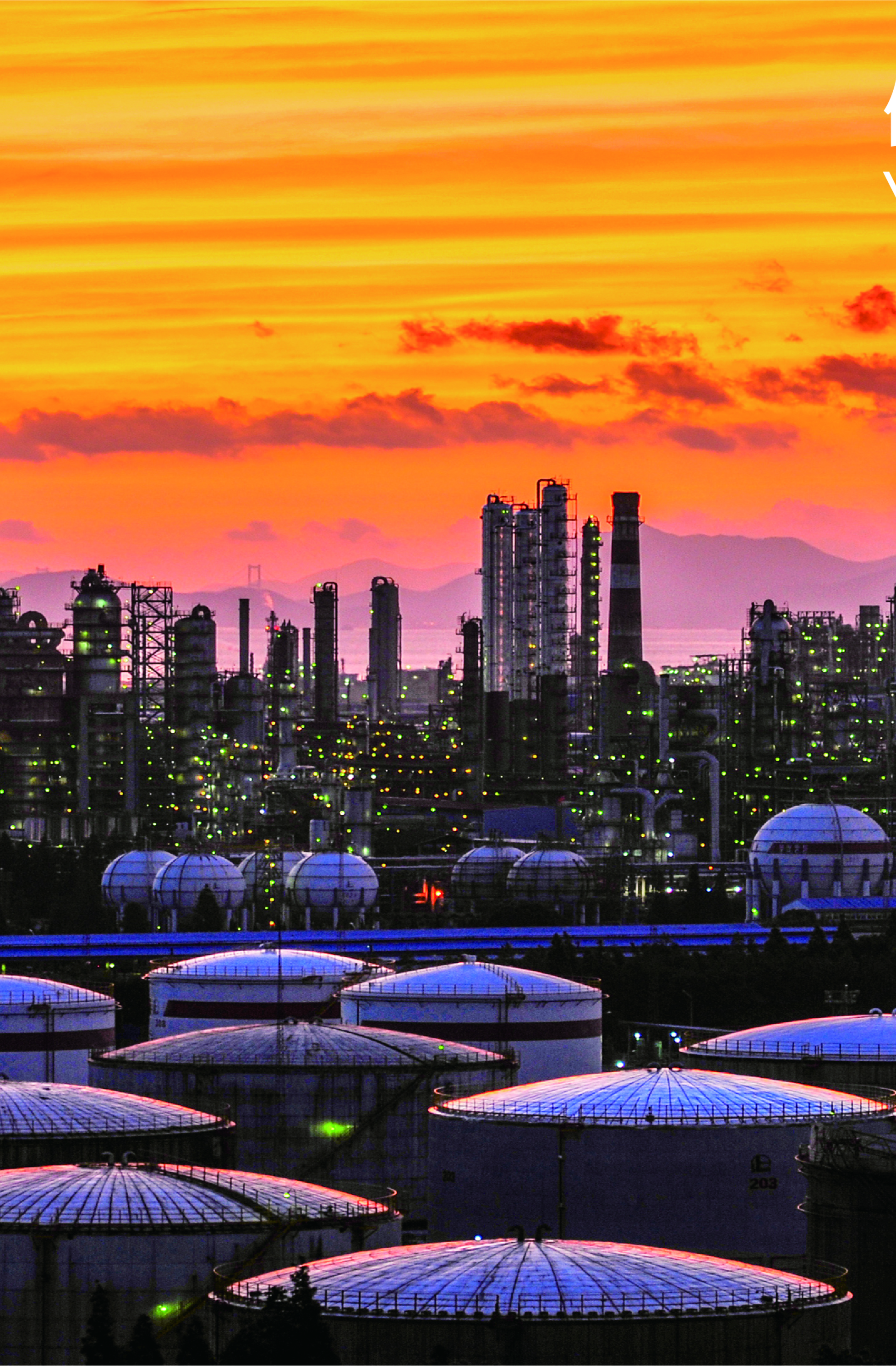
Operating LNG terminals requires absolute commitment to electrical safety. Flammable gases and cryogenic conditions create environments where a single spark can trigger catastrophic failure. Explosion proof electrical for LNG terminals is not simply a compliance checkbox—it is the foundation of safe, continuous operation. The equipment protects personnel, assets, and surrounding communities while keeping product moving.
How Hazardous Area Classification Shapes Equipment Selection
LNG terminals contain zones where flammable gases are present or may accumulate, and each zone demands different equipment ratings. Zone 0 designates areas where explosive atmospheres exist continuously or for extended periods. Zone 1 covers areas where explosive conditions are likely during normal operation. Zone 2 applies where explosive atmospheres are unlikely under normal conditions and, if they occur, persist only briefly. These classifications determine which explosion-proof ratings are acceptable for each location.
I worked with General Paint, a chemical facility facing similar flammable gas risks, where our team identified serious electrical hazards during an on-site assessment. The existing setup had equipment rated for general industrial use installed in areas that required Zone 1 protection. We developed a customized solution incorporating gas detectors, explosion-proof plugs, and anti-corrosion enclosures. That intervention prevented what could have become a fire or explosion, and the facility subsequently integrated our products into their standard procurement.
| Zone Type | Description | Gas Presence |
|---|---|---|
| Zone 0 | Explosive atmosphere continuously present | Continuous, long periods |
| Zone 1 | Explosive atmosphere likely in normal operation | Intermittent, frequent |
| Zone 2 | Explosive atmosphere unlikely in normal operation | Infrequent, short periods |
What Protection Methods Actually Prevent Ignition
ATEX and IECEx standards define the protection methods that keep electrical equipment from becoming ignition sources. ATEX is the European directive establishing health and safety requirements for equipment in explosive atmospheres. IECEx is the international certification system that enables global equipment trade for hazardous areas. Both classify equipment by its ability to prevent ignition of flammable substances.
Flameproof enclosures (Ex d) contain any internal explosion and prevent flame propagation to the surrounding atmosphere. Intrinsic safety (Ex i) limits electrical energy below ignition thresholds. Pressurized enclosures (Ex p) maintain positive internal pressure to block gas ingress. Increased safety (Ex e) eliminates sparks and hot surfaces through enhanced construction standards.
The Tilenga project in Uganda demonstrated these principles at scale. We supplied explosion-proof lighting and electrical systems for wellpads, a central processing facility, and pipelines—including sections within Murchison Falls National Park. The project achieved zero safety incidents. Equipment performed reliably under extreme conditions with minimal maintenance, meeting all safety and environmental requirements on schedule.
Why Explosion Proof Equipment Cannot Be Substituted
Explosion proof equipment addresses the fundamental ignition risk in LNG operations. These devices prevent electrical sparks, hot surfaces, and arcs from contacting explosive atmospheres. Standard industrial equipment lacks the containment, energy limitation, or pressurization features that eliminate ignition sources. In environments where methane concentrations can reach explosive levels within seconds of a release, this protection is non-negotiable for personnel safety and operational continuity.
How ATEX and IECEx Certification Applies to LNG Electrical Systems
ATEX and IECEx provide harmonized frameworks for certifying explosion-proof equipment. They define design, construction, testing, and marking requirements that equipment must satisfy for hazardous area use. Certification confirms that electrical systems will not become ignition sources under specified conditions. For LNG facilities operating across multiple jurisdictions, IECEx certification simplifies procurement by establishing consistent safety standards recognized internationally.
Matching Equipment Specifications to Terminal Requirements
Selecting explosion-proof equipment requires matching specifications to hazardous area classifications, environmental conditions, and operational demands. Electrical distribution systems, control panels, and lighting must carry appropriate certifications for their installation zones. Cable glands and junction boxes require the same certification level as the equipment they connect. Gas detectors and static discharge devices add detection and mitigation layers to the protection scheme.
The General Paint project required anti-corrosion equipment alongside explosion-proof ratings because chemical exposure would have degraded standard materials within months. LNG terminals face similar challenges from cryogenic temperatures and, in coastal locations, salt spray. Equipment selection must account for these environmental stressors to maintain protection ratings over the installation lifespan.
| Product Type | Key Features | Protection Type | Suitable for |
|---|---|---|---|
| BCZ8060 Series Explosion-proof Plugs and Sockets | GRP material, IP66, interlocking switch | Ex de | Power connections |
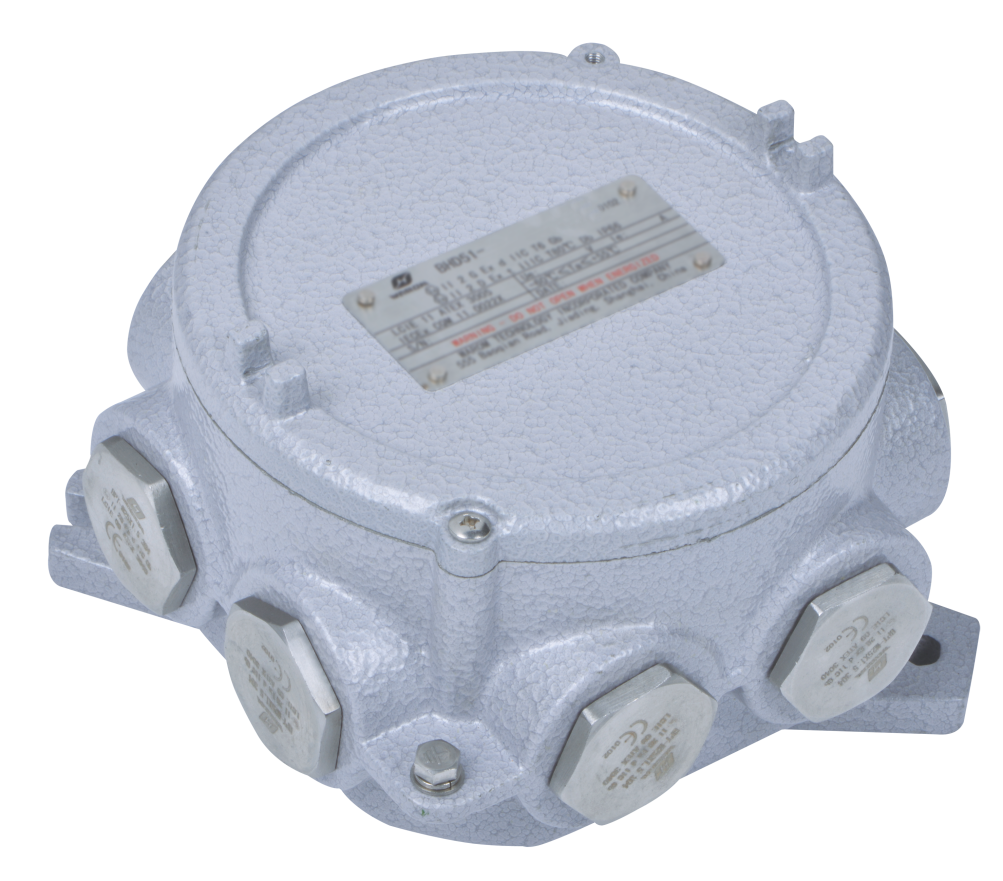
| BHD91 Series Explosion-proof Junction Boxes | Copper-free aluminum alloy, IP66, anti-static coating | Ex e | Cable termination, distribution |
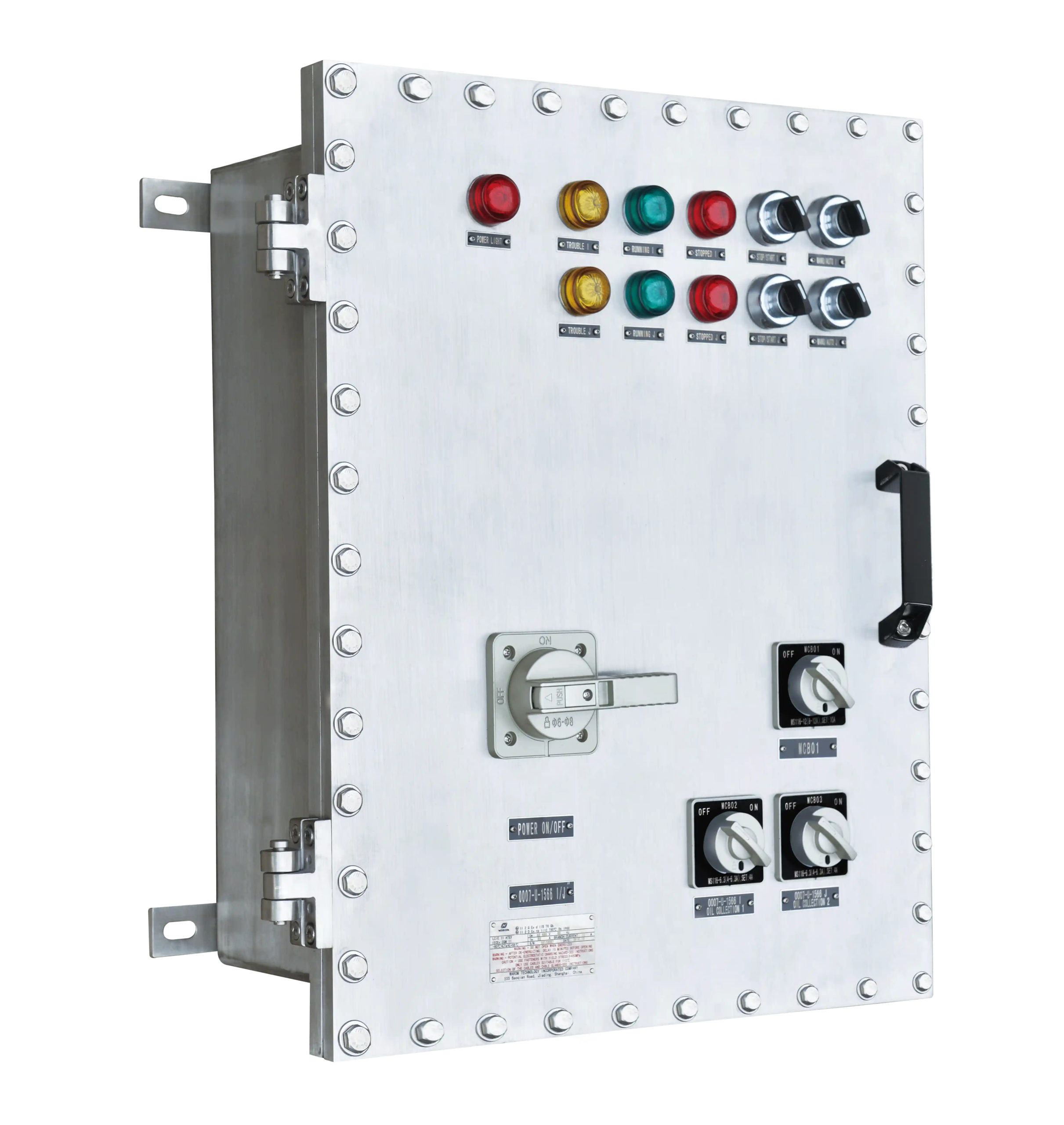
| HRMD92 Series Explosion Proof Distribution Panels | Compound design (Ex d + Ex e), modular, IP66 | Ex d, Ex e | Power distribution, control |
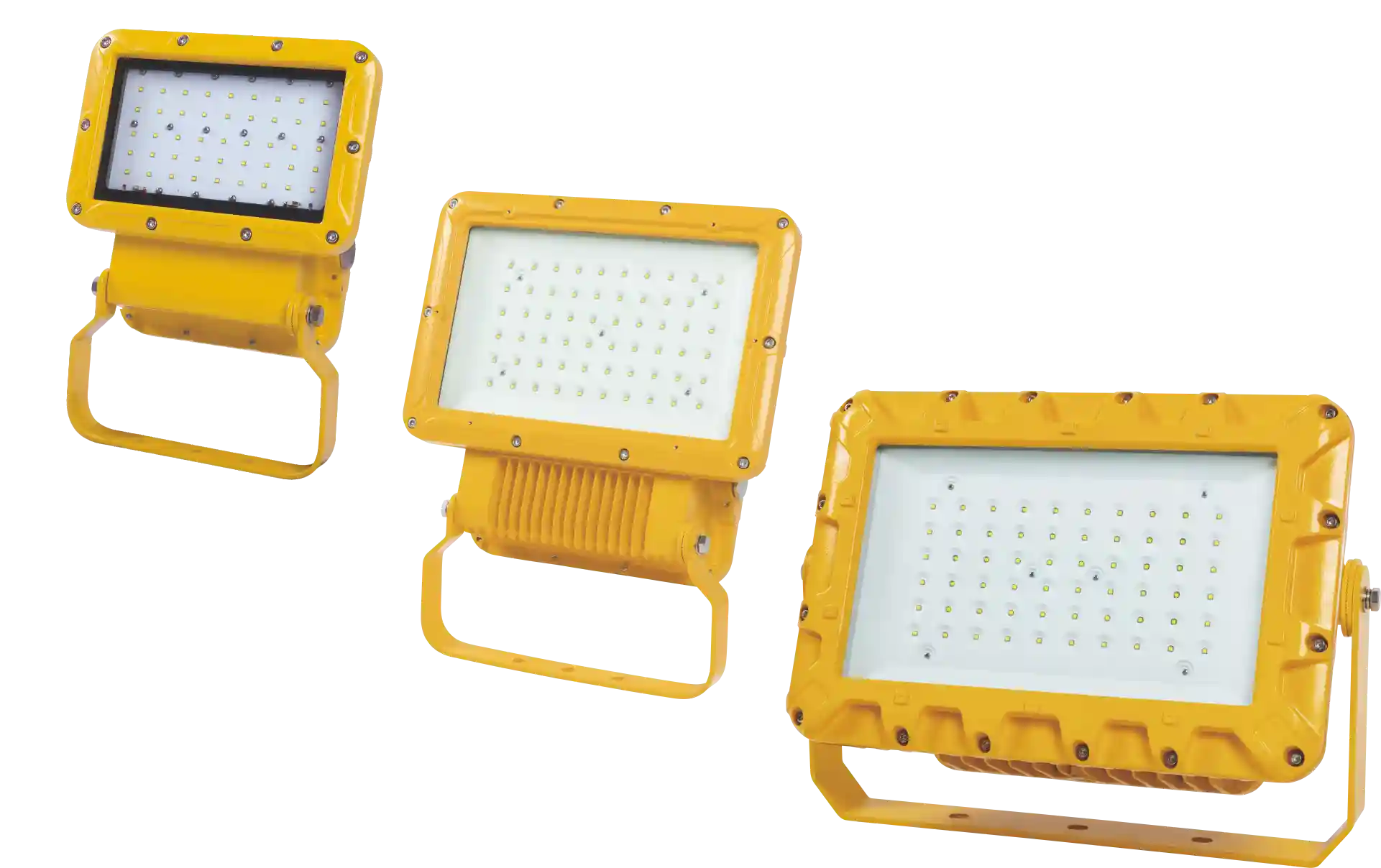
| BAT86 Explosion-proof LED Floodlights | Steel lamp body, IP66, WF2 corrosion-proof | Ex d | Area illumination |
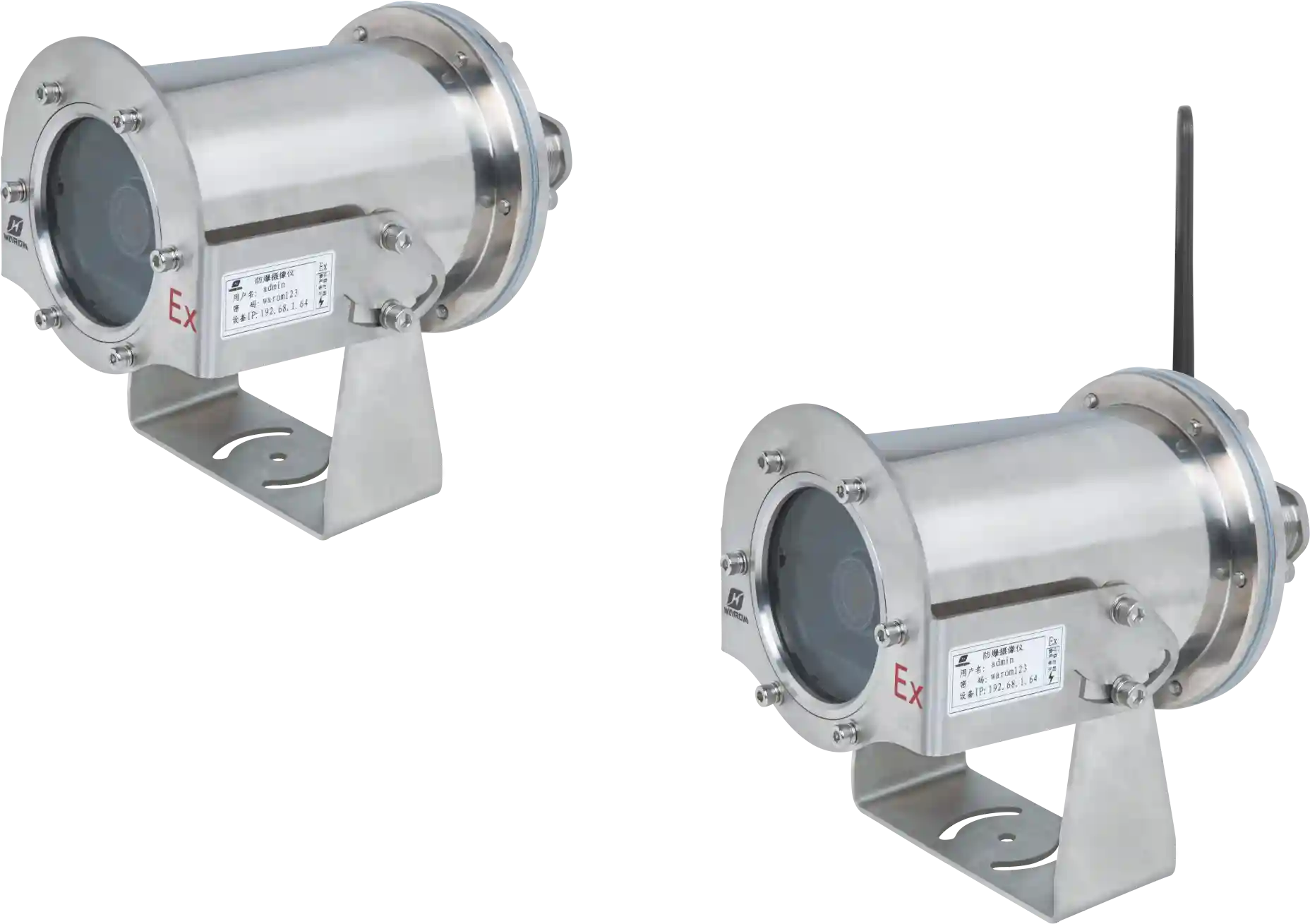
| BJK-S/G Series Explosion Proof Camera | IP66/IP68, H.265/H.264 video compression | Ex d | Surveillance, monitoring |
What Cryogenic Conditions Demand from Electrical Systems
LNG storage and handling involves temperatures below -160°C, which places extreme stress on materials and connections. Thermal cycling causes expansion and contraction that can loosen fasteners, crack seals, and compromise enclosure integrity. Equipment designed for cryogenic service uses materials that maintain ductility at low temperatures and connection methods that accommodate thermal movement.
Coastal and marine LNG facilities add salt spray and humidity to the environmental challenge. Corrosion can compromise enclosure integrity within a few years if equipment lacks appropriate coatings and material selection. The combination of cryogenic temperatures and corrosive atmospheres narrows the field of suitable equipment considerably.
Energy efficiency matters at scale. Modern LED explosion-proof lighting reduces power consumption by 60-70% compared to legacy HID fixtures while lasting three to five times longer. In facilities with hundreds of fixtures in hard-to-access hazardous areas, the maintenance reduction alone justifies the investment.
The Tilenga project equipment was selected specifically for robustness under challenging conditions. Reliable performance minimized interventions in hazardous areas, contributing directly to the zero safety incident record.
What Maintenance Practices Preserve Protection Ratings in Cryogenic Service
Cryogenic environments accelerate certain failure modes that require specific inspection focus. Seals and gaskets can become brittle and crack, compromising IP ratings and explosion protection. Enclosure fasteners may loosen as thermal cycling works against thread engagement. Cable glands and entry points require verification that compression fittings maintain their seal despite material contraction.
Inspection schedules should follow manufacturer guidelines, which typically specify more frequent checks than standard industrial environments require. If your terminal operates in cryogenic service, it is worth reviewing maintenance intervals with the equipment supplier to confirm they account for your specific temperature range and cycling frequency.
Coordinating Explosion-Proof Systems Across Project Phases
Effective deployment of explosion-proof electrical systems requires coordination with project promoters, design institutes, and facility owners from the earliest design phases. Integrating safety requirements into initial specifications prevents costly retrofits and schedule delays. Technical support throughout the project lifecycle ensures proper equipment selection, installation verification, and maintenance planning.
The Fushilai Pharmaceutical construction project, a 500 million yuan facility, demonstrated this coordination approach. We secured the explosion-proof equipment contract for workshop and tank farm distribution boxes through early engagement with the promoter, design institute, and project owner. Phased delivery aligned with construction progress, and the coordination model we established has been replicated on subsequent projects.
Future-proofing involves selecting systems with capacity for technology upgrades and regulatory changes. Modular designs allow component replacement without full system overhaul. Equipment with digital monitoring capabilities can integrate with evolving facility management systems.
Frequently Asked Questions
What is the typical lifespan of explosion-proof electrical equipment in an LNG terminal?
Lifespan ranges from 10 to 20 years depending on equipment type, operating conditions, and maintenance quality. Cryogenic service and corrosive environments tend toward the lower end of that range. Enclosures and heavy electrical equipment typically last longer than seals, gaskets, and lighting sources. Regular maintenance following manufacturer specifications maximizes service life.
How often should explosion-proof electrical systems in LNG facilities be inspected?
International standards and local regulations typically mandate annual or biennial formal inspections. Visual checks and preventative maintenance should occur more frequently, particularly for equipment in cryogenic zones or areas with high gas release probability. Inspection frequency should increase for equipment approaching the end of its rated service life.
Are there specific training requirements for personnel working with explosion-proof equipment in LNG environments?
Personnel require training covering hazardous area classification, equipment selection criteria, installation procedures, inspection protocols, and maintenance requirements. Training must address the specific risks of LNG operations and the proper handling procedures that maintain explosion protection integrity. Certification programs aligned with IECEx or regional standards provide structured competency verification. To discuss training requirements or equipment specifications for your facility, contact us at gm*@***om.com or +86 21 39977076.
If you’re interested, check out these related articles:
Street Lamps: Industrial Safety & Efficiency Solutions
Warom Technology Shines at 2025 ADIPEC: Empowering Global Energy Transformation with Innovative Technologies
Warom won the title of Excellent Purveyor
With over a decade of experience, he is a seasoned Explosion-Proof Electrical Engineer specializing in the design and manufacture of safety and explosion-proof products. He possesses in-depth expertise across key areas including explosion-proof systems, nuclear power lighting, marine safety, fire protection, and intelligent control systems. At Warom Technology Incorporated Company, he holds dual leadership roles as Deputy Chief Engineer for International Business and Head of the International R&D Department, where he oversees R&D initiatives and ensures the precise delivery of design documentation for international projects. Committed to advancing global industrial safety, he focuses on translating complex technologies into practical solutions, helping clients implement safer, smarter, and more reliable control systems worldwide.

Qi Lingyi