
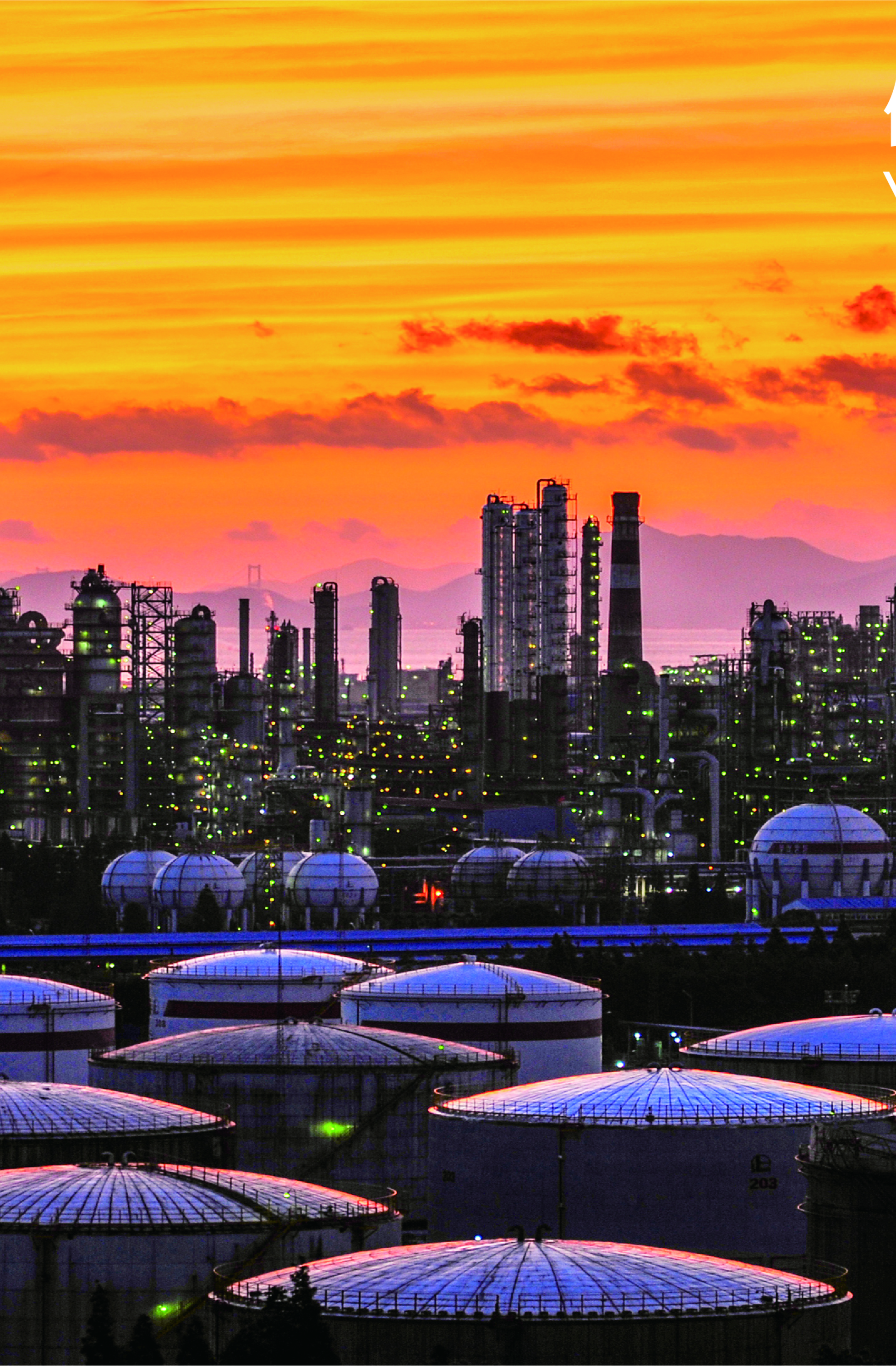
Gas pipelines move volatile substances over hundreds of kilometers, and the margin for error is essentially zero. One ignition source in the wrong place can cascade into something catastrophic. Explosion-proof solenoid valves sit at the heart of this safety equation, controlling flow in environments where a single spark could trigger disaster. Getting these components right is not optional—it is the baseline for protecting both infrastructure and the people who work around it.
The Safety Case for Explosion-Proof Solenoid Valves in Gas Pipelines
Working with flammable gases means accepting that explosive atmospheres are part of the operating environment. Standard equipment simply cannot function safely in these conditions. Explosion-proof solenoid valves are built specifically for hazardous area classification zones, containing any internal electrical activity so it never reaches the surrounding atmosphere. The valve housing and internal design work together to prevent sparks or hot surfaces from becoming ignition sources.
These valves earn their place in emergency shutdown systems because they deliver fail-safe operation when it matters most. During an incident, they isolate pipeline sections or cut gas flow entirely within seconds. The Tilenga project in Uganda put this to the test—WAROM supplied explosion-proof electrical systems for an environment where conditions were genuinely challenging. The equipment performed as designed, contributing to a safety framework that kept operations running without incident. This kind of reliability directly addresses the risks that come with gas leaks or equipment failures, protecting both critical infrastructure and the crews who maintain it.
ATEX and IECEx Certifications Explained for Pipeline Valve Selection
Global certification standards exist because explosion-proof solenoid valves need independent verification before they enter hazardous service. ATEX certification governs equipment sold within the European Union, while IECEx provides an internationally recognized framework. Both systems classify hazardous areas into zones based on how often explosive atmospheres occur and how long they persist.
Zone classification directly determines what equipment is acceptable. A valve certified for Zone 1 can operate where explosive gas atmospheres are likely to appear during normal operations, though not continuously. Zone 0 certification covers areas where explosive atmospheres exist almost all the time. The certification process examines whether electrical components could generate sparks and whether mechanical parts could create friction heat. Intrinsic safety barriers and detailed explosion protection documentation are typically required. WAROM’s certified explosion-proof solenoid valves meet these standards, which matters when project specifications demand documented compliance.
| Certification Body | Scope | Key Focus | Zones Covered |
|---|---|---|---|
| ATEX | European Union | Equipment & Protective Systems | Zone 0, 1, 2 (Gas); Zone 20, 21, 22 (Dust) |
| IECEx | International | Equipment & Services | Zone 0, 1, 2 (Gas); Zone 20, 21, 22 (Dust) |
Selection Criteria That Actually Matter for Gas Pipeline Valves
Choosing the right explosion-proof solenoid valve for gas applications comes down to matching the valve to the actual operating conditions. Material compatibility determines whether the valve will corrode when exposed to specific gas compositions. Stainless steel and specialized alloys resist degradation from sour gas or high-sulfur content, while standard materials may fail within months. Pressure ratings and flow characteristics must align with pipeline operating parameters—undersizing creates bottlenecks, while oversizing wastes capital and can reduce control precision.
Environmental factors deserve equal attention. Temperature swings, humidity levels, and exposure to corrosive agents all affect how long an explosion-proof solenoid valve will perform reliably. The General Paint project illustrated this well. The facility presented both flammable gas and combustible dust hazards, requiring customized solutions rather than off-the-shelf components. WAROM’s approach addressed these specific conditions rather than applying generic specifications. API standards provide additional guidance on quality and performance expectations. The goal is selecting an explosion-proof solenoid valve that integrates properly into the broader industrial automation system without creating new failure points.
Making Explosion-Proof Solenoid Valves Work with SCADA and DCS
Pipeline operators depend on integrated control systems to manage gas flow across distributed networks. Explosion-proof solenoid valves need to communicate with SCADA platforms and DCS architectures, providing real-time status data and accepting remote commands. This connectivity transforms individual valves into nodes within a larger monitoring and control framework.
The practical benefits extend beyond convenience. Integrated systems support predictive maintenance by tracking valve performance over time and flagging anomalies before they become failures. Response times improve because operators can actuate valves remotely rather than dispatching personnel to remote locations. The Fushilai Pharmaceutical project involved complex control system integration across multiple hazardous areas, and the execution required careful coordination between electrical systems and process controls. WAROM’s team delivered on schedule while maintaining the quality standards the project demanded. This integration approach aligns with Industrial IoT principles, enabling data acquisition and analysis that optimize pipeline operations over the long term.
For further insights into how specialized lighting solutions complement safety in hazardous industrial environments, you may find our article on 《Explosion Proof LED Lighting Solutions for Hazardous Areas》 informative.
Keeping Explosion-Proof Solenoid Valves Reliable Over Their Service Life
Long-term reliability is not automatic—it requires both good initial design and consistent maintenance practices. High-quality explosion-proof solenoid valves are engineered for extended service with minimal intervention, but they still need attention. Preventive maintenance schedules, spare parts availability, and documented inspection procedures all contribute to sustained performance in hazardous areas.
The Tilenga project demonstrated what reliable equipment looks like in practice. WAROM’s explosion-proof solenoid valves and related systems operated under extreme conditions without safety incidents. That track record reflects both product quality and proper installation practices. Predictive maintenance programs, supported by the control system integration discussed earlier, add another layer of protection. Monitoring valve response times, actuation cycles, and seal condition allows maintenance teams to intervene before problems develop. This approach keeps explosion-proof solenoid valves compliant with safety standards throughout their operational life while protecting the pipeline infrastructure they serve.
Partner with WAROM for Gas Pipeline Safety Solutions
Ensure unparalleled safety and operational efficiency in your gas pipeline control systems. Partner with WAROM TECHNOLOGY INCORPORATED COMPANY for expert consultation, customized explosion-proof solenoid valve solutions, and robust support. Contact our specialists today to discuss your project requirements and safeguard your critical infrastructure. Email: gm*@***om.com | Tel: +86 21 39977076
Frequently Asked Questions About Explosion-Proof Solenoid Valves
What certifications should I look for when specifying an explosion-proof solenoid valve for Zone 1 gas service?
Zone 1 gas environments require explosion-proof solenoid valves with ATEX and IECEx certifications at minimum. The certification marking should specify the appropriate gas group—IIB covers most industrial gases, while IIC is necessary for hydrogen or acetylene. Temperature class ratings of T3 or T4 are common, though the specific requirement depends on the ignition temperature of the gases present. These certifications confirm that the valve design prevents internal electrical or thermal energy from igniting external atmospheres.
How do explosion-proof solenoid valves fit into pipeline integrity management programs?
Explosion-proof solenoid valves serve as active control points within pipeline integrity management systems. They enable precise flow regulation during normal operations and provide rapid isolation capability during emergencies. The explosion-proof design eliminates the valve itself as a potential ignition source, which is fundamental to maintaining safe operations. When integrated with monitoring systems, these valves also generate performance data that supports broader integrity assessments and helps identify developing issues before they compromise pipeline safety.
What maintenance practices keep explosion-proof solenoid valves performing reliably in continuous service?
Effective maintenance for explosion-proof solenoid valves combines scheduled inspections with condition-based monitoring. Regular checks should examine seals for wear, housings for corrosion, and electrical connections for integrity. Functional testing confirms that valves respond correctly to control signals and achieve full closure or opening within specified times. The explosion-proof enclosure and any flame paths require particular attention—any damage that compromises the original protection rating must be addressed immediately. Following manufacturer maintenance intervals and using approved replacement parts preserves both performance and certification compliance.
With over a decade of experience, he is a seasoned Explosion-Proof Electrical Engineer specializing in the design and manufacture of safety and explosion-proof products. He possesses in-depth expertise across key areas including explosion-proof systems, nuclear power lighting, marine safety, fire protection, and intelligent control systems. At Warom Technology Incorporated Company, he holds dual leadership roles as Deputy Chief Engineer for International Business and Head of the International R&D Department, where he oversees R&D initiatives and ensures the precise delivery of design documentation for international projects. Committed to advancing global industrial safety, he focuses on translating complex technologies into practical solutions, helping clients implement safer, smarter, and more reliable control systems worldwide.

Qi Lingyi