
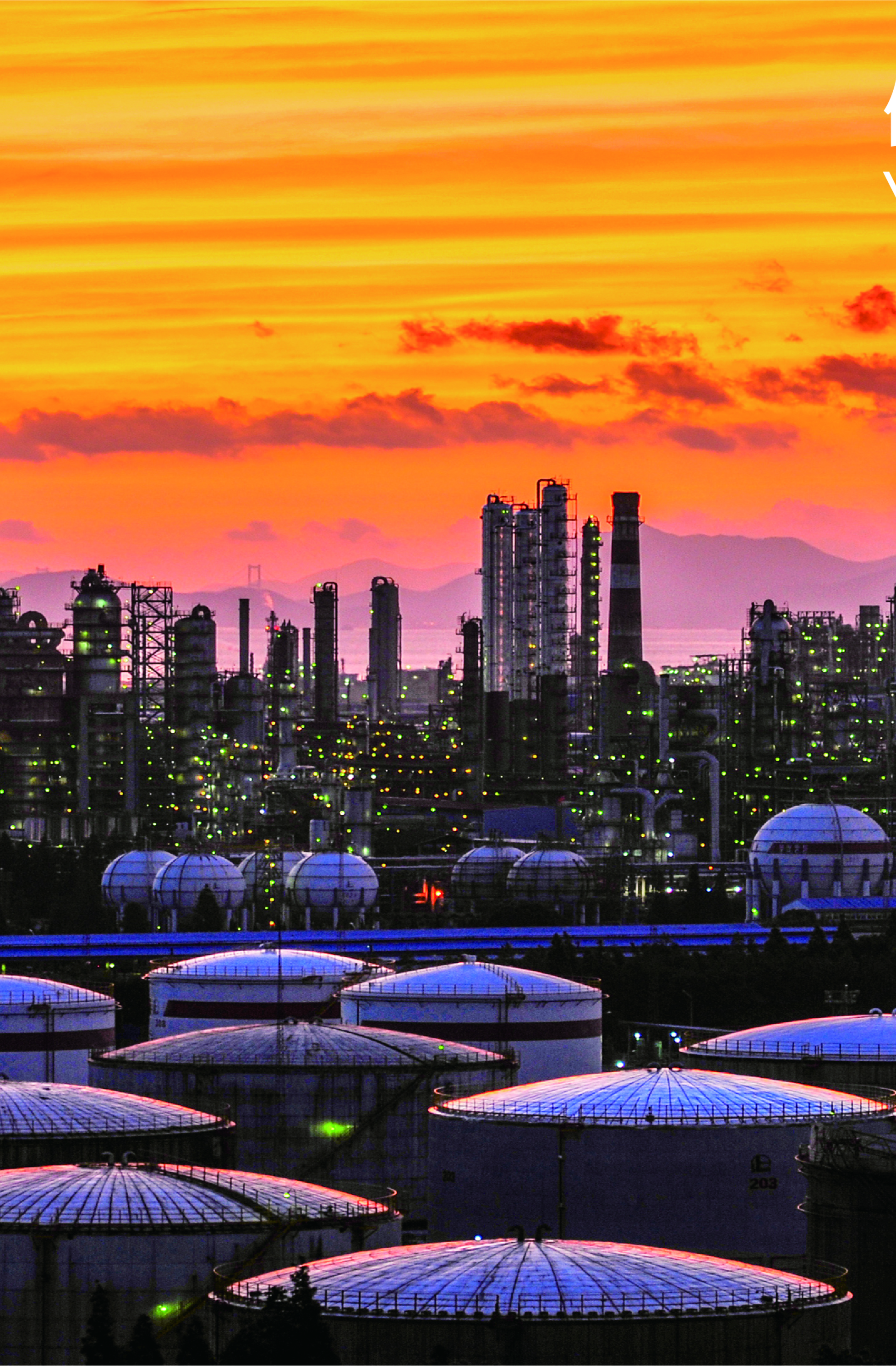
GRP Fiberglass Enclosures for Corrosive Environments
Industrial electrical systems face real punishment in corrosive settings. Acids eat through standard housings. Salt air attacks metal joints. UV exposure breaks down cheaper plastics within a few seasons. These failures translate directly into unplanned shutdowns, safety incidents, and replacement costs that compound over years of operation. GRP fiberglass enclosures have earned their place in these environments because the material simply handles what metals and standard polymers cannot. WAROM TECHNOLOGY INCORPORATED COMPANY manufactures GRP enclosures specifically for these conditions, drawing on deployment experience across chemical plants, offshore platforms, and pharmaceutical facilities.
GRP Fiberglass Material Properties That Matter in Harsh Conditions
GRP fiberglass enclosures perform well in corrosive environments because of how the material is structured at a fundamental level. Glass fiber reinforcement embedded in polyester resin creates a composite that resists chemical attack through different mechanisms than metals do.
The resin matrix provides a continuous barrier against acids, alkalis, and organic solvents. Unlike steel, which corrodes through electrochemical reactions when exposed to moisture and salts, GRP fiberglass enclosures have no metal content to participate in corrosion processes. This eliminates galvanic corrosion entirely, which becomes significant when you consider how many industrial environments combine humidity with dissimilar metals in close proximity.
GRP fiberglass enclosures are non-conductive by nature. This characteristic removes electrical shock hazards during installation and maintenance, and it prevents static discharge issues that can be problematic in certain hazardous locations. The material also weighs considerably less than stainless steel equivalents, which simplifies mounting and reduces structural load requirements on supporting frameworks.
UV stability is another practical advantage. Outdoor installations in equatorial regions or high-altitude sites receive intense solar radiation year-round. GRP fiberglass enclosures maintain their mechanical properties and surface appearance under this exposure, whereas painted steel fades and cracks, and some plastics become brittle.
Chemical and Environmental Resistance Specifics
GRP fiberglass enclosures handle a broad spectrum of aggressive substances. Strong mineral acids including sulfuric and hydrochloric acid, various alkalis, and organic solvents commonly found in chemical processing do not degrade the material. Wastewater treatment facilities expose enclosures to continuous hydrogen sulfide, which attacks many materials rapidly. GRP fiberglass enclosures remain stable in these conditions.
Marine environments present a combination of salt spray, high humidity, and temperature cycling. GRP fiberglass enclosures resist all three without the pitting corrosion that affects even marine-grade stainless steel in chloride-rich atmospheres. Oil and gas platforms, pharmaceutical clean rooms with aggressive cleaning agents, and coastal industrial facilities all benefit from this resistance profile.
Hazardous Location Protection and Safety Performance
GRP fiberglass enclosures serve critical functions in hazardous locations where electrical equipment must be isolated from explosive atmospheres. The enclosure design incorporates sealing systems that achieve high ingress protection ratings, preventing dust and moisture from reaching internal components.
Proper IP and NEMA ratings ensure that junction boxes, terminal enclosures, and control panels remain sealed against environmental contamination. This protection maintains both equipment reliability and personnel safety in areas classified for explosion risk.
WAROM’s explosion proof electrical equipment solutions, including GRP fiberglass enclosures, were deployed in the Tilenga project in Uganda. The project involved wellpads, a central processing facility, and pipeline infrastructure in extreme conditions. The installation achieved zero safety incidents while meeting stringent environmental and performance requirements. Energy efficiency and low maintenance demands were additional outcomes that validated the material selection.
Lifecycle Cost Advantages Over Metal Alternatives
GRP fiberglass enclosures cost more upfront than painted steel in most cases. However, the total cost picture shifts substantially when you account for maintenance, replacement frequency, and downtime over a 15 to 20 year service life.
GRP fiberglass enclosures do not rust. They do not require repainting. They resist impact damage that would dent or crack metal housings. These characteristics eliminate recurring maintenance expenses that accumulate with metal enclosures in corrosive environments.
The General Paint project illustrates this cost dynamic. WAROM provided customized explosion-proof solutions including GRP junction and distribution boxes to address electrical safety hazards in a chemical plant setting. The project focused on preventing fires and explosions while establishing long-term cost-effectiveness. Integration into the customer’s procurement system reflected confidence in the solution’s durability.
| Feature | GRP Fiberglass Enclosures | Stainless Steel Enclosures | Painted Steel Enclosures |
|---|---|---|---|
| Corrosion | Excellent (acids, alkalis, salt spray) | Good (susceptible to some chemicals/crevice) | Poor (paint chips, rusts quickly) |
| Weight | Low | High | Medium |
| Cost (Initial) | Moderate | High | Low |
| Cost (Lifecycle) | Low (minimal maintenance, long lifespan) | Moderate (some maintenance, good lifespan) | High (frequent maintenance, shorter lifespan) |
| UV Resistance | Excellent | Good | Poor (paint fades/cracks) |
| Electrical | Non-conductive | Conductive | Conductive |
Selection Criteria for Weatherproof GRP Fiberglass Enclosures
Choosing the right GRP fiberglass enclosure requires matching material capabilities to actual site conditions. The chemical exposure profile matters most. Identify the specific acids, alkalis, or solvents present, along with their concentrations and contact frequency.
Temperature range affects both the enclosure and its sealing systems. GRP fiberglass enclosures maintain properties across wide temperature swings, but gasket materials may need specification for extreme cold or heat. Humidity levels and direct water exposure determine the required IP rating.
Hazardous area classification drives certification requirements. ATEX certification applies in Europe, IECEx provides international recognition, and UL standards govern North American installations. These certifications verify that the enclosure design prevents ignition of flammable gases or combustible dust.
Size and mounting configuration must accommodate the electrical components while fitting the available installation space. Customization options including cable entry cutouts, viewing windows, and specialized mounting brackets can optimize functionality for specific applications.
WAROM worked closely on the Fushilai Pharmaceutical project, providing explosion proof illumination distribution boxes for workshops, warehouses, and tank farms. This collaboration demonstrated how specification discussions lead to compliant, functional solutions.
GRP Versus Stainless Steel Performance Comparison
GRP fiberglass enclosures outperform stainless steel against most acids and alkalis. Stainless steel remains vulnerable to pitting corrosion and crevice corrosion in chloride environments, even in marine grades. The weight difference is substantial. GRP fiberglass enclosures weigh roughly one-quarter of equivalent stainless steel units, which affects installation labor and structural support requirements.
Initial costs are comparable between GRP and mid-grade stainless steel. Lifecycle costs favor GRP fiberglass enclosures because maintenance requirements are minimal and service life extends longer in aggressive environments. The non-conductive property of GRP fiberglass enclosures provides inherent electrical safety that stainless steel cannot match without additional insulation measures.
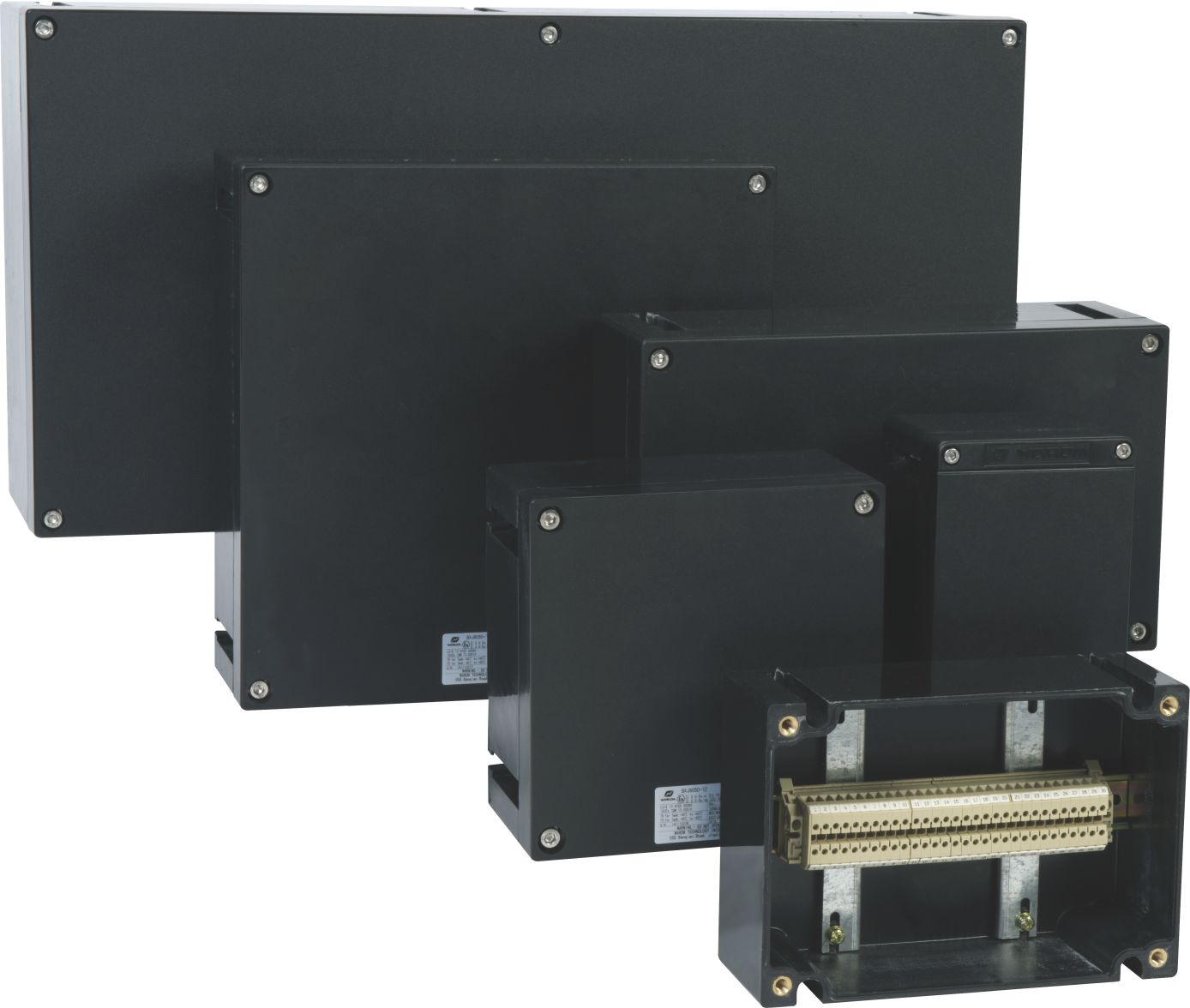
8050 Explosion-proof Illumination Distribution Boxes)
Certification Requirements for Hazardous Area Installations
GRP fiberglass enclosures destined for hazardous locations must carry appropriate certifications. ATEX certification is mandatory for European Union installations in explosive atmospheres. IECEx certification provides internationally recognized verification of explosion protection design. UL certification addresses North American regulatory requirements.
These certifications confirm that the enclosure prevents ignition sources from reaching surrounding flammable gases or combustible dust. IP ratings specify protection against solid particle and liquid ingress. NEMA ratings provide similar classification under North American standards.
WAROM’s GRP fiberglass enclosures, including the BXJ8050 Series Terminal Boxes with Ex e IIC rating, meet these global standards for reliable protection in demanding hazardous environments.
WAROM GRP Fiberglass Enclosure Solutions
GRP fiberglass enclosures deliver measurable advantages in corrosive and hazardous industrial settings. Chemical resistance, UV stability, and non-conductive properties protect electrical systems where other materials fail. WAROM TECHNOLOGY INCORPORATED COMPANY provides certified GRP fiberglass enclosures backed by project experience across oil and gas, chemical processing, pharmaceutical, and marine applications. Contact our team to discuss your specific requirements and site conditions.
Email: gm*@***om.com
Phone: +86 21 39977076 +86 21 39972657
Frequently Asked Questions About GRP Fiberglass Enclosures
How Do GRP Fiberglass Enclosures Maintain Electrical System Reliability Over Time?
GRP fiberglass enclosures maintain reliability through their resistance to the degradation mechanisms that affect other materials. The composite structure does not corrode, rust, or degrade under UV exposure. Moisture and chemical contaminants cannot penetrate properly sealed GRP fiberglass enclosures to damage internal electrical components. The non-conductive material provides insulation against electrical faults. These properties combine to extend operational lifespan and reduce maintenance interventions compared to metal alternatives in corrosive environments.
Where Are GRP Fiberglass Enclosures Typically Installed?
GRP fiberglass enclosures serve as control panels, junction boxes, terminal enclosures, and instrumentation housings across multiple industrial sectors. Chemical processing plants, oil and gas refineries, offshore platforms, wastewater treatment facilities, pharmaceutical manufacturing sites, and marine environments all use GRP fiberglass enclosures where corrosion resistance is required. WAROM has deployed these solutions in projects including the Tilenga oil fields in Uganda and Fushilai Pharmaceutical facilities in China.
What Customization Options Are Available for GRP Fiberglass Enclosures?
GRP fiberglass enclosures can be customized for size, depth, mounting configuration, cable entry locations, viewing windows, and surface finishes. These modifications ensure proper fit for specific electrical systems and installation sites. WAROM provides tailored GRP fiberglass enclosure solutions developed through close collaboration with clients, as demonstrated by customized solutions for General Paint’s electrical safety upgrade project.
With over a decade of experience, he is a seasoned Explosion-Proof Electrical Engineer specializing in the design and manufacture of safety and explosion-proof products. He possesses in-depth expertise across key areas including explosion-proof systems, nuclear power lighting, marine safety, fire protection, and intelligent control systems. At Warom Technology Incorporated Company, he holds dual leadership roles as Deputy Chief Engineer for International Business and Head of the International R&D Department, where he oversees R&D initiatives and ensures the precise delivery of design documentation for international projects. Committed to advancing global industrial safety, he focuses on translating complex technologies into practical solutions, helping clients implement safer, smarter, and more reliable control systems worldwide.

Qi Lingyi