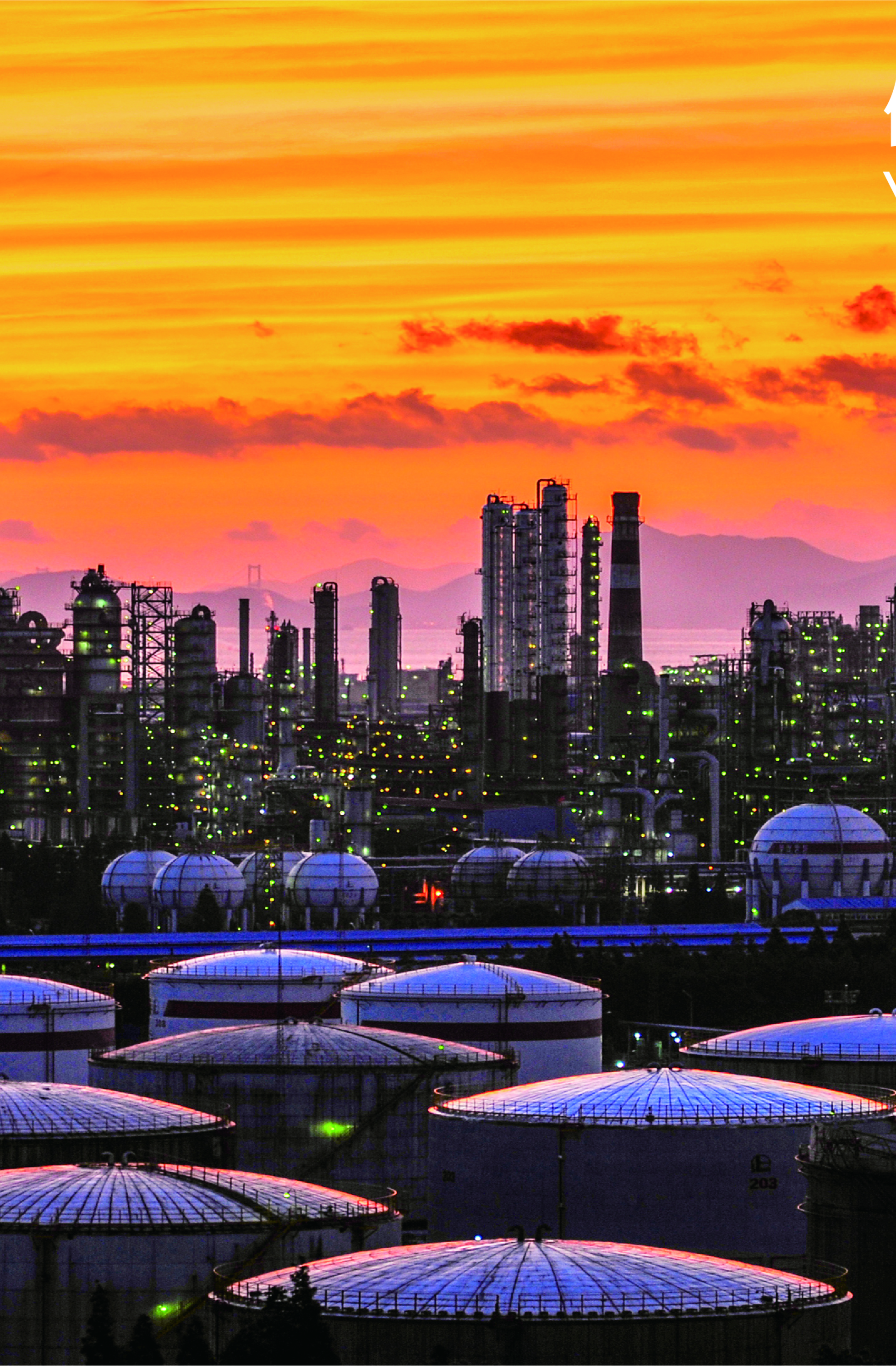
The IP64 rating tells you exactly what an industrial enclosure can handle: complete dust protection and resistance to splashing water from any angle. For equipment operating in processing plants, chemical facilities, or outdoor installations, this combination matters. Dust infiltration causes failures. Water causes corrosion and shorts. IP64 addresses both.
What IP64 Actually Means in Industrial Settings
The Ingress Protection rating system, defined by IEC 60559, classifies how well mechanical casings and electrical enclosures resist solids and liquids. An IP64 rating breaks down into two components. The first digit, ‘6’, represents the highest level of solid particle protection—no dust enters the enclosure. The second digit, ‘4’, indicates resistance to splashing water from any direction.
This dual protection serves manufacturing plants, chemical processing facilities, and mining operations where fine particulates and water exposure occur regularly. Fine dust can cause equipment malfunction or create hazardous conditions. Splashing water from rain, washdowns, or accidental spills leads to short circuits and corrosion. In projects like Tilenga, where WAROM supplied explosion-proof lighting and electrical systems, this level of dust and water resistance proved essential for operational integrity and safety.
Understanding these specific components helps engineers and project managers select appropriate equipment for their operational needs. Proper selection prevents premature equipment failure and reduces maintenance costs.
| IP Code Digit | Protection Against Solids | Protection Against Liquids |
|---|---|---|
| 0 | No protection | No protection |
| 1 | >50 mm | Dripping water |
| 2 | >12.5 mm | Dripping water (15° tilt) |
| 3 | >2.5 mm | Spraying water |
| 4 | >1.0 mm | Splashing water |
| 5 | Dust protected | Water jets |
| 6 | Dust tight | Powerful water jets |
How IP64 Testing Actually Works
Achieving an IP64 rating requires adherence to stringent testing protocols. These tests validate the environmental sealing capabilities of industrial enclosures. WAROM’s commitment to quality shows in our explosion-proof systems, as demonstrated in projects like the General Paint safety upgrade, where rigorous testing ensures reliable device protection.
The testing process involves two distinct phases: dust ingress protection and water spray protection. Both methodologies are standardized under IEC 60529, providing a consistent framework for evaluation. Manufacturers must prove their equipment can withstand these conditions without compromising functionality or safety.
For dust protection, enclosures undergo an IP6X dust protection test. The device sits in a sealed chamber filled with fine talcum powder. A vacuum pump creates negative pressure within the enclosure, simulating operational conditions that might draw dust inward. The device remains in this environment for a specified duration, typically eight hours, or until a certain volume of air has passed through. After the test, inspectors examine the enclosure’s interior for any dust penetration. No dust means the ‘6’ rating holds.
The water resistance aspect gets verified through an IPX4 water spray test. This test exposes the enclosure to splashing water from all directions. Specialized spray nozzles deliver water at a specified flow rate and pressure, ensuring uniform coverage. The device rotates to expose all surfaces to the spray for at least 10 minutes. Following this, the enclosure gets inspected for any water ingress that could affect internal components. Successful completion confirms the ‘4’ rating. These testing procedures are critical for certifying equipment used in demanding industrial settings.
What specific tests determine an IP64 rating for industrial devices?
An IP64 rating for industrial devices comes from two primary tests: the IP6X dust ingress test and the IPX4 water spray test. The dust test exposes the device to a fine talcum powder atmosphere under negative pressure for several hours. This verifies that no dust can penetrate the enclosure. The water test subjects the device to splashing water from all directions for a minimum of 10 minutes. This confirms protection against water spray, safeguarding internal components. Both tests are required for industrial device certification and IP rating verification, confirming the device’s ability to withstand harsh environmental conditions.
For a deeper understanding of how robust lighting solutions contribute to safety in industrial settings, consider reading 《Explosion Proof LED Lighting Solutions for Hazardous Areas》.
Why IP64 Matters for Equipment Lifespan and Safety
The IP64 rating extends beyond compliance. It directly impacts device longevity and operational safety in harsh industrial environments. Equipment with this rating withstands continuous exposure to dust and splashing water—common culprits for premature wear and failure. This robust protection translates into reduced maintenance costs and fewer unplanned downtimes.
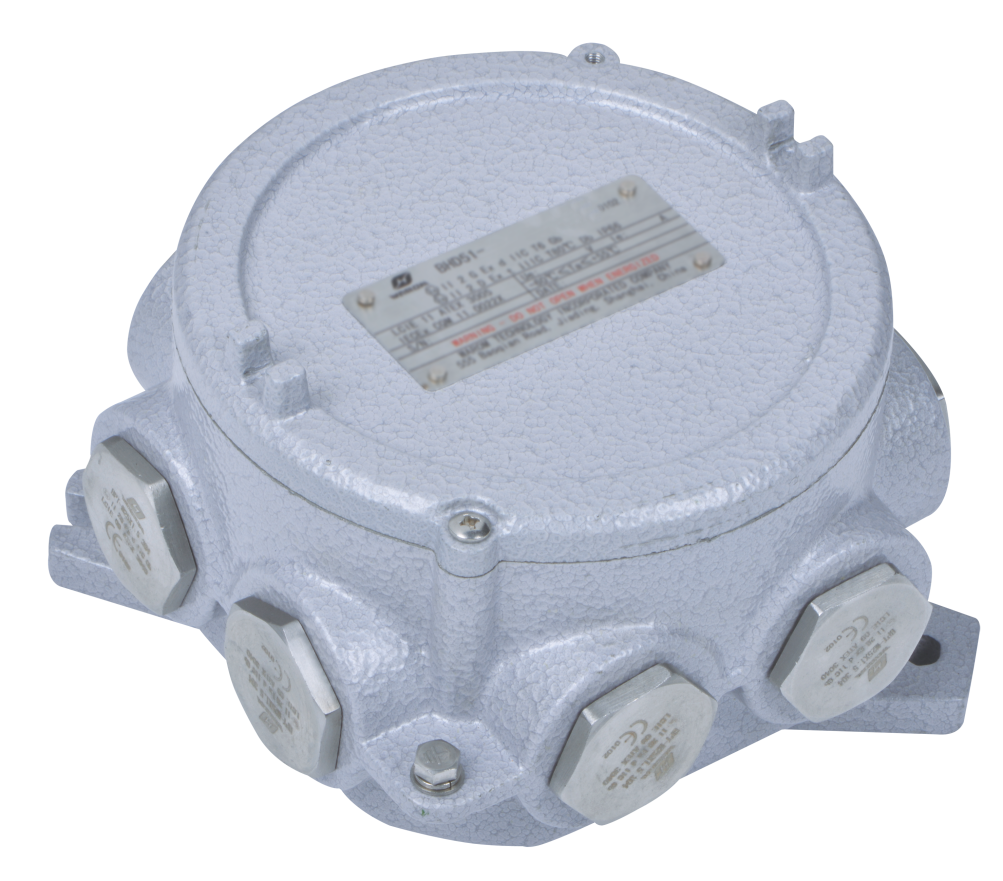
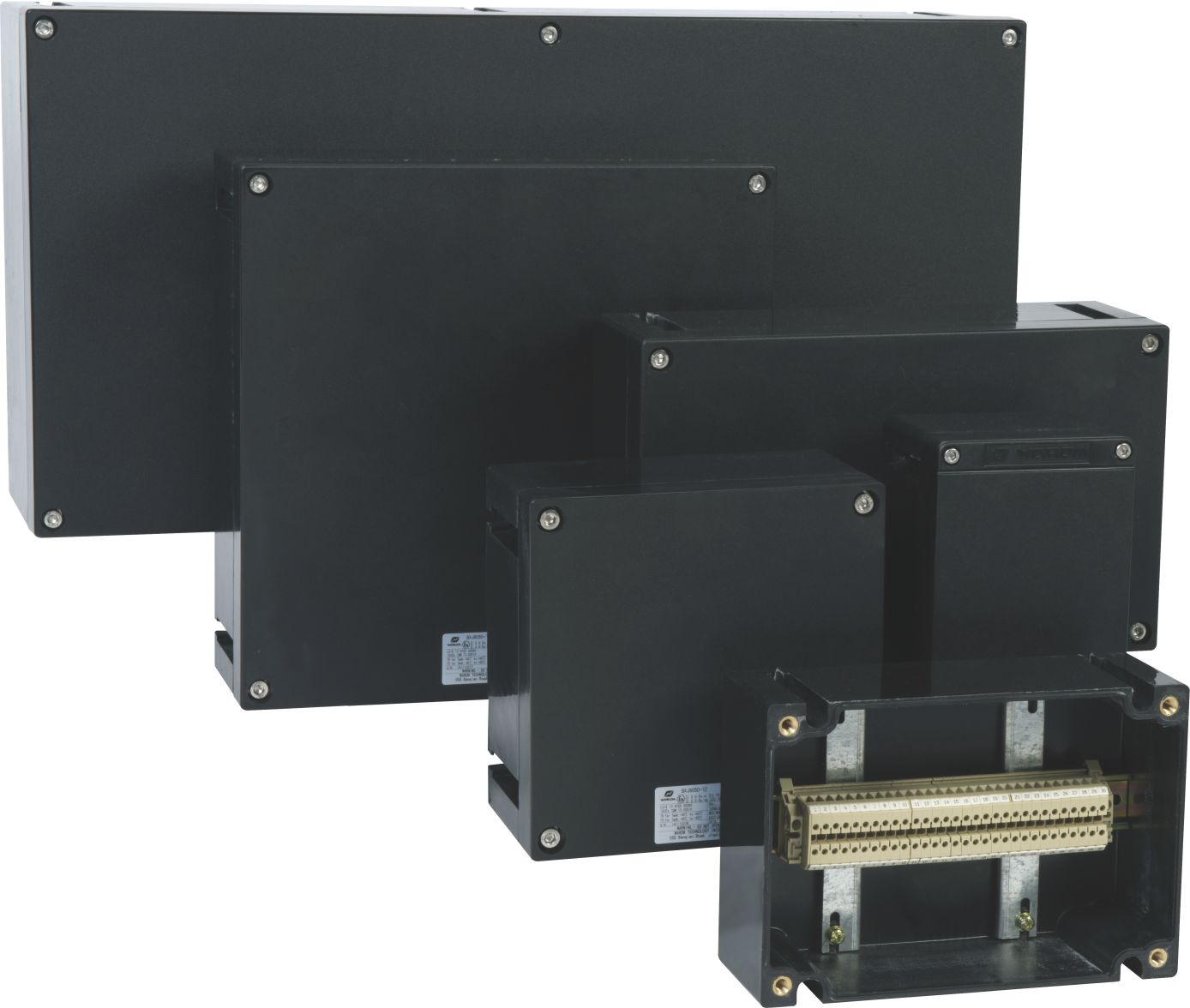
In the Fushilai Pharmaceutical CM/CDMO construction project, WAROM supplied explosion-proof equipment, including distribution boxes for critical areas. These devices required high levels of ingress protection to ensure reliable operation in a pharmaceutical environment where cleanliness and protection against contaminants are paramount. The IP66 rating on many of our products, such as the BHD91 Series Explosion-proof Junction Boxes and the BXJ8050 Series Terminal Boxes, ensures superior protection, contributing to extended device lifespan and consistent performance. This commitment to robust design minimizes the need for frequent repairs or replacements.
IP64 compliance also enhances operational safety standards significantly. Preventing dust and water ingress reduces the risk of electrical faults, short circuits, and potential explosions in hazardous areas. This proves especially critical in industries dealing with flammable materials or explosive atmospheres. The explosion-proof certification benefits from such ratings are undeniable, as they ensure equipment functions safely even under adverse conditions.
By investing in IP64-rated equipment, companies safeguard their assets and protect their personnel. This proactive approach to industrial equipment reliability mitigates risks and ensures continuous, safe operation. The long-term benefits include financial savings from reduced maintenance, improved safety records, and compliance with stringent regulatory requirements.
How does an IP64 rating compare to other common IP ratings for harsh environments?
An IP64 rating offers strong protection against dust and splashing water, making it suitable for many industrial settings. It provides less liquid protection than higher ratings like IP65 or IP66. An IP65 rating adds protection against water jets, while IP66 safeguards against powerful water jets. For environments requiring submersion protection, IP67 or IP68 are necessary. Compared to IP54, IP64 offers superior dust protection (dust-tight vs. dust-protected). Understanding these distinctions helps when selecting appropriate industrial protection levels and environmental resistance ratings for specific applications.
For more insights into ensuring safety with specialized lighting, explore 《Ensuring Safety: The Indispensable Role of Explosion Proof Fluorescent Lamps》.
Choosing IP64 Compliant Solutions for Your Application
Choosing the correct IP64 compliant solutions for critical industrial applications requires careful consideration of environmental conditions and operational demands. The selection process involves evaluating the specific hazards present, such as dust concentration, water exposure, and potential for corrosive agents. Our experience in projects like Tilenga, where we provided explosion-proof lighting and electrical systems, highlights the importance of tailored solutions.
When specifying industrial enclosures, engineers must prioritize equipment that meets the IP64 standard and integrates seamlessly with existing infrastructure. Our BCZ8060 Series Explosion-proof Plugs and Sockets, with their IP66 rating, offer enhanced protection, demonstrating our commitment to exceeding baseline requirements. Our explosion-proof lighting systems, like the BAT86 Explosion-proof LED Floodlights (IP66), are designed for durability and performance in harsh environments, offering superior protection compared to IP64.
Consider the material construction, sealing mechanisms, and cable entry points of any device. Products featuring robust materials, such as copper-free aluminum alloy or glass fiber-reinforced polyester resin (GRP), provide inherent resistance to corrosion and mechanical impact. Properly sealed cable glands, like our DQM-III/II Series Explosion Proof Cable Glands, are essential for maintaining the enclosure’s integrity. These components are vital for electrical safety upgrades and ensuring long-term reliability.
For pharmaceutical equipment standards or oil and gas industry protection, the selection often extends beyond IP ratings to include explosion protection certifications (e.g., ATEX, IECEx). Our HRMD92 and HRMD93 Series Explosion Proof Distribution Panels, both rated IP66, exemplify solutions designed for such stringent requirements. These panels offer robust construction and modular scalability, ensuring optimal performance and safety in hazardous areas.
What are the practical implications of an IP64 rating for device longevity and safety?
An IP64 rating significantly extends device lifespan by preventing dust and splashing water from damaging internal components. This protection minimizes corrosion, short circuits, and mechanical wear, leading to reduced equipment failure. From a safety perspective, it lowers the risk of electrical hazards and potential explosions in hazardous environments, improving worker safety. Adhering to IP64 standards also ensures compliance with hazardous environment regulations, contributing to overall operational efficiency and reliability in demanding industrial settings.
For further information on specialized lighting for hazardous areas, refer to 《Explosion Proof Floodlights for Hazardous Industrial Areas》.
Partner with WAROM for Unparalleled Device Protection
For over three decades, WAROM TECHNOLOGY INCORPORATED COMPANY has been at the forefront of explosion-proof innovation, delivering robust and reliable solutions that meet the most stringent industrial safety standards. If your project demands unparalleled device protection and compliance with IP64 or higher ratings, contact our expert team today for a consultation or to explore our comprehensive range of certified products. Partner with WAROM to ensure the longevity, safety, and efficiency of your critical industrial infrastructure. Email us at gm*@***om.com or call +86 21 39977076.
Frequently Asked Questions About IP64 Device Protection
Does an IP64 rating guarantee complete waterproof protection for industrial devices?
No. An IP64 rating signifies protection against dust ingress (level 6) and splashing water from any direction (level 4). While it offers significant resistance to water, it does not guarantee complete waterproof protection against submersion or high-pressure jets. Those applications require higher IP ratings like IP67 or IP68. For critical industrial applications, understanding the specific water exposure is essential when selecting IP-rated enclosures.
How often should IP64 rated equipment be inspected for integrity in harsh environments?
The inspection frequency for IP64 rated equipment in harsh environments depends on several factors: the specific operating conditions, the type of dust and water exposure, and regulatory requirements. Regular visual inspections for seal degradation or enclosure damage should be part of a routine maintenance schedule. For equipment in highly corrosive or abrasive environments, more frequent checks are advisable to maintain optimal device protection levels and prevent premature failure.
Can an IP64 rating be upgraded or improved for existing industrial enclosures?
Upgrading an existing enclosure’s IP64 rating to a higher level is often challenging and may not be feasible without significant modifications. Some improvements like replacing seals or adding protective coatings can enhance dust and water resistance. Achieving a higher certified IP rating typically requires re-engineering and re-testing the entire enclosure. For new installations or critical upgrades, selecting equipment with the appropriate IP rating from the outset is usually more cost-effective and reliable, ensuring robust device protection.
With over a decade of experience, he is a seasoned Explosion-Proof Electrical Engineer specializing in the design and manufacture of safety and explosion-proof products. He possesses in-depth expertise across key areas including explosion-proof systems, nuclear power lighting, marine safety, fire protection, and intelligent control systems. At Warom Technology Incorporated Company, he holds dual leadership roles as Deputy Chief Engineer for International Business and Head of the International R&D Department, where he oversees R&D initiatives and ensures the precise delivery of design documentation for international projects. Committed to advancing global industrial safety, he focuses on translating complex technologies into practical solutions, helping clients implement safer, smarter, and more reliable control systems worldwide.
Qi Lingyi