Choosing an explosion-proof control station comes down to matching the right certification to your operating environment. For facilities in North America, NEMA 7 remains the benchmark. Operations in Europe or internationally typically require ATEX or IECEx compliance. The challenge surfaces when projects span multiple regulatory jurisdictions, or when procurement teams assume one certification automatically satisfies another. It rarely does.
How Hazardous Areas Get Classified
Hazardous locations contain flammable gases, vapors, combustible dusts, or ignitable fibers in concentrations that could trigger an explosion or fire. Classification accuracy determines whether equipment selection prevents incidents or creates them.
North American standards under the National Electrical Code organize hazardous locations by Class, Division, and Group. Class I covers flammable gases or vapors. Class II addresses combustible dusts. Class III handles ignitable fibers. Divisions indicate how often the hazard exists. Division 1 means the substance appears continuously, frequently, or intermittently during normal operations. Division 2 means it only shows up under abnormal conditions.
International standards shaped by IECEx and ATEX take a different approach through Zone classification. Zones 0, 1, and 2 apply to gases and vapors. Zones 20, 21, and 22 apply to dusts. Zone 0 or 20 indicates continuous or long-term presence. Zone 1 or 21 means the hazard likely appears during normal operation. Zone 2 or 22 means short-term presence under abnormal conditions only.
Explosion protection works by keeping ignition sources away from hazardous atmospheres. Containment uses flameproof enclosures to trap any internal ignition. Isolation methods like encapsulation physically separate electrical components from the atmosphere. Prevention techniques such as intrinsic safety limit energy levels below ignition thresholds.
The General Paint Electrical Safety Upgrade Summary demonstrates what happens when classification gaps exist. An on-site diagnosis uncovered serious electrical safety hazards from combined flammable gas and dust risks. The facility required a comprehensive upgrade including explosion-proof plugs and distribution boxes to address fire and explosion potential that previous equipment had ignored.
| Feature | Division Classification (North America) | Zone Classification (International) |
|---|---|---|
| Gases/Vapors | Class I, Division 1, 2 | Zone 0, 1, 2 |
| Combustible Dusts | Class II, Division 1, 2 | Zone 20, 21, 22 |
| Likelihood | Division 1: High, Division 2: Low | Zone 0/20: Continuous, Zone 1/21: Likely |
| Standards Body | NEC, NFPA | IECEx, ATEX |
NEMA 7 Requirements for North American Facilities
NEMA 7 certification applies specifically to electrical enclosures built for Class I, Division 1 hazardous locations in North America. These environments contain flammable gases or vapors during normal operations. The enclosure must withstand an internal explosion without igniting the surrounding atmosphere. Everything about the design centers on containment.
Construction relies on heavy-duty cast metal with precise machining tolerances. Flame paths receive particular attention. These engineered gaps allow hot gases from an internal explosion to escape while cooling them below ignition temperature. Testing protocols ignite a gas mixture inside the enclosure and verify that the external atmosphere stays unignited. The enclosure either passes or fails. There is no middle ground.
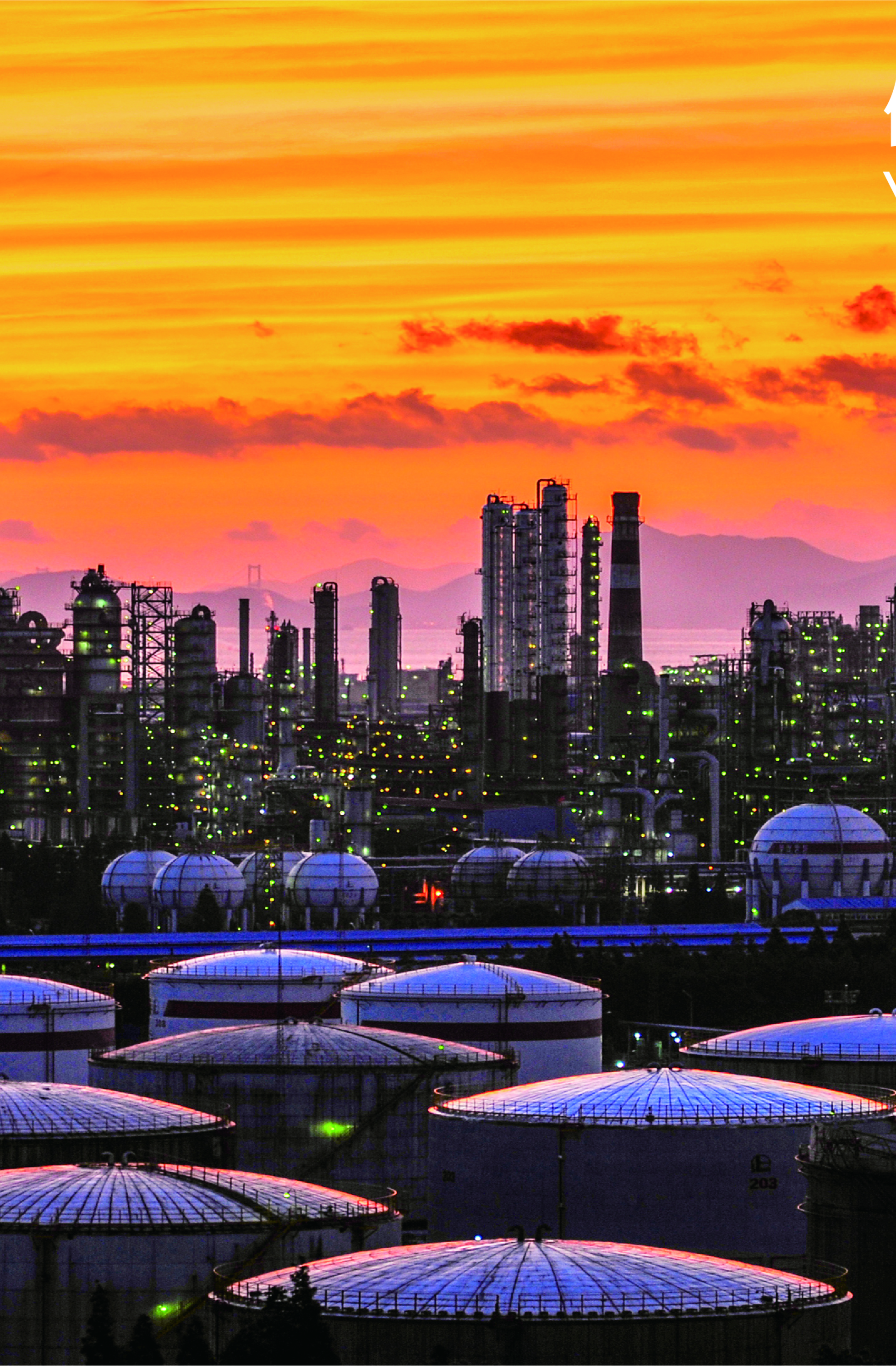
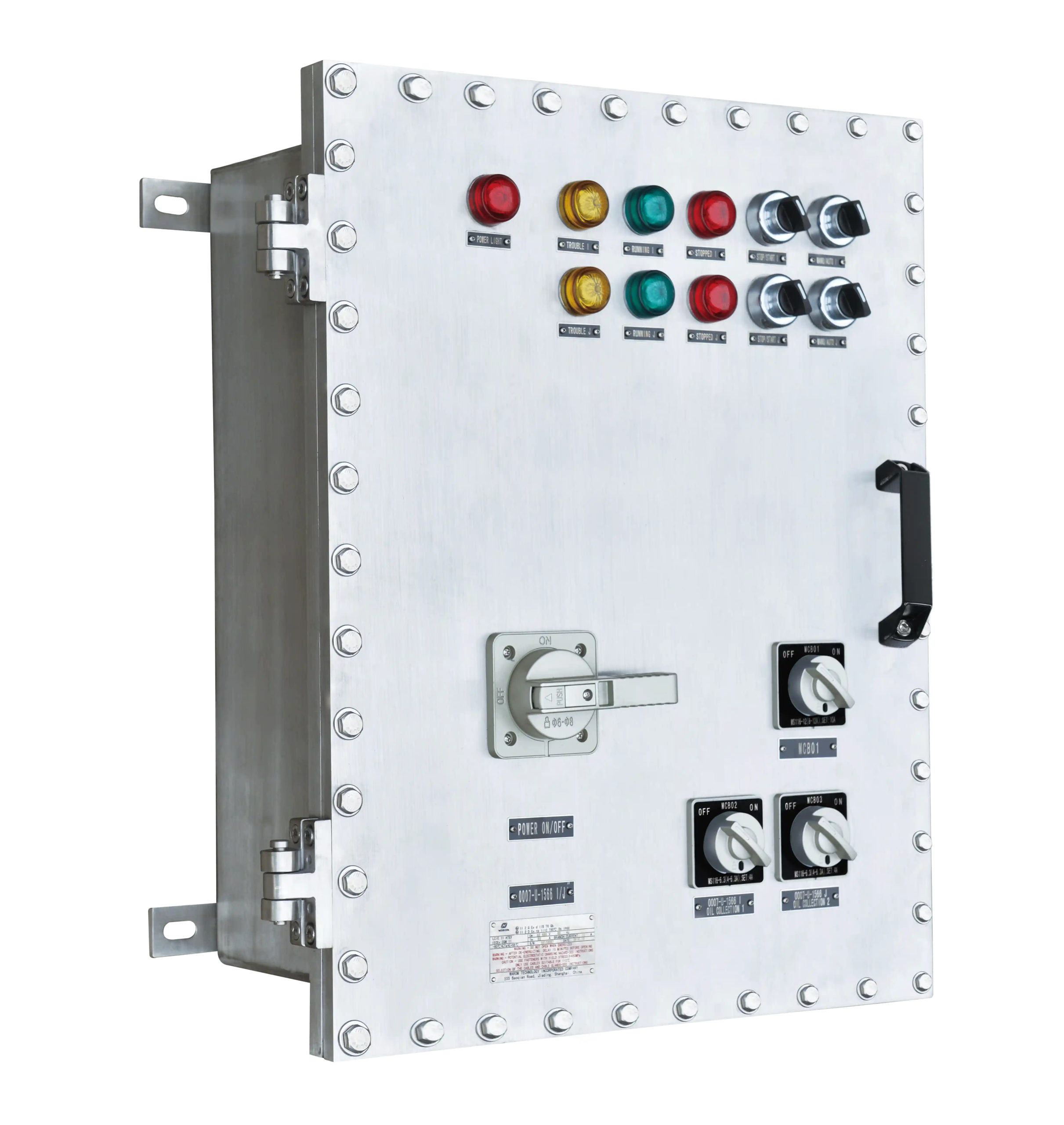
Chemical processing plants, oil and gas refineries, and facilities handling volatile substances represent typical NEMA 7 applications. Control stations in these environments house switches, pushbuttons, and pilot lights while maintaining safe operation. WAROM’s work on the Tilenga project in Uganda shows how these standards perform under pressure. The installation delivered zero safety incidents across wellpads, a Central Processing Facility, and pipelines, even in challenging environmental conditions.
What separates NEMA ratings from ATEX ratings for explosion-proof equipment?
NEMA standards prescribe specific construction methods and materials. The approach is prescriptive, telling manufacturers exactly how to build an enclosure that contains an explosion. ATEX directives work differently. They define essential health and safety requirements but allow manufacturers flexibility in how they achieve protection. A manufacturer can use flameproof design, intrinsic safety, increased safety, or other recognized methods as long as the equipment meets performance thresholds. This philosophical difference affects everything from initial design through testing and final application.
ATEX and IECEx Certification for International Operations
ATEX and IECEx certifications govern explosion protection outside North America. The ATEX directive (2014/34/EU) establishes mandatory health and safety requirements for equipment used in potentially explosive atmospheres across Europe. IECEx provides an international framework that simplifies equipment certification across multiple countries through mutual recognition agreements.
Equipment categorization under these systems considers both the hazardous zone and required protection level. Equipment Group I applies to mining applications. Equipment Group II covers surface industries. Categories 1, 2, and 3 indicate suitability for different zone types, with Category 1 equipment suitable for the most hazardous Zone 0 or 20 environments. Protection levels specify the actual method used. The designation ‘d’ indicates flameproof construction. The designation ‘e’ means increased safety through enhanced insulation and spacing. The designation ‘ia’ represents intrinsic safety where circuit energy stays below ignition thresholds. Products like the DQM-III/II Series cable glands carry both IECEx and ATEX certification, allowing deployment across regulatory boundaries.
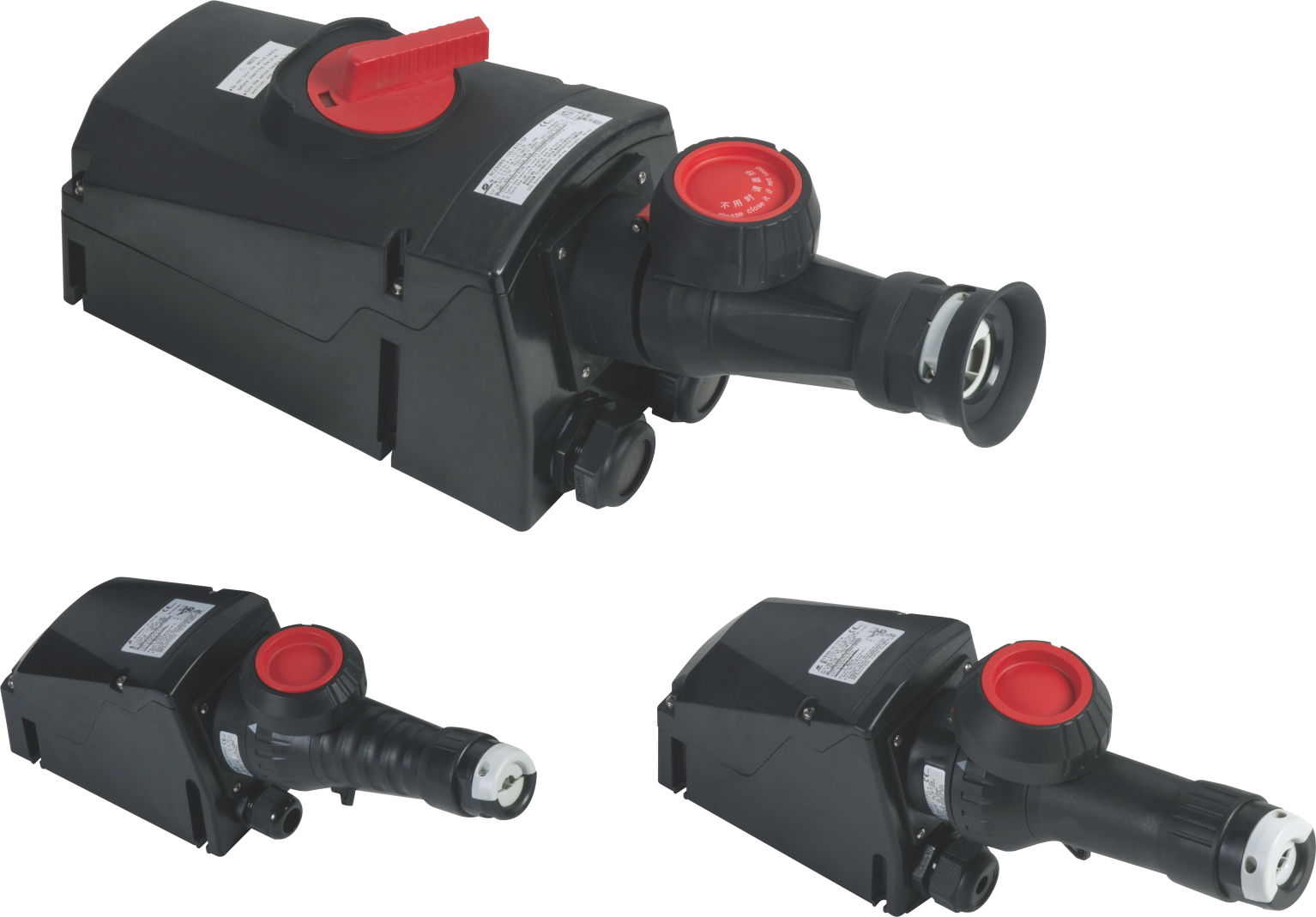
The Fushilai Pharmaceutical project illustrates how these certifications work in practice. WAROM supplied explosion-proof equipment including distribution boxes for workshops, warehouses, and pump controls across a 48,000 square meter facility. Early coordination with all stakeholders kept the project on schedule while meeting pharmaceutical industry requirements for both safety and cleanliness. The installation established a coordination model that has since been applied to similar multi-party projects.
Can NEMA 7 and ATEX certified control stations substitute for each other in international projects?
Direct substitution between NEMA 7 and ATEX certified control stations generally does not work. The design philosophies differ too much. NEMA 7 focuses on containing an internal explosion through robust enclosure construction. ATEX allows multiple protection concepts, some of which prevent ignition rather than contain it. Testing protocols and regulatory frameworks also diverge. Projects requiring compliance with both standards typically need equipment certified to both, or equipment specifically engineered for dual compliance. Simple substitution creates compliance gaps that inspectors will identify.
Matching Control Stations to Specific Hazardous Environments
Equipment selection follows a logical sequence. Start with the hazardous area classification. Whether your facility uses Class, Division, and Group designations or Zone classifications, this determines the minimum protection level any electrical equipment must provide. Getting this wrong invalidates everything that follows.
Environmental conditions narrow the options further. Temperature extremes affect material performance and component ratings. Corrosive chemicals may require specialized enclosure materials beyond standard cast aluminum. Dust ingress potential influences sealing requirements and maintenance intervals. A control station that performs well in a temperate chemical plant may fail in a tropical refinery or an arctic drilling operation.
Operational requirements shape the final configuration. How many control elements does the station need? What types of interfaces connect to the broader control system? What power demands exist? A simple start-stop station differs substantially from a multi-function control panel with instrumentation displays and communication interfaces.
Global projects add regulatory complexity. Equipment may need to satisfy multiple standards simultaneously, or different standards in different project phases. A thorough risk assessment should precede any equipment selection, mapping potential ignition sources against the likelihood of contact with hazardous materials. The General Paint project demonstrated this approach, where site-specific diagnosis led to gas detectors, explosion-proof plugs, and anti-corrosion equipment tailored to identified risks rather than generic specifications.
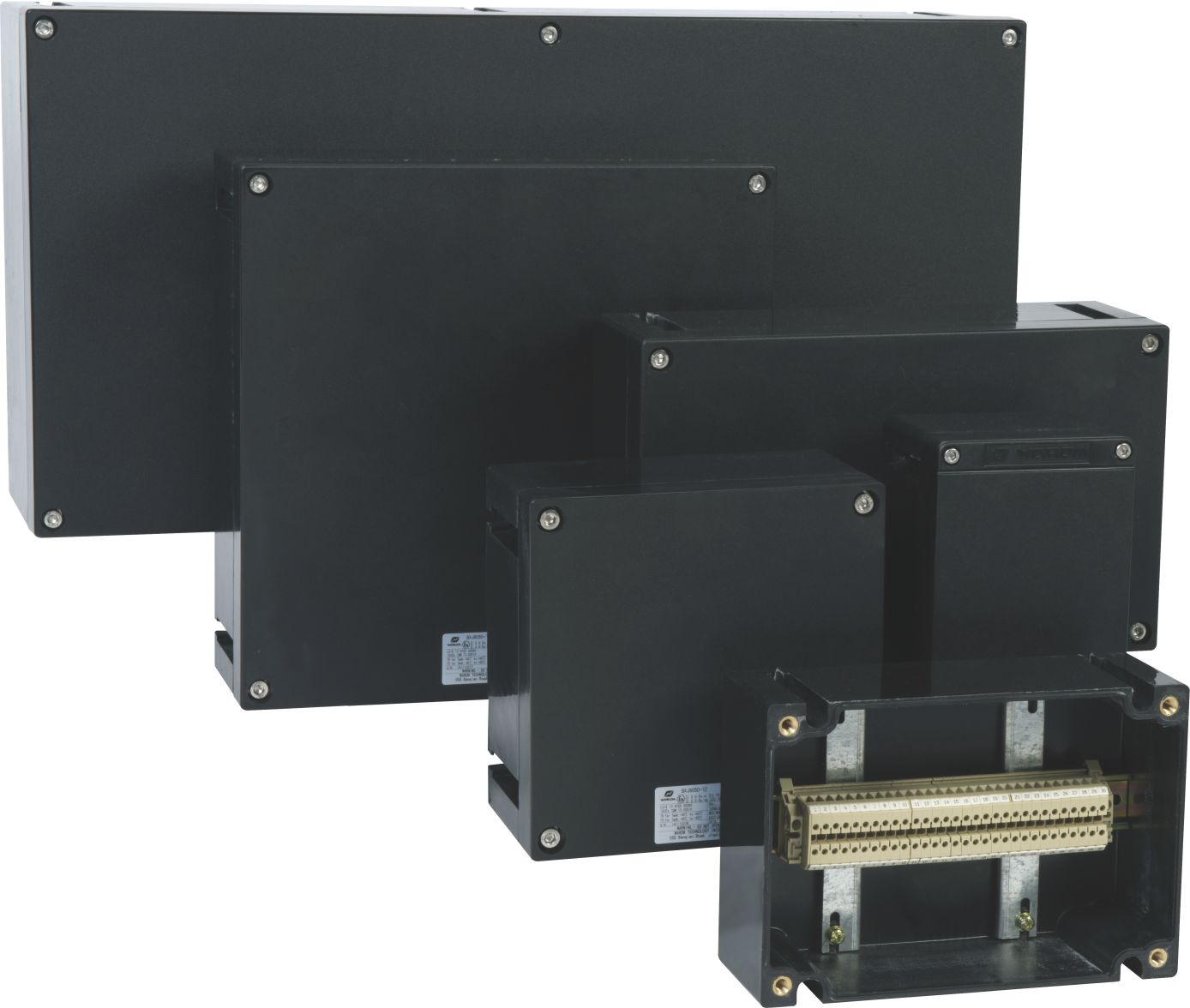
8050 Explosion-proof Illumination Distribution Boxes)
What steps lead to correct explosion-proof control station selection?
Start by identifying your hazardous area classification precisely. Class I, Division 1, Group C differs from Zone 1, IIB, and equipment rated for one may not satisfy the other. Determine the gas or dust group and temperature class of substances present. Review your application needs including control functions, environmental resilience requirements, and necessary ingress protection ratings. Consult with manufacturers or certified experts before finalizing specifications. The cost of getting this wrong exceeds the cost of getting it right by a substantial margin.
WAROM Solutions for Global Explosion Protection Requirements
WAROM TECHNOLOGY INCORPORATED COMPANY manufactures explosion-proof equipment compliant with both NEMA and ATEX/IECEx standards. The product range includes explosion-proof lighting, electrical systems, and distribution boxes engineered for diverse hazardous environments. Experience across multiple industries and regulatory frameworks informs equipment design and application support.
The Tilenga project in Uganda demonstrates performance under demanding conditions. WAROM supplied explosion-proof lighting and electrical systems for wellpads, a Central Processing Facility, and pipelines within Murchison Falls National Park. The installation achieved zero safety incidents while delivering energy efficiency and low maintenance requirements that matter in remote locations where service access is limited.
The Fushilai Pharmaceutical CM/CDMO Construction Project in Suzhou shows capability in regulated manufacturing environments. Explosion-proof equipment went into workshops, warehouses, and pump controls across the facility. Early coordination with design teams, construction contractors, and the end user kept quality high and delivery on schedule. The pharmaceutical sector demands both explosion protection and contamination control, and the project met both requirements.
For additional information on hazardous environment safety, see 《Explosion Proof LED Floodlights: Enhancing Safety and Efficiency》.
Contact WAROM for Explosion-Proof Control Station Solutions
WAROM TECHNOLOGY INCORPORATED COMPANY provides consultation on NEMA 7, ATEX, and IECEx certified explosion-proof control stations. Customized solutions address specific facility requirements across global operations. Email: gm*@***om.com, Tel: +86 21 39977076 +86 21 39972657.
Frequently Asked Questions About Explosion-Proof Control Stations
What does an explosion-proof control station actually do in a hazardous location?
An explosion-proof control station houses electrical components like switches, buttons, and indicators in locations where flammable gases, vapors, or combustible dusts exist. The station prevents internal sparks or heat from igniting the external atmosphere. Depending on the protection concept, this happens through containment, energy limitation, or physical isolation. The result is safe operation of control functions that would otherwise create ignition risks.
How do NEMA 7 and ATEX certification affect control panel design differently?
NEMA 7 certification requires pressure-resistant enclosures that contain internal explosions. This drives design toward heavy cast construction with precise flame paths. ATEX certification allows multiple protection approaches. A flameproof ATEX design resembles NEMA 7 construction. An intrinsically safe ATEX design uses energy limitation instead, resulting in lighter construction but stricter component selection. Both certifications influence material choices, sealing methods, and component integration, but through different technical paths.
Can manufacturers customize explosion-proof control stations for specific applications?
Manufacturers routinely customize explosion-proof control stations. Configuration options include various control elements, specialized instrumentation integration, and environmental adaptations for corrosion resistance or extreme temperatures. Customization maintains full NEMA 7, ATEX, or IECEx compliance while addressing operational requirements that standard catalog products cannot satisfy. The customization process typically involves application review, hazard assessment, and engineering coordination before production.
With over a decade of experience, he is a seasoned Explosion-Proof Electrical Engineer specializing in the design and manufacture of safety and explosion-proof products. He possesses in-depth expertise across key areas including explosion-proof systems, nuclear power lighting, marine safety, fire protection, and intelligent control systems. At Warom Technology Incorporated Company, he holds dual leadership roles as Deputy Chief Engineer for International Business and Head of the International R&D Department, where he oversees R&D initiatives and ensures the precise delivery of design documentation for international projects. Committed to advancing global industrial safety, he focuses on translating complex technologies into practical solutions, helping clients implement safer, smarter, and more reliable control systems worldwide.
Qi Lingyi