
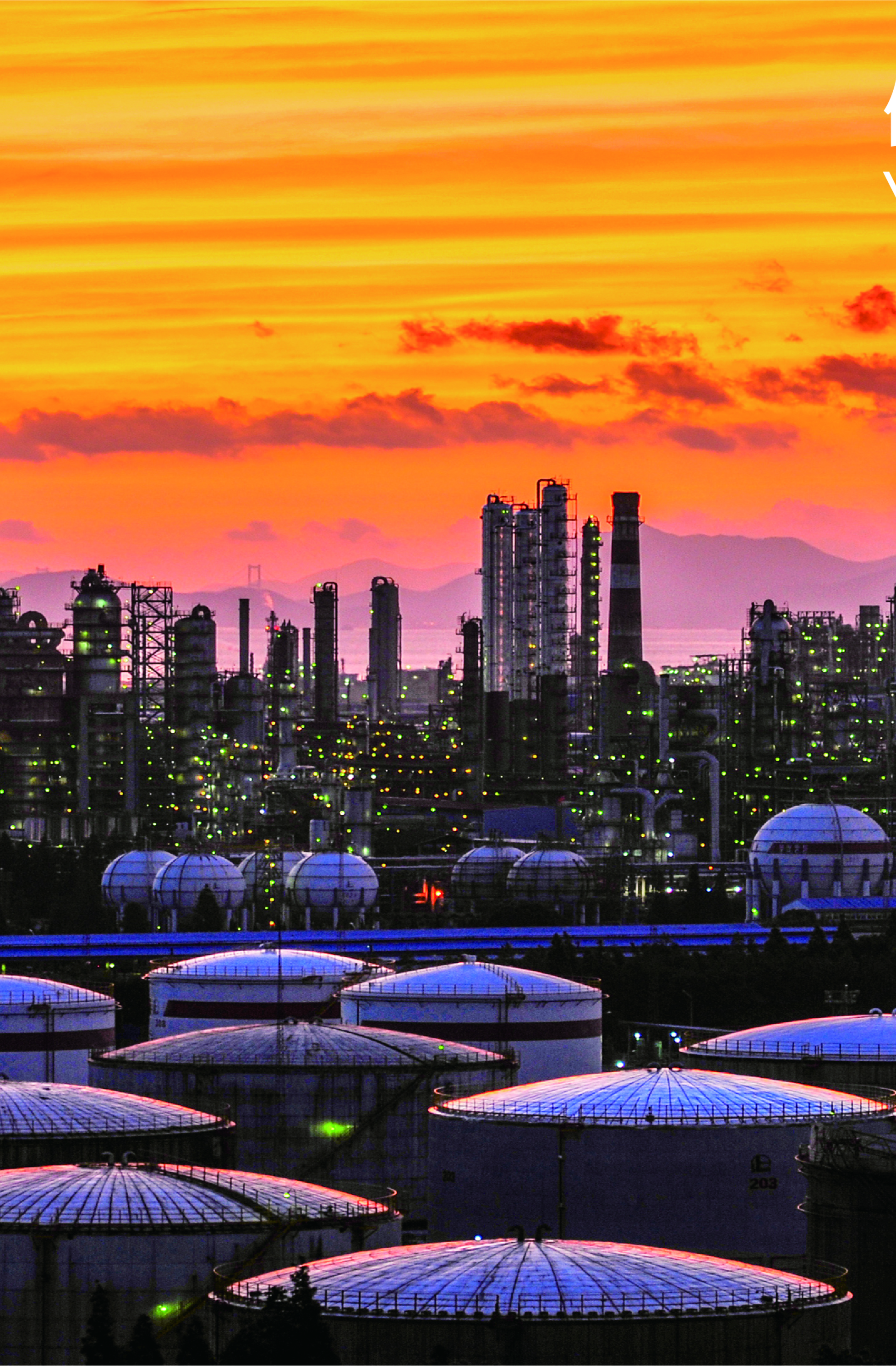
Grain dust and flour particles behave differently than most people expect. They accumulate in layers, drift into crevices, and under the right conditions, ignite with surprising force. The lighting in these facilities cannot be an afterthought. Every fixture becomes a potential ignition source if it is not designed to contain sparks, limit surface heat, and resist dust ingress. Getting this wrong means risking the kind of explosion that levels buildings and ends lives.
Safety Standards That Actually Matter for Grain and Flour Facilities
Explosion proof lighting in grain silos and flour mills must meet ATEX and IECEx certifications. These are not optional checkboxes. They define how equipment behaves in atmospheres where combustible dust is present. Dust ignition protection standards address the specific hazards of organic particles, which ignite at lower temperatures than many industrial gases.
The standards require equipment to prevent sparks from escaping enclosures, maintain surface temperatures below dust ignition thresholds, and resist the mechanical stresses of industrial operation. WAROM’s explosion proof lighting systems meet these requirements across multiple zone classifications. In the Tilenga project, our explosion proof lighting and electrical systems operated under extreme conditions with zero safety incidents, demonstrating what proper compliance looks like in practice.
Zone Classifications for Dust Environments
ATEX and IECEx directives divide hazardous areas into zones based on how often explosive atmospheres occur. For grain silos and flour mills, the relevant classifications are Zone 20, Zone 21, and Zone 22.
Zone 20 applies where combustible dust is present continuously or for extended periods. The interior of a silo or the inside of a dust collector falls into this category. Zone 21 covers areas where dust appears occasionally during normal operation, such as near conveyors or in milling areas. Zone 22 addresses locations where dust is present infrequently, like storage rooms or packaging zones.
| Zone Classification | Description for Dust Environments | Examples in Grain and Flour Facilities | Required Protection Level |
|---|---|---|---|
| Zone 20 | Continuous presence of combustible dust | Inside silos, dust collectors | High (e.g., ‘Ex tD A20’) |
| Zone 21 | Occasional presence of combustible dust | Near conveyors, milling areas | Enhanced (e.g., ‘Ex tD A21’) |
| Zone 22 | Infrequent presence of combustible dust | Storage areas, packaging zones | Normal (e.g., ‘Ex tD A22’) |
Selecting explosion proof light fittings without understanding these zone classifications leads to either inadequate protection or unnecessary expense. WAROM provides solutions for all three zones, matching protection levels to actual risk.
How Explosion Proof Light Fittings Prevent Dust Ignition
Explosion proof light fittings work through several mechanisms that address the specific ways dust explosions start.
The enclosure contains any internal spark or explosion. If an electrical fault occurs inside the fixture, the energy stays inside rather than reaching the surrounding dust cloud. Restricted breathing designs limit how much dust enters the luminaire over time. Even small amounts of dust inside a fixture can create problems if they accumulate on hot surfaces.
Surface temperature control is where many standard fixtures fail. Grain dust can ignite at temperatures as low as 200°C, and accumulated dust layers ignite at even lower temperatures. Explosion proof LED luminaires manage heat dissipation to keep all external surfaces well below these thresholds.
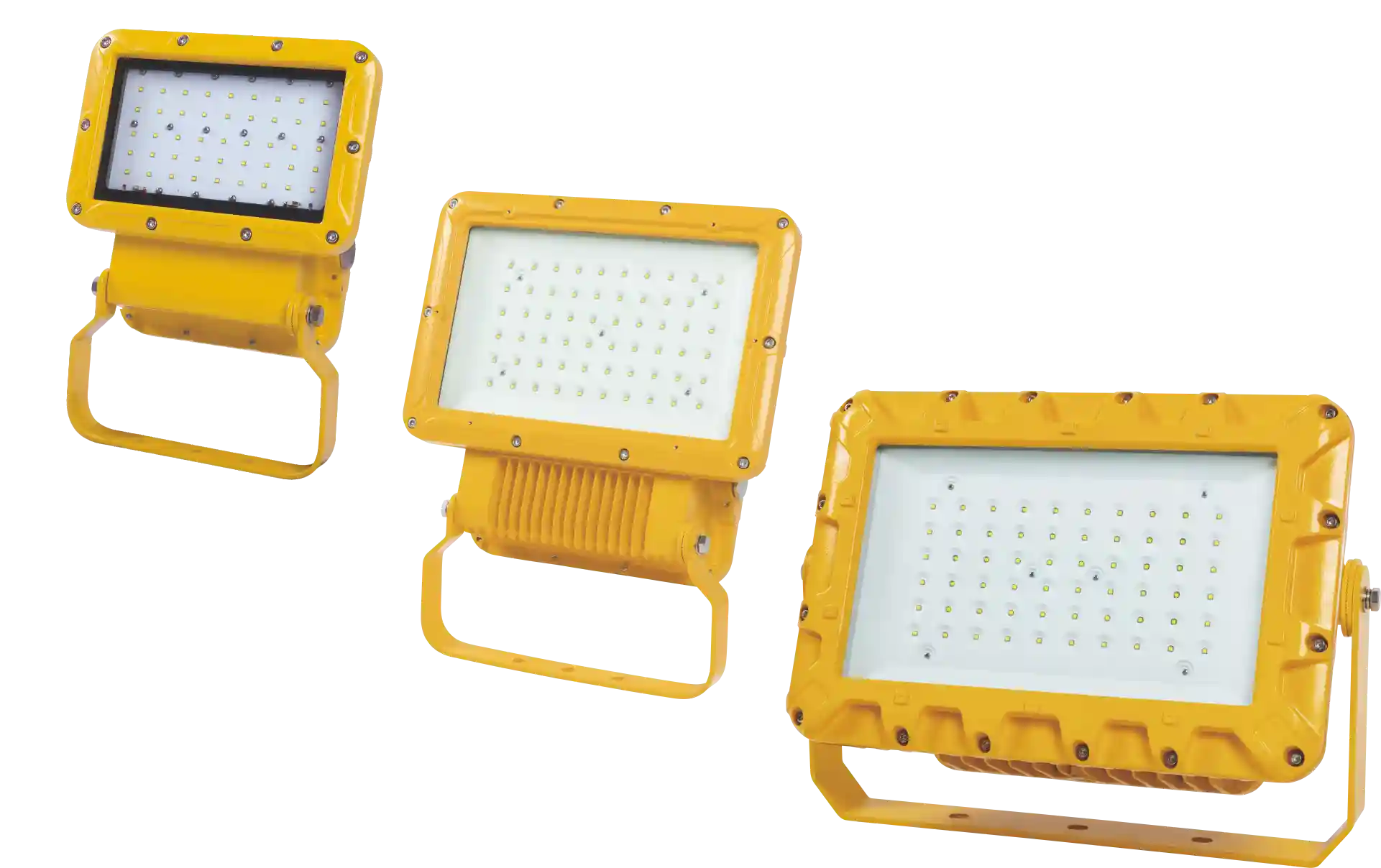
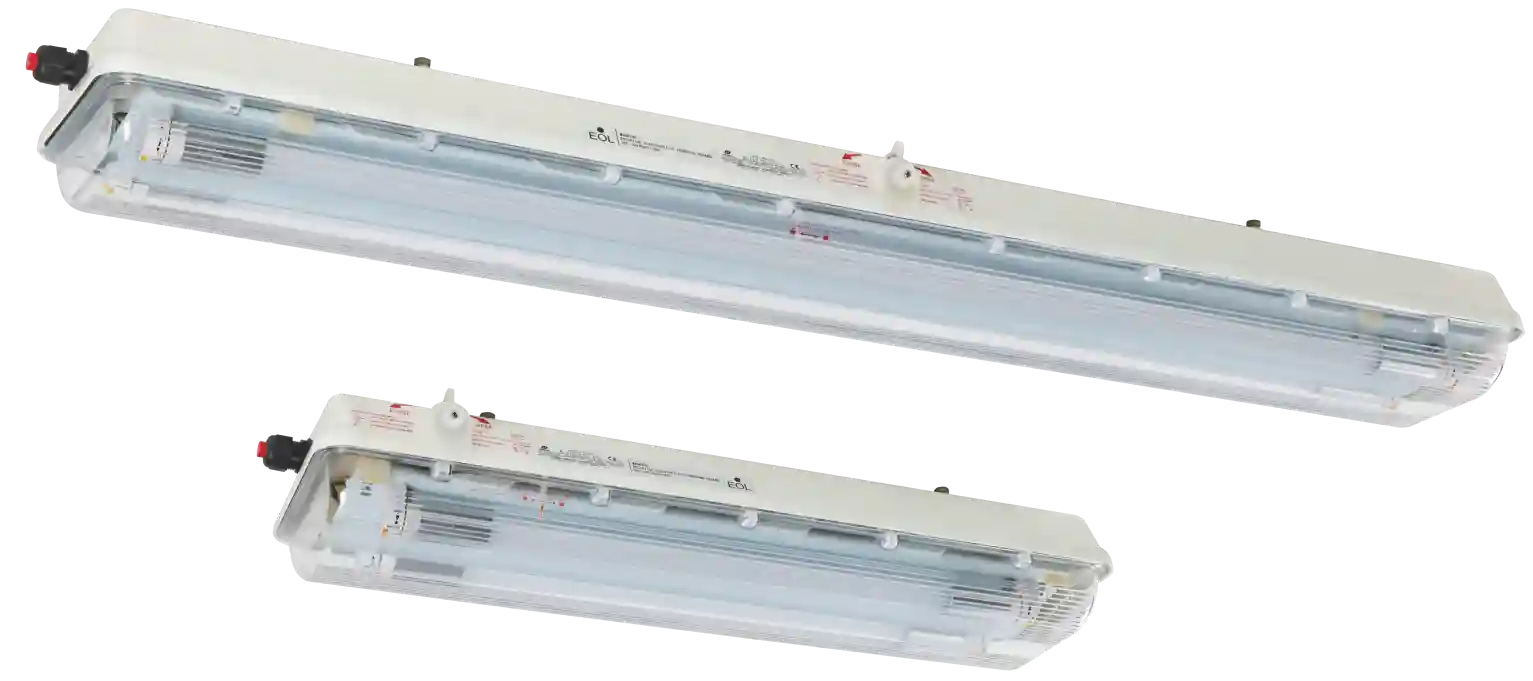
WAROM’s BAT86 Explosion-proof LED Floodlights and BAY51-Q Explosion-proof Corrosion-proof Plastic Light Fitting incorporate these features. The thermal management systems maintain safe surface temperatures even during extended operation. In the General Paint project, our electrical safety upgrades included explosion proof lighting alongside terminal boxes and distribution boxes, creating a comprehensive approach to hazard mitigation.
Visibility, Efficiency, and the Real Cost of Poor Lighting
Specialized lighting in grain silos and flour mills serves purposes beyond explosion prevention. Workers need to see clearly to monitor processes, identify equipment problems, and move safely through facilities. Poor visibility leads to errors, and errors in these environments can trigger the conditions that cause explosions.
WAROM’s explosion proof lighting solutions deliver energy efficiency that reduces operating costs over time. The LED technology in our led light fittings consumes less power than older lighting technologies while producing equivalent or better illumination. Corrosion resistant construction extends fixture lifespan, reducing replacement frequency and the maintenance downtime that comes with it.
Vibration resistance matters in facilities with conveyors, mills, and other heavy equipment. Fixtures that cannot withstand industrial vibration fail prematurely or develop faults that compromise their explosion protection. The Tilenga project demonstrated how our systems perform under demanding conditions without compromising safety or reliability.
For further insights into the benefits of specialized lighting, consider reading 《Explosion Proof LED Lighting Solutions for Hazardous Areas》.
Getting the Selection and Installation Right
Choosing explosion proof lighting starts with accurate hazardous area classification. The zone determines the protection type. The dust characteristics determine the temperature class. Getting either wrong creates a system that looks compliant but fails to provide actual protection.
WAROM’s approach begins with on-site diagnosis. We assess the specific conditions in each facility rather than applying generic solutions. This is how we approached the General Paint project, and it is how we handle every installation. The assessment identifies the required IP ratings for dust ingress protection and the appropriate temperature class for the specific dust present.
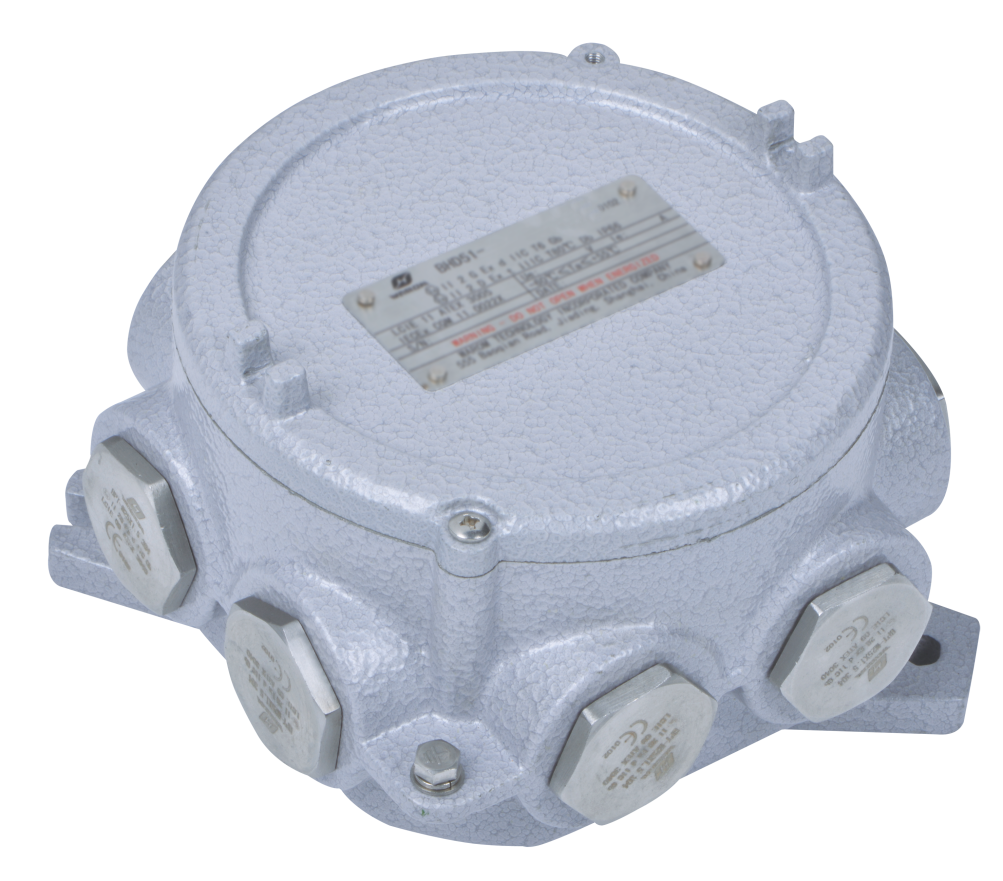
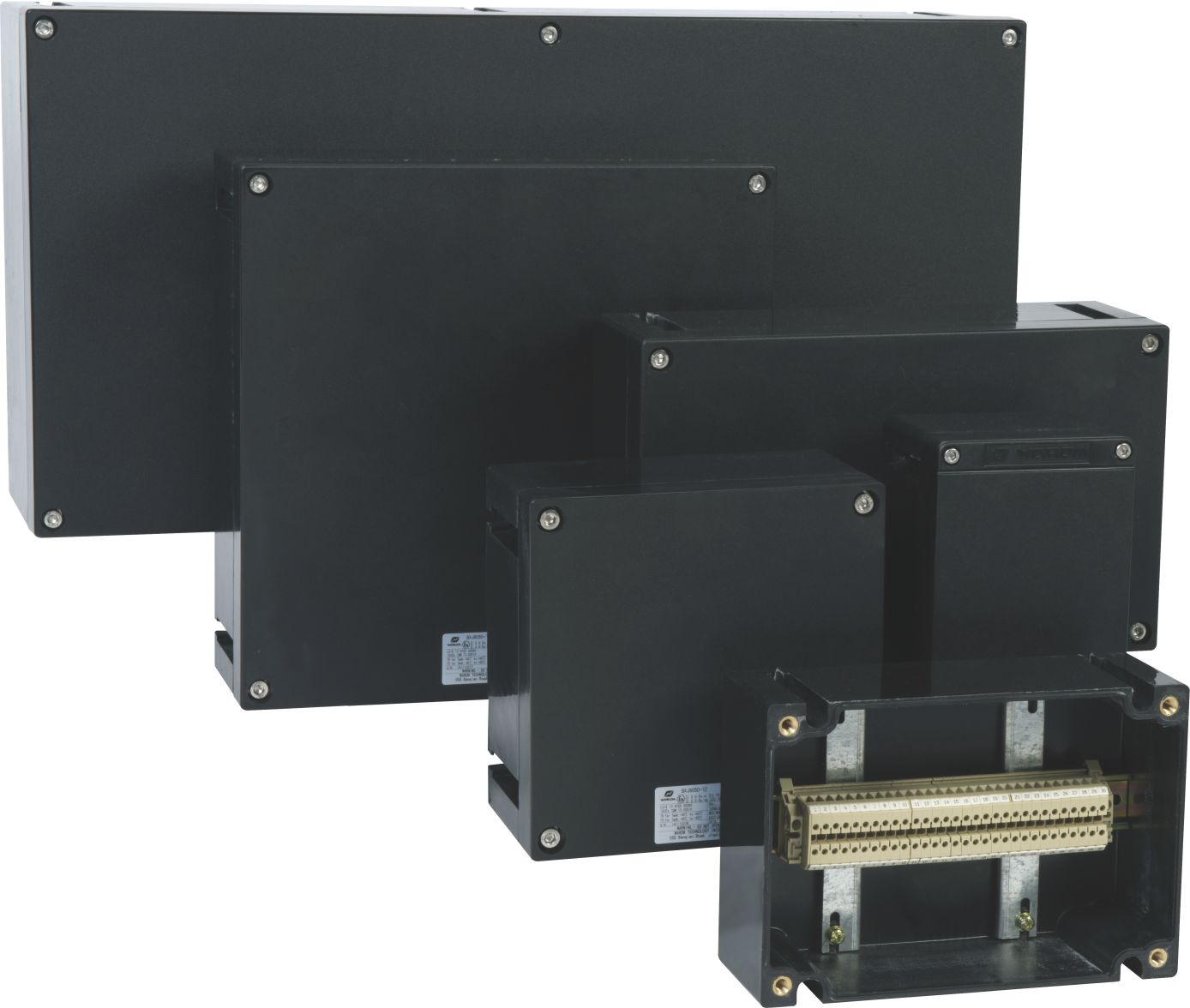
Our product range covers the full scope of explosion proof solutions. Explosion proof junction boxes, emergency lighting for hazardous locations, and specialized fittings for different zone classifications are all available. The Fushilai Pharmaceutical project demonstrated how coordinated project delivery ensures timely execution and long-term reliability.
Maintenance Practices That Preserve Protection
Explosion proof lighting requires ongoing attention to maintain its protective capabilities. Dust accumulation on fixture surfaces can cause overheating. Seal degradation allows dust ingress. Component wear can compromise enclosure integrity.
A practical maintenance schedule includes visual checks monthly, detailed inspections annually, and comprehensive overhauls every three to five years. Cleaning protocols must remove dust without damaging seals or protective coatings. Component replacement must use manufacturer-specified parts to maintain certification validity.
WAROM designs products for reduced maintenance needs, but no explosion proof luminaire is maintenance-free. Proper care extends fixture lifespan and ensures ongoing compliance with safety standards.
Partner with WAROM for Unparalleled Safety
Ensure unparalleled safety and operational excellence in your grain silos and flour mills. Partner with WAROM TECHNOLOGY INCORPORATED COMPANY for industry-leading explosion proof lighting and electrical systems. Our proven expertise and comprehensive solutions, backed by decades of innovation, guarantee compliance, reliability, and peace of mind. Contact us today to discuss your specific hazardous area lighting requirements and receive a tailored consultation. Email us at gm*@***om.com or call us at +86 21 39977076.
Frequently Asked Questions About Explosion Proof Lighting
What are the specific ATEX and IECEx zones for grain silos and flour mills?
Grain silos and flour mills fall under Zone 20, Zone 21, or Zone 22 depending on how frequently combustible dust is present. Zone 20 applies inside processing equipment where dust is continuous. Zone 21 covers areas like conveyor systems where dust appears during normal operation. Zone 22 addresses storage and packaging areas where dust is infrequent. Each zone requires explosion proof light fittings with corresponding protection levels, and using equipment rated for a lower-risk zone in a higher-risk area creates genuine danger.
How often should explosion proof lighting be inspected in dusty environments?
Monthly visual checks catch obvious problems like dust accumulation or physical damage. Annual detailed inspections verify seal integrity, electrical connections, and thermal performance. Comprehensive overhauls every three to five years address component wear and ensure explosion proof luminaires continue meeting certification requirements. These intervals assume normal operating conditions. Facilities with heavier dust loads or more aggressive environments may need more frequent attention.
Can standard LED lighting be modified for explosion proof applications in flour mills?
No. Explosion proof light fittings require specific engineering from the design stage. The enclosures, seals, thermal management systems, and electrical components all work together to prevent ignition. Modifying standard lighting cannot replicate this integrated protection. The resulting fixture would lack certification, violate safety regulations, and create real explosion risk. The cost savings from using modified standard fixtures disappear entirely when compared to the consequences of a dust explosion.
With over a decade of experience, he is a seasoned Explosion-Proof Electrical Engineer specializing in the design and manufacture of safety and explosion-proof products. He possesses in-depth expertise across key areas including explosion-proof systems, nuclear power lighting, marine safety, fire protection, and intelligent control systems. At Warom Technology Incorporated Company, he holds dual leadership roles as Deputy Chief Engineer for International Business and Head of the International R&D Department, where he oversees R&D initiatives and ensures the precise delivery of design documentation for international projects. Committed to advancing global industrial safety, he focuses on translating complex technologies into practical solutions, helping clients implement safer, smarter, and more reliable control systems worldwide.

Qi Lingyi