
NPT explosion-proof cable glands sit at the intersection of electrical safety and regulatory compliance in some of the most demanding industrial environments. Working across oil and gas facilities, petrochemical plants, and pharmaceutical operations in the US and Middle East, I’ve seen firsthand how these components determine whether an installation meets code or becomes a liability. The stakes are straightforward: these devices prevent flammable gases and dust from entering electrical enclosures, and when they fail or are improperly specified, the consequences range from costly shutdowns to catastrophic incidents.
Regional Standards Shape Every Specification Decision
Compliance requirements for NPT explosion-proof cable glands vary significantly between the US and Middle East markets, and understanding these differences is fundamental to successful project execution.
The US market operates primarily under UL standards, which focus on electrical safety and product performance testing. Middle Eastern projects typically require ATEX certification (originating from European Union directives) and IECEx certification for international hazardous area applications. These aren’t interchangeable frameworks—each dictates specific design parameters, testing protocols, and installation requirements.
| Certification Body | Region Covered | Key Focus |
|---|---|---|
| UL | US, Canada | Electrical safety, product performance |
| ATEX | European Union | Equipment for explosive atmospheres |
| IECEx | International | Global hazardous area certification |
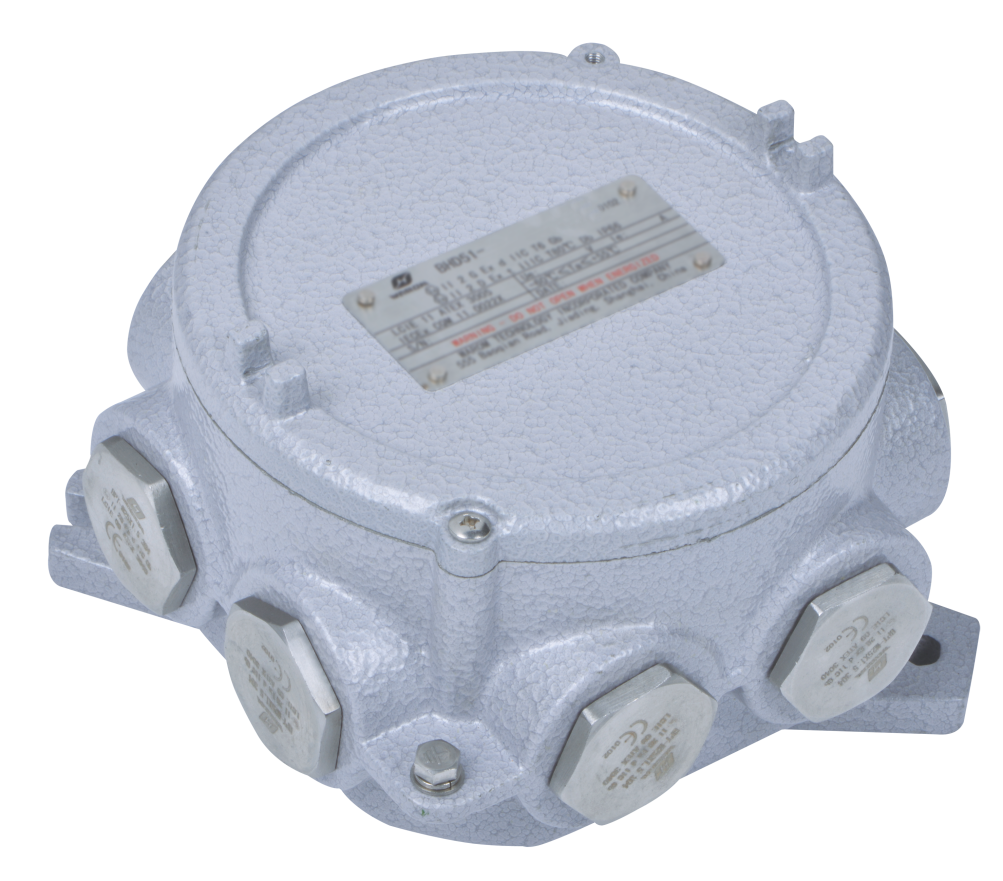
These certifications determine suitability for specific gas group classifications and temperature ratings. During a project for General Paint, WAROM identified significant electrical safety hazards that stemmed from non-compliant equipment selection. Resolving those issues required implementing properly certified explosion-proof solutions—a process that reinforced why regulatory adherence matters beyond paperwork. It directly prevents incidents.
Technical Specifications That Determine Field Performance
Selecting the correct NPT explosion-proof cable gland requires evaluating multiple technical factors simultaneously. Material selection drives corrosion resistance, particularly in coastal Middle Eastern installations or chemical processing environments where aggressive atmospheres degrade standard materials within months.
Ingress protection ratings define how well the gland resists dust and moisture penetration. Cable retention mechanisms must secure conductors against pull-out forces while maintaining the enclosure’s pressure integrity. Temperature ratings establish operational limits—exceed them, and the sealing compounds may fail.
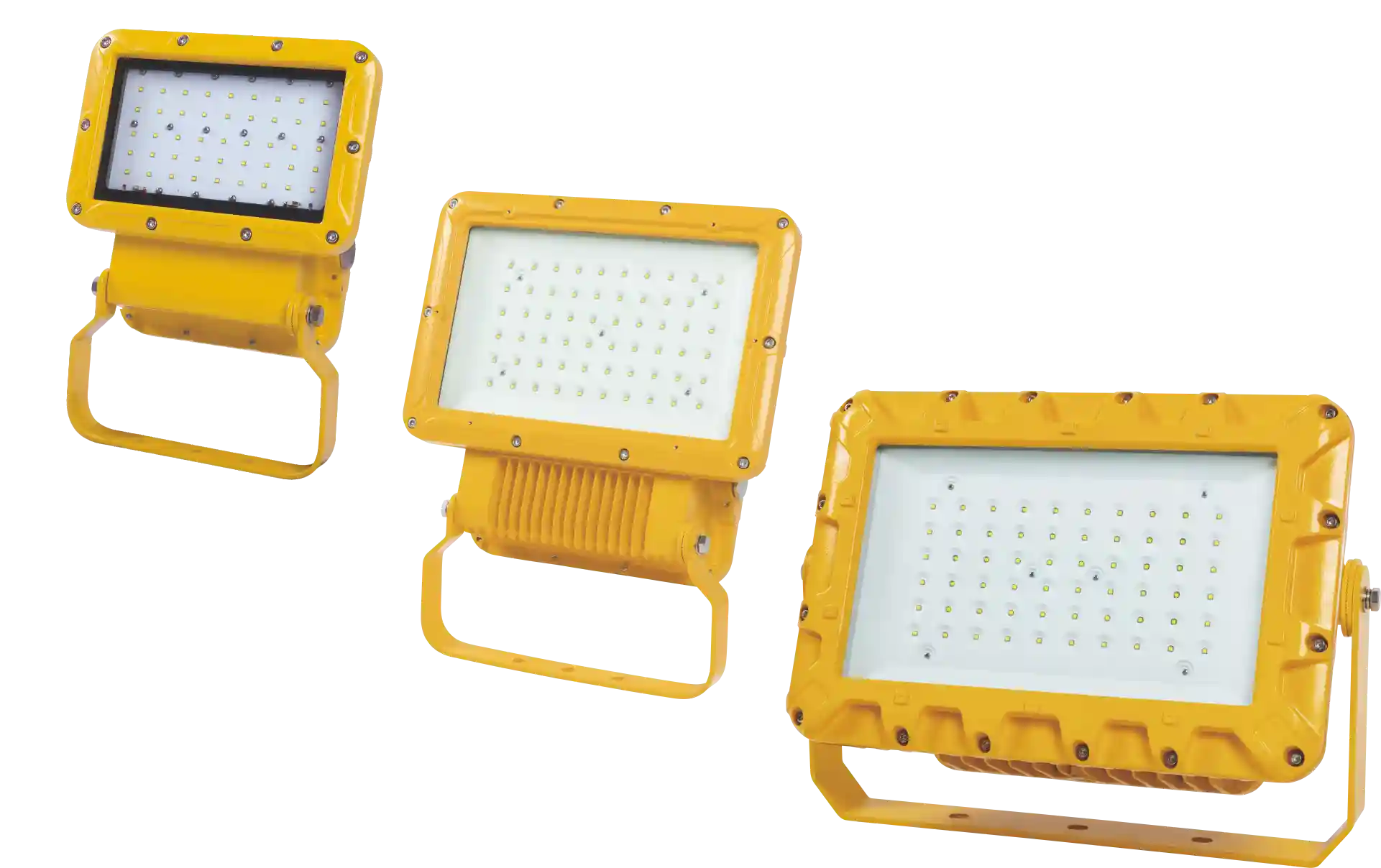
The Tilenga project in Uganda presented extreme conditions that tested these specifications thoroughly. WAROM supplied explosion-proof lighting and electrical systems for the installation, and the results validated the selection process: zero safety incidents, sustained energy efficiency, and minimal maintenance requirements over the operational period. That outcome depended on matching NPT cable gland specifications to actual field conditions rather than defaulting to standard selections.
Installation procedures matter as much as product selection. Improper torque, incorrect thread engagement depth, or damaged sealing surfaces compromise explosion protection properties regardless of how well the gland was specified.
What are the key differences between NPT and Metric cable glands for hazardous areas?
NPT threads are tapered, creating a pressure-tight seal through thread interference when properly tightened. This design is standard across North American installations. Metric threads are parallel and depend on washers or O-rings for sealing, which is the common approach in Europe and most Middle Eastern applications.
Choosing the wrong thread type creates immediate compatibility problems. Beyond mechanical fit, the sealing mechanism differs fundamentally—NPT relies on thread deformation while metric systems rely on compression seals. Mixing these approaches or using adapters in hazardous locations introduces potential failure points that can compromise the entire enclosure’s certification status.
How NPT Cable Glands Maintain Enclosure Integrity
NPT explosion-proof cable glands serve a specific function within the broader explosion protection strategy: they maintain the integrity of enclosures designed to contain internal explosions and prevent flame propagation to external atmospheres.
The mechanism is straightforward. If an ignition occurs inside an explosion-proof enclosure, the gland must prevent flames from escaping through the cable entry point. Simultaneously, it must prevent external flammable atmospheres from entering the enclosure where electrical arcing or heat sources exist.
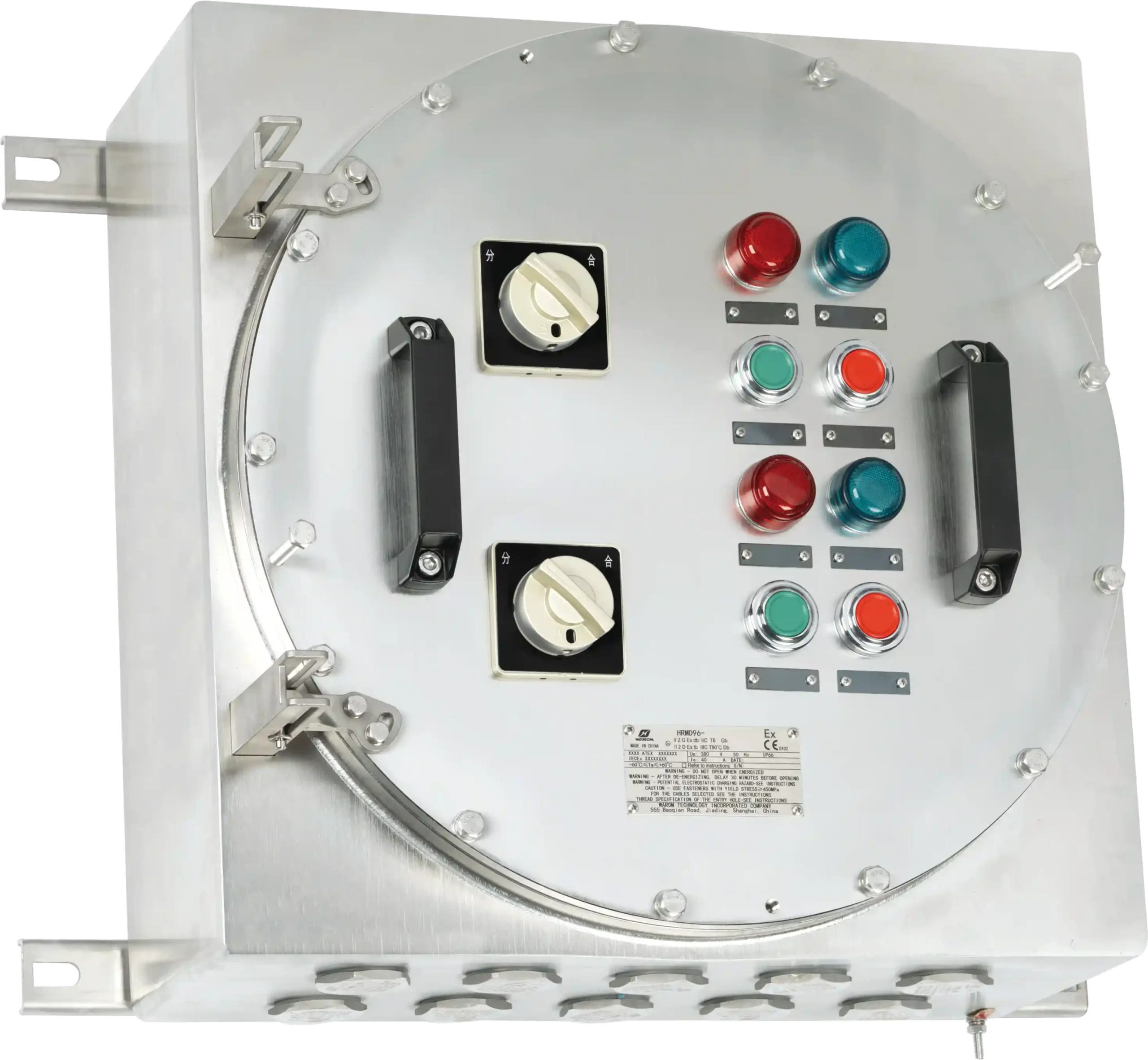
The Fushilai Pharmaceutical project demonstrated how this protection integrates into larger system design. WAROM provided explosion-proof equipment including distribution boxes for a new facility, coordinating with all stakeholders early in the project timeline. That early engagement allowed proper specification of NPT cable glands matched to the specific pharmaceutical environment—where both flammable solvents and strict cleanliness requirements influenced material and design choices.
Long-term operational reliability depends on this integration. A single improperly installed cable gland can invalidate an entire enclosure’s protection rating, creating compliance violations and genuine safety risks.
How do NPT explosion-proof cable glands contribute to overall project safety and compliance?
These components prevent flame propagation through cable entry points by maintaining tight clearances and sufficient flame path lengths. They contain pressure from internal explosions and preserve the environmental seal that keeps flammable atmospheres outside the enclosure.
The contribution to compliance is direct: regulatory frameworks specify cable entry requirements, and NPT explosion-proof cable glands meeting relevant certifications satisfy those requirements. Without properly certified glands, the entire installation may fail inspection regardless of how well other components perform.
Supply Chain and Technical Support Realities
Global projects in hazardous environments face procurement challenges that extend beyond product selection. Lead times, regional availability, and technical support access all affect project timelines and outcomes.
WAROM maintains supply chain infrastructure supporting both US and Middle Eastern markets, with technical teams capable of addressing regional specification requirements. This matters when projects encounter unexpected conditions or require rapid response to field issues.
The General Paint project illustrated the value of on-site technical capability. Diagnosing electrical safety hazards required physical inspection and customer education about proper explosion-proof practices. That hands-on approach resolved immediate problems and established procedures that prevented recurrence—a pattern that applies across hazardous area installations where theoretical knowledge must translate into practical implementation.
Which certifications are essential for explosion-proof cable glands in US and Middle East markets?
US installations require UL certification as the baseline, with CSA certification necessary for Canadian projects. Middle Eastern markets typically mandate IECEx certification, with ATEX requirements common due to European equipment prevalence in the region.
Local variations exist. Some Middle Eastern countries maintain additional certification requirements or recognize specific testing laboratories. Confirming exact requirements with local authorities having jurisdiction prevents costly delays when equipment arrives on site.
Contact WAROM for Your Hazardous Area Solutions
For NPT explosion-proof cable gland solutions supporting US or Middle East projects, contact WAROM TECHNOLOGY INCORPORATED COMPANY. Technical consultation is available for hazardous area specification and compliance requirements. Email: gm*@***om.com, Tel: +86 21 39977076.
FAQ
What are the primary applications for NPT explosion-proof cable glands in the US and Middle East?
Oil and gas facilities, petrochemical processing plants, pharmaceutical manufacturing, and mining operations represent the primary application areas. These industries operate environments where flammable gases, vapors, or combustible dusts create explosion risks. NPT explosion-proof cable glands terminate electrical cables into enclosures while maintaining the protection rating necessary for these classified locations. The specific gas groups and dust classifications vary by facility, requiring matched cable gland specifications.
How does WAROM ensure compliance of its NPT explosion-proof cable glands with regional standards?
WAROM designs and tests NPT explosion-proof cable glands against UL requirements for North American markets and ATEX/IECEx standards for Middle Eastern and international applications. Engineering teams maintain current knowledge of regulatory updates, and quality control processes verify that production units match certified designs. This approach provides documented compliance that simplifies project approval processes and ensures field installations meet applicable safety regulations.
What factors should be considered when specifying NPT explosion-proof cable glands for extreme environments?
Material selection for corrosion resistance ranks first—stainless steel or specialized alloys may be necessary for coastal or chemically aggressive environments. IP ratings must match actual dust and moisture exposure levels. Temperature range specifications must encompass both ambient extremes and heat generated by enclosed equipment. Cable retention force requirements depend on cable weight, routing, and potential mechanical stresses. Gas group and temperature class ratings must match the specific hazardous classification of the installation area.
If you’re interested, you may want to read the following articles:
Explosion Proof Emergency Exit Light Fittings for Industrial Safety
Local Caution Spotlights: Enhancing Safety in Hazardous Zones
Explosion Proof Emergency LED Light Fittings: A Comprehensive Guide
Ensuring Safety: The Indispensable Role of Explosion Proof Fluorescent Lamps
With over a decade of experience, he is a seasoned Explosion-Proof Electrical Engineer specializing in the design and manufacture of safety and explosion-proof products. He possesses in-depth expertise across key areas including explosion-proof systems, nuclear power lighting, marine safety, fire protection, and intelligent control systems. At Warom Technology Incorporated Company, he holds dual leadership roles as Deputy Chief Engineer for International Business and Head of the International R&D Department, where he oversees R&D initiatives and ensures the precise delivery of design documentation for international projects. Committed to advancing global industrial safety, he focuses on translating complex technologies into practical solutions, helping clients implement safer, smarter, and more reliable control systems worldwide.
Qi Lingyi