
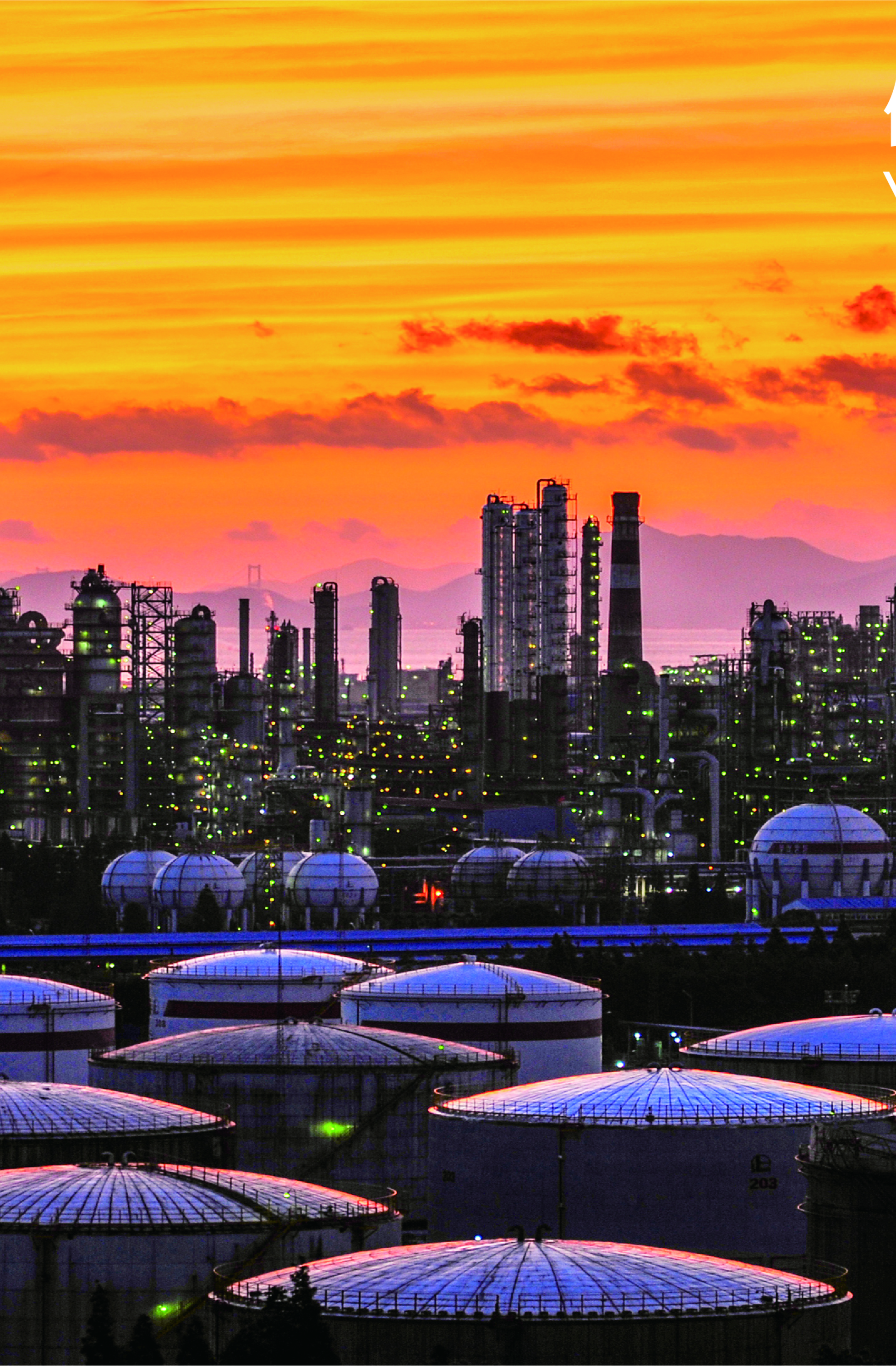
Working in industrial settings, you quickly learn that electrical equipment either survives the environment or becomes an expensive problem. Weatherproof IP66 electrical enclosures sit at the center of that equation. They keep dust out completely and shrug off powerful water jets—conditions that would destroy unprotected systems within weeks. The difference between a properly rated enclosure and a marginal one shows up in maintenance logs, replacement budgets, and sometimes in incident reports nobody wants to file.
What the IP66 Rating Actually Means for Equipment Protection
The Ingress Protection rating system follows IEC standard 60529, which classifies how well enclosures defend against physical intrusion and environmental exposure. An IP66 rating breaks down into two numbers, each carrying specific meaning. The first digit ‘6’ indicates complete dust-tightness—no particles get through, period. The second digit ‘6’ means the enclosure withstands powerful water jets projected from any direction without allowing moisture inside.
| IP Rating | First Digit (Solids Protection) | Second Digit (Liquids Protection) |
|---|---|---|
| IP0X | No protection | No protection |
| IP1X | >50mm | Dripping water |
| IP2X | >12.5mm | Dripping water (tilted 15°) |
| IP3X | >2.5mm | Spraying water |
| IP4X | >1mm | Splashing water |
| IP5X | Dust protected | Water jets |
| IP66 | Dust-tight | Powerful water jets |
| IP67 | Dust-tight | Temporary immersion (1m, 30min) |
| IP68 | Dust-tight | Continuous immersion (specified) |
This protection level directly affects how long electrical components last and how often maintenance crews need to intervene. Dust infiltration causes overheating and short circuits. Water intrusion corrodes connections and damages sensitive electronics. The IP66 standard addresses both failure modes simultaneously, which explains why it has become the baseline requirement for serious industrial applications.
Where IP66 Weatherproof Electrical Enclosures Prove Their Worth
Oil and gas operations, chemical processing facilities, pharmaceutical manufacturing plants, and mining sites all share a common challenge: their environments actively attack electrical systems. Airborne particulates, wash-down procedures, weather exposure, and process chemicals create conditions that would compromise lesser enclosures within months.
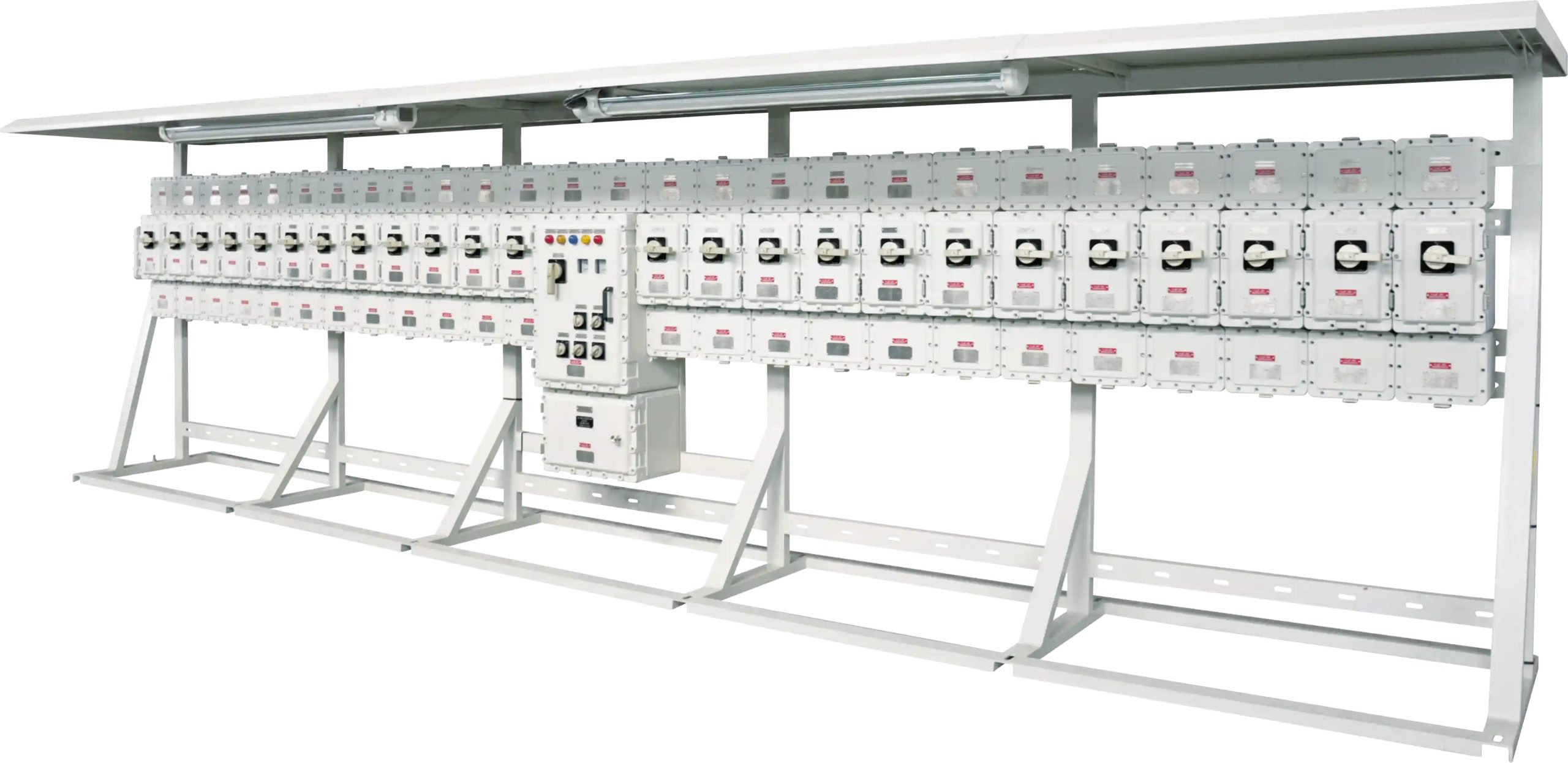
The Tilenga project in Uganda illustrates what proper protection looks like in practice. WAROM supplied explosion-proof lighting and electrical systems for wellpads, a Central Processing Facility, and pipeline infrastructure. Many installations sat within Murchison Falls National Park, where environmental conditions demanded equipment that could handle both the climate and the regulatory scrutiny. The project achieved zero safety incidents—a result that reflects equipment reliability as much as operational discipline.
Combining IP66 Protection with Explosion-Proof Design
Hazardous areas require enclosures that do more than keep water and dust out. When flammable gases, vapors, or combustible dusts are present, the enclosure must also contain any internal ignition and prevent it from reaching the surrounding atmosphere. This dual requirement—environmental sealing plus explosion containment—drives the design of equipment certified for Zone 1, 2, 21, and 22 locations.
The Tilenga project demanded exactly this combination. Integrated explosion-proof lighting and electrical systems provided IP66 environmental protection while meeting ATEX and IECEx certification requirements. Products like the explosion proof camera BJK-S/G and explosion proof light fittings explosion proof marine products such as the HDL-C Helideck Explosion-proof Light carry IP66 or higher ratings specifically because their intended applications tolerate nothing less.
Material Selection Determines Long-Term Performance
The enclosure material affects corrosion resistance, weight, thermal behavior, and cost. Each option involves tradeoffs that should match the specific installation environment.
| Material | Pros | Cons | Typical Applications |
|---|---|---|---|
| Stainless Steel | Excellent corrosion resistance, durable | Heavy, higher cost, can be thermally conductive | Chemical plants, marine, food processing |
| Fiberglass (GRP) | Lightweight, good chemical resistance, non-conductive | Less impact resistant than metal, UV degradation possible | Water treatment, corrosive environments, outdoor |
| Aluminum | Lightweight, good thermal conductivity, cost-effective | Less corrosion resistant than stainless steel, softer | General industrial, outdoor (with proper coating) |
Beyond the enclosure body, cable glands determine whether the IP66 rating holds at entry points. A perfectly sealed enclosure becomes useless if cables compromise the boundary. Mounting configurations and customization options also matter for field installation practicality.
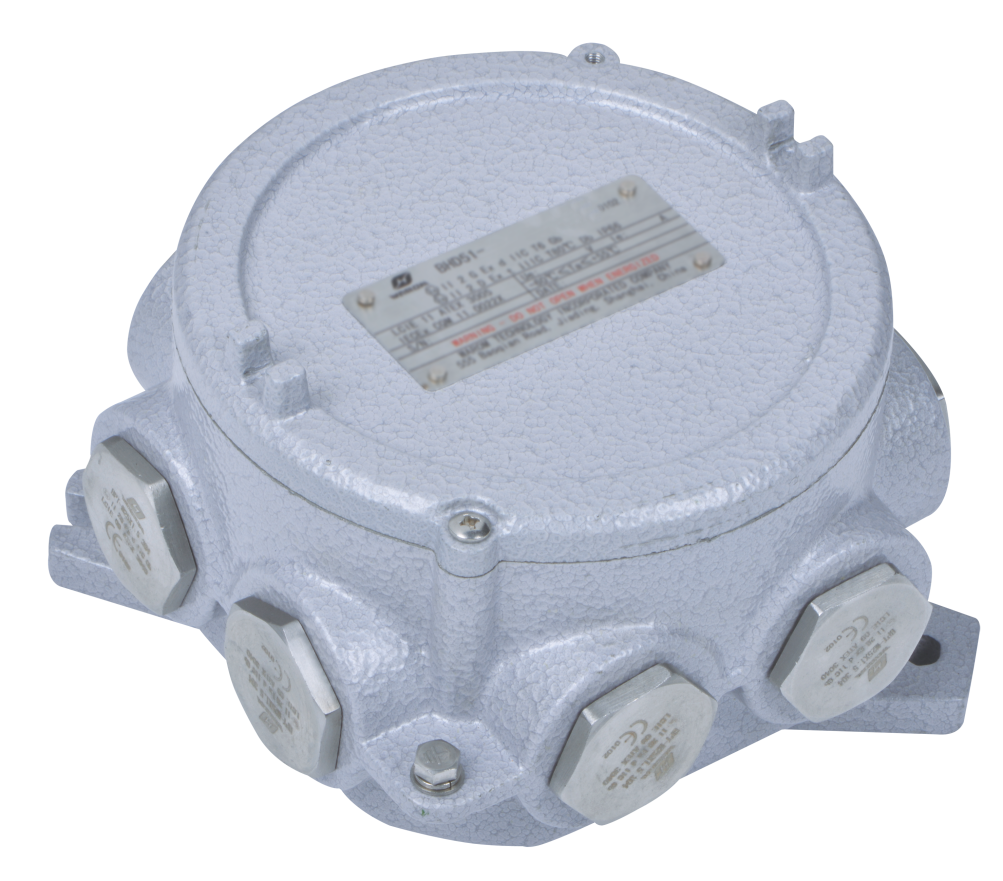
The BHD91 Series Explosion-proof Junction Boxes use high-strength copper-free aluminum alloy, balancing weight against durability while maintaining IP66 protection. The BXJ8050 Series Terminal Boxes take a different approach with GRP construction, which offers better chemical resistance for certain process environments.
The General Paint case study shows why material selection requires site-specific analysis. This medium-sized chemical plant faced both flammable gas and dust risks. The solution included anti-corrosion equipment alongside gas detectors and plug and sockets—a combination that addressed the actual hazards present rather than applying a generic specification.
Which Materials Work Best in Corrosive Environments?
For aggressive chemical exposure or saltwater conditions, 316L stainless steel typically offers the best longevity for IP66 weatherproof electrical enclosures. Its chromium and molybdenum content provides superior resistance to pitting and crevice corrosion. Fiberglass performs well against many chemicals while reducing weight, making it practical for certain mounting situations. Aluminum can work in moderately corrosive settings if properly coated, though it requires more attention to surface preparation and maintenance. The General Paint project specifically called out anti-corrosion equipment requirements, reflecting how material choices flow directly from environmental analysis.
Maintaining IP66 Protection Over the Equipment Lifecycle
Installation quality and ongoing maintenance determine whether an enclosure maintains its rated protection. Shortcuts during installation or neglected inspections create vulnerabilities that worsen over time.
Installation: Seat all seals correctly and tighten cable glands to specified torque values. Using the wrong tools or rushing this step damages components and compromises the seal from day one.
Routine Inspection: Check enclosures regularly for wear, corrosion, or damage to seals and gaskets. Look for loose fasteners and verify that cable entries remain intact.
Cleaning: Use cleaning methods appropriate for the enclosure material. Harsh chemicals can degrade protective coatings or attack seal materials.
Seal Replacement: Replace worn or damaged seals promptly. Waiting until the next scheduled maintenance window often means operating with compromised protection.
Cable Gland Integrity: Verify that cable glands remain secure and undamaged. These entry points represent the most common failure location for environmental protection.
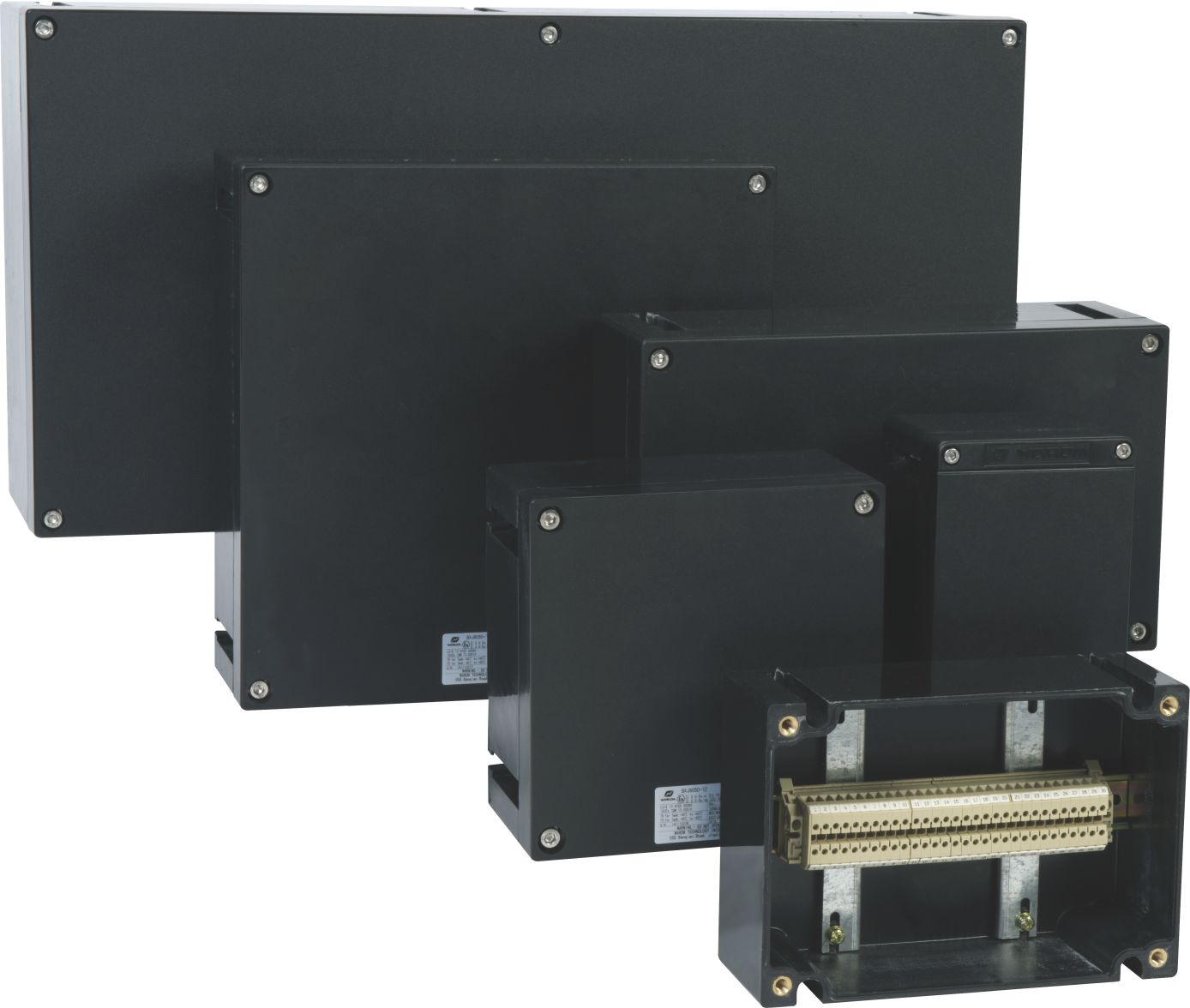
The Fushilai Pharmaceutical CM/CDMO Construction Project demonstrated how professional support affects outcomes. WAROM supplied explosion-proof equipment including distribution boxes for multiple critical areas. The project’s success depended on technical support that ensured proper installation and commissioning—expertise that prevented problems rather than responding to them.
How IP66 Compares to Other Protection Standards
Understanding where IP66 sits relative to other ratings helps match enclosure specifications to actual site conditions.
| Rating | Dust Protection | Water Protection |
|---|---|---|
| IP65 | Dust-tight | Protected against low-pressure water jets |
| IP66 | Dust-tight | Protected against powerful water jets |
| IP67 | Dust-tight | Protected against temporary immersion (1m, 30min) |
| IP68 | Dust-tight | Protected against continuous immersion (specified) |
| NEMA 4 | Dust, dirt, fiber, lint, splashing water, hose-directed water | Protected against rain, sleet, snow, external ice formation |
| NEMA 4X | Same as NEMA 4, plus corrosion resistant | Same as NEMA 4, plus corrosion resistant |
IP66 handles most industrial wash-down scenarios and outdoor exposure. Applications involving potential submersion—even temporary—need IP67 or IP68. NEMA 4X often appears in North American specifications and roughly corresponds to IP66 with added corrosion resistance requirements.
WAROM’s Track Record with IP66 and Explosion-Proof Systems
WAROM TECHNOLOGY INCORPORATED COMPANY has operated in the explosion-proof industry since 1987, covering product development, manufacturing, and field support. The company holds certifications including EU ATEX, IECEx, UL, CCS, BV, LCIE, PTB, Nemko, and DNV—credentials that reflect third-party verification of design and manufacturing quality.
Project experience demonstrates capability better than specifications alone. The Tilenga project delivered explosion-proof lighting and electrical systems with zero safety incidents across challenging environmental conditions. The General Paint installation addressed specific chemical plant hazards through customized explosion-proof and anti-corrosion solutions. The Fushilai Pharmaceutical project showed coordination capability across complex industrial construction timelines.
Products like the BAT86 Explosion-proof LED Floodlights and BAY51-Q Explosion-proof Corrosion-proof Plastic Light Fitting carry IP66 protection with WF2 corrosion resistance ratings. The BCZ8060 Series Explosion-proof Plugs and Sockets and DQM-III/II Series Explosion Proof cable glands maintain IP66 ratings at critical connection points. These components work together as systems rather than isolated products.
Start a Conversation About Your Project Requirements
WAROM TECHNOLOGY INCORPORATED COMPANY brings over 35 years of experience to explosion-proof and weatherproof IP66 electrical enclosure applications. Contact the team at +86 21 39977076 or gm*@***om.com to discuss how specific site conditions and operational requirements should shape equipment selection.
Frequently Asked Questions About IP66 Electrical Enclosures
What specific benefits do IP66 enclosures provide in extreme industrial conditions?
IP66 weatherproof electrical enclosures deliver complete dust exclusion and protection against powerful water jets—the two environmental threats that cause most electrical equipment failures in industrial settings. This protection prevents overheating from dust accumulation, eliminates corrosion from moisture intrusion, and maintains insulation integrity. The practical results show up as reduced unplanned downtime, lower replacement costs, and compliance with safety requirements in offshore platforms, chemical plants, and mining operations.
How does an IP66 rating compare to other enclosure protection standards?
IP66 provides dust-tight sealing (first digit ‘6’) and protection against powerful water jets from any direction (second digit ‘6’). This exceeds IP65, which only handles low-pressure water jets, but falls short of IP67’s temporary immersion protection or IP68’s continuous submersion capability. NEMA 4X serves as a rough North American equivalent for outdoor and corrosive applications, though the testing methods differ between standards.
What materials work best for IP66 weatherproof electrical enclosures in corrosive environments?
316L stainless steel typically provides the best performance for IP66 weatherproof electrical enclosures facing aggressive chemical exposure or marine conditions. Its alloy composition resists pitting and crevice corrosion that would compromise other materials. Fiberglass offers good chemical resistance with weight advantages for certain mounting situations. Aluminum requires protective coatings for corrosive service but can be cost-effective in less aggressive environments when properly specified.
With over a decade of experience, he is a seasoned Explosion-Proof Electrical Engineer specializing in the design and manufacture of safety and explosion-proof products. He possesses in-depth expertise across key areas including explosion-proof systems, nuclear power lighting, marine safety, fire protection, and intelligent control systems. At Warom Technology Incorporated Company, he holds dual leadership roles as Deputy Chief Engineer for International Business and Head of the International R&D Department, where he oversees R&D initiatives and ensures the precise delivery of design documentation for international projects. Committed to advancing global industrial safety, he focuses on translating complex technologies into practical solutions, helping clients implement safer, smarter, and more reliable control systems worldwide.

Qi Lingyi