
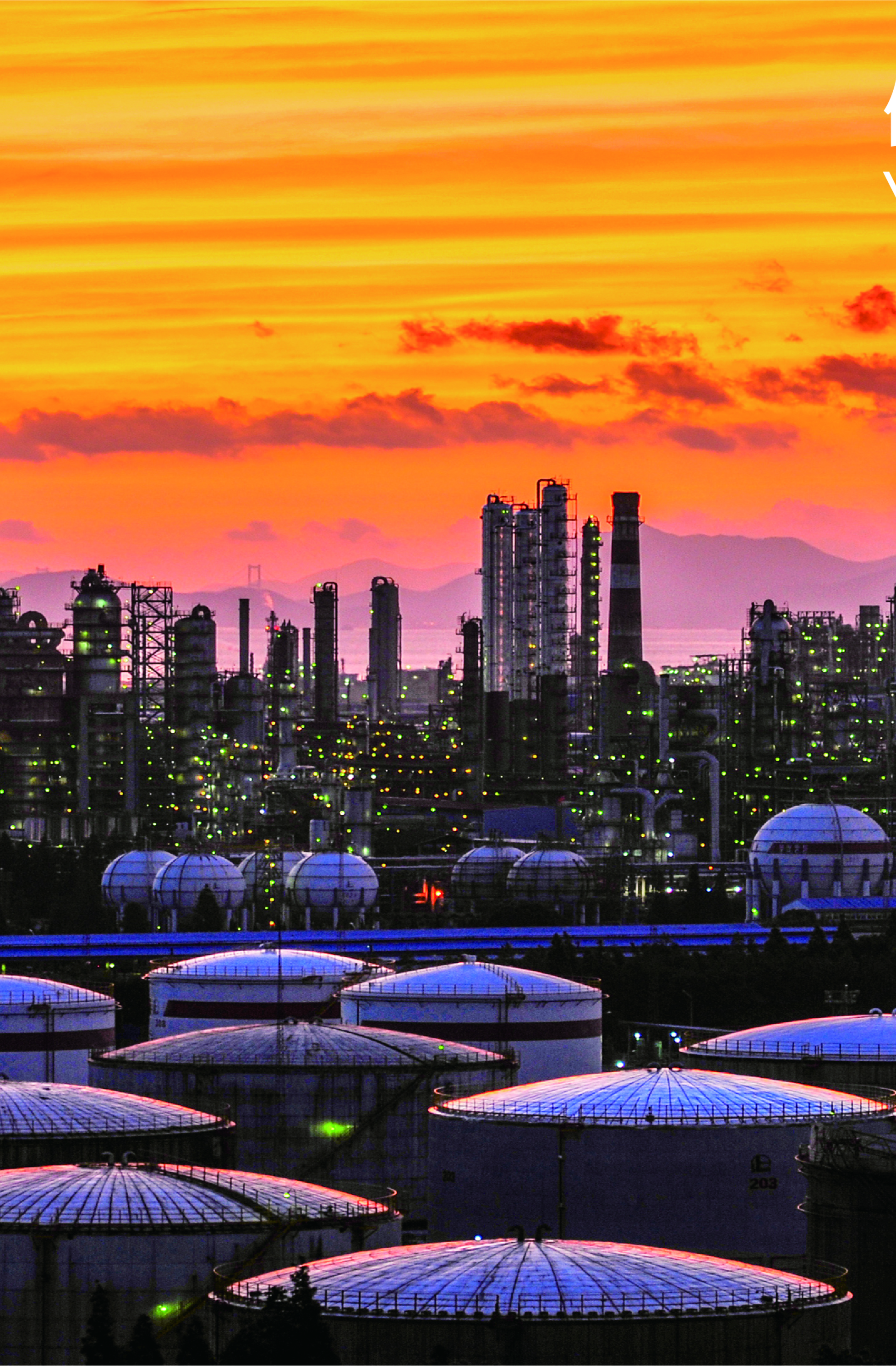
LNG terminals demand lighting systems that do more than illuminate. When flammable cryogenic gases are present, every luminaire becomes a potential ignition source or a safeguard against catastrophe. Explosion-proof high mast lighting serves both roles: it provides the visibility operators need for safe work, maintenance, and security while eliminating ignition risks that standard fixtures would introduce. The stakes are straightforward. A single spark in a Zone 1 area can trigger an event that shuts down operations for months. Reliable lighting is not an operational convenience but a core safety control.
Why Standard Lighting Fails in LNG Terminal Hazardous Zones
LNG terminals present classification challenges that many industrial sites do not. Natural gas, even in small concentrations, can ignite catastrophically if it contacts an ignition source. Terminal operators classify areas into Zones based on how likely explosive gas mixtures are to occur. Zone 1 areas expect such mixtures during normal operation. Zone 2 areas consider them possible but less frequent. Standard industrial lighting cannot operate safely in either classification because conventional fixtures generate heat, arcing, and surface temperatures that exceed the auto-ignition threshold of methane.
The Tilenga project in Uganda illustrates what proper classification and equipment selection look like in practice. That installation included wellpads and a Central Processing Facility within Murchison Falls National Park, where both safety and environmental sensitivity were non-negotiable. The project achieved zero safety incidents because every electrical system, including lighting, matched the hazardous area classification of its installation zone. That outcome required equipment designed from the ground up for explosive atmospheres, not standard fixtures retrofitted with explosion-proof labels.
| Hazardous Area Zone | Description | Typical Risk |
|---|---|---|
| Zone 1 | Explosive gas mixtures likely during normal operation | High ignition risk from any unprotected electrical equipment |
| Zone 2 | Explosive gas mixtures possible but not expected during normal operation | Moderate ignition risk requiring certified equipment |
What Makes High Mast Lighting Survive LNG Terminal Conditions
Coastal LNG facilities subject lighting systems to conditions that destroy conventional equipment within months. High winds, salt spray, heavy precipitation, and continuous vibration from rotating machinery all attack structural integrity. High mast lighting designed for these environments uses copper-free aluminum alloy housings and stainless steel fasteners specifically because these materials resist the corrosion that would compromise a standard fixture.
Vibration presents a particular challenge. Compressors, pumps, and loading equipment generate continuous mechanical stress that loosens fasteners, fatigues mounting brackets, and eventually causes structural failure. Explosion-proof high mast systems incorporate dampening mechanisms and reinforced mounting hardware that maintain structural integrity over years of continuous operation.
Thermal management separates reliable explosion-proof LED lighting from equipment that fails prematurely or creates new hazards. High-power LEDs generate significant heat during operation. In a hazardous area, that heat must be dissipated effectively enough to keep external surface temperatures below the auto-ignition temperature of surrounding gases. Advanced heat sink designs accomplish this, but the engineering requires careful attention to material selection, surface area, and airflow patterns. The Tilenga project demonstrated that properly engineered thermal management delivers consistent performance even in demanding operational environments.
Optical design matters for operational effectiveness. LNG terminals cover vast areas where shadows and glare create safety hazards. Personnel need to see potential leak indicators, equipment status, and walking surfaces clearly. Security monitoring requires consistent illumination without blind spots. Emergency response teams need visibility that does not degrade at the edges of coverage areas. Specialized optics in explosion-proof high mast fixtures provide broad, uniform illumination that addresses all these requirements. Products like the HRNT95 Series offer both spotlight and floodlight distributions, allowing terminal operators to match optical performance to specific area requirements.
Which Certifications Actually Matter for LNG Terminal Lighting
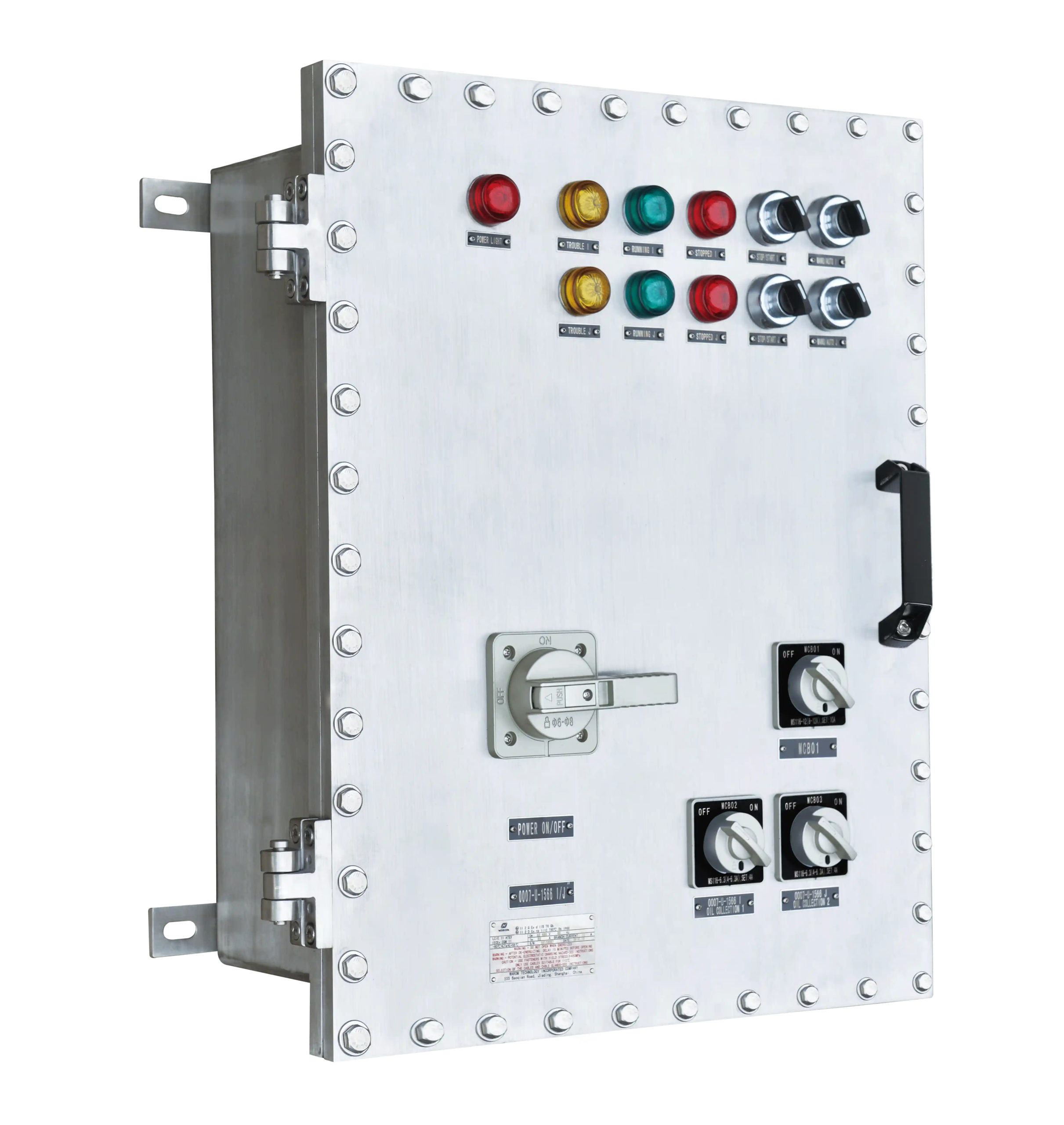
Certification requirements for explosion-proof lighting in LNG terminals are not optional compliance checkboxes. They represent third-party verification that equipment will not become an ignition source under the conditions it will face. ATEX certification confirms compliance with European directives for equipment in potentially explosive atmospheres. IECEx certification provides equivalent assurance under international standards. Both require testing and documentation that verify design intent matches actual performance.
The BCZ8060 Series Explosion-proof Plugs and Sockets carry both IECEx and ATEX certifications, which means independent testing organizations have verified their suitability for hazardous area installation. That verification matters because it removes the guesswork from equipment selection. Terminal operators can specify certified equipment with confidence that it meets the safety requirements their hazardous area classifications demand.
The General Paint electrical safety upgrade project in Mexico demonstrated why certified equipment matters in practice. That facility handled flammable materials that created explosion risks similar to those in LNG terminals. The customized explosion-proof solution, including various electrical apparatus, contributed directly to preventing fires and explosions. Certified equipment was not a regulatory formality but a functional safety control.
Ingress protection ratings complement explosion-proof certifications. IP66 ratings guarantee protection against dust ingress and powerful water jets, conditions that coastal LNG facilities encounter routinely. Equipment without appropriate ingress protection will fail prematurely regardless of its explosion-proof credentials.
| Certification | Scope | Key Focus | Applicable Products |
|---|---|---|---|
| ATEX | European Union | Equipment for potentially explosive atmospheres | Lighting, plugs, sockets, junction boxes |
| IECEx | International | Global harmonization of explosion-proof standards | All hazardous area electrical equipment |
| IP66 | International | Dust and water ingress protection | Outdoor and wash-down rated equipment |
How Explosion-Proof LED Lighting Reduces Total Operating Costs
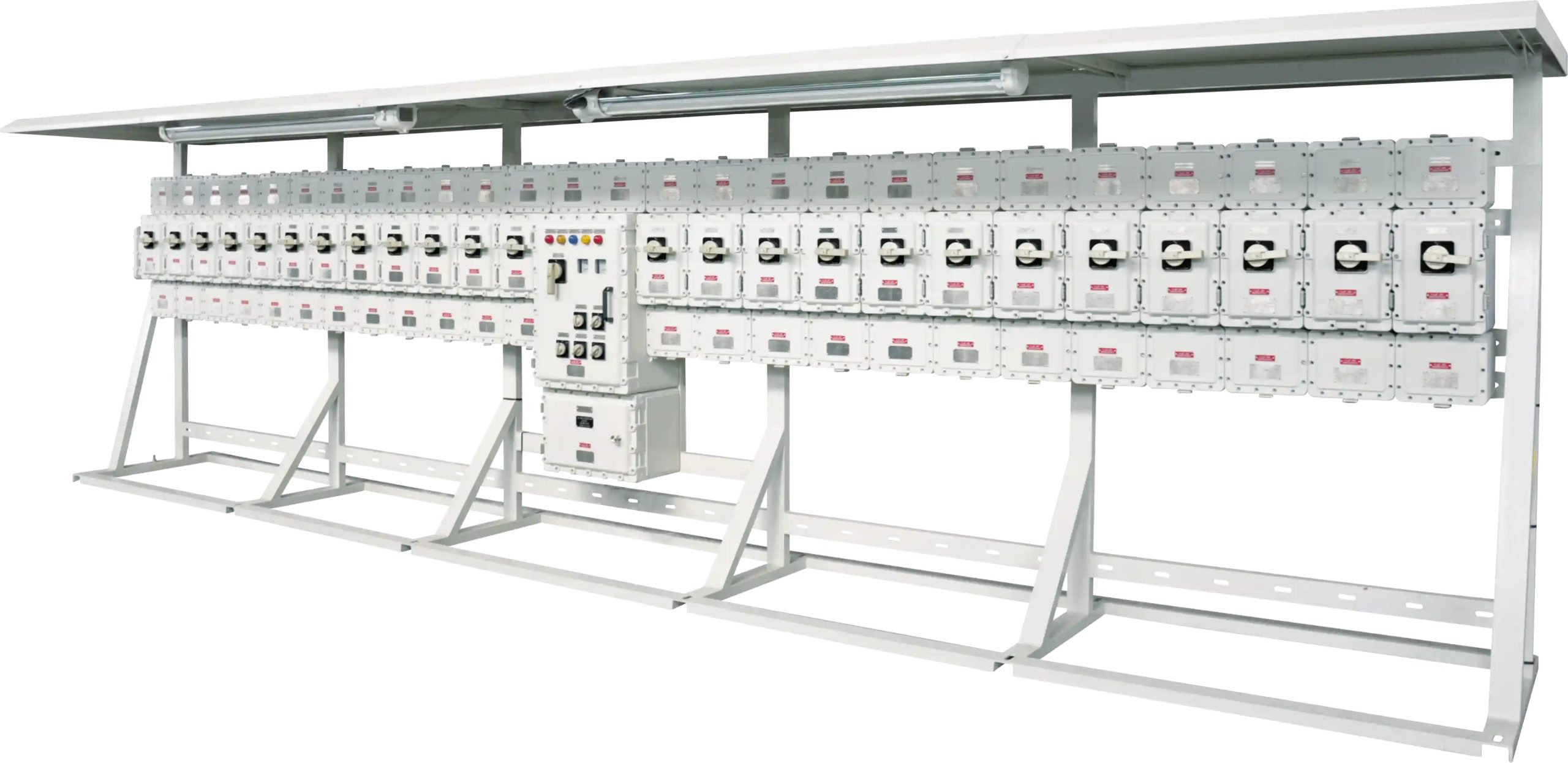
The economic case for explosion-proof LED lighting extends beyond energy savings, though those savings are substantial. LED systems consume significantly less electricity than traditional high-intensity discharge lighting while delivering equivalent or superior illumination. For terminals operating lighting systems continuously, the energy reduction translates directly to lower operating costs.
Maintenance economics favor LED systems even more strongly. Traditional lighting in hazardous areas requires frequent bulb replacements, and each replacement involves permit procedures, hot work controls, and specialized personnel. LED luminaires with 50,000-hour lifespans reduce replacement frequency dramatically. The Tilenga project achieved energy efficiency, low maintenance, and reliability specifically because the explosion-proof electrical systems, including lighting, were designed for extended service intervals.
Improved visibility delivers safety and operational benefits that do not appear on energy bills but affect overall terminal performance. Consistent, high-quality illumination reduces eye strain for personnel working extended shifts. Better visibility improves the ability to detect potential hazards, including small leaks, equipment anomalies, and walking surface hazards. The General Paint project demonstrated that improved lighting contributed to preventing incidents, which avoided the costs associated with investigations, repairs, and operational disruptions.
Durability in harsh environments extends the economic advantage. Products like the BAT86 Explosion-proof LED Floodlights use high-quality steel lamp bodies with WF2 corrosion-proof ratings. That construction survives salt spray, chemical exposure, and temperature cycling that would degrade lesser equipment. Longer service life means lower total cost of ownership even when initial purchase prices exceed those of standard fixtures.
| Feature | Traditional Lighting | LED Explosion-Proof Lighting |
|---|---|---|
| Energy consumption | High | Significantly reduced |
| Maintenance frequency | Frequent bulb replacement | Extended service intervals |
| Service life | Limited | 50,000+ hours typical |
| Corrosion resistance | Variable | WF2 rated options available |
What Project Coordination Prevents Problems Before Installation
Successful explosion-proof high mast lighting installations require coordination that begins long before equipment arrives on site. Early engagement with design institutes, project owners, and construction contractors ensures that technical specifications, safety protocols, and operational requirements align from the outset. The Fushilai Pharmaceutical CM/CDMO construction project demonstrated that this coordination approach secures successful outcomes for complex explosion-proof equipment installations.
Site assessment establishes the foundation for appropriate equipment selection. Detailed analysis of environmental conditions reveals corrosion risks, vibration sources, and temperature extremes that influence material selection. Hazardous area classification determines which certifications equipment must carry. Existing infrastructure assessment identifies integration requirements and potential conflicts. Skipping this analysis leads to equipment that fails prematurely or does not meet safety requirements.
Material selection decisions flow from site assessment findings. Coastal and marine LNG facilities need equipment with WF2 corrosion-proof ratings, like the BAY51-Q Explosion-proof Corrosion-proof Plastic Light Fitting. Facilities with aggressive chemical environments may need different material specifications. The General Paint project delivered a customized explosion-proof solution because the site assessment identified specific requirements that standard configurations would not address.
Technical support throughout the project lifecycle ensures that customized solutions perform as designed. Installation supervision catches errors before they create safety problems. Commissioning verifies that systems operate correctly under actual conditions. Documentation and training enable terminal personnel to maintain systems safely over their operational life. This comprehensive approach builds the customer trust that leads to repeat business and establishes replicable models for future projects.
Where Smart Technology Fits in Explosion-Proof Lighting Systems
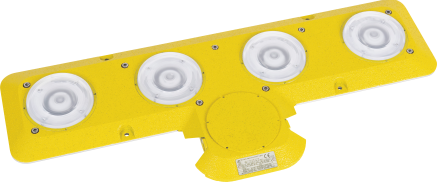
Smart lighting capabilities are entering explosion-proof applications, though the technology must meet the same certification requirements as conventional equipment. Sensors and controls that optimize light output based on real-time conditions improve energy efficiency beyond what LED technology alone delivers. Dimming during low-activity periods, occupancy-based activation, and daylight harvesting all reduce energy consumption while maintaining safety-critical illumination when personnel are present.
Internet of Things integration enables remote monitoring that changes maintenance economics. Predictive maintenance based on actual equipment condition replaces scheduled maintenance based on conservative time intervals. Operators can identify failing components before they cause outages, schedule repairs during planned maintenance windows, and verify system status without sending personnel into hazardous areas for routine inspections.
Material science advances continue improving explosion-proof equipment performance. Novel alloys and composite materials offer better corrosion resistance, impact strength, and thermal dissipation than previous generations. The BHD91 Series Explosion-proof Junction Boxes use high-strength copper-free aluminum alloy with IP66 protection, representing current best practice in material selection. Future developments will likely extend these advantages further.
Sustainability considerations increasingly influence equipment selection. Longer service life reduces material consumption and disposal requirements. Lower energy consumption reduces carbon footprint. These factors matter to terminal operators facing environmental regulations and stakeholder expectations regarding sustainable operations.
Armoured M20~M115 For Hazardous Area)
How to Start an Explosion-Proof Lighting Project
If your LNG terminal project involves hazardous area lighting requirements, discussing classification details, certification requirements, and site-specific conditions early in the design process prevents costly changes later.
For consultation on explosion-proof high mast lighting solutions tailored to LNG terminal requirements, contact WAROM TECHNOLOGY INCORPORATED COMPANY.
Tel: +86 21 39977076 / +86 21 39972657
Email: gm*@***om.com
Frequently Asked Questions About Explosion-Proof High Mast Lighting
What certifications should explosion-proof lighting carry for LNG terminal installation?
ATEX and IECEx certifications are the primary requirements for explosion-proof lighting in LNG terminals. ATEX covers European regulatory compliance while IECEx provides international recognition. Both certifications verify that equipment will not become an ignition source in potentially explosive atmospheres. Local regulations may add requirements, such as CCS certification for marine applications. Selecting products with verifiable certifications from recognized testing organizations eliminates uncertainty about whether equipment meets safety requirements.
What drives the total cost advantage of explosion-proof LED lighting over traditional alternatives?
The cost advantage comes from three factors working together. Energy efficiency reduces electricity consumption significantly compared to traditional high-intensity discharge lighting. Extended service life, often exceeding 50,000 hours, reduces replacement frequency and the associated labor, permit, and hot work costs. Robust construction with corrosion-resistant materials extends overall equipment life, reducing capital replacement cycles. The Tilenga project demonstrated these advantages in practice, achieving energy efficiency, low maintenance, and reliability that reduced total operating costs over the facility lifetime.
How does equipment reliability get verified before installation in demanding LNG environments?
Reliability verification starts with certification testing by independent organizations that confirm equipment meets ATEX and IECEx requirements. Beyond certification, manufacturers demonstrate reliability through project references in similar environments. The Tilenga project, operating within Murchison Falls National Park with zero safety incidents, provides evidence that properly specified equipment performs reliably under demanding conditions. Material specifications, including copper-free aluminum alloy construction and WF2 corrosion-proof ratings, provide additional assurance that equipment will survive the specific environmental challenges of coastal LNG facilities.
Can new explosion-proof lighting integrate with existing terminal electrical infrastructure?
Modern explosion-proof high mast lighting systems accommodate integration with existing infrastructure when properly planned. The integration process requires site assessment to identify existing electrical capacity, control system compatibility, and mounting infrastructure. Customized solutions address specific integration requirements without requiring extensive infrastructure overhauls. The General Paint project demonstrated successful integration of explosion-proof equipment into an existing facility, with technical support throughout the project lifecycle ensuring correct implementation.
For additional information on industrial safety and hazardous area equipment, you may find these articles useful:
WAROM at ACHEMA 2024
Warom illuminates the world and guards security
Warom has become the first in the explosion-proof industry!
Warom at 136th CANTON FAIR 2024
With over a decade of experience, he is a seasoned Explosion-Proof Electrical Engineer specializing in the design and manufacture of safety and explosion-proof products. He possesses in-depth expertise across key areas including explosion-proof systems, nuclear power lighting, marine safety, fire protection, and intelligent control systems. At Warom Technology Incorporated Company, he holds dual leadership roles as Deputy Chief Engineer for International Business and Head of the International R&D Department, where he oversees R&D initiatives and ensures the precise delivery of design documentation for international projects. Committed to advancing global industrial safety, he focuses on translating complex technologies into practical solutions, helping clients implement safer, smarter, and more reliable control systems worldwide.

Qi Lingyi