

Operating industrial facilities in hazardous environments demands an unwavering commitment to safety, especially where electrical equipment is present. Variable Frequency Drive enclosures play a critical role in managing motor speed and energy efficiency, but their integration into areas with flammable gases, vapors, or combustible dust requires specialized explosion proof VFD enclosures. These engineered solutions prevent internal electrical arcs or sparks from igniting external hazardous atmospheres, ensuring both personnel safety and operational continuity.
Understanding Hazardous Area Classifications for VFD Enclosures
Understanding the specific hazardous area classifications is the foundational step in deploying any electrical equipment, including explosion proof VFD enclosures. These classifications define the type of hazardous material present and the likelihood of its presence. At a chemical plant, I once observed serious electrical safety hazards due to a lack of proper classification understanding. Our team found flammable gas and dust risks were not adequately addressed, leading to potential catastrophic incidents. This underscored the critical need to correctly identify zones for effective protection.
Hazardous areas are typically categorized based on the frequency and duration of the presence of explosive atmospheres. The two primary international systems are IECEx/ATEX (Zones) and NEC (Classes/Divisions).
| Classification System | Gas/Vapor/Mist | Combustible Dust |
|---|---|---|
| IECEx/ATEX Zone 0 | Continuous, long periods | Not applicable |
| IECEx/ATEX Zone 1 | Likely during normal operation | Not applicable |
| IECEx/ATEX Zone 2 | Unlikely, short periods | Not applicable |
| IECEx/ATEX Zone 20 | Not applicable | Continuous, long periods |
| IECEx/ATEX Zone 21 | Not applicable | Likely during normal operation |
| IECEx/ATEX Zone 22 | Not applicable | Unlikely, short periods |
| NEC Class I, Div 1 | Flammable gases/vapors present under normal conditions | Not applicable |
| NEC Class I, Div 2 | Flammable gases/vapors present under abnormal conditions | Not applicable |
| NEC Class II, Div 1 | Combustible dust present under normal conditions | Not applicable |
| NEC Class II, Div 2 | Combustible dust present under abnormal conditions | Not applicable |
Common hazardous area classifications for VFD installations include Zones 1 and 2 for gases and vapors, and Zones 21 and 22 for combustible dusts under the IECEx/ATEX system. For the NEC system, Class I Division 1 and 2, and Class II Division 1 and 2 are frequently encountered. These classifications dictate the specific protection methods required for explosion proof VFD enclosures.
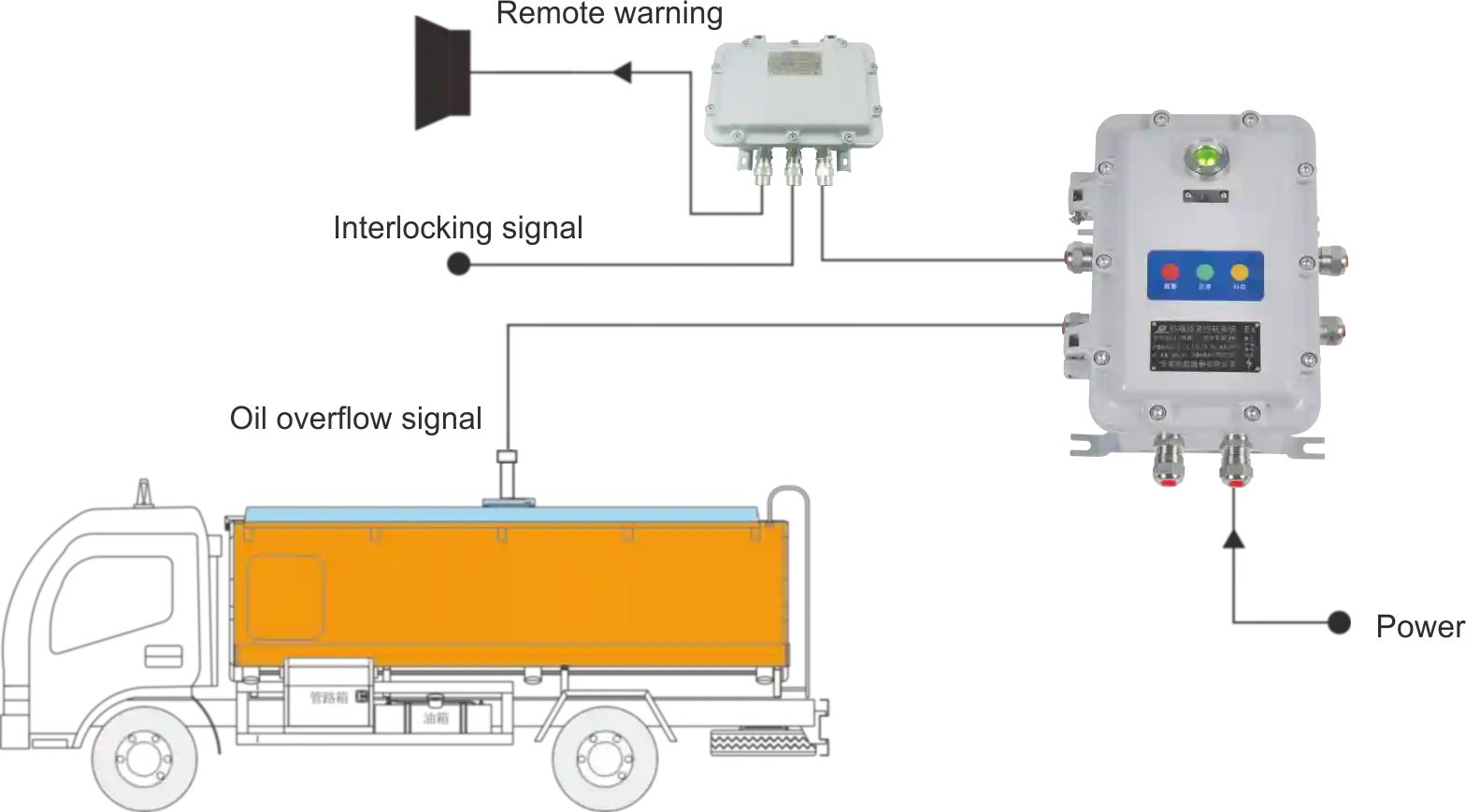
What Should You Evaluate When Selecting Explosion Proof VFD Enclosures
Selecting the appropriate explosion proof VFD enclosure involves a detailed evaluation of several factors to guarantee safety and operational reliability. The Tilenga project in Uganda, for example, required explosion-proof electrical systems for wellpads and pipelines operating in extreme conditions. Our team supplied solutions that ensured zero safety incidents and maintained high reliability, demonstrating the importance of robust selection criteria.
When choosing an enclosure, consider the specific protection method. Flameproof enclosures (Ex d) contain an explosion within the enclosure, preventing propagation to the outside. Increased safety enclosures (Ex e) prevent sparks or hot surfaces under normal operating conditions. Purged or pressurized enclosures (Ex p) maintain an internal positive pressure of inert gas or clean air to prevent hazardous atmospheres from entering. Dust ignition protection (Ex t) is designed for environments with combustible dust.
| Feature | Flameproof (Ex d) | Increased Safety (Ex e) | Purged/Pressurized (Ex p) |
|---|---|---|---|
| Protection Principle | Contains internal explosion | Prevents ignition sources | Prevents entry of hazardous atmosphere |
| Typical Application | Zone 1, 2 (Gas) | Zone 1, 2 (Gas) | Zone 1, 2 (Gas), Zone 21, 22 (Dust) |
| Cost | Higher due to robust construction | Moderate | Higher due to control system |
| Maintenance | Requires careful sealing checks | Less stringent than Ex d | Requires air/gas supply monitoring |
| Size/Weight | Often heavy and bulky | Can be more compact | Can be large, requires external system |
Key considerations include the hazardous area classification (Zone/Division), the type of hazardous substance (gas, vapor, dust), required protection method (flameproof, purged, or increased safety), environmental conditions (temperature, corrosion, ingress protection), and certification standards (ATEX, IECEx, UL). Compatibility with the VFD’s power requirements and thermal management capabilities are also factors that cannot be overlooked.
How VFDs Improve Conveyor Control in Hazardous Zones
Variable Frequency Drives are instrumental in modern industrial operations, offering precise motor control that significantly improves the efficiency and safety of conveyor systems, even in hazardous zones. By regulating the frequency and voltage supplied to an electric motor, VFDs allow for smooth acceleration, deceleration, and variable speed operation. This precision is particularly valuable in applications like the Fushilai Pharmaceutical project, where we supplied explosion-proof distribution boxes for workshops and pump controls. The project highlighted the critical role of VFDs in achieving precise and safe process control within hazardous environments.
In conveyor systems, VFDs prevent mechanical shock during startup, reducing wear and tear on components and extending equipment lifespan. This also translates to energy savings, as motors only draw the power necessary for the current load, rather than running at full speed constantly. For hazardous areas, this operational efficiency is coupled with improved safety. Smooth operation minimizes the risk of sparks from mechanical friction or sudden stops, which could be an ignition source. Integrated safety features within explosion proof VFD enclosures, such as overcurrent protection and temperature monitoring, further mitigate risks.
Best Practices for Implementing Explosion Proof VFD Solutions
Successful implementation of explosion proof VFD solutions requires a systematic approach, beginning with a thorough risk assessment. At General Paint, our on-site diagnosis revealed significant electrical safety hazards. We then developed a customized explosion-proof solution that included gas detectors, explosion-proof plugs like the BCZ8060 series, and junction boxes such as the BHD91 series. This approach significantly improved safety and prevented potential fires or explosions within a three-month cycle.
- Conduct a detailed hazardous area classification: Verify the specific Zones or Divisions, gas groups, and temperature classes.
- Select certified equipment: Ensure all components, including the VFD enclosure, meet the required explosion protection standards (ATEX, IECEx).
- Ensure proper installation: Follow manufacturer guidelines and relevant electrical codes for hazardous locations. This includes correct cable gland selection (like DQM-III/II series) and sealing to maintain the enclosure’s integrity.
- Implement effective grounding and bonding: Critical for preventing static charge buildup and ensuring fault current paths. Our solution at General Paint included static electricity discharge devices to address this.
- Develop a robust maintenance plan: Regular inspections and preventative maintenance are necessary to ensure the continued integrity of the explosion protection.
- Provide specialized training: Personnel working with these systems must understand the specific risks and safety protocols.
If your facility involves multiple hazardous zone classifications or mixed gas and dust environments, it is worth discussing enclosure selection and zoning strategy before committing to a specific protection method.
Where Hazardous Area VFD Technology Is Heading
The landscape of hazardous area control is continually evolving, driven by advancements in technology and an increasing focus on safety and efficiency. We anticipate a future where explosion proof VFD enclosures integrate more intelligent features, moving beyond basic motor control to become central to smart industrial operations. The success of the Fushilai Pharmaceutical project, which involved multi-party coordination and timely execution, strengthened customer trust and established a replicable model for complex industrial coordination. This project points to the growing need for sophisticated, integrated solutions.
Future developments will likely include improved predictive maintenance capabilities, leveraging IIoT (Industrial Internet of Things) sensors within VFD enclosures to monitor performance and anticipate failures before they occur. This will reduce downtime and improve safety by allowing proactive intervention. We also expect to see more compact and energy-efficient designs, further reducing the operational footprint and environmental impact. The integration of advanced diagnostics and remote monitoring will enable operators to manage complex conveyor systems in hazardous areas with greater precision and less direct human exposure to risk. Our commitment to innovation positions us at the forefront of these evolving safety and control technologies.
8050 Explosion-proof Illumination Distribution Boxes)
Frequently Asked Questions About Explosion Proof VFD Enclosures
How often do explosion proof VFD enclosures require maintenance?
Regular maintenance for explosion proof VFD enclosures typically involves visual inspections and functional checks, often annually, to ensure the integrity of seals and proper operation. The frequency can vary based on operational conditions and manufacturer recommendations. Harsh environments with temperature cycling or corrosive atmospheres may require more frequent inspection intervals.
Can standard VFDs be modified for hazardous area use?
No, standard VFDs cannot simply be modified. True explosion proof VFD enclosures are designed and certified from the ground up to meet specific hazardous area classifications, preventing ignition of flammable gases or dust. Attempting to modify standard equipment can compromise safety certifications and create extreme hazards.
What are the energy efficiency benefits of using VFDs in hazardous area conveyor systems?
VFDs significantly improve operational efficiency by precisely controlling motor speed, reducing energy consumption during varying load conditions, and minimizing mechanical wear on conveyor components in hazardous environments. This optimized control translates directly into lower energy bills and extended equipment life.
Are there specific training requirements for personnel working with explosion proof VFD systems?
Yes, personnel must receive specialized training on the installation, operation, and maintenance of explosion proof equipment, including understanding dust ignition protection and emergency procedures for hazardous areas. This training ensures compliance with safety regulations and minimizes risks associated with volatile environments. To discuss training resources or specific requirements for your facility, contact us at +86 21 39977076 or gm*@***om.com.
Partner with Us for Hazardous Area Safety
To discuss specific requirements for explosion proof VFD enclosures or other industrial safety solutions, contact us at +86 21 39977076 or gm*@***om.com.
If you’re interested, check out these related articles:
IP64 Rating Guide: Practical Device Protection Tests
WAROM Technology Successfully Concludes 2025 Outstanding Employees Commendation Conference
Forge Ahead with Vigorous Spirit • Warom Starts the New Year with Grand Prosperity
With over a decade of experience, he is a seasoned Explosion-Proof Electrical Engineer specializing in the design and manufacture of safety and explosion-proof products. He possesses in-depth expertise across key areas including explosion-proof systems, nuclear power lighting, marine safety, fire protection, and intelligent control systems. At Warom Technology Incorporated Company, he holds dual leadership roles as Deputy Chief Engineer for International Business and Head of the International R&D Department, where he oversees R&D initiatives and ensures the precise delivery of design documentation for international projects. Committed to advancing global industrial safety, he focuses on translating complex technologies into practical solutions, helping clients implement safer, smarter, and more reliable control systems worldwide.

Qi Lingyi