
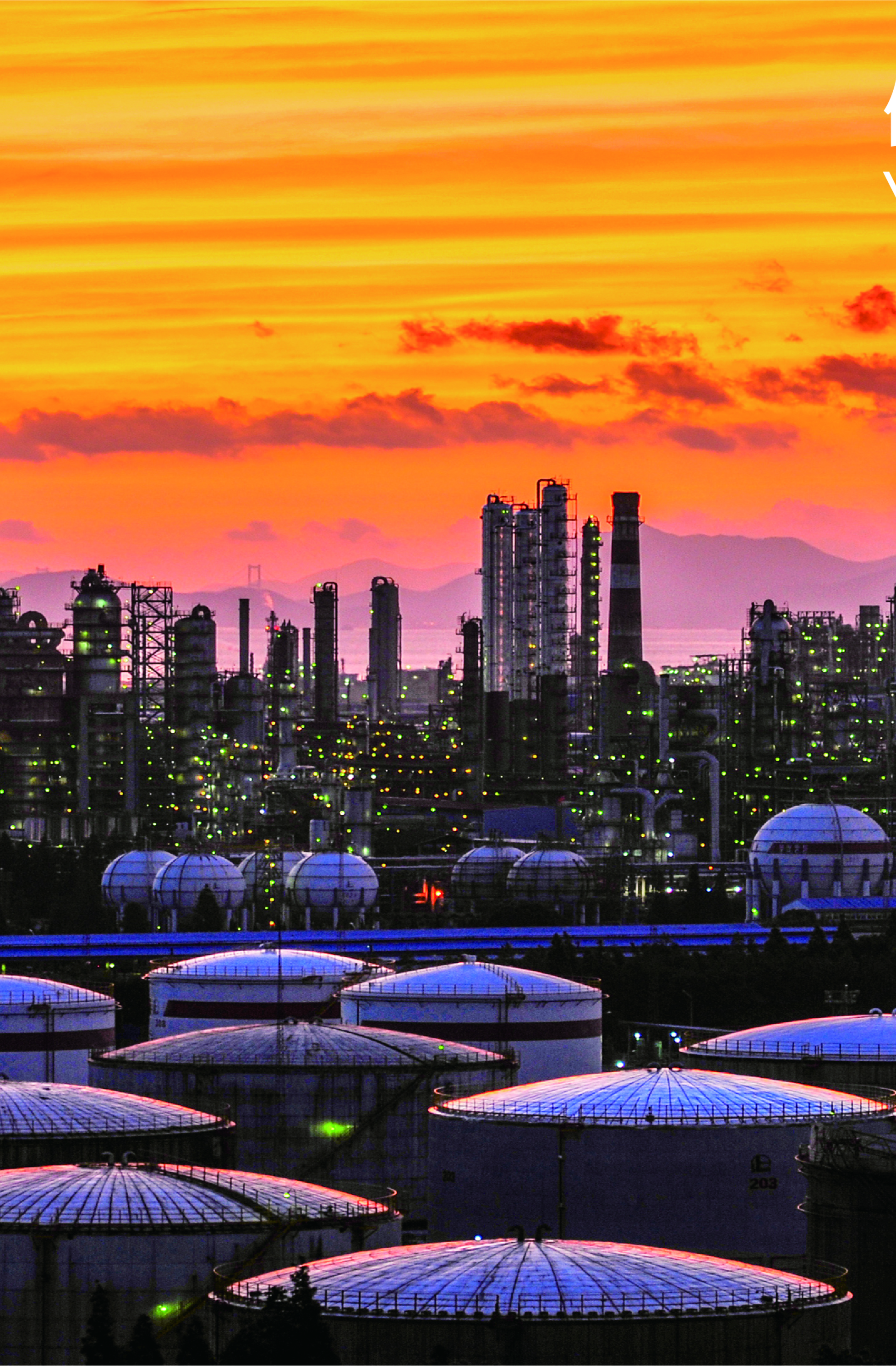
Industrial operations in arctic regions face equipment challenges that standard enclosures cannot address. Temperatures dropping to -60°C, persistent ice accumulation, sustained high winds, and locations where a service call means chartering aircraft—these conditions expose every design weakness in conventional electrical and electronic housings. The enclosures protecting this equipment must do more than keep water out; they must maintain internal operating conditions, resist structural degradation from thermal cycling, and remain serviceable when the nearest technician is hundreds of kilometers away.
Why Arctic Conditions Break Standard Weatherproof Enclosures
The arctic environment attacks enclosures through multiple simultaneous mechanisms. Extreme cold, routinely reaching -60°C in continental arctic zones, causes polymer seals to lose elasticity and crack. Metal components contract at different rates than gaskets, opening gaps that compromise ingress protection. Electronics inside experience increased resistance, reduced battery capacity, and potential circuit board damage from thermal stress.
Ice formation creates problems beyond simple blockage. Ice expanding in drainage channels or vent openings generates forces that crack housings or deform covers. Viewing windows accumulate frost that obscures indicators. External controls freeze in position. The weight of accumulated ice and snow adds structural loads that standard enclosures were never designed to carry.
Permafrost introduces foundation complications that affect enclosure mounting. Ground that remains frozen year-round shifts seasonally as the active layer above it freezes and thaws. Mounting systems must accommodate this movement without transferring stress to the enclosure body or breaking conduit connections.
Wind loads in open arctic terrain exceed what most industrial enclosures encounter. Sustained winds of 80 km/h with gusts exceeding 120 km/h are common during arctic storms. These forces test every fastener, hinge, and mounting bracket. Combined with wind-driven ice particles, the abrasive effect accelerates surface degradation.
The remoteness factor compounds every other challenge. When equipment fails at a site accessible only by helicopter or ice road, the cost of repair includes mobilization expenses that can exceed the equipment value. Designs that minimize maintenance requirements and maximize mean time between failures deliver value far beyond their purchase price.
What Protection Ratings Actually Mean for Arctic Weatherproof Enclosures
Protection ratings provide a standardized way to specify enclosure performance, but understanding what each rating covers—and what it does not—is essential for arctic applications.
IP ratings, defined by IEC 60529, use two digits to specify protection against solids and liquids. The first digit indicates solid particle protection, ranging from 0 (no protection) to 6 (dust-tight). The second digit indicates liquid protection, ranging from 0 (no protection) to 9K (high-pressure, high-temperature spray). For arctic conditions, IP66 or IP67 ratings are typically minimum requirements. IP66 indicates complete dust protection and resistance to powerful water jets from any direction. IP67 adds protection against temporary immersion to 1 meter depth, relevant for enclosures that may be buried under melting snow or exposed to flooding during spring thaw.
NEMA ratings, developed for North American markets, provide broader environmental specifications. NEMA 4X enclosures protect against windblown dust, rain, splashing water, hose-directed water, and corrosion from external ice formation. The “X” suffix indicates corrosion resistance, critical in coastal arctic environments where salt spray combines with freezing conditions. NEMA 6P extends protection to prolonged submersion and includes corrosion resistance, suitable for enclosures in areas subject to extended flooding.
Neither IP nor NEMA ratings directly address temperature performance. An enclosure rated IP67 or NEMA 4X may provide excellent ingress protection at 20°C but fail completely at -40°C when seals harden and shrink. Arctic specifications must include explicit temperature ratings for both storage and operation, typically expressed as an ambient temperature range such as -60°C to +60°C.
| Rating | Solid Protection | Liquid Protection | Arctic Considerations |
|---|---|---|---|
| IP66 | Dust-tight | Powerful water jets | Verify seal performance at minimum operating temperature |
| IP67 | Dust-tight | Immersion to 1m | Essential for snow burial or flooding exposure |
| NEMA 4X | Windblown dust | Rain, splash, hose spray, ice | Includes corrosion resistance, common arctic specification |
| NEMA 6P | Windblown dust | Prolonged submersion | Superior immersion protection for flood-prone sites |
How Thermal Management Keeps Arctic Enclosures Operational
Maintaining internal temperatures within acceptable ranges requires active and passive thermal management working together. Passive insulation reduces heat loss, while active heating compensates for the remaining thermal transfer and internal heat generation from electronics.
Multi-layer insulation systems typically combine rigid foam panels with reflective barriers. Closed-cell polyurethane or polyisocyanurate foam provides high thermal resistance per unit thickness. Reflective layers reduce radiant heat loss. The insulation must be continuous around all surfaces, with particular attention to thermal bridges at mounting points, cable entries, and door hinges.
Heating elements maintain internal temperatures above minimum operating thresholds for installed equipment. Thermostatically controlled heaters cycle to maintain setpoint temperatures, typically between 5°C and 25°C depending on internal equipment requirements. Heater sizing must account for worst-case heat loss at minimum ambient temperature with maximum wind speed. Redundant heating circuits provide backup if a primary heater fails.
Condensation control prevents moisture damage that occurs when warm, humid air contacts cold surfaces. Temperature gradients inside the enclosure can cause moisture to condense on walls or equipment. Strategies include maintaining uniform internal temperatures, using desiccants to reduce humidity, and providing controlled ventilation that exchanges moist internal air with dry external air. In arctic conditions, external air is typically very dry, making ventilation-based dehumidification effective when properly implemented.
Heat generated by internal electronics can be beneficial or problematic depending on enclosure design. In some cases, electronic heat loads reduce heating requirements. In others, localized hot spots near processors or power supplies can cause component stress while other areas remain too cold. Thermal modeling during design identifies these issues before they cause field failures.
Which Materials Survive Arctic Conditions in Weatherproof Enclosures
Material selection determines whether an enclosure maintains its protective properties over years of arctic service or degrades within months. The primary concerns are cold embrittlement, corrosion resistance, and thermal expansion compatibility.
Stainless steel, particularly 316 grade, offers excellent corrosion resistance and maintains mechanical properties across the arctic temperature range. The chromium and molybdenum content in 316 stainless provides superior resistance to chloride-induced corrosion, important in coastal arctic environments. Stainless steel enclosures can be welded for maximum integrity or assembled with gasketed joints for field serviceability. The main limitations are weight and cost, both higher than alternatives.
Aluminum alloys provide favorable strength-to-weight ratios and good thermal conductivity. However, not all aluminum alloys perform well at extreme low temperatures. Alloys containing copper can become brittle below -40°C. Marine-grade alloys like 5052 and 6061 maintain ductility at arctic temperatures and resist corrosion when properly anodized or coated. Aluminum’s thermal conductivity can be advantageous when internal heating is used, as it distributes heat more evenly than steel.
Glass fiber reinforced polyester (GRP) offers inherent corrosion immunity and good thermal insulation properties. GRP enclosures are lighter than metal alternatives and do not conduct electricity, simplifying some installation requirements. Impact resistance at low temperatures varies by formulation; specifications should confirm performance at minimum expected temperatures. UV stabilization is necessary for enclosures exposed to sunlight, as arctic summer provides extended daylight hours.
Gaskets and seals require materials specifically formulated for low-temperature service. Standard EPDM rubber loses flexibility below -40°C. Silicone compounds maintain elasticity to -60°C or lower but may have reduced chemical resistance. Fluorosilicone combines low-temperature flexibility with chemical resistance for applications involving fuel or solvent exposure.
| Material | Temperature Range | Corrosion Resistance | Weight | Typical Applications |
|---|---|---|---|---|
| 316 Stainless Steel | -60°C to +200°C | Excellent, including chlorides | High | Coastal, chemical exposure, high-security |
| 5052/6061 Aluminum | -60°C to +150°C | Good with anodizing | Medium | General industrial, weight-sensitive |
| GRP | -40°C to +120°C (formulation dependent) | Excellent | Low | Non-conductive requirements, corrosive atmospheres |
What Explosion-Proof Certification Means for Arctic Hazardous Locations
Arctic industrial operations frequently involve flammable materials. Oil and gas extraction, fuel storage, and chemical processing create atmospheres where electrical equipment must not become an ignition source. Explosion-proof enclosures contain any internal ignition and prevent flame propagation to the surrounding atmosphere.
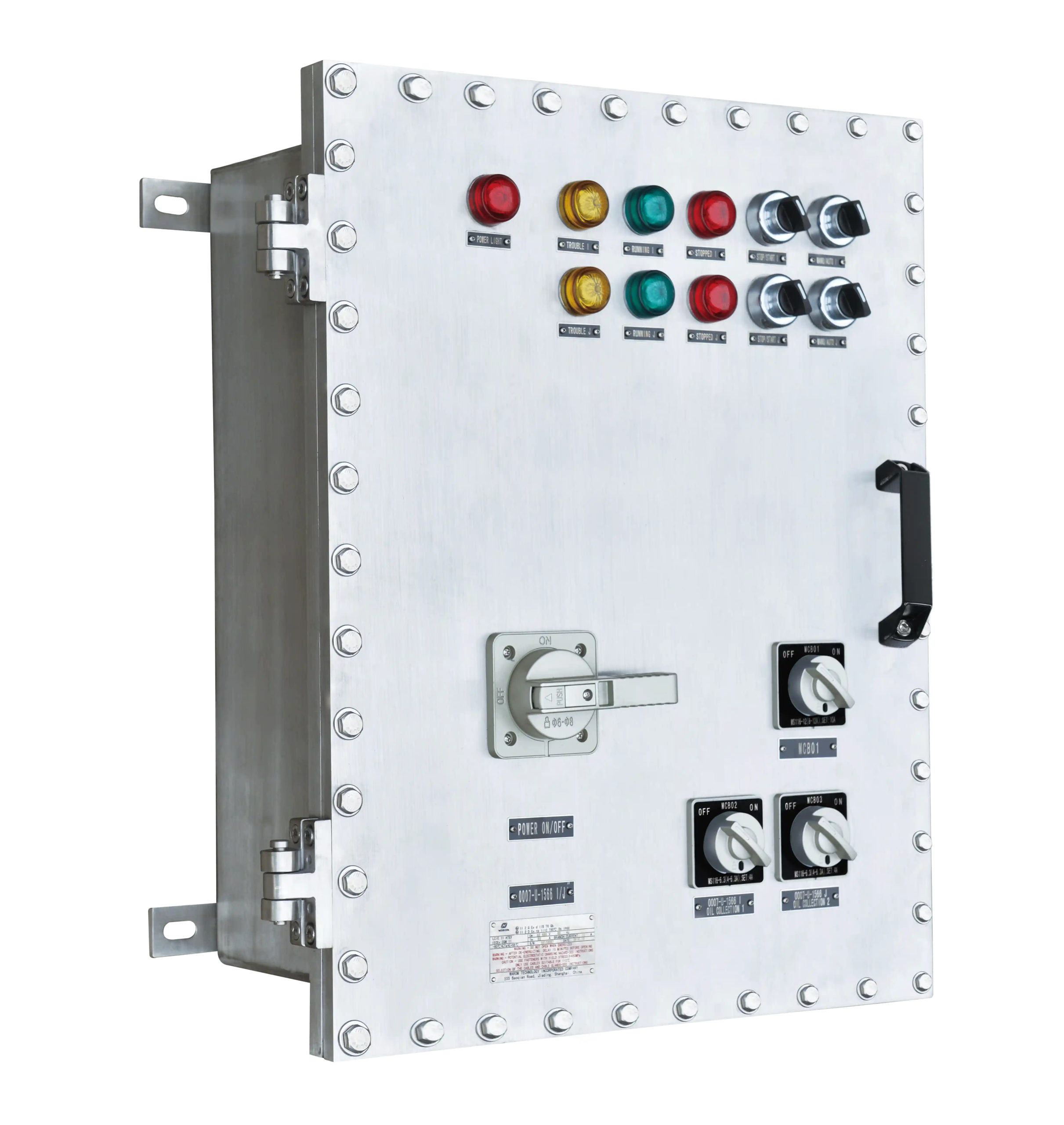
ATEX certification, required for equipment used in potentially explosive atmospheres within the European Economic Area, specifies equipment categories and protection methods. IECEx provides an international certification framework recognized in most countries outside North America. Both systems classify hazardous areas by the likelihood of explosive atmosphere presence and specify equipment protection levels accordingly.
Temperature class ratings indicate the maximum surface temperature of equipment under fault conditions. In arctic environments, this rating must account for internal heating systems that maintain operating temperatures. An enclosure with internal heaters maintaining +20°C in a -60°C ambient must still not exceed its temperature class limit under any operating or fault condition.
The combination of explosion-proof requirements and arctic temperature ratings narrows available product options significantly. Equipment must carry both the appropriate explosion-proof certification for the hazardous area classification and a temperature rating that spans the full ambient range. Products like the HRMD92 and HRMD93 series explosion-proof distribution panels address this by carrying IP66 ratings with ambient temperature specifications from -60°C to +60°C, meeting both protection and temperature requirements for arctic hazardous locations.
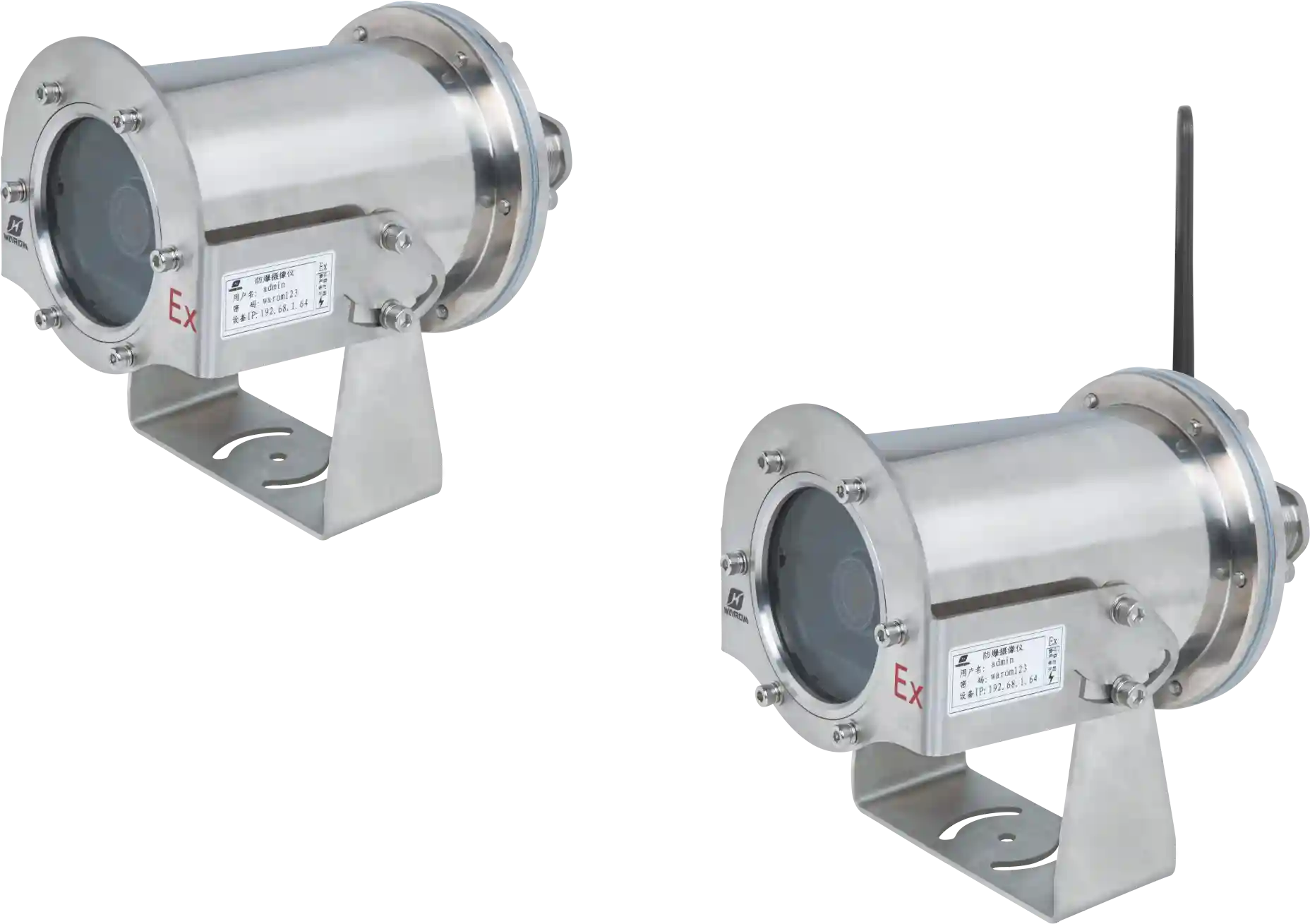
A chemical plant project involving flammable gas and dust hazards demonstrated how specialized explosion-proof solutions prevent incidents. The facility required customized plugs and distribution boxes rated for the specific hazardous classification and temperature range. Standard industrial equipment would not have met either requirement. The tailored solution eliminated the electrical ignition risk that had been identified during the safety assessment.
How to Reduce Maintenance Burden at Remote Arctic Installations
Maintenance at remote arctic sites costs far more than the labor and parts involved. Mobilization expenses, weather delays, and the risk of personnel working in extreme conditions all add to the true cost of each service visit. Enclosure designs that extend maintenance intervals and simplify required tasks deliver substantial operational savings.
Component quality directly affects maintenance frequency. Premium seals, corrosion-resistant fasteners, and properly rated cable glands like the DQM-III/II series (rated for -60°C ambient) prevent the incremental failures that accumulate into system problems. Investing in quality components during initial installation avoids repeated service calls to address seal leaks, corroded connections, or failed glands.
Anti-icing coatings on external surfaces reduce ice accumulation that would otherwise require manual removal. Hydrophobic coatings cause water to bead and run off before freezing. Heating elements on critical surfaces like door seals and latches prevent ice formation that would impede access.
Remote monitoring systems allow operators to track enclosure conditions without site visits. Sensors measuring internal temperature, humidity, heater status, and door position transmit data to central monitoring stations. Anomalies trigger alerts before they develop into failures, enabling planned maintenance rather than emergency response.
Modular internal arrangements simplify component replacement. When a heater or controller requires replacement, technicians should be able to complete the swap without specialized tools or extensive disassembly. Pre-wired modules that connect with standard plugs reduce the time personnel must spend working in cold conditions.
Access provisions for maintenance must account for personnel wearing arctic protective gear. Latches operable with heavy gloves, interior lighting for work during polar night, and sufficient internal clearance for gloved hands all contribute to efficient maintenance execution.
Discuss Your Arctic Enclosure Requirements
Selecting weatherproof enclosures for arctic conditions involves balancing protection ratings, material properties, thermal management, and certification requirements against project-specific constraints. If your operation faces equipment reliability challenges in extreme cold environments, discussing the specific conditions and requirements with engineers experienced in arctic applications can identify solutions that reduce both initial risk and long-term operating costs. Contact us at gm*@***om.com or call +86 21 39977076 to discuss your project requirements.
Frequently Asked Questions
How do arctic enclosures manage internal heat from electronics?
Arctic enclosures balance heat retention against heat dissipation depending on ambient conditions and internal loads. During extreme cold, insulation and supplemental heaters maintain minimum operating temperatures for electronics. When internal equipment generates significant heat, thermal management may need to prevent overheating even in cold ambient conditions. Some designs use variable-speed fans or thermostatically controlled vents that open only when internal temperatures exceed setpoints. Heat sinks transfer excess heat to enclosure walls for dissipation while insulation on other surfaces retains heat where needed.
What are the common failure points for enclosures in sub-zero environments?
Seal degradation causes the majority of arctic enclosure failures. Gaskets that maintain flexibility at moderate temperatures harden and crack below their rated range, allowing moisture and contaminant ingress. Material embrittlement affects both enclosure bodies and internal components; aluminum alloys with copper content and some polymers become brittle and fracture under impact or vibration. Ice formation in drainage paths, vents, or around moving parts like hinges and latches prevents normal operation and can cause mechanical damage when forced. Cable gland failures occur when thermal cycling loosens connections or when gland materials cannot accommodate cable contraction at low temperatures.
Can standard industrial enclosures be modified for arctic use?
Modifications to standard enclosures rarely achieve the performance of purpose-designed arctic equipment. Adding insulation to an enclosure not designed for it reduces internal volume and may create thermal bridges at mounting points. Retrofitting heaters without proper thermal analysis can create hot spots or inadequate heating. Seal materials cannot be easily upgraded without replacing entire door assemblies. The fundamental issue is that arctic performance must be designed in from the beginning, addressing material selection, thermal paths, structural loads, and seal systems as an integrated system. Modifications address individual symptoms without solving the underlying design limitations. For critical applications, the risk of modified equipment failing in service typically exceeds the cost difference of proper arctic-rated enclosures.
If you need to specify enclosures for a specific arctic installation, contact our engineering team at gm*@***om.com to discuss the site conditions and application requirements.
IECEx International Hydrogen Conference 2024
Warom won the title of Excellent Purveyor
With over a decade of experience, he is a seasoned Explosion-Proof Electrical Engineer specializing in the design and manufacture of safety and explosion-proof products. He possesses in-depth expertise across key areas including explosion-proof systems, nuclear power lighting, marine safety, fire protection, and intelligent control systems. At Warom Technology Incorporated Company, he holds dual leadership roles as Deputy Chief Engineer for International Business and Head of the International R&D Department, where he oversees R&D initiatives and ensures the precise delivery of design documentation for international projects. Committed to advancing global industrial safety, he focuses on translating complex technologies into practical solutions, helping clients implement safer, smarter, and more reliable control systems worldwide.

Qi Lingyi