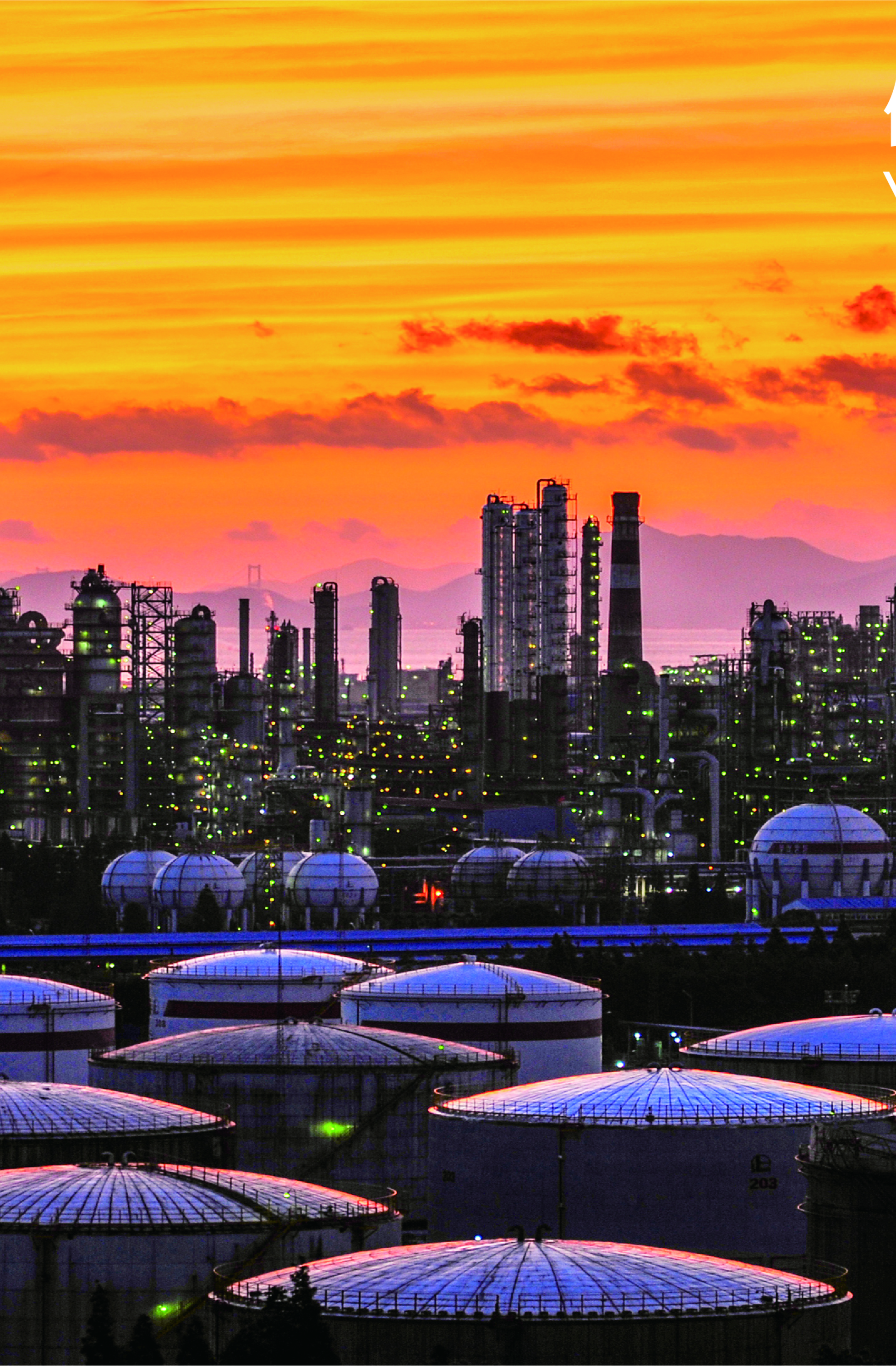
Coal mines sit at the extreme end of industrial hazard classification. Methane accumulates in seams and voids; coal dust suspends in ventilation currents; a single ignition source can propagate through kilometers of tunnel in seconds. Equipment failures that would be minor inconveniences on the surface become potential mass-casualty events underground. Explosion proof light fittings certified for Group I service exist precisely because standard industrial luminaires cannot survive—or prevent—the conditions that define coal extraction.
Why Group I Classification Exists and What It Actually Covers
Group I is not a marketing label. It is a regulatory designation that restricts equipment to underground mines where firedamp—primarily methane released from coal seams—can reach explosive concentrations. The classification also addresses coal dust, which ignites at lower energy thresholds than many industrial dusts and can sustain secondary explosions that travel far beyond the initial ignition point.
Underground coal environments combine several aggravating factors. Ventilation systems move air through confined passages, but gas pockets can form in roof cavities, behind seals, or in freshly cut faces. Methane concentrations can spike from background levels to explosive range within minutes during longwall advances or roof falls. Equipment operating in these spaces must assume that flammable atmospheres will occur, not merely that they might occur.
| Classification Zone | Atmosphere Condition | Equipment Requirement |
|---|---|---|
| Zone 0 (Mines) | Explosive atmosphere present continuously or for long periods | Highest protection level; intrinsic safety or equivalent |
| Zone 1 (Mines) | Explosive atmosphere likely during normal operation | Flameproof enclosures, increased safety, or equivalent |
| Zone 2 (Mines) | Explosive atmosphere unlikely but possible during abnormal conditions | Protection against ignition during fault conditions |
The Tilenga project in Uganda, where explosion-proof electrical systems were deployed across wellpads and a central processing facility, illustrates the engineering discipline required when flammable gases are present. Coal mines demand the same rigor, applied to an environment where the hazard is continuous rather than process-dependent.
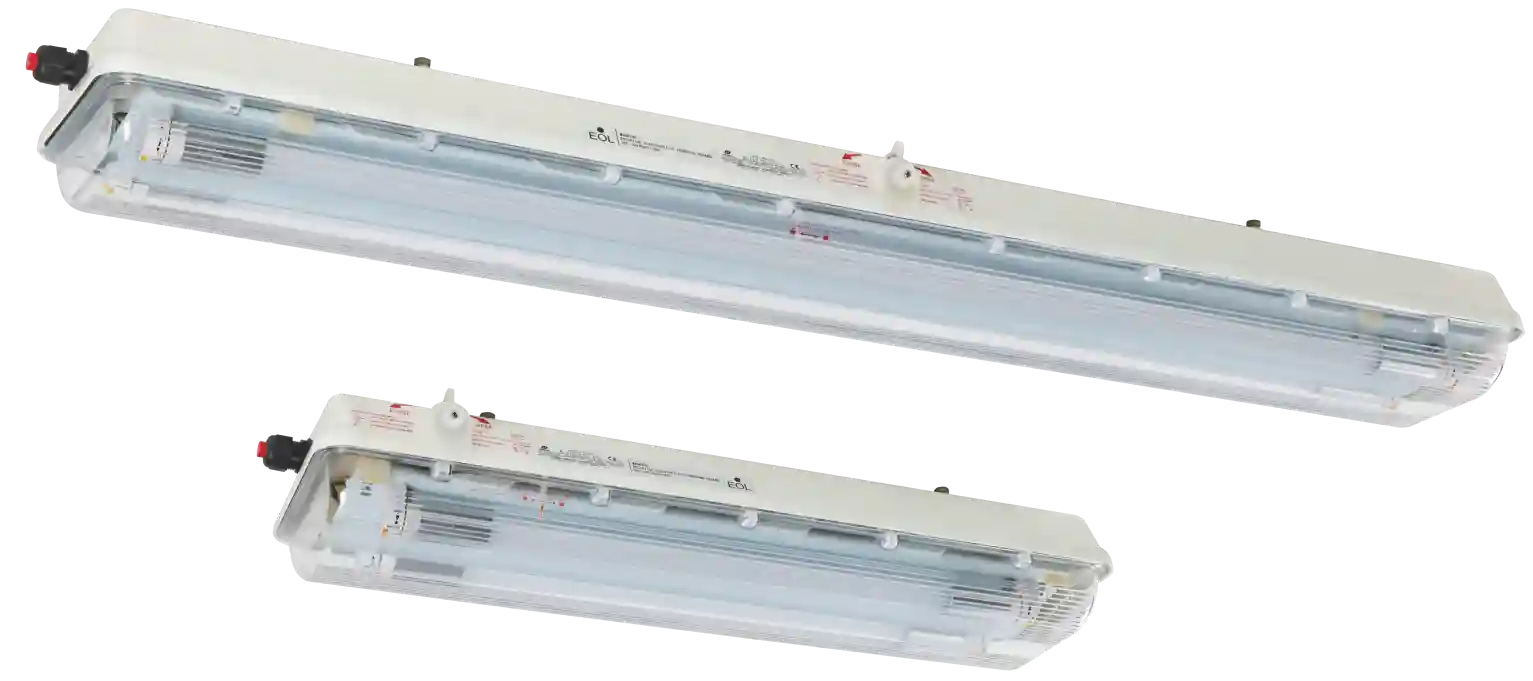
How Modern Explosion Proof Light Fittings Actually Prevent Ignition
Three protection concepts dominate Group I lighting design, and understanding how each works clarifies why certain products suit certain applications.
Flameproof enclosures (Ex d) contain any internal explosion within the housing. The enclosure’s joints and gaps are machined to precise tolerances—flame paths long enough and narrow enough that hot gases cool below ignition temperature before reaching the external atmosphere. This approach works well for luminaires with higher power densities or components that could arc under fault conditions.
Intrinsic safety (Ex i) takes a different approach: it limits the electrical and thermal energy available in the circuit to levels below the minimum ignition energy of the surrounding atmosphere. Intrinsically safe lighting circuits cannot release enough energy to ignite methane or coal dust even under fault conditions. This protection method is common in portable and personal lighting.
Increased safety (Ex e) eliminates ignition sources through enhanced construction standards—tighter tolerances, better insulation, and the absence of arcing components during normal operation. It is often combined with other protection methods in luminaire design.
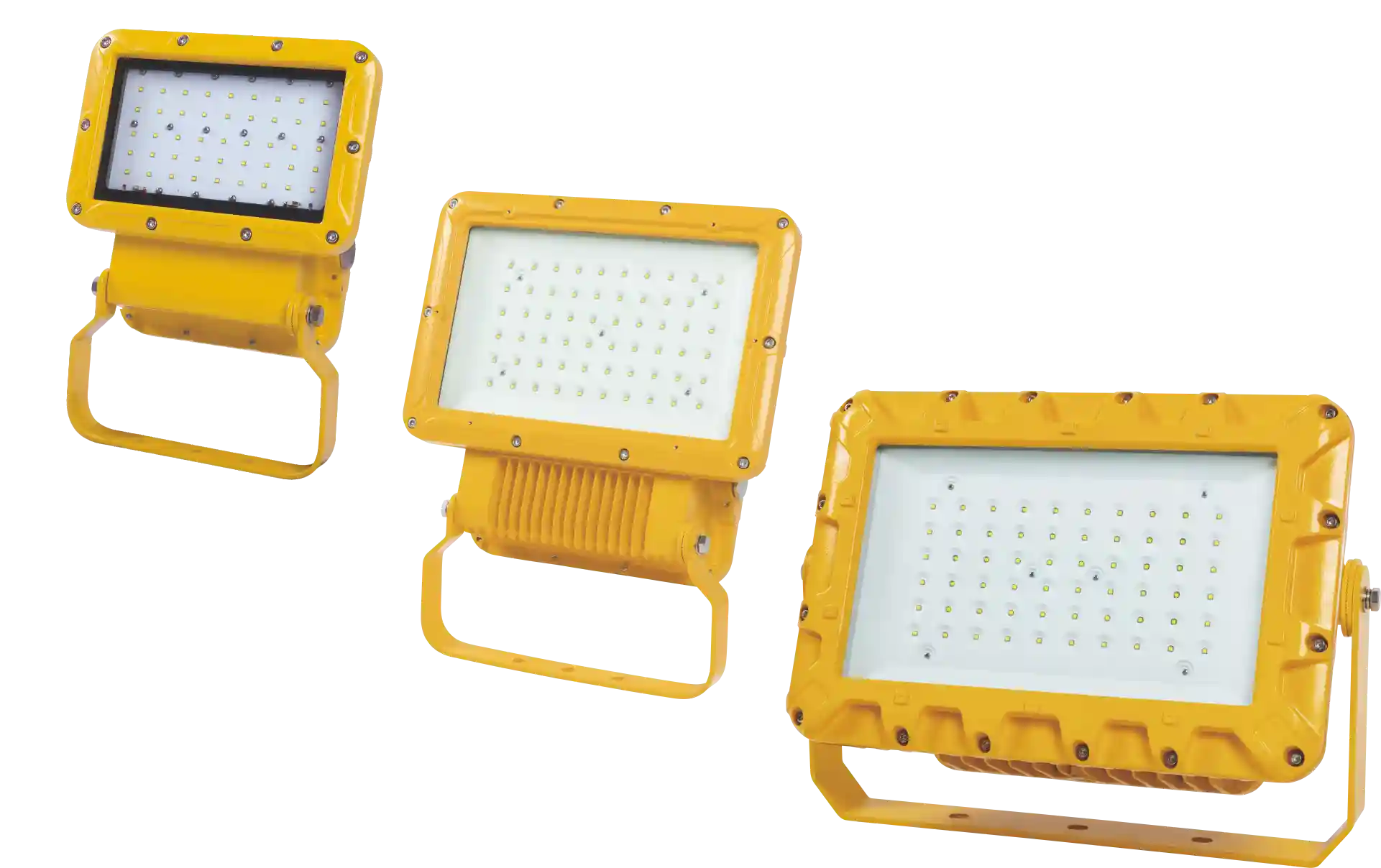
LED technology has shifted the practical balance among these approaches. LEDs generate far less heat per lumen than incandescent or fluorescent sources, reducing the thermal component of ignition risk. Their solid-state construction eliminates filament failure modes and reduces sensitivity to vibration. The BAT86 Explosion-proof LED Floodlights, for example, use a powder-coated steel housing rated IP66, combining flameproof construction with resistance to moisture and corrosion that would degrade lesser enclosures within months of underground service.
What ATEX and IECEx Certification Actually Verify
Certification marks on explosion proof light fittings represent completed test programs, not manufacturer claims. ATEX certification under the European directive requires third-party testing against EN 60079 series standards, with specific protocols for flameproof enclosures, intrinsic safety circuits, and dust protection. IECEx provides a parallel international framework that allows test results to be recognized across participating countries without redundant testing.
For Group I equipment, certification testing includes:
- Explosion containment tests for flameproof enclosures, verifying that internal ignition does not propagate
- Thermal testing under fault conditions to confirm surface temperatures remain below ignition thresholds
- Impact and vibration testing reflecting actual mining conditions
- Ingress protection verification for dust and moisture
| Certification System | Geographic Scope | Group I Relevance |
|---|---|---|
| ATEX | European Union and adopting countries | Mandatory for EU market; widely recognized elsewhere |
| IECEx | International (50+ participating countries) | Facilitates global acceptance; reduces redundant testing |
| CCC (China) | China | Required for Chinese market; aligns with national standards |
The HRNT95 Series Explosion Proof LED Light Fittings carry certifications that verify compliance across multiple regulatory frameworks. This matters for mining operations that source equipment globally or operate across jurisdictions—a luminaire certified only for one market may require expensive recertification or replacement when deployed elsewhere.
Non-compliance consequences extend beyond regulatory penalties. Insurance coverage may be voided. Incident investigations will examine certification status. Personnel who knowingly operate non-compliant equipment in hazardous areas face personal liability in many jurisdictions.
What Selection Criteria Actually Matter for Coal Mine Lighting
Procurement specifications for explosion proof light fittings often emphasize lumen output and wattage while underweighting factors that determine field reliability. A luminaire that performs well in laboratory conditions may fail within months underground if its design does not account for real operating environments.
Ingress protection ratings deserve scrutiny beyond the IP number. IP66 indicates complete dust exclusion and protection against powerful water jets—appropriate for washdown areas and locations exposed to mine water. The BHD91 Series Explosion-proof Junction Boxes carry this rating, reflecting the expectation that they will be exposed to both coal dust and water during their service life. Lower ratings may suffice in dry, well-ventilated areas but create maintenance burdens in wet conditions.
Vibration resistance matters more in mining than in most industrial applications. Continuous mining machines, longwall shearers, and haulage systems generate vibration spectra that stress luminaire mounts, electrical connections, and LED driver components. Luminaires designed for static industrial installations may develop intermittent faults or premature failures when subjected to mining vibration profiles.
Corrosion resistance affects both housing integrity and optical performance. Mine atmospheres often contain sulfur compounds, chlorides from groundwater, and acidic condensation. Powder-coated steel housings resist these conditions better than bare aluminum; stainless steel hardware prevents galvanic corrosion at mounting points.
Installation quality determines whether certified equipment maintains its protection rating in service. Cable glands must match cable diameters precisely—the DQM-III/II Series provides the sealing and strain relief necessary to maintain enclosure integrity. Junction boxes must be installed with proper drainage orientation. Mounting hardware must be torqued to specification. The General Paint project, where tailored explosion-proof plugs and distribution boxes addressed specific electrical safety hazards, illustrates how installation details affect real-world protection.
Where the Real Cost Savings Appear Over Equipment Lifetime
The purchase price of explosion proof light fittings represents a fraction of total ownership cost. Maintenance labor, energy consumption, and downtime costs dominate the lifetime calculation, and these factors favor LED technology and robust construction.
LED luminaires typically achieve 50,000 to 100,000 hours of rated life—five to ten times longer than fluorescent alternatives. In underground applications where lamp replacement requires confined space entry procedures, lockout-tagout protocols, and potentially production interruptions, this difference translates directly to labor savings. A luminaire that requires replacement every two years instead of every six months reduces maintenance visits by 75%.
Energy efficiency compounds over operating hours. A 100-watt LED luminaire producing equivalent illumination to a 250-watt metal halide fixture saves 150 watts continuously. Across hundreds of luminaires operating thousands of hours annually, the energy cost difference funds additional safety investments or improves operating margins.
Reliability affects production continuity. Luminaire failures in critical areas—face lighting, conveyor transfer points, refuge chambers—can halt operations until repairs are completed. The Fushilai Pharmaceutical project, where explosion-proof distribution boxes contributed to zero safety incidents, demonstrates how equipment reliability supports operational continuity in hazardous environments. Mining operations face similar dependencies between lighting reliability and production schedules.
Discussing Requirements for Your Coal Mine Lighting Application
If your operation involves Group I hazardous areas, underground coal extraction, or other firedamp-susceptible environments, it is worth discussing specific certification requirements, environmental conditions, and installation constraints before committing to equipment specifications. WAROM’s engineering team can provide technical consultation on luminaire selection, protection concepts, and certification pathways appropriate for your jurisdiction and operating conditions.
Email: gm*@***om.com
Tel: +86 21 39977076 / +86 21 39972657
Frequently Asked Questions About Group I Explosion Proof Lighting
Which certification standards apply to explosion proof lighting in underground coal mines?
Underground coal mines fall under Group I classification, requiring compliance with ATEX Directive standards (EN 60079 series) in European markets and IECEx certification for international acceptance. These standards specify testing protocols for flameproof enclosures (Ex d), intrinsic safety (Ex i), and dust ignition protection (Ex t). Equipment must demonstrate safe operation in atmospheres containing methane at concentrations up to 5% and coal dust at various particle sizes. Certification involves third-party testing and ongoing production surveillance—self-declaration is not permitted for Group I equipment.
What advantages do LED explosion proof lights offer over traditional lighting in coal mines?
LED explosion proof lights generate significantly less heat per lumen than incandescent, fluorescent, or metal halide alternatives, reducing thermal ignition risk and allowing more compact enclosure designs. Their solid-state construction eliminates filament failure modes and tolerates vibration better than gas-discharge or incandescent sources. Service life typically exceeds 50,000 hours, reducing maintenance frequency in locations where lamp replacement requires production interruptions and confined space entry procedures. Energy consumption runs 40% to 60% lower than equivalent-output legacy technologies, reducing both operating costs and heat load in ventilation-limited areas.
What factors determine whether a specific explosion proof luminaire suits a particular coal mine application?
Selection criteria include Group I certification appropriate for the destination market (ATEX, IECEx, or national equivalents), ingress protection rating matched to dust and moisture exposure, vibration resistance appropriate for proximity to mining equipment, corrosion resistance for the specific mine atmosphere, and optical characteristics (lumen output, beam angle, color temperature) suited to the visual task. Installation requirements—cable gland compatibility, mounting orientation, junction box accessibility—also affect suitability. Suppliers with documented experience in hazardous industrial environments can provide application-specific recommendations based on operating conditions rather than generic specifications. To discuss your specific requirements, contact WAROM’s technical team at gm*@***om.com.
If you’re interested, you may want to read the following articles:
WAROM Technology Successfully Concludes 2025 Outstanding Employees Commendation Conference
WAROM at 2024 CASPIAN OIL AND GAS EXHIBITION
The “Canton Fair” blooming “WAROM” style
Choosing Explosion Proof Lights: An Expert Safety Guide
The 137th Canton Fair is Underway
With over a decade of experience, he is a seasoned Explosion-Proof Electrical Engineer specializing in the design and manufacture of safety and explosion-proof products. He possesses in-depth expertise across key areas including explosion-proof systems, nuclear power lighting, marine safety, fire protection, and intelligent control systems. At Warom Technology Incorporated Company, he holds dual leadership roles as Deputy Chief Engineer for International Business and Head of the International R&D Department, where he oversees R&D initiatives and ensures the precise delivery of design documentation for international projects. Committed to advancing global industrial safety, he focuses on translating complex technologies into practical solutions, helping clients implement safer, smarter, and more reliable control systems worldwide.
Qi Lingyi