
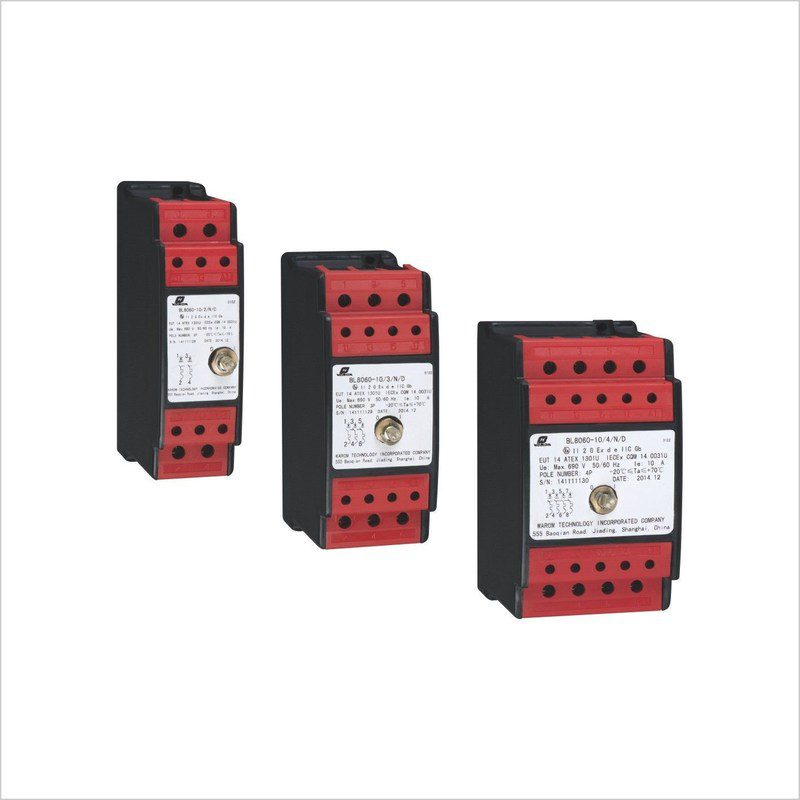
BL8060 Series Explosion Proof...
- ◆ Circuit Breaker Modules adopt a flame-proof structure, with their cavity featuring an engineering plastic structure embedded with a high-strength metal frame, thus boasting strong corrosion resistance and reliable performance.
- ◆ Circuit Breaker Modules are built-in with Schneider iC65 series MCBs and equipped with an internally designed special operation mechanism, ensuring reliable overall operation.
TECHNICAL DATA
Explosion Protection Type
Standards: CENELEC, IEC, NEC
Zones:
Zone 1 and Zone 2
Class I, Zone 1 and Zone 2
Class I, Division 2, Groups A, B, C, D
Explosion Protection:
IECEx (Gas): Ex db eb IIC Gb
ATEX (Gas): Ex II 2 G Ex db eb IIC Gb
Product Parameters
Product type: BL8060
Enclosure Material: GRP (glass fibre-reinforced polyester resin)
Rated voltage: Max. 690V AC 50/60Hz, Max. 500V DC
Rated current: 1A, 2A, 4A, 6A, 10A, 16A, 20A, 25A, 32A, 40A, 50A, 63A
Mechanical life: 20000 times
Auxiliary contact: 1NO+1NC (indicating contact in OFF state)
Number of pole: 1P, 2P, 3P, 4P, 1PL, 2PL
Ambient Temperature: -20℃~+70℃
Product Classification & Origin
HS code: 853710
Country of Origin: China
Applicable Industries
An explosion-proof empty enclosure is a specialized housing designed for hazardous environments where explosive gases or dust are present—such as petroleum, chemical, pharmaceutical, and military industries. It is a fundamental explosion-proof enclosure supplied without any pre-installed electrical components, providing only a protected and isolated space. Its primary function is to ensure safe connection, branch wiring, and transition protection for cables and conductors routed through hazardous areas. It effectively isolates any sparks or high temperatures generated at cable joints from the external explosive atmosphere, serving as an indispensable “safety bridge” in a complete explosion-proof electrical system. Like certified explosion-proof equipment, the flameproof empty enclosure is constructed from high-strength materials, offering resistance to impact, corrosion, water, and dust. This ensures long-term sealing and protection in demanding environments like chemical plants and offshore platforms.
Credibility
Electrical equipment for hazardous areas faces strict global mandates. The Certified Explosion-Proof Enclosure has obtained qualification certificates such as ATEX, IECEx, or EAC certification from an authorized body, specifying its protection type, gas group, and temperature class—serving as the essential safety guarantee and the authoritative pass for market entry.
FAQ
Q1: What is an explosion-proof empty enclosure? What’s the difference between it and a finished explosion-proof distribution box?
A1: An explosion-proof empty enclosure is a pre-certified basic housing supplied without any internal electrical components; it’s a semi-finished product. In contrast, a complete explosion-proof assembly is a fully assembled terminal device (e.g., distribution panel, control stations) ready for direct use.
Q2: Can standard (non-certified) components be used inside a certified empty enclosure?
A2: Even with a certified explosion-proof enclosure, all internal electrical components must themselves be certified and comply with the explosion-protection standards required for the target hazardous environment.
Q3: Does self-assembly using an empty enclosure affect the overall explosion-proof certification?
A3: Yes, critically. The empty enclosure itself and every internal component installed (e.g., circuit breakers, terminals, indicator lights) must each hold valid and applicable explosion-proof certificates. Furthermore, assembly must be performed by qualified personnel in strict accordance with the installation instructions. Any improper operation can invalidate the certification. Typically, the assembler bears responsibility for the final system’s compliance.
Q4: Why is an empty enclosure solution sometimes more cost-effective than purchasing a pre-built assembly?
A4: Advantages lie in flexibility, cost control, and lead time. It allows for flexible internal configuration based on actual needs. Standardized empty enclosures help reduce overall project costs. Procurement of standard enclosures and self-configuration of components can often be significantly faster than ordering custom pre-built assemblies.
RESOURCE DOWNLOAD
RELATED PRODUCTS
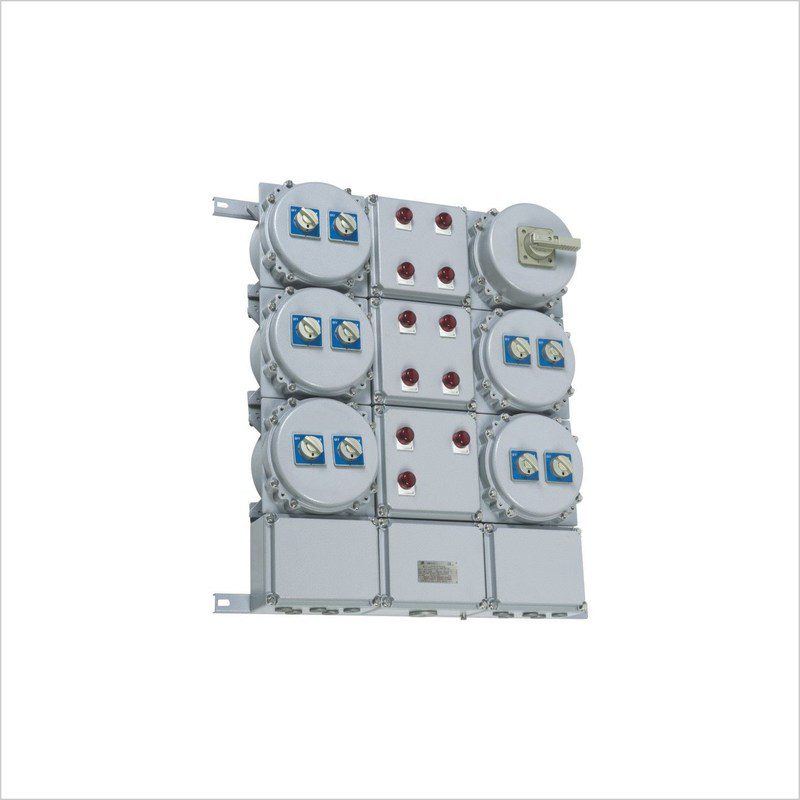
BXM(D)53 Series Explosion Proof Illumination Distribution Boxes (Ex D E IIC) IP66
Explosion Protection Type Stan...
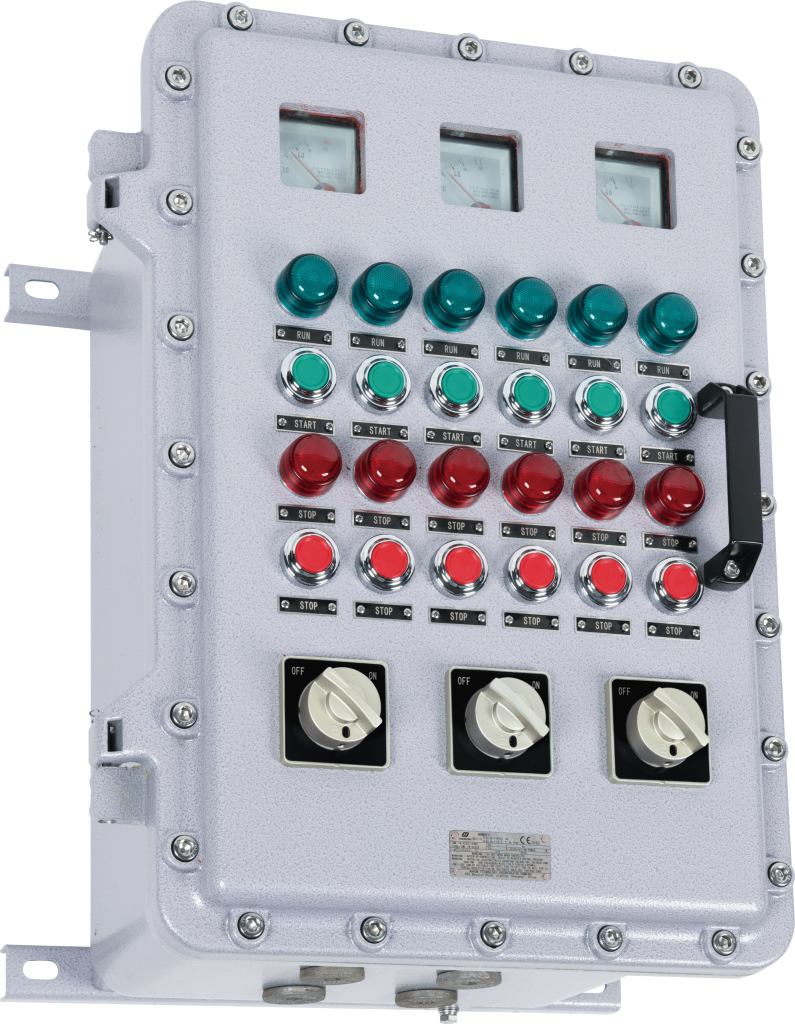
HRMD91 Series Explosion-proof Distribution Panels
Explosion Protection Type Stan...
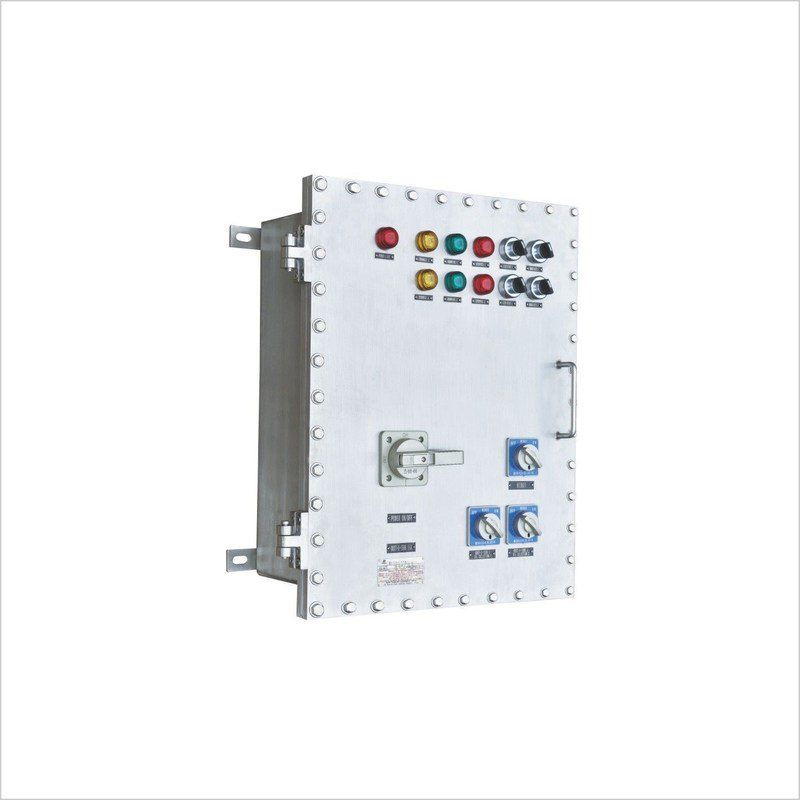
HRMD92 Series Explosion Proof Distribution Panels Industrial 316 Stainless Steel Material
Explosion Protection Type Stan...
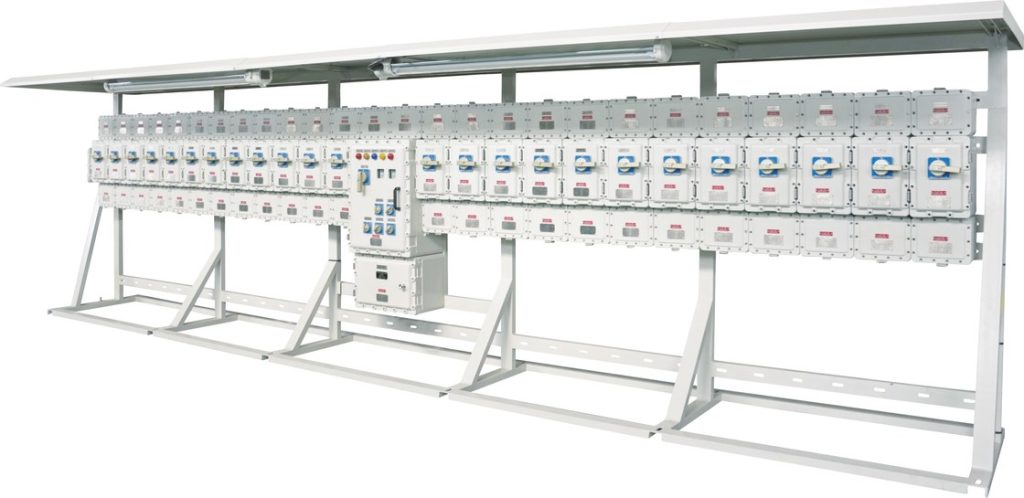
HRMD93 Series Explosion Proof Distribution Panels For Hazardous Area
Explosion Protection Type Stan...