
Comparing explosion proof equipment quotes is rarely as simple as picking the lowest number on a spreadsheet. Procurement engineers and safety managers who stop at price alone risk selecting suppliers whose products may not meet hazardous area certification requirements, lack adequate engineering support, or carry hidden costs over the equipment’s lifetime. In three decades of designing and delivering explosion proof systems for oil and gas, pharmaceutical, and marine projects, I have seen how the real value of a quote depends on factors beyond unit cost: technical documentation completeness, supplier engineering depth, and total cost of ownership. This article explains how to evaluate explosion proof equipment quotes on those terms, using examples from real-world installations to help you make a confident, defensible supplier decision.
Identify Critical Evaluation Factors Beyond Price
A quote for explosion proof equipment is not a commodity price; it carries a bundle of technical and service promises. When comparing multiple quotes, start by listing the evaluation dimensions you will use. The most overlooked areas are documentation quality, compliance with the exact zone and gas group classification, engineering support for site-specific installation, and lifecycle cost rather than just purchase price. A supplier may offer a lower unit price but exclude certified cable glands or not provide installation supervision, leading to delays and additional costs later. By building a checklist that weights these factors alongside price, you avoid the common trap of equating cheapest with best value.
Match Technical Specifications to Your Hazardous Environment
Explosion proof equipment is designed for specific hazardous conditions, and even similar-looking enclosures can differ in material, protection method, and temperature rating. The first technical comparison should verify that each quoted product meets your area classification: dust or gas, Zone 0/1/2 or Division 1/2, gas group IIA, IIB, or IIC, and temperature class T1 through T6. For example, a Zone 1 location with hydrogen (IIC, T1) demands enclosures that meet Ex d IIC or Ex e IIC requirements, not a generic Ex d IIB unit.
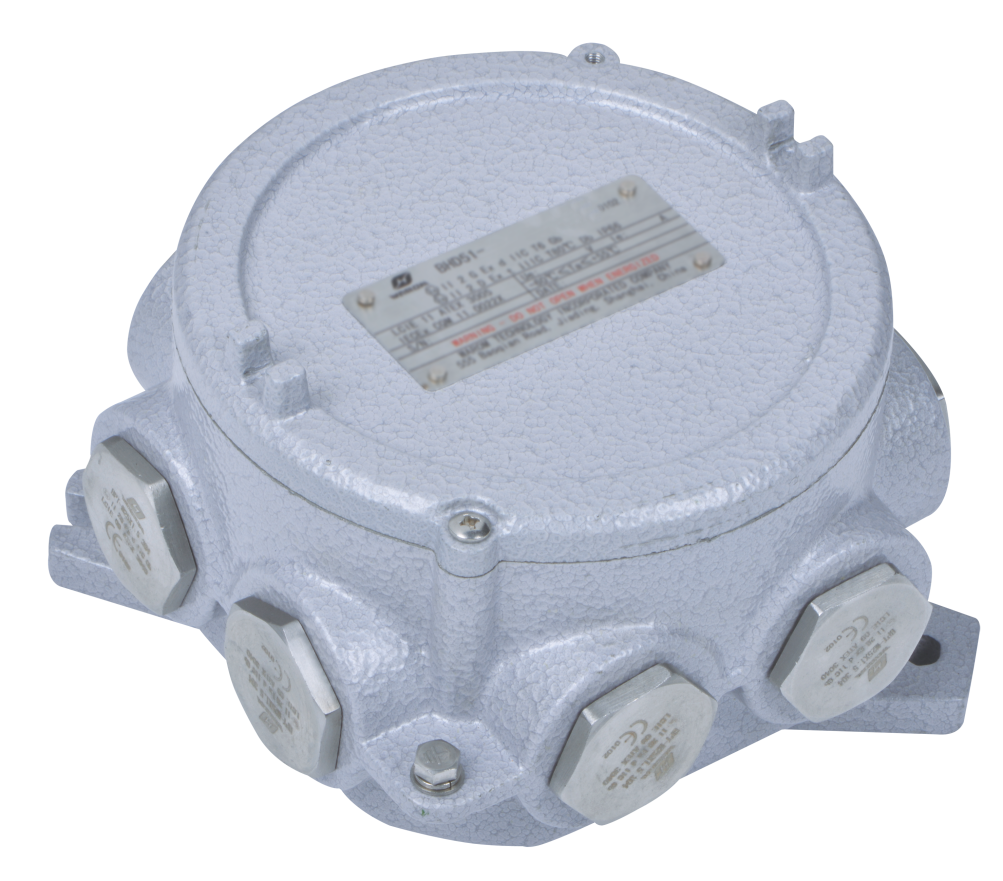
Enclosure material is another critical differentiator. In coastal or offshore environments, stainless steel or GRP (glass fibre-reinforced polyester) resists saltwater corrosion far longer than cast aluminum. Our HRMD92 series stainless steel distribution panels, for instance, have proven reliable on offshore platforms where aluminum boxes showed pitting within two years. For less aggressive industrial settings, copper-free aluminum with a powder-coated finish can offer a good balance of cost and durability.
Protection method also influences safety and cost. Flameproof (Ex d) enclosures contain an internal explosion, while increased safety (Ex e) designs prevent arcs and sparks from occurring. A comparison table can help clarify when each is appropriate:
| Protection Method | Typical Application | Key Advantage | Limitation |
|---|---|---|---|
| Ex d (Flameproof) | Switchgear, motors, junction boxes in Zone 1 | Robust containment | Heavier, larger |
| Ex e (Increased Safety) | Terminal boxes, lighting in Zone 1/2 | Lighter, lower cost | Requires careful maintenance |
| Ex n (Non-Sparking) | Lighting, instrumentation in Zone 2 only | Simple design | Limited to Zone 2 |
| Ex ia (Intrinsically Safe) | Instrument circuits, sensors | Safe even with fault | Very low power only |
When I review quotes, I check that the supplier has selected the correct protection method for the equipment type and zone, not just copied a generic specification. Mismatches here are one of the most common reasons for site acceptance failures.
Verify Certifications Are Genuine and Current
Third-party certification is the foundation of explosion proof equipment safety. Every supplier will claim ATEX, IECEx, or UL compliance, but you must verify that the certificates are valid, cover the specific products quoted, and include the manufacturing site you are buying from. A genuine certificate lists the issuing body (e.g., TÜV, DNV, SGS), certificate number, scope with exact product model and protection concept, the factory address, and an expiration date if applicable.
Ask for a copy of each certificate as part of the quotation. Then cross-check the certificate number on the certifier’s online database to confirm it is still active and hasn’t been suspended or withdrawn. I have encountered projects where a supplier provided an expired ATEX certificate for a product family, and the buyer only discovered this during site inspection, causing months of delay.
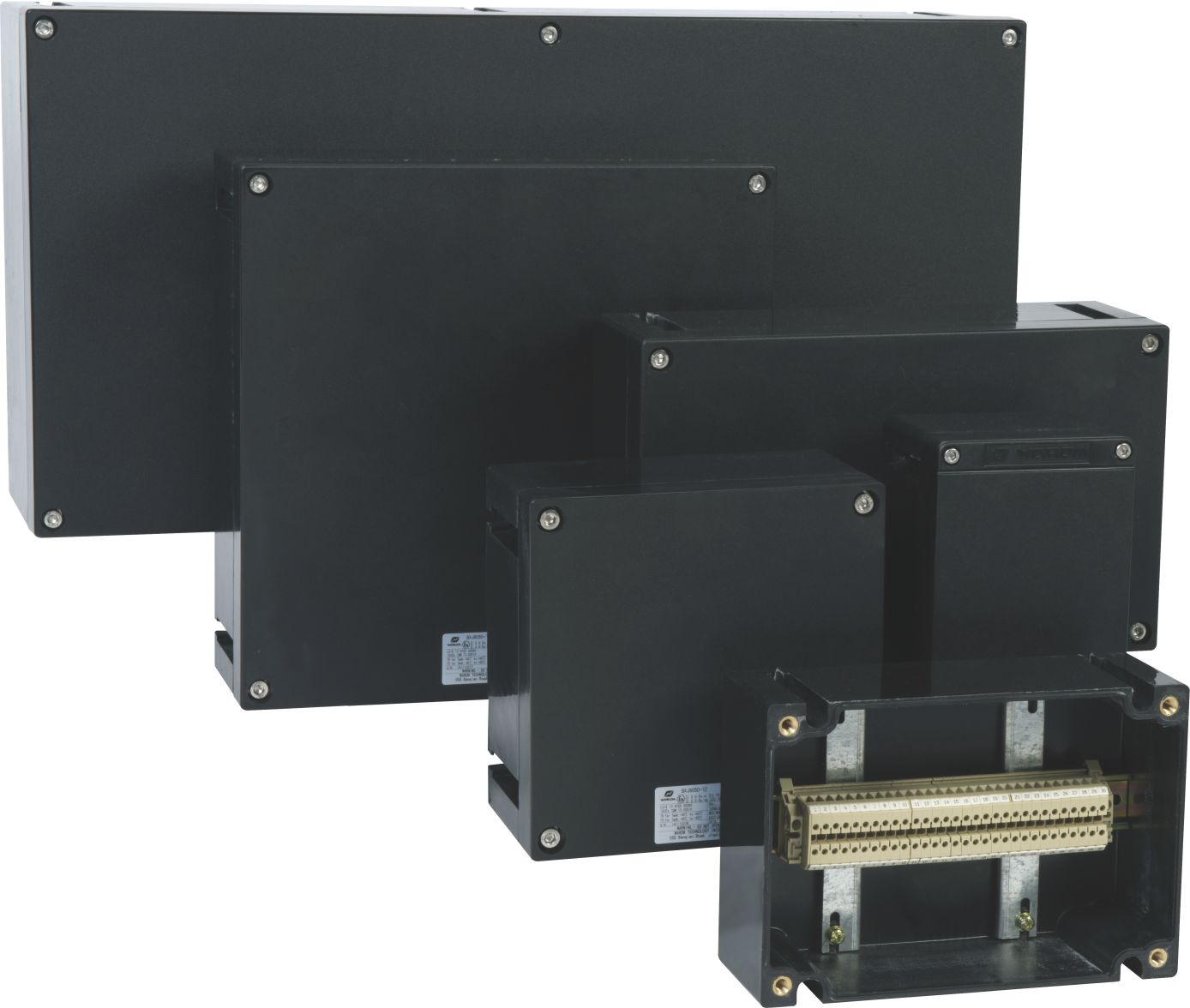
Also request the factory acceptance test (FAT) procedure or a sample test report, which demonstrates that the production process includes the tests required by the standard. For WAROM products, every distribution cabinet undergoes a FAT covering insulation resistance, dielectric strength, and functional checks before shipment, and we provide the report by default. If a supplier is reluctant to share test reports or certificate scans, that is a red flag.
If your project involves a mix of gas and dust zones, confirming equipment compatibility across classifications can be complex. Our engineers at gm*@***om.com can help review your zone map and suggested protection methods to avoid cross-zone mismatches.
Evaluate Supplier Engineering Support and Capability
Equipment specs and certificates are only part of the picture. A supplier’s engineering team is what turns a compliant component into a working system. I’ve seen situations where a client ordered all correct-spec equipment but still faced installation problems because the supplier lacked experience with the specific hazardous area layout.
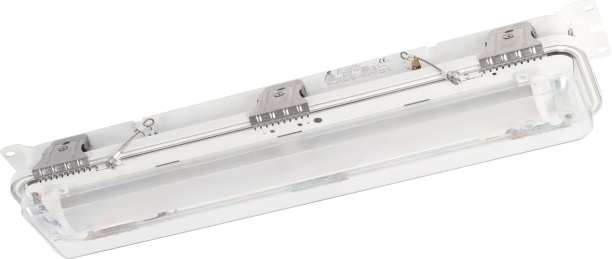
When evaluating a supplier, inquire about their engineering team’s involvement in the quotation process. Did they ask about your installation environment, propose alternative configurations, or just send a proforma invoice? Strong engineering support can be the difference between on-time commissioning and costly site modifications. For example, during the General Paint safety upgrade in Mexico, our engineers first conducted an on-site diagnosis, then designed a customized explosion-proof solution that integrated gas detectors, distribution boxes, static discharge devices, and anti-corrosion equipment. This project would have been impossible without hands-on engineering support.
A factory audit—whether virtual or in person—can reveal a lot about a supplier’s capability. Look for in-house testing facilities, quality control procedures, and an organized documentation system. The supplier’s track record in similar industries is also telling. Our Tilenga project in Uganda, for instance, required explosion-proof lighting and electrical systems for wellpads, a CPF, and pipelines within a national park, with stringent safety and environmental constraints. Having engineers who understood both the equipment standards and the on-the-ground challenges was essential to achieving zero safety incidents.
Calculate Total Cost of Ownership Over the Equipment Lifecycle
Purchase price is just the first expense. LED lighting, for instance, has a higher unit cost than fluorescent but consumes less energy and lasts significantly longer. In a refinery with hundreds of luminaires, the electricity savings alone can recover the premium within two years. Add reduced maintenance costs—especially in elevated or confined-access locations—and the total cost of ownership tilts strongly toward LED, even before factoring downtime risks.
Spare parts availability, warranty terms, and the cost of future expansions also matter. Some low-cost suppliers use non-standard components that are difficult to source later, forcing you back to the same supplier for replacements at inflated prices. Conversely, suppliers who use widely available industrial components can reduce your long-term dependency.
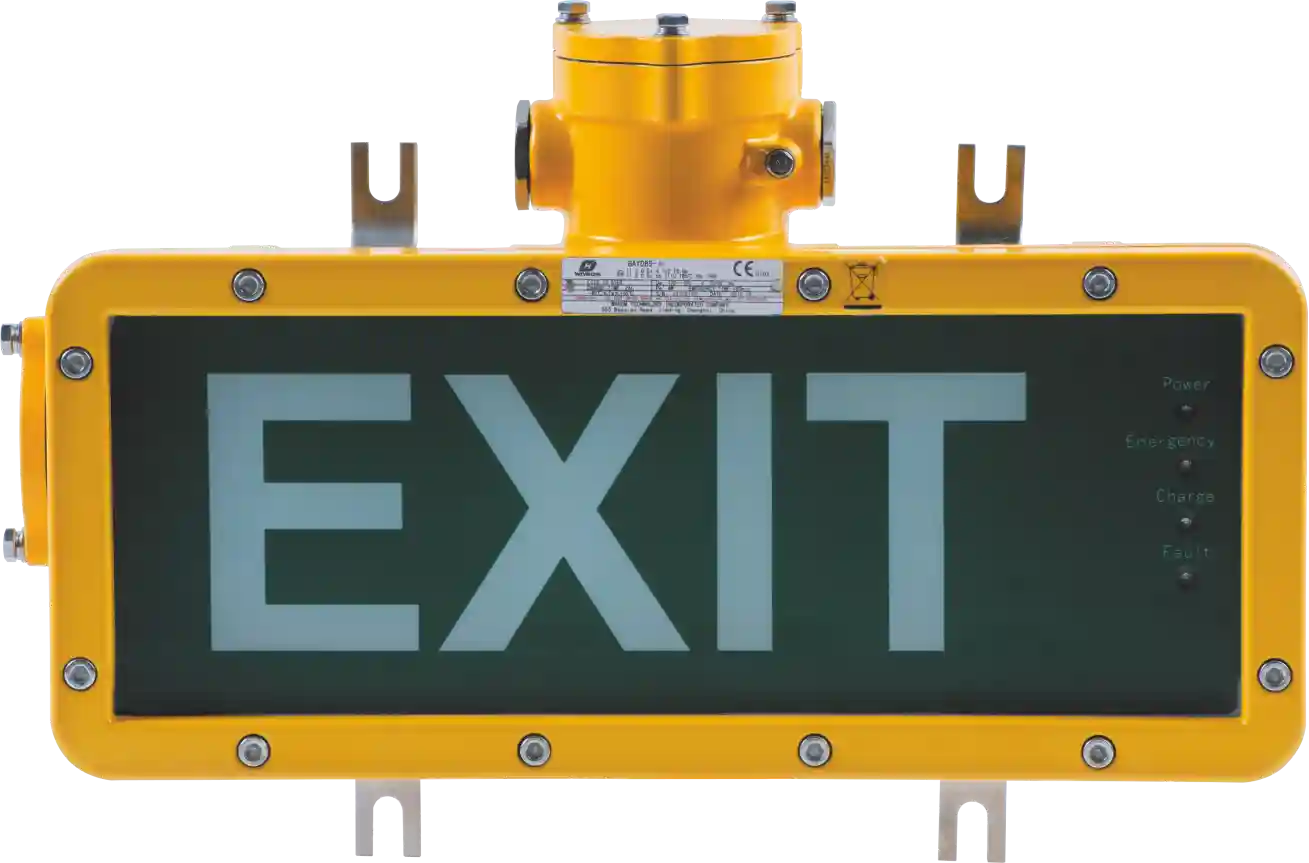
Finally, consider the cost of non-compliance: a single failed inspection or safety incident can halt operations, trigger fines, and damage your company’s reputation. Reliable equipment with thorough documentation and certification support reduces this risk. When I evaluate quotes for my own projects, I add a notional ‘compliance risk cost’ to any option that lacks robust documentation or engineering support. That mental model often changes the ranking of suppliers.
Act on Your Comparison with Confidence
Once you have applied these criteria to your shortlisted quotes, the next step is to engage the top-ranked supplier for a detailed technical clarification call. This call is your opportunity to validate their engineering support, discuss any project-specific conditions, and confirm that their documentation reflects the exact equipment they will deliver.
If you are working on a project with complex hazardous area classifications or demanding environmental conditions, our team at Warom Technology is ready to assist. Send your specifications and requirements to gm*@***om.com, or call +86 21 39977076, and our engineers will review your comparison and help you identify any compliance or compatibility gaps. We regularly help EPC contractors and plant operators select the right combination of distribution panels, lighting, and control equipment to meet both safety standards and project budgets.
Common Questions About Explosion Proof Equipment Quote Comparisons
How do I confirm that a supplier’s ATEX certificate is valid?
Start by requesting a copy of the certificate. Check the certificate number against the issuing body’s online database; most certifiers (TÜV, DNV, etc.) offer public search. Ensure the certificate covers the specific product models quoted, matches the manufacturing location, and hasn’t expired. Also verify that the protection concept and gas group on the certificate match your site requirements. A supplier who hesitates to share these details may have something to hide.
What is the difference between Ex d and Ex e, and which should I choose?
Ex d (flameproof) enclosures are designed to contain an explosion and cool escaping gases so they cannot ignite the surrounding atmosphere. Ex e (increased safety) enclosures prevent the occurrence of arcs, sparks, or hot surfaces under normal operation. Ex d is heavy and often more expensive but can handle higher energy equipment like switchgear. Ex e is lighter and cheaper but requires strict maintenance discipline. Your choice depends on the equipment type and zone; for motors and circuit breakers in Zone 1, Ex d is typical, while terminal boxes and some lighting can use Ex e.
Is the lowest total cost of ownership always the best option?
Not necessarily. TCO models assume you have accurate estimates of energy costs, maintenance labor, and failure rates. In a remote location where sending a technician costs thousands of dollars, high reliability becomes more valuable than a small energy saving. A supplier with a proven track record in similar environments may justify a slightly higher TCO estimate if their equipment has demonstrated longer mean time between failures. Weigh TCO alongside supplier capability and project-specific risk factors.
How can I check a supplier’s engineering capability before visiting their factory?
Request a technical questionnaire that asks about their engineering team size, certification of their designers, and past projects in your industry. Ask for case studies or references for installations similar to yours. A capable supplier will be able to discuss how they would handle specific challenges like extreme temperatures or combined gas/dust zones. If their response is generic, that is a warning sign. A phone or video call with their senior engineer can also reveal whether they understand your application deeply or just sell catalog items.
What should I include in my quotation request to get comparable offers?
Provide a detailed specification sheet that includes zone classification, gas group, temperature class, IP rating, material preference, cable entry type, and any local regulations. Specify that the quote must list compliance certificates, delivery lead time, warranty terms, and whether factory acceptance testing is included. When all suppliers bid against the same scope, comparing quotes becomes an apples-to-apples exercise. If a quote is missing required information, ask them to resubmit rather than guessing. If you need help drafting a specification or want a second opinion on quotes you’ve received, send your documentation to gm*@***om.com and we can discuss your project’s protection requirements.
If you’re interested, check out these related articles:
Warom at Gastech 2025
Expert Guide: Selecting Temporary Power Distribution Boxes
IECEx International Hydrogen Conference 2024
With over a decade of experience, he is a seasoned Explosion-Proof Electrical Engineer specializing in the design and manufacture of safety and explosion-proof products. He possesses in-depth expertise across key areas including explosion-proof systems, nuclear power lighting, marine safety, fire protection, and intelligent control systems. At Warom Technology Incorporated Company, he holds dual leadership roles as Deputy Chief Engineer for International Business and Head of the International R&D Department, where he oversees R&D initiatives and ensures the precise delivery of design documentation for international projects. Committed to advancing global industrial safety, he focuses on translating complex technologies into practical solutions, helping clients implement safer, smarter, and more reliable control systems worldwide.
Qi Lingyi